- 1. Special Requirements for Pipeline Materials in Low-Temperature Pressure Systems
- 2. Material Advantages of ASTM A671 Steel Pipes
- 3. Electric Fusion Welding Process Enhances Pipeline Reliability
- 4. Rigorous Testing Standards Ensure Low-Temperature Safety
- 5. Typical Applications of ASTM A671 in Low-Temperature Industrial Systems
- 6. How LONGMA Ensures the Quality of ASTM A671 Pipes
- 7. Conclusion
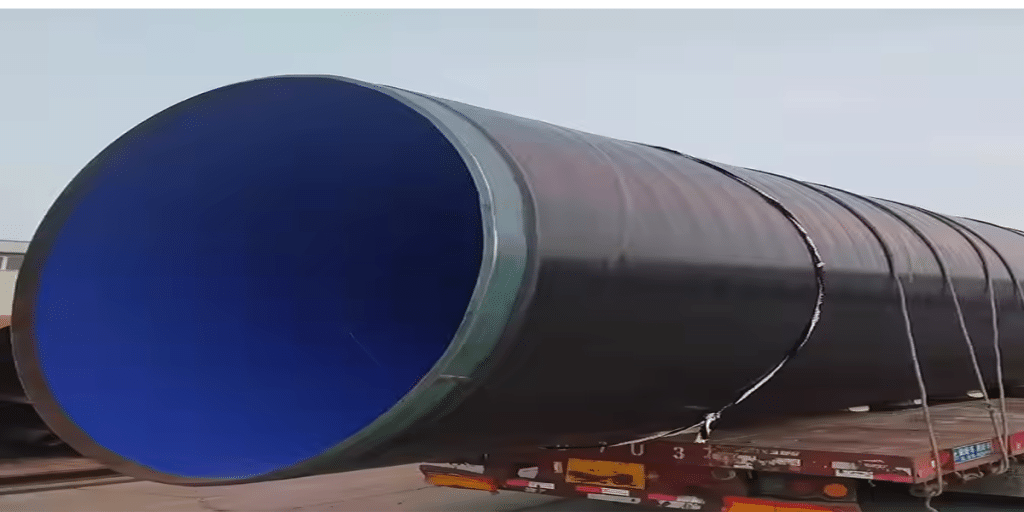
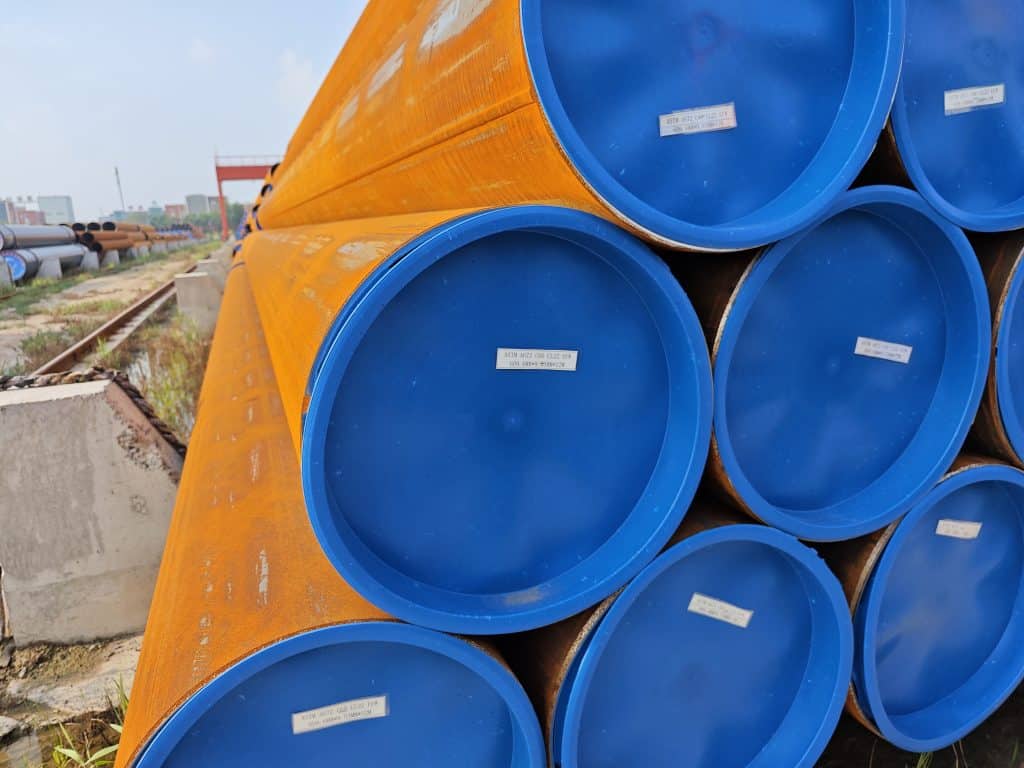
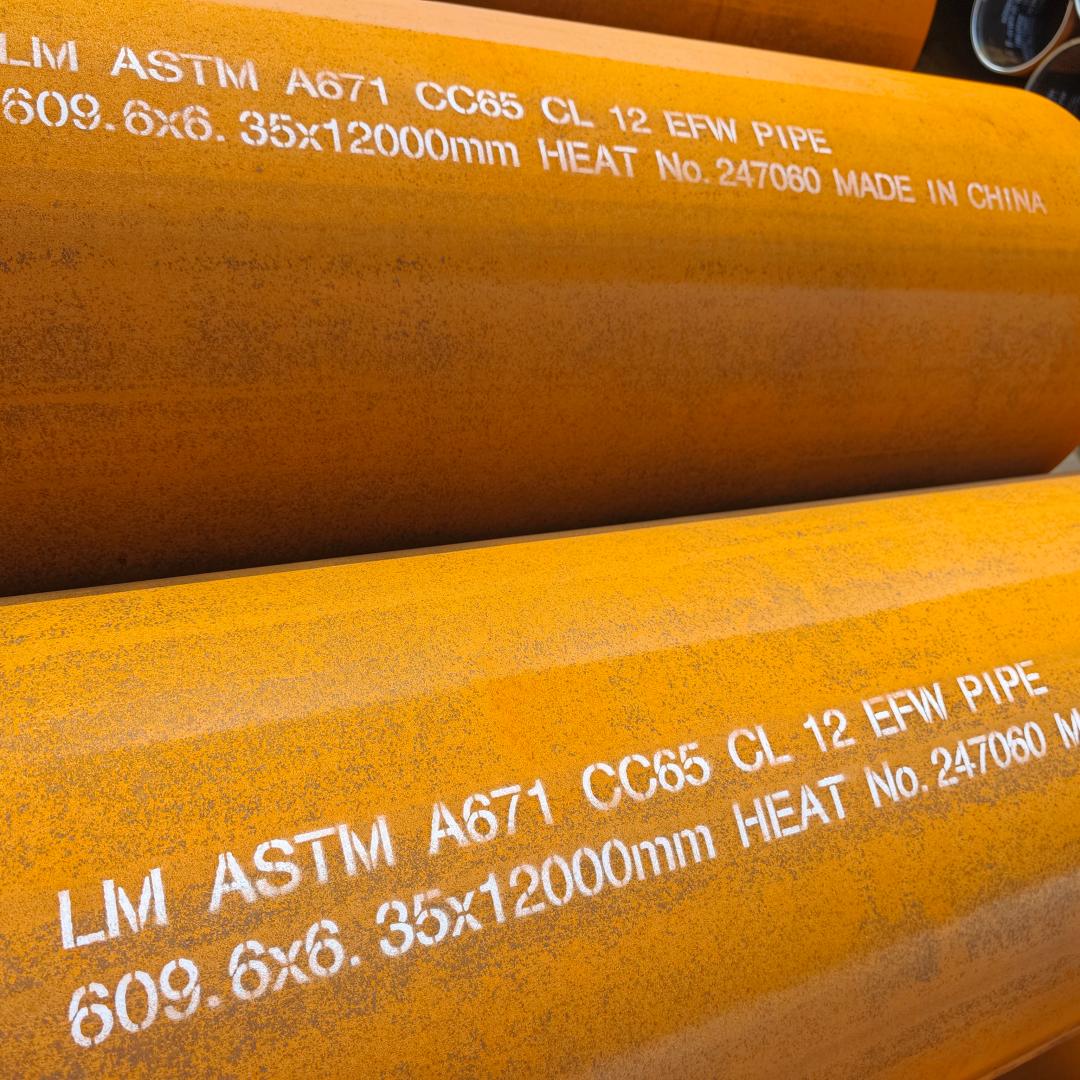
In liquefied natural gas (LNG), low-temperature storage and transportation, chemical plants, and energy pipeline systems in cold regions, materials must maintain excellent strength and toughness in low-temperature environments. If steel pipe materials suffer brittle fracture at low temperatures, it will pose severe safety risks to the entire pressure system. Therefore, in many industrial projects, engineers select welded steel pipes complying with the ASTM A671 standard as key pipeline materials.
This article will conduct an in-depth analysis of why ASTM A671 pipes are suitable for low-temperature pressure systems from the perspectives of material performance, manufacturing processes, testing standards and engineering applications, and provide professional references for engineering procurement combined with LONGMA’s more than 20 years of manufacturing experience.
Special Requirements for Pipeline Materials in Low-Temperature Pressure Systems
Low-temperature environments significantly affect steel properties. As the temperature drops, some ordinary carbon steels may experience reduced toughness or even brittle fracture. Therefore, steel pipes used in low-temperature pressure systems must have the following key properties:
- Excellent low-temperature impact toughness
- Stable tensile and yield strength
- Superior weldability
- A rigorous quality inspection system
Meeting these requirements, ASTM A671 materials—manufactured from pressure vessel-grade steel plates and subjected to strict welding and heat treatment—can satisfy the safety demands of low-temperature systems.
Material Advantages of ASTM A671 Steel Pipes
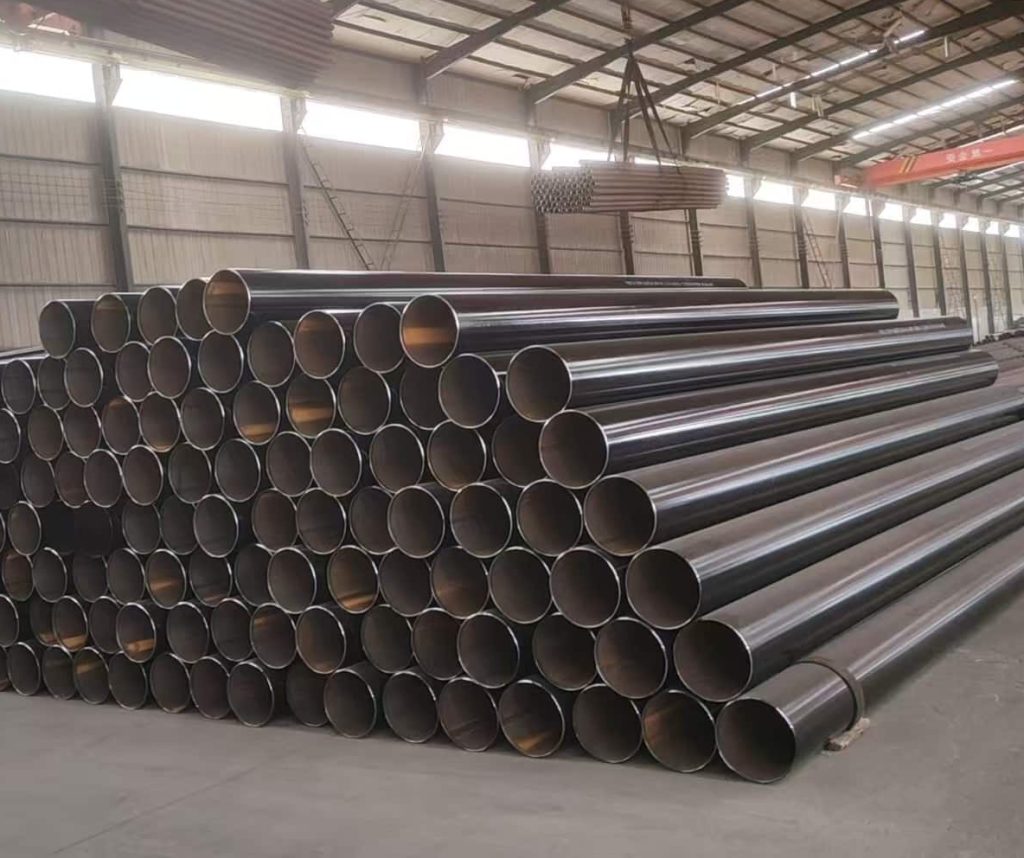
ASTM A671 is a standard for electric fusion welded (EFW) steel pipes, typically using pressure vessel steel plates (e.g., ASTM A516) as the base material. This standard specifies the chemical composition, mechanical properties and heat treatment requirements for steel pipes.
The following is an example of typical ASTM A671 mechanical properties:
| Performance Indicator | Typical Value | Engineering Significance |
| Yield Strength | ≥ 240 MPa | Ensure pressure-bearing capacity |
| Tensile Strength | 415–550 MPa | Provide structural stability |
| Impact Toughness | Per project requirements | Prevent low-temperature brittle fracture |
Thanks to its stable mechanical properties, ASTM A671 pipes are the preferred choice for key transmission pipelines in many low-temperature pressure systems.
Electric Fusion Welding Process Enhances Pipeline Reliability
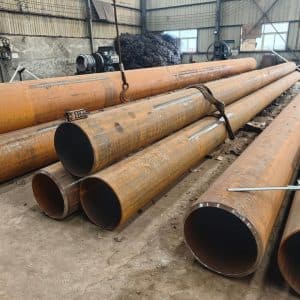
Compared with ordinary welded pipes, ASTM A671 pipes are manufactured using the electric fusion welding (EFW) process, which delivers stable and high-quality weld structures.
Advantages of the EFW process include:
- More stable control of the weld heat-affected zone
- Suitable for manufacturing thick-walled steel pipes
- High consistency in weld quality
In low-temperature environments, weld zones are often the most vulnerable areas. A high-quality welding process ensures that ASTM A671 materials maintain good structural integrity even under low-temperature conditions.
Rigorous Testing Standards Ensure Low-Temperature Safety
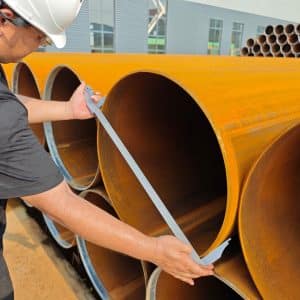
To guarantee the quality of ASTM A671 pipes, the standard stipulates a series of stringent testing requirements. These tests not only verify mechanical properties but also detect potential defects in advance.
Common Testing Methods
| Testing Method | Testing Purpose | Reference Standard |
| Impact Test | Verify low-temperature toughness | ASTM A370 |
| Radiographic Testing (RT) | Detect internal weld defects | ASTM E94 |
| Ultrasonic Testing (UT) | Detect cracks and delaminations | ASTM E213 |
| Hydrostatic Test | Verify pressure-bearing capacity | ASTM A671 Section 11 |
Among these, the impact test is a key measure to verify the stability of ASTM A671 mechanical properties in low-temperature environments. This test is usually conducted at a specified temperature to ensure the steel pipe does not suffer brittle fracture under low-temperature conditions.
Typical Applications of ASTM A671 in Low-Temperature Industrial Systems
Due to its stable performance, ASTM A671 pipes have been widely used in the following low-temperature industrial systems:
- LNG transmission pipelines
- Low-temperature chemical plants
- Cooling water systems
- Energy transmission pipelines in northern regions
In these systems, material reliability is directly related to the long-term safe operation of the equipment, and stable ASTM A671 materials can effectively reduce the risk of pipeline failure.
How LONGMA Ensures the Quality of ASTM A671 Pipes
In large-scale energy projects, one of the top concerns for purchasers is the supplier’s quality control capability.
As a steel pipe manufacturer with more than 20 years of experience, LONGMA has established a comprehensive quality management system for the production of ASTM A671 pipes, including:
- Automated welding production lines
- On-line non-destructive testing systems
- Complete heat treatment equipment
- An independent Internal Laboratory
LONGMA’s in-house laboratory can conduct chemical composition analysis, tensile tests and impact tests to ensure that each batch of ASTM A671 materials meets the requirements of the ASTM standard.
Through rigorous testing and quality control, LONGMA can provide global customers with high-quality steel pipe products with stable ASTM A671 mechanical properties.
Conclusion
In low-temperature pressure systems, material selection directly affects the safety and reliability of the entire pipeline system. With its excellent welding quality, stable mechanical properties and rigorous testing standards, ASTM A671 pipe has become an important choice for many low-temperature industrial projects.
For the LNG, chemical and energy industries, selecting high-quality ASTM A671 materials can significantly reduce operational risks and improve the long-term stability of systems.
Equipped with advanced manufacturing equipment, a strict quality control system and a professional in-house laboratory, LONGMA can provide reliable ASTM A671 pipe solutions for global customers. If you are looking for a trustworthy steel pipe supplier, we will be your ideal partner.