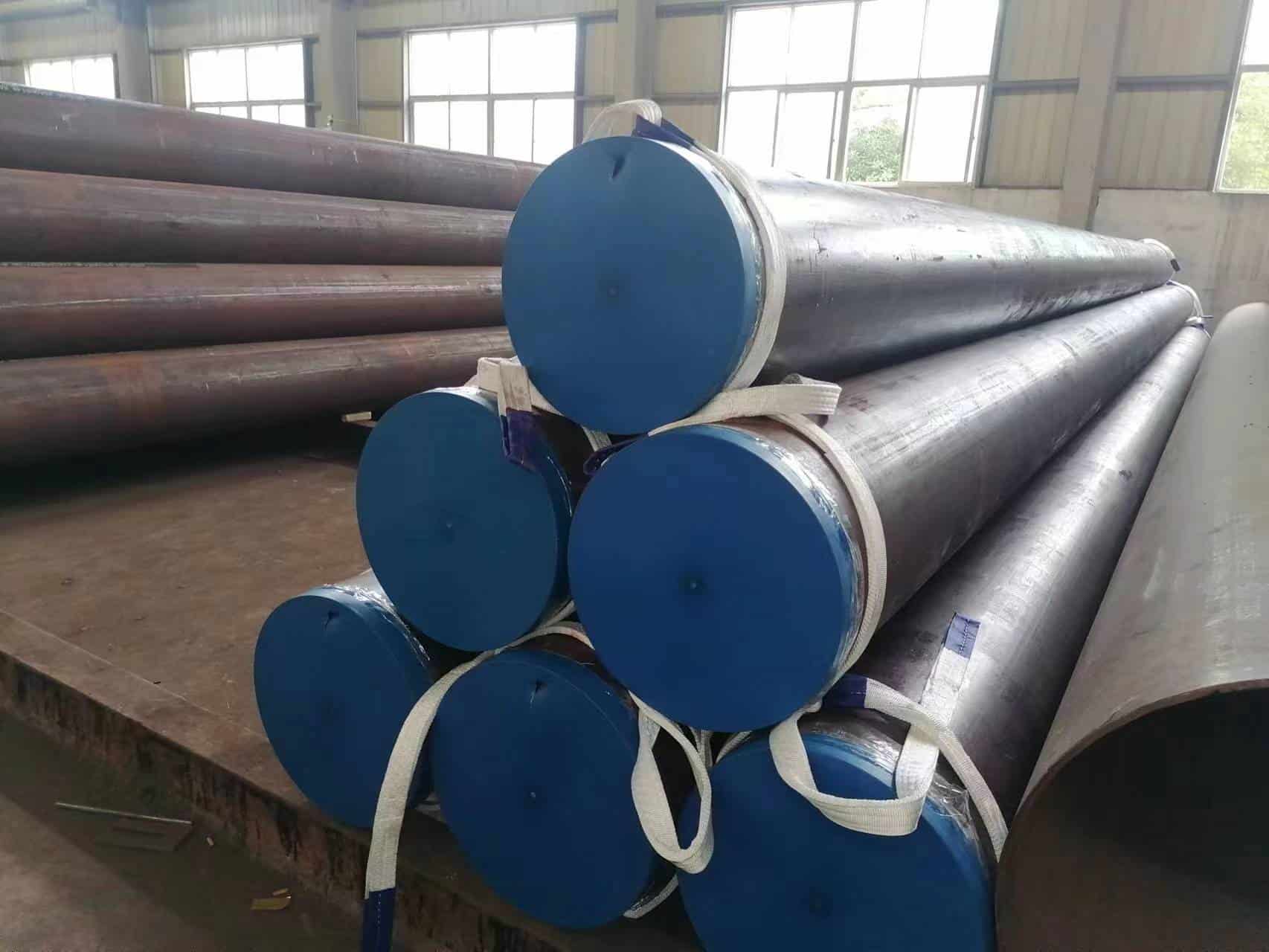
- 1. Overview of ASTM A691 Standard
- 2. Chemical Composition Analysis (Taking 4Cr Gr.32 as an Example)
- 3. Mechanical Property Requirements
- 4. Key Testing Methods and Standard Requirements
- 5. Procurement Risks and Quality Control Key Points
- 6. Quality Advantages of LONGMA
- 7. Why Choose LONGMA?
- 8. Conclusion: Winning Trust with Data and Strength
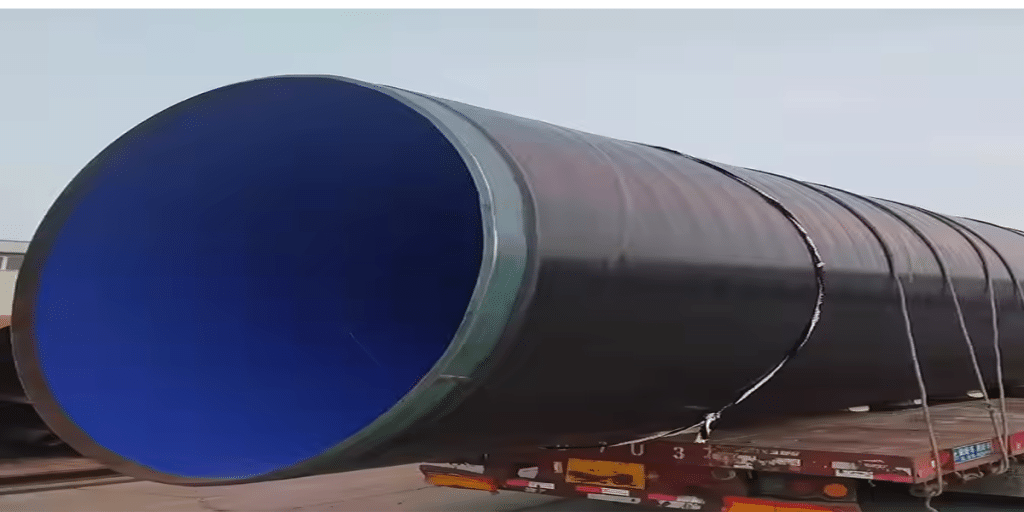
In the petroleum, natural gas, power generation, and refining industries, high-temperature and high-pressure service conditions impose extremely stringent requirements on piping materials. Designed specifically for high-temperature and pressure-retaining applications, ASTM A691 standard electric fusion welded (EFW) alloy steel pipes have become the top choice for numerous engineering projects due to their outstanding mechanical properties and stable chemical composition. This article deeply analyzes the core advantages of ASTM A691 pipes from the perspectives of material composition, mechanical properties, testing methods, and procurement risk control, while demonstrating the quality control capabilities of the LONGMA brand.
Overview of ASTM A691 Standard
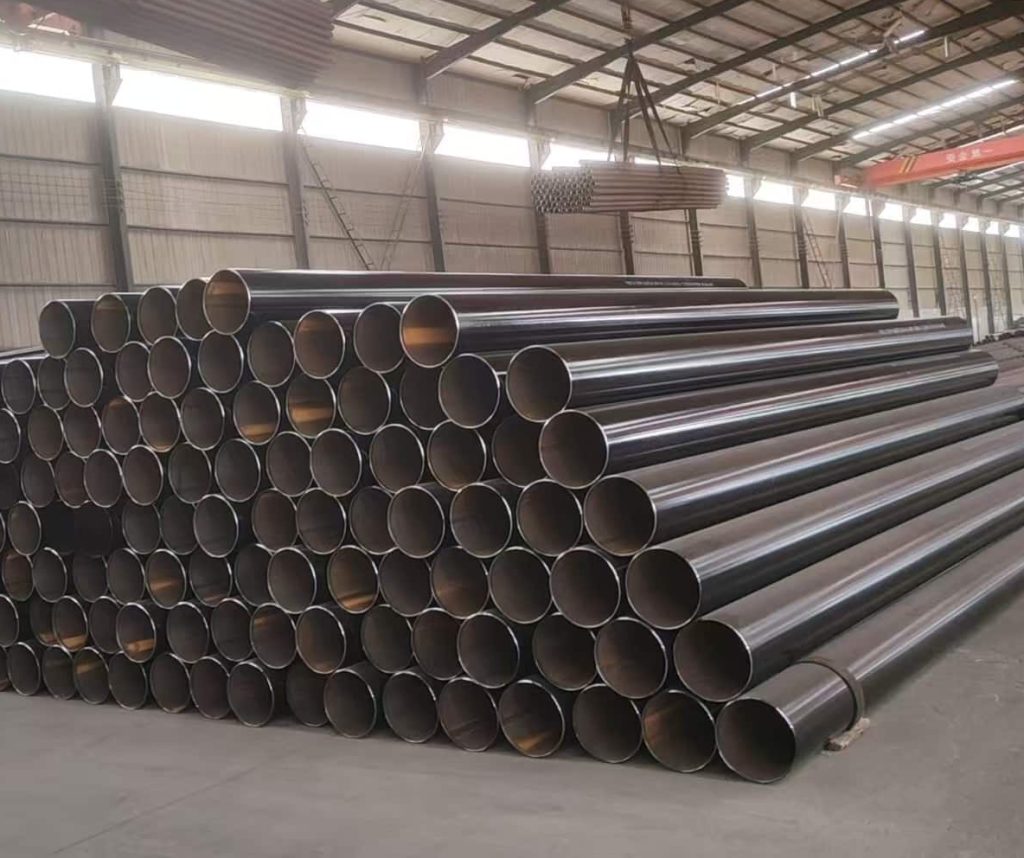
ASTM A691 is a standard issued by the American Society for Testing and Materials (ASTM), applicable to electric fusion welded (EFW) alloy steel pipes mainly used in high-temperature and high-pressure environments. Common grades include:
- ASTM A691 CL32
- ASTM A691 Grade 2.1 4Cr
- ASTM A691 Grade 2.1 4Cr Gr 32
These grades are typically manufactured from ASTM A387 plate material, formed by welding and then heat-treated to ensure uniform microstructure and stable performance.
Chemical Composition Analysis (Taking 4Cr Gr.32 as an Example)
Chemical composition directly determines the heat resistance, oxidation resistance, and mechanical properties of steel pipes.
| Element | Content Range (%) | Function |
| C (Carbon) | ≤0.15 | Improves strength; excessive content impairs weldability |
| Mn (Manganese) | 0.30–0.60 | Enhances hardenability and strength |
| Si (Silicon) | 0.50–1.00 | Boosts oxidation resistance |
| Cr (Chromium) | 3.70–4.30 | Improves heat resistance and corrosion resistance |
| Mo (Molybdenum) | 0.45–0.65 | Enhances high-temperature strength and creep resistance |
In ASTM A691 Grade 2.1 4Cr Gr 32, the synergistic effect of Cr and Mo enables excellent performance at 500–600°C, making it highly suitable for boiler and pressure vessel systems.
Mechanical Property Requirements
ASTM A691 specifies strict mechanical property requirements, with typical values listed below:
| Property | Minimum Requirement |
| Tensile Strength (MPa) | ≥515 |
| Yield Strength (MPa) | ≥310 |
| Elongation (%) | ≥18 |
| Impact Toughness (J) | As per project requirements |
Compared with ordinary carbon steel pipes, ASTM A691 pipes exhibit more stable strength at high temperatures, especially exceptional creep resistance during long-term service.
Key Testing Methods and Standard Requirements
To ensure compliance with standards, LONGMA’s in-house laboratory performs a series of rigorous tests in strict accordance with relevant ASTM clauses.
- Chemical Composition Analysis (ASTM A751)
Purpose: Verify whether material composition meets standard requirements
Method: Optical Emission Spectrometry (OES)
Procedure:
-
- Take samples and polish the surface
- Test element contents with a spectrometer
- Compare results with standard limits
- Tensile Test (ASTM A370)
Purpose: Measure tensile strength and yield strength
Procedure:
-
- Prepare standard test specimens
- Load to fracture on a tensile testing machine
- Record stress-strain curves
LONGMA is equipped with fully automatic tensile equipment to ensure accurate and traceable test data.
- Impact Test (ASTM A370 / A673)
Purpose: Verify low-temperature toughness of materials
Application: Low-temperature or fluctuating pressure conditions
- Non-Destructive Testing (NDT)
| Method | Standard | Application |
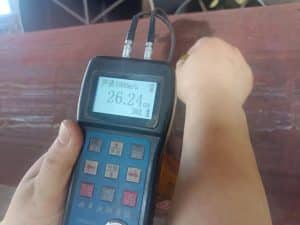
| Ultrasonic Testing (UT) | ASTM A435 | Detect internal defects |
| Radiographic Testing (RT) | ASTM E94 | Evaluate weld quality |
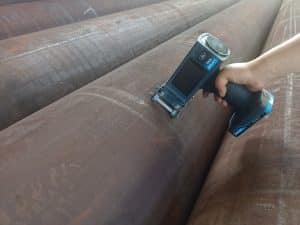
| Magnetic Particle Testing (MT) | ASTM E709 | Detect surface cracks |
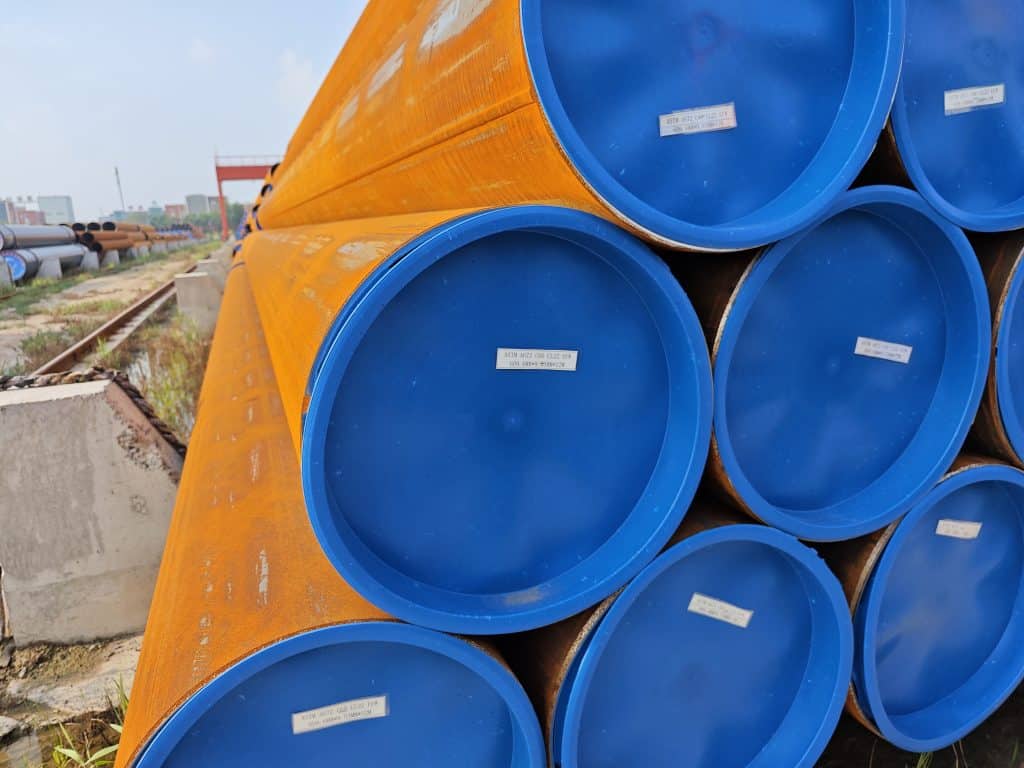
For export projects such as supply of ASTM A691 pipes & tubes in Spain, NDT is a critical quality control item for customers.
- Heat Treatment Verification (ASTM A691 Requirements)
Purpose: Relieve welding residual stress and improve microstructure stability
Common Process: Normalizing + Tempering
Procurement Risks and Quality Control Key Points
In practical procurement of ASTM A691 products, customers commonly face the following risks:
- Non-compliant materials: Some suppliers substitute lower-grade plates, resulting in unstable performance.
- Unstable weld quality: Weld defects directly compromise pipeline safety.
- Falsified test reports: Data lacking third-party or in-house laboratory support has low credibility.
Quality Advantages of LONGMA
As a steel pipe manufacturer with over 20 years of experience, LONGMA has built distinct advantages in the following areas:
- In-house laboratory: Complete set of chemical analysis and mechanical testing equipment; full batch traceability.
- Strict ASTM compliance: All ASTM A691 pipes are produced and tested in strict accordance with standards.
- Extensive export experience: Supplied ASTM A691 pipes & tubes for multiple European projects including those in Spain, meeting both EN and ASTM standards.
- Full-process quality control: Controlled throughout raw material purchasing → forming → welding → heat treatment → inspection.
Why Choose LONGMA?
When purchasing ASTM A691 CL32 or ASTM A691 Grade 2.1 4Cr, selecting a reliable supplier is critical. LONGMA provides:
- Original factory warranty and complete MTC (Material Test Certificate)
- Support for third-party inspection (SGS / BV, etc.)
- Fast delivery and customized production
- Professional technical support
Conclusion: Winning Trust with Data and Strength
In high-temperature and high-pressure applications, material selection directly affects project safety and operating costs. Systematic analysis of chemical composition, mechanical properties, and testing methods shows that ASTM A691 standard products have high technical thresholds.
With a sophisticated in-house laboratory and strict quality control system, LONGMA not only meets standard requirements but also delivers exceeding reliability for customers.
If you need:
- ASTM A691 material test reports
- Latest quotations
- Technical specifications for EPC projects
Feel free to contact LONGMA for professional, prompt, and reliable solutions.