- 1. Scope of the ASTM A53 Standard
- 2. Performance Comparison: A53 Seamless vs. Welded Steel Pipe
- 3. Grade A vs. Grade B: Which One Should You Choose?
- 4. Key Inspection Methods Required by ASTM A53
- 5. Why Welded Steel Pipe Remains the Preferred Choice for Many Projects
- 6. Common Risks When Purchasing ASTM A53 Steel Pipe
- 7. How LONGMA Builds Customer Confidence
- 8. Conclusion: Choose the Right A53 Steel Pipe, Not Simply the More Expensive One
In water supply and drainage, fire protection, low-pressure steam, compressed air transportation, general structural applications, and galvanized piping systems, ASTM A53 steel pipe is one of the most widely specified carbon steel pipe standards in international procurement. According to the ASTM specification, ASTM A53/A53M covers black and hot-dip galvanized steel pipe in both seamless and welded forms, with sizes ranging from NPS 1/8 to NPS 26. The standard also establishes requirements for chemical composition, mechanical properties, tensile testing, bend testing, flattening testing, hydrostatic testing, or nondestructive electric testing.
For buyers, the real challenge is not simply choosing between seamless and welded pipe, but finding the right balance among budget, delivery time, pressure rating, weldability, and quality traceability. With more than 20 years of manufacturing experience, LONGMA specializes in round ERW and LSAW steel pipes, providing reliable A53 welded pipe products, comprehensive in-house inspection reports, and complete documentation for export projects.
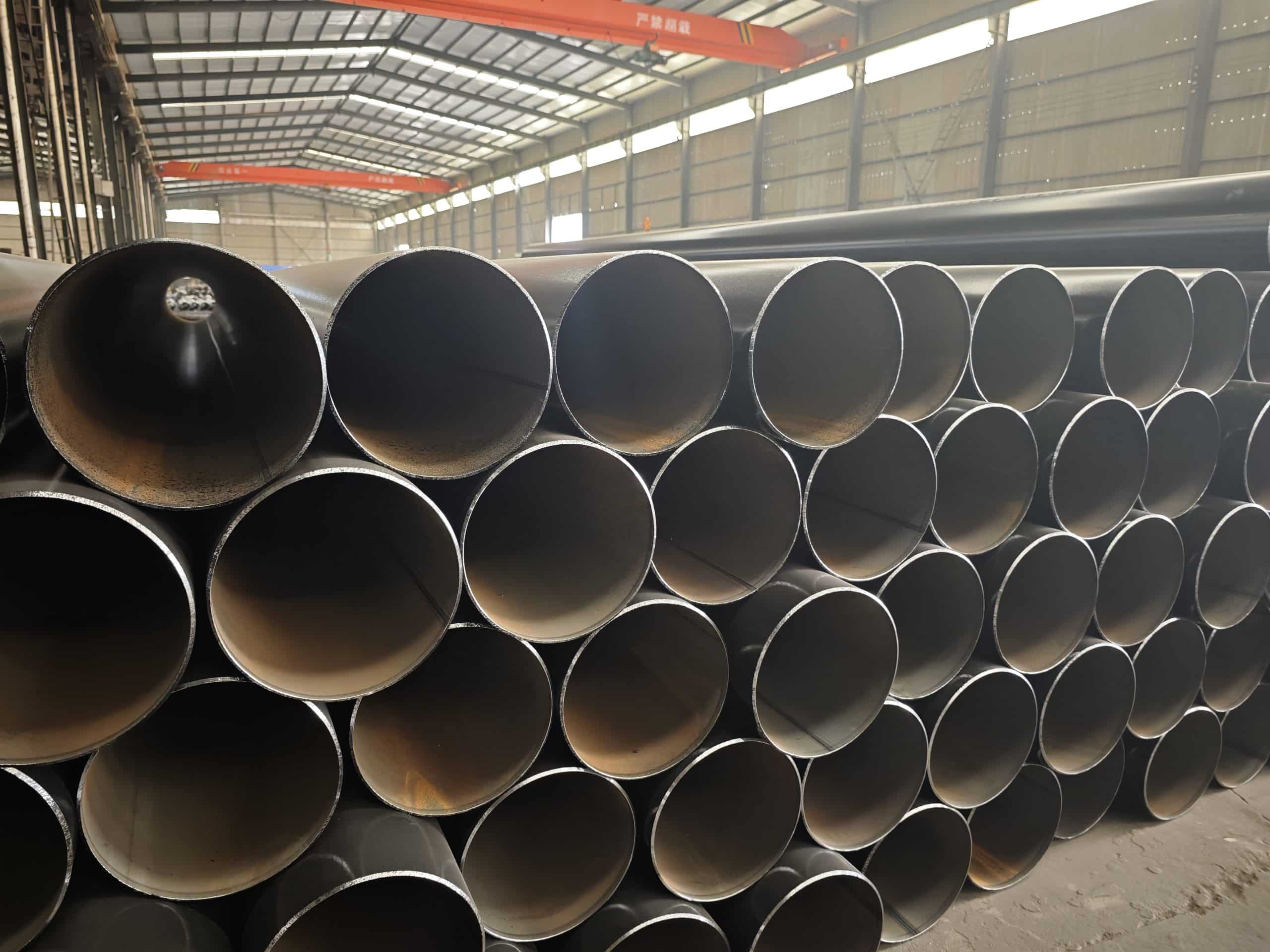
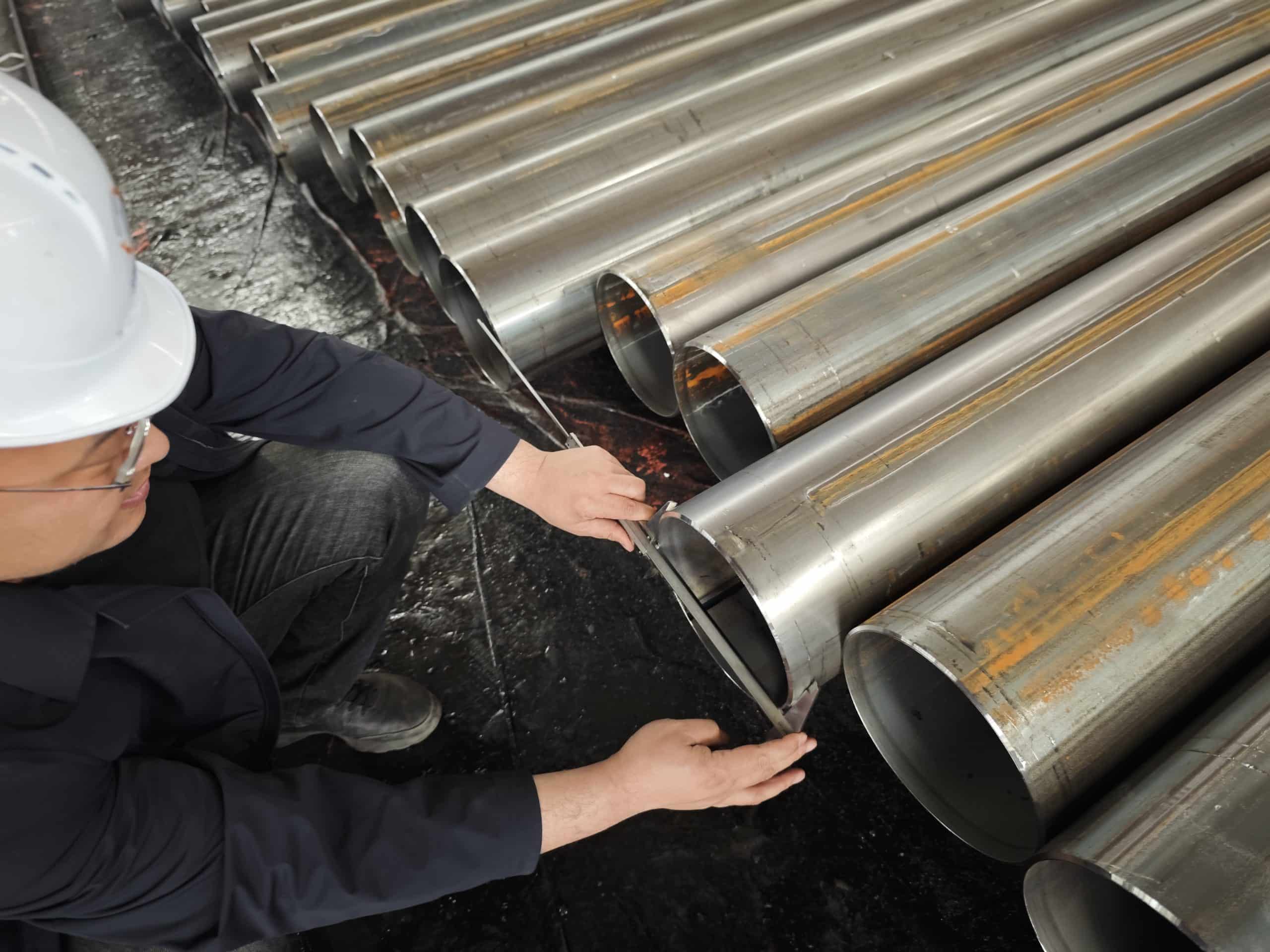
Scope of the ASTM A53 Standard
ASTM A53/A53M, officially titled Standard Specification for Pipe, Steel, Black and Hot-Dipped, Zinc-Coated, Welded and Seamless, is commonly classified into the following types:
| Type | Description | Common Grades | Key Features |
| Type S | Seamless Steel Pipe | Grade A / Grade B | No weld seam; ideal for applications requiring continuous pipe integrity |
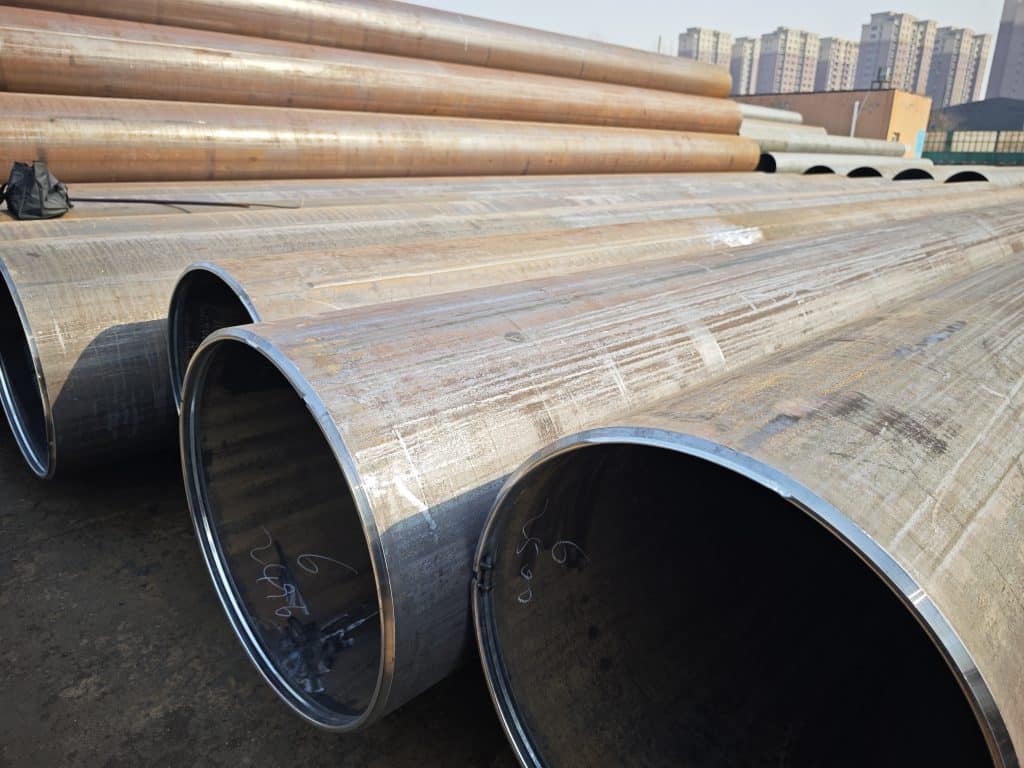
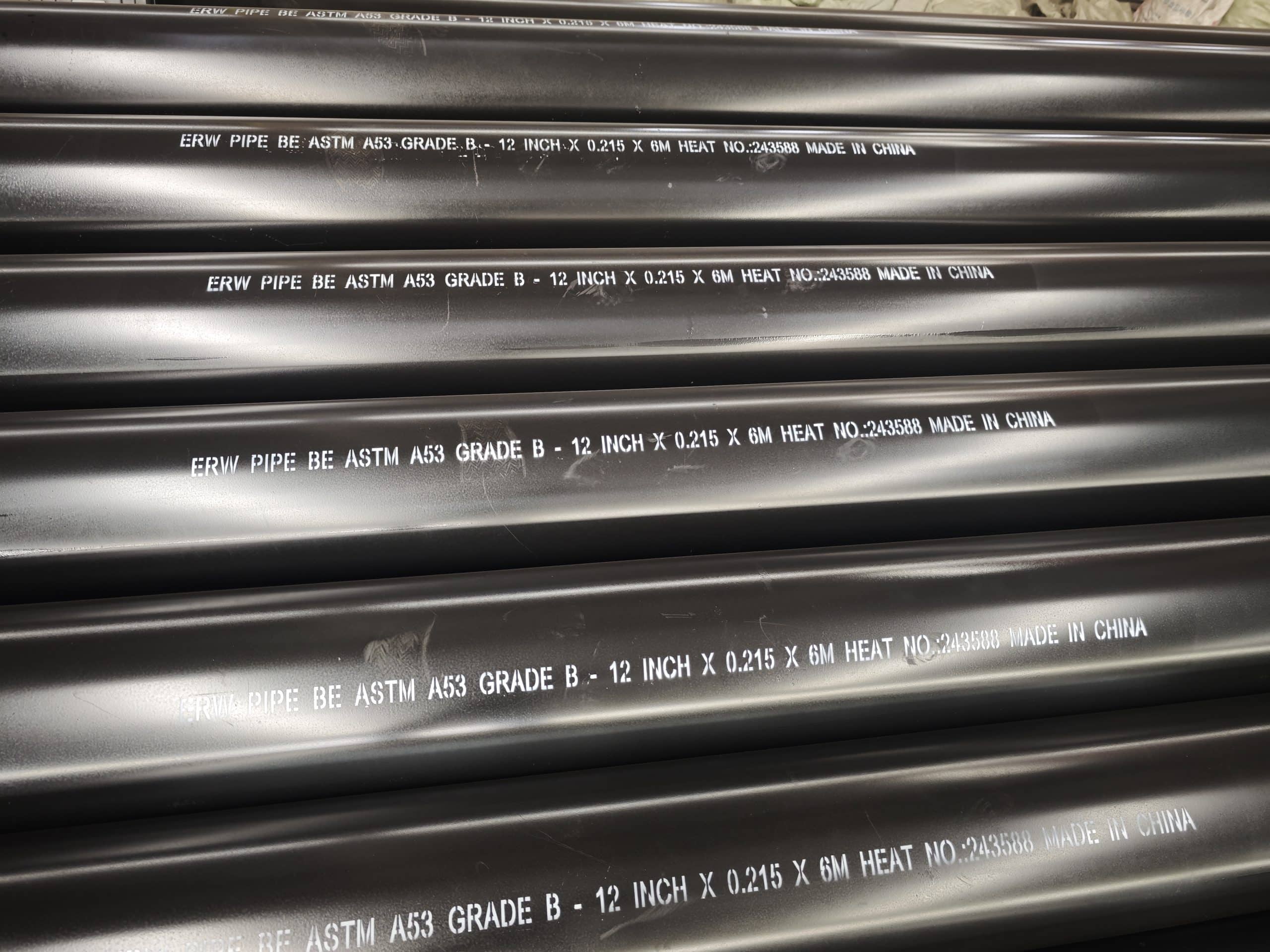
| Type E | Electric Resistance Welded (ERW) Steel Pipe | Grade A / Grade B | Manufactured by electric resistance welding; offers excellent dimensional accuracy and flexible delivery schedules |
| Type F | Furnace-Welded Steel Pipe | Grade A | Less commonly used and not suitable for all fabrication requirements |
Both A53 seamless pipe and A53 welded pipe are suitable for general pressure service. However, the correct selection should be based on the conveyed medium, operating pressure, service temperature, fabrication requirements, and project specifications. ASTM also specifies that both seamless and welded products must undergo tensile, bend, flattening, hydrostatic, or nondestructive electric testing to verify compliance.
Performance Comparison: A53 Seamless vs. Welded Steel Pipe
| Comparison Item | A53 Seamless Pipe | A53 Welded Pipe |
| Manufacturing Process | Billet piercing followed by rolling or hot working | Formed from steel strip or plate and welded |
| Weld Seam | None | Weld seam present; weld quality must be carefully controlled |
| Dimensional Consistency | Stable, but higher production cost for large volumes | Better OD and wall thickness consistency for bulk orders |
| Cost | Generally higher | More cost-effective |
| Delivery Time | Depends on billet availability and production schedule | More flexible for standard specifications |
| Typical Applications | Higher continuity requirements and selected pressure services | Water, gas, fire protection, structural applications, galvanized pipelines |
From a B2B purchasing perspective, the main advantage of A53 seamless pipe is its seamless construction. However, this does not mean seamless pipe is always the optimal solution. For municipal infrastructure, commercial buildings, fire protection systems, compressed air pipelines, and general pressure piping, high-quality A53 welded pipe often delivers better cost efficiency and faster project completion.
Grade A vs. Grade B: Which One Should You Choose?
The two most common grades under ASTM A53 are Grade A and Grade B. Grade B generally provides higher strength than Grade A, making it the preferred choice for most engineering projects. For applications involving welding, bending, cutting, grooved connections, or hot-dip galvanizing, buyers should evaluate not only the price but also the chemical composition, mechanical properties, and inspection records.
| Grade | Recommended Applications | Typical Uses |
| Grade A | General low-pressure applications and fabrication projects | General fluid transportation and light structural applications |
| Grade B | Higher-strength engineering projects | Fire protection systems, construction piping, gas transmission, structural supports |
LONGMA helps customers select the most suitable grade based on engineering drawings, procurement specifications, and project requirements, minimizing the risks of incorrect material selection, project delays, or unnecessary costs.
Key Inspection Methods Required by ASTM A53
A high-quality ASTM A53 steel pipe is not judged solely by dimensional accuracy. Comprehensive testing is equally critical. The following inspection methods are essential indicators of a manufacturer’s quality assurance capability.
| Inspection Method | Standard Requirement | Purpose | LONGMA Quality Control |
| Chemical Composition Analysis | Controls C, Mn, P, S, and other elements | Ensures weldability, strength, and material consistency | Incoming raw material verification with heat number traceability |
| Tensile Test | Verifies yield strength, tensile strength, and elongation | Confirms mechanical performance | Performed in LONGMA’s in-house laboratory |
| Bend Test | Evaluates ductility and forming capability | Prevents cracking during fabrication | Conducted according to customer requirements |
| Flattening Test | Primarily for welded pipe verification | Detects weld and pipe body defects | Special attention paid to the weld zone |
| Hydrostatic Test | No leakage permitted | Verifies pressure integrity | Performed batch by batch according to specifications |
| Nondestructive Electric Test | Detects discontinuities in the pipe body or weld | Reduces the risk of hidden defects | Can be combined with UT or ET inspection |
ASTM A53/A53M explicitly requires tensile, bend, flattening, hydrostatic, or nondestructive electric testing. Hydrostatic testing must demonstrate that the pipe and weld are leak-free. For buyers, documented inspection reports are far more valuable than verbal quality assurances.
Why Welded Steel Pipe Remains the Preferred Choice for Many Projects
Many buyers initially assume that seamless pipe is always superior. In reality, project procurement focuses on selecting the most appropriate solution. For conventional pressure service, fire protection systems, construction piping, galvanized water pipelines, and structural applications, high-quality A53 welded pipe is often the more practical option.
The reasons include:
- Excellent dimensional consistency for easier installation and fabrication.
- High production efficiency of ERW pipes, resulting in shorter lead times.
- Reliable performance in engineering applications when weld quality and hydrostatic testing fully comply with ASTM requirements.
- Lower overall cost than A53 seamless pipe, helping reduce project budgets.
LONGMA differentiates itself by integrating advanced welding technology, online inspection, finished product testing, and complete quality traceability rather than competing solely on price.
Common Risks When Purchasing ASTM A53 Steel Pipe
When sourcing ASTM A53 steel pipe, buyers frequently overlook important details such as outdated standard versions, incorrect grade selection, confusion between Type S and Type E, unspecified galvanizing requirements, incomplete Material Test Certificates (MTCs), unconfirmed dimensional tolerances, or missing third-party inspection requirements.
These issues can lead to customs delays, inspection failures, or installation problems. Before placing an order, buyers should confirm the following:
| Procurement Item | Information to Confirm |
| Standard | ASTM A53/A53M and applicable edition |
| Type | Type S, Type E, or other |
| Grade | Grade A or Grade B |
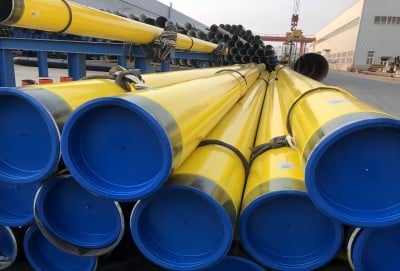
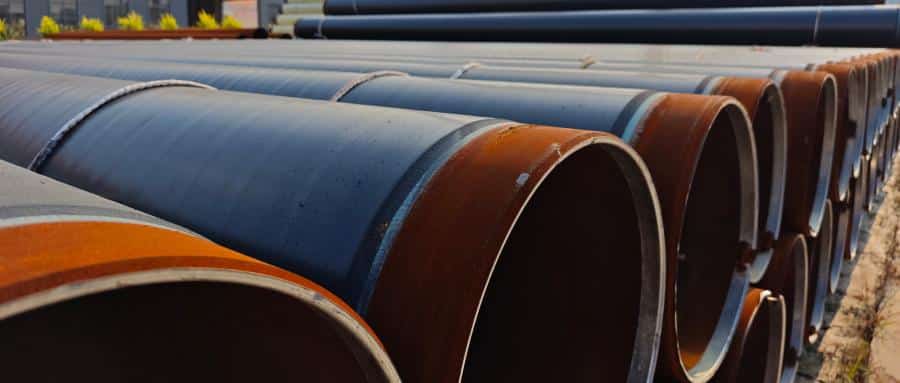
| Surface Finish | Black pipe, painted, or hot-dip galvanized |
| Dimensions | NPS, outside diameter, wall thickness, and length |
| Inspection | Hydrostatic testing, NDT, third-party inspection |
| Documentation | MTC, packing list, material certificates, inspection reports |
LONGMA provides a comprehensive technical review process before production, helping customers eliminate procurement errors at the earliest stage.
How LONGMA Builds Customer Confidence
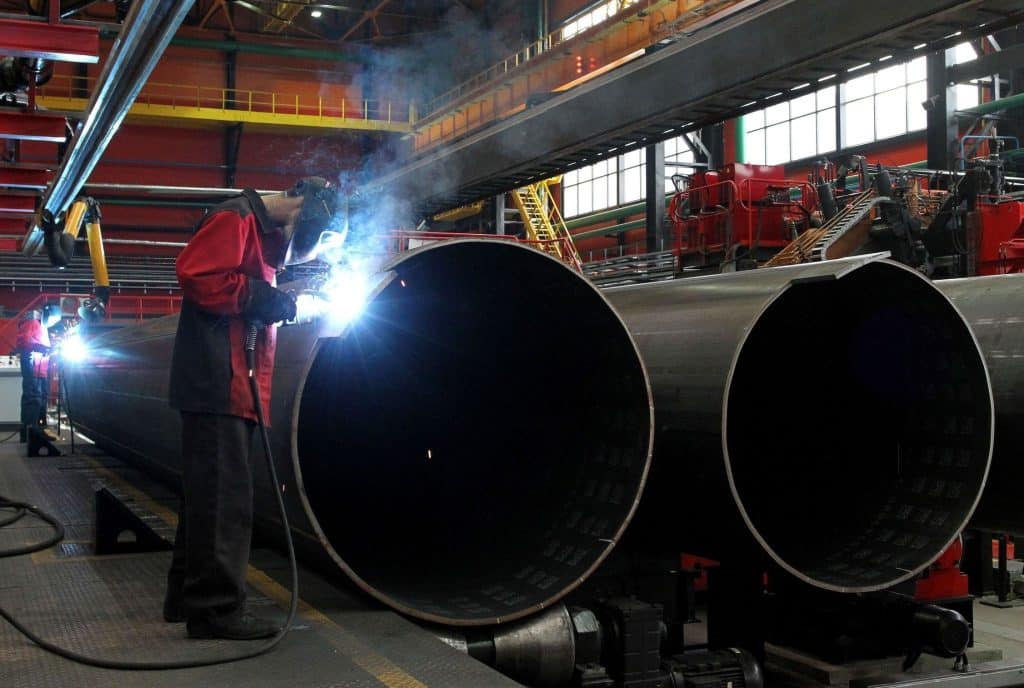
With more than two decades of manufacturing experience, LONGMA focuses not only on production efficiency but also on verifiable quality management. For every A53 welded pipe order, quality control covers raw material inspection, pipe forming, welding, dimensional verification, weld inspection, hydrostatic testing, surface treatment, and complete production documentation.
LONGMA’s in-house laboratory supports chemical composition analysis, mechanical property testing, dimensional inspection, and batch traceability. For international customers, the company also provides third-party inspection coordination, pre-shipment inspection, and comprehensive export documentation to minimize procurement risks.
Conclusion: Choose the Right A53 Steel Pipe, Not Simply the More Expensive One
A53 seamless pipe is ideal for applications requiring continuous pipe integrity, while high-quality A53 welded pipe offers significant advantages in cost efficiency, delivery flexibility, and large-scale production consistency. Successful procurement of ASTM A53 steel pipe depends not only on choosing between seamless and welded products, but also on evaluating the applicable standard, grade, inspection methods, documentation, and the manufacturer’s quality assurance capabilities.
If you are looking for a reliable supplier of ASTM A53 Grade B ERW steel pipe, black steel pipe, or hot-dip galvanized steel pipe, LONGMA can provide professional technical consultation, comprehensive quality inspection, export documentation, and customized project support. Contact LONGMA today for a competitive quotation, sample inspection reports, or expert assistance with your next project.
The translation is based on the uploaded document.