- 1. API 5L Welded and Seamless Pipes
- 2. API 5L Welded Pipe vs. Seamless Pipe: Key Comparisons for Decision Making
- 3. Procurement Guide for API 5L Welded Pipes: From Sourcing to Delivery
- 4. Why LONGMA Stands Out as Your API 5L Welded Pipe Manufacturer?
- 5. Conclusion
- 6. FAQ
- 7. Partner with LONGMA for Your Next Pipeline Project
When specifying line pipe for oil and gas transmission projects, procurement managers face a fundamental question: should they select welded or seamless construction? API 5L welded pipe—manufactured via ERW (Electric Resistance Welding) or LSAW (Longitudinal Submerged Arc Welding)—delivers exceptional dimensional accuracy, cost efficiency, and scalability for diameters ranging from 4 inches to 72 inches. Seamless pipe offers uniform metallurgical properties but comes with higher costs and limited availability in large diameters. Understanding the trade-offs between these two manufacturing methods is critical for optimizing project budgets, meeting technical specifications, and ensuring long-term pipeline integrity.
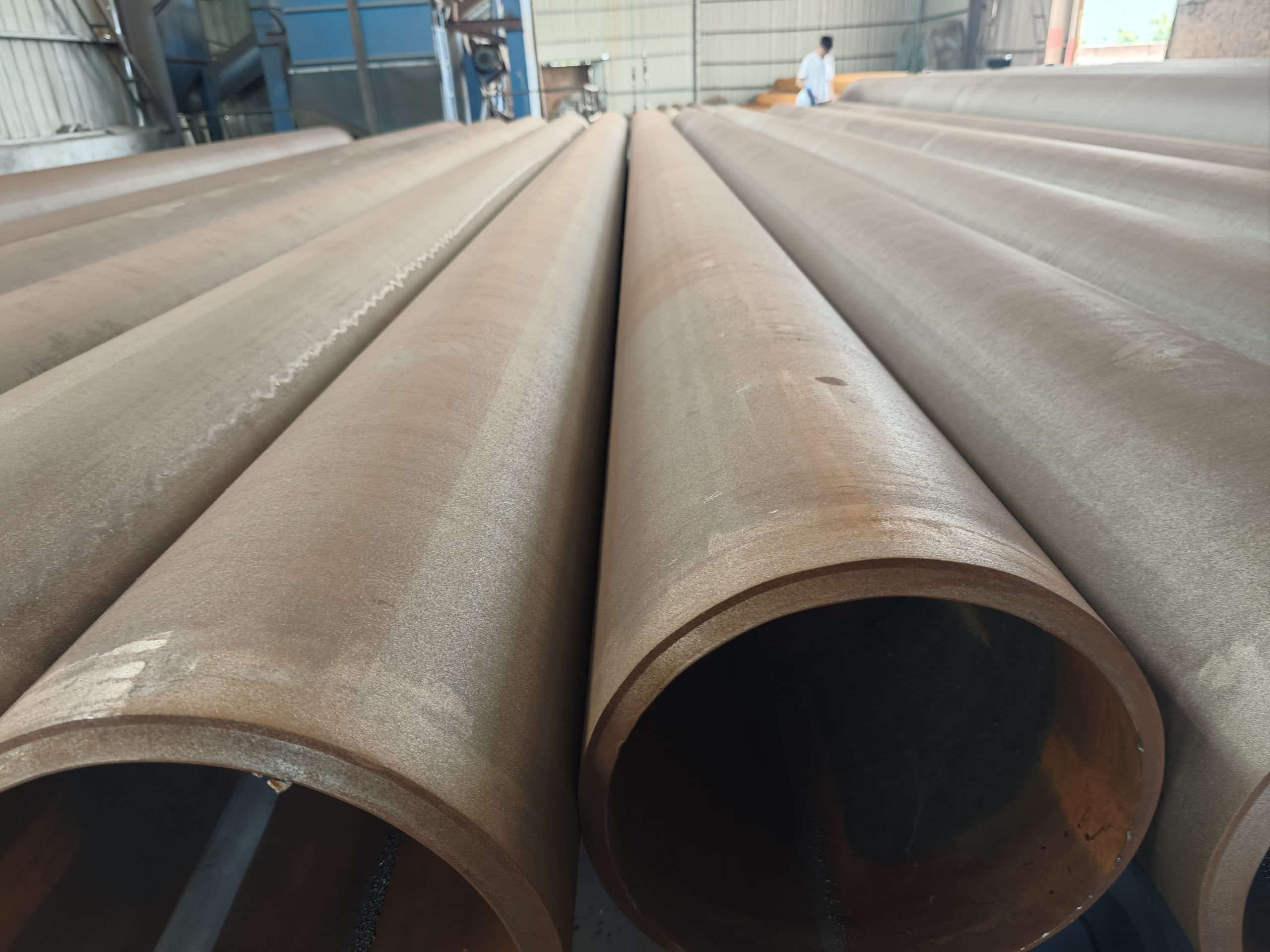
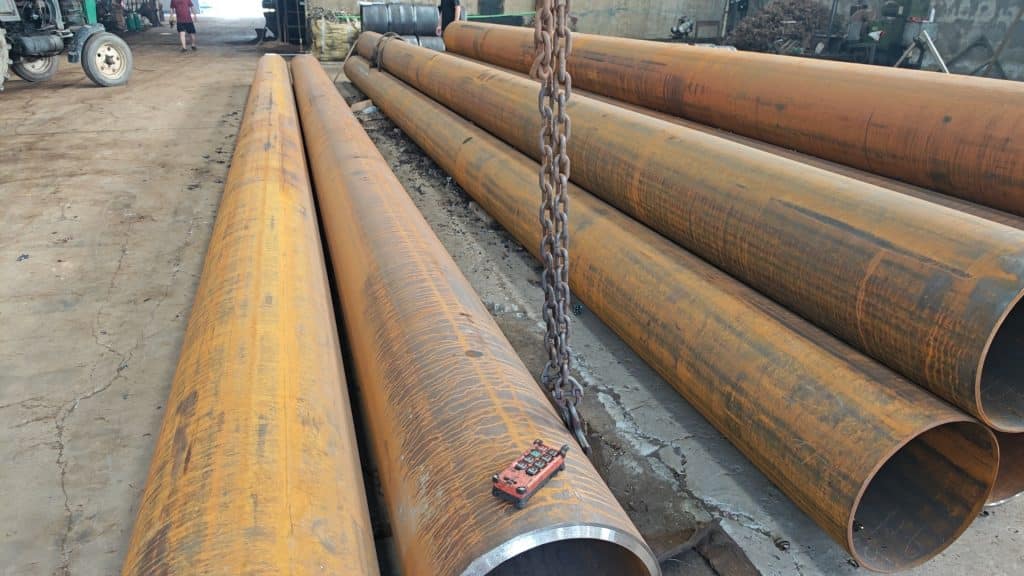
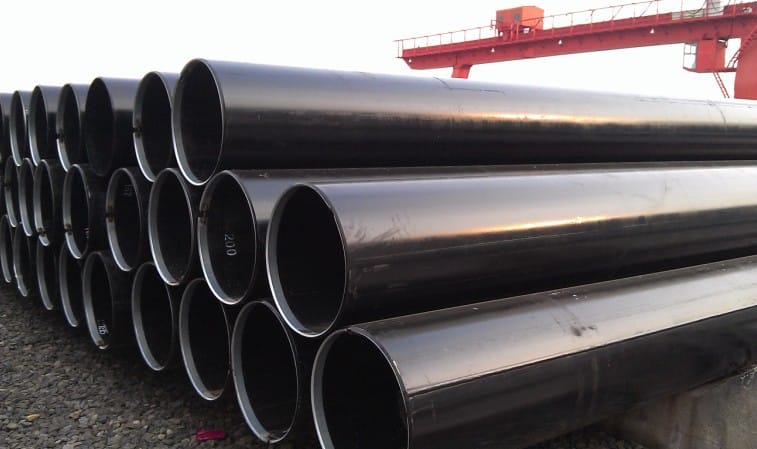
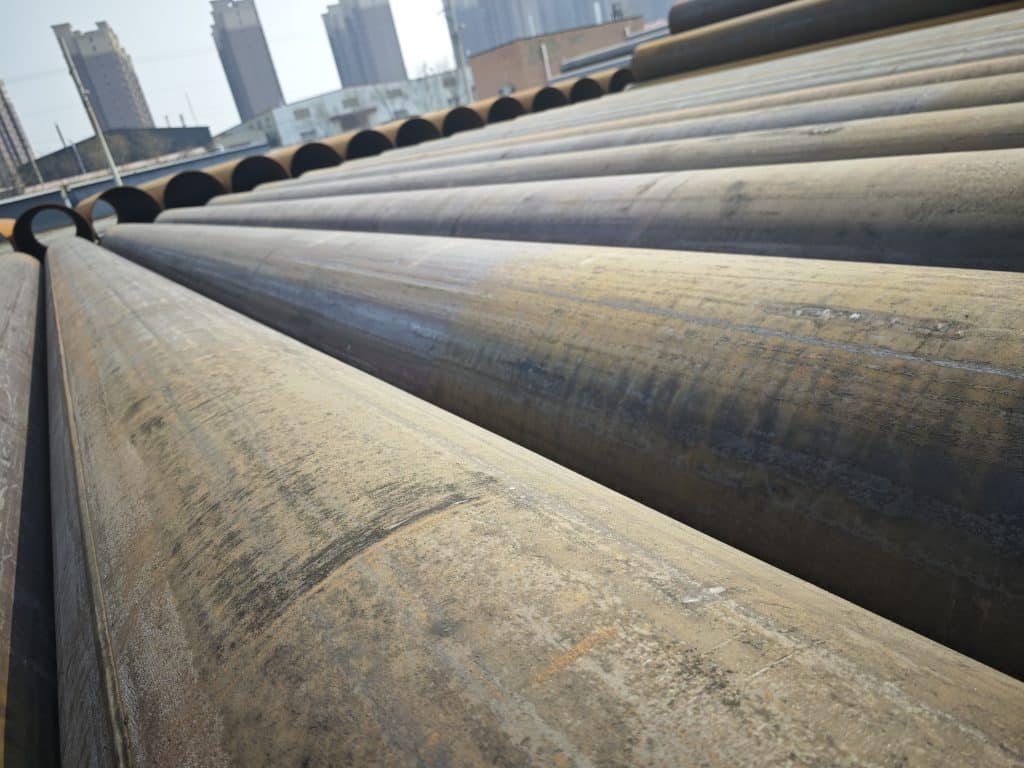
API 5L Welded and Seamless Pipes
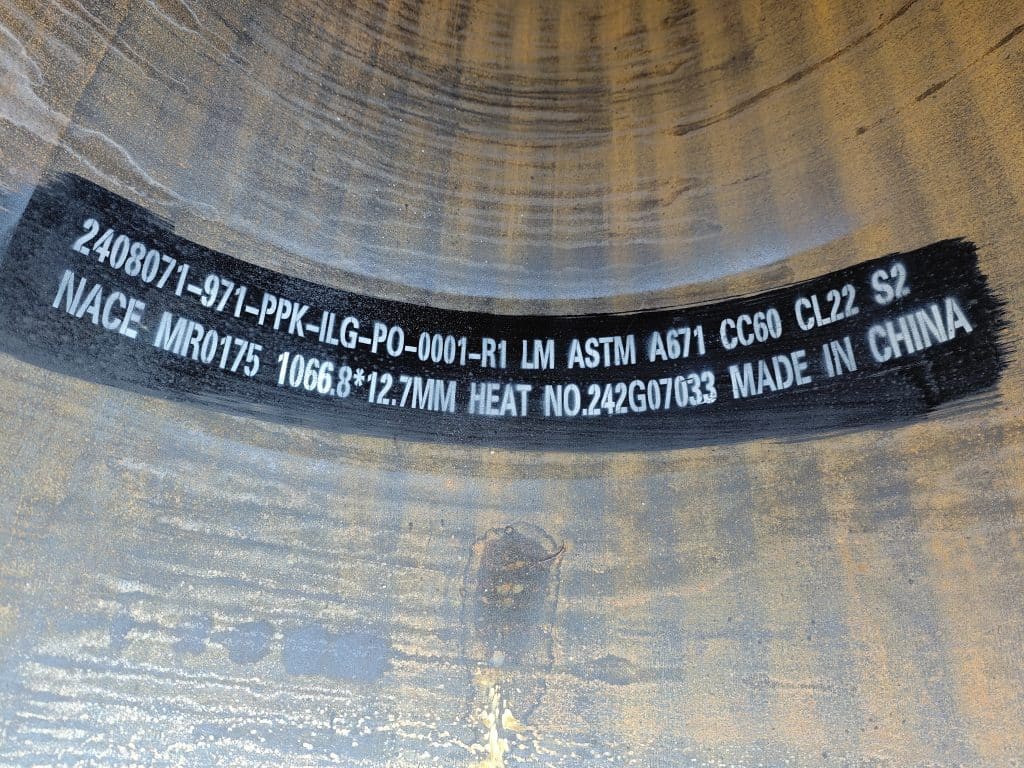
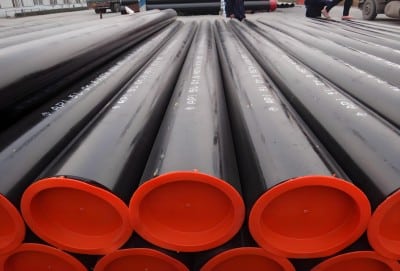
API Specification 5L tells companies how to make, test, and ship steel line pipe, which is used all over the world to move oil, natural gas, water, and other materials. There are two levels of product specifications set by the standard. PSL1 is for general uses, and PSL2 is for projects that need tighter controls on chemical composition, mechanical properties, and impact toughness.
What Defines the API 5L Specification?
The API 5L standard sets minimum requirements for the strength of the pipe body and seam welds, as well as for dimensional tolerances and quality control methods. Charpy V-Notch (CVN) impact testing is required for PSL2 pipes to show that they are tough at low temperatures. This is very important to keep high-pressure gas transmission systems from breaking easily. There are different grades of steel, ranging from Grade B (35,000 psi minimum yield strength) to X80 (80,000 psi). This lets engineers match the strength of the material with the design pressure and wall thickness calculations.
Manufacturing Methods: Welded vs. Seamless
Hot-rolled steel coils (for ERW) or steel plates (for LSAW) are the first step in making API 5L welded pipes. Cold-rolling coils into a cylinder shape and joining the longitudinal seam with high-frequency electrical resistance are the steps used to make ERW pipes. ERW is great for sizes up to 24 inches because it can keep wall thickness constant and keep diameter limits as close as ±1% on the outside diameter. Heavy plates are shaped into large-diameter cylinders using advanced JCOE or UOE methods in LSAW pipes. Submerged arc welding is then used on both the inside and outside of the seams. This two-welding method gives better weld penetration and mechanical strength for wall thicknesses up to 100 mm and diameters over 24 inches.
Solid steel billets are pierced at high temperatures and then rolled or extruded into hollow cylindrical shapes that are used to make seamless pipes. While seamless construction gets rid of the problem of weld seams, the process limits the diameter to less than 24 inches and the uniformity of the wall thickness. Because they use more energy and can’t be made as quickly, seamless pipes have higher production costs (15–30%) than welded pipes of the same grade.
API 5L Welded Pipe vs. Seamless Pipe: Key Comparisons for Decision Making
To choose between welded and seamless line pipe, you have to weigh the mechanical performance, project costs, and supply chain issues. Here’s how these two ways of making things match on important buying criteria:
Mechanical Performance and Pressure Resistance
For a given grade, the minimum mechanical property requirements for both welded and seamless API 5L pipes are the same. If you make an X60 welded pipe the right way, it has the same lengthwise tensile strength and yield qualities as a seamless pipe. The strength of the weld seam is what makes the difference. To make modern API 5L welded pipes, all lengthwise seams must be tested with ultrasonic waves (UT), and ERW pipes must go through a post-weld heat treatment (PWHT) that evens out the grain structure and gets rid of any leftover stresses. Studies done by different groups have shown that ERW and LSAW seam welds often reach strengths higher than the pipe’s body material.
Seamless pipes have uniform properties around the outside because they don’t have longitudinal seams, which some specifications like for critical service. But the wall thickness difference in seamless pipe (usually ±10–12.5%) can lower its pressure-bearing capacity compared to welded pipe, which has smaller tolerances (±5-7.5%).
Cost Analysis and Market Availability
The cost of materials for API 5L welded pipe is 20–35% less than for seamless pipe of the same diameter and grade. This benefit comes from more efficient production—ERW mills make 400–600 tons of steel every day, while seamless mills make 150–250 tons on average. Due to this difference in capacity, lead times show that welded pipe providers can usually supply normal specifications within 30 to 45 days, while seamless orders may take 60 to 90 days, especially for large quantities or special grades.
Inventory availability also favors welded products. Our facility keeps 50,000 tons of ready stock in widely ordered ERW and LSAW sizes. This means that we can ship within 7 days for urgent project needs, which is faster than any other seamless pipe provider.
Application Suitability by Project Type
Most distribution networks, water injection systems, and oil gathering lines that work below 1,500 psi use ERW pipes. Long-distance trunk lines that carry natural gas at pressures above 2,000 psi use LSAW pipes. These pipes are used in difficult situations like offshore platforms and Arctic pipelines, where the X70 and X80 grades offer the best strength-to-weight ratios. For ultra-high-pressure hydraulic systems, critical refinery piping (ASTM A106), and other uses where the extra cost is worth it, seamless pipes are still the best choice.
Large EPC companies, like those who work on projects for SINOPEC, CNPC, and PEMEX, usually ask for LSAW pipe for widths over 24 inches because seamless processes can’t make them that big. The truth is that seamless pipe can’t be used for transmission projects with a diameter bigger than 20 inches.
| Application | Recommended pipe | Why |
| Distribution and water injection below 1,500 psi | ERW API 5L welded pipe | Low cost, tight dimensions, fast supply |
| Long-distance gas trunk lines above 2,000 psi | LSAW API 5L welded pipe | Large diameter, heavy wall, strong seam |
| Offshore pipelines and risers | LSAW, X65–X70 | High strength-to-weight, DNV-ST-F101 frame (DNV, 2021) |
| Sour gas service with H₂S | Welded or seamless, PSL2 plus Annex H | HIC and SSC resistance per ISO 15156-1 (International Organization for Standardization, 2020) |
| Refinery piping and ultra-high pressure | Seamless | No seam, uniform properties; ASTM A106 covers this class (ASTM International, 2026) |
Procurement Guide for API 5L Welded Pipes: From Sourcing to Delivery
Strategic supplier selection and proactive supply chain management are key to the success of pipeline projects. Here’s how procurement managers with a lot of knowledge handle the hiring process:
Selecting Appropriate Grades and Wall Thickness
The Barlow formula is used by design engineers to find the minimum wall thickness: t = (P × D) / (2 × S × E × F), where P is the pressure inside, D is the diameter of the pipe, S is the minimum yield strength, E is the longitudinal weld joint factor (1.0 for seamless, 0.8–1.0 for welded depending on testing), and F is the design factor (usually 0.72 for gas transmission). This estimate sets the basic needs, but buying teams also need to think about corrosion allowances, manufacturing tolerances, and safety gaps that are specific to the project.
The X52 grade is best for moderate-pressure uses (up to 1,200 psi), while the X65 grade is better for higher pressures that are common in trunk lines. X70 and X80 types are only used for tough jobs where a thinner wall saves a lot of weight and money, even though the materials cost more. Sour service environments (H₂S levels above 50 ppm) need PSL2 grades that comply with Annex H and go through HIC testing according to NACE TM0284.
Identifying Qualified Suppliers
Three things set trusted makers apart from average suppliers:
- Production Capacity: An annual output of more than 500,000 tons means that the business has been around for a while and has developed its quality systems. Our 230,000-square-meter building has several production lines that can handle 50,000-ton orders of API 5L welded pipewithout affecting the schedules of smaller clients.
- Certification Portfolio: In addition to basic API 5L approval, you should look for NACE MR0175 compliance for sour service, ISO 14001 compliance for environmental management, and ISO 45001 compliance for workplace health systems. These certifications show that an organization is dedicated to overall excellence.
- Project Track Record: Suppliers who have worked with national oil companies (Saudi Aramco, ADNOC, and PDVSA) and large EPC contractors before have shown they can meet strict requirements. On our list of references are good deliveries to PTTEP offshore platforms and CNPC cross-border pipes. If the work had not been done well, the contract would have been terminated.
Why LONGMA Stands Out as Your API 5L Welded Pipe Manufacturer?
Since 2003, LONGMA has grown into a fully integrated manufacturer that serves the global pipeline industry. They always put quality, on-time delivery, and building relationships with their customers first.
Advanced Manufacturing Capabilities
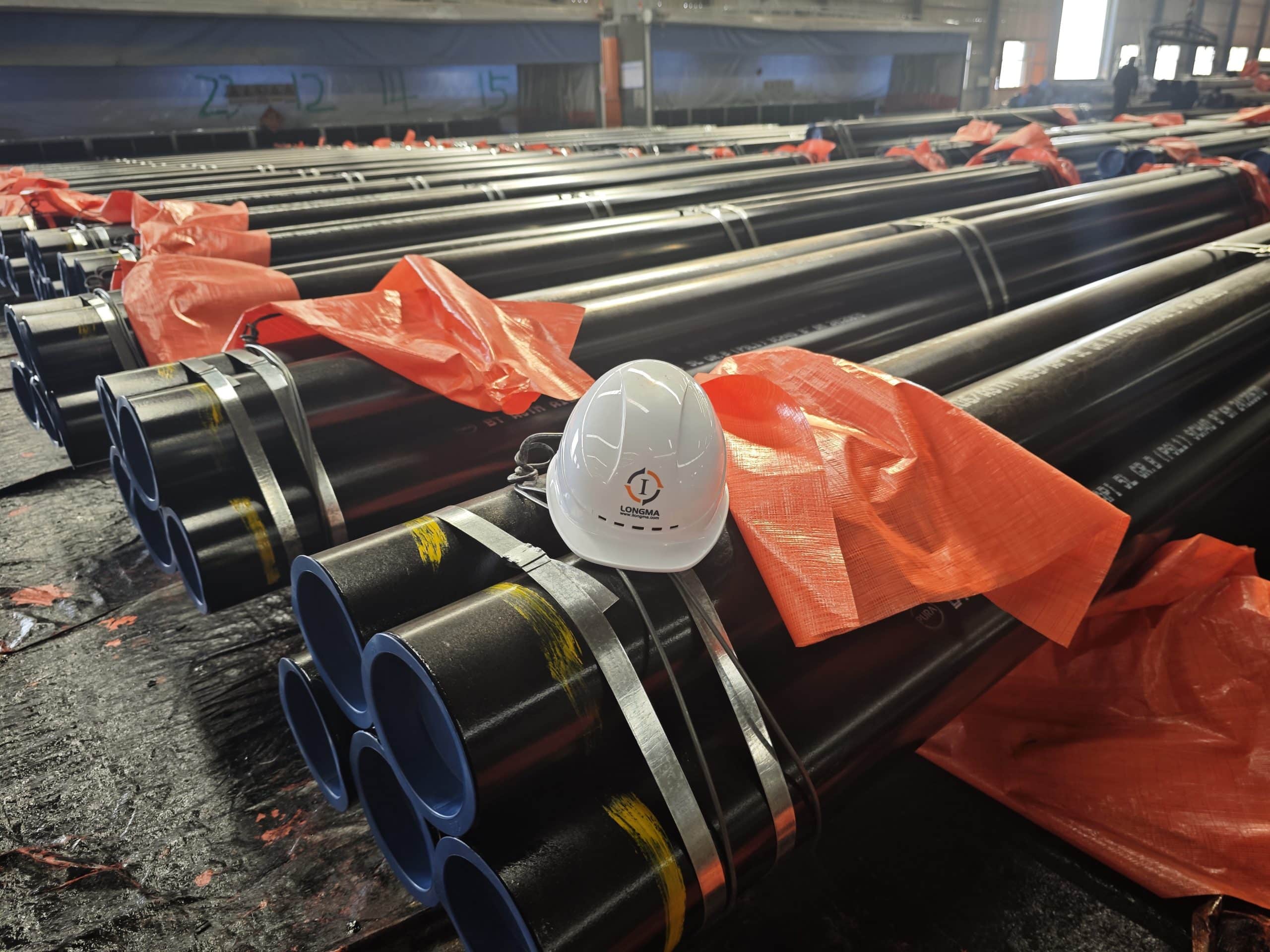
Our production complex is 230,000 square meters and is located in the heartland of steel manufacturing in China. It has separate ERW and LSAW production lines. ERW plants make pipes with walls as thick as 25 mm and diameters ranging from 4 inches to 24 inches. We can handle 16-inch to 72-inch diameter pipes with walls up to 100 mm thick in our LSAW operations, which means we can meet 95% of transmission pipeline specifications without having to hire outside help.
Annual capacity is more than 500,000 tons, yet our engineering team pays the same amount of attention to detail on all orders, from single-pipe trials to 10,000-ton framework deals. This size saves us money, which we pass on directly to our clients. It also lets us keep enough goods on hand to make emergency deliveries within 7 days.
Proven Global Project Experience
Twenty years of doing business around the world have helped me build long connections with top executives from five continents. Middle East projects for PTTEP and AMOTIC proved that we could meet strict sour service requirements, such as full compliance with NACE MR0175 and third-party source inspection by owner representatives stationed at our facility during production.
Latin American contracts with PEMEX and PDVSA showed that the company knew how to handle complicated customs rules and work with locals to get supplies to remote pipeline building sites. We’ve done business with SINOPEC and CNPC before, including supplying X80 grade LSAW pipe for China’s West-East Gas Pipeline expansion. This shows that we can meet the strictest requirements while still offering reasonable prices.
Comprehensive Quality Traceability
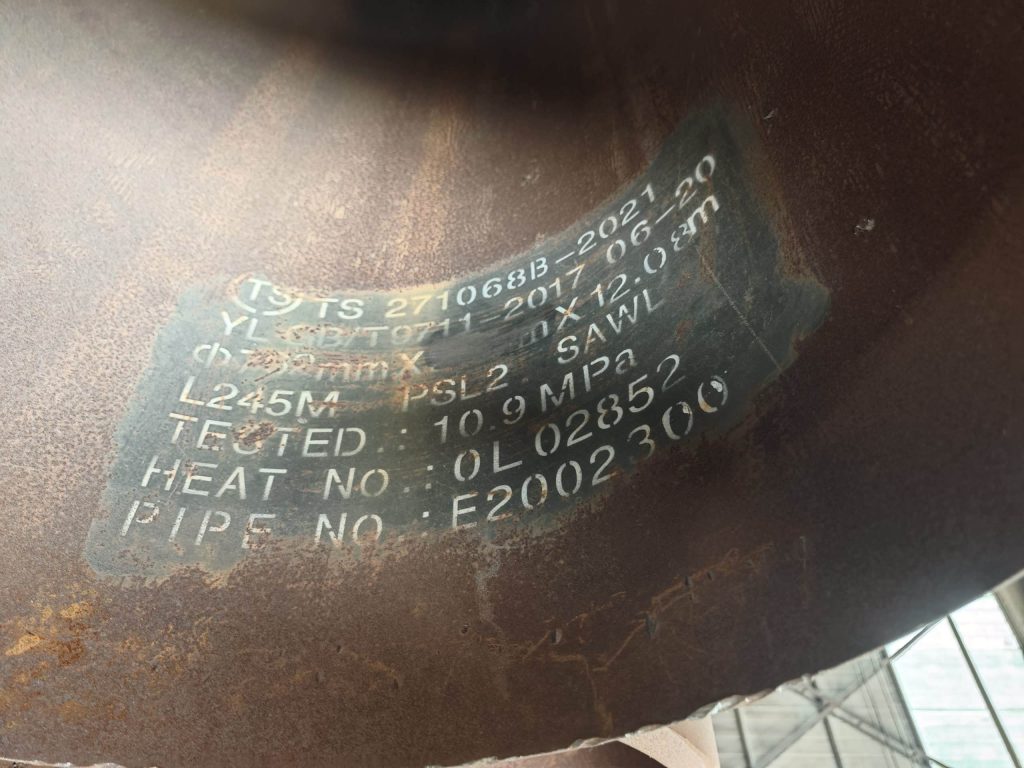
When steel plates come into our plant, they can be fully tracked. Each heat number is written down and linked to the production batch number for that pipe. The results of the UT inspection, the hydrostatic test pressures, and the measures are all saved digitally, and unique product labels are laser-etched onto each length of pipe. If problems happen in the field, even years after the installation, we can get all the manufacturing records back within hours. This lets us quickly figure out what went wrong and fix it.
EN 10204 3.1 certificates accompany standard packages. If the requirements call for independent proof, 3.2 certificates (validated by SGS, Bureau Veritas, or Intertek) can be used. This paperwork meets the strictest audit requirements set by national oil companies and foreign loan institutions.
Conclusion
When deciding between welded and seamless API 5L pipe, you have to think about the technical needs, the cost of the project, and the realities of the supply chain. API 5L welded pipe, especially ERW for smaller diameters and LSAW for large-diameter transmission, is the best choice for most oil and gas pipeline projects around the world because it performs well, saves money, and is easy to get. Welded pipe meets the same performance standards as seamless pipe thanks to modern manufacturing methods, thorough testing protocols, and strict quality certifications. It is also more cost-effective and has shorter lead times.
Successful procurement depends on partnering with manufacturers who have the technical know-how, production scale, and unwavering commitment to meeting specifications. Our 20-year history of working on major energy projects around the world shows that we are reliable and have the knowledge that procurement managers need when project deadlines and the integrity of infrastructure are crucial.
FAQ
1. What is the main difference between PSL1 and PSL2 in API 5L specifications?
PSL2 has tighter rules on chemical makeup, with lower limits on carbon, sulfur, and phosphorus. This makes it easier to weld and less likely that hydrogen will cause cracks. PSL2 also requires Charpy V-Notch impact testing to check toughness at certain temperatures, which wasn’t required by PSL1. Also, PSL2 sets higher limits on maximum yield strength instead of just minimums to make sure that field welding behaves in a reliable way. It also makes the tolerances for wall thickness and width tighter.
2. How do I choose between ERW and LSAW welded pipe?
When high production speed, tight dimensional standards, and low cost are important, ERW pipes work best in sizes up to 24 inches. LSAW pipes are used in situations where the width needs to be more than 24 inches, the wall needs to be thicker than 25 mm, or the structure needs to be very strong for high-pressure service. Because it makes stronger and better welds, LSAW is the standard for long-distance trunk lines and offshore bases.
3. Can API 5L welded pipe be used in sour service environments?
Yes, as long as it’s made to PSL2 standards and meets the conditions in Annex H. During the steelmaking process, calcium is added to sour service pipe to control the shape of the inclusions and make the pipe less likely to develop HIC. Manufacturers must test for HIC testing according to NACE TM0284 and provide sulfide stress cracking (SSC) compliance documentation. Always be clear about sour service requirements in purchase orders to ensure proper material selection.
Partner with LONGMA for Your Next Pipeline Project
Picking an API 5L welded pipe supplier who knows how complicated foreign energy projects can be can mean the difference between a smooth project and one that runs late and costs a lot. LONGMA combines top-notch manufacturing, global logistics know-how, and quick technical support to get you the pipe your project needs, on time and according to your specifications.
Our engineering team can help you choose the right grade, find the best wall thickness, and get coating systems that work in your specific operating environment. We can handle source inspections, tests by a third party, and special documentation needs that are common in buying things for the national oil business. No matter how many tons your project needs—100 tons or 10,000 tons—our production capacity and inventory depth make sure you always have what you need without sacrificing quality.
Contact our export team today at info@ilongma.com to talk about your needs and get a full technical proposal. Let’s build infrastructure for pipelines that will work reliably for decades.