- 1. What Are Circular Structural Steel Tubes?
- 2. Cold-Formed Welded Circular Hollow Sections
- 3. Relevant Product Standards
- 4. Choosing the Steel Grade
- 5. How to Select the Right Round Structural Tube
- 6. Surface Protection
- 7. Inspection and Documentation
- 8. Typical Applications
- 9. How LONGMA Supports Round Structural Pipe Procurement
- 10. FAQ
- 11. Request a Quotation
Structural steel tubes are selected for load-bearing members, frames, towers, trusses, supports, and fabricated structures. A correct purchase specification requires more than a diameter and price: the engineer and buyer should define the structural function, steel grade, product standard, dimensions, manufacturing route, inspection, surface protection, documentation, and delivery conditions.
This article focuses on circular hollow sections (CHS) and round welded structural steel pipe. LONGMA manufactures round ERW and LSAW steel pipe; square and rectangular hollow sections and seamless tubes are outside the scope of this article and LONGMA’s stated production range.
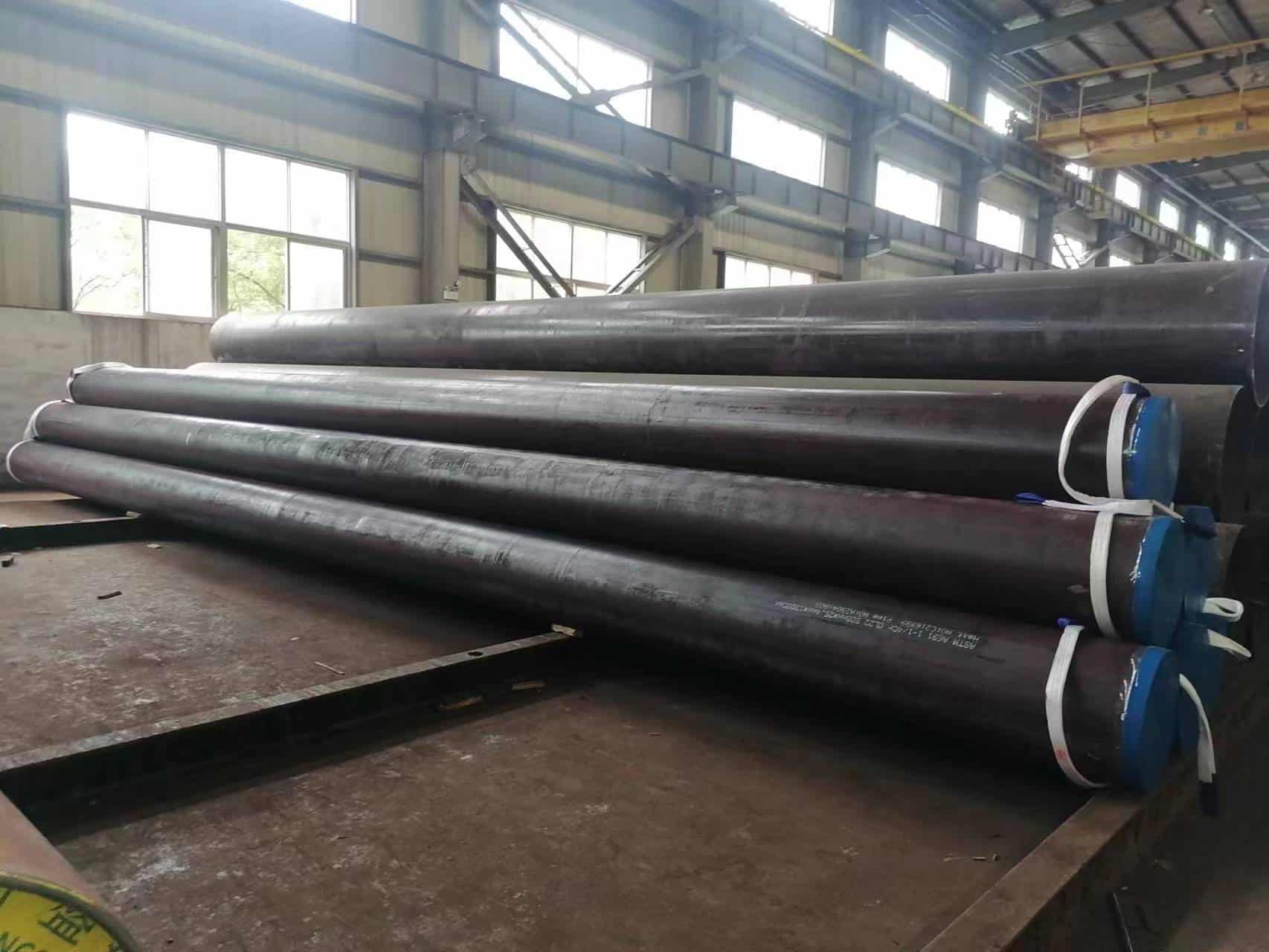
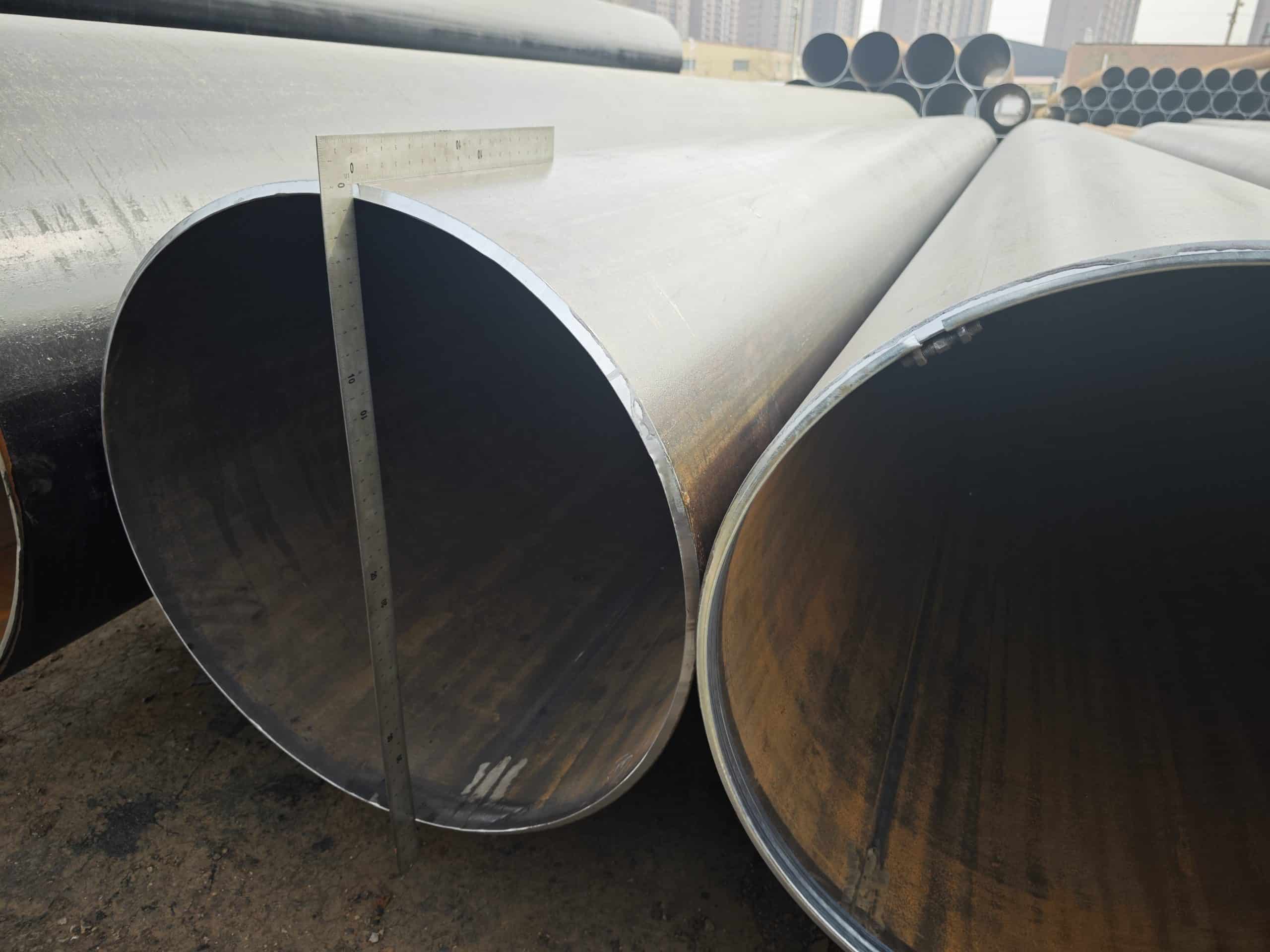
What Are Circular Structural Steel Tubes?
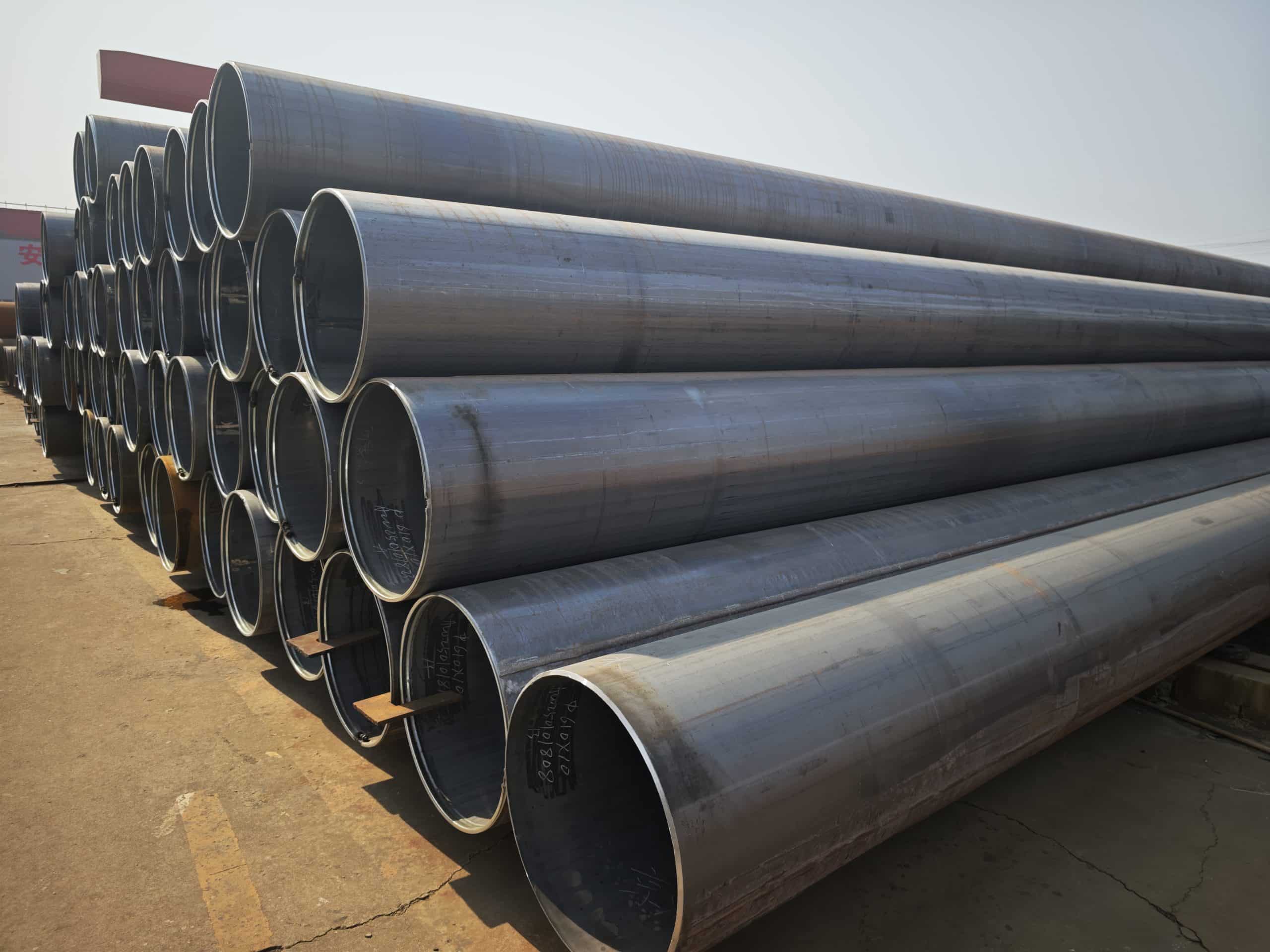
Circular structural steel tubes are closed round sections intended for structural or load-bearing use. Unlike line pipe specified primarily for transporting fluids, structural tubes are selected using member resistance, stability, section properties, connections, fabrication, service environment, and the applicable structural design code.
Circular geometry provides the same geometric section properties about any centroidal axis. This can be advantageous where bending direction varies or where torsional behavior and exposed appearance are important. Actual member performance still depends on diameter, wall thickness, steel grade, member length, boundary conditions, local and overall buckling, and connection details.
Cold-Formed Welded Circular Hollow Sections
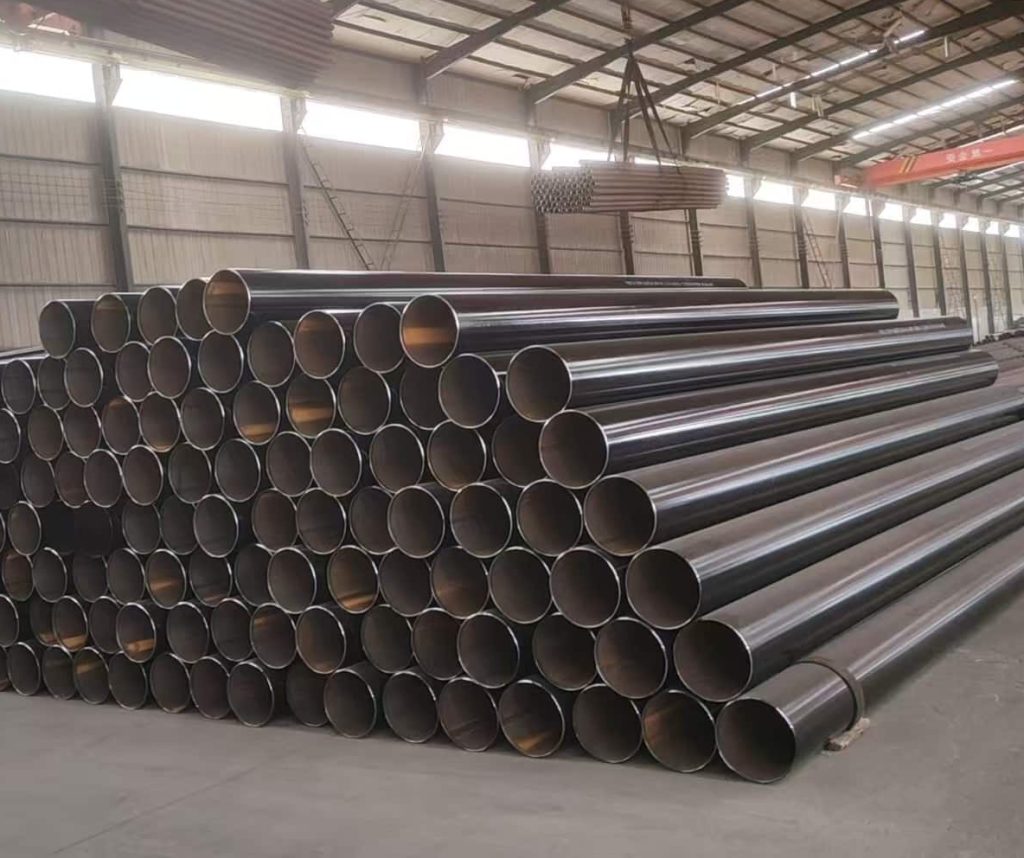
Cold-formed welded circular hollow sections are made by forming flat steel into a round profile and welding the longitudinal seam. ERW is commonly used within suitable diameter and wall-thickness ranges. LSAW can be considered for larger diameters or heavier-wall project requirements, subject to the applicable product standard and manufacturer capability.
The manufacturing process must match the ordered standard. Buyers should confirm raw-material control, forming, weld procedure, dimensional inspection, required mechanical testing, marking, and traceability before production.
Relevant Product Standards
| Standard | General role | Important purchasing point |
| EN 10219-1 | Technical delivery conditions for cold-formed welded structural hollow sections | State the applicable edition, grade, delivery condition, testing, and inspection document |
| EN 10219-2 | Tolerances, dimensions, and sectional properties | Confirm outside diameter, wall thickness, length, ovality, straightness, and mass requirements |
| ASTM A500/A500M | Cold-formed structural tubing in round and other shapes | Specify round tubing, grade, dimensions, manufacturing route, and supplementary requirements |
| AS/NZS 1163 | Cold-formed structural steel hollow sections | Confirm grade, impact requirements, dimensions, testing, and destination-market compliance |
A product standard establishes requirements for the supplied tube. It does not replace the structural design code or prove that the completed structure is adequate. The structural engineer remains responsible for member design and connections.
Choosing the Steel Grade
The selected grade should provide the strength, ductility, toughness, and weldability required by the design and service conditions. A higher nominal yield strength does not automatically allow a smaller member because buckling, deflection, connection resistance, fatigue, fabrication, and availability may govern.
| Grade example | Selection consideration | Confirm before ordering |
| S235JRH | General structural applications where its specified properties satisfy the design | Section thickness, delivery condition, design temperature, and documentation |
| S275J0H | Intermediate nominal strength with a defined impact designation | Impact requirement, thickness range, welding, and project acceptance criteria |
| S355J2H | Higher-strength applications with specified impact properties | Design temperature, welding procedure, impact testing, dimensions, and availability |
How to Select the Right Round Structural Tube
- Define the structural action: axial force, bending, shear, torsion, fatigue, or combined loading.
- Confirm the required outside diameter, wall thickness, member length, tolerances, and connection geometry.
- Select the grade and impact requirements from the structural design and service temperature.
- Identify the product standard, applicable edition, inspection document, and project amendments.
- Confirm the ERW or LSAW manufacturing route and the required weld examination.
- Select corrosion protection from the exposure environment and maintenance strategy.
- Agree on inspection, traceability, marking, packing, delivery sequence, and third-party involvement.
Surface Protection
Mill Finish
Mill-finish pipe may be appropriate when a subsequent coating will be applied or when the project specification permits uncoated steel. Storage and transport controls remain important because atmospheric rust can develop before fabrication or installation.
Paint and Protective Coating
A paint or coating system should define surface preparation, primer and finish materials, dry-film thickness, application conditions, repair, inspection, and compatibility with later fabrication. One generic paint system is not suitable for every environment.
Hot-Dip Galvanizing
Hot-dip galvanizing can provide zinc-based corrosion protection for fabricated steel components. EN ISO 1461 specifies requirements and test methods for coatings on fabricated iron and steel articles. Suitability, venting and drainage, distortion risk, coating thickness, appearance, and any project-specific requirements should be reviewed before galvanizing round hollow sections.
Inspection and Documentation
- Material identification and heat-number traceability
- Chemical composition and mechanical test results required by the product standard
- Impact test results when required by the grade or purchase specification
- Outside diameter, wall thickness, length, straightness, ovality, and end condition
- Weld inspection and NDT when required by the standard or project
- Surface-protection records and repair reports where applicable
- EN 10204 Type 3.1 or other agreed inspection documentation
- Third-party inspection reports when separately specified
Typical Applications
Round structural steel tubes are used for columns, trusses, braces, transmission and lighting towers, bridge members, industrial supports, equipment structures, piling-related structural work, renewable-energy supports, and architectural steelwork. The required grade, dimensions, inspection, and corrosion protection differ by application and must be confirmed through engineering design.
How LONGMA Supports Round Structural Pipe Procurement
LONGMA manufactures round ERW and LSAW steel pipe. According to the company’s ASTM A671 product page, LONGMA operates two factories with a combined plant area of 200,000 square meters and reports annual steel pipe output of 300,000 tons. Project capability should still be confirmed against the requested product rather than inferred from company-level capacity alone.
LONGMA can review round-pipe dimensions, grade, product standard, length, end preparation, inspection, documentation, coating coordination, packing, and logistics. No supply of square, rectangular, or seamless structural tubes is represented in this article.
FAQ
What is the difference between a structural tube and a line pipe?
A structural tube is selected primarily for load-bearing use, while line pipe is specified primarily for pipeline transportation. Their governing standards, dimensions, grades, testing, and design methods can differ even when both products are round.
How should I choose a CHS grade?
Use the structural design, service temperature, required toughness, wall thickness, welding conditions, availability, and applicable product standard. Grade names should not be treated as interchangeable.
Do round structural steel tubes always need galvanizing?
No. The protection system depends on exposure, design life, maintenance, fabrication, appearance, and the project specification. Paint, galvanizing, another coating, or an approved uncoated condition may be appropriate.
What should be included in an RFQ?
Provide outside diameter, wall thickness, length, grade, standard, quantity, surface treatment, inspection, documentation, destination, and schedule. Include drawings and project specifications when connection or tolerance requirements are critical.
Request a Quotation
Send your round structural steel pipe specification to info@ilongma.com. LONGMA will review production feasibility, inspection and documentation requirements, surface protection, packing, and delivery before issuing a project-specific quotation.