- 1. Understanding ASTM A500 Grade B and Grade C Pipes
- 2. Technical Comparison: Dimensions, Wall Thickness, and Manufacturing Processes
- 3. Practical Applications and Suitability of Grade B vs Grade C
- 4. Procurement Considerations for ASTM A500 Grade B and Grade C Pipes
- 5. ASTM A500 Grade B vs Other Steel Pipe Grades: A Procurement Perspective
- 6. Conclusion
- 7. FAQ
- 8. Source ASTM A500 Grade B Structural Tubing from LONGMA
When distributors are stocking ASTM A500 structural tubing for the North American market, one question appears frequently: Is Grade B the safer inventory choice, or is Grade C the better option? Neither grade is universally better. For round structural tubing, Grade C provides higher specified minimum yield and tensile strength, while Grade B may remain appropriate where its mechanical properties satisfy the design. The correct selection depends on structural calculations, project specifications, fabrication requirements, availability, and total procurement cost.
Understanding ASTM A500 Grade B and Grade C Pipes
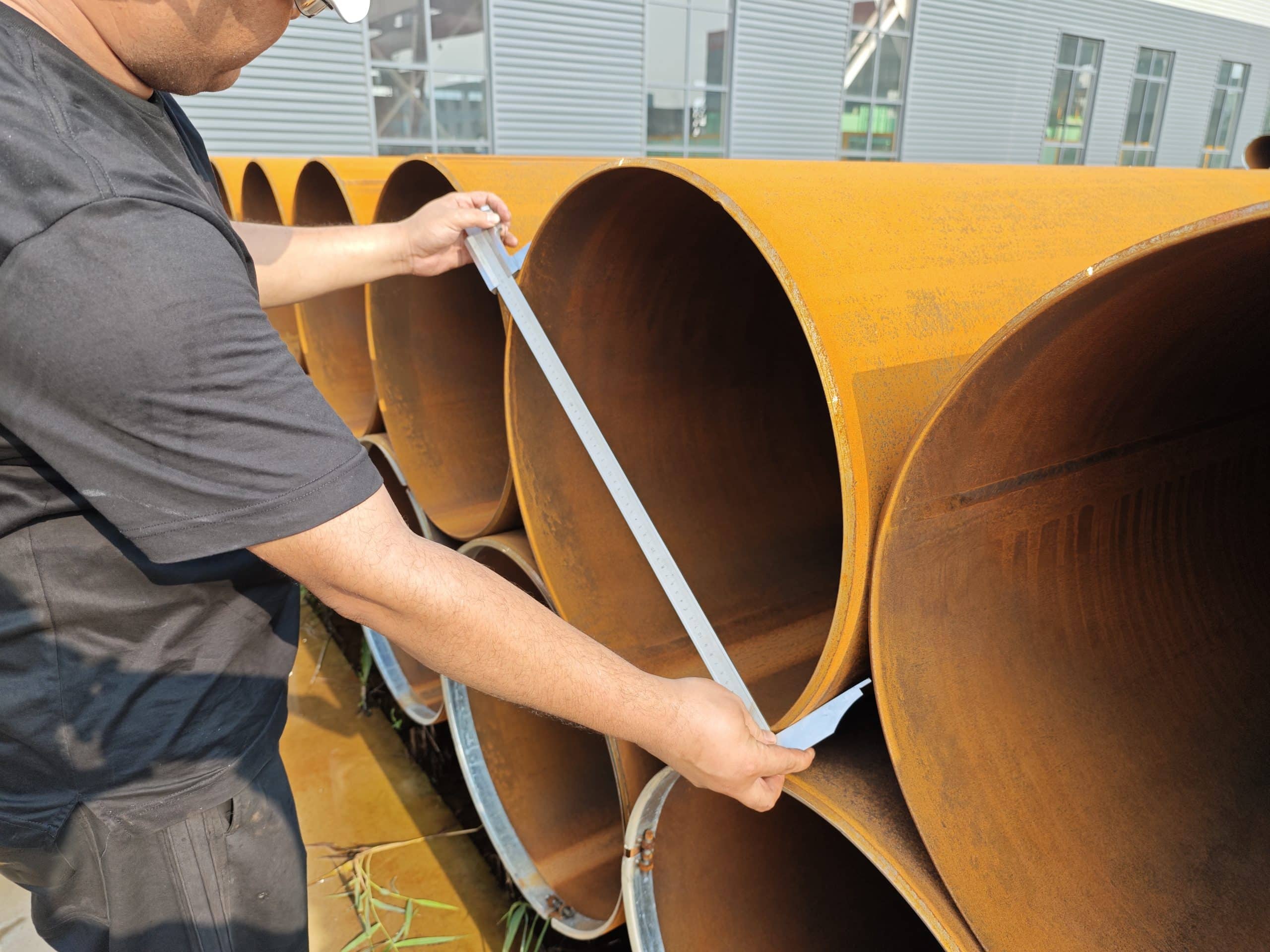
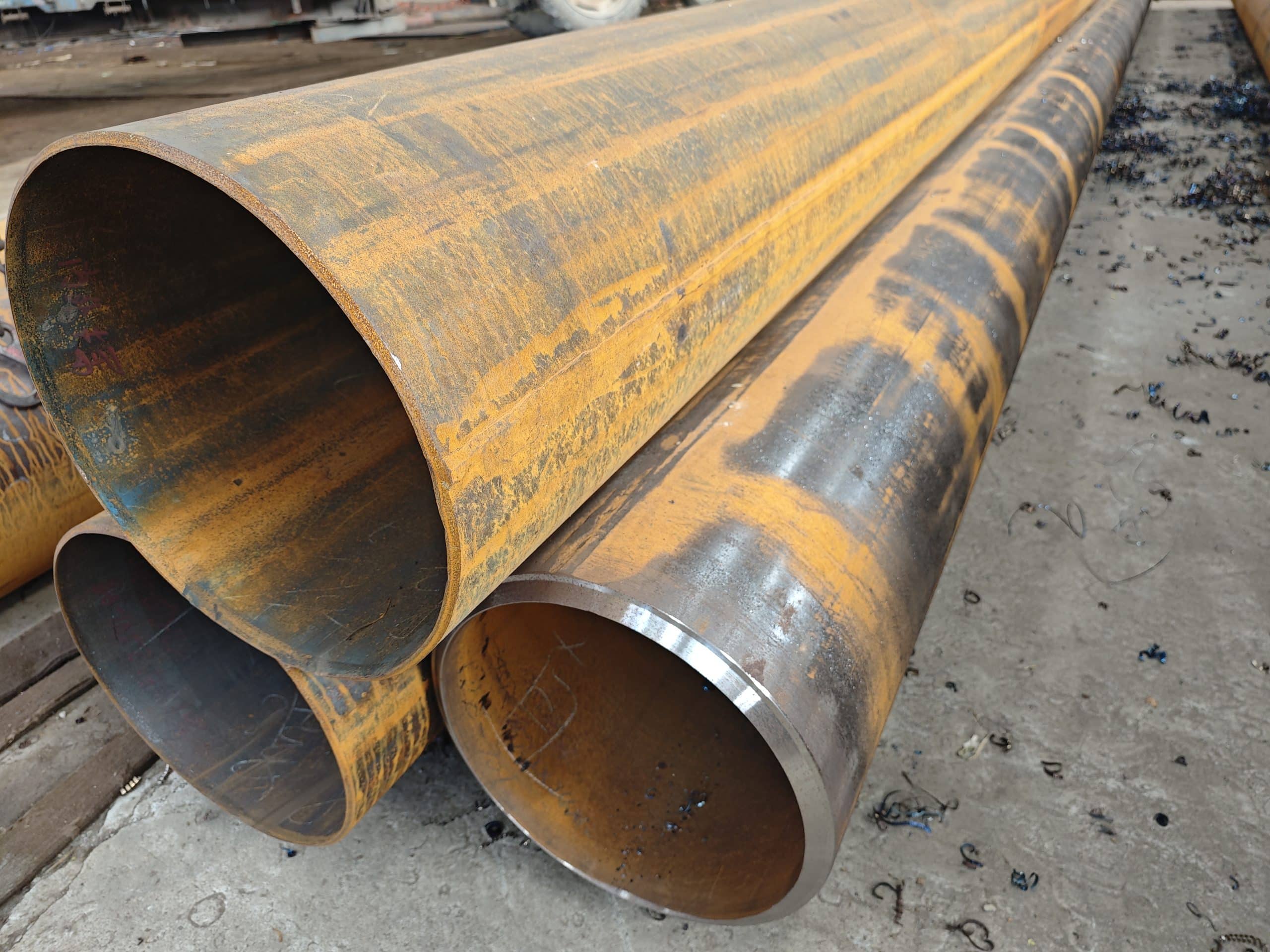
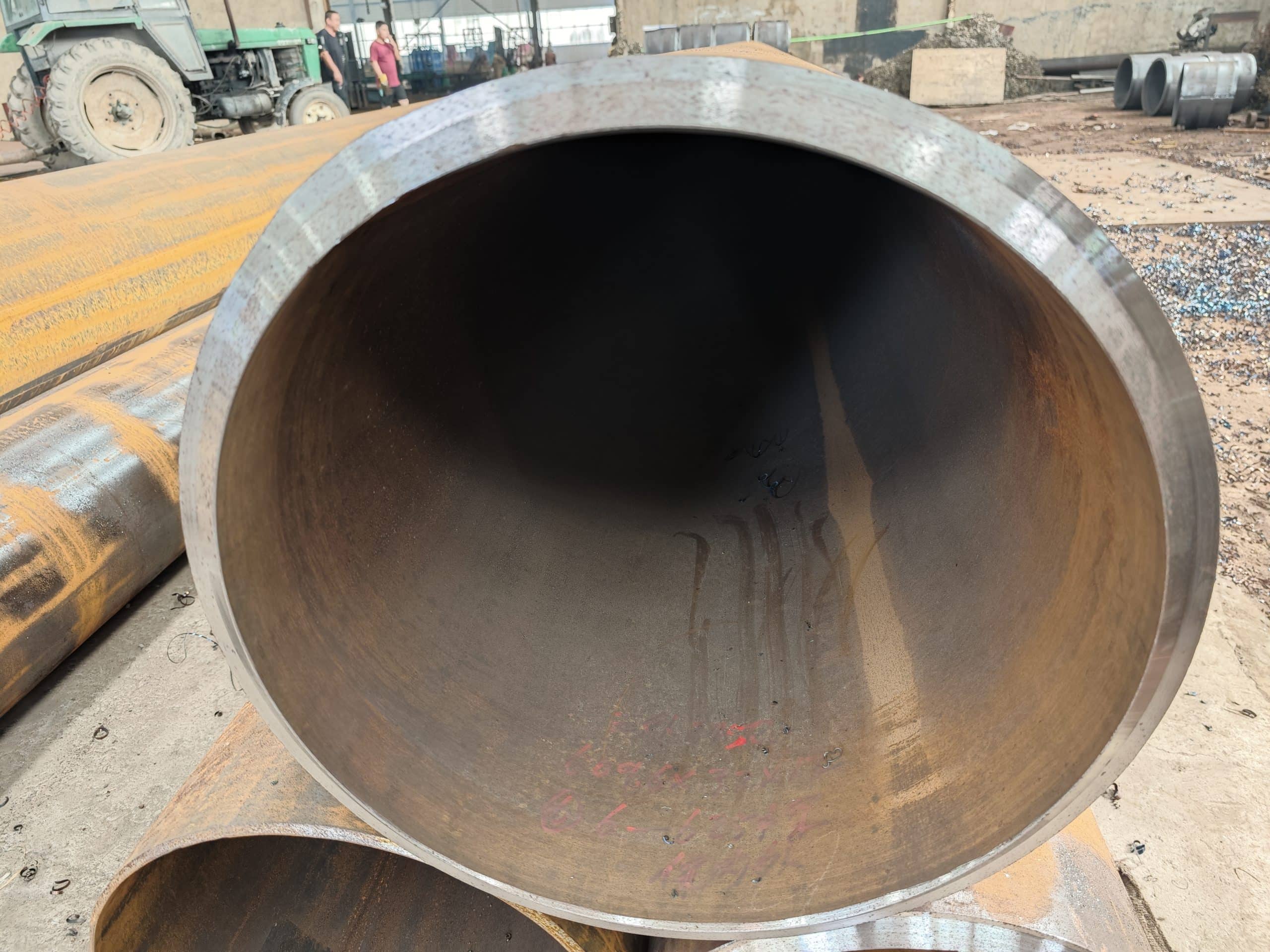
ASTM A500/A500M covers cold-formed welded and seamless carbon steel structural tubing in rounds and shapes, including square and rectangular sections within the standard’s scope. This distinction is important for LONGMA customers: although the ASTM standard covers multiple shapes, LONGMA’s supply scope discussed in this article is limited to round steel pipe/tubing. LONGMA does not supply square or rectangular tubing.
Chemical Composition and Its Practical Impact
ASTM A500/A500M sets separate chemical-composition limits for the applicable grades and product forms. Chemical composition affects strength, formability, and weldability, but grade designation alone should not be used to predict field-welding behavior. Welding procedures should be qualified for the actual material chemistry, thickness, restraint, process, filler metal, and applicable structural code. For procurement, the heat-specific MTR is the appropriate source for confirming the delivered material chemistry.
Mechanical Property Comparison at a Glance
| Property | Grade B (Round) | Grade C (Round) |
| Min. Yield Strength | 42,000 psi (290 MPa) | 46,000 psi (317 MPa) |
| Min. Tensile Strength | 58,000 psi (400 MPa) | 62,000 psi (427 MPa) |
| Min. Elongation (2 in.) | 23% | 21% |
Grade B and Grade C have different specified mechanical-property minimums. Grade B round tubing has a higher specified minimum elongation than Grade C in the values shown below, while Grade C provides higher minimum yield and tensile strength. These differences can influence design and fabrication, but elongation alone does not establish suitability for a seismic force-resisting system. Seismic use must be evaluated against the applicable structural code, connection design, toughness requirements, and project specification.
Technical Comparison: Dimensions, Wall Thickness, and Manufacturing Processes
Grade B and Grade C round tubing are subject to the dimensional requirements and tolerances of ASTM A500/A500M. The applicable outside-diameter and wall-thickness tolerances should be checked against the edition specified by the purchase order. For welded ASTM A500 tubing, the standard describes electric-resistance welding as the welding process; LSAW and DSAW should not be presented as alternative ASTM A500 welded manufacturing routes.
Welded vs. Seamless Production and Quality Consistency
ASTM A500 covers both welded and seamless structural tubing. Welded tubing under the standard is produced by electric-resistance welding. Seamless tubing is also within the standard’s scope, but it is a separate manufacturing route. Because LONGMA’s relevant structural-tube offering is focused on round welded products, procurement discussions on the LONGMA website should concentrate on the applicable round ERW supply scope rather than imply that LONGMA manufactures seamless ASTM A500 tubing.
Corrosion Resistance and Lifecycle Durability
Grade B and Grade C are both carbon-steel structural tubing grades, and the grade designation by itself does not provide corrosion protection. Corrosion performance is primarily controlled by the exposure environment and the selected protective system, such as galvanizing or an appropriate coating. Galvanizing behavior should be evaluated from the actual steel chemistry and galvanizing process rather than assuming that Grade B is inherently more suitable for hot-dip galvanizing than Grade C.
Practical Applications and Suitability of Grade B vs Grade C
Where Grade B Leads
Grade B is widely used for structural applications where its specified mechanical properties satisfy the engineer’s design. Typical uses of round structural tubing can include columns, bracing, frames, supports, and other structural members. Availability and fabrication requirements may also influence procurement decisions, but the final grade should follow the project drawings, calculations, and specifications rather than a general market preference.
Where Grade C Adds Value
Grade C can be useful where the design benefits from its higher specified minimum yield and tensile strength. In some engineered members, higher strength may allow the designer to optimize section selection, but it does not automatically mean a lighter or lower-cost structure. Buckling, local slenderness, connection design, fatigue, serviceability, and code requirements can govern the final member size.
These application limits are flexible in nature, and many structural engineers will default to Grade B unless project-specific calculations need the greater strength level. “Knowing where each grade adds value enables distributors to direct customers to the right specification and not the most expensive solution.”
Procurement Considerations for ASTM A500 Grade B and Grade C Pipes
For distributors maintaining live inventory in U.S. and Canadian warehouses, stocking decisions hinge on turn velocity and certification completeness. Grade B moves faster in general commercial construction cycles, while Grade C sits longer and commands a modest price premium — typically 3–6% above Grade B at equivalent dimensions, though market spreads vary with scrap input costs.
Here are the core procurement checkpoints that protect inventory investment:
- Mill Test Reports (MTRs) – Heat-specific MTRs should accompany each shipment, certifying yield strength, tensile strength, elongation, and chemical composition. U.S. Customs and project inspectors frequently evaluate MTRs with indicated heat numbers. A major reason for empty cargo holds at port is missing or mismatched MTRs.
- Dimensional Inspection during Loading: Wall thickness measurements will be checked at the point of stuffing according to ASTM A500-2023 tolerances. A big cargo with a −10% wall underrun is a considerable tonnage disparity.
- Certificate chain: Complete package comprises MTR, certificate of compliance, statement of origin country, and packing list with heat number cross-reference. Buy America projects may need mill origin verification.
- Multi-Size Consolidation: It is an acceptable operating practice to mix Grade B and Grade C in one container as long as each bundle is clearly marked with heat number markings in accordance with astm a500 b pipeSection 14. Separating bundles avoids misidentification downstream in the warehouse.
These checkpoints directly address the compliance risk that distributors face at North American ports, where a single missing certificate can delay an entire container and trigger costly storage fees.
ASTM A500 Grade B vs Other Steel Pipe Grades: A Procurement Perspective
ASTM A53-2024 covers pipe for mechanical and pressure applications. A500 Grade B has a minimum yield of 42,000 psi; A53 Grade B has a minimum yield of 35,000 psi. ASTM A106-2019 is a standard for seamless pipe for high-temperature use and not a structural specification. Contractors will often file material substitution requests to replace A53 with A500. Structural engineers will usually deny the replacement since the yield and elongation parameters are not considered equal in the AISC design tables. Distributors gain, too, from a straightforward explanation of this distinction: stocking the proper structural grade prevents expensive field replacement delays.
ASTM A500 round structural tube is in a different market than A53 or A106. Its cold-formed manufacturing method provides tighter dimensional tolerances and a cleaner outside finish, making it the best option for architecturally exposed structural steel (AESS) applications where surface quality impacts final aesthetics.
Conclusion
ASTM A500 B pipe and Grade C have a valid place in structural procurement. Grade B satisfies most commercial building needs and offers better ductility, more availability, and a more lenient carbon limit for field welding. Grade C is used when the decisive factor is greater strength per segment. The most capital-efficient method for North American distributors is to have a core inventory of Grade B with selective stocking of Grade C in important dimensions. Certification completeness – MTRs, conformity certificates, and origin paperwork — is non-negotiable on every shipment, regardless of grade.
FAQ
1. Is Grade B sufficient for seismic structural applications?
Not automatically. Grade B has specified mechanical properties that may be suitable for many structural applications, but its elongation value alone does not demonstrate compliance with AISC 341 or another seismic design standard. For seismic applications, the engineer must verify the material, member, connection, toughness, detailing, and system requirements of the governing code and project specification.
2. What certifications should a supplier provide with every shipment?
At minimum: heat-specific MTRs, a certificate of conformance to ASTM A500-2023, a country of origin declaration, and a packing list cross-referencing heat numbers to bundle markings. API 5L, ISO 9001, and FPC certifications at the mill level provide additional quality assurance for distributors conducting supplier audits.
3. Can ASTM A500 Grade B pipe be substituted for Grade C on a project?
Only with engineer approval. Because Grade C carries a higher minimum yield and tensile strength, substituting Grade B requires recalculating member adequacy. Unauthorized substitution is a code compliance violation.
4. How does wall thickness tolerance affect inventory planning?
The −10% wall tolerance under ASTM A500-2023 means a nominal 0.25-inch wall could be delivered at 0.225 inches. Distributors selling by weight should account for this tolerance in pricing calculations to avoid margin erosion on light-wall items.
Source ASTM A500 Grade B Structural Tubing from LONGMA
LONGMA has manufactured steel pipe since 2003 and focuses on round ERW and LSAW steel pipe. For ASTM A500 inquiries, customers should confirm the required round size, grade, wall thickness, length, dimensional tolerances, testing, marking, and documentation before ordering. LONGMA’s website and quotations should not imply supply of square/rectangular tubing, seamless tubing, or DSAW products. The company operates a 230,000 m² manufacturing site with annual output exceeding 500,000 tons and can provide project documentation and inspection support according to agreed purchase requirements. Contact our procurement team at info@ilongma.com to request a grade-specific quotation.info@ilongma.com