- 1. Understanding API 5L Line Pipe Specifications
- 2. Technical Properties and Manufacturing of API 5L Pipes
- 3. Applications and Benefits of Using API 5L Line Pipe
- 4. Comparison and Decision-Making Guide for API 5L Line Pipes
- 5. Procurement Insights: How to Buy API 5L Line Pipes Globally
- 6. Conclusion
- 7. FAQ
- 8. Partner with LONGMA for Your Next API 5L Line Pipe Order
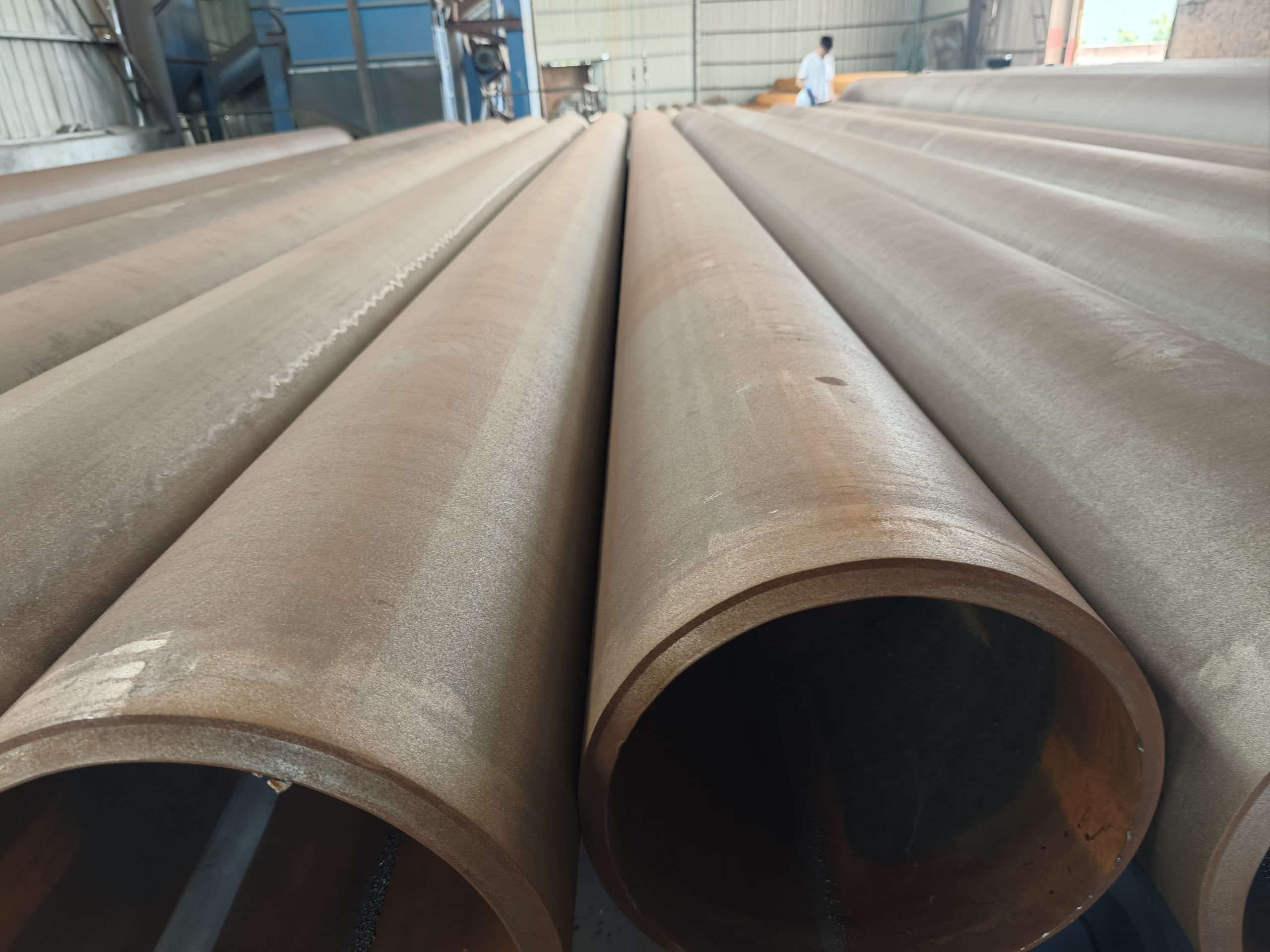
API 5L line pipe is manufactured to the American Petroleum Institute’s specification for steel pipe used in petroleum and natural gas pipeline transportation systems. The required grade, manufacturing method, dimensions, testing, and documentation depend on the applicable standard edition and project specification.
Understanding API 5L Line Pipe Specifications
API Specification 5L, titled Specification for Line Pipe, establishes requirements for seamless and welded steel line pipe used in pipeline transportation systems for the petroleum and natural gas industries. The 47th edition was published in June 2026; however, the edition stated in the project contract governs the order.
Grade Structure and Mechanical Properties
API 5L grades are designated according to specified mechanical-property requirements. In the X-series, the number indicates the grade’s minimum yield-strength level in ksi, while the exact specified yield and tensile strength values must be taken from the applicable edition and grade table. Grade selection should account for design conditions, dimensions, temperature, service environment, and the governing pipeline code.
PSL1 vs. PSL2: What Actually Differs
PSL1 and PSL2 have different requirements for chemical composition, mechanical properties, testing, and documentation. PSL2 generally includes additional or more restrictive requirements, but the exact impact-testing, NDE, dimensional, and chemical requirements depend on the applicable edition, pipe type, grade, dimensions, and purchase specification. Sour-service suitability is not established by PSL2 designation alone; it must be specified and verified against the applicable API 5L requirements, ISO 15156 where relevant, and the service conditions. For H₂S-containing service, confirm the required supplementary requirements and qualification tests in the purchase order.
Technical Properties and Manufacturing of API 5L Pipes
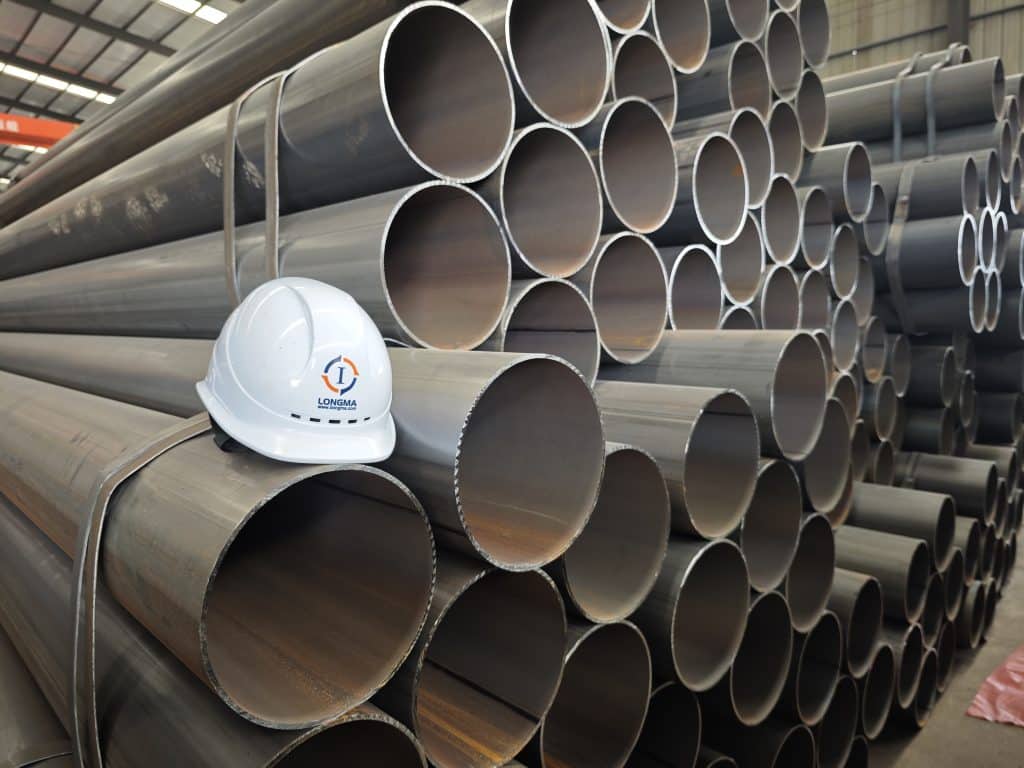
LONGMA manufactures round ERW and LSAW steel pipes. The suitable manufacturing route depends on the required outside diameter, wall thickness, grade, design conditions, and project specification.
ERW vs. LSAW: Choosing the Right Process
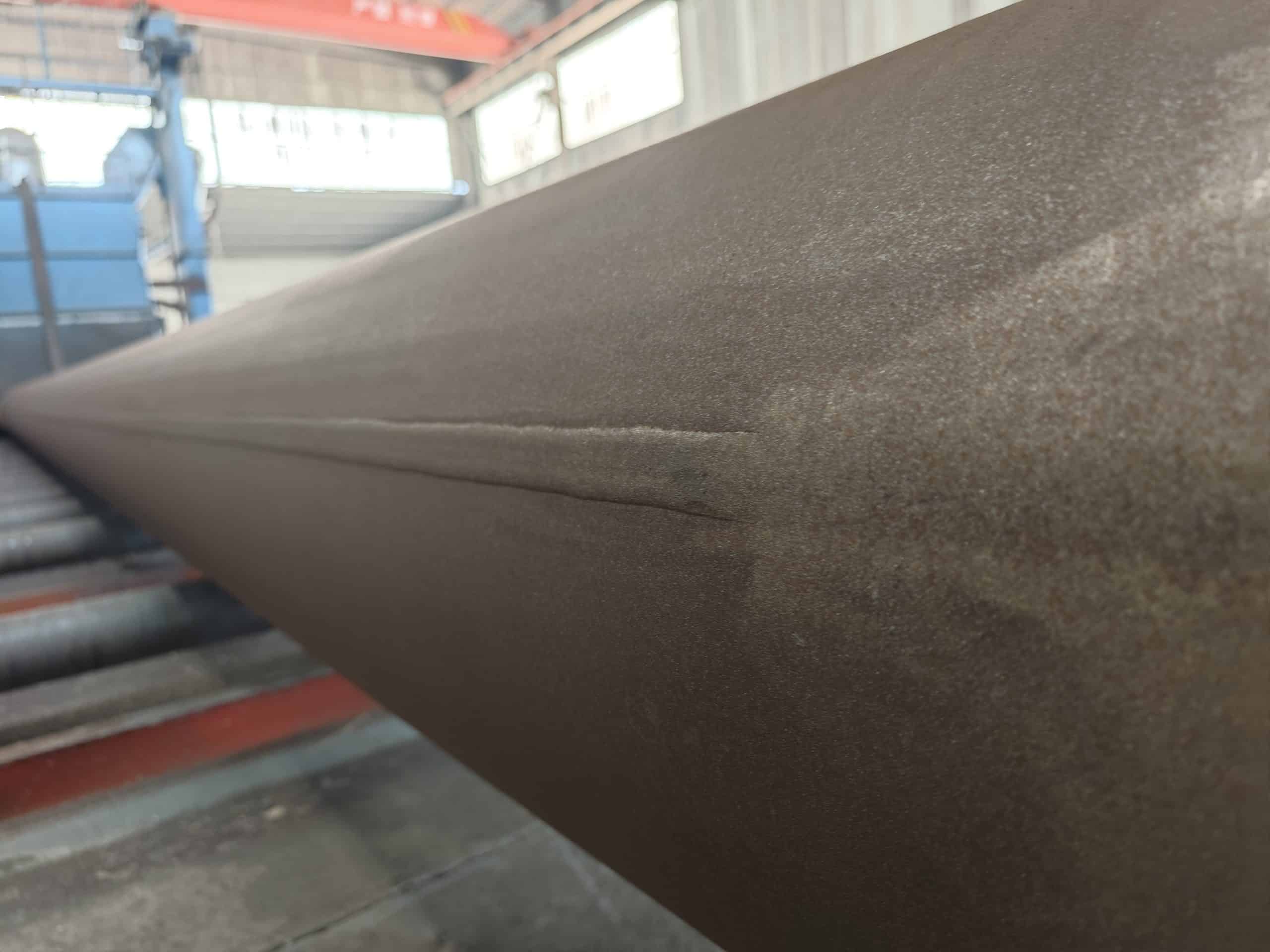
ERW (electric-resistance-welded) pipes are generally manufactured from steel strip or coil, with the longitudinal seam formed by resistance welding. This process can provide consistent dimensions and is often selected for suitable small- and medium-diameter applications. The applicable size range and suitability depend on the manufacturer’s qualified product range and the project requirements; pressure capacity must be established by design, not by manufacturing method alone.
LSAW (longitudinal submerged-arc-welded) pipes are formed from steel plate, commonly using JCOE or UOE processes, and the longitudinal seam is welded by submerged arc welding. LSAW is commonly used for large-diameter and/or heavy-wall line pipe, but it is not automatically the best option for every high-pressure application. Select the pipe based on design calculations, material requirements, manufacturing capability, and the applicable standard. Confirm available dimensions with the manufacturer.
Quality Control from Steel to Shipment
At LONGMA’s 230,000 m² facility, production quality control includes raw-material verification, in-process dimensional checks, welding-process control, inspection, and traceability, as applicable to the ordered product and specification. The required inspection and test plan should be agreed in the purchase order.
- Ultrasonic testing (UT) of the weld seam is performed when required by the applicable product specification and order. The method, extent, acceptance criteria, and personnel qualifications must follow the governing edition and purchase requirements.
- Radiographic testing (RT) is applied where required by the governing specification or agreed inspection plan; it is not a universal requirement for every pipe or every pipe end.
- Hydrostatic testing is carried out in accordance with the applicable API 5L requirements and purchase specification. Test pressure, duration, and any permitted alternatives are determined by the governing requirements.
- Charpy V-notch impact testing is required where specified by the applicable API 5L requirements or purchase order. Test temperature, specimen size, and acceptance criteria depend on the edition, grade, dimensions, and specified service conditions.
Pipe identification and traceability records are maintained according to the applicable specification and order. EN 10204 3.1 or 3.2 inspection documents, and third-party inspection, can be specified where required by the contract.
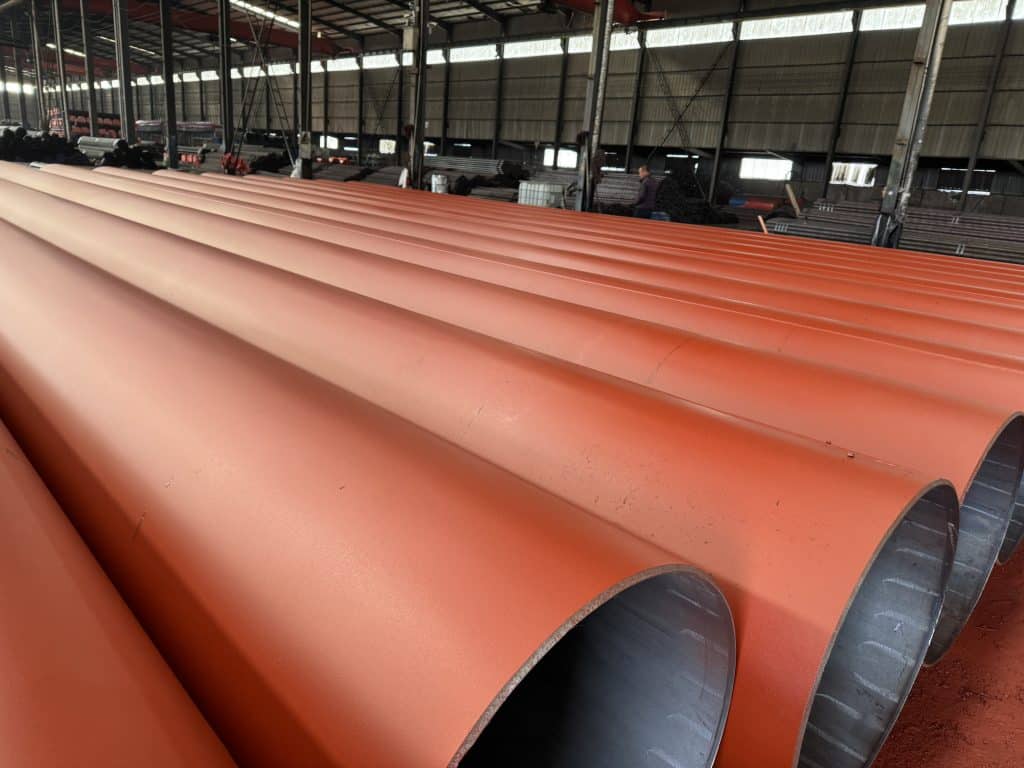
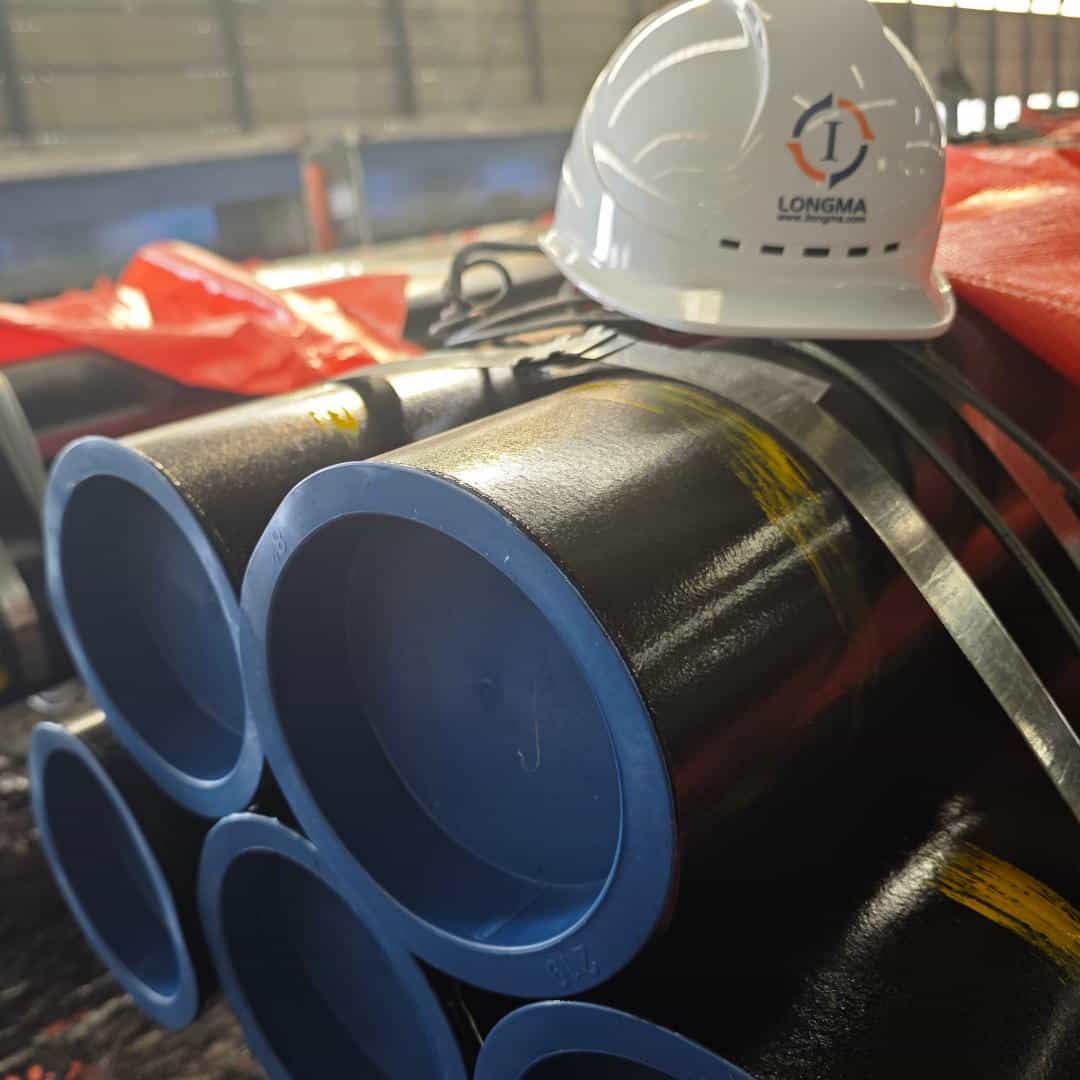
External corrosion-protection options may include fusion-bonded epoxy (FBE), liquid epoxy, 3LPE, or 3LPP, subject to the specified coating standard and project requirements. Internal linings or coatings may also be specified for particular fluids or operating conditions. Coating requirements should be confirmed separately from the base pipe specification.
Applications and Benefits of Using API 5L Line Pipe
API 5L line pipe may be used in onshore and offshore pipeline systems when the selected product meets the applicable design and service requirements. Grade, wall thickness, toughness, coating, and inspection scope should be established for the specific project rather than inferred from the API 5L designation alone.
The main procurement considerations are whether the pipe meets the project’s technical requirements, whether the required inspection and traceability documents can be supplied, and whether the manufacturing and delivery schedule fits the project plan. These factors should be evaluated together with the total delivered cost.
After confirming the intended application and service conditions, compare the governing standards and grade options to establish the specification that best fits the project.
Comparison and Decision-Making Guide for API 5L Line Pipes
API 5L vs. ASTM Standards
ASTM A53 covers black and hot-dipped zinc-coated welded and seamless steel pipe for its specified applications. ASTM A671 and A672 cover electric-fusion-welded steel pipe for different service conditions. These standards have their own material, testing, and supplementary requirements; they should not be treated as interchangeable with API 5L without reviewing the applicable scope and project specification.
Selecting the Right Grade
Grade selection depends on design pressure, diameter, wall thickness, design factor, temperature, service environment, and the applicable pipeline code. Grades B and X42 may meet some project requirements, while higher-strength grades may be specified where justified by design calculations and other service conditions. No grade should be selected solely on the basis of its strength designation.
API 5L Line Pipe vs. API 5CT Casing
API 5L line pipe and API 5CT casing or tubing serve different purposes. API 5L addresses line pipe for pipeline transportation, while API 5CT covers casing and tubing used in wells. They are not interchangeable simply because both are steel tubular products; selection must follow the function and requirements of the relevant system.
Procurement Insights: How to Buy API 5L Line Pipes Globally
When sourcing API 5L line pipe, compare the full supply scope rather than unit price alone. Confirm the grade, dimensions, PSL level, end preparation, coating, inspection and documentation requirements, delivery terms, and destination-specific logistics. Any supplier qualifications or certificates should be verified against the contract requirements.
Conclusion
Selecting API 5L line pipe requires matching the pipe’s grade, manufacturing route, dimensions, testing, and documentation to the project specification. Reviewing the governing edition, PSL requirements, service conditions, and delivery scope together helps buyers define a clear and verifiable purchase order.
FAQ
1. What is the difference between PSL1 and PSL2 in API 5L?
PSL1 and PSL2 differ in specified chemistry, mechanical properties, testing, and documentation. The applicable API 5L edition and purchase order determine the requirements. Sour-service suitability must be assessed separately against the actual service conditions and applicable project requirements.
2. Can API 5L pipes be used in H₂S sour service environments?
API 5L pipe may be specified for sour service when the applicable standard requirements and project-specific supplementary requirements are met. Confirm suitability against the service conditions and relevant requirements of ISO 15156 and the governing purchase specification; do not assume that PSL2 alone guarantees HIC or SSC resistance.
3. What does the “X” prefix mean in pipe grades like X65 or X70?
The “X” prefix identifies an API 5L high-strength grade, and the number corresponds to the grade’s minimum yield-strength level in ksi. For example, X70 has a minimum yield strength of 70 ksi; the corresponding specified metric value should be taken from the applicable edition’s tables.
4. What end preparation does API 5L line pipe typically ship with?
End preparation should be stated in the purchase order and agreed with the applicable end-preparation standard and project requirements. API 5L does not mean every pipe must have one universal bevel angle; verify the required bevel geometry and tolerances against the contract.
5. What coatings are available for external corrosion protection?
External coating options may include 3LPE, 3LPP, FBE, or liquid epoxy where specified. The appropriate system depends on the service environment, operating temperature, surface preparation, applicable coating standard, and project requirements.
Partner with LONGMA for Your Next API 5L Line Pipe Order
LONGMA manufactures round ERW and LSAW steel pipes. Its stated facility area is 230,000 m², with annual output exceeding 500,000 tonnes. Product grades, dimensions, PSL level, testing, coating, certification, and third-party inspection should be confirmed against the specific order. Contact info@ilongma.com for technical and quotation enquiries.