- 1. What Is Electric Fusion Welded Steel Pipe and Does It Need Heat Treatment?
- 2. Why Heat Treatment Matters for Weld Performance and Safety
- 3. Normalizing vs Quench-and-Temper: Choosing the Right Treatment Route
- 4. Which ASTM Classes Require Heat Treatment on EFW Steel Pipe?
- 5. How Heat Treatment Improves Weld Toughness in Low-Temperature Service
- 6. Risks of Skipping Heat Treatment on Electric Fusion Welded Steel Pipe
- 7. Documenting Heat Treatment in Mill Test Certificates
- 8. Heat Treatment Cost Impact on EFW Pipe Pricing
- 9. Distinguishing Stress-Relieved From As-Welded Pipe: A Buyer’s Checklist
- 10. Supplier Capability and Evaluation for Electric Fusion Welded Steel Pipe Projects
- 11. Conclusion
- 12. FAQ
- 13. Request a Heat-Treatment and Compliance Checklist
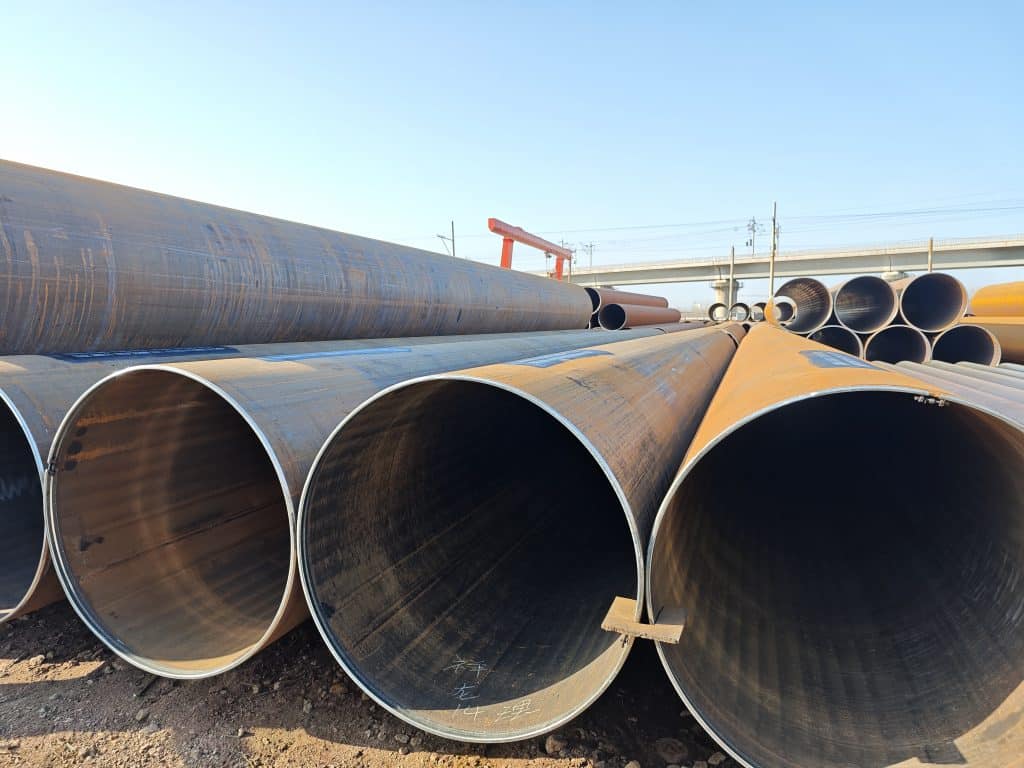
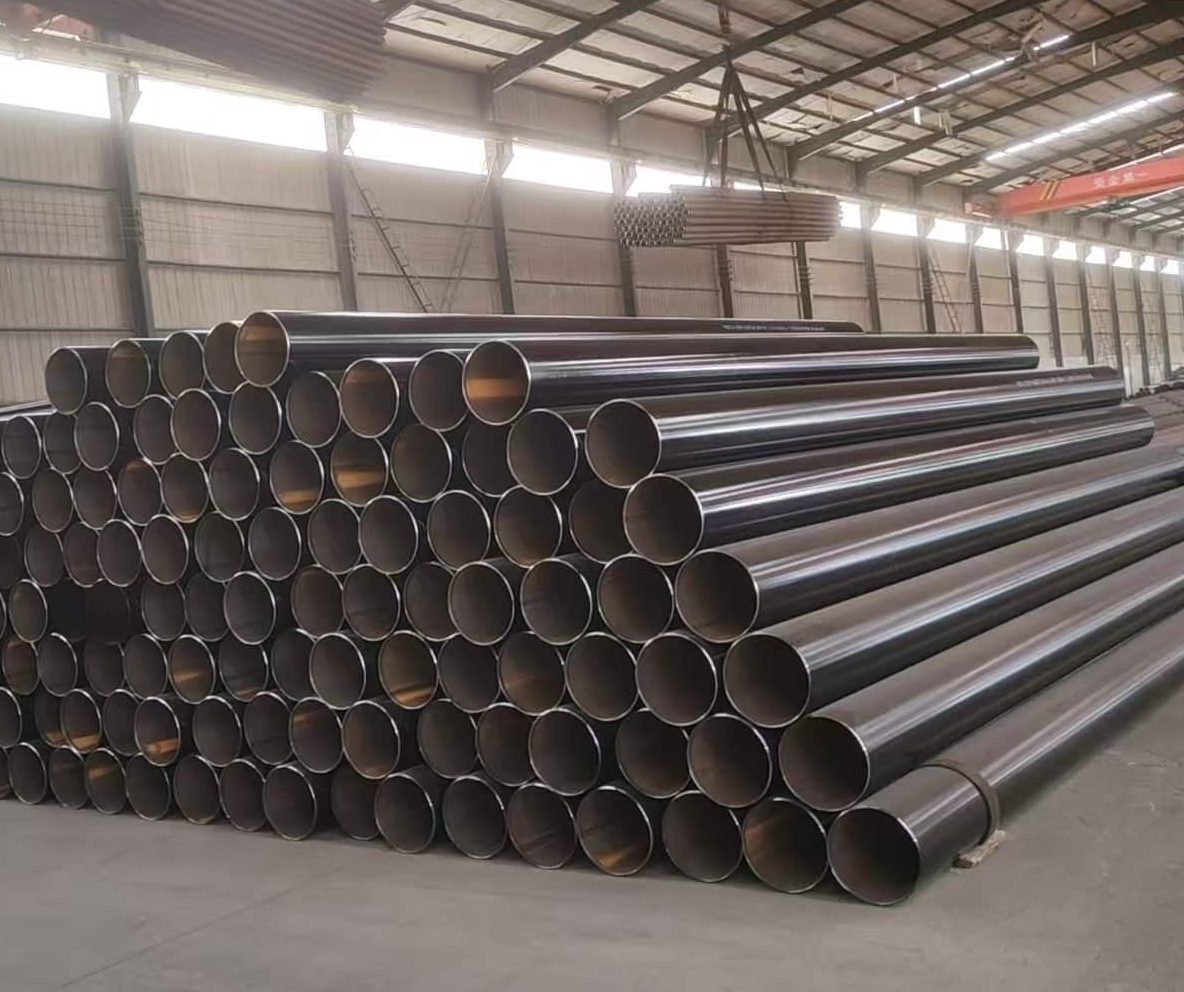
Electric fusion welded steel pipe does not need heat treatment in every case. Whether treatment applies depends on the ASTM class, steel grade, wall thickness, and the pressure and temperature conditions written into your purchase specification. Some classes under ASTM A671 allow pipe to ship in the as-welded condition, while others require stress relieving or normalizing to reach the toughness and hardness values a project demands. This guide walks through when heat treatment applies to electric fusion welded steel pipe, how it changes weld behavior, and what paperwork a buyer should request before signing a purchase order.
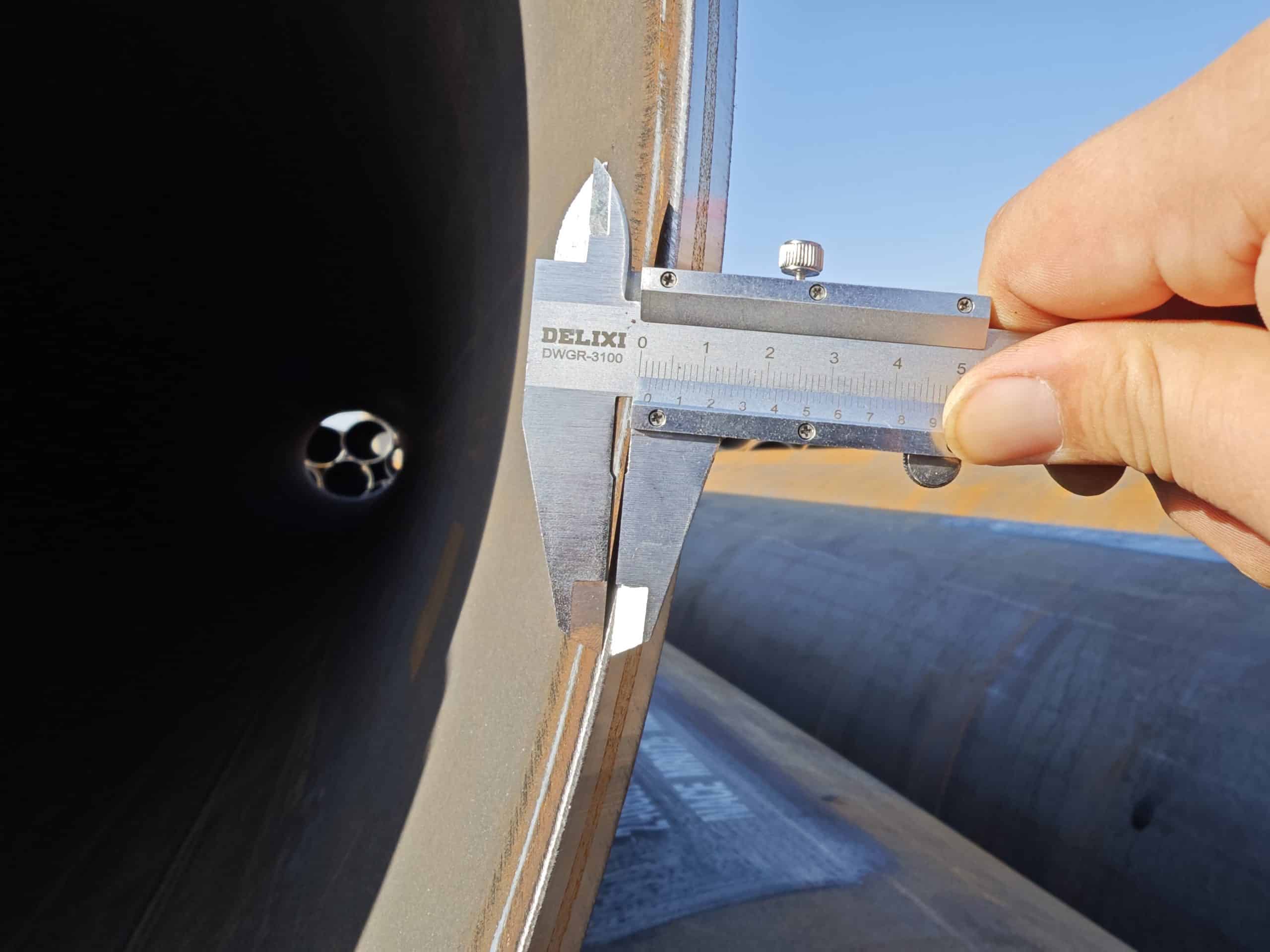
What Is Electric Fusion Welded Steel Pipe and Does It Need Heat Treatment?
Electric Fusion Welded Steel Pipe Definition and Scope
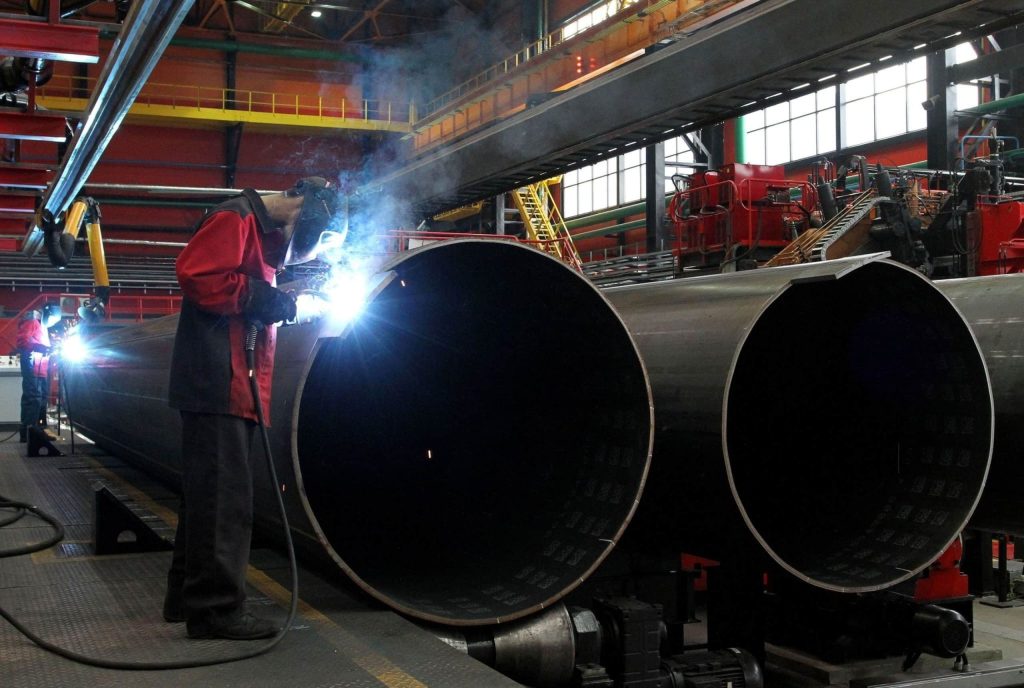
Electric fusion welded steel pipe (EFW pipe) is made by joining prepared plate edges using a fusion welding process, commonly full-penetration submerged arc welding with filler metal. ERW pipe instead uses electrical resistance heating and mechanical pressure to join the edges, normally without filler metal.
Heat treatment is required when specified by the ordered ASTM class, applicable design code or purchase specification. It is not mandatory for every EFW pipe. Supply conditions include as-welded, stress-relieved, normalized, and quenched-and-tempered, depending on the applicable specification and material requirements.
When Heat Treatment Is Typically Required
If at least one of these is true, heat treatment is probably what you need:
The project specifies an ASTM class that requires heat treatment rather than permitting as-welded supply. Confirm the grade and numeric class separately against the ordered edition.
Wall thickness exceeds the range where as-welded toughness reliably meets impact criteria, pushing engineers toward a controlled thermal cycle to manage the heat-affected zone.
The line operates at low temperature and must meet specified impact requirements. Liquid LNG service near −162°C requires a specifically qualified cryogenic material; normalizing an ordinary carbon-steel pipe does not by itself establish suitability.
The piping engineer’s PMS (piping material specification) explicitly lists a heat-treatment condition tied to ASME B31.3 or B31.1 design requirements for the service class.
What Information Determines the Requirement?
The main inputs are the specification and edition, grade and numeric class, diameter and wall thickness, design pressure, operating and minimum design temperatures, impact requirements, and service environment. These requirements can differ substantially between process piping and water-transfer lines of the same diameter.
Why Heat Treatment Matters for Weld Performance and Safety
Residual Stress and Welded Pipe Performance
During welding, localized heating and uneven cooling cause differential expansion and contraction. This can leave residual tensile stresses near the weld, changes in hardness and distortion. A correctly specified stress-relief cycle reduces residual stress; it does not eliminate every stress or guarantee resistance to stress-corrosion cracking.
Effects on Toughness, Hardness, and Microstructure
Heat treatment changes the microstructure of the weld metal, heat-affected zone and, where applicable, the base plate rather than their bulk chemical composition. A qualified thermal cycle can improve toughness and control hardness. It cannot correct unsuitable chemistry, unacceptable weld defects or incomplete inspection.
Conditions Where Heat Treatment Carries More Weight
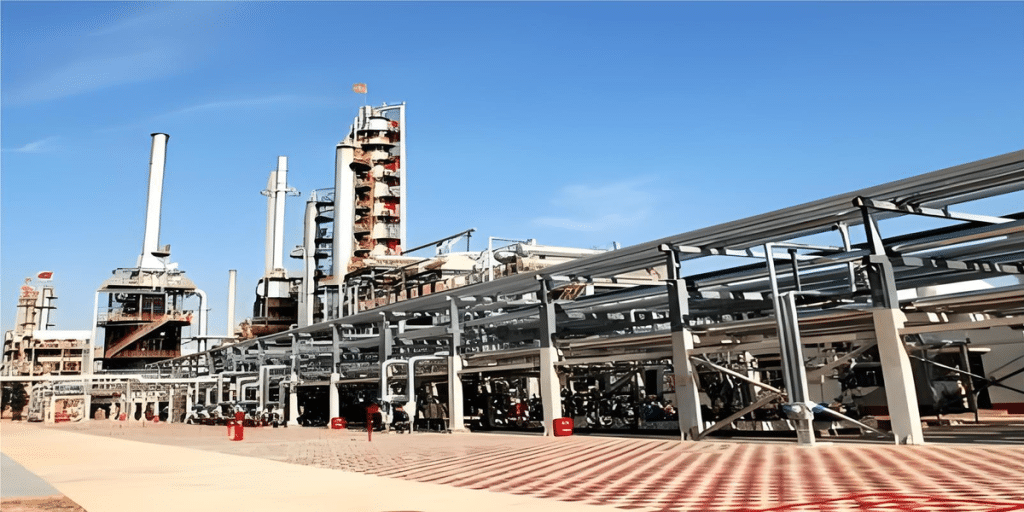
Heat-treatment requirements deserve particular attention in low-temperature piping, thick-wall pressure service, sour service and systems subject to thermal cycling. An LNG facility utility line with a −46°C impact requirement has a different material selection basis from a line carrying liquid LNG or ambient-temperature water. Confirm each line’s actual design conditions.
Normalizing vs Quench-and-Temper: Choosing the Right Treatment Route
Normalizing Treatment Explained
Normalizing heats steel above the appropriate critical transformation temperature, holds it as required and cools it in air. The aim is to refine and make the microstructure more uniform, with properties verified by testing. The temperature, holding time and cooling conditions depend on the material and wall thickness.
Quench-and-Temper Treatment Explained
Quenching and tempering first heats the steel to the specified austenitizing temperature, then rapidly cools it to develop the required hardened microstructure. Subsequent tempering below the critical transformation temperature adjusts hardness, strength and toughness. Chemistry, heating, quenching and tempering must be controlled to avoid excessive hardness, distortion or inadequate toughness.
Comparison Table of Common Heat-Treatment Routes
The table below compares common delivery conditions. Use it to identify differences in treatment and verification before comparing supplier quotations.
| Treatment | Main Objective | Typical Property Effect | Key Verification |
| As-welded | Preserve production condition | Properties depend on welding and plate quality | WPS, visual and NDE records |
| Stress relieved | Reduce residual welding stress | Limited microstructural change | Furnace chart, temperature, holding time |
| Normalized | Refine and even out microstructure | Better toughness and consistency | Heat-treatment record plus mechanical tests |
| Quenched and tempered | Controlled high strength and toughness | Higher strength, hardness risk if mismanaged | Hardness, tensile, impact test records |
These are general treatment routes rather than a substitute for the grade and class tables in the ordered standard. Annealing, normalizing and tempering, or other conditions may also apply.
Which ASTM Classes Require Heat Treatment on EFW Steel Pipe?
ASTM A671, A672, and A691 Scope
ASTM A671 covers EFW steel pipe for atmospheric and lower temperatures; A672 covers high-pressure service at moderate temperatures; A691 covers carbon and alloy steel EFW pipe for high-pressure service at high temperatures. Product-standard scope does not establish suitability for every fluid or temperature. Select the material, grade and class against the design code and actual service conditions.
Understanding ASTM Class Designations
Grade and class have different meanings. A grade such as CC60, CC65, CC70 or CD70 identifies the plate material and its requirements; the numeric class identifies the specified combination of heat treatment, radiography and pressure testing. For example, A671 Classes 10–13 specify no pipe heat treatment, while Classes 20–23 specify stress relief, with different examination and pressure-test combinations. Grade-related requirements and purchaser additions still apply. Check the ordered edition before accepting any designation.
How to Confirm a Class Requirement
Before you place your order, read all of these papers together, not just one:
The purchase specification and its referenced edition of the ASTM standard, since class tables have been revised over the years and an outdated reference can create a mismatch.
The material grade and chemistry requirements tied to the plate supplier’s mill certificate, confirmed against the heat number on file.
The design code (ASME B31.3 for process plants, ASME B31.1 for power piping) and any supplementary requirements the purchaser has added beyond the base standard.
The approved welding procedure specification (WPS) and procedure qualification record (PQR) used to produce the test coupon.
How Heat Treatment Improves Weld Toughness in Low-Temperature Service
Weld Metal and Heat-Affected Zone Behavior
The weld metal melts and solidifies, while the adjacent heat-affected zone undergoes a thermal cycle without melting. The parent plate farther from the weld experiences less heating. Appropriate heat treatment can modify these microstructures and hardness variations, but the final properties must be verified by the specified tests.
Impact Testing and Low-Temperature Service
Charpy V-notch impact tests assess toughness at the specified test temperature. The applicable standard, design code and purchase specification determine sampling, test temperature and acceptance criteria. A line’s location within an LNG facility does not by itself determine its material or impact-test requirements.
In 2024, LONGMA made a low-temperature ethylene unit line for a petrochemical EPC contractor in the Gulf region. It was made of Grade CD70 electric fusion welded steel pipe that was 610 mm in diameter and 22 mm thick on the walls. Because of the buyer’s PMS, the Charpy impact test had to be carried out at -46°C and the lowest amount of energy that was absorbed had to be well above the applicable project acceptance minimum. There was no need for any retests after normalization because the batch passed the first test. A full round of impact coupons were pulled from both ends of each heat lot. The project’s QA/QC manager said this was faster than two other bidders on the same list. The project’s lead piping engineer said at the end of the source inspection, “The impact data matched the furnace chart lot for lot, which is what let us skip a second round of coupon testing.” This single pass-rate detail cut about ten days off the schedule for material release compared to the contractor’s last project of a similar scope.
Verification Tests for Weld Toughness
If you want to be sure that a weld is strong, you should test it for tensile strength, Charpy impact strength, hardness across the weld and heat-affected zone, macroetch or metallographic checks as needed, a non-destructive look at the weld, and not just a certificate statement but also the actual heat-treatment chart and an actual test coupon.
Risks of Skipping Heat Treatment on Electric Fusion Welded Steel Pipe
Potential Technical Risks
It’s risky to skip a required heat-treatment step on electric fusion welded steel pipe because it leaves more stress in the joint, is less tough at low operating temperature, has uneven or too much hardness across the weld, distorts during later fabrication, is more likely to break easily under the wrong conditions, and doesn’t meet the ASTM class that was written on the purchase order. Any of these could be thrown out when they are checked, which takes longer and costs a lot more than the heat-treatment cycle itself.
When As-Welded Pipe May Be Acceptable
It’s not always a sign of trouble when the supply is as-welded. It’s okay if all four of these things happen at the same time: the ASTM class allows the as-welded condition; the required mechanical and impact properties are met without any extra treatment; the design code and buyer specification don’t include any extra heat-treatment clauses; and the qualification of the welding procedure and inspection results back up the as-welded claim with real test data instead of an assumption.
Risk-Mitigation Checklist
When the buying and quality inspection teams go through a short list of things to do before production starts, the chance of being turned down is lower:
Confirm the exact ASTM class in writing, not just the base standard number, since class determines whether treatment is optional or mandatory for that order.
Pull the material certificates and plate heat numbers to confirm traceability runs cleanly from raw plate through to finished pipe.
Verify the welding procedure qualification covers the actual thickness and grade being produced, not a thinner or different-grade reference sample.
Request furnace calibration records if the order calls for normalizing or stress relieving, since an uncalibrated furnace can produce pipe that looks compliant on paper but fails coupon testing.
Review NDE, mechanical, impact, and hardness results side by side with the specification’s acceptance table before releasing the shipment.
Get engineering sign-off in writing for any deviation from the original purchase specification, even a minor one.
Documenting Heat Treatment in Mill Test Certificates
Heat-Treatment Information to Record
The MTC should identify the ordered grade, numeric class and applicable heat-treatment condition. The supporting inspection dossier should provide traceable furnace or equipment identification, treatment temperature and holding time, heating and cooling records where required, and relevant calibration records. These details may be supplied as linked reports rather than printed entirely on the MTC.
Mill Test Certificate and Inspection Documents
There is more than just the heat-treatment record in a defensible document package. It also has an EN 10204 3.1 or 3.2 certificate (CEN, 2004), details on the chemical make-up, tensile properties, yield strength and elongation, impact test results, hardness results (if needed), records of the welding process and welder qualification, NDE reports, dimensional inspection results, and the heat-treatment chart or electronic log.
Quality Verification Before Shipment
| Verification Stage | Evidence to Request |
| Material identity | Heat number and plate traceability |
| Welding control | WPS, PQR, welder qualification record |
| Heat treatment | Furnace chart, cycle record, calibration certificate |
| Weld integrity | UT, radiographic, magnetic, or visual inspection reports |
| Mechanical performance | Tensile, impact, hardness, flattening test data where specified |
| Final release | Signed inspection dossier and certificate of conformity |
A third-party source inspector from SGS, Bureau Veritas, or TÜV will find it helpful if documents are lined up with this table before they come. When they get there, this will save them a lot of time and work.
Heat Treatment Cost Impact on EFW Pipe Pricing
Cost Drivers Behind Heat Treatment
Assorted factors determine how much more expensive it is to heat-treat electric fusion welded steel pipe. These include the pipe’s size and wall thickness, the type of treatment (normalizing costs more than basic stress relieving in most mills), the amount of energy used, the need for extra mechanical and impact testing, fees for a third party to inspect the pipe, rework because test coupons were distorted or failed, and the level of certification needed (EN 10204 3.2 with a third-party signature usually costs more than a standard 3.1 certificate).
Cost-Comparison Questions for Suppliers
In order to make sure that two prices are equal, buyers should ask the following:
Is the quoted price for as-welded or heat-treated pipe, and which exact treatment cycle is included in that number?
Are impact tests, NDE, and dimensional inspection included in the base price, or billed as separate line items?
Does the quotation cover packing, inland freight, and export documentation, or only the ex-works pipe cost?
Which Incoterm applies — EXW, FOB, CFR, CIF, or DAP — since this changes who carries risk and cost at each shipping stage?
What are the payment terms, warranty period, and replacement policy if a coupon fails after the shipment leaves the mill?
Distinguishing Stress-Relieved From As-Welded Pipe: A Buyer’s Checklist
As-Welded Pipe Characteristics
As-welded pipe receives no specified postweld pipe heat-treatment cycle. It is acceptable only when the ordered class, grade requirements, design code and purchase specification permit it, and the required tests pass. Review plate condition, welding qualifications, NDE and mechanical test results; heat treatment is not a substitute for acceptable welding.
Stress-Relieved Pipe Characteristics
Stress relief uses a controlled thermal cycle primarily to reduce residual stress. It differs from normalizing and quenching and tempering in temperature range, microstructural effects and acceptance requirements. Confirm that the documented cycle applies to the finished pipe where required, and distinguish it from prior plate treatment or test-coupon treatment.
Supplier Capability and Evaluation for Electric Fusion Welded Steel Pipe Projects
Evaluating a Reliable EFW Pipe Manufacturer
If you want to buy electric fusion welded steel pipe from a reliable company, they should have direct experience with the ASTM standard, class, grade, size range, and pressure application that your project needs. They shouldn’t just know how to make pipes in general. You should check if they have the following: production and heat-treatment equipment on-site, qualifications for the welding process on file, NDE capabilities for full RT and UT coverage, experience hosting third-party inspections, controls for keeping track of raw materials, help with export documentation, and references from projects that are similar to yours.
LONGMA has manufactured round ERW and LSAW steel pipes since 2003. Its factory covers 230,000 m², with annual output exceeding 500,000 tonnes and more than 60 senior technical personnel. For ASTM A671 EFW orders, confirm the exact grade, numeric class, dimensions and heat-treatment requirements. Finished-pipe hydrostatic testing and NDE follow the ordered requirements. Heat, batch and product identification maintain traceability from plate receipt through final inspection.
Comparison of EFW, Seamless, ERW, and Spiral Welded Pipe
| Pipe Type | Main Advantage | Main Limitation | Typical Selection Factor |
| EFW | Fits large diameters, heavy walls, high-pressure specs | Weld quality and heat treatment need close control | Pressure, temperature, wall thickness, spec |
| Seamless | No longitudinal weld seam | Higher cost, size and wall-thickness limits | Critical service, smaller to medium sizes |
| ERW | Efficient production, competitive cost | Not equivalent to fusion-welded construction | General pressure and structural use |
| Spiral welded | Efficient for large-diameter water lines | Spiral seam may not fit every pressure code | Diameter, pressure, project standard |
Use-Case Scenarios for Buyer Decisions
LONGMA receives enquiries from equipment manufacturers, distributors and end users. Equipment manufacturers prioritize dimensional consistency, weldability and traceable fabrication records. Distributors compare inventory, minimum quantities, delivery schedules and landed costs. EPC contractors and plant operators need design-code compliance, inspection records and long-term material traceability.
Conclusion
Electric fusion welded steel pipe does not require heat treatment in every case. The answer depends on the ordered standard, grade, numeric class, dimensions and service requirements. Some classes permit as-welded supply; others require a specified thermal treatment. Confirm the complete designation, review traceable treatment and test records, and compare quotations on the same technical basis.
FAQ
Does all electric fusion welded steel pipe require heat treatment?
No. Some classes under ASTM A671 permit as-welded supply, while others require stress relieving, normalizing, annealing, or quench-and-temper treatment. The exact requirement comes from the applicable specification and the class stated on the purchase order.
What is the difference between EFW and ERW steel pipe?
EFW pipe is produced through a fusion welding process that melts and joins the steel edges, usually with submerged arc welding. ERW pipe uses electrical resistance heating combined with pressure, so the production process and the applicable standards differ.
Which ASTM standards cover electric fusion welded steel pipe?
ASTM A671, A672, and A691 are the three standards commonly tied to EFW pipe, each covering a different service window based on temperature and pressure. The correct standard and class depend on material grade and the project’s design code.
Is stress-relieved EFW pipe the same as normalized pipe?
No. Stress relieving mainly lowers residual welding stress without changing the grain structure substantially. Normalizing heats the steel above its critical transformation temperature and cools it in a controlled way, which refines the microstructure and typically improves toughness.
What documents should accompany heat-treated EFW steel pipe?
A complete package includes the mill test certificate, heat-treatment chart, chemical and mechanical test results, impact-test reports where required, NDE reports, dimensional inspection records, and full heat-number traceability.
How does heat treatment affect EFW steel pipe cost?
Heat treatment adds cost through furnace processing time, energy use, extra mechanical and impact testing, and inspection fees. The size of the increase depends on pipe diameter, wall thickness, treatment type, order volume, and the certification level requested.
Can EFW steel pipe be used for high-pressure oil and gas pipelines?
Yes, when the chosen specification, grade, class, design code, welding procedure, inspection program, and heat-treatment condition all match the project’s pressure and temperature requirements. A piping engineer should confirm suitability against the specific line’s design basis.
Request a Heat-Treatment and Compliance Checklist
Confirm the grade, numeric class and treatment condition before ordering. LONGMA supplies round LSAW EFW pipe to agreed ASTM A671 requirements, with NDE, heat treatment and EN 10204 3.1 or 3.2 documentation as specified. Email your PMS or technical specification to info@ilongma.com or visit www.ilongma.com. Our engineering team will respond within two business days to confirm the specification, treatment condition and lead time.