When engineers are choosing pipe grades for a new project, the first question they commonly ask is the same one: which class really meets their pressure and temperature numbers? The ASTM A671 CC60 pipe is the bottom end of a three grade family of carbon steel including CC65 and CC70. The classes have varied minimum tensile strengths, chemistry restrictions and manufacturing requirements. This tutorial lays down the differences in mechanical data, cost variables, and an actual supply scenario so your team can choose a grade based on calculation, not guessing.
What Does the CC Grade Designation Mean in ASTM A671
ASTM A671 pipe definition and product scope
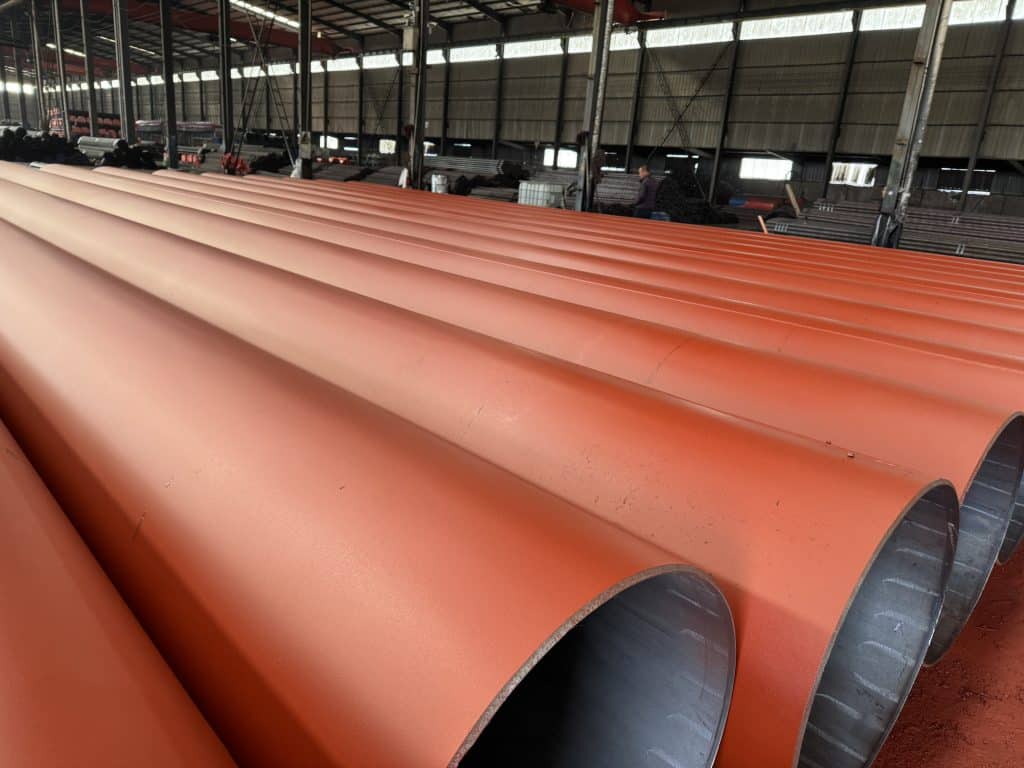
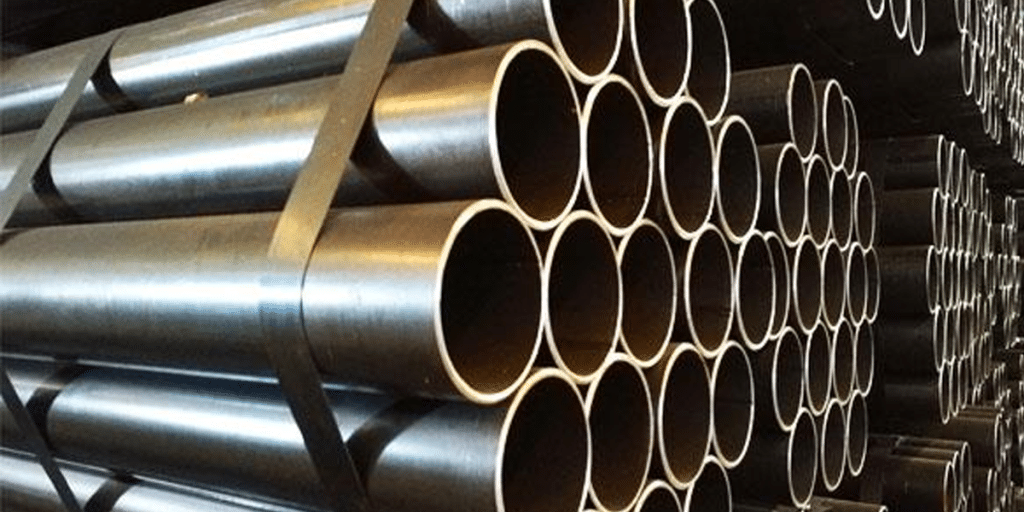
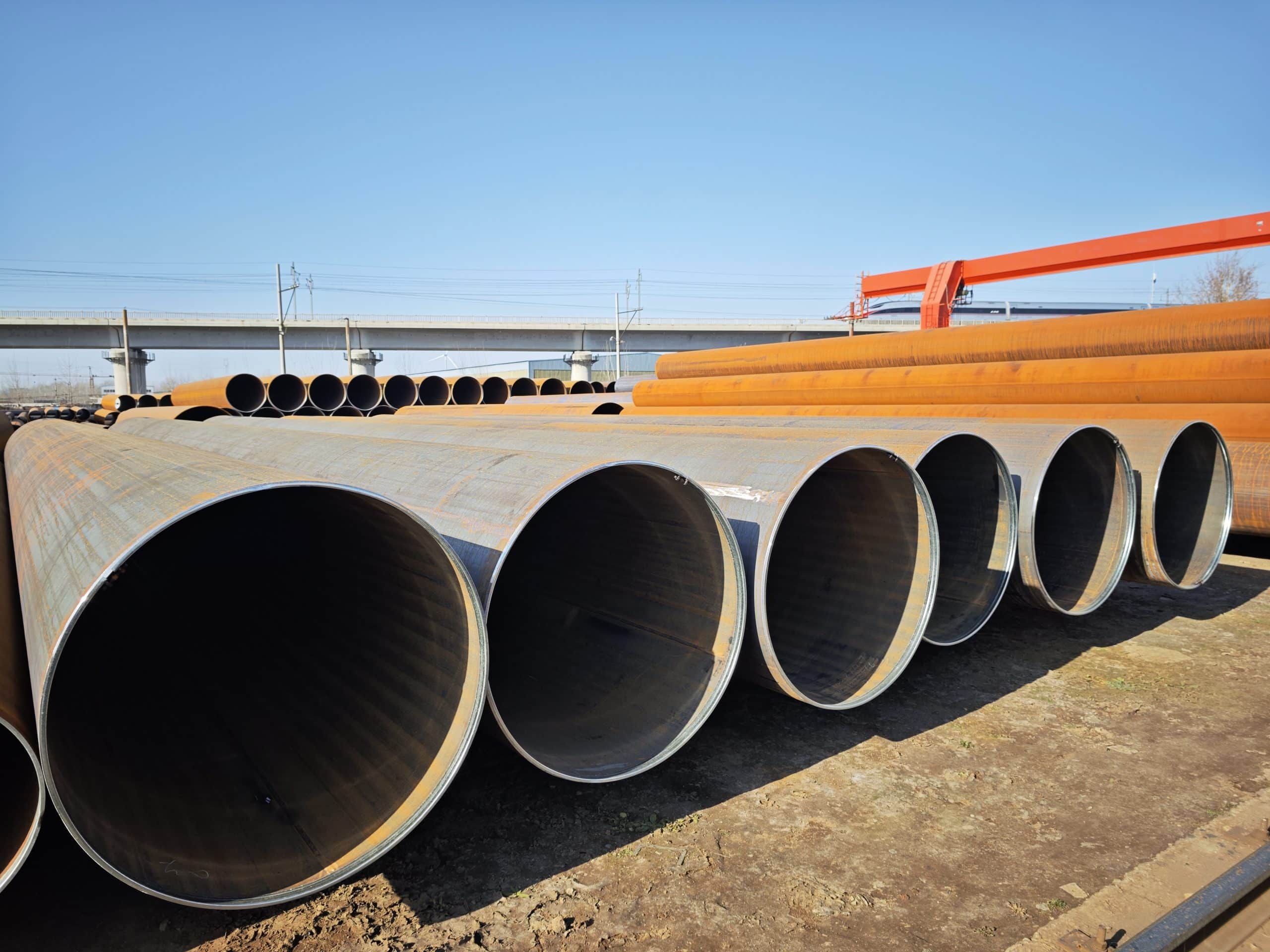
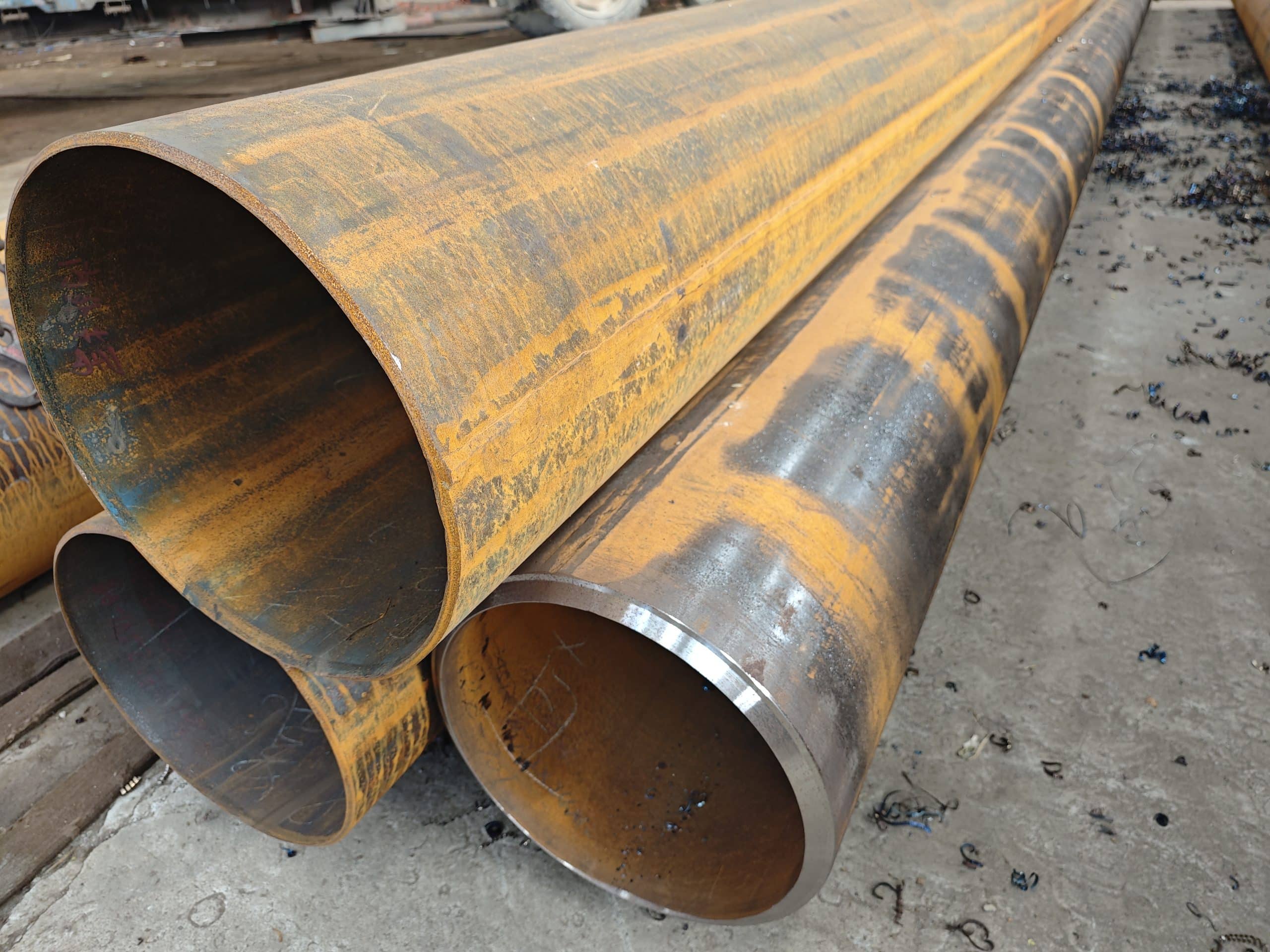
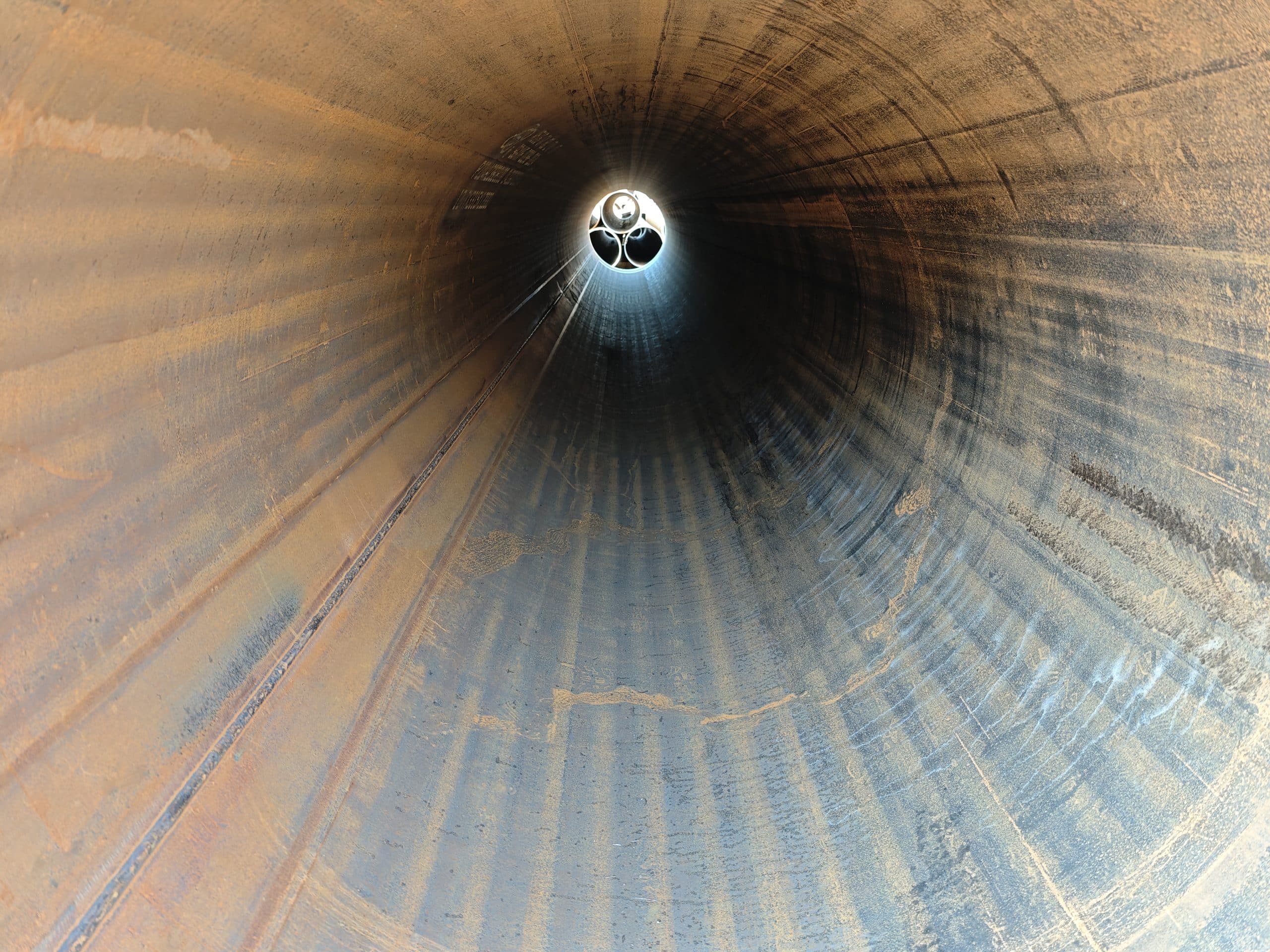
There is a standard called ASTM A671 for steel pipes that are electric fusion welded and used in service at room temperature or less. The pipe is made from a plate of steel that is good for pressure vessels and is joined with a long weld that goes all the way through. Different from this process, seamless pipe is made from a single block.
A lot of things that buyers rely on every day are in the standard. What kind of material it is, what size and shape the pipe is, how thick the walls can be, how they are welded, how they are heated, and what kinds of tests can be done, like hydraulic and radiographic examination.
That’s all ASTM A671 has to say about pressure. It’s not possible for this test to check for fluid compatibility, resistance to rust, or automatic agreement with an ASME B31.3 design code. Not only do they come from the material standard, but also from the calculations you did in engineering.
CC60, CC65, and CC70: grade versus class
In ASTM A671, grade and class have distinct meanings. CC60, CC65, and CC70 identify the specified plate-material grade family, while the class number identifies the applicable heat-treatment, examination, and testing provisions. Both designations are needed for a complete purchase specification.
A seller who says “ASTM A671 CC60 pipe” but doesn’t say what class it is isn’t giving you all the information you need. Though two pipes are the same CC60 grade, they may need different NDE views and impact tests. You should always ask for the full name on the purchase order and the material test certificate (MTC).
Required specification data for an RFQ
Before you ask for a rate, make sure you give your seller the information they need to give you a good price on the right product. This is where missing information slows down the technical review process. This is especially true for EPC projects with short windows for sourcing.
- Size and thickness data: nominal pipe size, outside diameter, nominal wall thickness, and minimum measured thickness after mill tolerance.
- Grade and class: the exact ASTM A671 grade (CC60, CC65, CC70, CD70, CE60, CE65) with the full class number.
- Service conditions: design pressure, operating temperature, and minimum design metal temperature (MDMT) for impact test selection.
- Testing and documentation: hydrostatic test pressure, RT/UT scope, Charpy impact temperature, and EN 10204 certificate type (3.1 or 3.2).
- Logistics: length, end preparation, quantity, delivery location, and the applicable project code such as ASME B31.3 or B31.1.
Tensile Strength Differences: CC60 vs CC65 vs CC70
Minimum strength hierarchy
The table below provides an indicative comparison of minimum plate strength levels associated with CC60, CC65, and CC70. These are not pipe pressure ratings or allowable design stresses; verify the applicable plate specification, product class, and governing design code.
| Grade | Approx. minimum tensile strength | Approx. minimum yield strength | Typical selection logic |
| CC60 | 60 ksi (415 MPa) | 32 ksi (220 MPa) | Moderate pressure, cost-sensitive projects |
| CC65 | 65 ksi (450 MPa) | 35 ksi (240 MPa) | Balanced strength and weldability |
| CC70 | 70 ksi (485 MPa) | 38 ksi (260 MPa) | Higher design stress, subject to code review |
Mechanical properties that require verification
A big number by itself is not enough to compare things well. Before you take any shipments of ASTM A671 CC60 pipe, check the MTC for these things:
- Yield and tensile strength: minimum and maximum values recorded from the actual plate heat, not catalog averages.
- Elongation percentage: confirms ductility and formability during pipe rolling and welding.
- Charpy V-notch impact energy: measured at the specified test temperature, critical for cold climate or LNG-adjacent piping.
- Hardness, if specified: some sour service or welded joint specs call for maximum hardness limits.
- Plate thickness range and heat treatment condition: affects both strength and toughness outcomes for the finished pipe.
Why tensile strength alone is not enough
When planners make plans, they also think about the design temperature, the height of the walls, and the highest stress that ASME Section VIII or the main pipe code allows.
Weld quality and the applicable joint efficiency must be evaluated under the governing design code. Full-penetration welding and 100% radiographic examination do not, by themselves, establish a joint efficiency of 1 for every design. Toughness, fatigue exposure, and corrosion allowance must also be considered.
Chemical Composition Comparison Across CC Grades
Carbon steel chemistry comparison
Chemical composition requirements depend on the underlying pressure-vessel plate specification and grade, including its applicable edition. The following figures are indicative only and must not be used as universal ASTM A671 chemical limits. Confirm the specified plate grade and heat analysis on the MTC.
| Element | CC60 (typical max %) | CC65 (typical max %) | CC70 (typical max %) | Verification source |
| Carbon | Verify against specified plate grade | Verify against specified plate grade | Verify against specified plate grade | Heat analysis on MTC |
| Manganese | Verify against specified plate grade | Verify against specified plate grade | Verify against specified plate grade | MTC and mill test |
| Phosphorus | Verify against specified plate grade | Verify against specified plate grade | Verify against specified plate grade | MTC |
| Sulfur | Verify against specified plate grade | Verify against specified plate grade | Verify against specified plate grade | MTC |
| Silicon | Verify against specified plate grade | Verify against specified plate grade | Verify against specified plate grade | MTC |
Chemistry, weldability, and fabrication
As the amounts of carbon and manganese go up, so does the carbon equivalent (CE). It may need a higher preheat temperature, a controlled interpass temperature, and sometimes a post-weld heat treatment (PWHT) if CC70 has a higher CE value. This is to keep hydrogen cracks from forming during field welding.
You should check that the welding procedure specification (WPS) and procedure qualification record (PQR) can handle CC70 if you need to use it for a job that needs to be done quickly. “We don’t just choose a grade based on how strong it is; we choose it based on what our field welders can do over 40 joints a day without PWHT delays,” said a pipe engineer I talked to at a Gulf refinery project review.
Material identity and traceability
The only thing that makes a finished pipe reliable is the paper that connects it to its start plate. Before you ship, you should get these records from any ASTM A671 CC60 pipe supplier:
- Heat number and plate number: links the finished pipe segment to the exact steel heat and chemical analysis.
- Mechanical test results: tensile, yield, elongation, and Charpy data tied to that same heat.
- Heat treatment records: confirms normalizing or stress-relief steps where the class requires them.
- Weld map and pipe traceability log: shows which weld seam belongs to which plate and pipe joint number.
- Marking reconciliation: matches physical pipe stencils against the packing list and MTC line items.
Without this chain, the quality team can’t be sure that the pipe they have in their hands matches the paperwork they have on file. Shipments are turned away at the receiving dock because of this hole.
Conclusion
Don’t use the grade name to choose ASTM A671 CC60 pipe, CC65, or CC70. Instead, use numbers. Chemical, toughness, and weldability tests show that CC60 is good for moderate-strength uses. CC65 and CC70, on the other hand, can handle higher design stress. The final buy specification must include the full grade and class, dimensions, wall thickness, testing scope, paperwork, Incoterm, and inspection plan before production starts. There should be more than just a strength number on the price sheet. A good provider should be able to show that the steel plate was bought, welded, tested, certified, and sent.
FAQ
What is ASTM A671 CC60 pipe?
ASTM A671 CC60 pipe is an electric fusion welded carbon steel pipe tied to a 60-strength-grade material designation, made from pressure vessel quality plate. The full grade, class, dimensions, and applicable ASTM edition must be confirmed before specification [1].
What is the difference between ASTM A671 CC60, CC65, and CC70?
The main difference is the specified minimum strength level, with CC70 generally higher than CC65 and CC60. Selection also depends on impact toughness, service temperature, wall thickness math, weldability, and the governing design code.
Is ASTM A671 CC60 pipe suitable for low-temperature service?
It can be, when the specified class, impact test results, and minimum design metal temperature requirements are met. Low-temperature suitability should never be assumed from the CC60 name alone — check the Charpy data against your site temperature.
What tests are required for ASTM A671 CC60 pipe?
Typical requirements include hydrostatic testing, dimensional inspection, weld examination, tensile testing, and nondestructive testing such as RT and UT. The exact scope depends on the class, purchase order, and project code.
Ready to Confirm Your ASTM A671 Grade Before You Order?
Picking between CC60, CC65, and CC70 gets easier once your pressure, temperature, and wall-thickness numbers are on paper. Our technical team at LONGMA reviews project data sheets daily for EPC contractors across Saudi Arabia, the UAE, Qatar, Indonesia, and beyond, matching grade selection to actual design load instead of guesswork. Send your pipe size, pressure, and temperature data to info@ilongma.com, and our team will confirm whether ASTM A671 CC60 pipe or a higher-strength class fits your project before you commit to a purchase order.