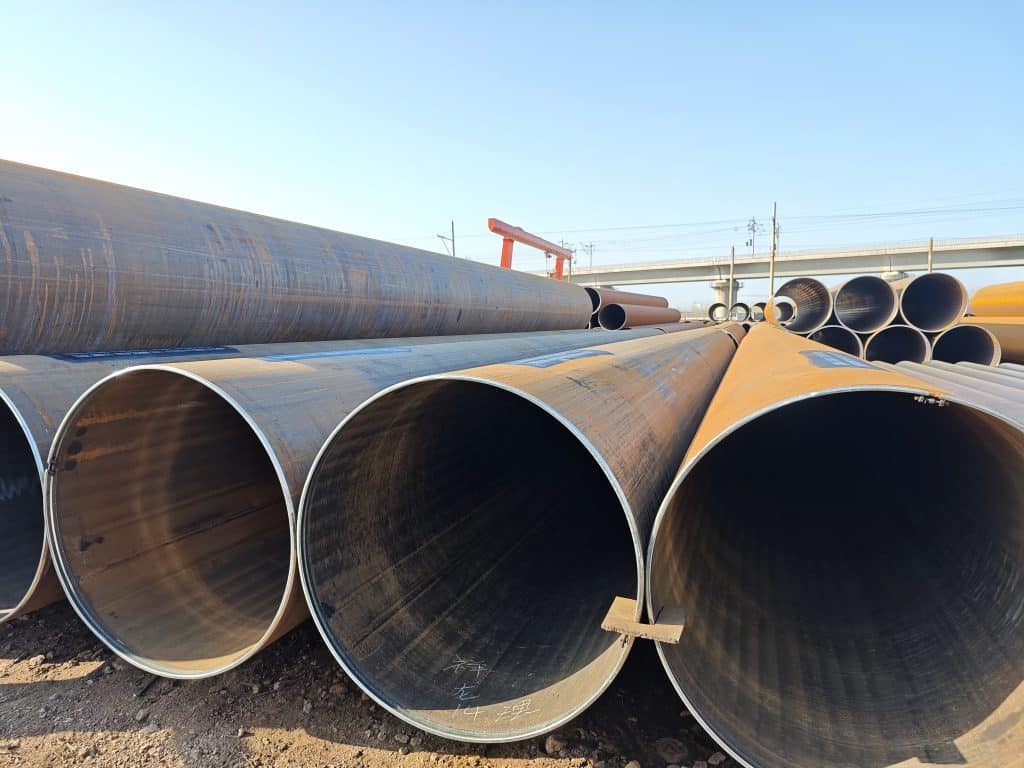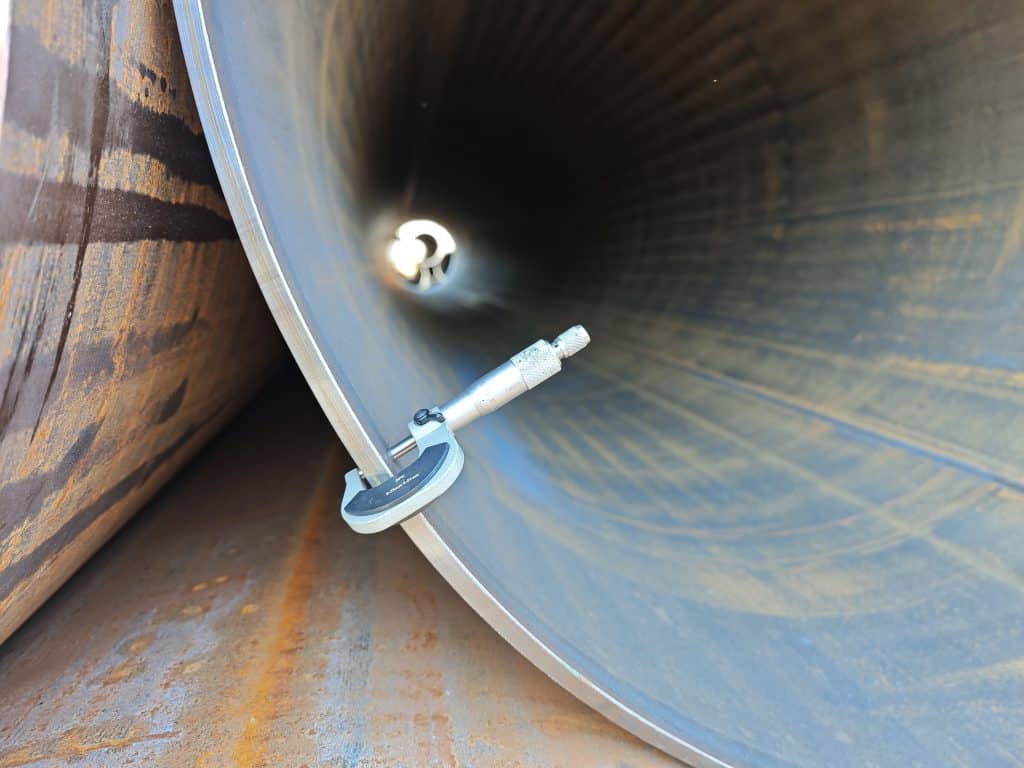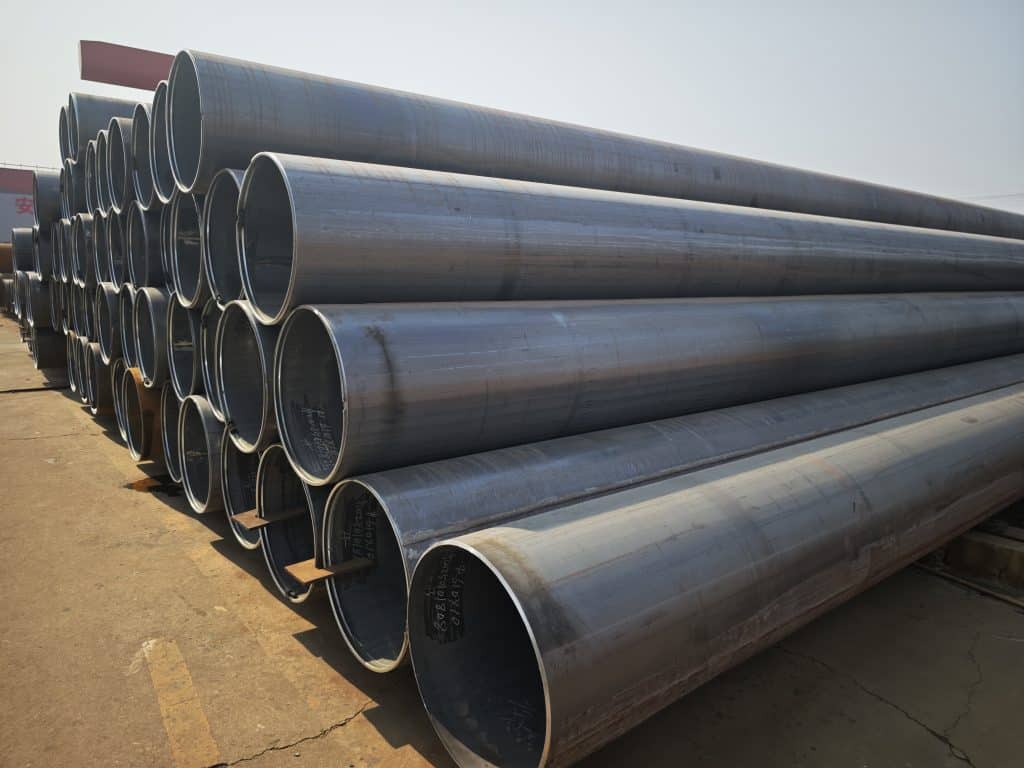
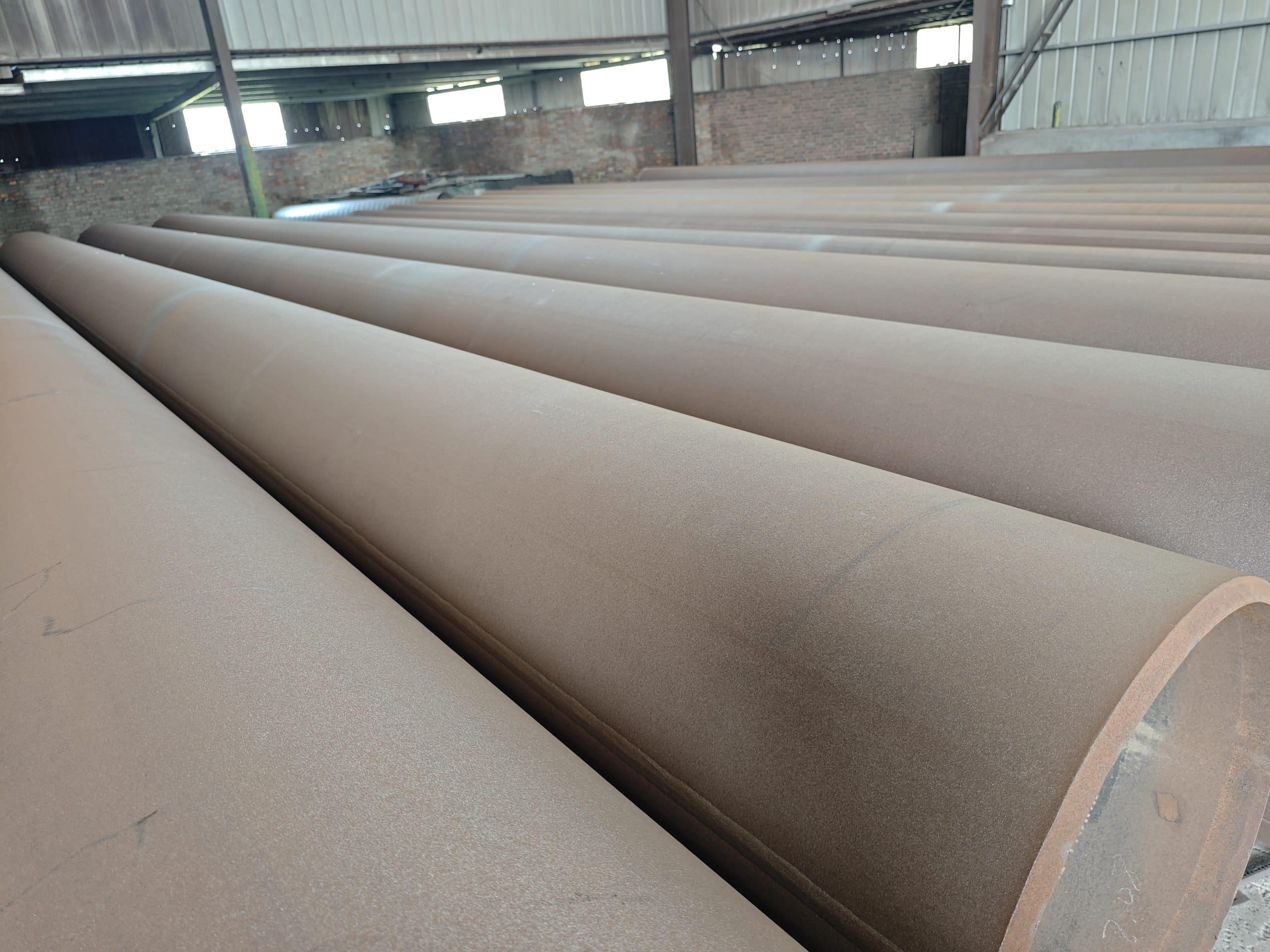
AS 1163 Cold Formed Structural Steel Pipe Specification defines the manufacturing and performance standards for hollow structural sections used across critical infrastructure, industrial construction, and energy projects. AS/NZS 1163 steel pipe refers to cold-formed, electric resistance welded (ERW) hollow sections produced under the joint Australian/New Zealand Standard, encompassing circular hollow sections (CHS), square hollow sections (SHS), and rectangular hollow sections (RHS). These pipes are engineered to deliver consistent mechanical properties, superior dimensional accuracy, and reliable structural performance in demanding construction environments worldwide.
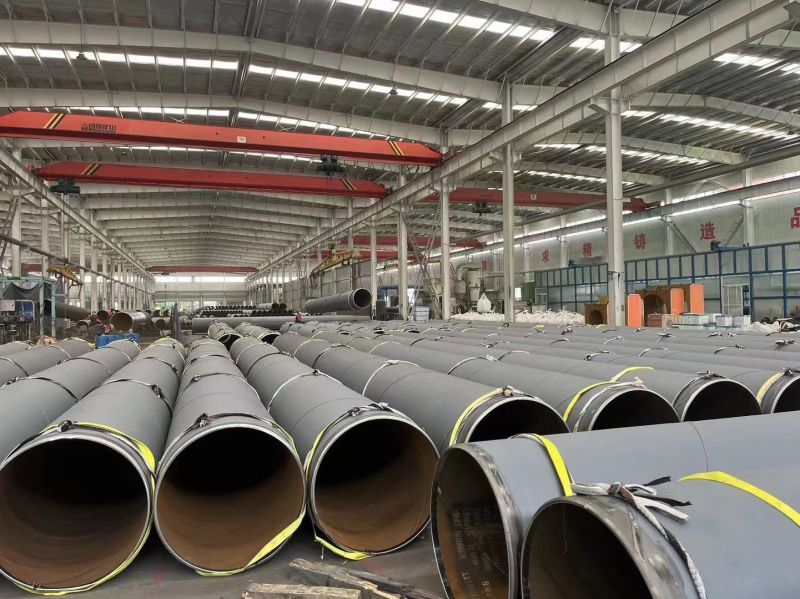
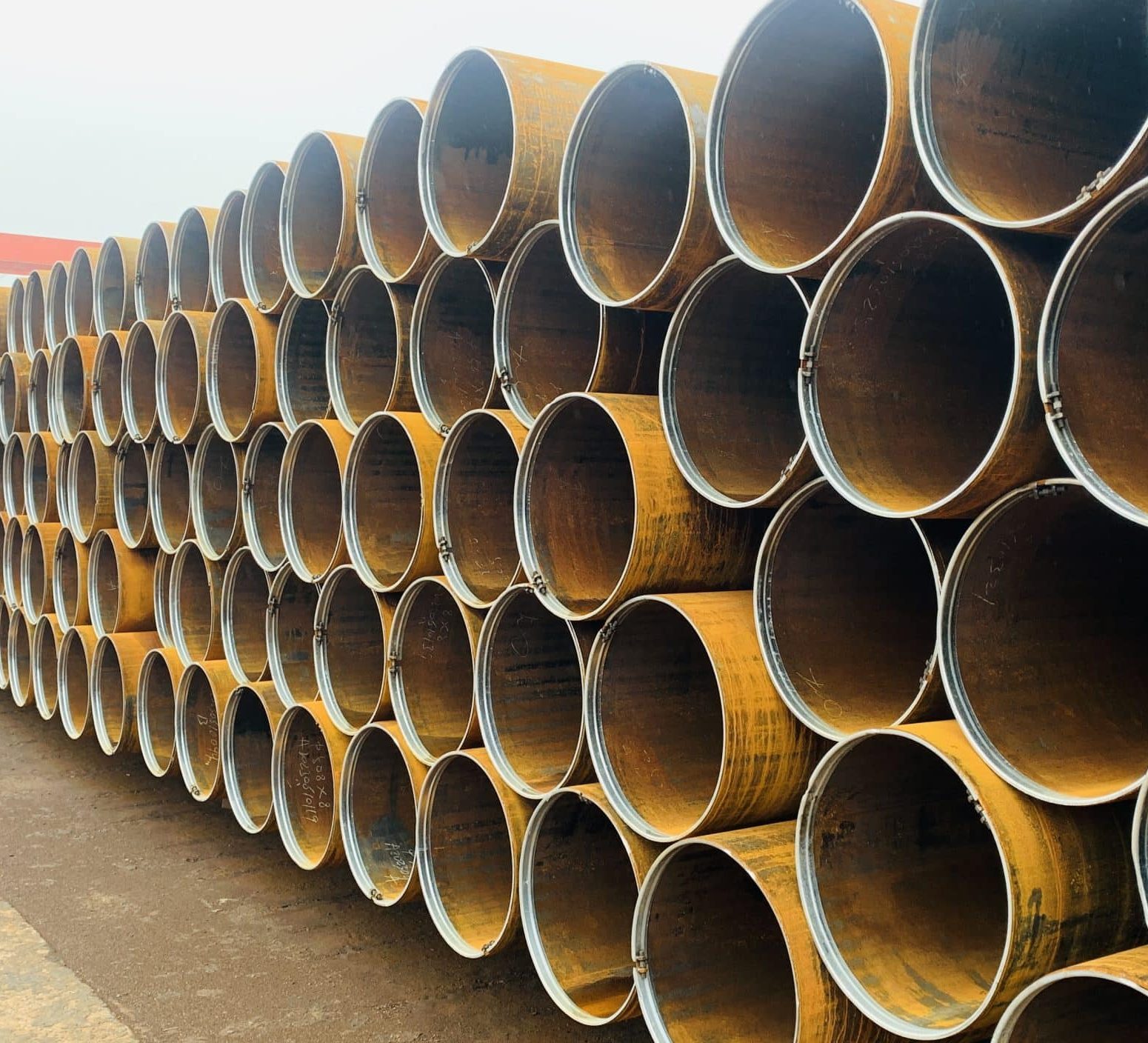
AS 1163 Steel Pipe Specifications
AS/NZS 1163 steel pipe is a set of rules that tells manufacturers how to make structural hollow sections using the cold-forming process. To make sure that structures work as expected when they’re under load, this standard sets rules for the composition of materials, their mechanical properties, dimensional tolerances, and how they should be tested.
Standard Scope and Classifications
There are three main hollow section types in AS/NZS 1163 steel pipe: CHS, SHS, and RHS. Each profile type is best for a certain kind of structural application based on how the load is distributed, how it looks, and how it needs to be made. The standard is only for building uses and doesn’t cover lines that are meant to be used with pressure. When compared to hot-finished options, its cold-formed production process keeps costs low while improving the accuracy of dimensions.
Steel Grades and Their Applications
The specification lists several types of steel, including C250, C250L0, C350, C350L0, C450, C450L0, and C550L0. The number value shows the minimum yield strength in megapascals, and the “L0” suffix means that the test was done at 0°C and the minimum Charpy V-notch value was 27 Joules. Grade C350 is good for most general structure uses, like building frames and truss systems. In places where there are a lot of earthquakes and structures that are easily broken, C350L0 is necessary because it keeps the structure from falling apart completely. Higher grades like C450 and C550L0 make construction lighter by increasing the strength-to-weight ratio. This is especially helpful for mining infrastructure and roofs with a lot of spans.
Mechanical Properties and Performance Criteria
The structural stability of AS/NZS 1163 steel pipe is based on their tensile strength, yield strength, and flexibility. The C350 grade has a minimum yield strength of 350 MPa and a maximum tensile strength of 430 MPa. It also has stretch values higher than 20% to make sure it can bend when it is overloaded. The Carbon Equivalent (CE) value stays below 0.39% for C350 types, which means they can be welded easily without having to be heated first. This controlled chemistry lowers the chance of hydrogen-induced cracking during manufacturing. This lowers the cost of production and speeds up the project schedule. The cold-forming method makes the section’s mechanical properties the same all the way through, which gets rid of the differences that can happen with hot-rolled goods.
Manufacturing Process Excellence
Progressive roll-forming and high-frequency ERW are used together in cold-forming technology to turn flat steel strips into hollow pieces. Continuous inline non-destructive testing (NDT) checks the integrity of the weld to make sure it matches or exceeds the strength of the parent metal. For example, this process can achieve wall thickness tolerances of ±10%, straightness within 0.15% of total length, and tightly controlled corner angles for both square and rectangular sections. These tolerances make automatic manufacturing and modular building methods easier to use. This lowers the cost of work on-site and raises the accuracy of assembly.
Comparison of AS 1163 with Other Steel Pipe Standards
When purchasing managers know how AS/NZS 1163 steel pipe stacks up against other international standards, they can figure out which ones are better in terms of technical suitability and business benefits for a variety of regional markets and project requirements.
AS 1163 versus ASTM Standards
For structural hollow parts, ASTM A500 is the North American counterpart, but there are some big changes. AS/NZS 1163 C350 usually has a higher minimum yield strength (350 MPa) than ASTM A500 Grade B (290 MPa), which means it can hold more weight. Chemical composition controls under AS/NZS pipe keep Carbon Equivalent limits higher, which makes it easier to weld without having to do special steps. Under AS/NZS 1163 pipe, the tolerances for sizes are usually tighter, especially for corner radiuses and even wall thickness. While ASTM A500 covers both welded and seamless goods, AS/NZS 1163 steel pipe is only about ERW building, making it the best standard for this way of making things.
Regional Certification and Market Acceptance
Many people in Oceania, Southeast Asia, and, more and more, the Middle East agree with AS/NZS 1163 steel pipe, which is important because Australian engineering standards affect project specifications. It is recognized by major building codes, especially AS 4100 for structural steel design, so it fits in perfectly with engineering documents. European EN 10219 and AS/NZS 1163 steel pipe both talk about structural hollow sections in similar ways, which makes it easier for them to be recognized in foreign projects. Suppliers who can be certified under both standards give buyers more choices, especially international workers who are in charge of projects in more than one country.
Key Dimensions and Weight Specifications
Accurate measurements and weight information are needed for all stages of project planning, from figuring out the structure to coordinating logistics and estimating costs for AS/NZS 1163 steel pipe.
Standard Size Ranges
AS/NZS 1163 steel pipe covers a wide range of sizes to meet a wide range of structural needs. Cross-sections of CHS range in size from 21.3 mm to 610 mm, and their walls are between 2 mm and 25 mm thick. The SHS size ranges from 20×20 mm to 400×400 mm, and the RHS size ranges from 50×25 mm to 500×300 mm. The wall width ranges for both are about the same. This wide range of options lets engineers get the most out of the materials they use by choosing parts that exactly match the calculated load requirements without being too specific.
Weight Calculation and Planning
For CHS, the formula for figuring out the weight per meter is W = 0.02466 × t × (D – t), where t is the wall thickness and D is the outside width, both in millimeters. When figuring out the weight for SHS and RHS, the section perimeter and corner geometry are taken into account. For planning transportation, figuring out crane capacities, and figuring out foundation loads, having accurate weight data is very important. A 100x100x6 mm SHS weighs about 17.0 kg/m, which makes it easy to figure out exactly how much material you need for budgeting and buying.
Dimensional Tolerances and Quality Assurance
For uniform fitment during manufacturing and assembly, tolerance standards are used. The outside width margin for CHS is usually kept within ±1%, and it has to be at least ±0.5 mm. The wall thickness accuracy stays within ±10% of the specified thickness. With these controlled tolerances, cutting, welding, and putting things together can be done automatically, which cuts down on waste and rework. Corner angles for SHS and RHS are set at 1.6t to 3.0t on the outside. This makes sure that the structure is strong and allows for good galvanizing covering when rust protection is needed.
Trusted Suppliers and Brands of AS/NZS 1163 Steel Pipes
Choosing the right supplier for AS/NZS 1163 steel pipes has a big effect on how the project turns out in terms of product quality, technical support, accurate documentation, and on-time delivery.
Leading Manufacturers and Their Capabilities
Established Australian manufacturers have built strong reputations by consistently delivering high-quality goods for decades. However, procurement professionals are becoming more aware of capable Chinese suppliers who have invested in AS/NZS 1163 steel pipe production technology. As a major Chinese company that has been making ERW structural pipes since 2003, LONGMA is a good example of this change. LONGMA has a registered capital of 176 million RMB and can produce more than 500,000 tons of goods every year. It has a history of reliably working with big oil and gas contracts like SINOPEC, CNPC, PEMEX, PDVSA, and PTTEP. Their 230,000-square-meter building has modern ERW and LSAW production lines as well as a wide range of testing tools to make sure they meet foreign standards.
Quality Assurance and Certification
Suppliers with a good reputation follow strict quality control rules at all stages of the manufacturing process. Material traceability starts with buying the steel strip, continues with tracking the heat number during shaping and welding, and ends with a final test that checks for conformance to dimensions and mechanical qualities. EN 10204 3.1 certificates, which are given out by independent inspection bodies, show that the requirements have been met by a third party. ISO 9001 certification means that there are established management systems in place to keep quality high. Suppliers who offer full paperwork packages lower the risk of a project and make it easier for regulators in different areas to give their permission.
Technical Support and Custom Fabrication
Value-added services set luxury suppliers apart from commodity sellers. Technical support teams help choose materials by giving advice on choosing the right grade, making the best use of dimensions, and protecting against rust. Custom manufacturing skills, such as cutting to length, end preparation, and applying protective coatings, lower the costs of further processing and speed up project plans. Suppliers who have their own engineering teams can look over project specifications ahead of time, finding problems that might come up before production starts and suggesting cheaper alternatives when needed.
Conclusion
The AS/NZS 1163 steel pipe tells you everything you need to know to make high-quality, reliable hollow sections that are used around the world in important infrastructure and industry construction. Procurement pros can make smart choices that balance performance, cost, and delivery needs by learning about the standard’s technical requirements, comparing them to other standards, and working with qualified suppliers. The specification’s focus on controlled mechanical properties, precise dimensions, and weldability has real benefits across all stages of a project, from improving the design to making the construction more efficient to making sure the structure will last for a long time. As the global construction market changes, AS/NZS 1163-compliant pipes continue to show their worth in a wide range of situations, from building bridges to building infrastructure for mines.
FAQ
What distinguishes Grade C350 from C350L0?
Charpy V-notch impact testing must be done on C350L0 at 0°C, and it must be able to absorb at least 27 Joules of energy. This low-temperature toughness keeps things from breaking easily in cold places or areas that are prone to earthquakes. Standard C350 doesn’t have any guaranteed impact properties, so it can be used in applications at room temperature without being marked as “fragile-critical.”
Can AS/NZS 1163 substitute for ASTM A500 in structural projects?
Both standards cover structural hollow parts, but straight replacement needs to be looked at by an engineer. AS/NZS 1163 steel pipe C350 usually has a higher bending strength than ASTM A500 Grade B, which could mean that section sizes can be made smaller. It is important to make sure that the building codes meet the requirements of the target market, as some places use ASTM standards directly in their rules.
What delivery timelines should buyers expect for bulk orders?
Common-sized stock items ship within 7 to 14 days from well-known distributors. For normal sizes, production orders usually take 30 days, but for special sizes, it could take up to 45 days. Chinese companies like LONGMA keep their production schedules flexible so they can meet pressing needs by allocating capacity and speeding up processes when project deadlines require faster delivery.
Partner with LONGMA: Your Trusted AS/NZS 1163 Steel Pipe Supplier
If procurement managers and project engineers are looking for a reliable AS/NZS 1163 steel pipe manufacturer, LONGMA has 20 years of experience, advanced ERW production technology, and a track record with major international contractors that will help them complete their projects successfully. Your structural steel needs will be met to the highest standards with full material traceability, EN 10204 3.1 approval, ISO 9001 compliance, and full expert support. Our production efficiency lets us get stock items to you in 7 days and custom orders to you in 45 days, which fits in with the tight schedules of many projects. Email our team at info@ilongma.com to talk about your needs, get thorough quotes, and find out how our experience can help your next mining, infrastructure, or industrial building project.