Knowledge
- All
- Knowledge
- News
- In piping engineering, construction, and industrial manufacturing, ASTM A53 Grade B carbon steel pipes are among the most widely used piping materials globally, thanks to their excellent mechanical properties and weldability. Particularly in applications involving the transportation of water, gas, oil, and steam, the quality of the welding process directly impacts the safety and service life of the piping system. This guide provides a comprehensive analysis of the welding methods, standard requirements, common issues, and quality control key points for…
- In industrial engineering, water supply systems, oil and gas pipelines, and structural applications, ASTM A53 Grade B (ASTM A53 Gr B) is a widely used carbon steel welded and seamless pipe standard. Known for its excellent strength, weldability, and cost-effectiveness, it also offers a variety of wall thickness options (Schedules), providing high adaptability across different applications. This article analyzes the differences between Sch 20, Sch 40, Sch 80, and XXS wall thicknesses from the perspectives of engineering design, pressure rating, fluid media,…
- In modern building systems, HVAC (Heating, Ventilation, and Air Conditioning) and fire protection piping networks are crucial for maintaining both comfort and safety. The choice of pipe material directly impacts the system's reliability and maintenance costs. Among various options, ASTM A53 Grade B pipe (ASTM A53 Gr B) has become the leading choice in global HVAC and fire protection systems due to its excellent mechanical properties, pressure resistance, and weldability. This article delves into the application value, standard requirements, and inspection procedures of this…
- In structural engineering, water and drainage systems, and oil and gas transmission lines, ASTM A53 Type E Grade B ERW pipes are widely recognized for their stable performance, cost efficiency, and reliable quality. This article provides an in-depth look into the manufacturing process, testing procedures, and performance standards of ASTM A53 Grade B steel pipes—helping buyers and engineers better understand product quality and make informed purchasing decisions. It also highlights LONGMA’s manufacturing expertise and quality control advantages in producing ASTM A53 ERW pipes.…
- When selecting structural steel pipes for engineering or construction projects, ASTM A53 Grade B and ASTM A500 are two of the most frequently compared standards. Both are widely used in building structures, support frameworks, machinery fabrication, and pipeline systems, but they differ significantly in manufacturing purpose, chemical composition, and mechanical properties.For engineers and buyers, understanding the key differences between these two standards is essential to ensure both project safety and cost efficiency. This article provides a detailed comparison of ASTM A53 Grade B…
- Among various carbon steel pipe products, ASTM A53 Grade B Galvanized Pipe stands out for its excellent corrosion resistance, stable mechanical properties, and wide application range. It is extensively used in water supply systems, natural gas pipelines, fire protection networks, construction projects, and industrial transportation systems. This article provides a comprehensive overview of the corrosion protection mechanism, galvanizing process, coating standards, and testing requirements of ASTM A53 Grade B galvanized pipes — helping buyers better understand its technical characteristics and minimize procurement…
- In industrial fluid transportation systems, ASTM A53 Grade B pipes—commonly known as ASTM A53 B—are widely used across the oil and gas, water supply, power generation, and chemical industries for their excellent strength, weldability, and versatility. However, one crucial factor often overlooked by engineers and buyers during material selection is the temperature and pressure derating factor. This parameter directly affects the pipe’s service life, operational safety, and cost efficiency. This article provides a comprehensive explanation of how temperature and pressure influence…
- In industrial pipe procurement, ASTM A53 Grade B is one of the most frequently specified carbon steel standards.Whether your project involves oil and gas transportation, structural engineering, or machinery manufacturing, having an accurate understanding of ASTM A53 Grade B pipe dimensions and weight charts is essential for precise material selection and reducing procurement risks.This article provides a comprehensive overview of standard specifications, dimensional ranges, weight calculation methods, and selection guidelines to help you make informed decisions for your project. Overview of ASTM…
- In the process of steel pipe procurement, the Mill Test Certificate (MTC) is one of the most critical documents for buyers to assess product quality and compliance. For ASTM A53 Grade B carbon steel pipes (ASTM A53 B)—widely used in oil, gas, water supply and drainage, and structural engineering—correctly understanding the MTC not only helps buyers verify whether the product meets standard requirements but also effectively reduces procurement risks and ensures project safety. This article provides an in-depth analysis of…
- In the field of industrial pipeline systems, ASTM A53 Grade B carbon steel pipe (commonly abbreviated as ASTM A53 Gr B or ASTM A53 B) has become one of the most popular materials thanks to its excellent mechanical strength, wide applicability, and superior weldability. Whether used in water, gas, or steam pipelines, or in petrochemical transmission systems, understanding its yield strength and pressure rating is crucial to ensure safe and reliable operation. This article provides an in-depth analysis of the key performance parameters of ASTM…
- In the field of carbon steel pipe manufacturing, ASTM A53 Grade B is one of the most commonly used standards. It is widely applied in oil and gas transportation, water pipelines, and structural engineering. However, many buyers notice that the ASTM A53 specification includes two main manufacturing types — Type E and Type S — but are not always clear about how they differ. This article provides an in-depth comparison of ASTM A53 Type E (ERW) and Type S (Seamless) pipes, explaining their manufacturing processes,…
- In global steel pipe procurement, ASTM A53 Grade B (commonly referred to as ASTM A53 Gr B) is one of the most widely used carbon steel pipe standards. It is extensively applied in oil and gas transportation, water systems, mechanical structures, and boiler pipelines. However, international buyers often face a common challenge:“If my project follows European (EN), German (DIN), or Japanese (JIS) standards, what is the equivalent grade to ASTM A53 Grade B?” This article provides a comprehensive comparison between…
- For large-scale or critical projects involving ASTM A53 steel pipes, it is highly recommended to include Third-Party Inspection (TPI) and “Witnessing” clauses in the purchase contract. Independent verification ensures that the Mill Test Certificate (MTC), hydrostatic, tensile, and non-destructive tests (NDT) are conducted properly, with photo and raw data records provided. This practice significantly reduces procurement risks and potential project delays. Why Do You Need Third-Party Inspection? Independence and Credibility Trusted organizations such as SGS, BV, TÜV, and Intertekprovide impartial inspection…
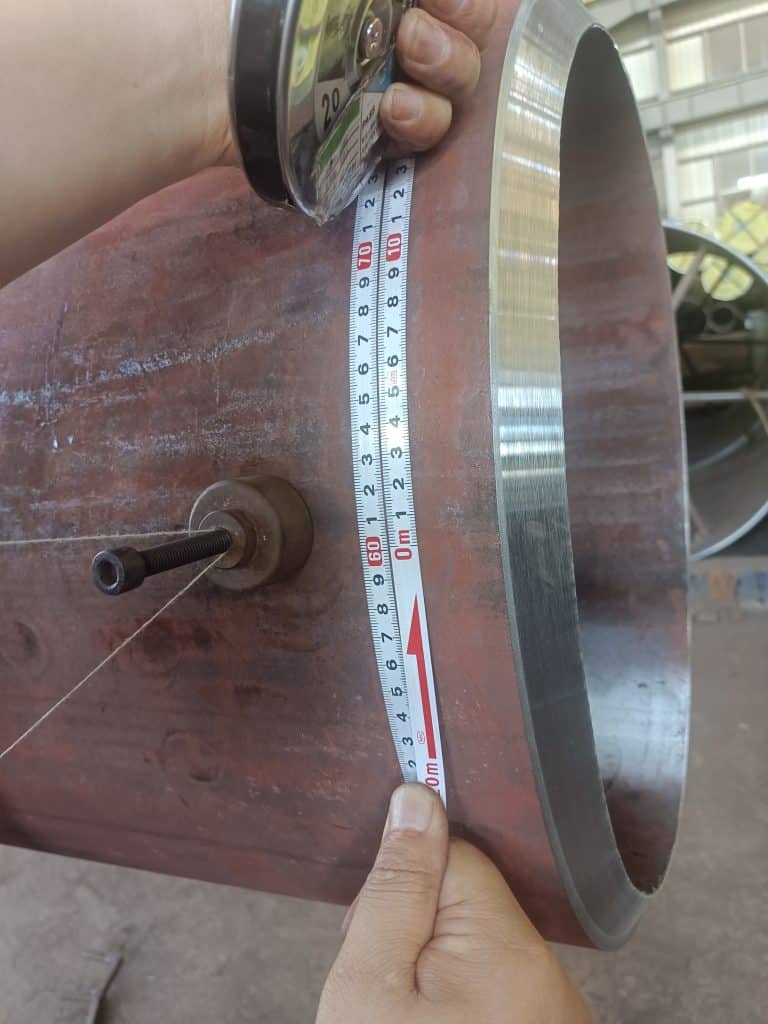
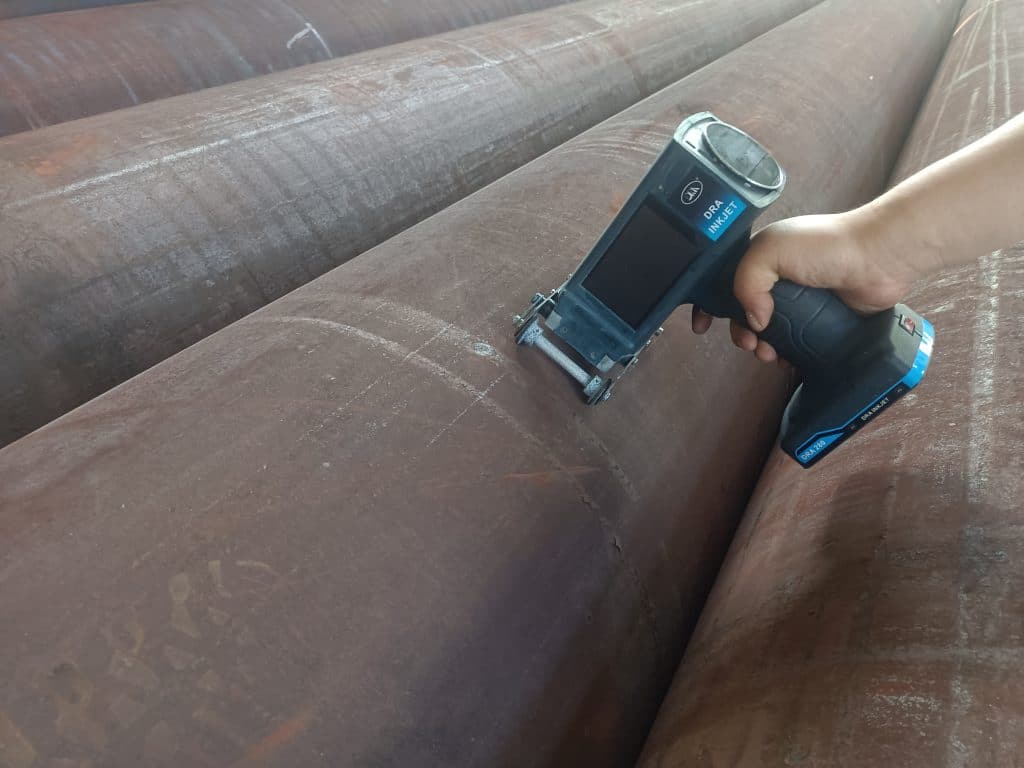
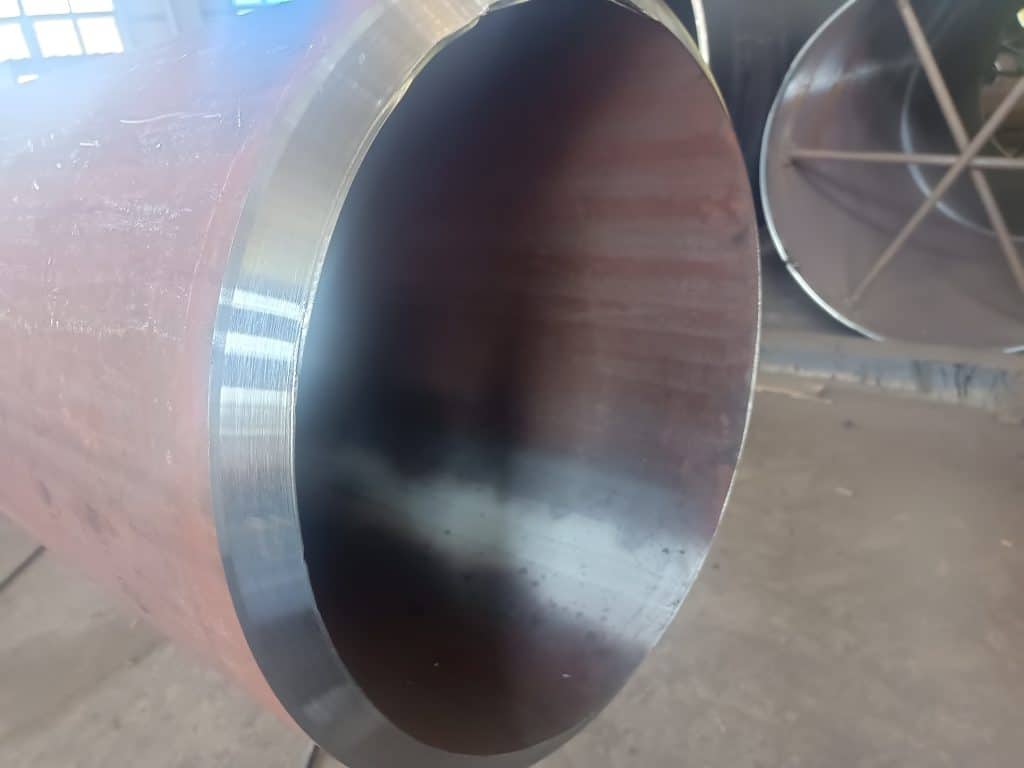
- In the production and final inspection of ASTM A53 steel pipes, Visual Inspection (VI) plays a vital role. It is not only a regulatory requirement but also the most cost-effective and fastest “first line of defense.” Visual inspection helps detect surface defects, interpret signals from non-destructive testing (NDT), and decide whether a pipe should be repaired, reworked, or scrapped. Ultimately, this reduces the buyer’s procurement risks and minimizes on-site failures. Why Is Visual Inspection Essential? Standards Requirement: ASTM A53, Section 12 (Workmanship,…
- For buyers of ASTM A53 steel pipes, the Mill Test Certificate (MTC), also known as the Mill Test Report (MTR), is one of the most critical quality documents. It certifies that the supplied pipes meet the chemical, mechanical, and testing requirements of the ASTM A53 standard. In this guide, we will walk you through the key elements of an MTC, explain how to verify compliance, and provide practical tips to reduce procurement risks. What Is an MTC and Why Is…