Knowledge
- All
- Knowledge
- News
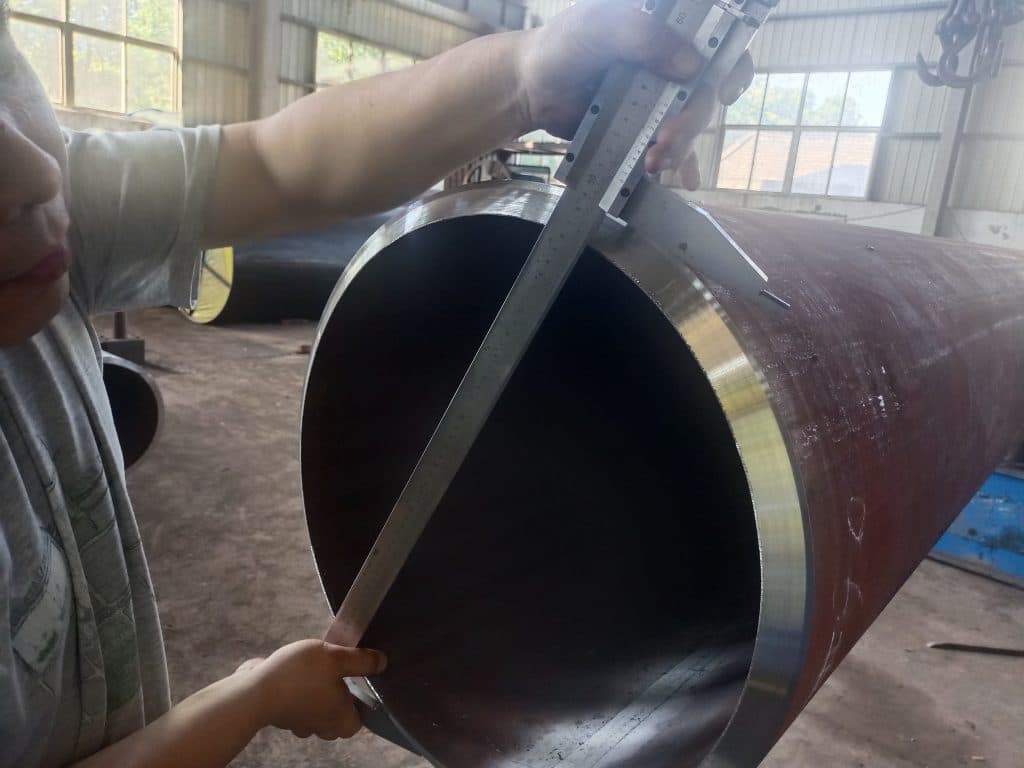
- To ensure that the ASTM A53 steel pipes delivered to customers meet standards and engineering reliability, LONGMA has established a comprehensive in-house inspection process—covering incoming material chemical verification, mechanical property testing, hydrostatic/non-destructive testing (NDT) of finished products, and a traceability system for outgoing Material Test Certificates (MTCs). All key methods are implemented in accordance with ASTM A53 requirements, and where necessary, combined with relevant ASTM Practices (e.g., E213, E309, E570) for weld testing and integrity verification. Why Do In-House Laboratories…
- During a factory audit, six core areas must be prioritized for verification: (1) Product specifications and standard scope (ASTM A53 applicable scope); (2) Chemical composition and sampling methods; (3) Mechanical properties (tensile strength, yield strength, elongation); (4) Forming/weld quality (flattening/tempering, weld inspection); (5) Post-forming/welding tests (flattening, bending, hydrostatic testing, and electric testing); (6) Inspection records/MTC and in-house laboratory capabilities. Each area has clear ASTM requirements and acceptance criteria—auditors shall verify them one by one and retain evidence (test reports, photos,…
- To verify the steel grade and chemical composition of ASTM A53 steel pipes, one must rely on Table 1 (Chemical Composition Limits) of ASTM A53 for criteria, follow ASTM E1806 for sampling, and adopt ASTM-recommended reference methods for testing—such as Spark Emission Spectroscopy/OES (per ASTM E415), Combustion Method/Thermal Analysis (per ASTM E1019), and chemical analysis practices outlined in ASTM A751. Only by sampling, analyzing, and retaining traceable reports in accordance with these specifications can buyers transform "claims of compliance" into verifiable, tangible evidence. Why…
- For welded steel pipes under the ASTM A53 standard, Ultrasonic Testing (UT) is not just an "optional item"; in many cases, it is a critical measure to ensure weld integrity, meet specification acceptance criteria, and mitigate procurement and operational risks. ASTM A53 explicitly designates "non-destructive electrical testing (including ultrasonic/electromagnetic/eddy current testing)" as an inspection method for Electric Resistance Welded (ERW)/welded pipe welds, and specifies detailed requirements for calibration, verification, and acceptance criteria. Key Clauses on NDT in ASTM A53 Section…
- When procuring ASTM A53 welded or seamless steel pipes, the top concerns for customers are always: Is the pipe reliable? Can it withstand the pressure and deformation in actual service conditions? The ASTM A53/A53M standard not only specifies chemical composition and mechanical properties but also clearly defines two critical physical tests—Bend Test and Flattening Test. These two tests directly verify the ductility, toughness, and weld quality of steel pipes, preventing serious accidents such as fracture or leakage during use. This guide provides…
- In accordance with the ASTM A53/A53M standard, hydrostatic testing is the baseline and mandatory item for manufacturing inspection. For Electric Resistance Welding (ERW) welds, the standard mandates electrical non-destructive testing (NDT) (e.g., ultrasonic, eddy current, or magnetic flux leakage testing) on the welds. However, Radiographic Testing (RT) is not a mandatory requirement of the A53 standard; it is only used as a supplementary inspection when specified by the purchaser/project specifications or for high-risk service conditions. Why Both Methods Matter —…
- In ASTM A53, the key "nondestructive electric tests" for different types of pipes (Type E/F Welded Pipes, Type S Seamless Pipes) include electromagnetic/ultrasonic methods such as Ultrasonic Testing (UT), Eddy Current Testing (EC), and Flux Leakage Testing. The standard explicitly designates these methods as inspection bases in the form of Practices (e.g., E213, E273, E309, E570) and specifies requirements for inspection calibration, reference standards, acceptance limits, and markings (e.g., "NDE"). Why Are These Methods Important for Procurement Decisions? Coverage and…
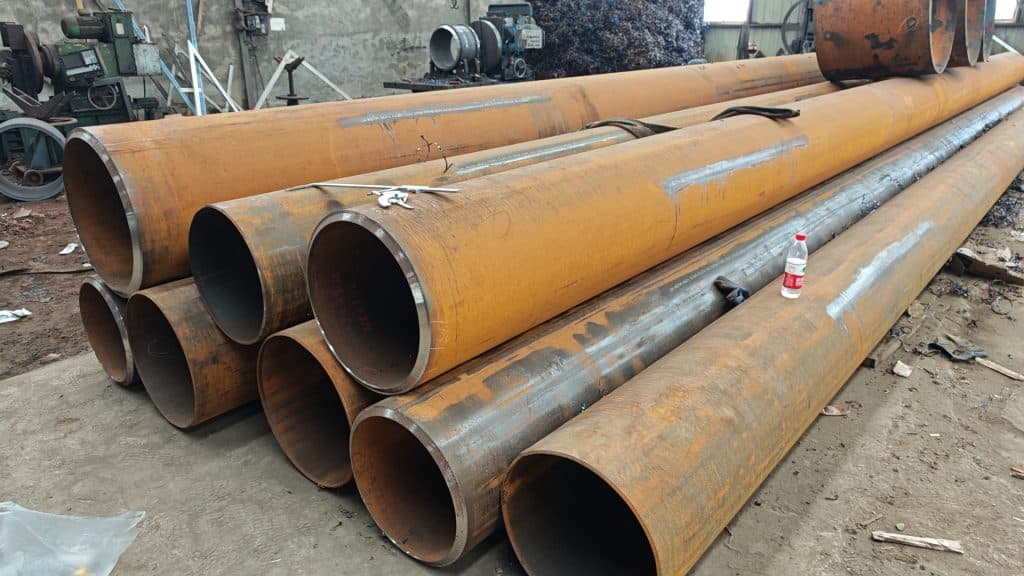
- ASTM A53 is a commonly used specification for seamless and welded carbon steel pipes, suitable for mechanical applications and fluid transfer (steam/water/gas/air) scenarios. Common questions focus on: pipe type selection (ERW/LSAW/seamless), weld integrity (especially for historical low-frequency ERW pipes), factory and on-site testing (e.g., hydrostatic testing, UT/RT, electrical testing), as well as coating and installation protection. Below are clear answers, bases, and practical recommendations in a Q&A format to facilitate engineering decision-making and procurement. What is ASTM A53? How can…
- During the installation of ASTM A53 pipes, the most common issues include weld defects (especially in ERW series), joint/flange leakage, deformation caused by buried pipe settlement, coating/galvanization damage, and electrochemical corrosion. Most of these issues can be prevented and resolved through: (1) strict factory inspection in accordance with ASTM A53 and on-site Non-Destructive Testing (NDT, including Ultrasonic Testing/UT, Radiographic Testing/RT, electrical testing, and pressure testing) for acceptance; (2) proper pipe support and backfilling; (3) qualified welding and heat treatment processes;…
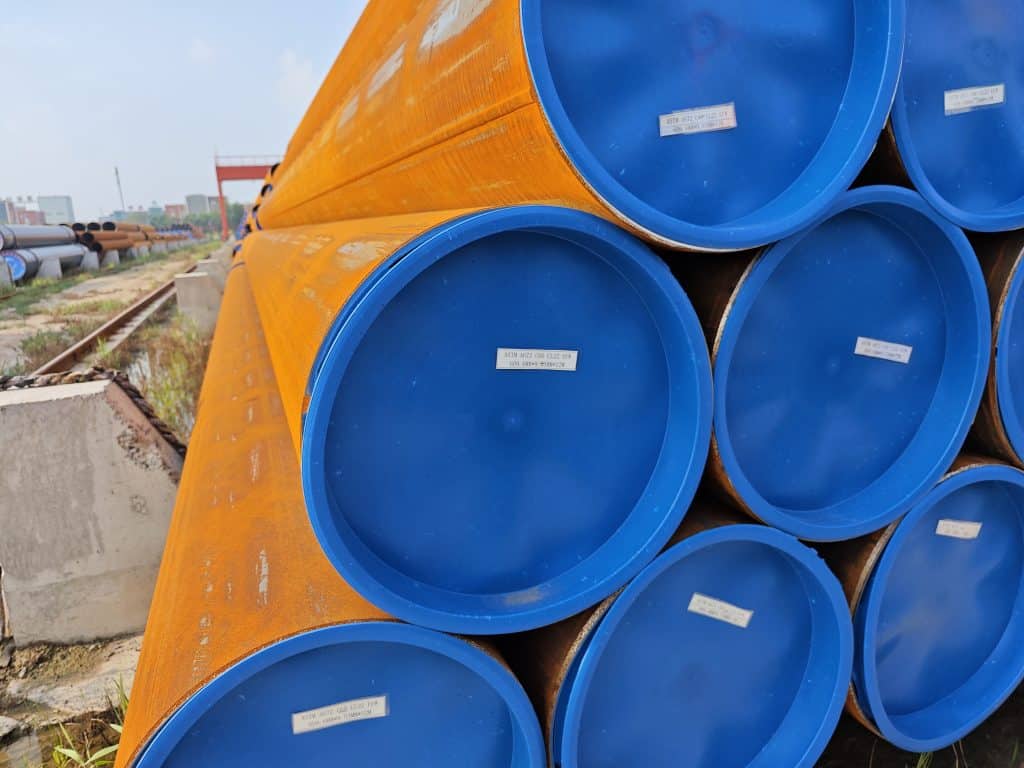
- For common ASTM A53 carbon steel pipes (seamless/ERW/LSAW), 3LPE/3LPP is the first choice for underground projects or those with high risk of mechanical damage; FBE (single-layer or multi-layer) is used as the primary protective coating for conventional underground or medium-temperature working conditions; hot-dip galvanizing or epoxy primer + topcoat can be considered for exposed pipes or small-diameter pipes. It is still recommended that all underground pipes be combined with Cathodic Protection (CP) to ensure long-term reliability. Why Is Coating Important? ASTM A53 pipes are widely used in water transmission, water…
- For oil and gas transmission main lines requiring long-distance transportation, high pressure/high strength, or strict material control and grades (e.g., high-grade X-series, PSL2), API 5L is typically the more suitable choice. If the application involves general mechanical use, water supply and drainage, low/medium-pressure pipelines, or structural purposes—where strict requirements for chemical composition and high-grade strength are not necessary—ASTM A53 can serve as a more cost-effective alternative. This conclusion is based on differences between the two specifications in terms of application…
- To ensure that ASTM A53 pipes meet project requirements and maintain long-term reliability, strict quality control and documentation must be implemented at every stage, including raw material control → precision forming and welding (ERW/LSAW) → heat treatment/finished product processing → non-destructive testing and mechanical testing → hydrostatic/seal testing → surface protection and packaging → traceability and certificate of delivery (MTC). Below is a detailed breakdown of each stage, along with specific bases and key implementation points. Raw Material and Chemical…
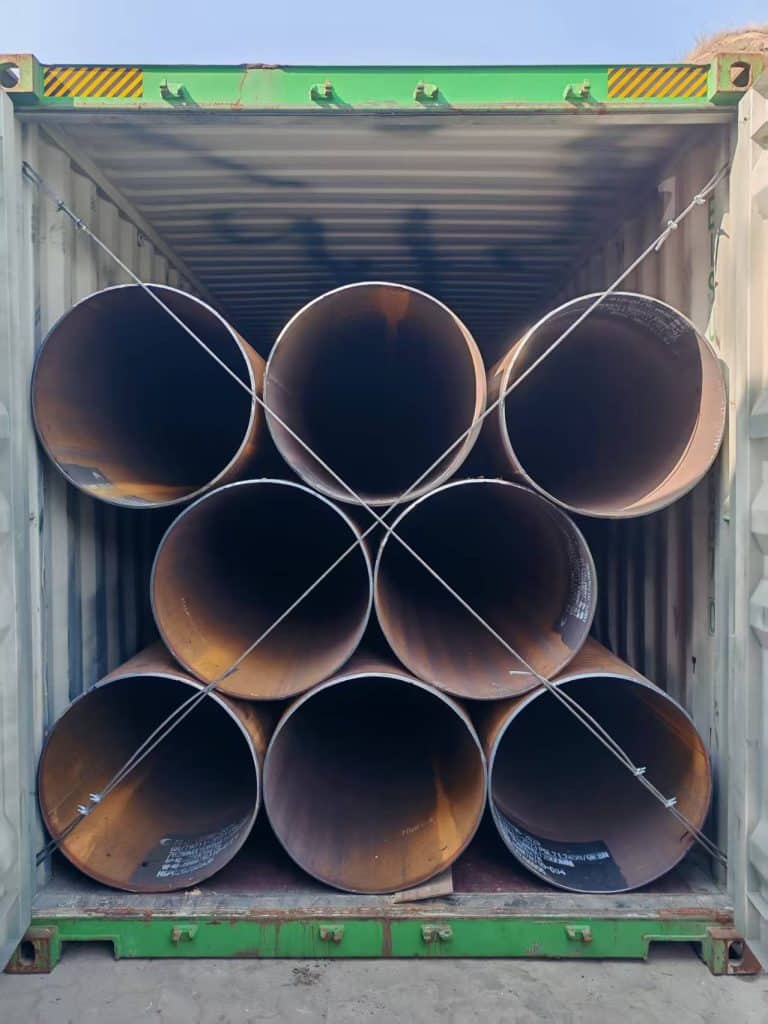
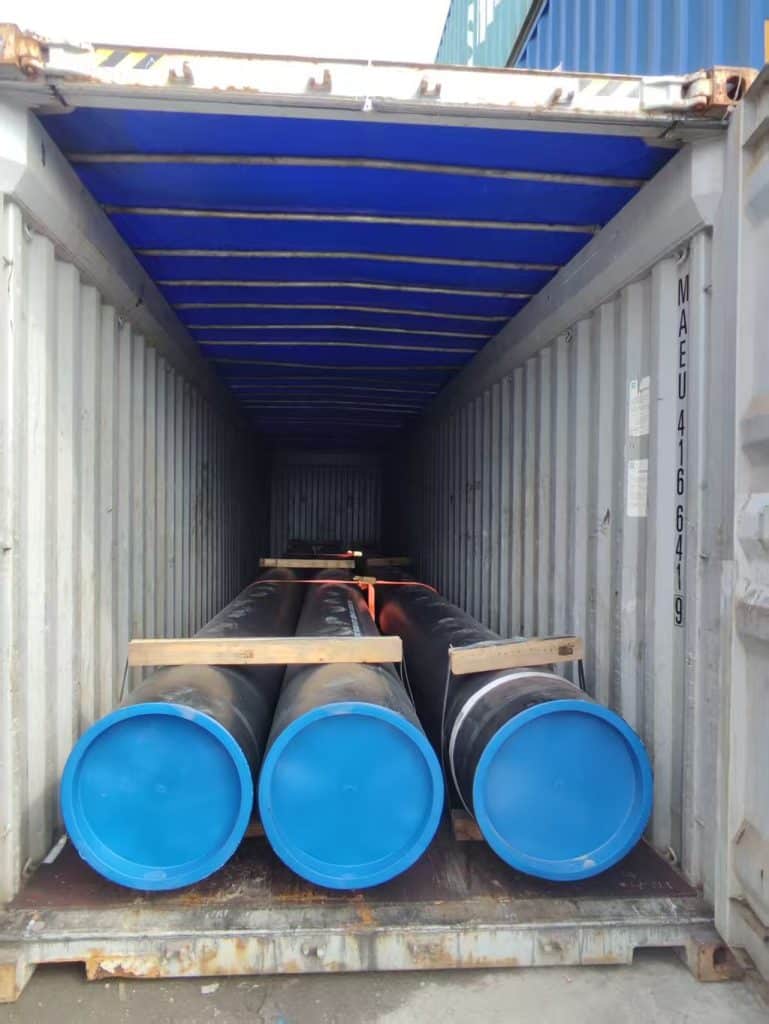
- In the global steel pipe supply chain, ASTM A53 pipes have become essential foundational materials in construction, energy, water supply and drainage, and gas engineering due to their excellent performance and wide range of applications. However, strict control is not only required in the production process of steel pipes; transportation and logistics are also crucial links to ensure the smooth progress of projects. This article will provide you with a comprehensive analysis of the key considerations for the transportation and…
- In 2025, the global market for ASTM A53 (and similar carbon steel pipes) will be characterized by steady growth with slight upward momentum in demand, price fluctuations driven by raw materials and policies, and continued market segmentation due to process differentiation (ERW vs. LSAW). Buyers should focus on hot-rolled coil (HRC) prices, trade policies/tariffs, energy and logistics costs, and investment rhythms in downstream industries (infrastructure, oil and gas) to seize procurement opportunities and select appropriate suppliers. Five Key Drivers Fueling…
- To verify whether an ASTM A53 supplier is "qualified and authentic," the most critical steps are: checking Material Test Certificates (MTC/MT) and third-party witness reports, confirming the supplier’s production processes and weld treatment (especially the post-weld heat treatment requirements for ERW Grade B), conducting on-site factory audits or third-party sampling inspections, and reviewing the supplier’s qualifications and historical project records. These steps can minimize quality and compliance risks to the greatest extent. Why Verification Is Necessary Non-compliant ASTM A53 pipes may have…