- 1. Misconception 1: Focusing Only on Price While Ignoring Material Standards
- 2. Misconception 2: Ignoring the Difference Between Grade and Class
- 3. Misconception 3: Neglecting Key Testing Requirements
- 4. Misconception 4: Ignoring Pipe Size and Wall Thickness Design
- 5. Misconception 5: Neglecting the Supplier’s Quality Control System
- 6. How to Avoid These Engineering Misconceptions
- 7. Conclusion
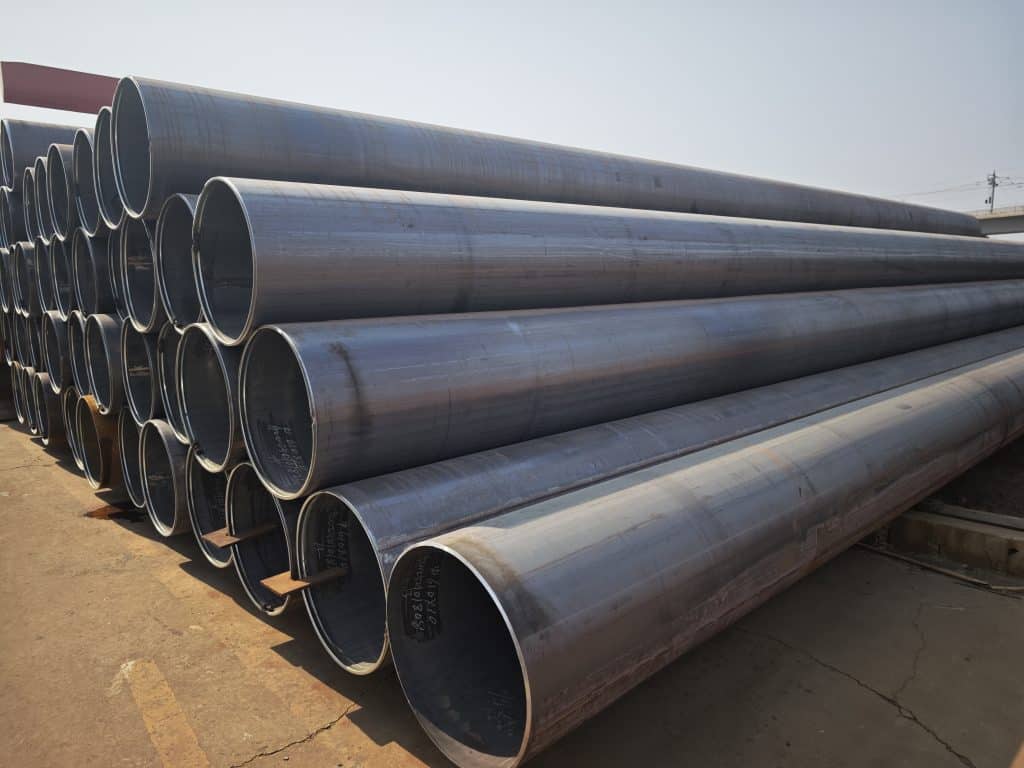
In petrochemical, electric power, natural gas transmission and refinery projects, engineers often need to select welded steel pipes suitable for pressure piping systems. Among them, ASTM A671 standard steel pipes are widely used in pressure pipelines and industrial equipment connection systems due to their excellent weldability and reliable mechanical strength.
However, in the actual engineering procurement process, some common misconceptions often lead to improper material selection, increased costs and even risks to system safety. This article will analyze the common engineering misconceptions when selecting ASTM A671 pipes from the perspectives of material selection, standard understanding, testing requirements and supplier capabilities, and help purchasers reduce risks combined with our years of manufacturing experience.
Misconception 1: Focusing Only on Price While Ignoring Material Standards
In some engineering procurement, some project teams only focus on price and ignore whether the materials fully comply with the requirements of the ASTM A671 standard. For example, some suppliers may use steel plate materials that do not meet pressure vessel requirements to produce pipes, thus affecting the performance of the final product.
ASTM A671 steel pipes are usually manufactured with pressure vessel steel plates (such as ASTM A516) as the base material, and undergo welding and heat treatment to ensure stable ASTM A671 mechanical properties. If the quality of the base material is unqualified, even if the appearance meets the requirements, there may be a risk of failure under high-pressure working conditions.
Therefore, when purchasing ASTM A671 pipes, the following should be carefully verified:
- Mill Test Certificate of the base material
- Heat treatment records
- Welding Procedure Qualification Record (WPQR)
Misconception 2: Ignoring the Difference Between Grade and Class
Many engineers only focus on Grade and neglect the importance of Class when selecting steel pipes. For example, in ASTM A671 CC65 CL22:
- CC65 indicates the strength grade of the steel plate material
- CL22 indicates the welding inspection grade and heat treatment requirements
Different Classes have significant differences in testing requirements, which directly affect the quality of steel pipes.
| Grade | Main Features | Typical Applications |
| CC60 CL22 | Medium-strength pressure pipelines | Refinery pipelines |
| CC65 CL22 | High-strength pressure systems | Petrochemical units |
| CC70 CL11 | High-strength pipelines | Transmission systems |
In many engineering projects, ASTM A671 CC65 CL22 is widely used in medium and high-pressure industrial piping systems due to its excellent combination of strength and toughness.
Misconception 3: Neglecting Key Testing Requirements
The safety of pressure pipelines largely depends on the testing process. According to ASTM standards, ASTM A671 pipes must undergo strict non-destructive testing and mechanical property testing.
Common testing items include:
| Testing Method | Testing Purpose | Reference Standard |
| Radiographic Testing (RT) | Detect internal weld defects | ASTM E94 |
| Ultrasonic Testing (UT) | Detect internal cracks | ASTM E213 |
| Hydrostatic Test | Verify pressure-bearing capacity | ASTM A671 Section 11 |
| Tensile Test | Verify ASTM A671 mechanical properties | ASTM A370 |
Among them, radiographic testing is usually used to ensure that there are no defects such as blowholes, lack of fusion or cracks in the weld area. These tests are crucial for high-pressure piping systems.
Misconception 4: Ignoring Pipe Size and Wall Thickness Design
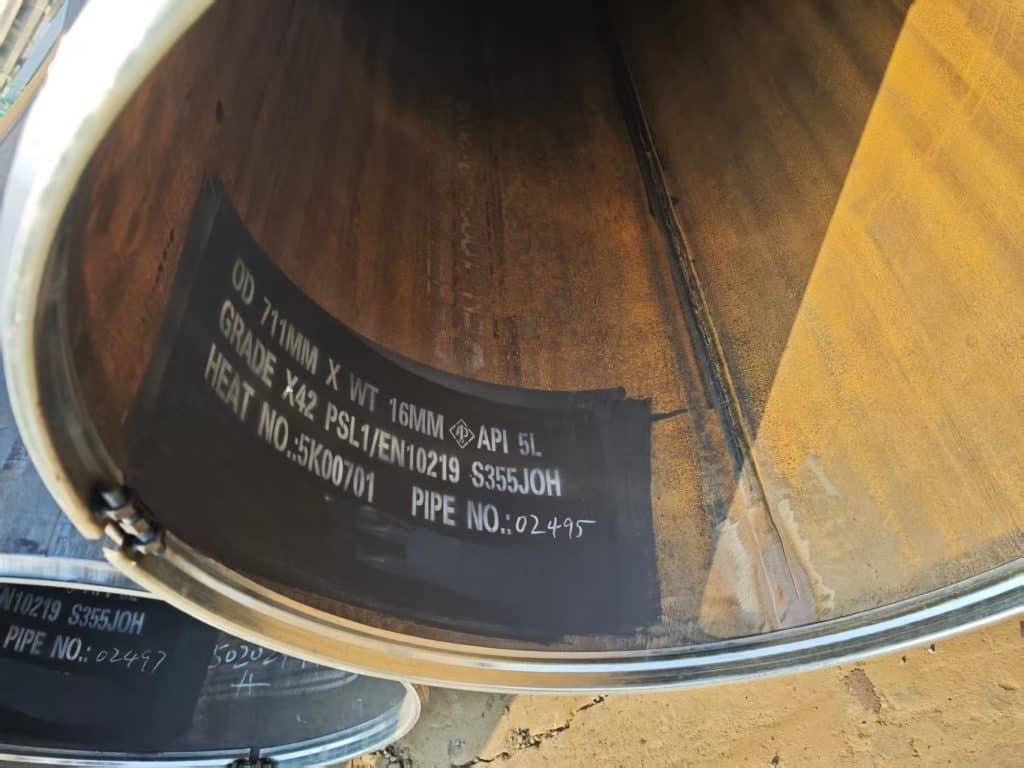
In high-pressure systems, the size and wall thickness of pipes directly affect safety performance. Many projects only focus on standards and ignore specific design parameters during the procurement stage. The following is an example of a common ASTM A671 pipe size chart:
| Outer Diameter (mm) | Wall Thickness Range (mm) | Application |
| 406 | 8 – 25 | Chemical pipelines |
| 610 | 10 – 30 | Refinery pipelines |
| 914 | 12 – 40 | Long-distance transmission pipelines |
Reasonable size design can not only ensure the exertion of ASTM A671 mechanical properties, but also avoid pipe failure caused by incorrect pressure calculation.
Misconception 5: Neglecting the Supplier’s Quality Control System
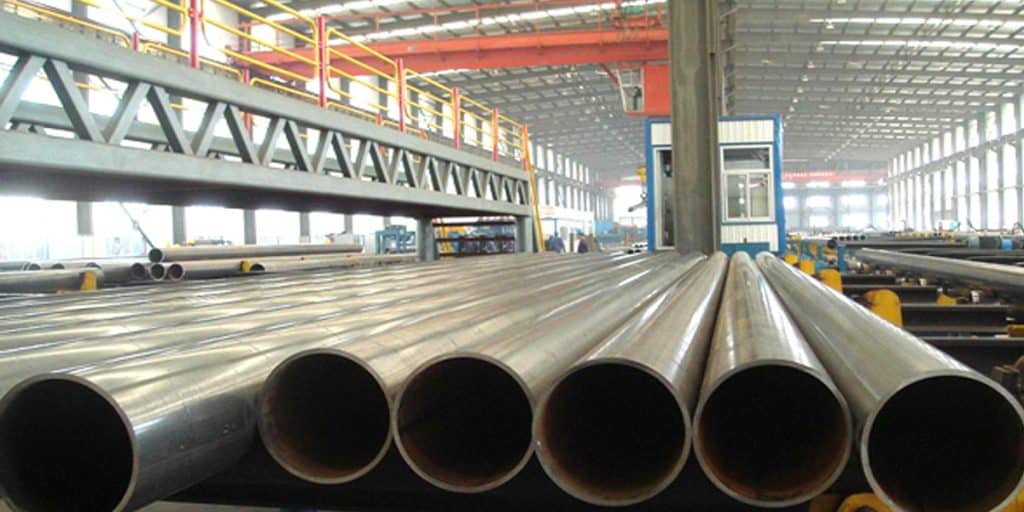
Even if the correct standard is selected, the product quality may still have hidden dangers if the manufacturer lacks a sound quality control system. Therefore, when purchasing ASTM A671 pipes, special attention should be paid to the manufacturer’s production capacity and testing system.
For example, LONGMA has established a complete quality control process in the production of ASTM A671 CC65 CL22 products, including:
- Automated welding production lines
- On-line ultrasonic testing equipment
- Complete heat treatment systems
- Independent Internal Laboratory
LONGMA’s laboratory can perform chemical composition analysis, mechanical property testing and non-destructive testing, thus ensuring that each batch of steel pipes meets the requirements of the ASTM A671 standard.
How to Avoid These Engineering Misconceptions
To reduce procurement risks, the following principles are recommended when selecting ASTM A671 pipes:
- Confirm that the materials comply with the ASTM A671 standard and project specifications
- Correctly understand the meanings of Grade and Class
- Ensure all tests meet ASTM requirements
- Select the appropriate size and wall thickness according to the design pressure
- Choose manufacturers with rich experience and a sound quality system
These measures can ensure that the ASTM A671 mechanical properties meet the engineering design requirements and improve the safety of the entire piping system.
Conclusion
In high-pressure industrial piping projects, the correct selection of steel pipe materials is crucial. By avoiding the above common misconceptions, engineering risks can be significantly reduced, and the safety and stability of system operation can be improved. Especially in refineries and chemical units, ASTM A671 CC65 CL22 has become a reliable pressure pipeline solution.
With more than 20 years of manufacturing experience, advanced production equipment and a strict testing system, we can provide high-quality ASTM A671 pipe products for customers worldwide. If you are looking for a reliable steel pipe supplier, LONGMA will be a trustworthy partner.