- 1. What Is the Difference Between Carbon Steel Pipe and Low-Temperature Steel Pipe?
- 2. Why Does Temperature Matter for Steel Pipe?
- 3. Low-Temperature Service Is About Toughness, Not Just Strength
- 4. Carbon Steel vs. Low-Temperature Service Pipe
- 5. Low-Temperature Materials Are Not Limited to Nickel Steel
- 6. Low-Temperature Steel Pipe in LNG and Process Applications
- 7. How to Select Steel Pipe for Low-Temperature Service
- 8. ASTM A671 and Low-Temperature Service
- 9. Choosing a Low-Temperature Steel Pipe Supplier
- 10. FAQ
- 11. Conclusion
Steel pipe material selection becomes especially important when a piping system is exposed to low ambient temperatures, refrigeration, LNG, or other services where impact toughness is critical. Carbon steel is widely used because of its strength, weldability, availability, and cost. However, not every carbon steel grade is suitable for low-temperature service.
The important distinction is not simply “carbon steel versus low-temperature steel.” Engineers need to consider the minimum design temperature, material grade, wall thickness, impact toughness requirements, pressure, welding conditions, and applicable design code.
This article explains the practical differences between conventional carbon steel pipe and pipe specified for low-temperature service, and provides a framework for selecting the appropriate material.
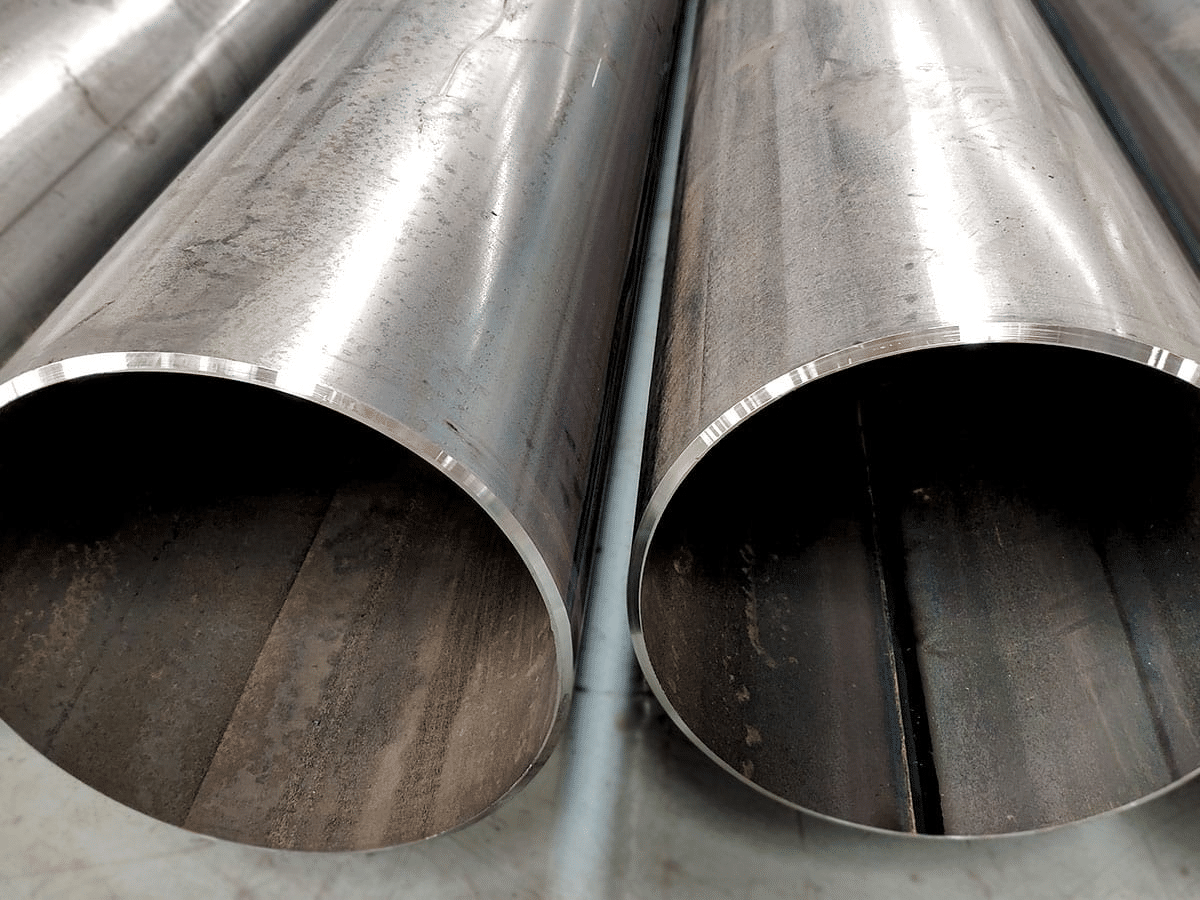
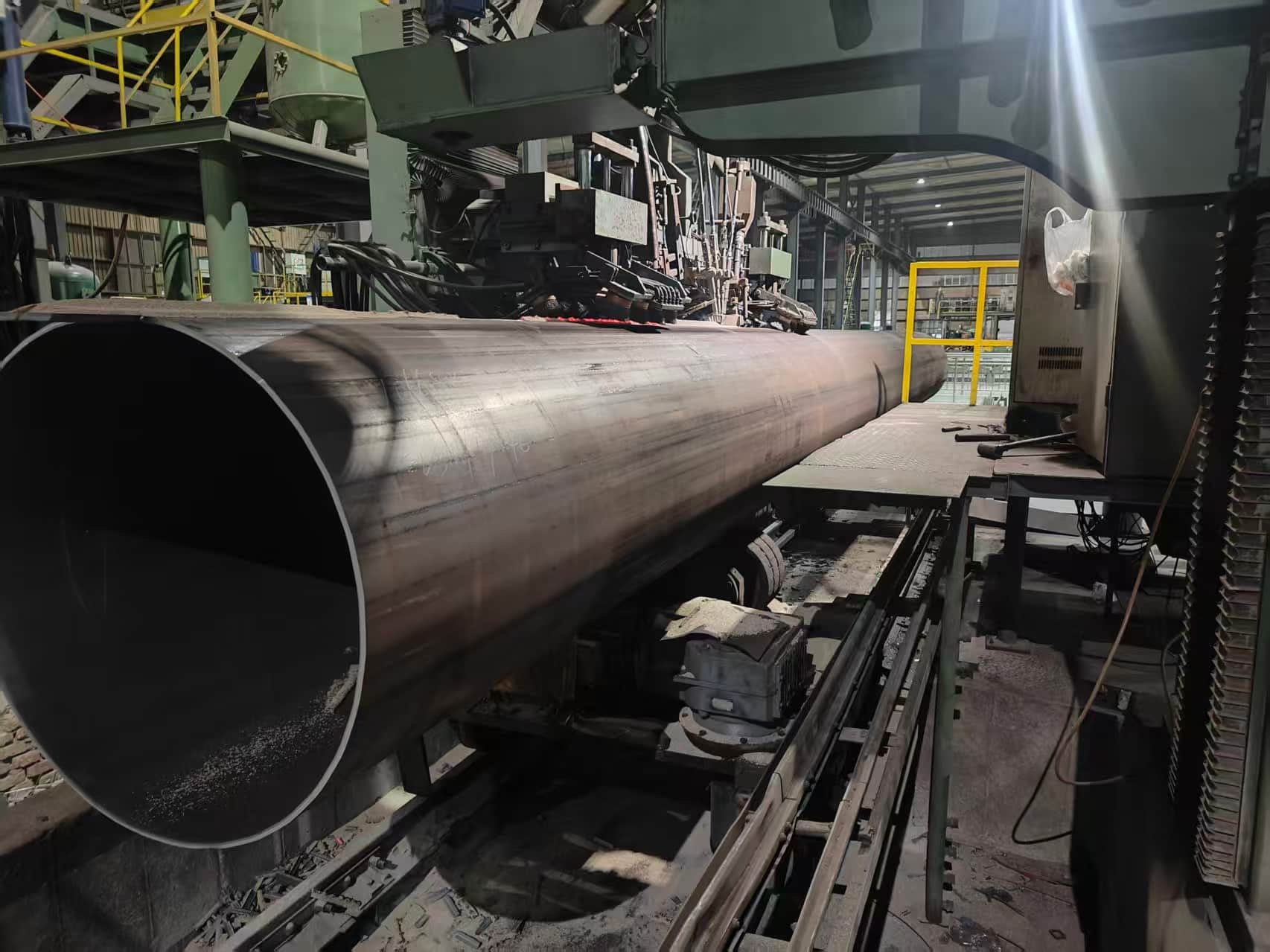
What Is the Difference Between Carbon Steel Pipe and Low-Temperature Steel Pipe?
Carbon steel pipe is a broad material category. Its suitability depends on its chemical composition, mechanical properties, thickness, manufacturing specification, and service conditions.
Low-temperature service pipe, on the other hand, is selected or specified to provide adequate toughness at the minimum temperature required by the application. Depending on the specification and service conditions, low-temperature materials can include carbon steels, carbon-manganese steels, alloy steels, nickel steels, and other materials.
Therefore, low-temperature steel is not simply a separate material family from carbon steel.
A carbon steel pipe can be suitable for certain low-temperature applications when the material specification and applicable code permit its use and the required toughness has been demonstrated. Conversely, a material specifically selected for low-temperature service may require controlled chemistry, heat treatment, fine-grain practice, or impact testing.
ASTM A333/A333M is one example of a specification covering seamless and welded carbon and alloy steel pipe intended for low-temperature service and other applications requiring notch toughness.
Why Does Temperature Matter for Steel Pipe?
Many ferritic steels experience a reduction in impact toughness as temperature decreases. This is different from simply losing tensile strength.
The key concern is brittle fracture.
At sufficiently low temperatures, a material that performs adequately under normal conditions may have less ability to absorb impact energy before fracture. The risk depends on factors including:
- Material grade and chemical composition
- Thickness
- Heat treatment
- Welding and heat-affected zones
- Stress level
- Notch or defect conditions
- Minimum design metal temperature
- Applicable code and specification
For this reason, material selection for cold service should begin with the actual operating and design temperature rather than with a generic statement such as “carbon steel is safe above a certain temperature.”
Low-Temperature Service Is About Toughness, Not Just Strength
A common misunderstanding is that a pipe suitable for low temperature must simply have a higher tensile strength.
That is not necessarily the case.
For low-temperature applications, Charpy V-notch impact toughness and other material requirements may be more important than simply increasing yield or tensile strength.
Impact testing provides information about the material’s ability to absorb energy under specified conditions. Where a project specification or applicable code requires impact testing, the test temperature and acceptance criteria need to be established according to the governing requirements.
ASTM A333/A333M, for example, includes impact testing among its specified requirements for the covered low-temperature pipe products.
Carbon Steel vs. Low-Temperature Service Pipe
| Factor | Conventional Carbon Steel Pipe | Pipe Selected for Low-Temperature Service |
| Primary consideration | Strength, weldability, cost and service conditions | Adequate toughness at the specified minimum temperature |
| Material selection | Depends on the applicable pipe specification | Depends on grade, temperature, thickness and code requirements |
| Impact toughness | May not always be a governing requirement | Often becomes a key requirement |
| Chemical composition | Depends on the applicable specification | May include controlled alloying or chemistry limits |
| Heat treatment | Specification dependent | May be required to achieve specified properties |
| Typical applications | Water, utilities, process and general industrial service | Refrigeration, cold-climate service, LNG-related systems and other low-temperature applications |
| Procurement focus | Grade, dimensions, pressure and applicable specification | Grade, minimum design temperature, impact requirements, dimensions and fabrication requirements |
This table should be understood as a selection framework rather than a universal classification. The applicable specification always takes precedence.
Low-Temperature Materials Are Not Limited to Nickel Steel
Nickel is used in some steels designed for particularly demanding low-temperature service because it can contribute to low-temperature toughness.
However, it is incorrect to describe all low-temperature steel pipe as nickel steel.
Different specifications use different material systems. For example, ASTM A333/A333M includes several ferritic carbon and alloy steel grades, while other applications may use nickel-containing steels or austenitic stainless steels depending on the temperature and service requirements.
The correct approach is therefore:
Define the minimum design temperature → identify the applicable specification → select a compliant grade → verify impact and mechanical requirements.
Low-Temperature Steel Pipe in LNG and Process Applications
LNG and refrigeration systems demonstrate why material selection is important.
Liquefied natural gas is stored and handled at approximately -162°C (-260°F). At such temperatures, material toughness becomes a critical design consideration.
However, the pipe specification should not be selected simply because the fluid is cold. Engineers must consider:
- Minimum design metal temperature
- Pressure and pressure cycling
- Pipe dimensions and wall thickness
- Material grade
- Impact testing requirements
- Welding procedure
- Heat treatment
- Applicable piping or equipment code
- Inspection and testing requirements
For example, ASTM A671 is specifically intended for electric-fusion-welded steel pipe for atmospheric and lower-temperature service and covers pressure-vessel-quality plate of several analyses and strength levels.
How to Select Steel Pipe for Low-Temperature Service
A practical procurement process can follow these steps:
Step 1: Determine the Minimum Design Temperature
Do not select material from ambient temperature alone. Establish the lowest temperature the pipe may experience under operating, startup, shutdown, upset, maintenance, and other relevant conditions.
Step 2: Identify the Governing Specification
Determine whether the project requires ASTM A333/A333M, ASTM A671/A671M, another material specification, or a project-specific requirement.
Step 3: Check Impact Toughness Requirements
Confirm whether Charpy testing is required, the specified test temperature, acceptance criteria, specimen requirements, and applicable supplementary requirements.
Step 4: Check Thickness and Mechanical Properties
Material performance can depend on thickness. The grade that works for one wall thickness may not automatically satisfy the same requirements at another thickness.
Step 5: Review Welding and Fabrication Requirements
For welded pipe systems, the base material is only part of the assessment. Welding procedures, heat input, heat treatment, weld examination, and fabrication conditions may also affect the final system.
Step 6: Confirm Documentation and Traceability
For critical projects, buyers should review the material test certificate, heat number traceability, inspection records, NDT reports, and other documentation required by the purchase specification.
ASTM A671 and Low-Temperature Service
ASTM A671 is particularly relevant when large-diameter electric-fusion-welded pipe is required.
The current ASTM specification states that A671 covers electric-fusion-welded steel pipe fabricated from pressure-vessel-quality plate of several analyses and strength levels for atmospheric and lower-temperature service. It nominally covers pipe 16 in. (400 mm) and larger in outside diameter and 1/4 in. (6 mm) and greater in wall thickness, although other dimensions may be furnished when they comply with the specification.
Importantly, A671 should not be treated as a single material grade. The specification provides multiple grades and classes, so the complete designation must be reviewed when purchasing the pipe.
Choosing a Low-Temperature Steel Pipe Supplier
For a low-temperature piping project, buyers should evaluate more than the quoted pipe price.
Important supplier criteria include:
- Experience with the specified pipe standard
- Available diameter and wall-thickness range
- Welding and heat-treatment capability
- RT and/or UT capability where specified
- Hydrostatic testing capability
- Material traceability
- MTC documentation
- Dimensional inspection
- Third-party inspection coordination
- Ability to meet project-specific technical requirements
For LONGMA, our supplied company information indicates experience in large-diameter electric-fusion-welded steel pipe and support for project inspection and traceability requirements. These capabilities should always be matched against the exact project specification before ordering.
FAQ
Can carbon steel pipe be used at low temperatures?
Yes, in some applications. The answer depends on the specific grade, thickness, temperature, impact requirements, and applicable code or specification. There is no universal temperature at which all carbon steel pipe becomes unsuitable.
Is low-temperature steel always nickel steel?
No. Low-temperature service materials can include carbon and alloy steels as well as nickel-containing steels and other material systems. The appropriate choice depends on the required service temperature and governing specification.
Is ASTM A671 a low-temperature steel pipe specification?
ASTM A671 covers electric-fusion-welded steel pipe for atmospheric and lower-temperature service. It uses pressure-vessel-quality plate in several analyses and strength levels and provides multiple grades and classes.
What should buyers check before ordering low-temperature steel pipe?
The most important items are the minimum design temperature, material specification and grade, wall thickness, impact testing requirements, mechanical properties, welding requirements, NDT, hydrostatic testing, and material traceability.
Conclusion
The difference between conventional carbon steel pipe and pipe intended for low-temperature service should not be reduced to a fixed temperature boundary or a simple carbon-steel-versus-alloy-steel comparison.
The correct engineering approach is to match minimum design temperature, material grade, thickness, toughness requirements, manufacturing process, welding conditions, and applicable codes.
For projects involving LNG, refrigeration, cold-climate infrastructure, or other low-temperature services, careful material selection can reduce the risk of brittle fracture and help ensure reliable long-term operation.
For large-diameter applications, ASTM A671 is one relevant specification for electric-fusion-welded steel pipe made from pressure-vessel-quality plate. The complete grade and class designation, together with the project requirements, should always be confirmed before procurement.