What Is FBE Coated Steel Pipe?
Fusion-bonded epoxy (FBE) is a thermosetting powder coating applied to a prepared, heated steel surface to form a bonded corrosion-protection layer. For oil and gas transmission, the base pipe may be specified to API 5L, with its grade, diameter, wall thickness and testing determined independently from the coating system. FBE is not a substitute for pipe wall thickness or pressure design. It provides a protective barrier against external electrolytes and is commonly integrated with a pipeline cathodic protection system. The required coating system must be selected for the route, operating temperature, installation method and owner specification.
FBE is primarily an external corrosion-control system, not a substitute for pipe-wall strength or a guarantee against every corrosion mechanism. Its performance depends on the steel surface condition, powder formulation, application and curing conditions, and the environment encountered in service. A pipeline may use single-layer FBE or a multilayer coating system depending on mechanical loading, installation method and temperature. Coating selection should be considered alongside pipe material, cathodic protection and field-joint design, rather than after the pipe has already been purchased.
How FBE Coating Is Applied
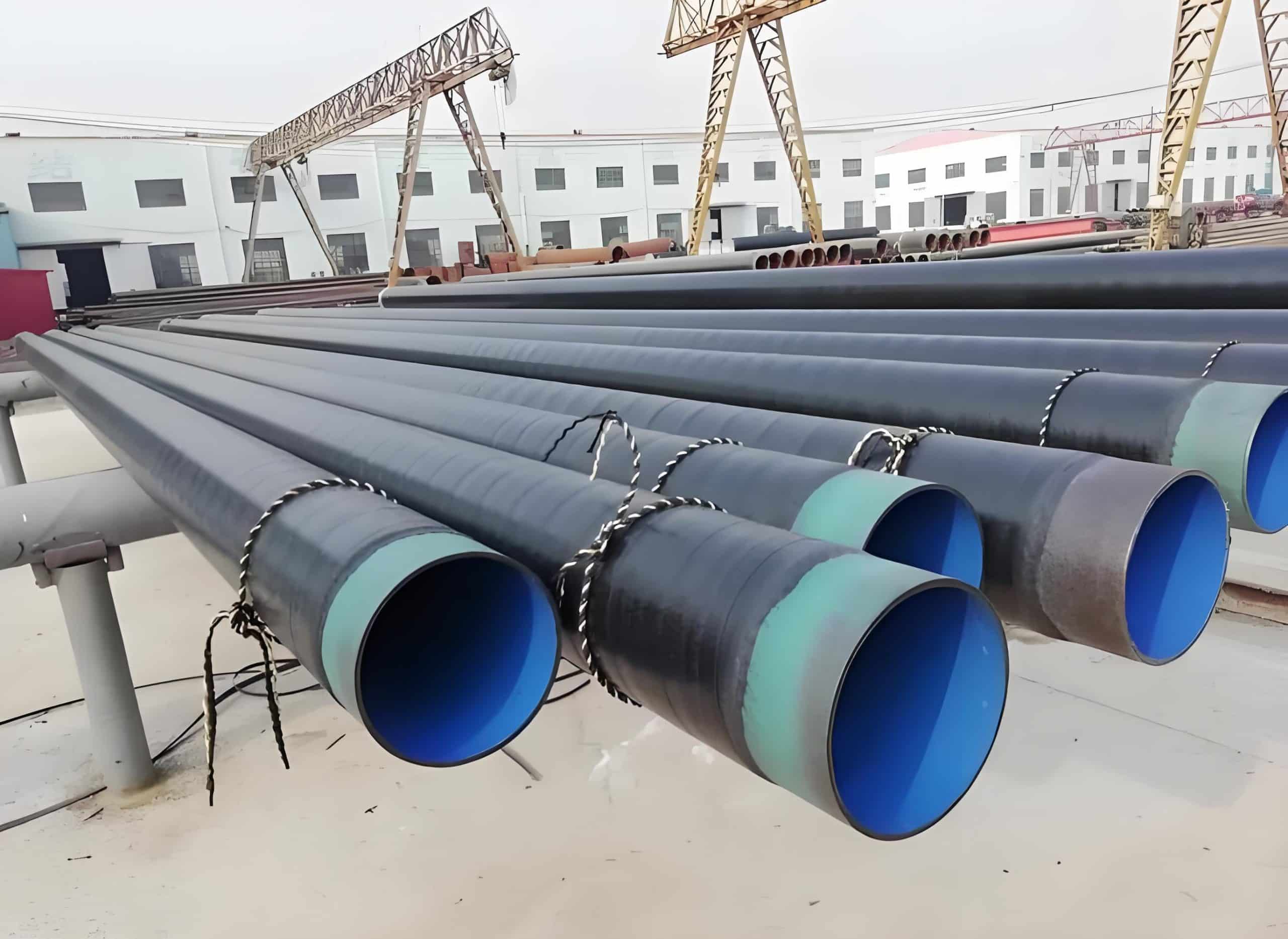
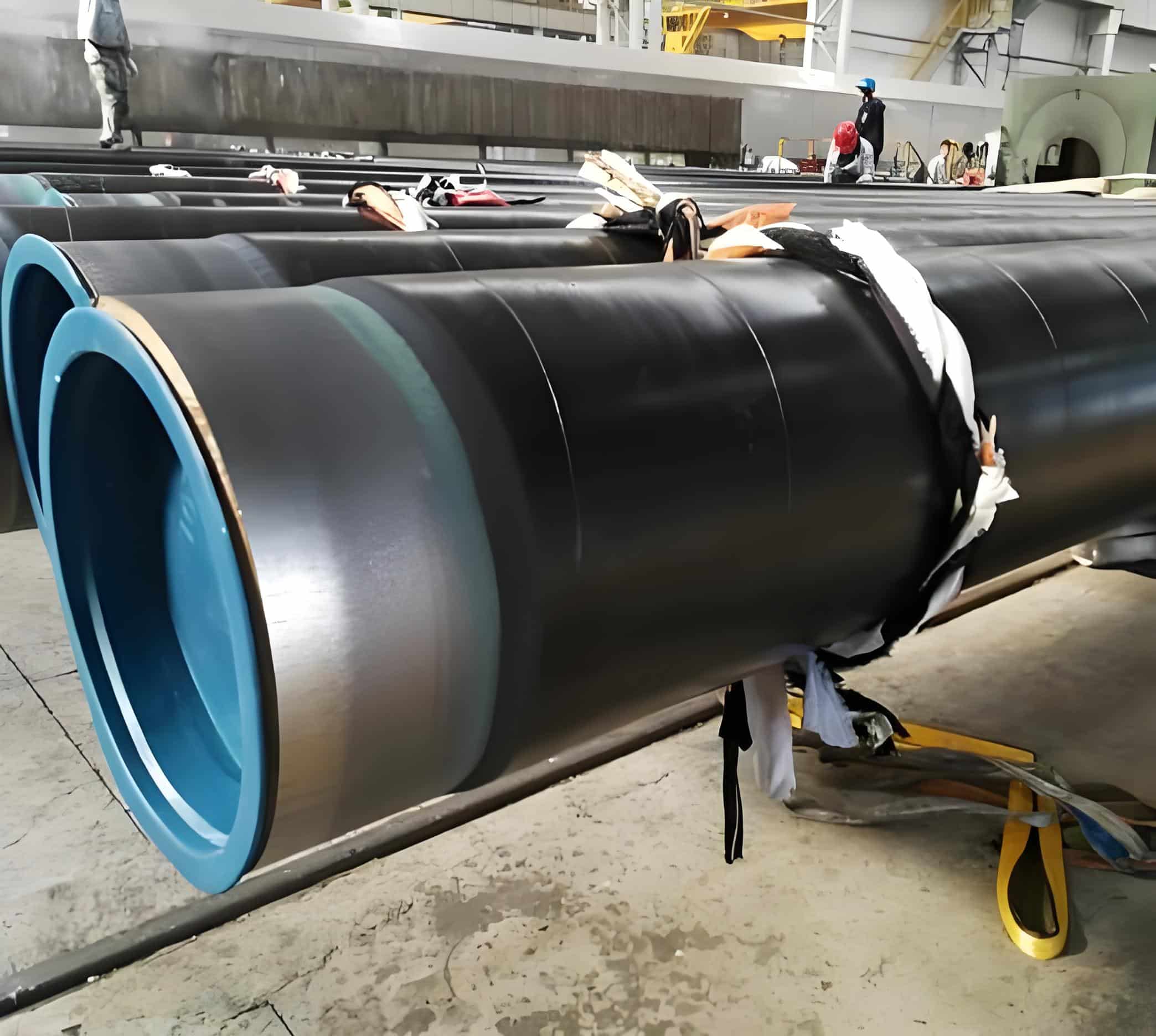
Production begins with surface cleaning and abrasive blasting to the specified cleanliness and surface profile. The pipe is heated to the temperature required by the approved coating material and application procedure. Electrostatic powder application, melting, flow and curing produce the protective coating film. Cooling, handling and inspection follow the qualified process. Heating temperature, cure conditions and cooling method should not be presented as universal constants because they vary by powder formulation and coating specification. Single-layer and dual-layer FBE systems are available, and dry-film thickness is selected according to the applicable standard and project requirements. Process control includes surface preparation records, material batch identification, temperature monitoring and coating thickness checks.
Surface preparation is critical because residual rust, oil, soluble salts or an unsuitable blast profile can reduce adhesion. After blasting, the steel is inspected and heated within the coating manufacturer’s qualified application range. Powder is applied under controlled conditions and allowed to fuse and cure into a continuous film. Production controls should record surface condition, steel temperature, powder batch, film thickness and relevant curing parameters. Cooling, handling and storage procedures must protect the new coating from damage. The required thickness and test frequency should come from the specified coating system and standard, not a single universal value.
Corrosion Protection and Cathodic Protection
A properly applied FBE layer reduces contact between steel and soil or water electrolytes, lowering the exposed metal area that the cathodic protection system must protect. It is not a perfect electrical barrier under all conditions: holidays, handling damage and coating deterioration can expose local areas. Cathodic disbondment is the loss of adhesion around a defect under conditions influenced by cathodic polarization and the surrounding environment. Qualification testing should therefore address adhesion, impact resistance, holiday detection and cathodic disbondment under specified test conditions. Damage prevention during transport, trenching, lowering-in and backfilling is as important as factory application quality. Approved field-joint coating and repair systems should be compatible with the factory-applied FBE.
Coating defects such as holidays, scratches and disbonded areas can expose steel to an electrolyte. Cathodic protection is therefore commonly designed as part of the overall corrosion-control system for buried or submerged pipelines. It does not eliminate the need for coating inspection, and excessive or poorly controlled cathodic protection can contribute to disbondment under some conditions. The coating should be assessed for adhesion and cathodic-disbondment resistance under specified test conditions. During installation, suitable padding, lifting equipment and backfill are important because mechanical damage can undermine otherwise satisfactory factory coating.
FBE vs 3LPE, 3LPP and Other Systems
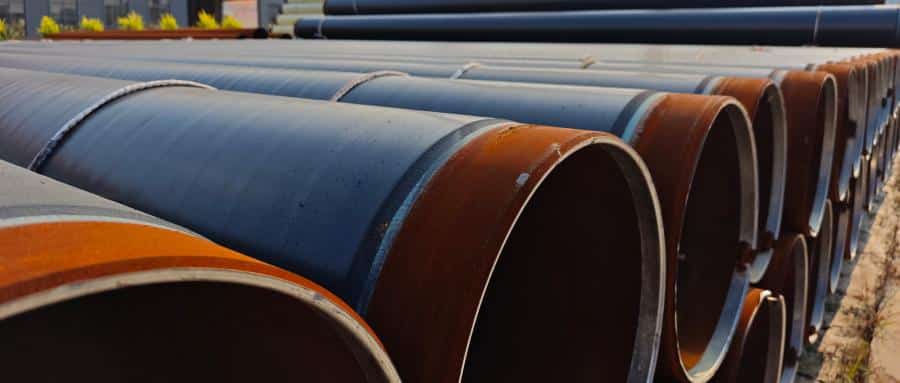
Single-layer FBE offers good adhesion and a relatively straightforward application process. Dual-layer FBE can provide additional abrasion resistance where specified. Three-layer polyethylene (3LPE) and polypropylene (3LPP) systems combine an epoxy primer with adhesive and a polymer outer layer, offering different mechanical protection and temperature capabilities. No one coating is best for every route. Soil conditions, rock content, directional drilling, handling loads, operating temperature, installation method and repair strategy determine the appropriate choice. Liquid-applied epoxies may be useful for certain field joints or repairs when qualified for that purpose. Concrete weight coating serves a different primary function, adding submerged weight for stability; it does not replace the need for an appropriate anticorrosion system.
Single-layer FBE may be attractive where adhesion, flexibility and a relatively simple application process are priorities. Dual-layer FBE systems can be selected when additional abrasion resistance is required. Three-layer polyethylene (3LPE) and polypropylene (3LPP) systems incorporate different layers to provide mechanical and environmental protection, but their suitability depends on the project’s operating temperature, handling and installation demands. No system is universally superior. Selection should compare coating qualification results, field-joint compatibility, repairability and lifecycle inspection requirements rather than material price alone.
Relevant Standards and Service Limits
ISO 21809-2 and CSA Z245.20 are widely used references for external FBE coating on steel pipelines, subject to the editions and scope specified by the project. API 5L governs the line pipe itself rather than the external FBE coating. DIN 30670 addresses polyethylene-based external coatings and should not be cited as proof that a single-layer FBE system complies with its own coating specification. For gas or liquid pipeline design, the relevant ASME B31 code and local regulations may apply. NACE MR0175/ISO 15156 concerns selection of metallic materials for H₂S-containing environments within its scope; it does not qualify an external FBE coating. Sour-service suitability of the base pipe and external corrosion-protection requirements must be evaluated separately. Coating temperature capability depends on the selected resin system and its qualification data, while internal pressure rating depends on pipe material, dimensions and design rules.
The base steel pipe and its external coating are governed by different specifications. API 5L addresses line-pipe material and manufacturing requirements, while ISO 21809-2 and CSA Z245.20 are examples of standards used for external FBE coating. Standards for polyethylene or polypropylene multilayer coatings should not be cited as proof of single-layer FBE compliance. For wet H₂S service, metallic-material selection under NACE MR0175/ISO 15156 must be evaluated separately from external coating qualification. FBE also does not determine the pipe’s pressure rating; that remains a matter for the steel pipe and applicable pipeline design code.
Inspection, Procurement and Installation
A complete coating purchase specification should identify the base pipe, coating standard and edition, FBE powder system, surface preparation, application temperature range, specified thickness, acceptance criteria and repair limits. Factory inspection normally covers surface cleanliness and profile, coating thickness, visual appearance, holiday detection, adhesion and any specified qualification tests. Records should identify pipe heat and coating batch, inspection results and release status. Field installation must protect the coating from lifting equipment and abrasive backfill. Field-joint coating should be applied to prepared surfaces and inspected to the applicable requirements. Buyers should also confirm handling, end protection, packaging and shipping conditions to reduce transit damage.
A complete purchase order should specify the coating system, referenced standard and edition, nominal and permitted thickness, surface-preparation requirements, testing methods, repair criteria and field-joint interface. Inspection commonly includes visual checks, thickness measurement, holiday detection and qualification or production tests for adhesion and other relevant properties. The acceptance limits and sampling frequency must match the contract. Before shipment, the supplier should protect pipe ends, prevent coating-to-coating damage during stacking, and identify repair locations where required. Site teams should inspect the coating after transport and again before lowering-in, using approved repair materials and procedures for any damage found.
Frequently Asked Questions and LONGMA Support
Does FBE increase the pipe pressure rating? No. Pressure design is based on the steel pipe and applicable design code.
Is FBE always better than 3LPE? No. Selection depends on installation and service conditions.
Does FBE eliminate the need for cathodic protection? Not necessarily. Buried pipeline corrosion-control design commonly considers coating and cathodic protection together.
Is FBE suitable for sour service? The coating and the metallic pipe must be evaluated separately against their applicable service requirements.
How is coating quality checked? Typical controls include surface preparation, film thickness, holiday detection, adhesion and specified qualification testing.
LONGMA supplies round welded steel pipe for industrial and transmission applications. Its manufacturing site covers 230,000 m², and annual output exceeds 500,000 tonnes. Available coating systems, qualifications and project inspection requirements should be confirmed in the technical quotation.