- 1. Offshore Pipeline Coatings: FBE, 3LPE, and 3LPP
- 2. Performance Factors Influencing the Choice of Offshore Pipeline Coating
- 3. Cost and Procurement Considerations for Offshore Pipeline Coatings
- 4. Case Studies and Industry Applications
- 5. How to Choose the Best Coating for Your Offshore Pipeline Project
- 6. Conclusion
- 7. FAQ
- 8. Request a Coating Quote from LONGMA — Trusted Offshore Pipeline Pipe Supplier
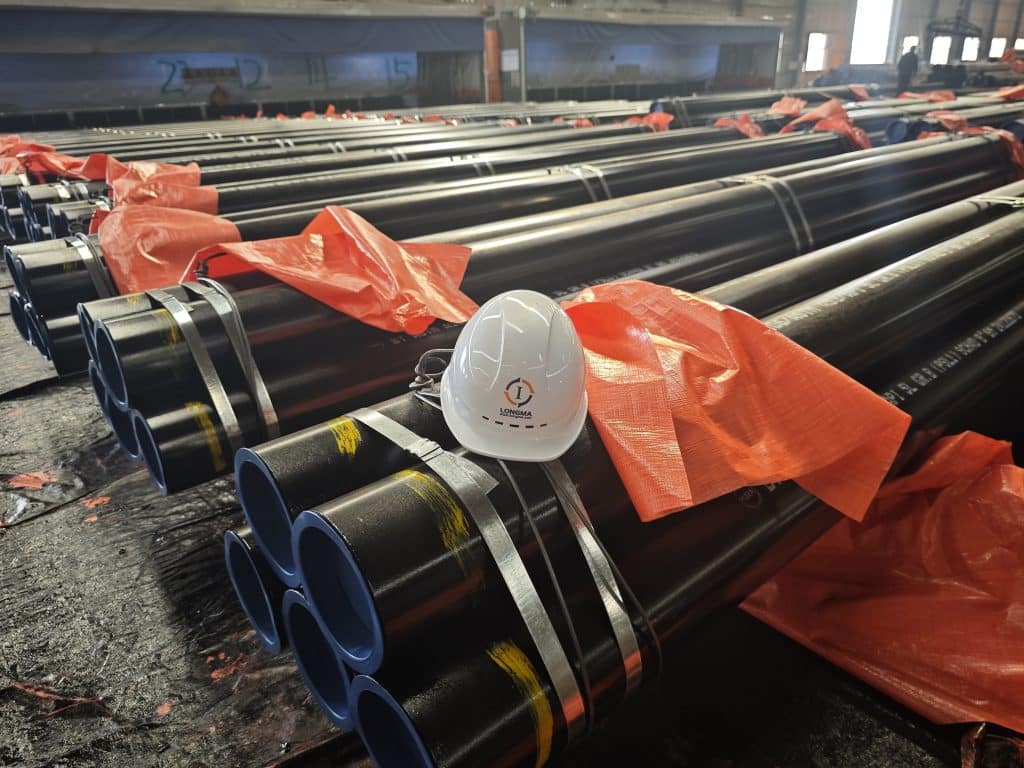
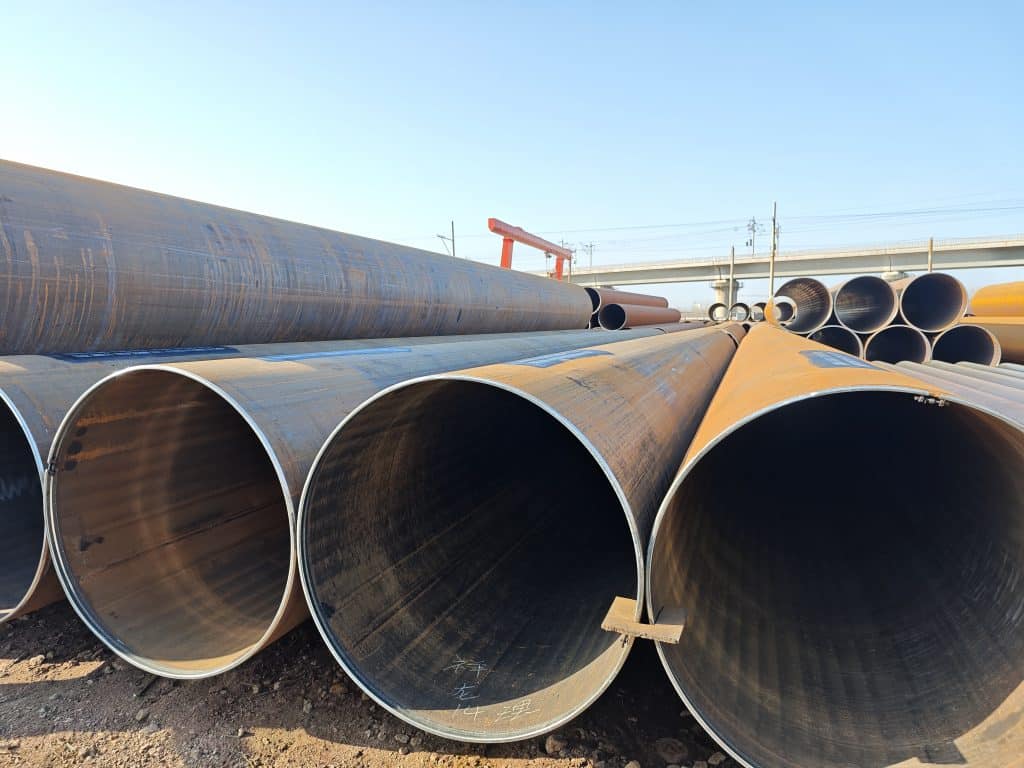
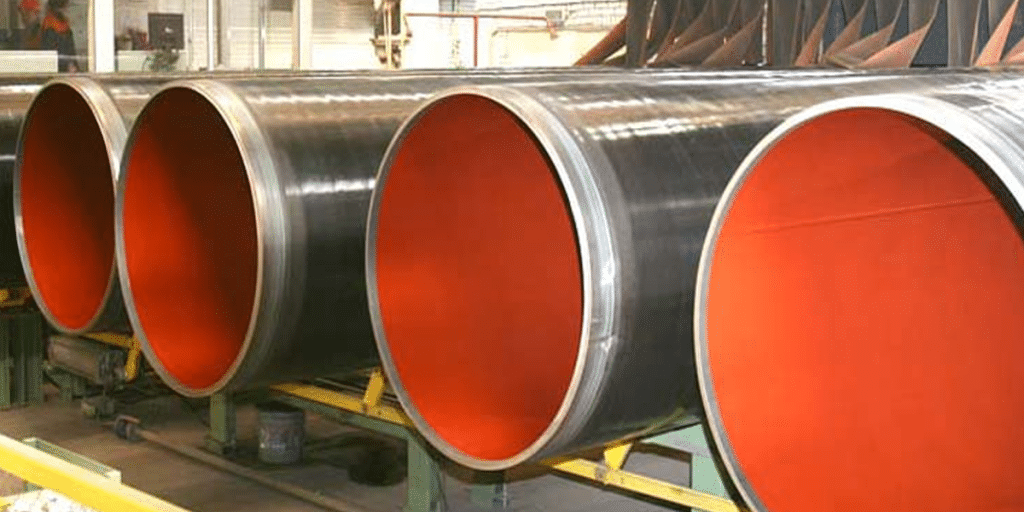
Choosing the right external coating for an offshore pipeline is an important decision for EPC procurement teams and operators. FBE forms a thin, bonded corrosion barrier; 3LPE adds an adhesive and polyethylene outer layer; 3LPP uses polypropylene for applications requiring suitable higher-temperature performance. None is automatically best for every water depth or installation method. Selection depends on the qualified system, operating temperature, installation loads, cathodic-protection design and project budget.
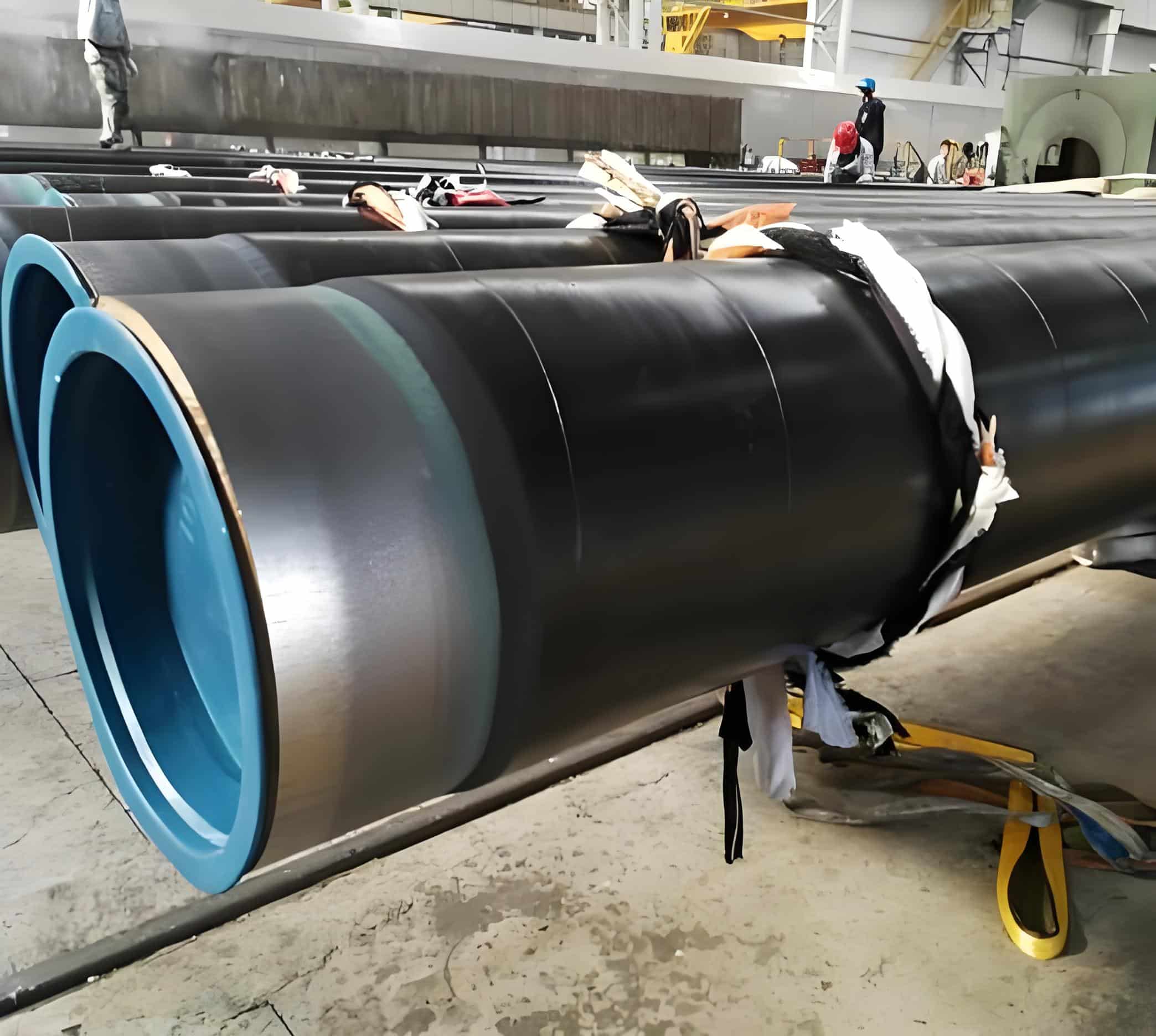
Offshore Pipeline Coatings: FBE, 3LPE, and 3LPP
What Is FBE Coating?
FBE is a thermosetting epoxy powder applied to prepared, heated steel and cured into a bonded film. A thickness of 300–500 µm is common for some systems, but the project specification determines acceptance. Qualified FBE can be used offshore with appropriate cathodic protection and installation controls. CSA Z245.20 specifies requirements for applicable external FBE systems rather than granting a blanket product approval. FBE also forms the primer layer in 3LPE and 3LPP.
What Is 3LPE Coating?
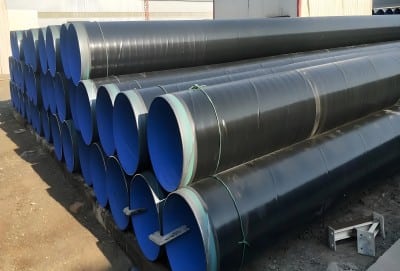
3LPE consists of an FBE primer, an adhesive and a polyethylene outer layer. Total thickness depends on diameter, coating class and project requirements; 2.5–4.5 mm is an example range rather than a universal requirement. Applicable specifications include ISO 21809-1 and DIN 30670-1. Select a system qualified for the actual operating temperature, immersion conditions and installation loads.
What Is 3LPP Coating?
3LPP replaces the polyethylene outer layer with polypropylene and can offer suitable mechanical performance at higher temperatures. Applicable specifications include ISO 21809-1 and DIN 30678-1. Continuous and short-term temperature limits, peel adhesion and test conditions depend on the qualified system and coating class; 110°C or 140°C must not be treated as universal ratings.
Performance Factors Influencing the Choice of Offshore Pipeline Coating
Corrosion Resistance in Marine Environments
All three systems provide corrosion barriers, while cathodic protection protects exposed steel at coating defects in the designed subsea system. CP current demand depends on coating breakdown assumptions, temperature, field joints, installation damage and service life. Do not assign a universal current saving to a coating type or assume a thicker coating removes the need for CP.
Mechanical Impact and Installation Loads
S-lay, J-lay and reel-lay impose different bending, contact, impact and abrasion loads. Evaluate the actual coating system, pipe strain and handling equipment. Suitable FBE and multilayer systems can be qualified for demanding installation methods; 3LPP is not automatically required for all deepwater or reel-lay projects. Specify contact loads in appropriate units, such as pressure in kPa or MPa, and validate the installation envelope through qualification tests.
Temperature and Pressure Performance
Temperature is a major selection factor. Compare each supplier’s qualified service range with continuous operation, start-up, shutdown and installation conditions:
FBE: qualified formulations can serve buried and continuously submerged duties with the specified cathodic protection. Check wet-service temperature, adhesion, flexibility and cathodic-disbondment performance.
3LPE: commonly selected where the qualified polyethylene system meets the service temperature and mechanical requirements. The applicable coating class and product qualification determine the limits.
3LPP: often considered for higher-temperature service, provided the complete system is qualified. Temperature alone does not establish a universal requirement to use 3LPP.
Cost and Procurement Considerations for Offshore Pipeline Coatings
Coating Cost Comparison
For comparable pipe sizes, FBE may cost about 20–35% less than 3LPE per meter, while 3LPP may cost 40–60% more than 3LPE in some quotations. These are budget examples rather than fixed market ratios. Compare matched thickness, application, qualification, testing, field-joint and logistics scopes. Lifecycle cost also depends on installation damage, cathodic protection, inspection and repair requirements; 3LPP does not automatically deliver a longer life or lower CP cost.
Certification and Supplier Requirements
Before sending out a purchase order, procurement teams must make sure that any coated offshore pipeline meets the requirements. Some important standards are:
DIN 30670-1 — factory-applied polyethylene coating systems; specify the required edition and coating class.
DIN 30678-1 — factory-applied polypropylene coating systems; specify the required edition and coating class.
ISO 21809-1 — three-layer PE and PP coating systems. ISO 21809-2 — single-layer external FBE. Select the part that matches the supplied system.
API Specification 5L — base line pipe, including the specified PSL and grade; identify the contract edition.
NACE MR0175 / ISO 15156 — materials selection requirements where applicable to the defined H₂S-containing production environment; assess the actual sour-service conditions.
Verify the supplier’s relevant API licence scope and the actual pipe and coating inspection records. EN 10204 3.1 and 3.2 are different inspection-document types; a 3.1 certificate does not establish independent third-party inspection. Specify any required SGS, Bureau Veritas, Intertek or owner inspection and its hold points in the purchase order.
Lead Times and Supply Chain Planning
Adding a coating takes an extra two to four weeks on top of the normal lead time for making pipes. When there are tight deadlines for projects in the Middle East or Southeast Asia, it’s better to work with a manufacturer that has its own coating facilities instead of hiring a third party to do the coating. This lowers the risk of coordination problems and speeds up the procurement critical path. As part of the EPC source checking process, it is common to check the finishing line’s capacity right away.
Case Studies and Industry Applications
3LPP on Deepwater Gulf of Mexico Flowlines
Deepwater Gulf of Mexico flowlines may use qualified 3LPP on API 5L X65 PSL2 LSAW pipe, including examples with 25–40 mm walls and 16–24 inch diameters. At elevated fluid temperatures, compare each complete coating system’s qualification rather than reject all 3LPE above a single generic limit. Anticorrosion 3LPP is not itself a thermal-insulation system; where insulation is required, specify an appropriate multilayer or syntactic insulation design separately.
3LPE on Middle East Subsea Water Injection Lines
Arabian Gulf water-injection projects can use qualified 3LPE on API 5L X52 or X60 ERW and LSAW pipe where actual fluid temperature, seabed conditions and installation loads fall within the approved envelope. Such systems have been used for projects serving Saudi Aramco and ADNOC facilities. Assess the internal fluid and external exposure separately; seawater temperature alone does not establish coating suitability.
FBE as a Dual-Layer System for Sour Service Pipelines
Dual-layer FBE adds a compatible second powder layer to improve specified mechanical performance. Systems around 600–800 µm may be used in suitable applications. Buried sour-gas pipelines are a related example rather than proof of offshore suitability. External DFBE does not establish resistance of the steel to internal sour service; material requirements and any API 5L sour-service designation must be specified separately.
How to Choose the Best Coating for Your Offshore Pipeline Project
Define Your Operating Envelope First
Before comparing prices, define continuous and transient temperatures, water depth, installation method, mechanical loads, fluid conditions, design life and cathodic protection. A flowline at 100°C and 1,500 m depth has different requirements from a produced-water line at 35°C in 50 m of water. Compare qualified systems against that envelope.
Match Coating to Pipe Grade and Specification
Match the coating procedure to the base-pipe grade and its qualified properties. There is no universal minimum 20 mm wall for deepwater LSAW pipe: design must consider pressure, collapse, buckling, installation loads and allowances. Sa 2½ under ISO 8501-1 is a visual blast-cleanliness grade, not a surface-profile value. Specify the required profile, salts and dust limits separately.
Evaluate Supplier Qualification Rigorously
A good offshore pipeline seller should have up-to-date API 5L certification, follow ISO 9001, and be able to let owner reps or third parties check the source. For all base pipe, ask for EN 10204 3.1 MTC and coating test reports that cover adhesion, impact, cathodic disbondment, and holiday detection. Suppliers who have delivered to large EPC firms or national oil companies before lower risk in a measured way.
Conclusion
FBE, 3LPE and 3LPP can each suit defined offshore conditions. Qualified FBE offers a bonded corrosion barrier; 3LPE adds mechanical protection; 3LPP is often considered for elevated temperatures. Choose using the complete system’s qualification, installation method, field-joint design, cathodic protection and lifecycle cost. Water depth or a generic temperature figure alone cannot determine the best coating.
FAQ
What factors most affect how long an offshore pipeline coating lasts?
Surface preparation, qualified application, temperature, installation damage, field-joint integrity and cathodic protection all influence service life. Carry out holiday detection at the voltage and method specified for the coating, repair defects and retest. A passing holiday test alone does not guarantee a particular service life.
Is 3LPP compatible with all API 5L pipe grades?
Compatibility must be checked for the actual pipe grade and coating procedure. Application heating can affect pipe properties, especially where prior processing or high-strength grades are involved. Verify the permitted thermal cycle, required mechanical-property checks and inspection sequence under the pipe standard and project specification. An external coating does not establish sour-service material compliance.
Does FBE require cathodic protection when used alone offshore?
Subsea FBE normally works with the designed cathodic-protection system. The same design consideration applies to 3LPE and 3LPP, since installation defects and field joints affect all systems. Their outer layers are polyethylene and polypropylene respectively; neither automatically eliminates CP current demand.
What is the difference in maintenance requirements between 3LPE and 3LPP?
Maintenance depends on the qualified coating, service temperature, installation damage, field joints and CP performance. 3LPP is not universally lower-maintenance than 3LPE. Set the inspection and CP-monitoring programme for the actual pipeline, using ROV or other survey methods where appropriate.
Request a Coating Quote from LONGMA — Trusted Offshore Pipeline Pipe Supplier
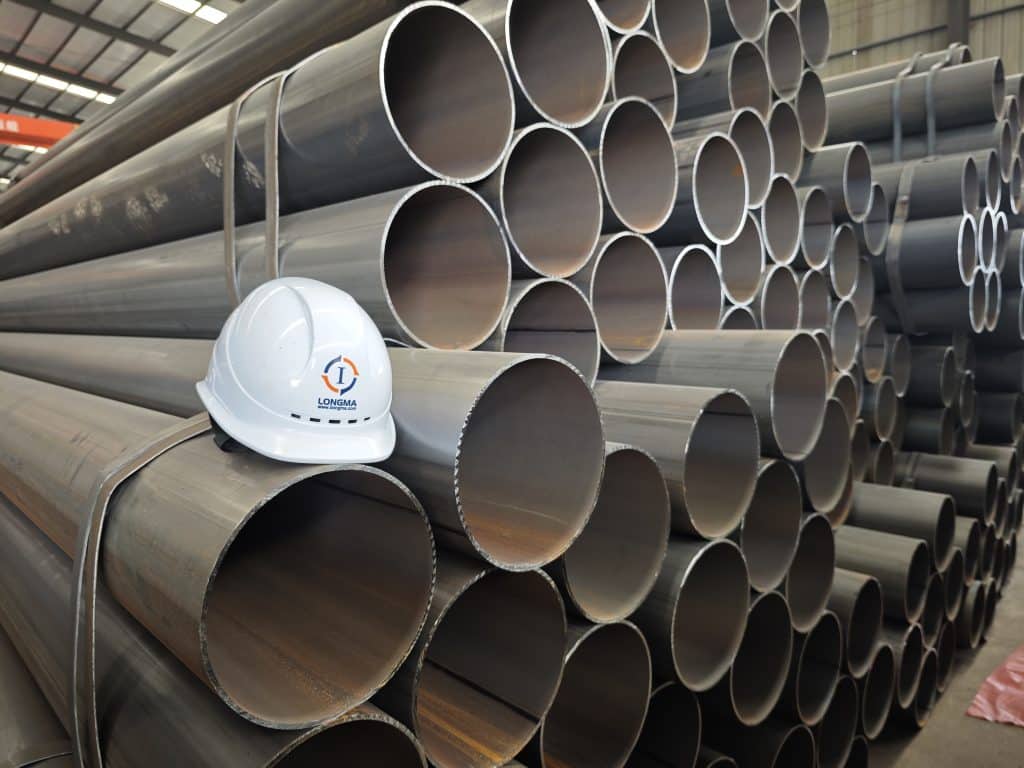
Since 2003, LONGMA has manufactured round ERW and LSAW line pipes. Its factory covers 230,000 m², with annual output exceeding 500,000 tonnes. FBE, 3LPE and 3LPP coating options are available to agreed project specifications. Specify EN 10204 3.1 or 3.2 documentation and any required third-party source inspection with SGS, BV or Intertek. Contact our technical team to discuss your offshore pipeline requirements.
Email address: info@ilongma.com
Website address: www.ilongma.com