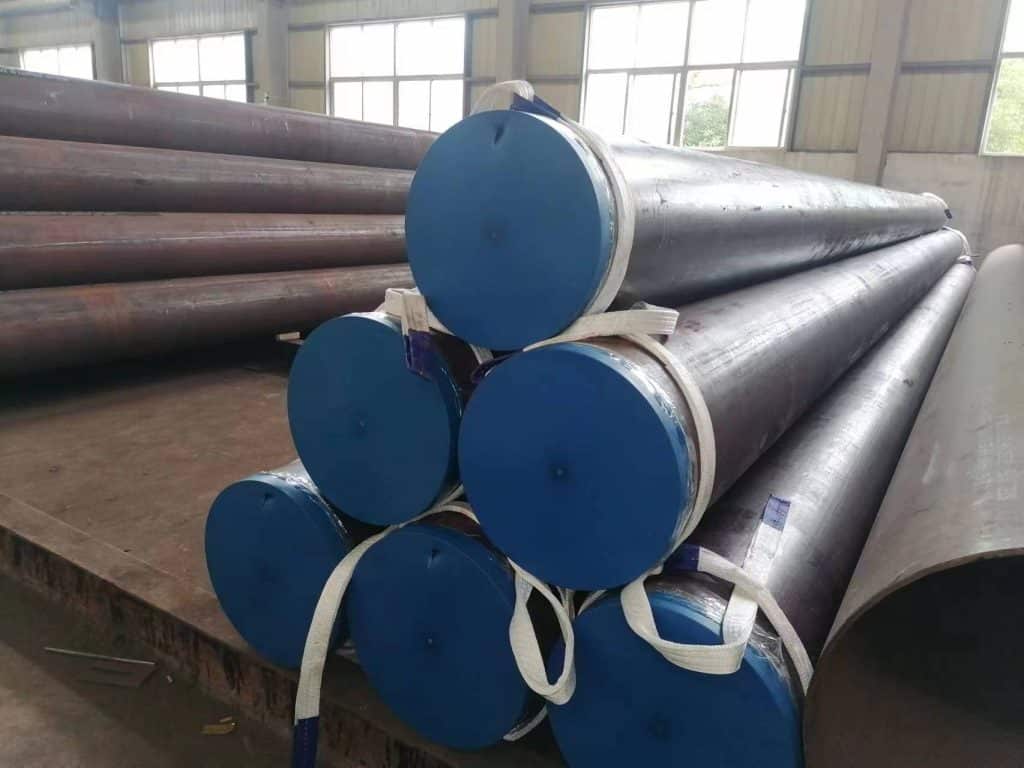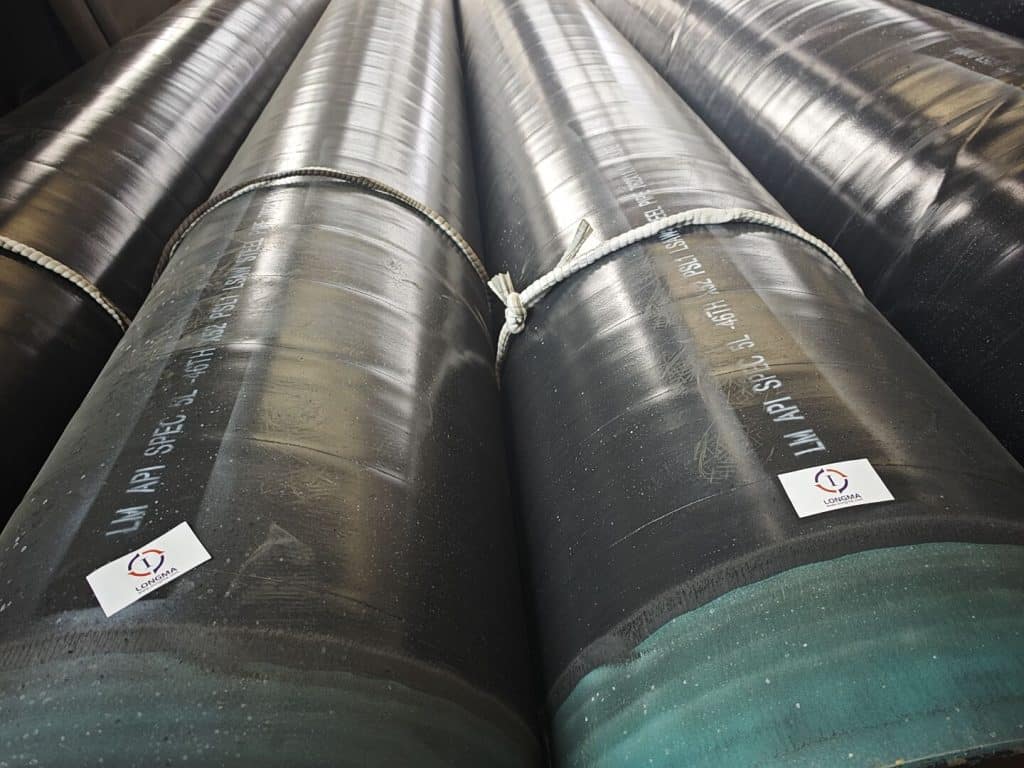
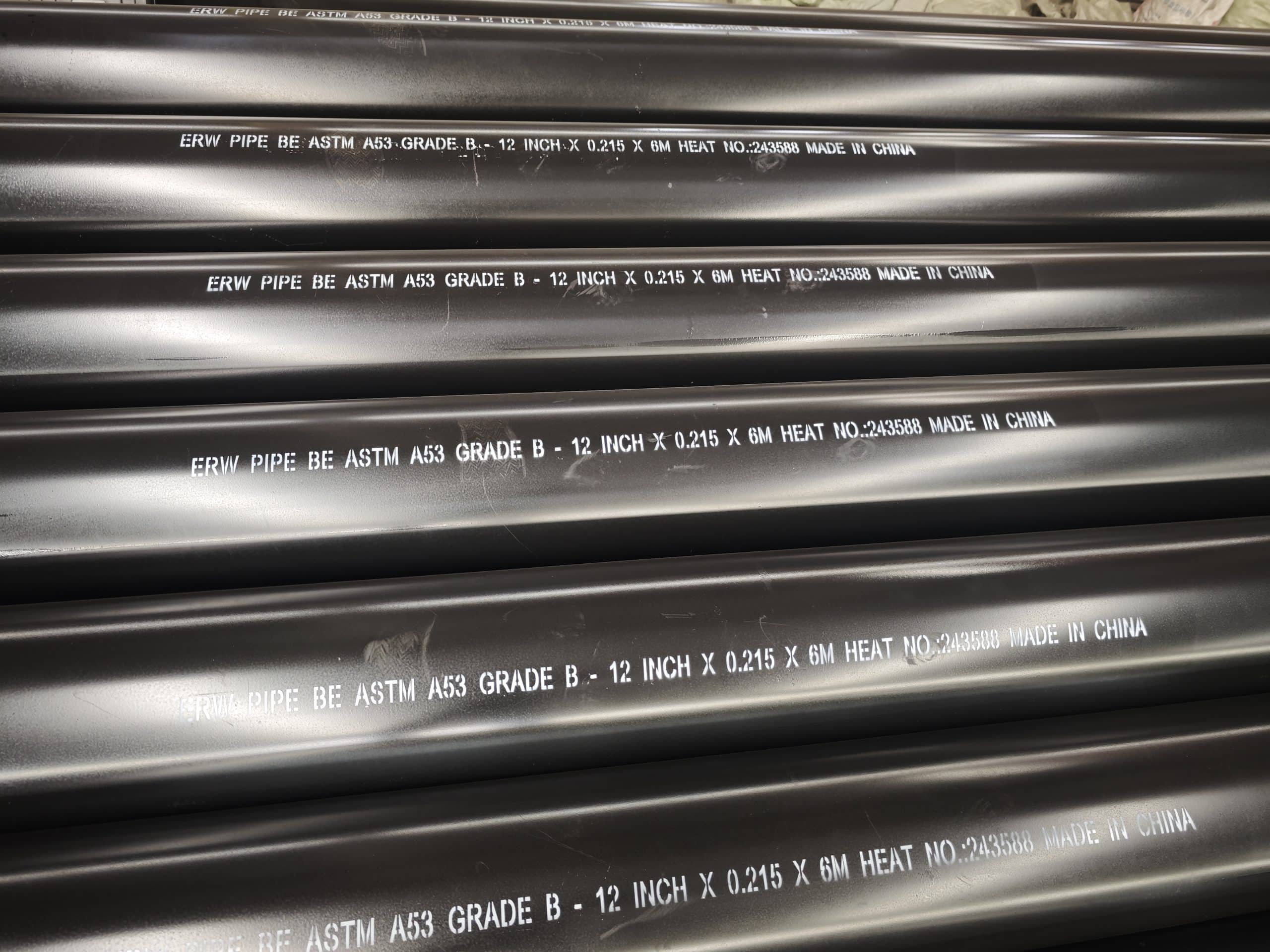
- 1. Standard & Mechanical Differences: Yield Strength and Chemical Composition
- 2. Application Scenarios: Matching the Right Grade to Your Project
- 3. Cost and Availability: Balancing Budget and Procurement Lead Times
- 4. Procurement Buyer’s Guide: Checking MTCs and Avoiding Costly Mistakes
- 5. Conclusion
- 6. FAQ
- 7. Get a Quote for ASTM A53 Grade A Pipe From LONGMA
The grade you pick for pipe used in fire sprinkler risers, municipal water mains or structural frames will influence whether your project passes inspection without missing a beat. After years of providing ASTM A53 grade A pipe and Grade B pipe to builders in the Middle East, Southeast Asia and the Americas, the question I hear most frequently is simple: what exactly divides these two classes and which one does my project need? Follow this tutorial to learn about mechanical qualities, chemical composition, real-world uses, cost differences, and procurement checkpoints so you can specify the appropriate pipe—without expensive rework.
Need to check your pipe against your project specs before you lock in your budget? LONGMA stocks Grade A A53 pipe and Grade B pipe in diameters 2″-26″, with mill test certifications included in each order.
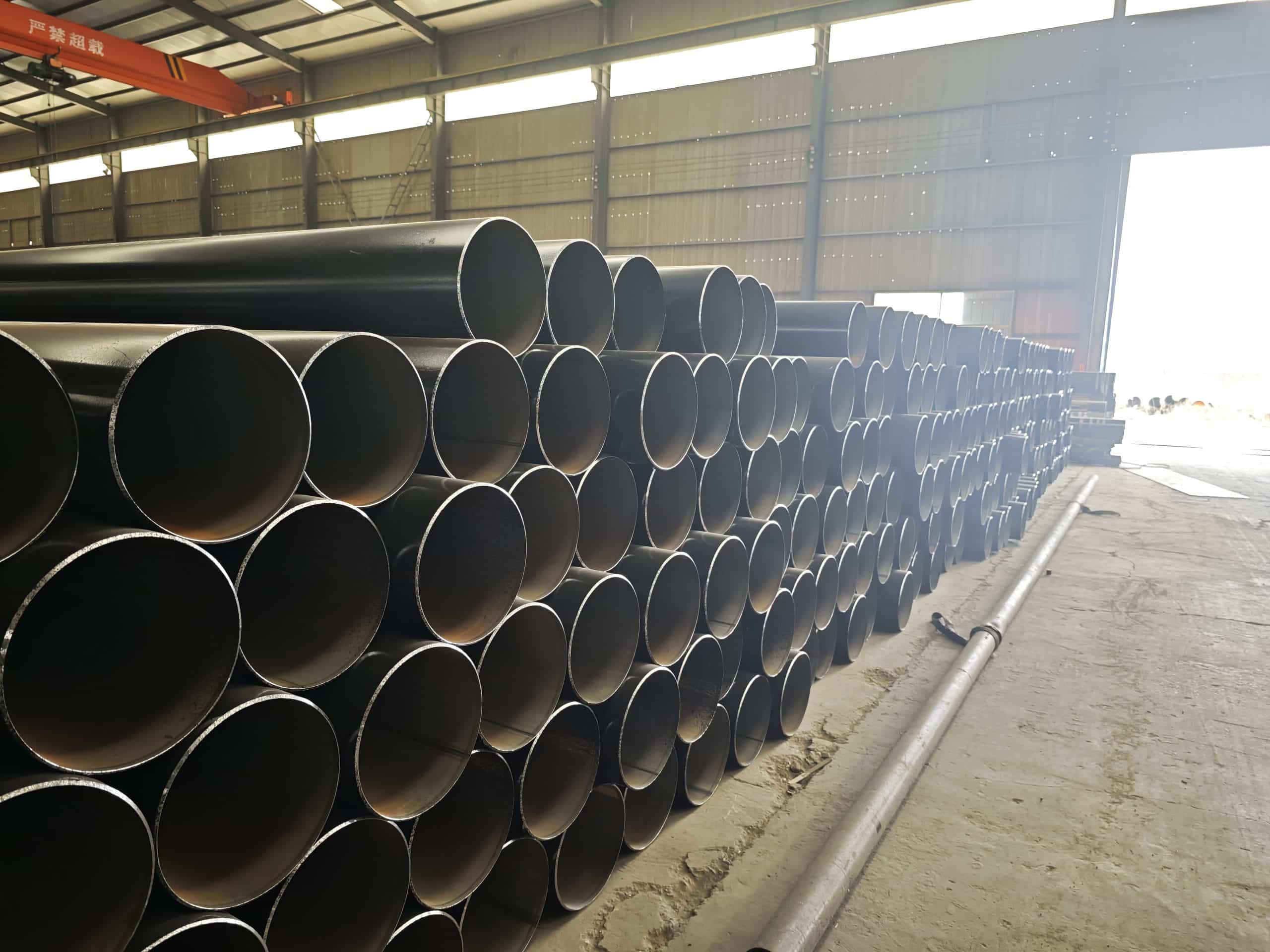
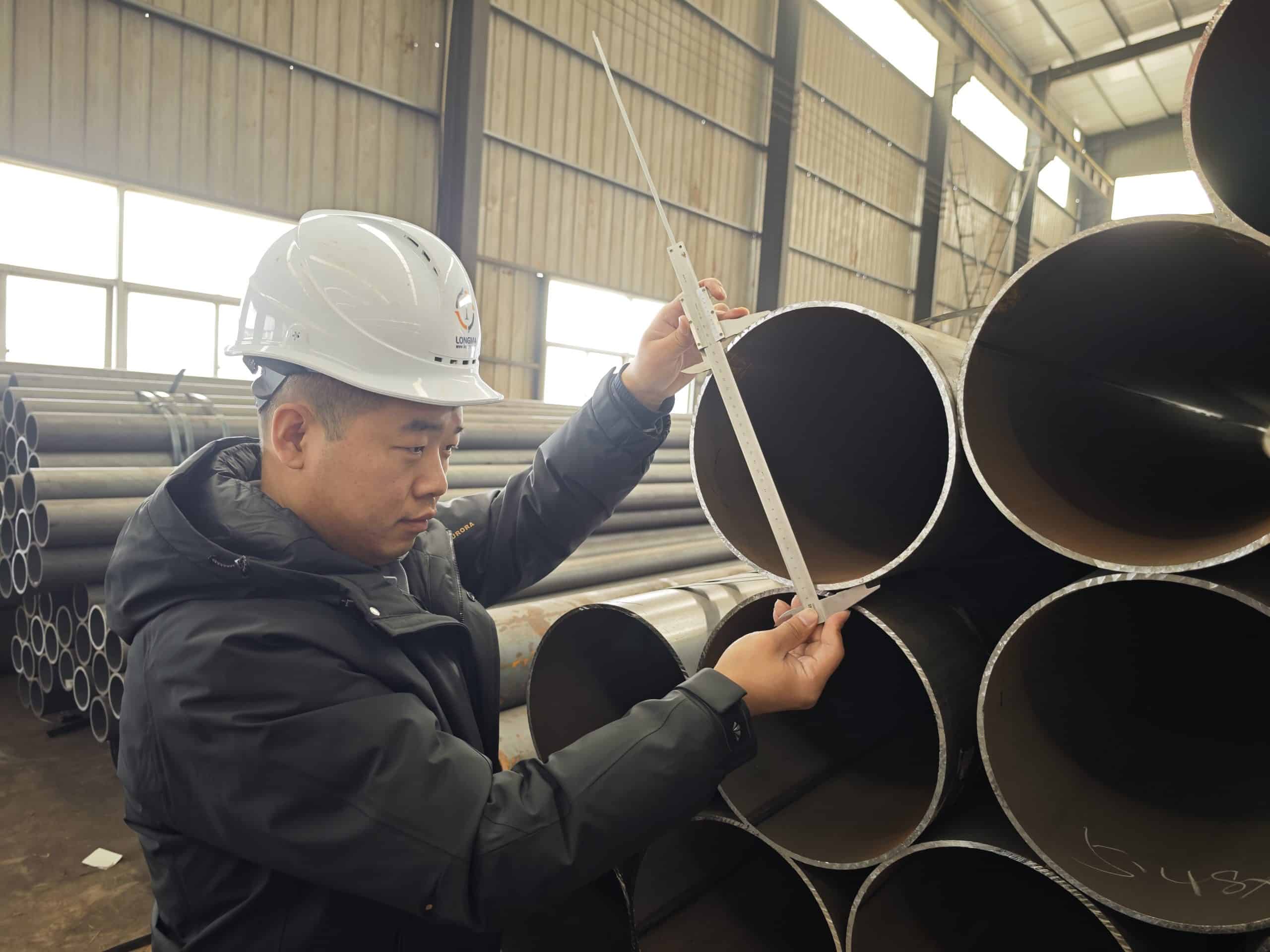
Standard & Mechanical Differences: Yield Strength and Chemical Composition
What Is ASTM A53 Grade A Pipe?
ASTM A53 grade A pipe is a carbon steel pipe made in accordance with the ASTM A53/A53M standard. The pipe comes in nominal pipe diameters from NPS 1/8 to NPS 26 with a black or hot-dip galvanised finish (ASTM International, 2022). This specification covers pipe for mechanical and pressure service applications. It is also approved for regular steam, water, gas and air lines. Grade A has a lighter chemical composition compared to Grade B. This results in easier weldability and improved ductility but a lower maximum on pressure and load capacity. This makes A53 grade A pipe the practical option for low-to-moderate pressure systems in which forming, bending, and field welding are common, such as plumbing distribution lines, low-pressure gas service, and light structural framing.
Yield Strength and Tensile Strength: Grade A vs Grade B by the Numbers
The main difference is in the table of mechanical properties and that’s the detail a project engineer analyses immediately against the mill test certificate. Grade A has a minimum yield strength of 30,000 psi (205 MPa) and a minimum tensile strength of 48,000 psi (330 MPa) and Grade B increases to a minimum yield strength of 35,000 psi (240 MPa) and a minimum tensile strength of 60,000 psi (415 MPa) (ASTM International, 2022). This 17% yield strength difference and 25% tensile strength gap is why Grade B dominates high pressure oil and gas lines, structural columns and steam service, whereas ASTM A53 grade A pipe is the workhorse for water distribution and general purpose pipes where stresses remain moderate.
| Property | Grade A | Grade B |
| Minimum Yield Strength | 30,000 psi (205 MPa) | 35,000 psi (240 MPa) |
| Minimum Tensile Strength | 48,000 psi (330 MPa) | 60,000 psi (415 MPa) |
| Maximum Carbon Content | 0.25% | 0.30% |
| Maximum Manganese Content | 0.95% | 1.20% |
| Elongation (2″ gauge) | ~30% | ~25% |
| Typical Weldability | Excellent | Good |
Chemical Composition: Carbon and Manganese Content Compared
ASTM A53 grade A pipe and Grade B pipe vary in strength because of the amount of carbon and manganese they contain. Grade A limits manganese to 0.95% and carbon to 0.25%. This keeps the microstructure softer and simpler to weld or bend without breaking. Grade B permits up to 0.30% carbon and up to 1.20% manganese, which improves hardness and load-bearing capacity but slightly affects ductility and increases the possibility of weld cracking if preheat and filler selection are not handled appropriately. Fabricators using either grade will still be subject to strict limitations on phosphorus and sulphur, hovering around 0.05% and 0.045%, respectively, and delivering consistent weld quality.
Type F, Type E, and Type S: How Manufacturing Method Affects Grade
ASTM A53 has three categories of manufacture and each grade does not always include all three types:
- Type F (furnace butt-welded): only available as ASTM A53 grade A pipe and is confined to smaller diameters, usually less than NPS 4, therefore restricting it to lighter-duty applications.
- Type E (electric resistance welded, ERW): both Grade A and Grade B, and the majority of commercial output. This includes everything LONGMA runs via our ERW plants.
- Type S (seamless): also covers both grades and is prescribed when a continuous, weld-free wall is needed for greater pressure or critical service.
The grade letter is not the only important factor, the type your spec asks for is also important. If you have a Type F callout on a Grade B order, it is a mismatch and will be noticed during inspection.
Application Scenarios: Matching the Right Grade to Your Project
When Grade A Pipe Is the Right Choice
ASTM A53 grade A pipe is suitable for applications where moderate strength, ease of manufacturing and cost control are more important than maximum pressure ratings. Typical usage cases are:
Municipal plumbing branches and low pressure drainage pipes when speed of construction is more important than peak pressure rating.
- Light structural framework, fence posts and pathway railings subject to low, predictable loads.
- “HVAC duct supports, and general utility distribution systems in commercial buildings.”
- Projects requiring a lot of field bending or threading, as Grade A’s lower carbon content resists cracking better in cold-forming procedures.
When Grade B Pipe Is Required
Grade B is required for increased internal pressure, structural load or seismic resistance as specified by a project spec:
- Oil and gas collection lines and steam distribution headers, where more yield margin allows for greater operating pressures.
- Commercial buildings structural columns and high pressure water transmission mains.
- Industrial plant pipes (offshore, etc.) is usually Grade B, by default, because of the higher safety factor.
- Cold-climate projects, since Grade B specimens often have greater Charpy V-notch impact toughness at low temperature than Grade A, decreasing the likelihood of brittle-fracture in exposed pipework.
Fire Protection Systems: Why NFPA 13 Projects Often Specify Grade B
NFPA 13 fire sprinkler contractors have three acceptable standards for steel pipe to select from; ASTM A53, ASTM A135 and ASTM A795 (National Fire Protection Association, 2018). For NPS 1-8 riser and branch line construction, the usual specification for FM-approved and UL-listed sprinkler submittals is Type E or F, Grade B, Schedule 40 black or hot-dip galvanised pipe as specified in A53 (Wheatland Tube, 2017). Grade B’s higher yield strength provides the safety margin regulators expect for sprinkler systems at working pressures up to 175 psi, and its threaded-end compatibility with NPT and BSPT fittings make it the practical default for wet and dry pipe systems in the Gulf and Southeast Asian fire protection markets. If you are working on a project using hot-dip galvanised branch lines for a wet system, then grade B pipe with a zinc coating that fulfils ASTM A123 or A153 thickness criteria is what preserves the system corrosion-free for the whole service life (American Galvanisers Association, 2025).
Water Transmission and HVAC: Matching Grade to Pressure Class
Municipal water and wastewater contractors choose their choice of grade based on pipe diameter and operating pressure, not a blanket guideline. Smaller distribution branches, under moderate pressure, usually use ASTM A53 grade A pipe. Large diameter gearbox mains, especially those with elevated static head or requiring 3LPE, FBE or coal tar epoxy coating for buried service, typically require Grade B to accommodate the combined stress of internal pressure and soil loading. HVAC systems usually remain in Grade A area, since chilled water and low pressure steam loops seldom go close enough to the pressure ceilings to warrant the increased expense of Grade B.
Cost and Availability: Balancing Budget and Procurement Lead Times
Why Grade B Commands a Price Premium
ASTM A53 grade B pipe is more expensive than ASTM A53 grade A pipe because of the stricter chemical control, more careful rolling and welding settings and further testing to verify the better mechanical qualities are maintained for each heat. The price difference between the two classes is often just in the single digits as a percentage of overall pipe cost which is a tiny premium for the broader pressure and safety margin that Grade B provides. For budget-conscious projects, the better issue is not which grade costs less per tonne, but which grade won’t result in a costly pressure-rating failure or modification order down the road.
Lead Times: Stock Sizes vs Custom Orders
Availability is mostly determined by what sizes and finishes a mill has in stock. Common sizes in ASTM A53 grade A pipe and Grade B move out within 7-30 days from our stock of many tens of thousands of tonnes at LONGMA.Custom diameters, wall thicknesses or coating needs are normally a 45-day manufacture and finishing process. Regional wholesalers in Dubai, Riyadh and Jakarta supply 2″-8″ black and galvanised regularly since those sizes meet the majority of fire protection and general plumbing demand allowing contractors to avoid the entire mill lead time on typical orders.
Black Pipe vs Hot-Dip Galvanized: Cost Trade-offs
Black pipe is less expensive than hot-dip galvanised pipe in any grade, but the galvanising offers substantial corrosion protection for outdoor, buried, or high-humidity applications. However, a wet fire sprinkler system constructed with black pipe can rust from the inside in a few years, which is why NFPA-compliant wet systems demand galvanised tubing as normal practice (Plumbing & Mechanical, 2024). When you weigh the galvanising premium against the expense of an internal corrosion failure and system replacement, it nearly always favours paying for the coating on any project exposed to moisture.
Procurement Buyer’s Guide: Checking MTCs and Avoiding Costly Mistakes
Reading the Mill Test Certificate Correctly
Every shipment of a ASTM A53 grade A pipe or Grade B pipe shall be accompanied by a mill test certificate (preferably EN 10204 3.1) showing heat number, chemical composition, yield and tensile test results and hydrostatic test pressure. When you receive a shipment, don’t just take the grade label at face value; make sure the yield and tensile values on the certificate actually meet or exceed the grade minimums, because the single quickest way to fail a third-party inspection on a fire protection or pressure piping project is to have a mismatch between the stated grade and the tested values.
Common Procurement Mistakes That Cause Site Rework
- Order the incorrect grade for the pressure class and then find out during pressure testing or inspection.
- Accepting threaded pipe without checking NPT or BSPT thread compatibility with existing fittings on site.
- Omit inspection of zinc coating thickness to ASTM A153 on galvanised orders.
- Changing suppliers throughout the project without evaluating batch-to-batch consistency, which might lead to dimensions or coating inconsistencies between deliveries.
Most of these concerns may be prevented before pipe even reaches the worksite by confirming type, grade, end finish and coating thickness on the purchase order and not simply relying on a verbal requirement.
Questions to Ask Before You Place an Order
- Will the mill give third party hydrostatic and non-destructive test results in addition to the regular mill test certificate?
- What is the precise turnaround for your particular size, grade and finish combination, not the general stock lead time?
- Will tiny top-up orders for engineering modifications be acceptable without a full minimum-order-quantity penalty?
- Does the pipe have the requisite UL or FM listing documents necessary for the extent of the fire protection specified by NFPA?
Conclusion
The choice between ASTM A53 grade A pipe and Grade B is more about aligning the yield strength, pressure rating and application with the actual load and code requirements of your project, than just grabbing whatever is cheapest or what you know. Grade A supplies low-to-moderate pressure plumbing, drainage and light structural work effectively and affordably, while Grade B supplies the additional strength that fire protection, high-pressure gearbox and industrial pipe projects demand. Getting the grade, type, finish and mill certification correct at the ordering stage is what keeps a project going thru inspection without rework, penalty clauses or safety conflicts.
FAQ
1. Can Grade A and Grade B pipe be welded together on the same job?
Yes, Grade A and Grade B pipe can be welded together using standard carbon steel welding procedures, since both grades share a similar chemical family. However, the joint should be engineered to the lower grade’s pressure rating unless a qualified welding procedure specification confirms otherwise, and inspectors will typically flag a mixed-grade system that lacks documentation explaining the transition.
2. Is ASTM A53 Grade A suitable for fire sprinkler systems?
ASTM A53 covers both grades for fire protection use, but most NFPA 13 submittal packages and manufacturer listings default to Grade B for Schedule 40 sprinkler piping because it delivers a wider safety margin at typical sprinkler system working pressures (Wheatland Tube, 2017). Grade A can appear in select low-pressure branch applications, but always confirm against the specific FM or UL listing before substituting.
3. What is the maximum operating pressure for ASTM A53 pipe?
Maximum allowable operating pressure depends on pipe diameter, wall thickness schedule, and grade rather than a single fixed number across the standard. Grade B’s higher yield strength generally supports a materially higher pressure rating than Grade A at the same schedule and diameter, so pressure calculations should always reference the specific wall thickness and grade combination rather than a generic A53 pressure figure.
4. Does ASTM A53 Grade A pipe come in galvanized finish?
Yes, ASTM A53 covers both black and hot-dip galvanized finishes for Grade A and Grade B pipe alike. Galvanized Grade A pipe is common in outdoor plumbing, fencing, and light structural applications where corrosion resistance matters but pressure demands stay moderate.
5. How is ASTM A53 different from ASTM A106?
ASTM A53 covers seamless and welded pipe intended for general mechanical, structural, and moderate-pressure service, while ASTM A106 covers seamless carbon steel pipe specifically engineered for high-temperature service such as process piping and power generation. A106 doesn’t include a welded option or a galvanized finish, which is why fabricators reach for A53 whenever a project needs a welded or coated pipe option that A106 simply doesn’t offer.
6. What sizes does LONGMA stock for fast delivery?
LONGMA keeps 2″-8″ black and hot-dip galvanized pipe in both Grade A and Grade B as core stock, covering the sizes most fire protection, plumbing, and general engineering projects need, with 7 to 30 day delivery depending on finish and quantity. Larger diameters up to 26″ and custom coating requirements ship within 45 days from our production facility.
Get a Quote for ASTM A53 Grade A Pipe From LONGMA
LONGMA has manufactured ERW and LSAW steel pipe since 2003, running annual output above 500,000 tons with complete heat-to-shipment traceability on every order of ASTM A53 grade A pipe and Grade B pipe. As an established ASTM A53 pipe supplier to oil and gas majors including SINOPEC and PEMEX, we back every shipment with EN 10204 3.1 documentation. Email info@ilongma.com with your specification sheet for a quote within one business day.