The answer depends on the tube shape and on which radius is required. For a circular structural hollow section (CHS), the outside radius is one-half of the outside diameter. If wall thickness is known, the inside radius can also be calculated. For square and rectangular hollow sections, “radius” normally means the rounded corner radius, which should be taken from the applicable standard or the manufacturer’s section data rather than assumed from the overall width or height.
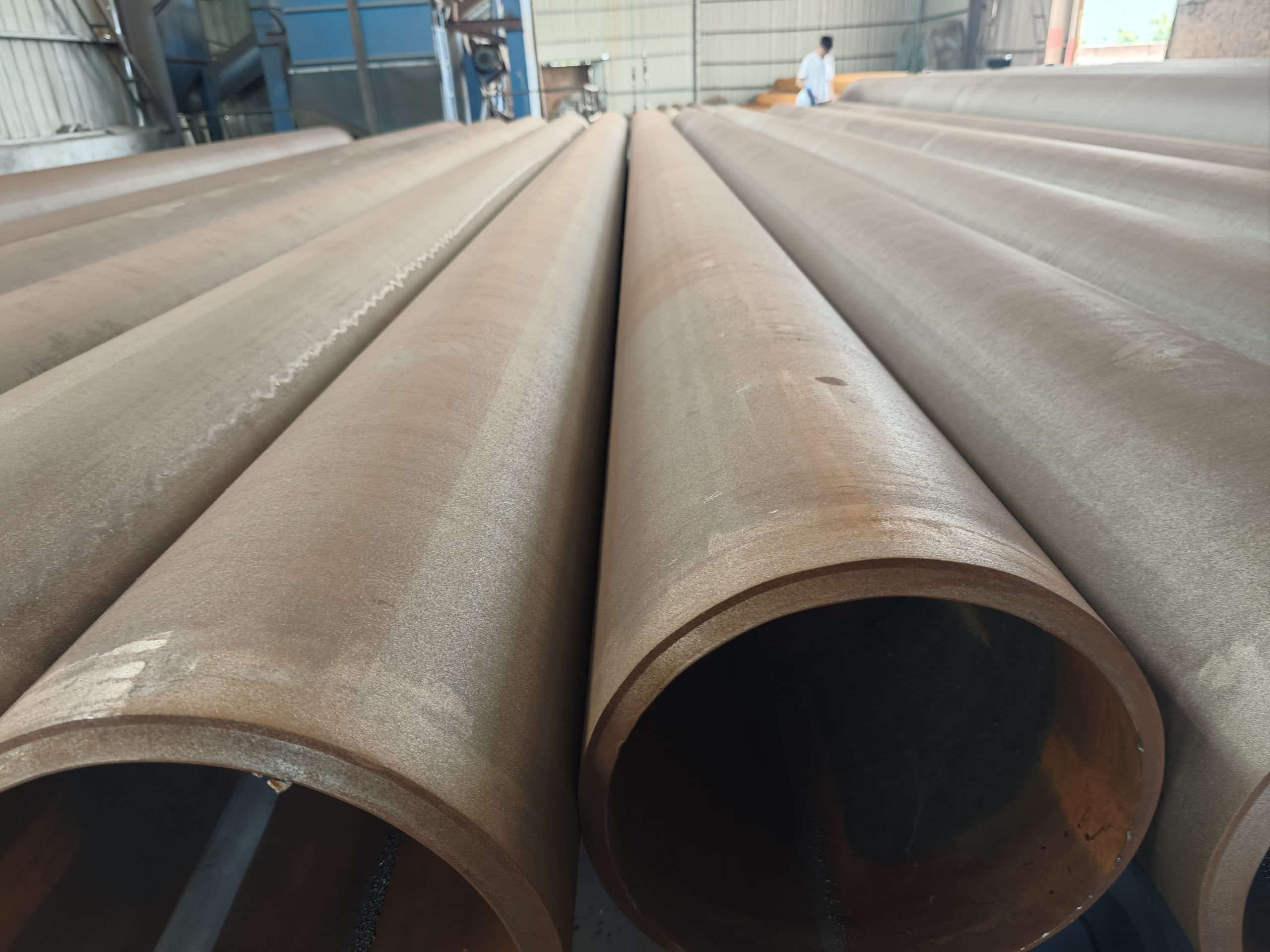
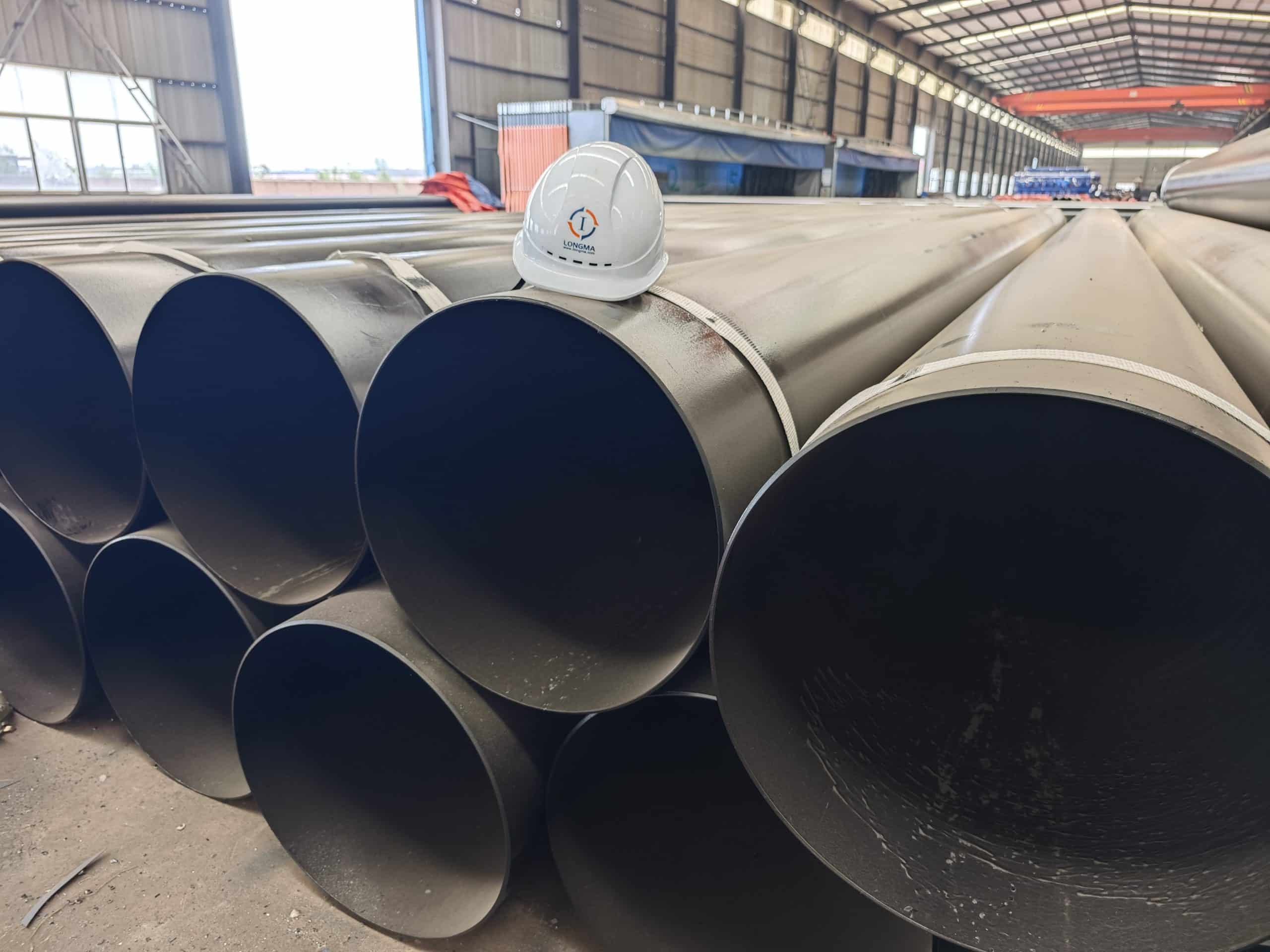
Radius of a Circular Structural Steel Tube
For a round tube with outside diameter D and nominal wall thickness t:
| Dimension | Formula |
| Outside radius, Ro | Ro = D / 2 |
| Inside diameter, Di | Di = D – 2t |
| Inside radius, Ri | Ri = (D – 2t) / 2 = Ro – t |
These equations use nominal dimensions. Actual outside diameter and wall thickness may differ within the tolerances allowed by the governing product standard and purchase specification.
Worked Example
For a circular tube with an outside diameter of 219.1 mm and a nominal wall thickness of 8 mm:
- Outside radius: 219.1 / 2 = 109.55 mm
- Inside diameter: 219.1 – (2 × 8) = 203.1 mm
- Inside radius: 203.1 / 2 = 101.55 mm
For clearance, fit-up, machining, or fabrication work, use measured dimensions or certified dimensional data when nominal values are not sufficiently precise.
What Does Radius Mean for Square and Rectangular Tubes?
Square hollow sections (SHS) and rectangular hollow sections (RHS) have flat faces connected by rounded corners. They therefore do not have one radius that describes the entire cross-section. Instead, the relevant values are the outside corner radius and inside corner radius.
A designation such as 200 × 200 × 10 mm gives the nominal outside size and wall thickness, but it does not by itself establish the exact corner geometry. The corner radius can vary with the manufacturing route, section size, thickness, and the tolerances permitted by the applicable standard. For precision work, consult the current section table, drawing, or manufacturer data.
| Radius term | Applies to | Meaning |
| Outside radius | Circular tube | Distance from the section center to the outside surface |
| Inside radius | Circular tube | Distance from the section center to the inside surface |
| Outside corner radius | SHS/RHS | Radius of the external curved corner |
| Inside corner radius | SHS/RHS | Radius of the internal curved corner |
| Radius of gyration | All structural sections | A section-property term used in buckling calculations; it is not a physical tube or corner radius |
Do Not Confuse Tube Radius with Bend Radius
The cross-sectional radius described above is different from bend radius. Bend radius refers to the curvature of the tube’s centerline or to the inside radius of a formed bend. It depends on the bending method, material, diameter, wall thickness, and project requirements. Dividing the tube diameter by two does not determine a permissible bend radius.
Why the Correct Radius Matters
- Connection detailing: corner geometry affects the fit of plates, stiffeners, brackets, and weld access around SHS or RHS corners.
- Cutting and fabrication: accurate geometry reduces rework where parts must match the tube profile or where tight clearances apply.
- Section-property calculations: cross-sectional area, moment of inertia, section modulus, and radius of gyration depend on the complete geometry. Published section properties are normally preferable to simplified sharp-corner calculations.
- Inspection: nominal radius calculations do not replace dimensional inspection where the order or fabrication drawing specifies tolerances.
How to Determine the Correct Radius
- Identify the section shape: circular, square, or rectangular.
- Clarify which value is needed: outside radius, inside radius, corner radius, bend radius, or radius of gyration.
- Check the nominal outside dimensions and wall thickness.
- For CHS, calculate the nominal outside and inside radii using the formulas above.
- For SHS/RHS corner radii, use the applicable product standard, approved drawing, section table, or manufacturer data.
- For critical fit-up or machining, verify the actual product dimensions rather than relying only on nominal data.
Conclusion
For a circular structural steel tube, the outside radius equals half the outside diameter, while the inside radius equals half the inside diameter. For square and rectangular hollow sections, radius normally refers to the rounded corners and cannot be established reliably from width, height, and wall thickness alone. The correct value should come from the governing standard, manufacturer data, or direct measurement when fabrication accuracy matters.
FAQ
1. Is a tube’s radius always half its diameter?
Only for a circular tube. The outside radius is half the outside diameter, and the inside radius is half the inside diameter. This rule does not determine SHS/RHS corner radius or tube bend radius.
2. How do I calculate the inside radius of a round tube?
Subtract twice the nominal wall thickness from the outside diameter, then divide the result by two: Ri = (D – 2t) / 2.
3. Can I calculate an HSS corner radius from wall thickness?
Not reliably. Wall thickness influences corner geometry, but the actual corner radius should be obtained from the applicable section data or verified by measurement.
4. Is radius of gyration the same as tube radius?
No. Radius of gyration is a calculated section property used in structural stability and buckling checks; it is not a physical surface radius.
5. Which dimensions should be used for fabrication?
Use the dimensions and tolerances required by the purchase specification and fabrication drawing. Where fit-up is critical, confirm actual dimensions or approved manufacturer data.
Connect with LONGMA for Circular ERW and LSAW Steel Pipes
Navigating radius specifications, dimensional tolerances, and compliance documentation demands a manufacturing partner with proven expertise in cold-formed welded circular hollow sections. LONGMA brings over two decades of specialized production experience in round CHS, ERW, and LSAW steel pipes conforming to applicable EN 10219 requirements, serving bridge builders, steel fabricators, and renewable energy contractors across European and global markets. Our round S235JRH, S275J0H, S355J2H, and S420MH grade offerings combine exceptional dimensional accuracy—maintained within ±1% OD and ±10% wall thickness per EN 10219-2:2019—with full Factory Production Control (FPC) certification and EN 10204 3.1 material test certificates.
As a leading round structural steel pipe manufacturer with annual production exceeding 500,000 tonnes, we provide comprehensive radius verification, third-party inspection coordination, and English-language technical documentation supporting CE marking and international project compliance. Whether sourcing large-diameter round CHS for wind tower foundations or high-strength round S355J2H sections for structural frames, our 45-day delivery on custom specifications and 30-day turnaround on stock sizes keeps your projects on schedule. Contact our engineering team at info@ilongma.com or visit https://www.ilongma.com/ to request dimensional charts, FPC certificates, and project-specific quotations tailored to your radius and load requirements.