- 1. Core Parameters in Pressure System Design
- 2. Common Grades of ASTM A672 and Selection Recommendations
- 3. Material Properties and Design Advantages
- 4. Wall Thickness Design and Safety Factors
- 5. Key Testing Methods and Standard Requirements
- 6. ASTM A671 vs A672: Design Comparison
- 7. In-House Laboratory:Guarantee of Design Reliability
- 8. LONGMA’s Engineering Support Advantages
- 9. Design and Procurement Recommendations
- 10. Conclusion
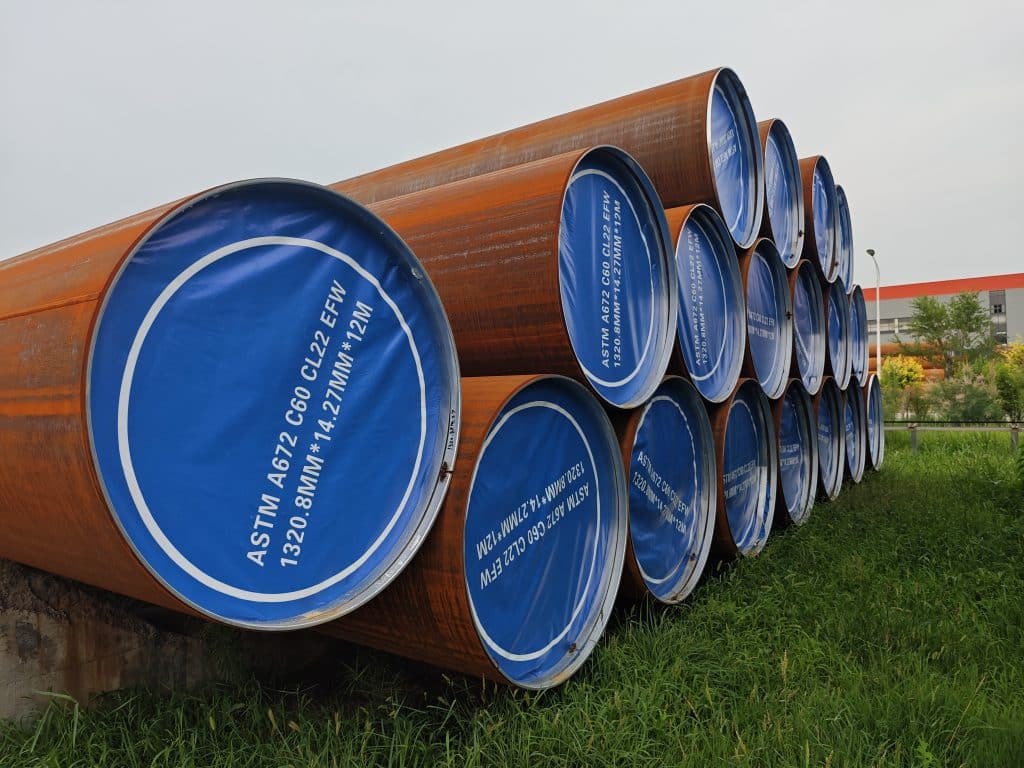
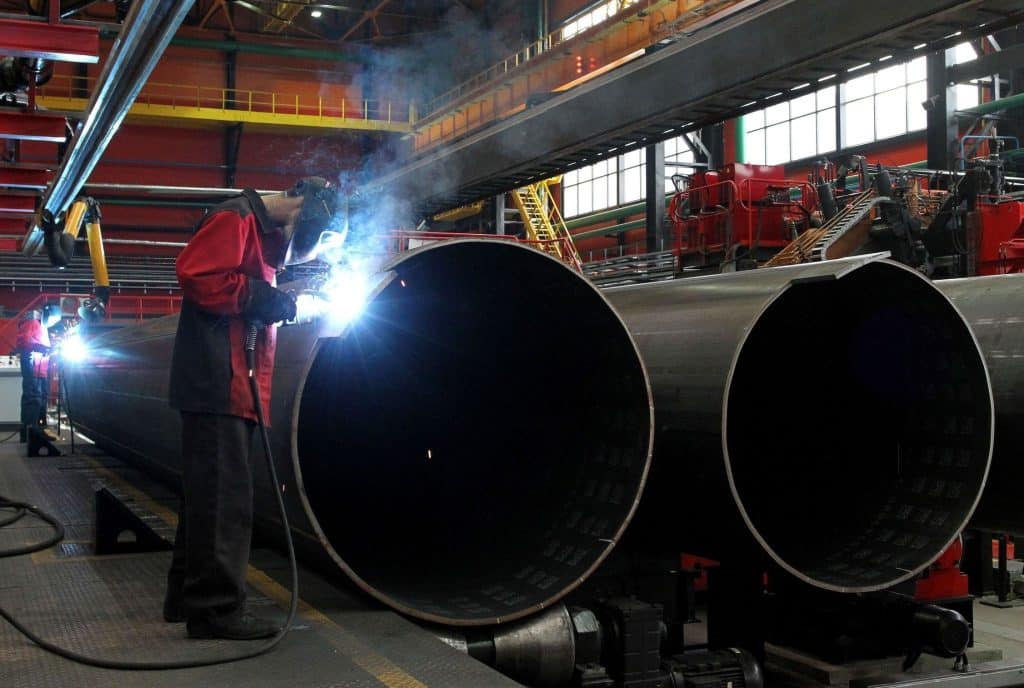
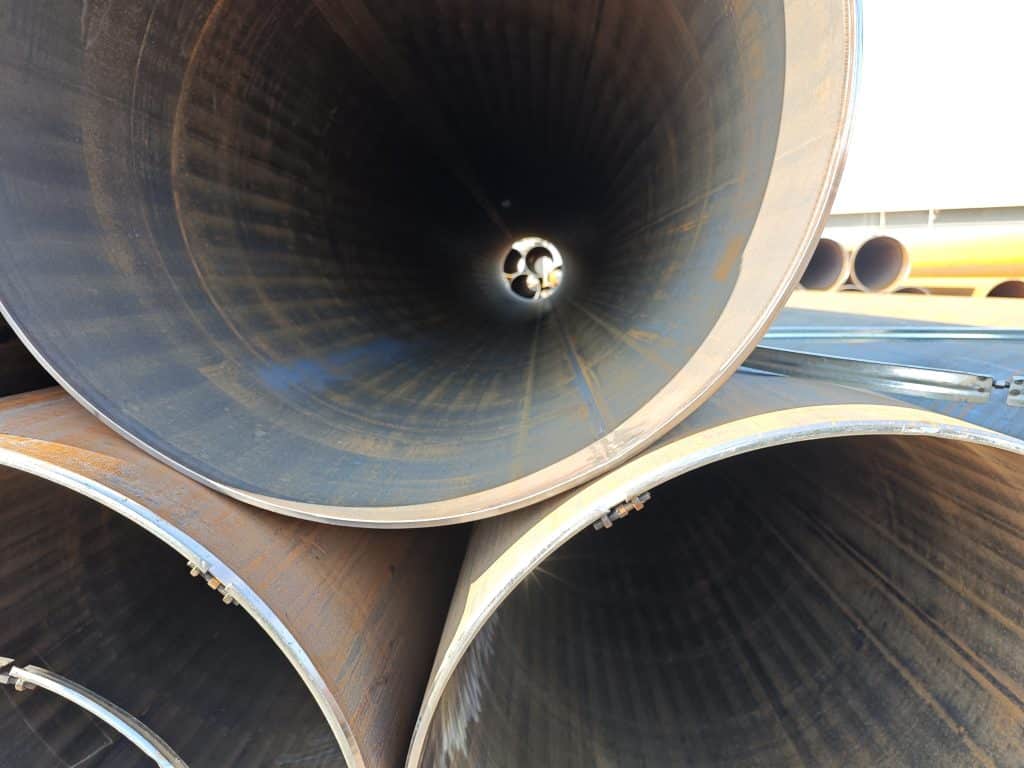
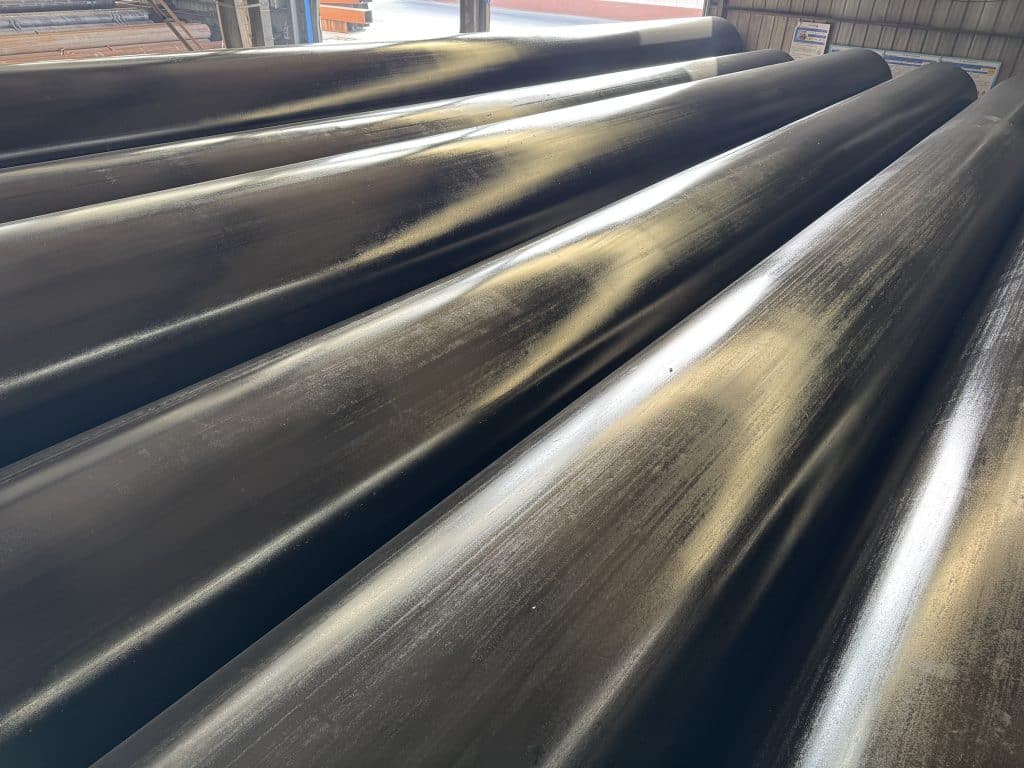
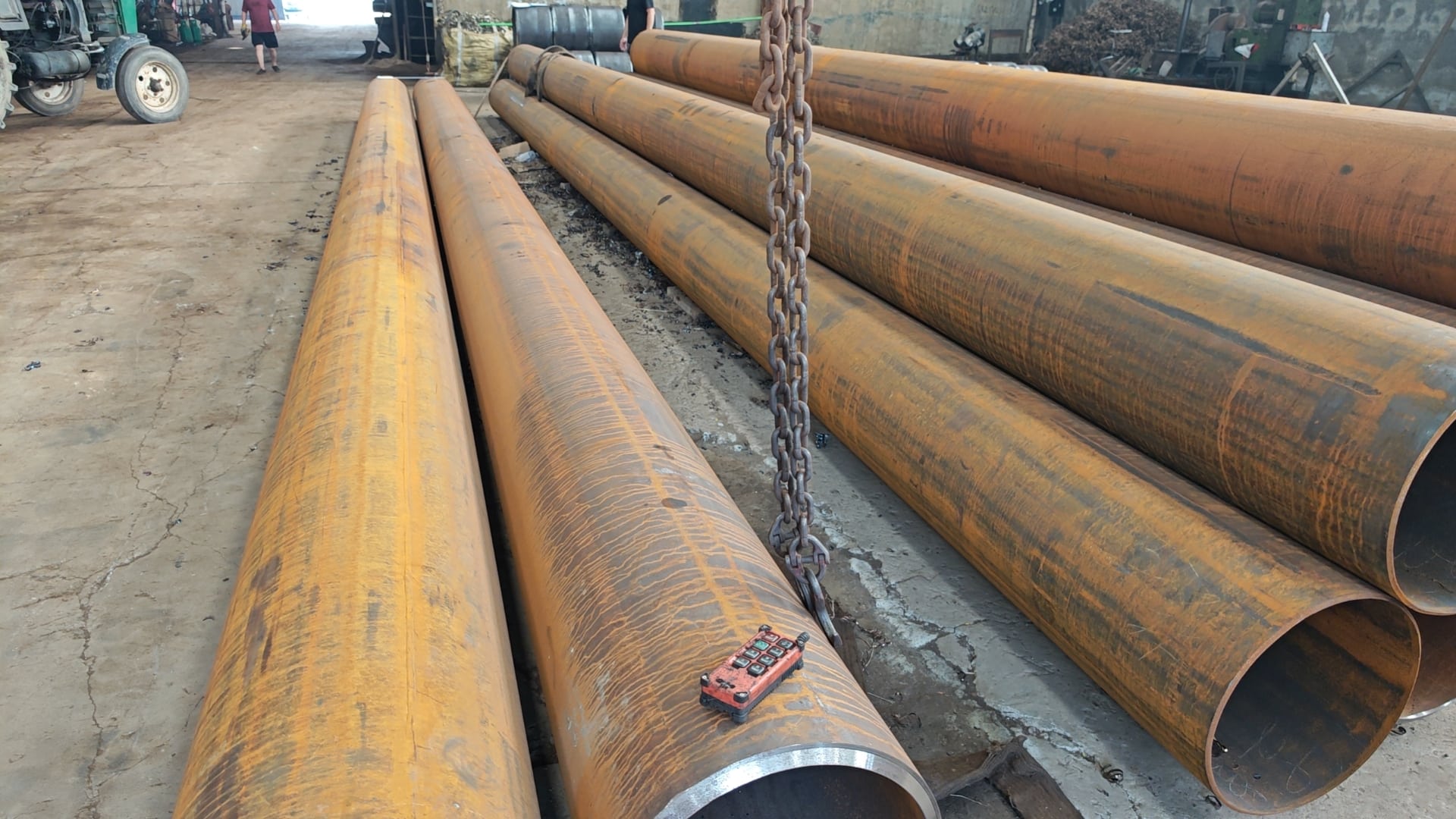
In pressure systems such as oil, natural gas, power generation, and chemical industries, the selection of pipeline materials directly affects system safety, stability, and lifecycle cost. As a mature Electric Fusion Welded (EFW) carbon steel pipe, ASTM A672 steel pipe is widely used in medium- to high-pressure applications due to its excellent mechanical properties and good weldability.
This article systematically analyzes the key engineering considerations for selecting ASTM A672 pipe in pressure systems from multiple dimensions—including design parameters, material properties, standard requirements, testing methods, and supplier capabilities—helping design institutes and EPC contractors reduce risks. It also recommends a high-quality supplier with over 20 years of experience—LONGMA.
Core Parameters in Pressure System Design
In pressure pipeline design, the following parameters directly determine material selection:
- Design Pressure
- Design Temperature
- Corrosion Allowance
- Design Life
The ASTM A672 specification is developed based on pressure vessel plates and can meet the requirements of medium- to high-pressure and medium- to high-temperature service conditions.
Common Grades of ASTM A672 and Selection Recommendations
In engineering design, commonly used grades include:
| Grade | Class | Yield Strength (MPa) | Application |
| ASTM A672 C60 | CL22 | ≥415 | General pressure systems |
| ASTM A672 C65 CL22 | CL22 | ≥450 | High-pressure steam systems |
| ASTM A672 C70 | CL32 | ≥485 | High-pressure, high-temperature systems |
Among these, ASTM A672 C60 CL22 and ASTM A672 C65 CL22 are the most commonly used specifications.
Selection Recommendations
- Medium-pressure systems: Prefer ASTM A672 C60
- High-pressure systems: Recommend ASTM A672 C65 CL22
- Extreme high-temperature conditions: Consider higher-grade materials
The ASTM A672 C60 yield strength is a key parameter in design calculations.
Material Properties and Design Advantages
- Chemical Composition Control
Typical ASTM A672 material (C60):
| Element | Content (%) |
| C | ≤0.30 |
| Mn | 0.90–1.50 |
| P/S | ≤0.035 |
The low-carbon design ensures good weldability and crack resistance.
- Engineering Advantages
- Excellent pressure resistance
- Good weldability
- Stable high-temperature performance
Therefore, ASTM A672 carbon steel offers strong reliability in pressure systems.
Wall Thickness Design and Safety Factors
In design, wall thickness calculations are typically based on ASME B31.3 or related codes.
Key influencing factors:
- Internal pressure
- Outside diameter
- Material strength (e.g., ASTM A672 C60 yield strength)
- Weld joint factor
Example Comparison
| Parameter | C60 | C65 CL22 |
| Strength | Medium | Higher |
| Wall Thickness Requirement | Thicker | Optimized |
| Cost | Lower | Slightly higher |
Proper material selection can reduce cost while ensuring safety.
Key Testing Methods and Standard Requirements
In pressure system design, testing is critical to ensuring safety. The ASTM A672 specification defines the following testing methods:
- Ultrasonic Testing (UT)
Purpose:
Detect internal defects in plates and welds
Procedure:
- Scan weld seams
- Analyze echo signals
- Determine defect levels
Standards:
ASTM A672 references ASTM A578 / A435
- Radiographic Testing (RT)
Purpose:
Verify internal weld quality
Process:
- Radiographic imaging
- Defect analysis
For ASTM A672 C65 CL22 projects, 100% coverage is usually required.
- Hydrostatic Test
Purpose:
Verify the pressure resistance of ASTM A672 pipe
Procedure:
- Fill with water and pressurize
- Maintain pressure for inspection
This is a mandatory test before delivery.
ASTM A671 vs A672: Design Comparison
| Item | ASTM A671 | ASTM A672 |
| Material | Alloy steel | Carbon steel |
| Cost | Higher | More economical |
| Application | Ultra-high temperature | Medium to high temperature |
For most pressure systems, ASTM A672 carbon steel is the more cost-effective choice.
In-House Laboratory:Guarantee of Design Reliability
Engineering design depends not only on calculations but also on material quality.
A qualified supplier should have:
- Chemical composition analysis equipment
- Tensile and impact testing equipment
- UT/RT inspection capability
- Hydrostatic testing system
These capabilities ensure that ASTM A672 C60 CL22 and ASTM A672 C65 CL22 meet actual design requirements.
LONGMA’s Engineering Support Advantages
As a steel pipe manufacturer with over 20 years of experience, LONGMA has significant advantages in the ASTM A672 pipe field:
Core Capabilities
- Strict compliance with ASTM A672 specification
- In-house laboratory (full-process testing)
- 100% weld non-destructive testing
- Design and selection support
As a reliable China ASTM A672 exporter, LONGMA can provide stable supply for global engineering projects.
Design and Procurement Recommendations
In pressure system projects, it is recommended to:
- Select grades based on working conditions (e.g., ASTM A672 C60 CL22)
- Ensure material properties meet design requirements
- Verify completeness of inspection reports
- Choose suppliers with engineering experience
In wholesale ASTM A672 procurement, quality stability is far more important than price.
Conclusion
In pressure system engineering design, ASTM A672 pipe has become a key choice for medium- to high-pressure pipelines due to its excellent material properties, reliable mechanical performance, and mature manufacturing process. In particular, ASTM A672 C60 CL22 and ASTM A672 C65 CL22 are widely used in practical applications.
Choosing experienced ASTM A672 exporters like LONGMA, with a complete quality system and project expertise, will effectively ensure project safety and long-term operation.