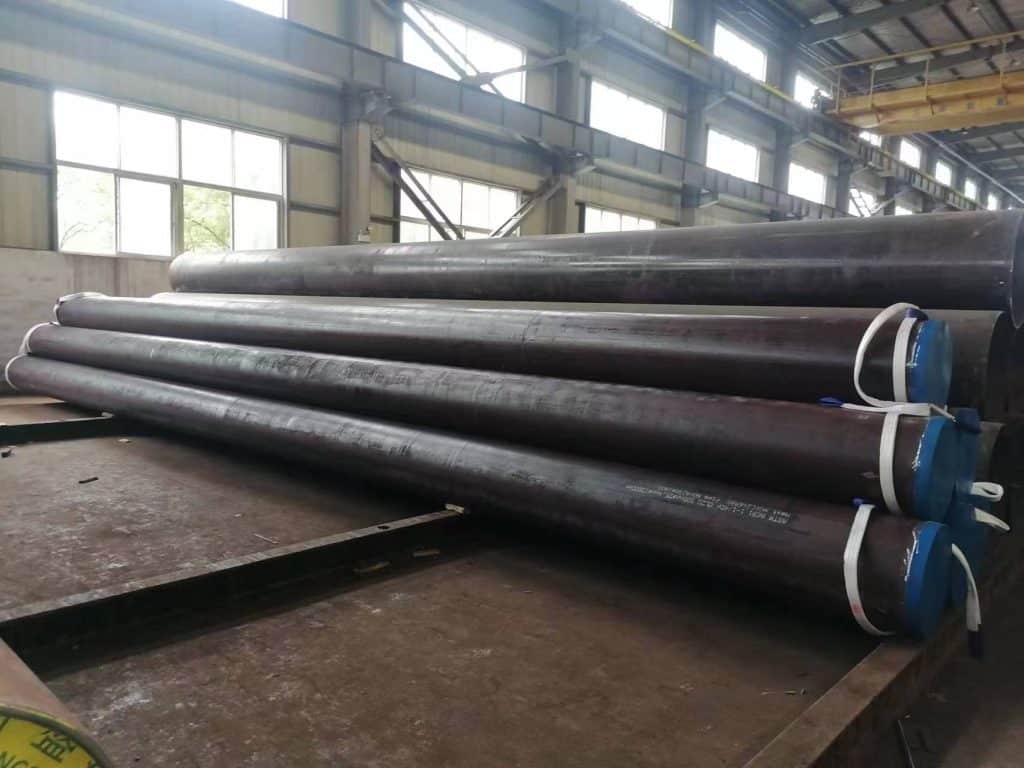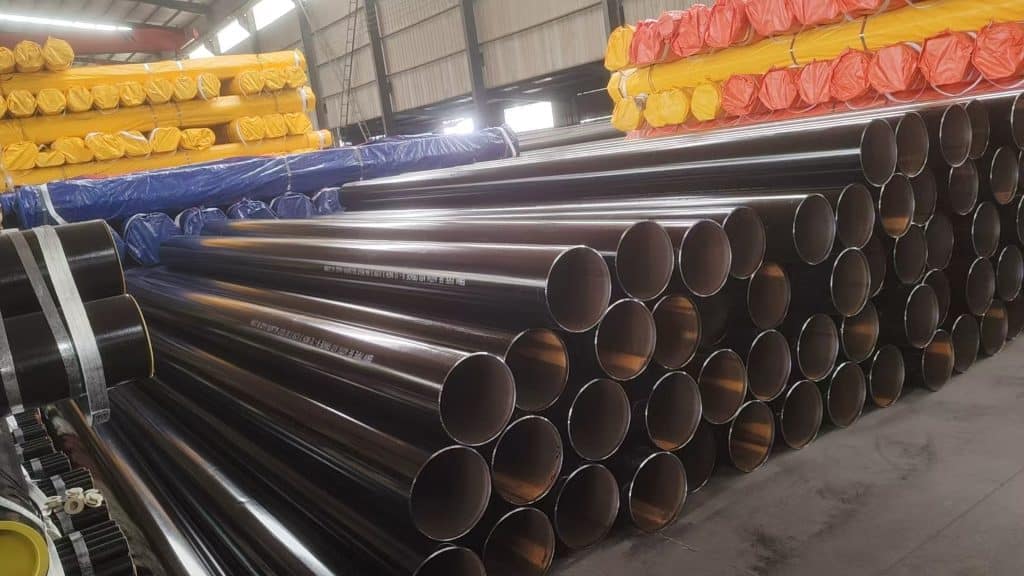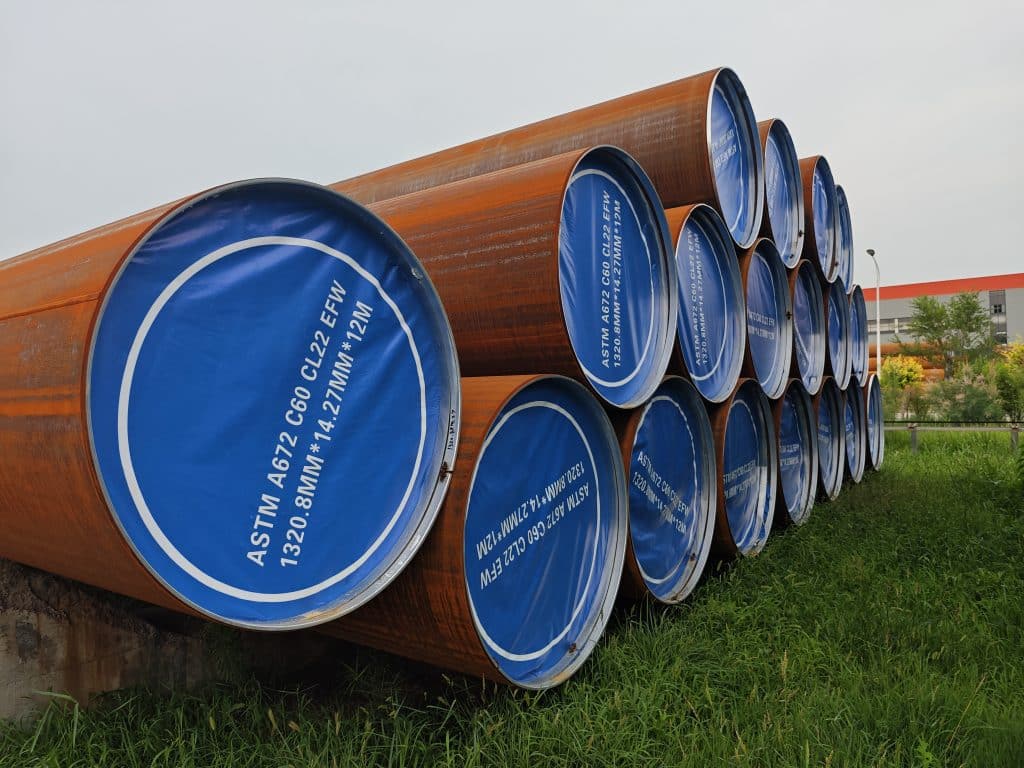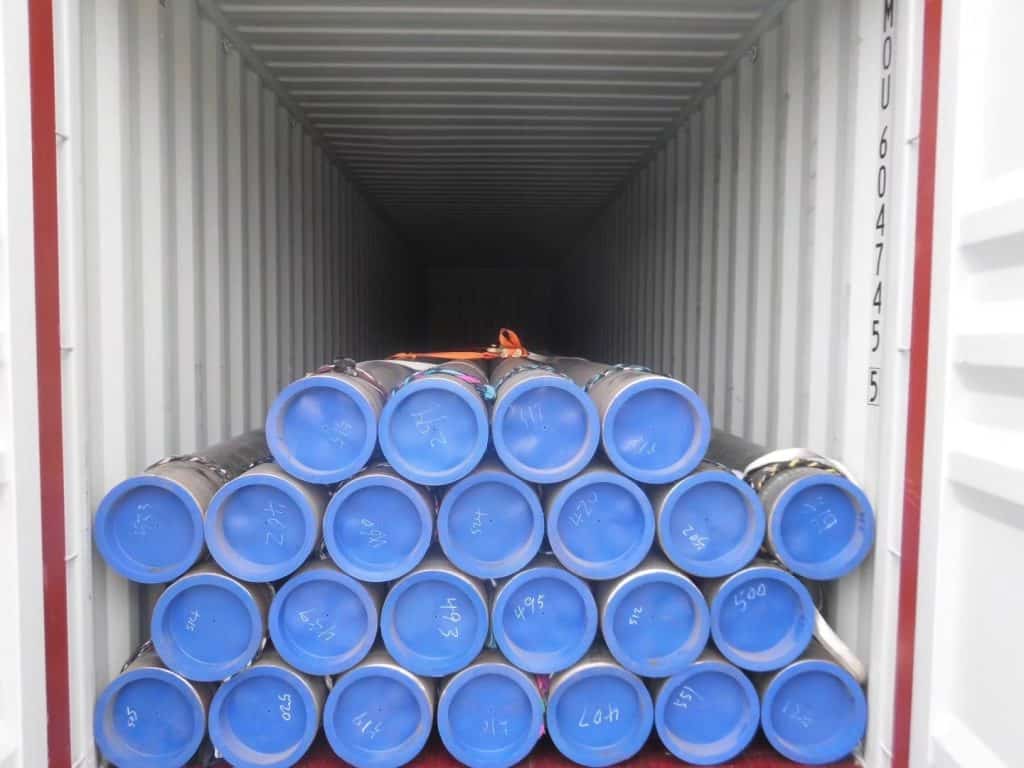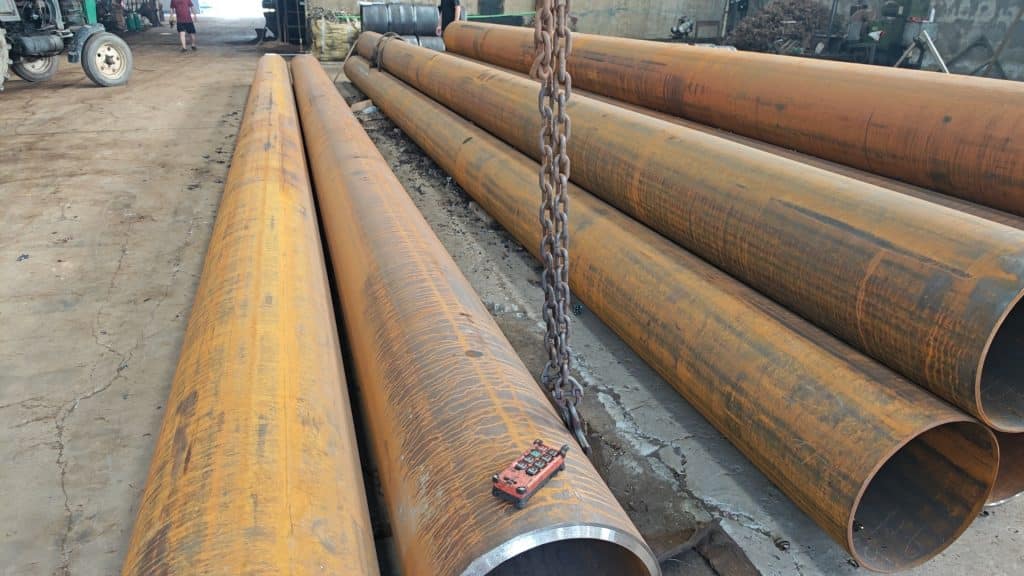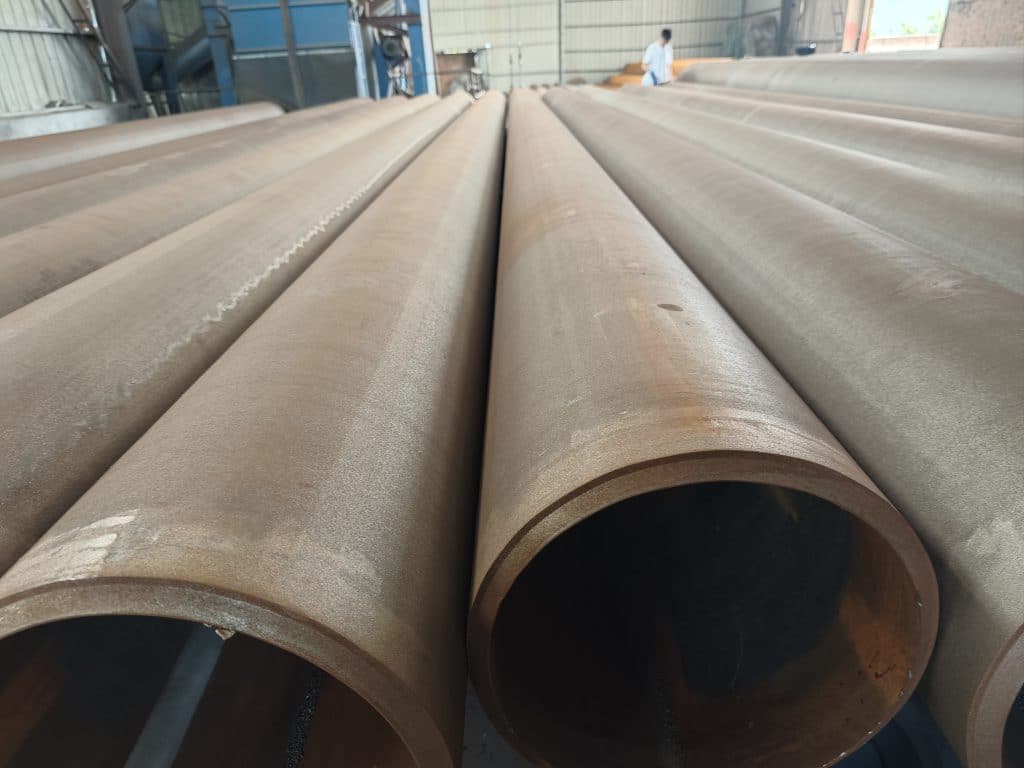
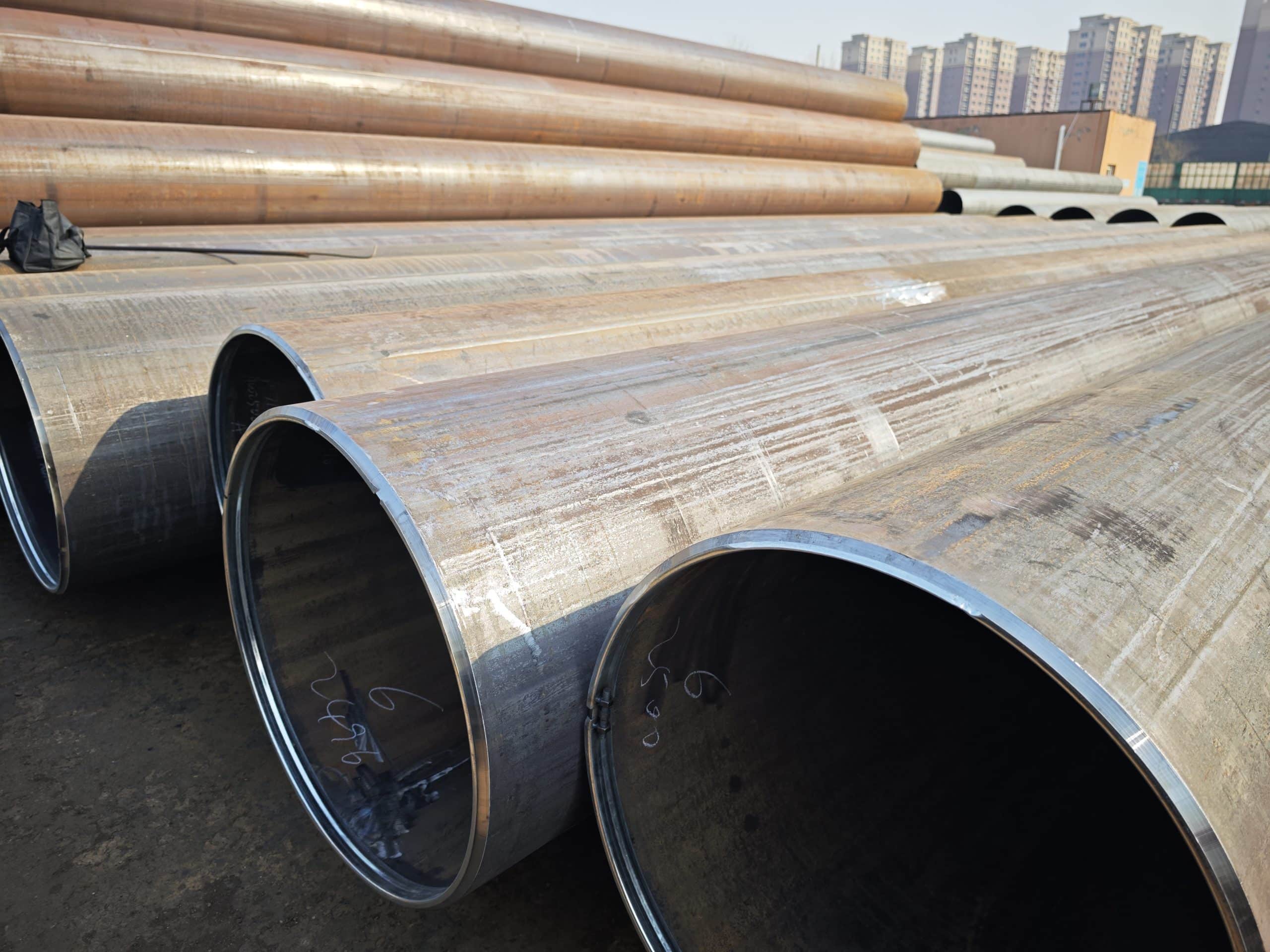
In oil and gas transmission, pressure vessels, power station boilers, offshore engineering, building structures and other fields, the properties of steel pipes directly determine the safety and service life of engineering projects. One of the core processes affecting steel pipe properties is precisely heat treatment.
For buyers, many steel pipe products look almost identical in appearance, but their internal microstructure, mechanical properties, corrosion resistance and weldability can vary drastically due to different heat treatment processes. Therefore, an increasing number of international EPC projects, oil and gas companies and engineering contractors focus on auditing manufacturers’ heat treatment capabilities and quality control systems when purchasing API 5L steel pipes, LSAW steel pipes, seamless steel pipes and alloy steel pipes.
With over 20 years of manufacturing experience, LONGMA provides an in-depth analysis of the importance of steel pipe heat treatment from the perspectives of production processes, property impacts, testing standards, procurement risks and quality control, helping buyers make safer and more economical choices.
What is Steel Pipe Heat Treatment?
Steel pipe heat treatment is a manufacturing process that alters the metallic microstructure of steel pipes through heating, holding and cooling to achieve targeted properties.
Common steel pipe heat treatment processes include:
| Heat Treatment Process | Main Purpose | Applicable Steel Pipe Types |
| Normalizing | Improve strength and toughness | API 5L, structural steel pipes |
| Quenching | Enhance hardness and wear resistance | Alloy steel pipes |
| Tempering | Relieve quenching stress | High-strength steel pipes |
| Annealing | Boost plasticity and workability | Stainless steel pipes, cold-drawn steel pipes |
| Solution Treatment | Improve corrosion resistance | Stainless steel pipes |
In high-end steel pipe manufacturing, heat treatment not only defines pipe properties but also directly affects welding quality, low-temperature impact resistance and long-term service stability.
Core Impacts of Heat Treatment on Steel Pipe Properties
1. Improved Mechanical Properties
Heat treatment significantly enhances:
- Yield strength
- Tensile strength
- Elongation
- Impact toughness
For example, API 5L PSL2 steel pipes have strict requirements for impact properties. Poor heat treatment control can lead to brittle fracture in low-temperature environments.
LONGMA uses fully automatic heat treatment furnaces with precise temperature control to minimize temperature fluctuations and ensure stable mechanical properties in LSAW steel pipes. This is a key reason why international oil and gas projects prefer established manufacturers over low-cost suppliers.
2. Enhanced Weldability
Welded zones carry the highest quality risks for welded steel pipes. Heat treatment:
- Reduces welding residual stress
- Improves microstructure in the heat-affected zone
- Lowers the risk of welding cracks
- Enhances weld toughness
Post-weld heat treatment (PWHT) is mandatory for many projects involving thick-walled, large-diameter or high-grade API 5L X70/X80 steel pipes.
Without reliable heat treatment, pipes may pass factory inspection but fail in service due to:
- Weld cracking
- Stress corrosion
- Low-temperature brittle fracture
- Fatigue failure
Heat treatment has become a critical item in international procurement audits.
3. Upgraded Low-Temperature Impact Resistance
Steel pipes for cold-region oil and gas projects require excellent low-temperature toughness, such as in:
- LNG projects
- Northern natural gas pipelines
- Offshore platforms
- Extreme-cold region oil transmission
These projects typically require:
- Charpy V-notch impact tests
- DWTT (Drop Weight Tear Testing)
Heat treatment is the decisive factor for low-temperature impact performance. LONGMA optimizes normalizing and controlled cooling to refine grains, effectively improving low-temperature toughness to meet high-end international project requirements.
Key Testing Methods and Standards After Heat Treatment
High-quality steel pipes require both mature heat treatment and a comprehensive testing system.
1. Tensile Test
Purpose: Verify yield strength, tensile strength and elongation.Relevant standards: API 5L, ASTM A370, ISO 6892-1.Procurement risks: Insufficient strength may cause pipe bursting, pressure failure or accidents. Buyers must confirm manufacturers have complete mechanical laboratories.
2. Impact Test
Purpose: Verify resistance to brittle fracture at low temperatures.
| Standard | Temperature Requirement |
| API 5L PSL2 | Typically -20℃ |
| ASTM A333 | Low-temperature service |
| EN 10216 | European low-temperature standard |
LONGMA quality advantages: In-house laboratory equipped with automatic impact testers, low-temperature thermostats and data logging systems, enabling full traceability for every batch.
3. Metallographic Examination
Purpose: Inspect grain structure, weld morphology and defect distribution after heat treatment.Common defects: Coarse grains, incomplete heat treatment, non-uniform microstructure.Metallographic analysis directly validates whether heat treatment meets specifications and is a key audit document for large oil and gas projects.
4. Hardness Test
Purpose: Confirm hardness complies with standards.Common standards: ASTM E18, ISO 6508.
- Excessively high hardness: causes welding difficulties and increased brittleness.
- Excessively low hardness: insufficient wear resistance and substandard strength.Established manufacturers strictly control heat treatment curves.
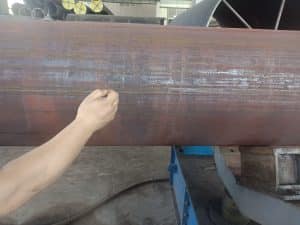
Why Buyers Prioritize In-House Laboratories
In the past, many buyers focused only on price. Today, international projects emphasize:
- Quality stability
- Batch consistency
- Testing capabilities
- Traceability systems
The real cost drivers of projects are not purchase prices but later:
- Pipeline maintenance
- Downtime losses
- Safety incidents
- Project delays
Manufacturers with mature in-house laboratories are more likely to be approved for large projects.
LONGMA has built a full quality control system including:
- Chemical composition analysis laboratory
- Mechanical properties laboratory
- Non-destructive testing center
- Heat treatment monitoring system
Full-process quality traceability is implemented from raw materials to finished products, supporting LONGMA’s long-term service to international oil, gas, energy and engineering projects.
How to Select a Steel Pipe Manufacturer with Mature Heat Treatment Capabilities
Buyers should focus on auditing these items:
| Audit Item | Key Focus |
| Heat Treatment Equipment | Automatic temperature control system |
| Process Capability | Experience in thick-walled pipe heat treatment |
| Testing Capacity | Complete in-house laboratory |
| International Certifications | API, ISO, CE, etc. |
| Project Experience | Track record in large international projects |
For API 5L, LSAW and high-strength steel pipe procurement, mature heat treatment capabilities often matter more than low prices.
Conclusion
Steel pipe heat treatment affects not only product properties but also engineering safety and long-term operational stability.
As global oil, gas, energy and infrastructure projects raise quality standards, buyers increasingly focus on manufacturers’:
- Heat treatment capabilities
- Testing systems
- Laboratory strength
- Quality traceability
As a professional steel pipe manufacturer with over 20 years of experience, LONGMA continuously optimizes heat treatment processes and quality control, providing global customers with high-reliability solutions for API 5L, LSAW and various engineering steel pipes.
If you are seeking a stable, reliable steel pipe supplier with international project experience, LONGMA is a trusted partner.
Contact us for:
- Steel pipe heat treatment technical solutions
- API 5L steel pipe test reports
- Third-party inspection certificates
- Project application cases
- Latest quotations and technical support
LONGMA delivers safer, higher-performance steel pipe solutions for your projects.