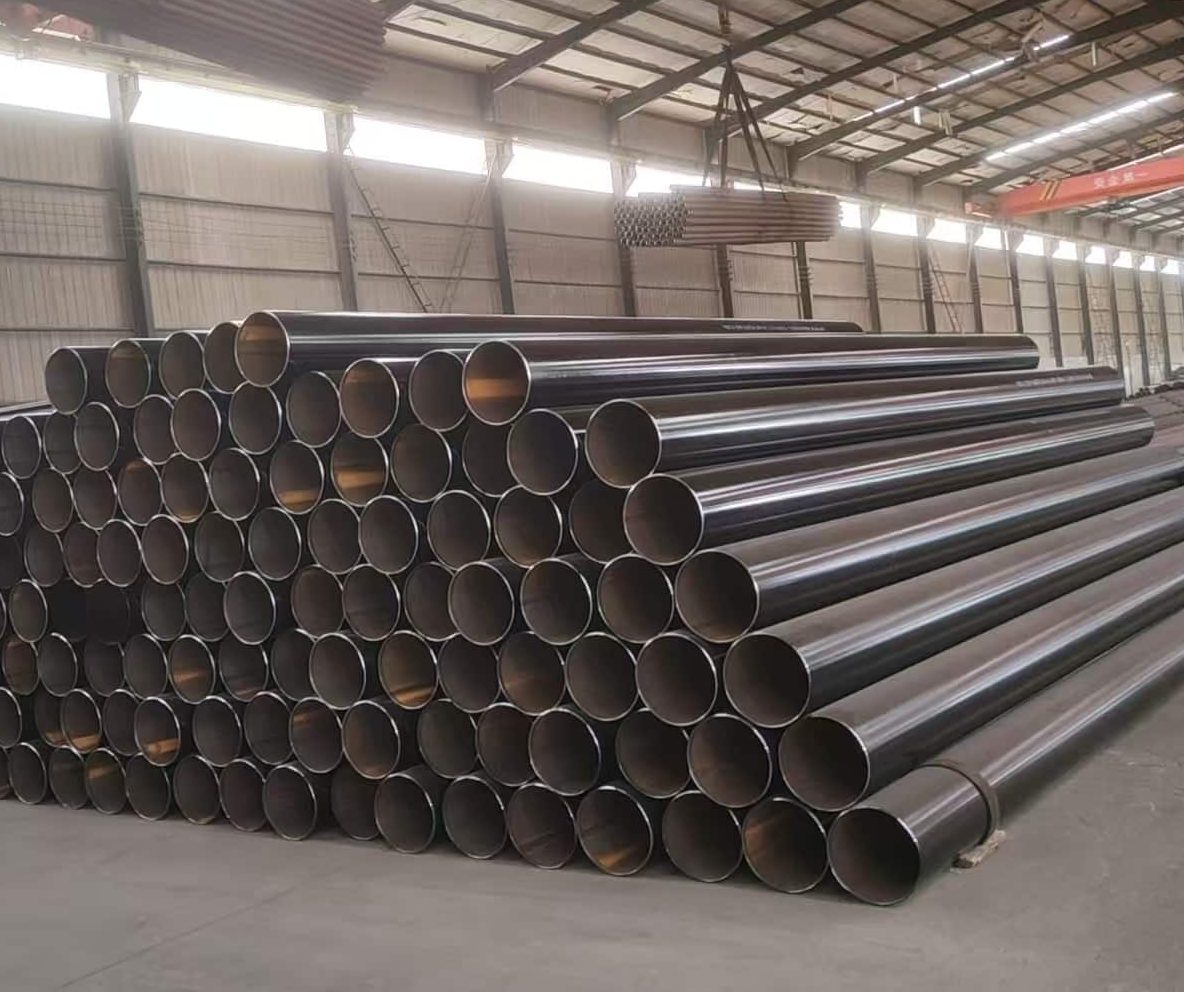
The AS/NZS 1163 dimensions & weight chart gives procurement professionals and design engineers consistent specifications for cold-formed structural hollow sections in circular (CHS), square (SHS) and rectangular (RHS) profiles. This chart specifies precise outer diameter ranges, wall thickness selections and calculated weight per metre for AS/NZS 1163 ERW pipe products produced in grades C250 to C550L0. Accurate dimension and weight information allows for reliable cost estimation, logistics planning and structural design compliance across construction, infrastructure and industrial projects.
Detailed AS/NZS 1163 Dimensions & Weight Chart Analysis
Circular Hollow Section (CHS) Specifications
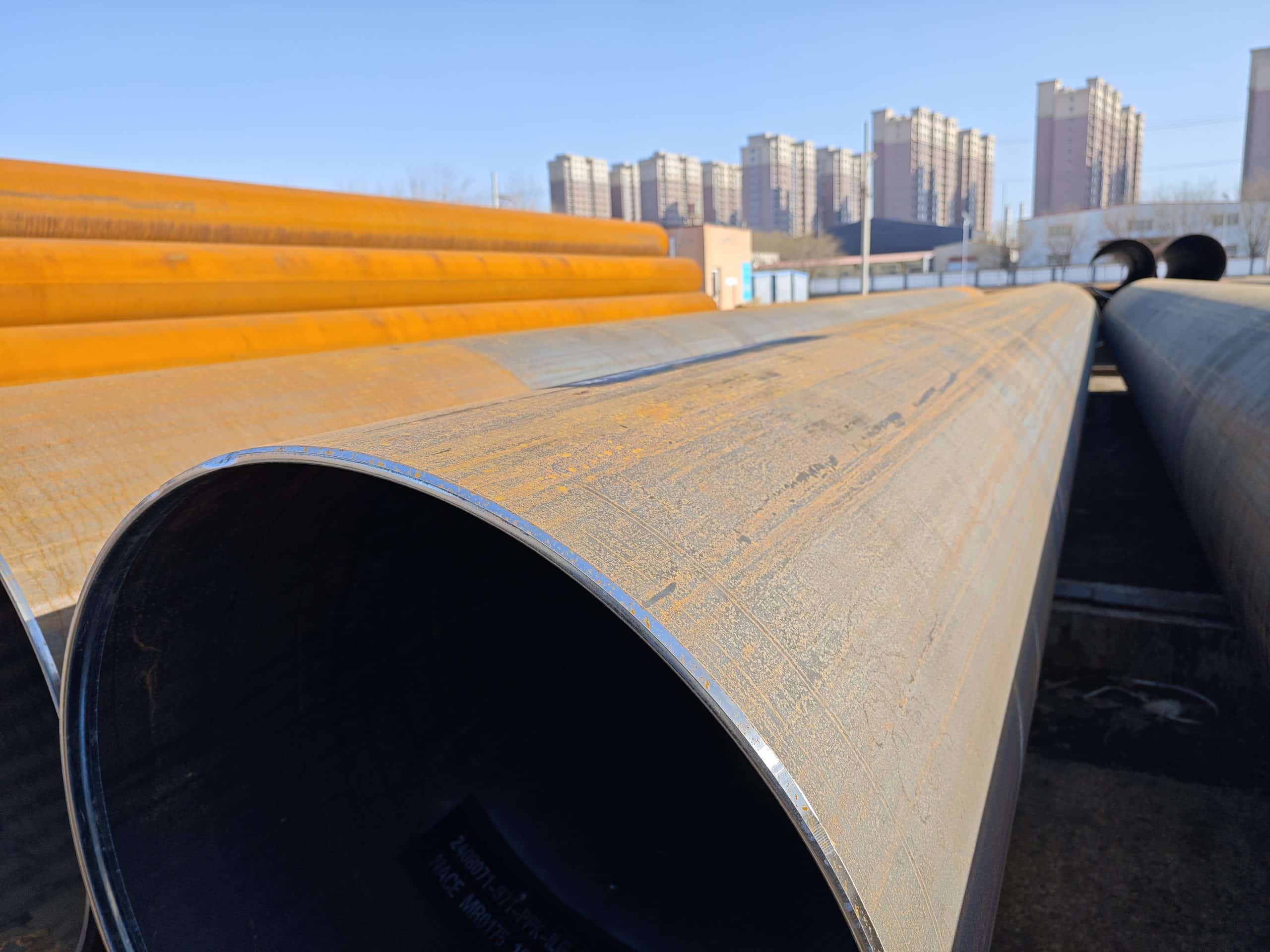
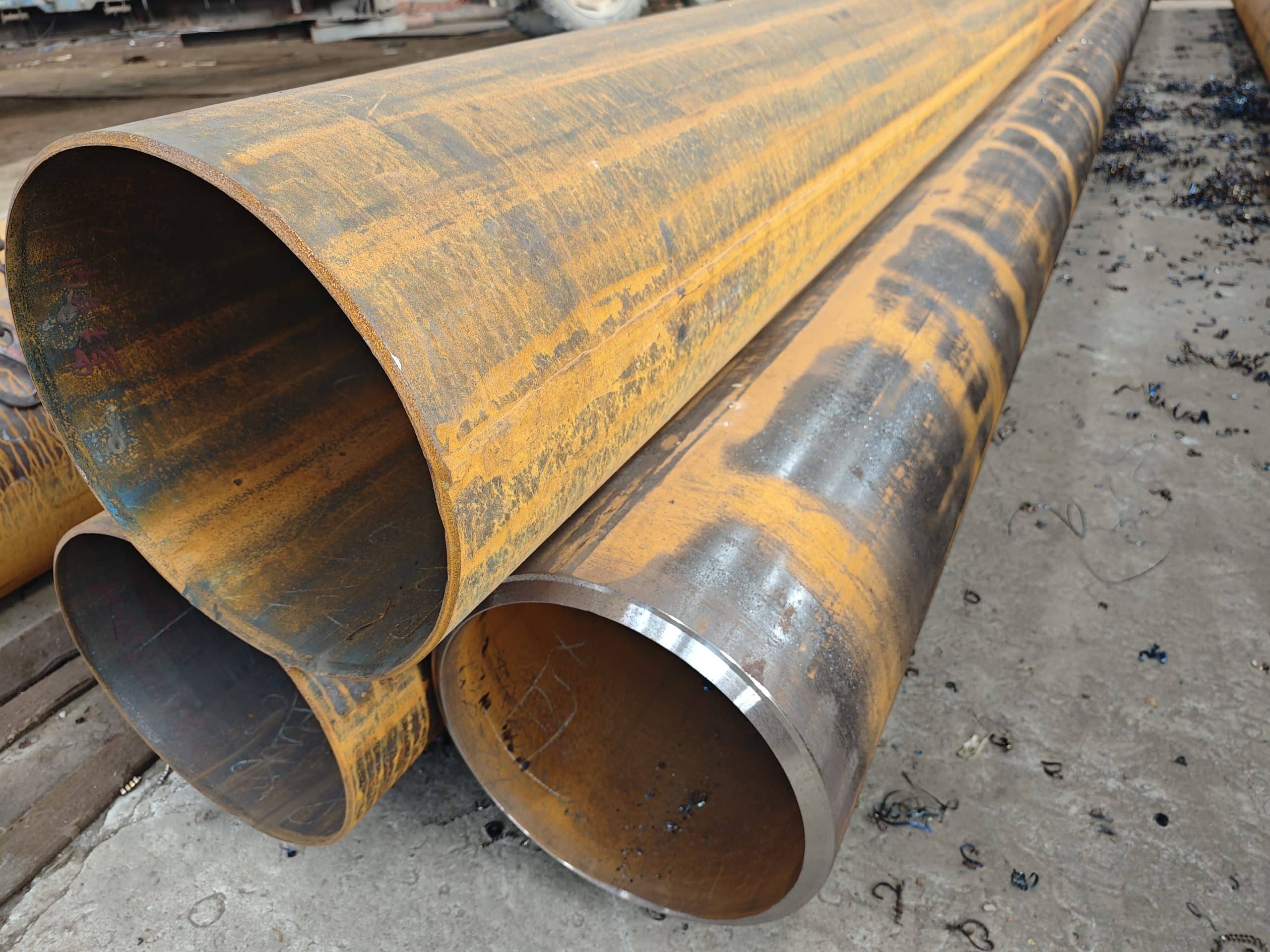
The outside diameter of the circular hollow parts can be from 21.3 mm to 508 mm and the wall thickness can be from 2 mm to 25 mm. For example, larger structural members such as 323.9 mm × 9.5 mm can weigh as much as 73.9 kg/m, while smaller ones such as 48.3 mm × 2.6 mm weigh about 3.02 kg/m. These size options can be used for a range of applications from handrails and light framing to heavy duty piling and columns structures. The round AS/NZS 1163 ERW pipe is ideal for tension members and decorative building elements because its weight is evenly distributed in all directions.
Square and Rectangular Hollow Section Dimensions
Round hollow sections (RHS) 50mm x 25mm up to 500mm x 300mm square hollow sections (SHS) 20mm x 20mm up to 400mm x 400mm A typical size like 100mm 100mm 6mm weighs 17.3 kg/m and is a great ratio for structural frame strength-to-weight. Rectangular profiles such as 150mm x 100mm x 6mm provide directional strength ideal for use in beams and purlins. The corner radius for SHS and RHS is unchanged at 2.5 x wall thickness. This guarantees the material will always act in the same way and that stress will be distributed in a predictable way.
Weight Calculations and Tolerance Standards
Standardized methods are used to figure out the weight per meter of AS/NZS 1163 ERW pipe, which are based on nominal measurements and the steel density of 7850 kg/m³. Under normal delivery conditions, manufacturing tolerances allow a difference of ±10% in wall thickness and ±1% in external dimensions. Because these limits change the real weight, procurement managers have to take small differences into account when they figure out the shipping weight and the cost of materials. When buying between 50 and 2000 tons of bulk, knowing these limits helps you plan how to load your containers and how much the freight will cost.
Practical Application in Project Planning
Data on dimensions and weight have a direct effect on decisions about how to design structures, how to move materials, and when to start building. For a job that needs 200 tons of 200mm × 200mm × 8mm SHS, the total length can be estimated at 39.1 kg/m, which tells you how many cranes you’ll need and how to set them up. Value engineering is also helped by accurate weight charts, which let engineers compare section sizes that meet strength standards while keeping material costs and shipping costs as low as possible.
Comparing AS/NZS 1163 ERW Pipes with Other Standards
AS/NZS 1163 vs ASTM A500 Structural Tubing
In North America, ASTM A500 is the same thing, but AS/NZS 1163 ERW pipe usually has tighter carbon equivalent controls and higher minimum yield rates. Grade C350 has a yield of 350 MPa, while ASTM A500 Grade B has a minimum yield of 317 MPa. The Australian standard also requires tighter tolerances for measurements and adds options for low-temperature impact testing that aren’t in the basic ASTM A500 specifications. As a result, projects built to AS 4100 structural codes must also meet AS/NZS 1163, which means that direct substitution is not possible without engineering review and approval.
ERW vs Seamless Pipe Characteristics
Hot-piercing methods make seamless pipes that don’t have longitudinal welds, but they usually cost 30–40% more than ERW pieces that do the same thing. For building uses that don’t need to contain pressure, AS/NZS 1163 ERW pipe hollow sections work just as well and are a better value. When it comes to tighter tolerances for size, cold-forming is better than seamless making. This is good for modular building and automatic production. When buying in bulk of 500 tons or more, purchasing managers can save a lot of money by choosing ERW structural parts over seamless options in the right situations.
Galvanized and Coated Options
After fabrication, hot-dip galvanizing is a great way to protect against corrosion in outdoor and corrosive environments. The finishing process increases the outside measurements by about 1-2 mm and the zinc thickness by 85–100 microns, which meets AS/AS 4680 standards. For uses that don’t need as much security, pre-galvanized tubing is a cheaper option. It should be clear in the procurement specifications whether a bare (black), oiled, pre-galvanized, or post-fabrication hot-dip galvanized finish is best for the project. This is because each option has different costs, lead times, and ways of being made.
Where and How to Source AS/NZS 1163 ERW Pipes
Selecting Qualified Manufacturers
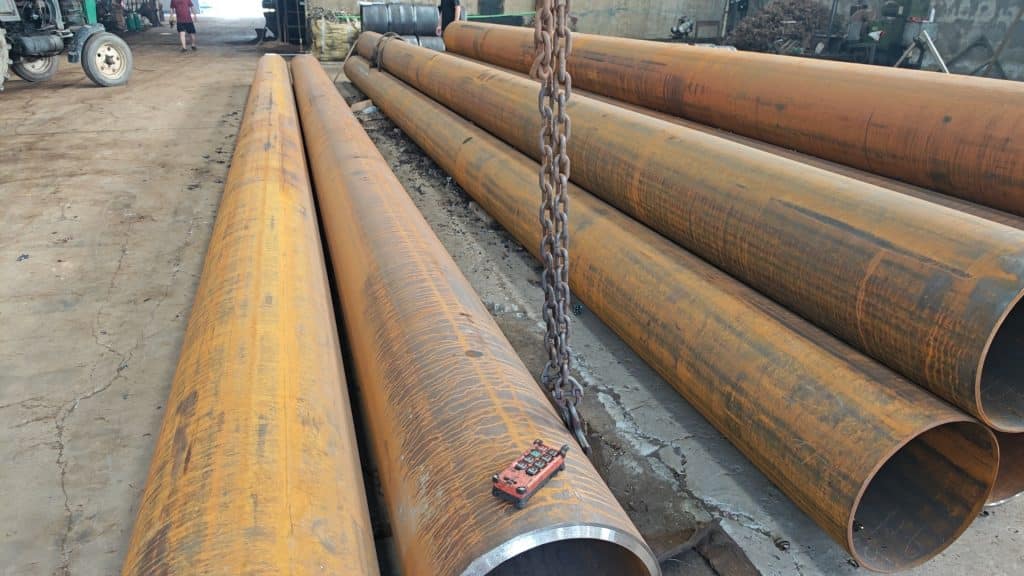
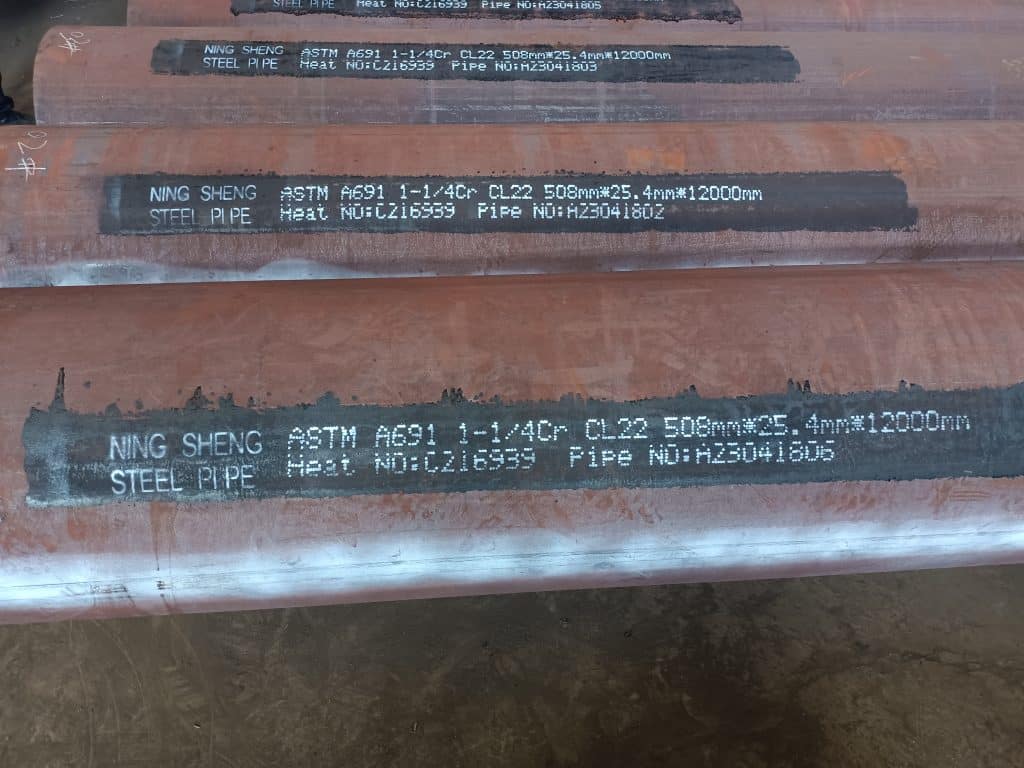
Manufacturers with a lot of experience have production licenses that are in line with AS/NZS 1163 and quality systems that are approved to ISO 9001 standards. Since 2003, LONGMA has been one of China’s top manufacturers of structural pipes. Its factories cover 230,000 square meters and can make more than 500,000 tons of pipes every year. When you buy directly from a factory that makes good products, you don’t have to pay markups to middlemen. You can also be sure that you can track all of your materials because each delivery lot has a Heating Number, a Batch Number, and a Product Number that are written down.
Critical Purchasing Considerations
Orders of 50 to 2000 tons AS/NZS 1163 ERW pipe usually get better prices and faster production scheduling because of their large size. Standard sizes ship within 30 days, but if you need specific measurements, it will take about 45 days after you confirm your order before you get your package. Managers of international purchases should make sure that suppliers can give them EN 10204 3.1 material certificates, mill test reports with mechanical qualities, chemical analysis results, and records of measurement inspections. These papers are necessary for clearing customs and making sure the quality of the project.
Quality Verification and Testing Protocols
Reliable sources test the whole thing, checking the tensile strength, doing Charpy V-notch impact tests for L0 grades, flattening tests on weld seams, and inspecting the dimensions with precise measuring tools. Inspection services hired by a third party can watch tests and make sure that paperwork is correct before it is shipped. To make sure that materials are handled properly throughout the logistics chain, procurement managers should ask for picture proof of how they are marked, bundled, and loaded.
Import Regulations and Logistics Planning
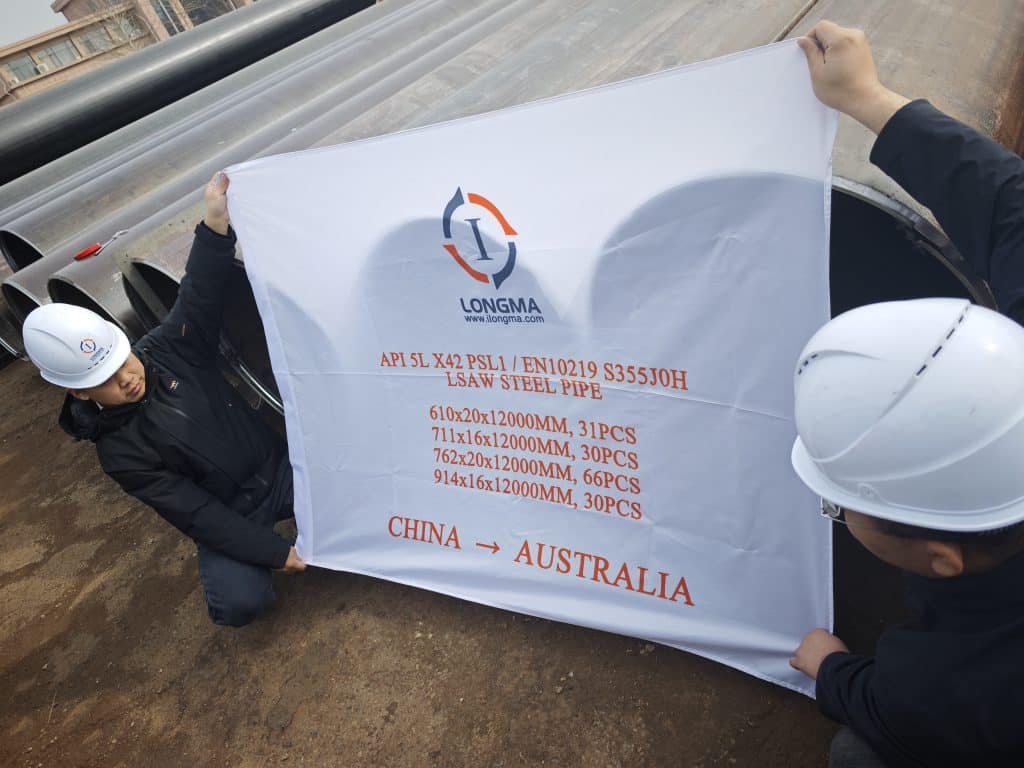
For AS/NZS 1163 ERW pipes to be shipped to markets in the Middle East, Southeast Asia, and South America, certificates of origin, commercial invoices, packing lists, and quality documentation must all be coordinated. Optimizing containers lowers the cost of shipping. Depending on the section size and bundle design, a 20-foot container can carry between 18 and 25 tons. Logistics partnerships help with door-to-door delivery with freight forwarding, customs brokerage, and destination handling services. Long-term suppliers like LONGMA are part of these partnerships.
Conclusion
The AS/NZS 1163 ERW pipe dimensions & weight chart is a must-have for procurement managers, engineers, and project planners who need to find cold-formed structural hollow sections. Knowing the standard’s range of sizes, figures for weight, and grade details helps you choose materials that meet performance needs and stay within your budget. When you look at the features of AS/NZS 1163 ERW pipe compared to other standards and ways of making them, you can see that they are much better in terms of accuracy in measurements, ease of welding, and cost-effectiveness for structural uses. Finding qualified manufacturers with a track record of producing high-quality goods, full documentation, and on-time delivery is the best way to make sure that a project succeeds in a variety of international markets.
FAQs
Can AS/NZS 1163 pipe be galvanized for corrosion protection?
Hot-dip galvanizing is a great way to protect AS/NZS 1163 structural sections from corrosion. After the metal is made, it is coated with zinc in a process called galvanizing. This coating meets AS/AS 4680 standards and is usually 85 to 100 microns thick. This treatment works well for outdoor uses, marine environments, and harsh industrial settings where long service life is important.
What distinguishes Grade C350 from C350L0?
Grade C350L0 goes through extra Charpy V-notch impact tests at 0°C with a minimum energy absorption of 27 Joules. This makes sure that it won’t break easily at low temperatures or in structures that are prone to breaking. Standard C350 doesn’t have any proven impact qualities, so it can’t be used in places where performance in cold weather or higher safety factors are needed.
How does carbon equivalent affect welding procedures?
Carbon equivalent values below 0.39% allow standard procedures to be used for welding without the need for pre-heating in most fabrication settings. This managed chemistry lowers the risk of hydrogen-induced cracking and lets contractors use standard welding tools and methods, which lowers the cost of manufacturing and boosts productivity compared to higher-carbon steels that need different welding procedures.
Partner with LONGMA for Reliable AS/NZS 1163 ERW Pipe Supply
LONGMA has been making high-quality structural hollow sections for challenging foreign projects for 20 years. Our ISO 9001-certified factories make AS/NZS 1163 ERW pipe in all sizes and grades, from C250 to C550L0, and they have full EN 10204 3.1 certification paperwork to back it up. We have successfully delivered over 500,000 tons a year to major oil and gas contractors like SINOPEC, CNPC, and PEMEX. This shows that we can handle bulk orders from 50 to 2000 tons at competitive prices and on time. Our expert logistics team makes sure that all of the materials used in every step of the production process can be tracked all the way to places in the Middle East, Southeast Asia, and around the world. Get in touch with our purchasing experts at info@ilongma.com to talk about your structural pipe needs with a reliable AS/NZS 1163 ERW pipe provider.