- 1. Is ASTM A671 Pipe Carbon Steel?
- 2. What Is ASTM A671?
- 3. ASTM A671 Grade vs. Class: What Is the Difference?
- 4. Why Is Pressure-Vessel-Quality Plate Used?
- 5. Is ASTM A671 Suitable for Low-Temperature Service?
- 6. What Testing Is Required for ASTM A671 Pipe?
- 7. What Does ASTM A671 Class 22 Mean?
- 8. ASTM A671 vs. ASTM A672
- 9. How Should Buyers Specify ASTM A671 Pipe?
- 10. What Should Buyers Look for in an ASTM A671 Manufacturer?
- 11. FAQ
- 12. Conclusion
Yes, some ASTM A671 pipe is made from carbon steel, but ASTM A671 should not be described simply as a carbon steel pipe specification.
ASTM A671/A671M is a specification for electric-fusion-welded steel pipe for atmospheric and lower-temperature service. The pipe is manufactured from pressure-vessel-quality plate covering several analyses and strength levels. The specification provides multiple grades and classes, so the exact material type depends on the specified Grade rather than on the term “A671” alone.
This distinction is important when purchasing ASTM A671 pipe for petrochemical, power, LNG, industrial, or other pressure piping applications.
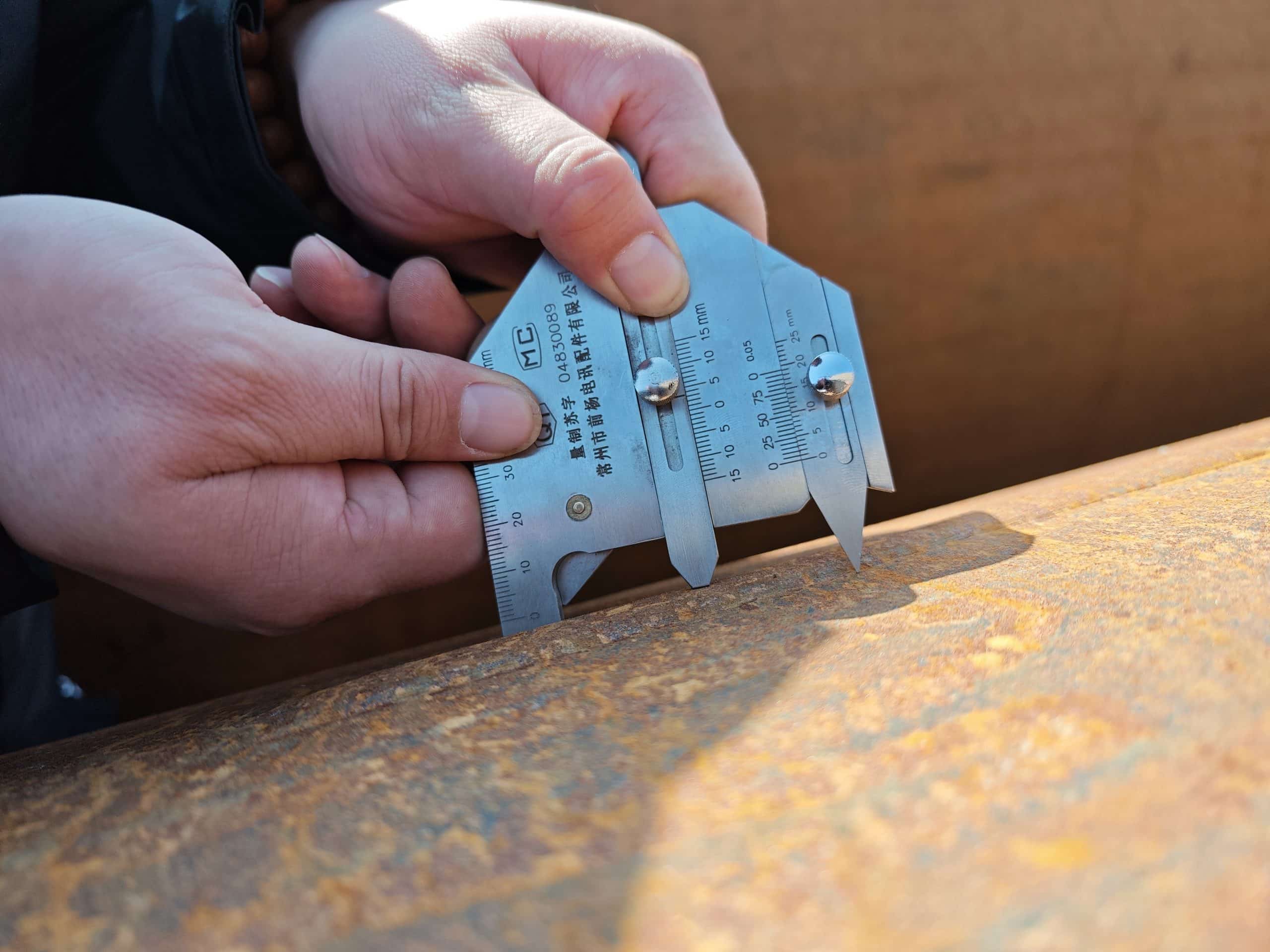
Is ASTM A671 Pipe Carbon Steel?
The short answer is:
Some ASTM A671 grades are carbon steel, but ASTM A671 is not limited to carbon steel.
The specification covers pressure-vessel-quality steel plate with different analyses and strength levels. Therefore, the purchaser needs to identify the exact Grade and Class specified for the project.
This is more accurate than treating every A671 pipe as the same carbon steel product.
For example, ASTM A671 includes grades based on different plate types, while the Class designation addresses the manufacturing treatment and inspection requirements applied to the finished pipe.
What Is ASTM A671?
ASTM A671/A671M is titled:
Standard Specification for Electric-Fusion-Welded Steel Pipe for Atmospheric and Lower Temperatures.
The current ASTM listing is ASTM A671/A671M-20(2025). The specification covers electric-fusion-welded pipe with filler metal added and fabricated from pressure-vessel-quality plate. It is intended for atmospheric and lower-temperature service and can be used for high-pressure service when the applicable design requirements are satisfied.
The specification nominally covers:
- Outside diameter: 16 in. (400 mm) and larger
- Wall thickness: 1/4 in. (6 mm) and greater
Other dimensions may be supplied when they comply with the requirements of the specification.
Therefore, it is not correct to describe A671 as simply “NPS 16–48 pipe” or to say that 6 mm is its standard wall thickness.
ASTM A671 Grade vs. Class: What Is the Difference?
This is one of the most important concepts when buying A671 pipe.
Grade
The Grade identifies the type of pressure-vessel-quality plate used to manufacture the pipe.
The grade therefore relates primarily to the base plate material.
Class
The Class identifies manufacturing and inspection conditions, including the heat treatment applied to the pipe and whether the weld is radiographically examined and whether the pipe is pressure tested.
ASTM provides different class designations for these combinations.
A simplified example is:
| A671 designation | What it tells the buyer |
| Grade | Type of plate/material used |
| Class | Heat treatment and specified inspection/testing combination |
| Complete designation | Defines the pipe more precisely for procurement |
Therefore, a purchase order should not simply say:
“ASTM A671 pipe”
It should specify the complete grade, class, dimensions, testing, and other project requirements.
Why Is Pressure-Vessel-Quality Plate Used?
ASTM A671 is manufactured from pressure-vessel-quality plate rather than being a generic welded pipe specification.
This allows the pipe to be produced for applications where controlled mechanical properties and manufacturing quality are important.
The exact plate grade and treatment depend on the specified A671 grade and project requirements.
The pipe manufacturing process generally includes:
- Pressure-vessel-quality plate selection
- Plate inspection
- Plate forming
- Edge preparation
- Longitudinal electric-fusion welding
- Required heat treatment
- Weld examination
- Hydrostatic testing where required
- Dimensional inspection
- Final documentation and traceability
The actual sequence and required tests depend on the selected grade, class, supplementary requirements, and purchase specification.
Is ASTM A671 Suitable for Low-Temperature Service?
It can be used for atmospheric and lower-temperature service, but suitability must be evaluated against the specific grade, class, temperature, thickness, and project requirements.
ASTM itself states that material selection should receive attention to service temperature and provides multiple grades and classes.
Therefore, buyers should not ask only:
“Is A671 suitable for low temperature?”
A better question is:
“Which ASTM A671 grade and class satisfies the project’s minimum design temperature and mechanical/impact requirements?”
This distinction is particularly important for LNG, refrigeration, cold-climate and other low-temperature applications.
What Testing Is Required for ASTM A671 Pipe?
Testing depends on the selected class and applicable requirements.
The ASTM specification includes requirements related to:
- Tensile testing
- Transverse guided weld bend testing
- Heat treatment
- Radiographic examination
- Hydrostatic pressure testing
- Dimensional requirements
ASTM A671’s Class system specifically identifies whether the pipe is stress relieved, normalized, or subjected to other specified heat treatment, and whether radiography and pressure testing are included.
Additional supplementary requirements may also be specified by the purchaser.
This means that buyers should never assume that every A671 pipe receives exactly the same inspection package.
What Does ASTM A671 Class 22 Mean?
Class 22 is one of the A671 class designations.
According to ASTM’s current public description, Class 22 combines:
- Stress-relief heat treatment
- Radiographic examination of the weld
- Pressure testing
This is why “A671 Class 22” provides significantly more information than simply saying “A671 pipe.”
However, Class 22 does not identify the base steel chemistry. The Grade must also be specified.
This is an important distinction for procurement teams.
ASTM A671 vs. ASTM A672
ASTM A671 and ASTM A672 are both electric-fusion-welded pipe specifications, but they serve different specification scopes.
A671 is intended for atmospheric and lower-temperature service, while A672 covers electric-fusion-welded steel pipe for high-pressure service at moderate temperatures.
The correct choice depends on:
- Service temperature
- Design pressure
- Plate material
- Mechanical properties
- Impact requirements
- Heat treatment
- NDT requirements
- Applicable design code
Therefore, A671 should not automatically be substituted for A672 simply because both are large-diameter EFW pipe specifications.
How Should Buyers Specify ASTM A671 Pipe?
A technically complete RFQ should provide more information than the standard number.
A useful procurement specification should identify:
Material
- ASTM A671/A671M
- Required Grade
- Required Class
Dimensions
- Outside diameter
- Wall thickness
- Pipe length
- End preparation
Service Conditions
- Design pressure
- Operating temperature
- Minimum design temperature where applicable
- Fluid/service environment
Testing
- Radiographic examination
- Ultrasonic examination where specified
- Hydrostatic testing
- Impact testing where required
- Dimensional inspection
Documentation
- Material test certificate
- Heat-number traceability
- Inspection reports
- NDT reports
- Hydrostatic test records
- Third-party inspection documentation where required
A complete specification helps prevent misunderstandings between the EPC contractor, purchaser and pipe manufacturer.
What Should Buyers Look for in an ASTM A671 Manufacturer?
For large-diameter A671 pipe, buyers should evaluate whether the manufacturer can actually support the specified requirements.
Important points include:
| Supplier capability | What buyers should verify |
| Diameter range | Actual production range |
| Wall thickness | Available and qualified thickness range |
| Welding | Appropriate EFW manufacturing capability |
| Heat treatment | Capability for the specified class |
| NDT | RT/UT capability according to order requirements |
| Hydrostatic testing | Applicable test capability |
| Material traceability | Plate heat number through finished pipe |
| Documentation | MTC and inspection records |
| Third-party inspection | Ability to coordinate project inspection |
| Project experience | Relevant large-diameter applications |
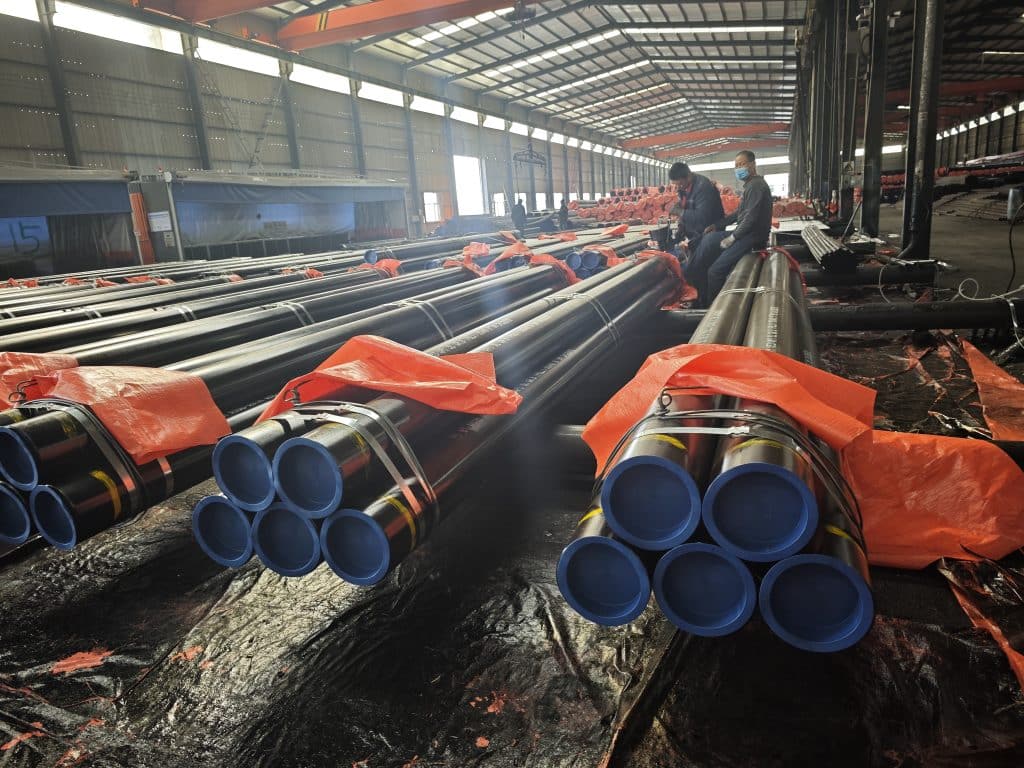
For LONGMA, the information provided for this website project states that the company manufactures large-diameter electric-fusion-welded steel pipe and supports RT, UT, hydrostatic testing, material traceability and third-party inspection coordination. These statements should be kept aligned with the company’s current certifications, equipment and actual production scope before publication.
FAQ
Is ASTM A671 carbon steel?
Some A671 grades are carbon steel, but ASTM A671 is not limited to carbon steel. The specification covers pressure-vessel-quality plate of several analyses and strength levels, so the exact Grade must be checked.
Is ASTM A671 seamless or welded?
ASTM A671 covers electric-fusion-welded steel pipe with filler metal added.
What is the minimum size covered by ASTM A671?
The specification nominally covers pipe 16 in. (400 mm) and larger in outside diameter, with wall thickness of 1/4 in. (6 mm) or greater. Other dimensions may be furnished when they comply with the specification.
What is the difference between A671 Grade and Class?
Grade identifies the type of plate used. Class identifies the applicable heat treatment and whether radiographic examination and pressure testing are performed.
Does ASTM A671 automatically mean cryogenic service?
No. A671 is for atmospheric and lower-temperature service, but the suitability of a particular pipe depends on the selected Grade, Class, dimensions, temperature, impact requirements and applicable design requirements.
Can ASTM A671 be used for LNG projects?
Potentially, depending on the specific service conditions and project specification. LNG service requires careful consideration of minimum design temperature, toughness, grade, class, welding, inspection and applicable design codes.
Conclusion
ASTM A671 pipe should not be described simply as “carbon steel pipe.”
The specification covers electric-fusion-welded steel pipe manufactured from pressure-vessel-quality plate with different analyses and strength levels. The Grade identifies the plate type, while the Class identifies important manufacturing and inspection conditions.
For procurement, the complete ASTM A671 designation, dimensions, service conditions, testing requirements and documentation should be confirmed before production.
For projects requiring large-diameter electric-fusion-welded steel pipe, LONGMA can provide project-specific technical and manufacturing support based on the required specification. Buyers should provide the complete technical requirements so that the appropriate material, class, testing and documentation can be confirmed before quotation and production.