- 1. API 5L X46 Pipe: Specifications and Chemical Composition
- 2. Performance Characteristics of API 5L X46 Pipe in Industrial Applications
- 3. Comparing API 5L X46 Pipe with Similar Grades: A Decision-Making Guide
- 4. Quality Assurance and Testing Methods for API 5L X46 Pipe
- 5. Conclusion
- 6. FAQ
- 7. Partner with LONGMA for Your API 5L X46 Pipe Supply Needs
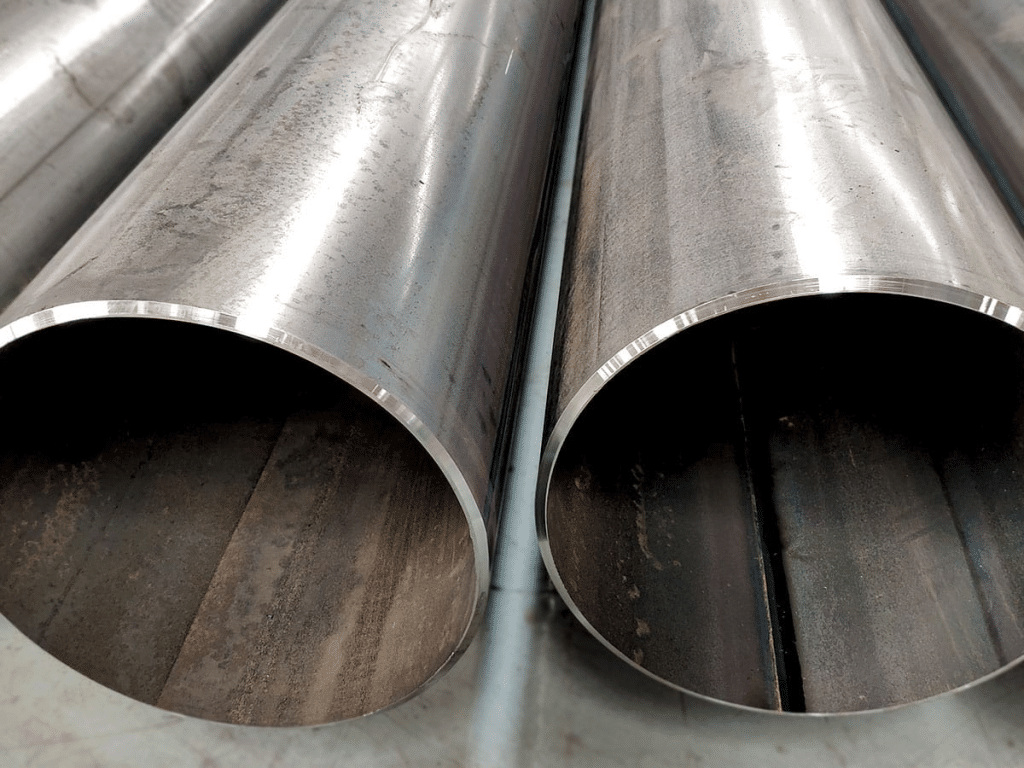
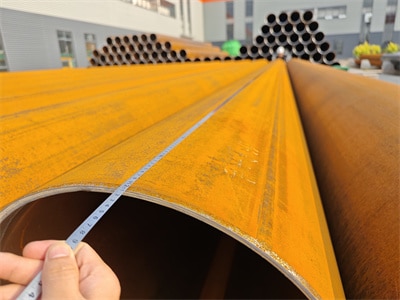
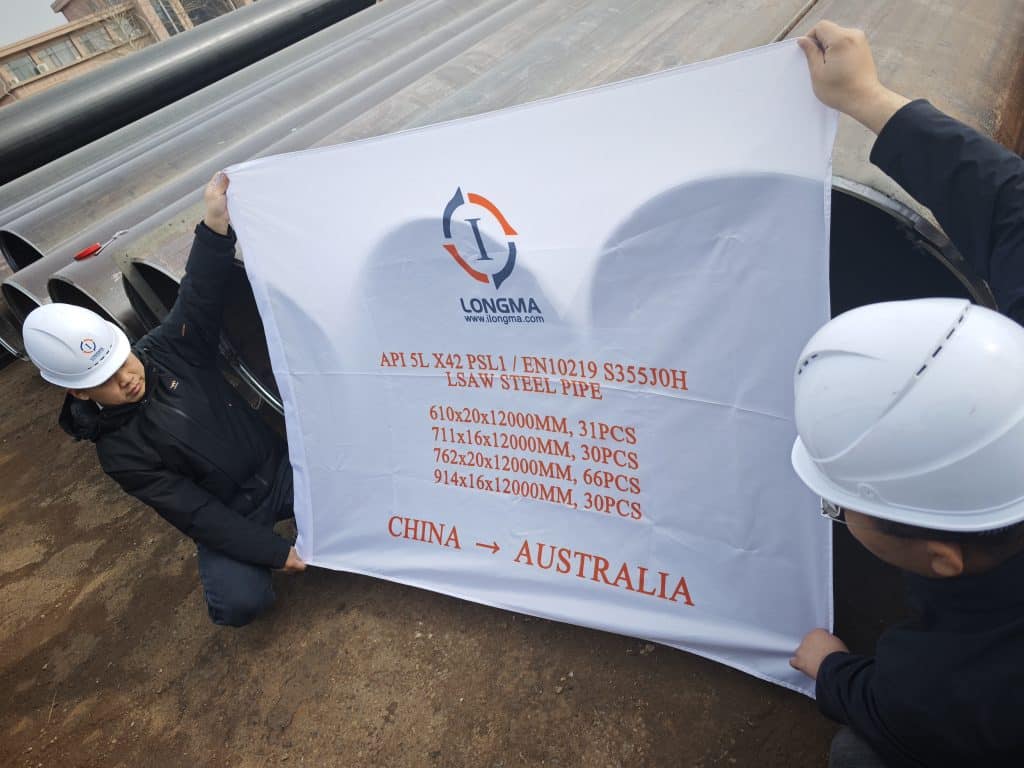
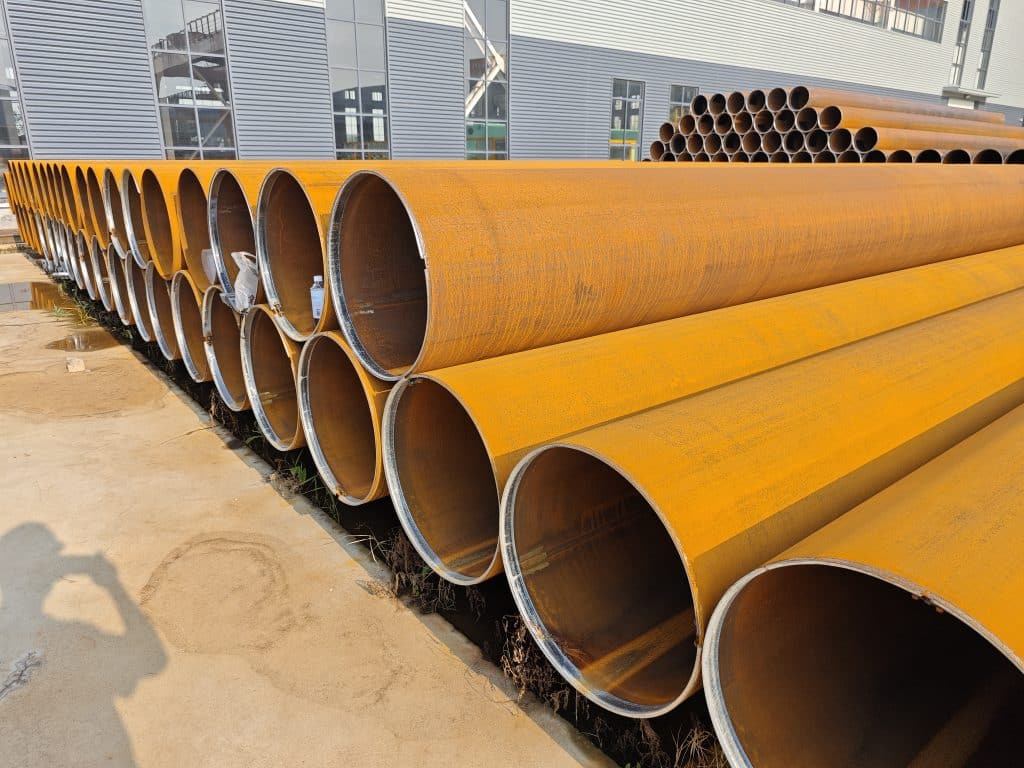
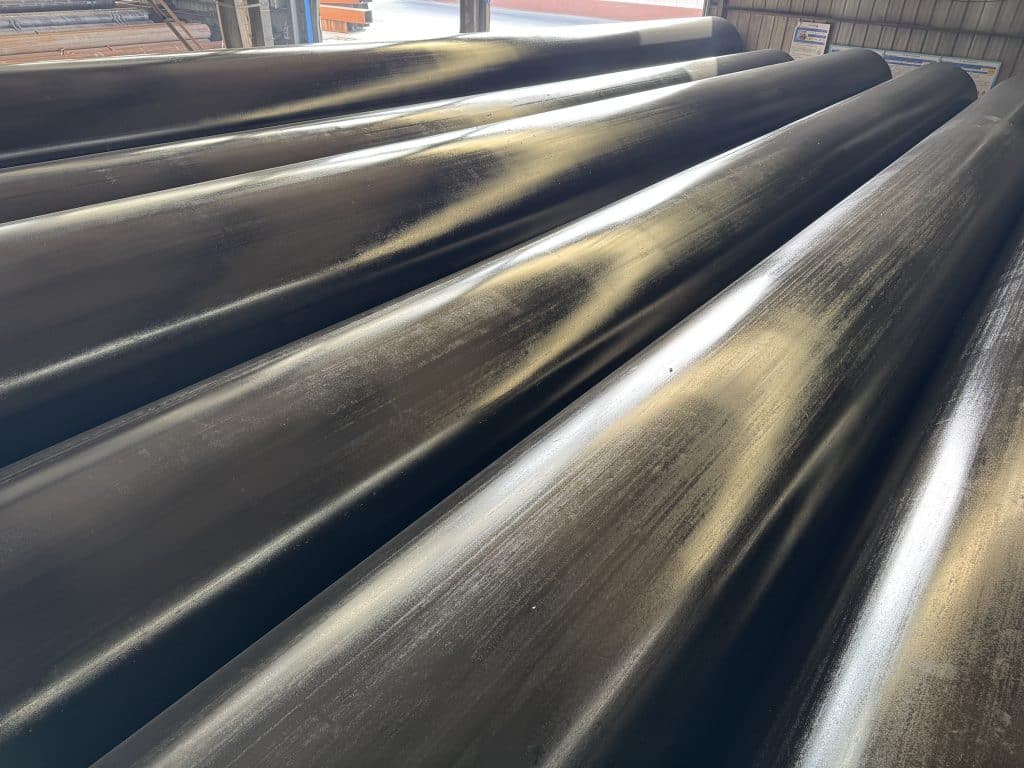
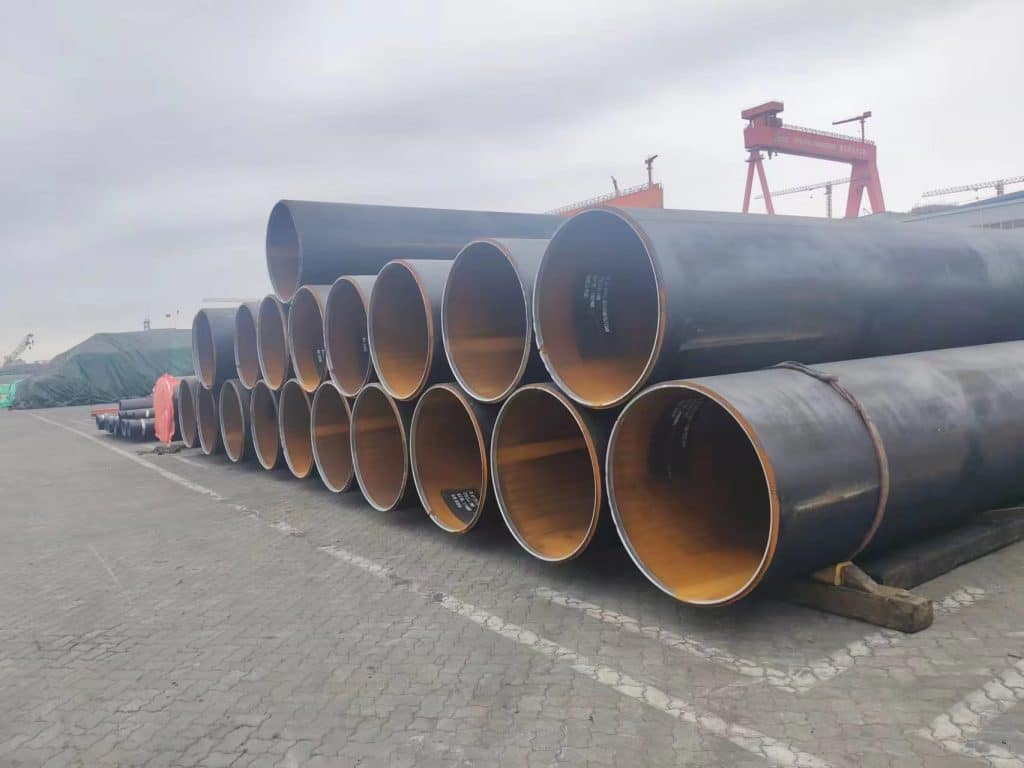
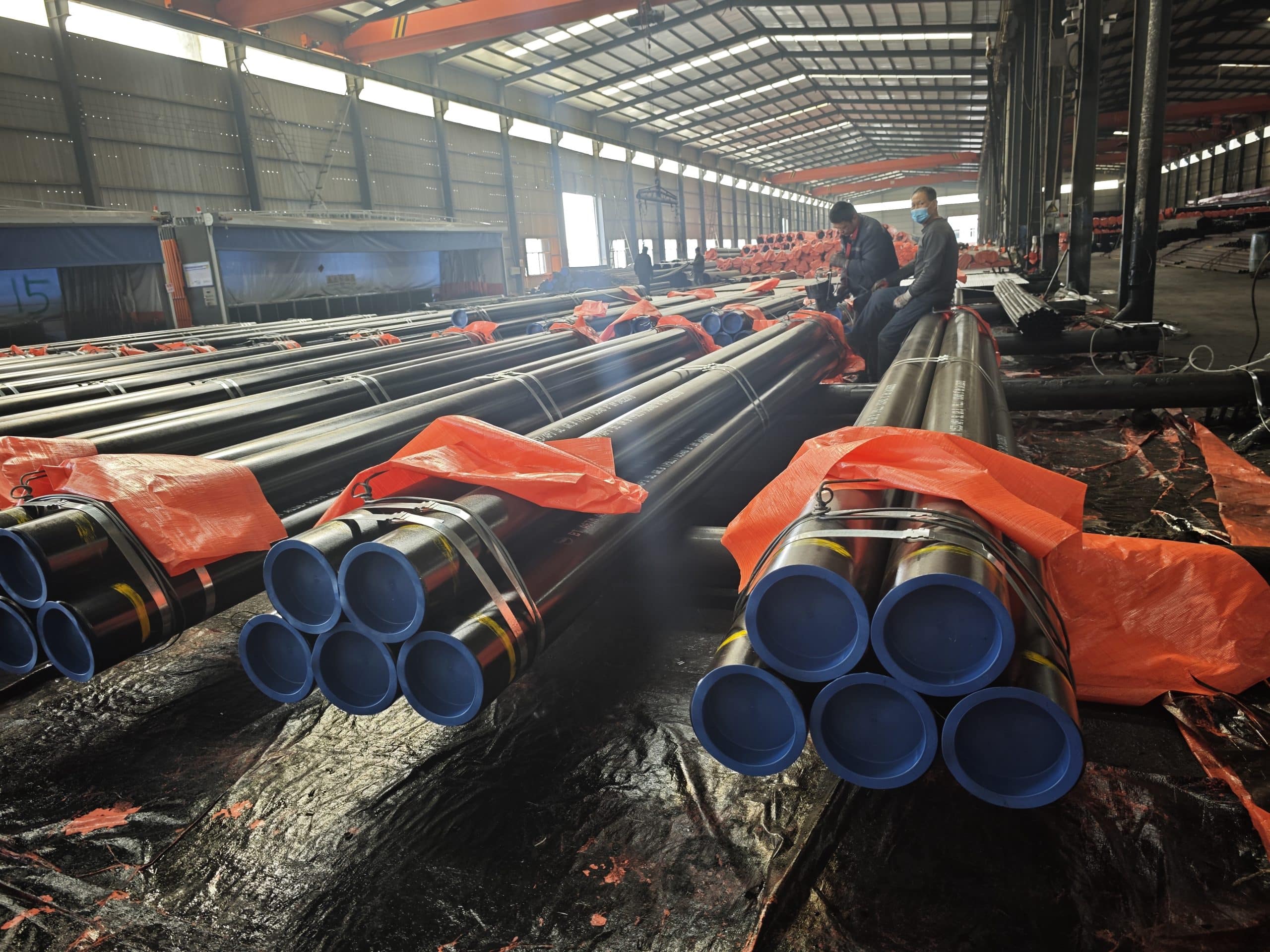
API 5L X46 pipe is a realistic alternative for oil, gas and water transmission when pipeline projects need consistent performance without the premium cost of ultra-high-strength steels. This grade has a minimum yield strength of 46,400 psi (around 320 MPa) falling in between general-purpose Grade B and higher-strength X52 or X60. X46 line pipe is a high-strength option for medium pressure onshore and offshore pipelines and is manufactured to API Specification 5L. ERW and LSAW methods both produce X46 pipes with similar dimensional tolerances and consistent weld quality.
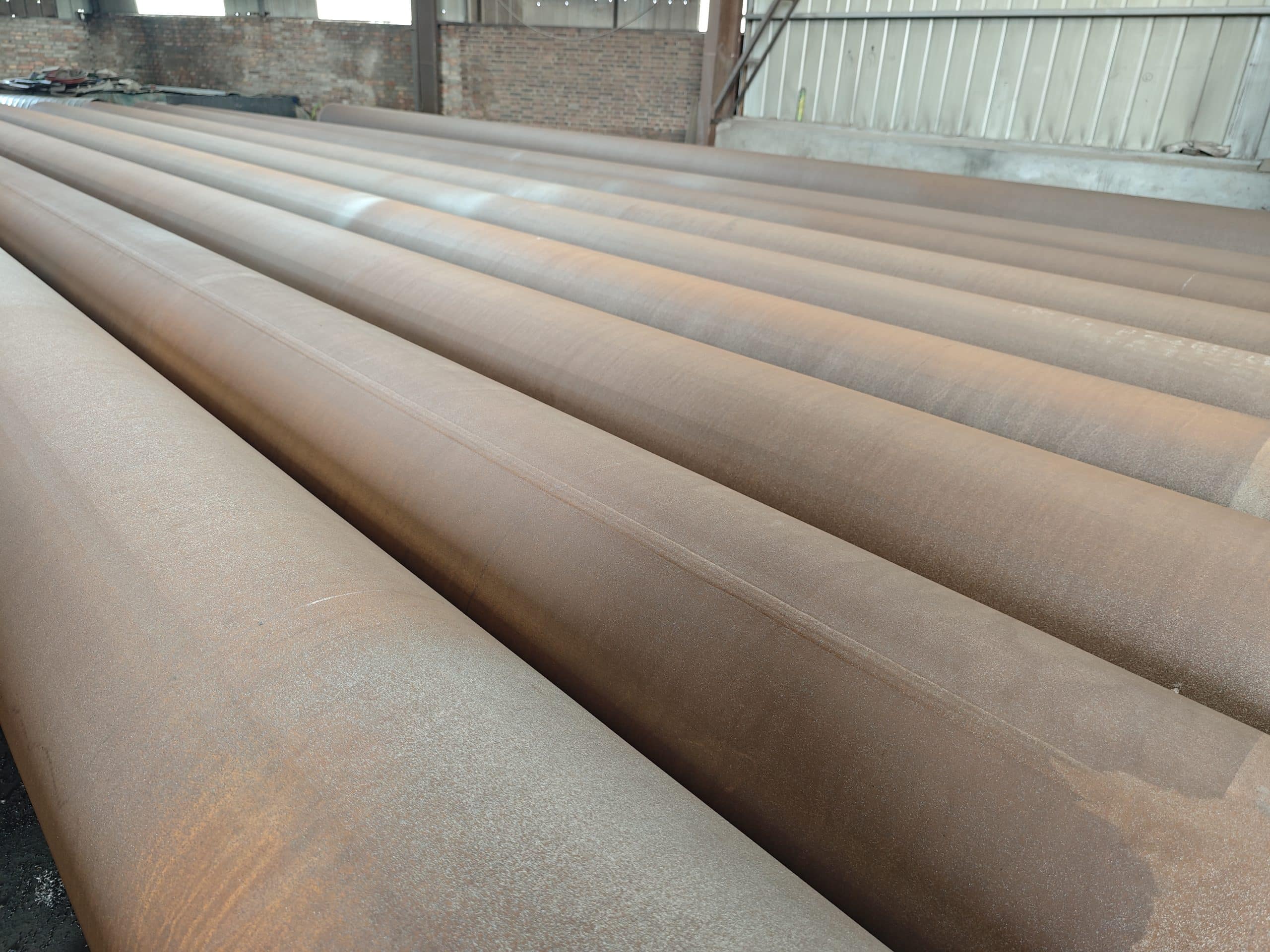
API 5L X46 Pipe: Specifications and Chemical Composition
You need to grasp technically how this grade works before making a large buy. The properties of API 5L X46 pipe directly effect weldability, fracture resistance and long-term pipeline safety.
Chemical Composition Requirements
The chemistry of API 5L X46 steel is very well controlled to provide constant performance. PSL1 is usually 0.26% to 0.28% carbon concentration, with tougher PSL2 restrictions to increase weldability and prevent hydrogen cracking. Manganese (typically 1.20% to 1.40%) contributes to strength and toughness. PSL2 limits phosphorus and sulfur each to 0.030% to reduce brittle phases. Field welding requires less preheat (CEV < 0.43%), reducing installation time and fault rates on distant work locations. Small additions of silicon, niobium, vanadium and titanium enhance the grain structure and increase the notch toughness without affecting weldability.
Mechanical Properties and PSL Specification Levels
API 5L X46 pipe has a minimum yield strength of 320 MPa and a minimum tensile strength of 435 MPa, therefore it can withstand most medium pressure applications with ease. The elongation at full section should be not less than 21 percent to let the material to withstand slight deformations when installed without breaking. Yield strength of X46 is 10% greater than X42 which allows thinner walls for same pressure or broader safety margins for similar thickness. This is good for big diameter trunk lines where savings mount up over thousands of tons. X46 is also the economic alternative to X52 when design calculations demonstrate that the greater strength is not required.
Product specification levels determine the rigor of quality control and testing throughout manufacturing. PSL1 is for typical line pipe with easy chemical and mechanical requirements, which speeds up manufacturing and lowers costs. PSL2 introduces a number of quality measures, including Charpy V-Notch impact testing at defined temperatures, stricter carbon equivalent limits and required non-destructive examination of welds. PSL2 is often required for cold regions, sour service or tight operator regulations such as Saudi Aramco SAES. The additional expense avoids high costs of failure and rejection of the batch during third party inspection.
Performance Characteristics of API 5L X46 Pipe in Industrial Applications
Material qualities are irrelevant, if they do not transfer into actual world stability. API 5L X46 steel has to withstand decades of changing pressure, corrosive media and harsh weather.
Final attributes significantly depend on manufacturing procedures. ERW pipes are normalized at the weld or fully heat treated to smooth out the weld heat affected zone and eliminate hard microstructures that might break. The LSAW pipe is post-weld heat treated so the longitudinal seam will behave as base metal. Proper treatment produces beautiful equiaxed grains, increases strength and hardness. This is of great importance for the X46 pipes in low temperature use, when notch toughness is essential. If projects require greater fracture resistance, the purchase specifications should include normalizing or quench-and-temper treatments.
Carbon steel line pipe is susceptible to corrosion from wet gasoline, brackish water and dirt. API 5L X46 pipe is not corrosion resistant like stainless steel, however protective coatings and cathodic protection allow it to work effectively. External coating is made using three-layer polyethylene (3LPE) or fusion-bonded epoxy (FBE). These coatings protect against moisture and microorganisms in the soil. There are standards like DIN 30670 to ensure uniform coating coverage. Multiphase flow has wear, corrosion and friction reduced by internal linings. Sour Service: X46 material should be NACE MR0175/ISO 15156 compliant. Calcium treatment alters the inclusions so that the material will not shatter due to hydrogen.
The economics of a pipeline are driven by total installed cost, not simply material pricing. API 5L X46 pipe has an excellent strength to weight ratio, necessitating a lower wall thickness than lesser grades, reducing tonnage and transportation costs. Controlled carbon content makes it easier to weld using SMAW, GTAW or automated submerged arc procedures without costly preheating or post-weld stress relief. Its ductility is suitable for field fit-up, tack welding and bending for crossings and has less springback than ultrahigh strength grades. These fabrication benefits help to speed projects and reduce labor costs for EPC contractors working on fixed-price contracts.
Comparing API 5L X46 Pipe with Similar Grades: A Decision-Making Guide
Material choice is a compromise between efficiency, cost and risk. Knowing where API 5L X46 pipe falls in the broader spectrum of grades will help you make smarter buying choices.
X46 vs. X42 and Higher Grades
Both grades are for medium pressure pipelines, however API 5L X46 pipe has around 10 percent greater yield strength than X42. This allows designers to reduce wall thickness by around 7 to 9 percent at the same hoop stress, which translates into material savings on projects over 30 inches in diameter. The premium of X46 above X42 is typically 3 to 5 percent a ton, however the upgrading is worth it when a lighter weight compensates for the higher unit price. Some operator requirements need a minimum of X46 characteristics. However, if calculations for maximum permitted working pressure reveal that X42 is adequate using typical wall schedules, the use of X46 adds expense without actual safety benefit.
X52 and X56 are 8–12% more expensive than API 5L X46 pipe on the strength scale, with the highest grades being more expensive yet. These grades are required when design pressures exceed the capability of X46 or where minimization of pipe weight is crucial to installation logistics. Lighter X56 pipes are suited for offshore jacket platforms with limited crane space, whereas long distance gas lines beyond 1,200 psi need X60 or X65. But a lot of water intake and distribution and collection systems run perfectly at X46 pressure levels, so upgrading would not pay. Procurement teams should assess design arguments to minimize over-specification based on too conservative assumptions.
| Grade | Strength Relationship to X46 | Cost Relationship | Best Fit |
| X42 | About 10% lower yield strength | Usually 3 to 5 percent less per ton | Lower-cost medium-pressure lines |
| X46 | Baseline for comparison | Baseline pricing | Balanced medium-pressure pipelines |
| X52, X56 | Higher strength grades | 8–12% more per ton | High-pressure service and offshore platforms |
X46 vs. Stainless Steel: Material Class Comparison
Stainless steel pipes are 5 to 8 times more expensive than carbon steel API 5L X46 pipes but endure longer and are corrosion resistant. The price differential makes stainless steel economically attractive only when corrosive media attack carbon steel too rapidly, when coating maintenance cannot be performed, or when product purity prohibits iron contamination. Examples include subsea flowlines handling corrosive generated water and food grade water systems . API 5L X46 pipe will last for decades at a far reduced life cycle cost for crude oil, dry natural gas and fresh water with a good coating and sufficient corrosion tolerance. “Decision matrices should weigh the cost of coatings and corrosion rates against the benefits of stainless over the design life.”
Quality Assurance and Testing Methods for API 5L X46 Pipe
Good quality control may be the difference between dependable pipeline infrastructure and a catastrophic breakdown. Pipes produced have been extensively tested and shown to fulfill design assumptions on which safety factors and stress calculations are based.
Ultrasonic testing (UT) is used to detect internal defects in the pipe body and weld zones such as laminations, inclusions and lack of fusion . Fully automated UT systems scan the whole surface at production-line speed, rejecting pipes that do not meet API 5L or client acceptance standards. RT (radiographic testing) gives permanent film recordings of weld quality, e.g. porosity, slag or lack of penetration. • Liquid penetrant (PT) and magnetic particle (MT) tests are used to detect surface-breaking fractures in non-magnetic and ferromagnetic materials. PSL2 pipes have a more stringent NDT than PSL1. The needed procedures, inspection percentages and acceptance criteria should be clearly specified.
Samples are taken from the pipe bodies and tested in tension to verify yield strength, tensile strength, and elongation to grade requirements, usually once every 100 pipes or once each manufacturing lot. Charpy V-Notch impact testing is used to determine toughness at certain temperatures since it may be required for cold environments or quick depressurization. PSL2 demands minimal absorbed energy at temperatures similar to service. Flattening tests compress sections of pipe until opposing walls touch . These tests examine weld strength and ductility for cracking . Hydrostatic testing is the process of pressurizing pipes above the maximum operating level to provide leak-free, pressure-stable products.
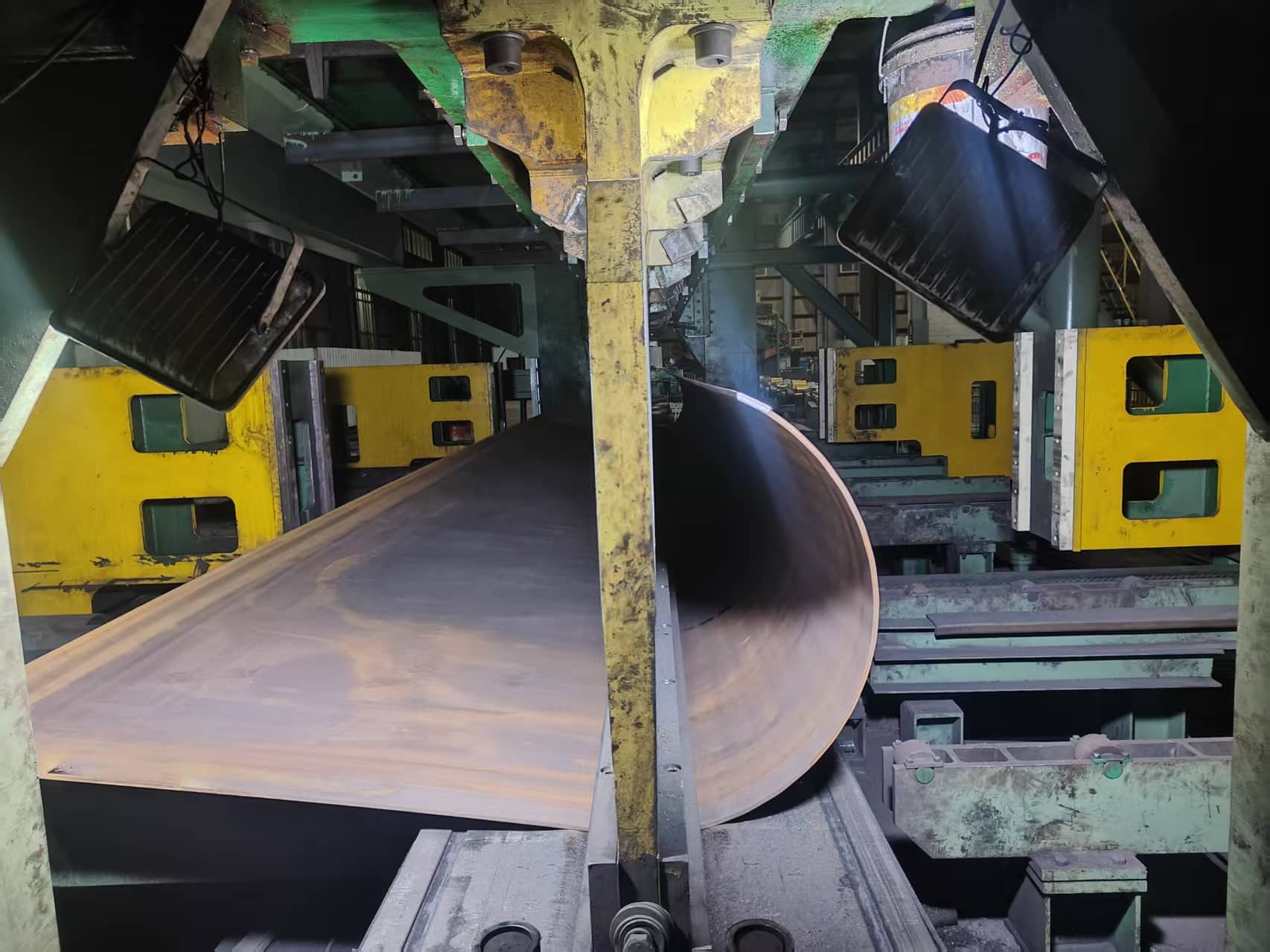
Inline heat treatment benefits ERW pipes immediately after welding, providing sufficient thermal cycles to the weld seam prior to coiling or cutting. ERW production is continuous, hence quality remains constant with stable parameters for the process; nevertheless, setup adjustments and coil shifts are areas of variation that need to be closely monitored. For LSAW the plates are formed one at a time by passing them through a JCOE or UOE. Each pipe is a discrete manufacturing event where forming pressures and weld parameters are carefully controlled. Both processes can provide equal quality of finish with strong quality systems. Selection depends on diameter range, wall thickness requirements and delivery schedules.
Conclusion
Considering all factors, API 5L X46 pipe is the most suitable grade for line pipes. It is stronger than X42 and cheaper than X52 and above. Balanced chemistry makes it dependable to weld in the field and offers high corrosion resistance when properly coated and protected. But successful procurement is based on careful supplier screening, clear PSL and testing requirements and transportation planning that keeps projects on schedule. API 5L X46 pipe is ERW for economical medium diameter applications or LSAW for high pressure large diameter trunk lines.
FAQ
1. What industries commonly use X46 grade line pipe?
The main uses are for oil and gas gathering systems, water injection networks, and medium-pressure gas delivery pipes. For the best cost-performance mix, onshore crude oil transfer lines that work below 900 psi often choose API 5L X46 pipe. This grade is used in petrochemical plants for service and process water pipes when stainless steel is not cost-effective.
2. Does X46 pipe require special corrosion protection?
For buried pipes, it is common to coat the outside with 3LPE or FBE systems. This is done along with cathodic protection to stop electrochemical corrosion. When created water is corrosive or when reducing friction is worth the money, internal coats are needed. Sour service settings with H2S need materials that are NACE-compliant, and in the worst cases, they may need corrosion-resistant metal overlays.
3. What certifications should buyers verify before ordering?
Manufacturing compliance is proven by a valid API 5L Monogram license from the American Petroleum Institute. With a certified material test certificate (manufacturer-authorized) or a 3.2 certificate (third-party observed), you can track back to certain production heats. Getting ISO 9001 approval shows that your quality system is mature. Reports from third-party inspections by well-known organizations provide extra security for important projects.
Partner with LONGMA for Your API 5L X46 Pipe Supply Needs
LONGMA has long been making high-quality ERW and LSAW steel pipes, supplying leading national and international energy companies around the world. Our large stock of API 5L X46 pipe means we can move quickly for urgent projects, while custom manufacturing requires additional time to meet specific requirements — our team can confirm exact timing for your order. Every pipe meets certified material test certificate / 3.2 certification standards because it is possible to track it all the way from buying the steel plate to the final testing. As a reliable API 5L X46 pipe maker that has completed projects in harsh settings ranging from deserts in the Middle East to jungles in Southeast Asia, we know how important it is to deliver on time and make sure the quality is high. Email our engineering team at info@ilongma.com to talk about your pipeline needs and get thorough technical ideas backed by our manufacturing experience.