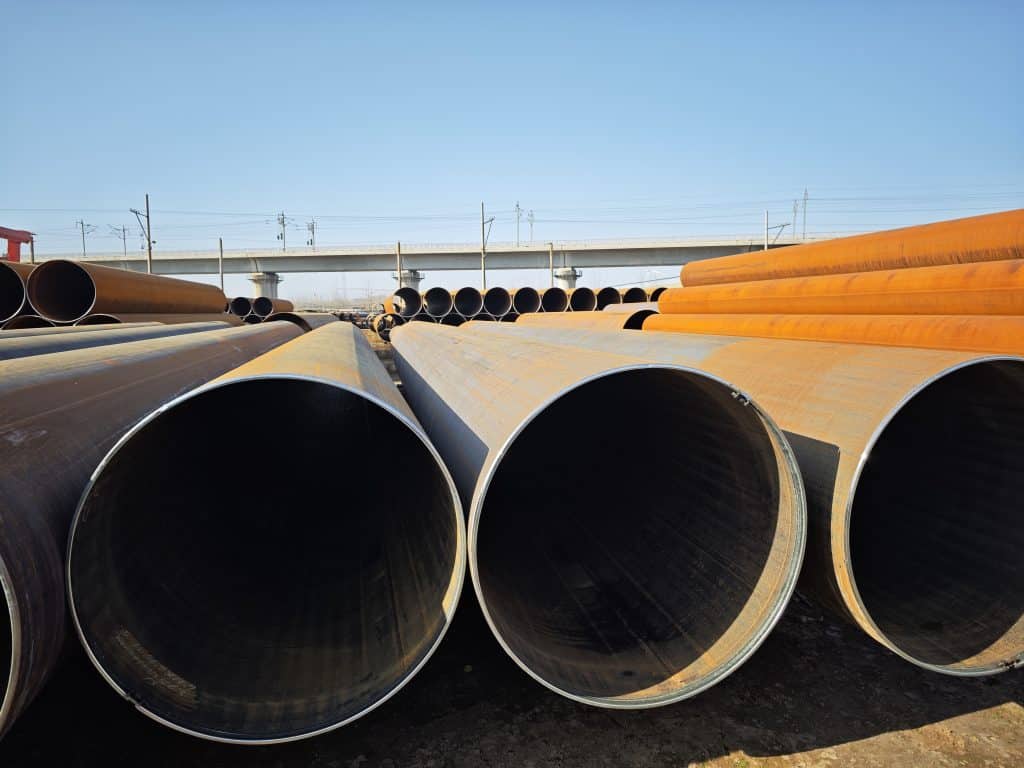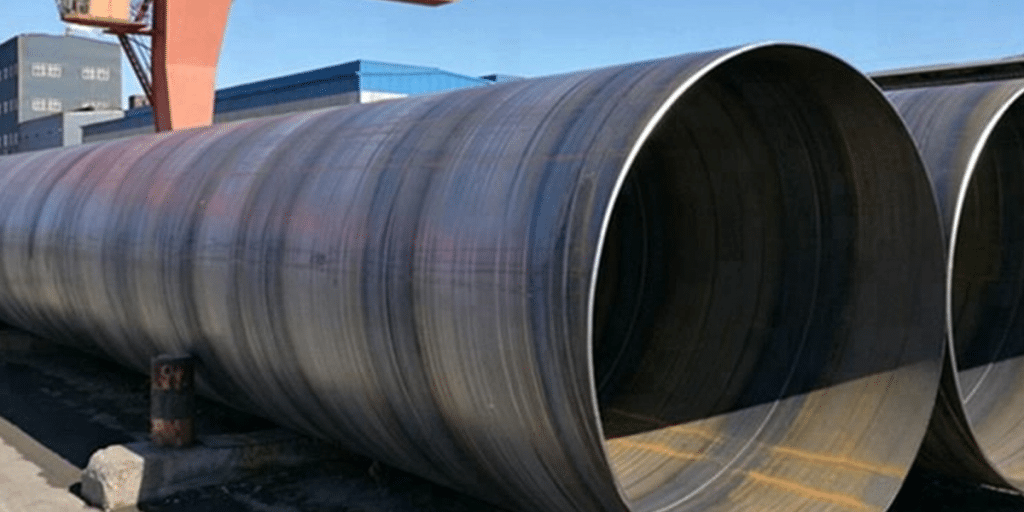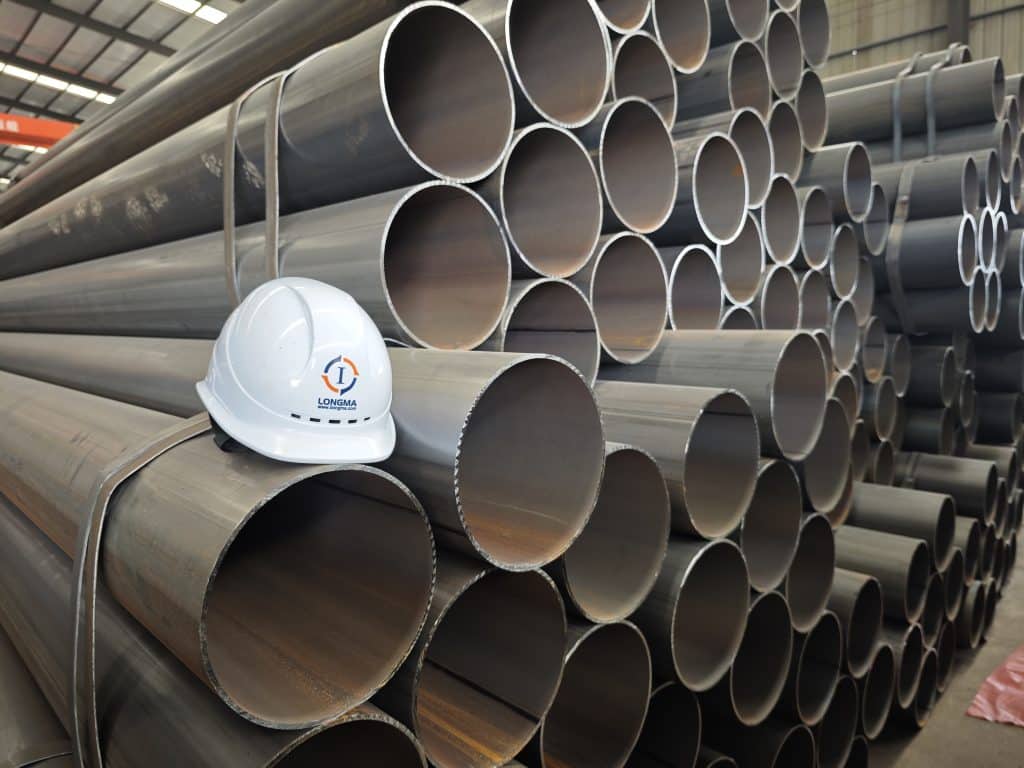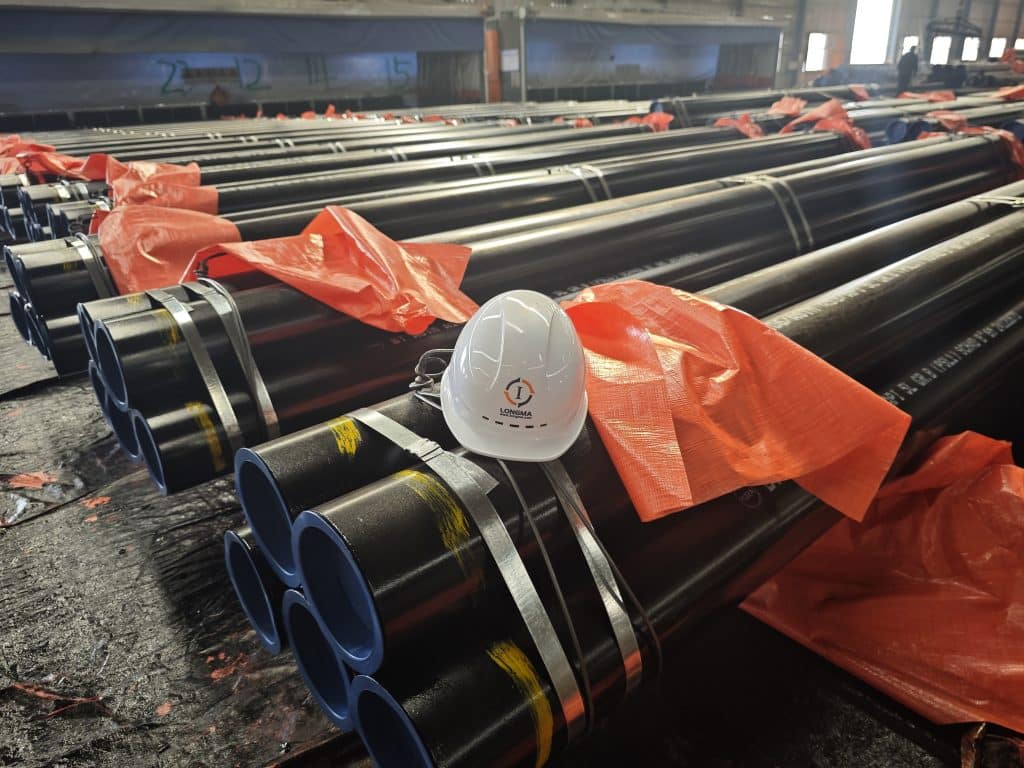
Large diameter steel pipes are the key element of oil and gas transportation, power plant building and petrochemical facilities. They transport oil and gas across continents, cool nuclear reactors and maintain offshore sites under extreme environmental strains. The stakes are tremendous. A single weld defect in a pressure vessel pipe may lead to catastrophic failures, shut-downs costing millions of dollars and long-lasting harm to reputations developed over decades.
This book helps EPC contractors, pipeline engineers and procurement directors understand that picking the proper pipe supplier involves an in-depth investigation of their production processes, certifications and quality control systems. We study the technical fundamentals of ASTM A671 EFW pipes, the comparison of production processes and provide practical advice on supplier evaluation whether you are sourcing material for a refinery expansion in Saudi Arabia or a combined-cycle power plant in Southeast Asia. Understanding these issues makes the difference between a successful project conclusion and costly delays and rework.
Understanding Large Diameter Steel Pipes
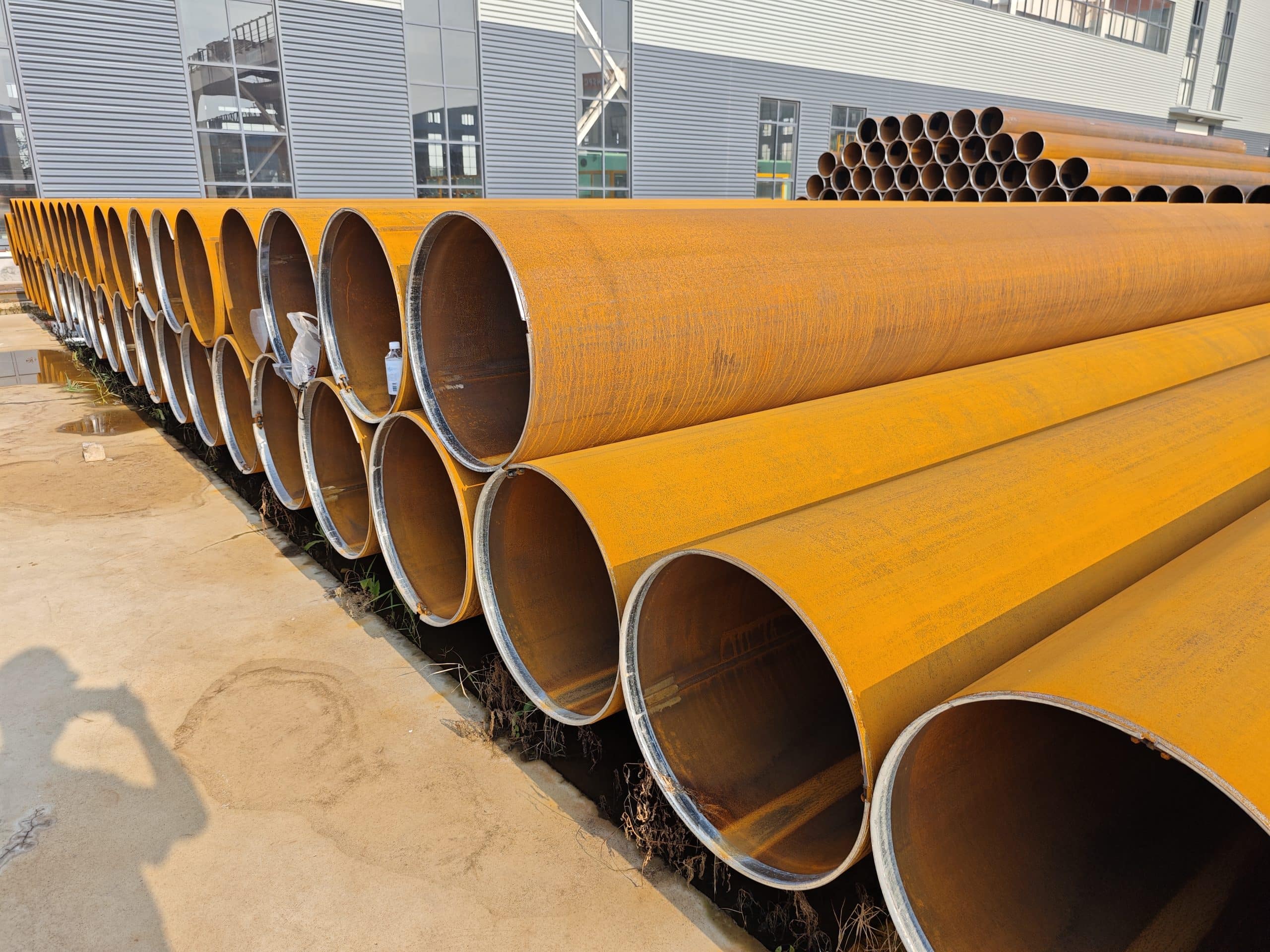
Large diameter steel pipes are generally greater than 16 inches (406 mm) outer diameter and may be as large as 56 inches (1422 mm) or more for certain applications. They are manufactured to international standards such as ASTM A671/A671M, API 5L, relevant process piping code and EN, which specify precise limitations for chemical composition, mechanical property requirements and testing methodologies. These standards provide uniform performance in high-pressure operation and provide engineers a standardized foundation for design verification.
It all begins with verified steel plates, each heat number and batch are recorded for complete traceability. Plates are formed into cylinders using special rolling machinery, with the long edges prepped for full penetration welding. Second, a stress relieving heat treatment normalizes the microstructure of the weld zone. This regulated technique produces EFW pipes with improved dimensional stability and dependable mechanical properties over ERW or seamless alternatives, and the fatigue performance is improved during the service life of the pipe.
ASTM A671 pipes are classified according to service. CC grades (CC60, CC65, CC70) are for carbon steel plates for water transmission and general industrial pipelines at ambient temperature. Process pipe below freezing is constructed of Class CD (CD70) carbon-manganese steel, which is robust at low temperatures. CF series grades (CFA65, CFE70) are made of nickel-steel plates for low-temperature duty, and are suited for LNG facilities, ethylene plants, and Arctic pipelines.
Charpy V-notch impact tests are performed on each categorization at defined temperatures. The number (60, 65, 70) represents minimum tensile strength, ksi. This enables engineers to immediately correlate material attributes to design pressure calculations and stress analysis, avoiding guesswork that leads to over- or under-specification. This systematic categorization method allows material selection to be reproducible across projects and aids to standardize procurement standards.
Key Considerations When Choosing Large Diameter Steel Pipe
Pressure Rating and Mechanical Properties
Pressure ratings rely on wall thickness, diameter, material yield strength, and design pressure, as defined by the appropriate process piping code. P = 2SEt/D is the fundamental pressure design equation, employing permissible stress (S), joint efficiency (E), wall thickness (t) and outer diameter (D). ASTM A671 CC70 with a minimum tensile strength of 70 ksi has a maximum allowed stress at room temperature of around 17,500 psi which permits design pressures beyond 2,000 psi in correctly designed heavy wall constructions.
Dynamic systems are also subject to cyclic loads, thermal expansion and possibly water hammer. In petrochemical facilities, pulsating pressures in reciprocating compressors accelerate the propagation of fatigue fractures in poorly produced welds. Thermal expansion loads from hot process lines at supports and restraints provide additional stresses. That’s why RT or UT per class standards are so critical for these services. Even minor slag inclusions or lack-of-fusion faults may increase under cyclic load and lead to catastrophic rupture.
Weld Quality, Nondestructive Testing, and Material Traceability
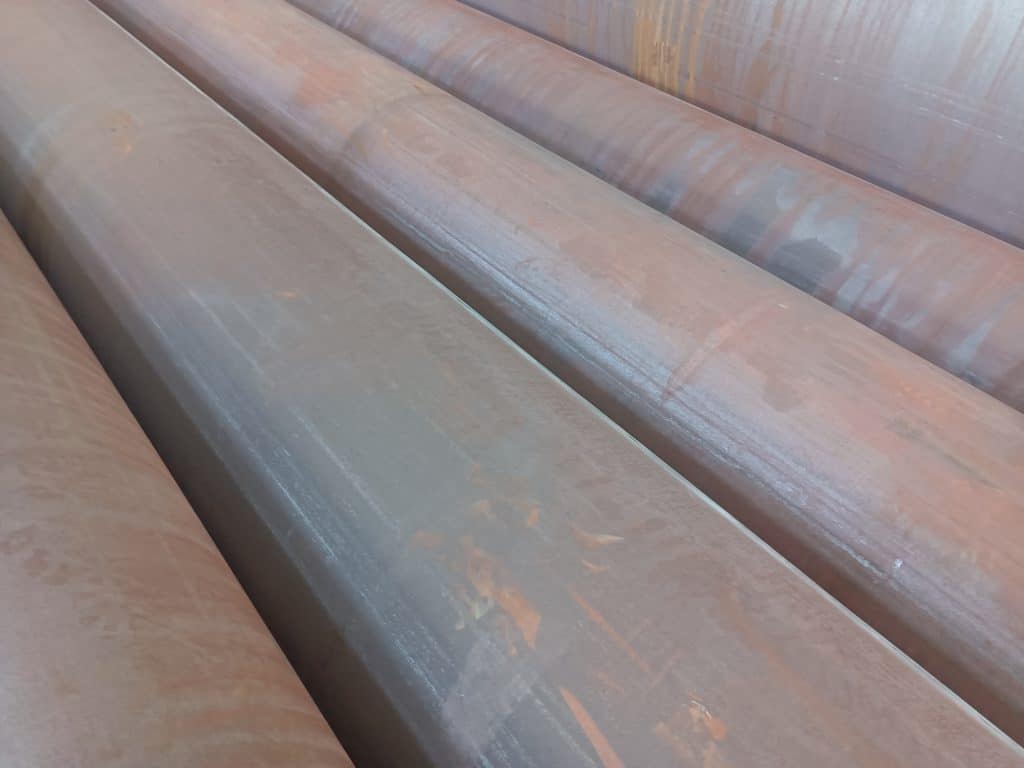
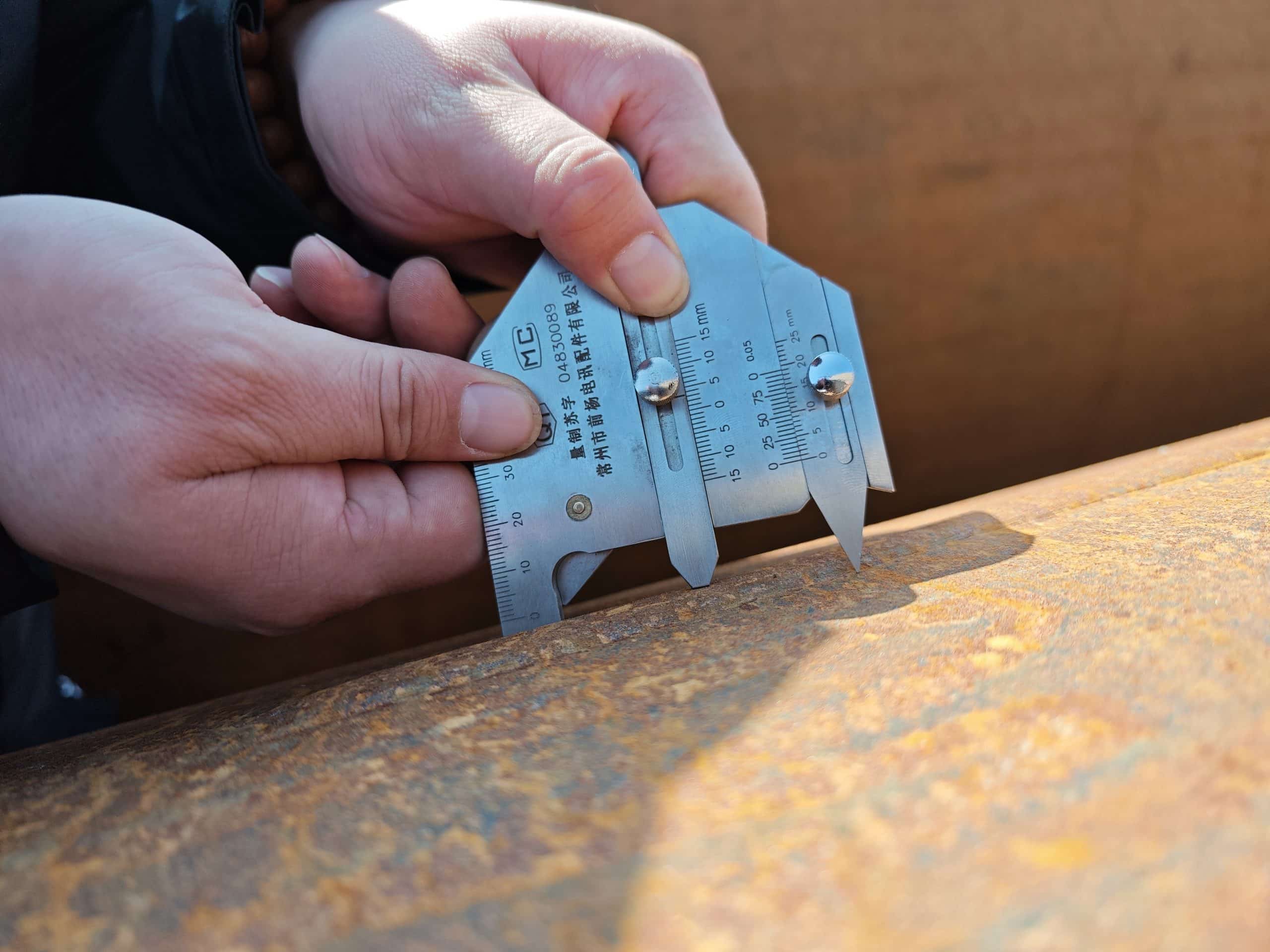
The most important feature of every welded pipe is the longitudinal weld seam. The weld produced is complete penetration weld using electric fusion welding. Manufacturing considerations might lead to porosity, partial penetration and hydrogen induced cracking. Top vendors use RT with x-ray or gamma-ray imaging to discover interior discontinuities as tiny as 2 percent of wall thickness.
Ultrasonic testing provides an additional layer of confidence for problem kinds that X-ray may not clearly show:
| Method | What It Detects |
| Radiographic Testing (RT) | X-ray or gamma-ray imaging finds internal discontinuities such as porosity, partial penetration, or slag inclusions as small as 2% of wall thickness. |
| Ultrasonic Testing (UT) | Excels at finding laminar flaws, cracking that may not show clearly on X-ray, and sidewall fusion problems. |
Combined RT and UT are used to build a quality framework fulfilling the tightest standards of EPC. Third party inspectors from SGS, Bureau Veritas or TÜV may observe and co-sign the tests on material test certificates. These co-signed papers are commonly required for pressure vessel parts and plant insurance inspections.
For pressure vessel applications, full traceability from steel factory to installation is critical. Each pipe is permanently marked with heat number, date of manufacture, ASTM standard, and class. These data are directly associated with mill test records of chemical analysis, tension test results, impact test data and hydrostatic test pressure. In case of a field failure or audit, traceability may be used to quickly identify the damaged material batches, which protects both the end user and the producer.
Typical documentation packages include the Procedure Qualification Records (PQR) and Welding Procedure Specifications (WPS) which demonstrate the welding procedure was validated by destructive coupon testing. Certified material test certificates, whether manufacturer-authorized or 3.2 (third-party observed), offer engineers the data required for stress analysis and fitness-for-service evaluation. This paperwork also provides support for final acceptance, regulatory sign-off and insurance coverage.
Pricing, Procurement, and Supplier Guidance
Cost Determinants and Budget Planning
The cost depends on the basic steel plate pricing, production difficulties, testing requirements and the quantity of the order. Bulk orders of standard 24-inch diameter ASTM A671 CC60 pipe with Schedule 40 wall pipe are typically priced more competitively than smaller or custom orders; buyers should request a current quote for firm pricing. Heavy wall specs, low heat grades and increased testing methods cost extra. Premium grades, such as CFE70 for cryogenic use, cost more due to their nickel-steel chemistry and the added impact testing required under Supplementary Requirement S2.
Economies of scale mean that unit pricing is highly dependent on order volume. Orders for large diameter steel pipe below a certain tonnage threshold may incur surcharges, while larger-volume orders can generally realize meaningful savings; exact break points vary by supplier and should be confirmed at quotation. A common industry structure is a partial deposit on signing of contract, a further payment against shipping papers, and a holdback released after successful hydrostatic testing or delivery at destination; exact terms vary by supplier and project. conditions are subject to supplier financial policies and letter of credit conditions for individual projects.
Lead Times, Logistics, and Supplier Evaluation
Manufacturing lead times run from the confirmation of the purchase order through release of the product from the plant, and vary by order size, grade, and current production schedule. This includes plate procurement, forming, welding, heat treating, testing and coating. Stock sizes (16-24 inch diameter in CC65/CC70 grades) can generally be delivered much faster, subject to current inventory. Custom requirements with non-standard wall thickness, end preparation or finishes need meaningfully more time and should be confirmed with the supplier at inquiry. Rush costs apply for expedited production by giving priority to resources.
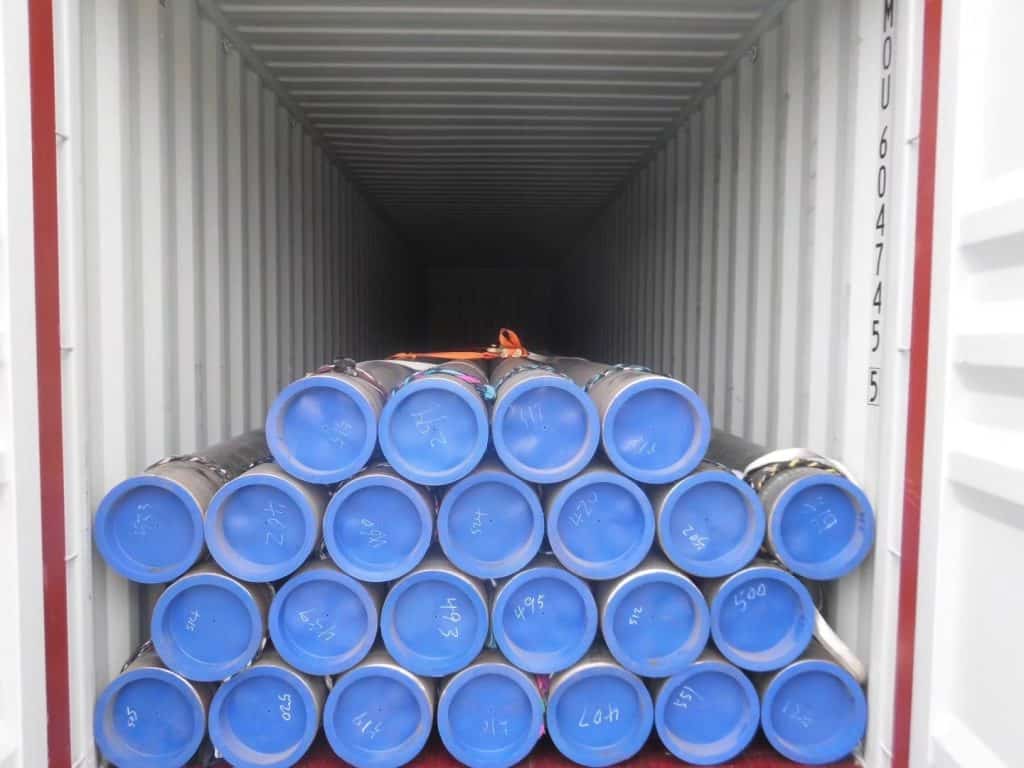
Large diameter pipe logistics are challenging. A single 12-meter piece of 36-inch pipe with a 25mm wall weighs approximately 6,500 kg, demanding specific handling gear, enhanced conveyance, and careful route planning. Break-bulk shipment provides flexibility for big parts, but containerized transit need accurate load estimates to avoid exceeding axle limitations. Project-cargo freight forwarders team together with expert suppliers to optimize routes, minimize handling shifts and fulfill construction schedules.
Supplier selection is more than just price comparison. Evaluate production capabilities via facility audits, study certificates (ISO 9001, API 5L, ASME factory authorization), and verify calibration records for testing equipment. Facility audits also show the manufacturer can handle the exact diameters and wall thicknesses your project needs. Suppliers are to demonstrate automated ultrasonic testing equipment with digital data recording and radiography capabilities that fulfill relevant nondestructive examination code, and hydrostatic test beds that pressurize big pipes in accordance with applicable testing standards.
Reference projects show the true performance. Ask EPC contractors in your sector for final inspection reports, evidence of on-time delivery and customer testimonials. The most dependable suppliers have long standing connections with multinational oil firms and power producers, shown by source inspections, third party audits and a rigorous document discipline.
Applications and Benefits of Large Diameter Steel Pipes
In refineries, large diameter steel pipes are used to transport crude oil, refined products, and process chemicals. Main lines for FCC overhead vapors, delayed coker products and hydrotreater feeds generally need ASTM A671 CC70 or CD70 pipe, 24 to 36 in. in diameter, at 600 to 900 psi. The full penetration EFW weld provides the structural strength required when unplanned shutdowns exceed $1 million per day.
CF-series grades with nickel-steel plate chemistry are used for cryogenic toughness in units that operate at low temperatures such as propylene recovery, butadiene extraction and NGL fractionators. The microstructure of nickel alloyed CFA65/CFE70 grades inhibits brittle failure that would take occurred in ordinary carbon steels. These applications need Charpy impact testing in accordance with Supplementary Requirement S2 and weld radiography in accordance with Class X1/X2 criteria for safety critical service. LONGMA has provided such pipes to LNG projects in Southeast Asia and the Middle East.
For combined cycle and coal plants, cooling water systems with flows more than 100,000 gallons per minute need 48 to 56 inch mains. Precision measurements and coating compatibility are critical because minor surface defects increase microbiologically influenced corrosion (MIC). Internal FBE coating of ASTM A671 CC65 pipes in fresh water applications provides a 20–30 year service life, while exterior 3LPE coating protects buried parts.
There is a growing trend in the use of big diameter steel pipe for inter-basin transfer mains in municipal water transmission projects. Steel can withstand the high pressures of pumping across steep terrain, is resistant to earthquakes due to its ductile tendency and has a lengthy service record. In terms of lifespan costs for repairs, maintenance and operating flexibility, ASTM A671 pipes are more cost efficient than concrete alternatives. Recent installations in water authorities in South America and Africa corroborate this benefit.
Conclusion
Selecting the correct large diameter steel pipe supplier is important to project success in safety-critical sectors. ASTM A671 EFW pipes from pressure vessel grade steel plates are the optimum option for applications requiring pressure containment, low temperature performance and weld integrity proved by comprehensive nondestructive testing. Qualified suppliers have testing methods, material traceability, production capacity and proven project experience that set them apart from ordinary pipe providers. Procurement experts focusing on these criteria reduce risk, minimize costs and develop supplier partnerships that provide value throughout numerous project cycles. A trusted supplier minimizes procurement risk and protects your timetable and reputation.
FAQ
1. What differentiates ASTM A671 EFW pipe from seamless pipe for large diameter applications?
ASTM A671 EFW pipe is made by shaping flat steel plates into cylinders with longitudinal full-penetration welds. Seamless pipe is hot pierced and rotary rolled from solid billets. Above 24 inches in diameter, EFW gives better dimensional control, more size options, and cost savings of 20 to 30 percent versus seamless. The trade-off is weld quality, so EFW pipe must be examined by radiography or ultrasound to confirm the weld is as strong as the base material. Properly made and inspected EFW pipe performs as well as seamless pipe in pressure vessel applications, with better lead times and pricing for large-diameter, heavy-wall requirements. For most large-diameter projects, this makes EFW the economically superior choice.
2. How should procurement teams verify supplier testing capabilities and certification authenticity?
Ask for ISO 9001 certificates covering pipe production, review NDT technician certifications, and check calibration records for testing equipment. Conduct pre-award facility audits to confirm radiographic rooms, ultrasonic equipment, and hydrostatic test beds meet applicable nondestructive examination code requirements. Review witness test reports from recent projects showing real RT film analysis and UT scan data. For critical projects, hire independent third-party inspectors for source inspections during production, giving real-time quality assurance and paperwork that meets project quality plans.
Partner With LONGMA for Reliable Large Diameter Steel Pipe Supply
LONGMA is ready to support your next infrastructure, power, or petrochemical project with ASTM A671 EFW steel pipes built to the highest standard. Our large-scale manufacturing facility operates advanced automated welding systems and strict RT/UT inspection protocols. We have delivered to leading national and international oil, gas, and petrochemical companies, building long-term partnerships through stable quality, full material traceability, and responsive expert support. In-stock items ship fastest, standard orders follow our regular production schedule, and custom orders require additional time — our team will confirm exact timing at quotation.
Contact our engineering team at info@ilongma.com for project details, technical documentation packages with PQR/WPS records, or a facility audit. Our purchasing experts will provide detailed quotes that account for your exact class requirements, testing protocols, and delivery dates, backed by ISO 9001 certification and certified material test certificates. Visit www.ilongma.com for our product catalog, dimensional reference charts, and case studies from installations worldwide.