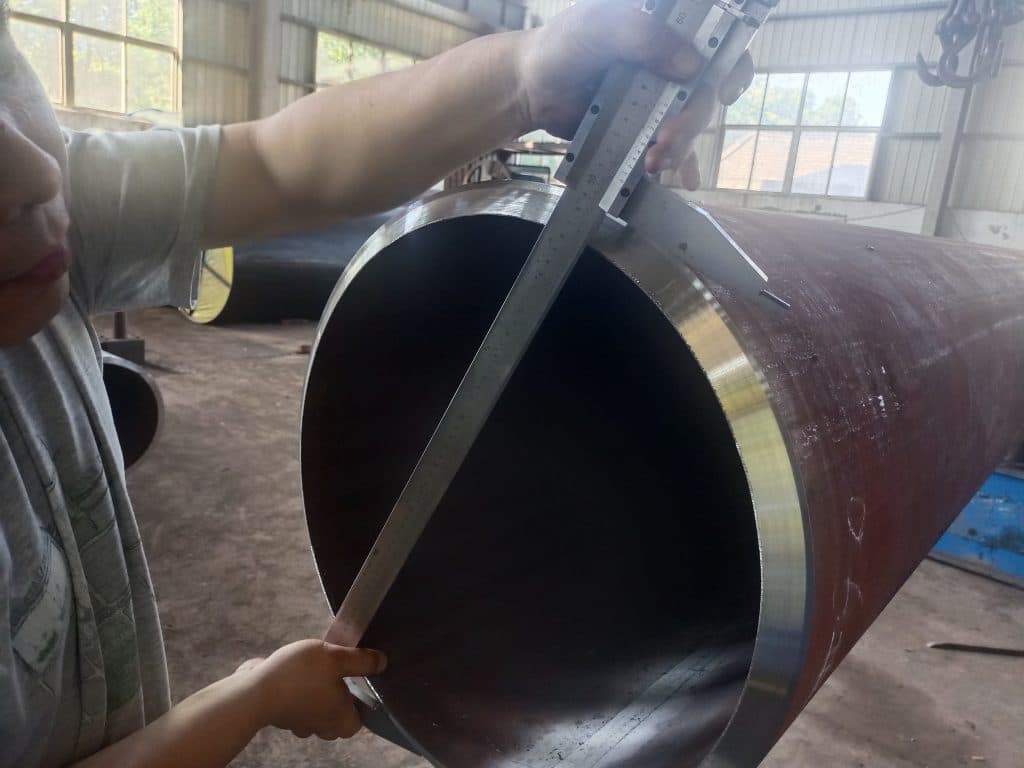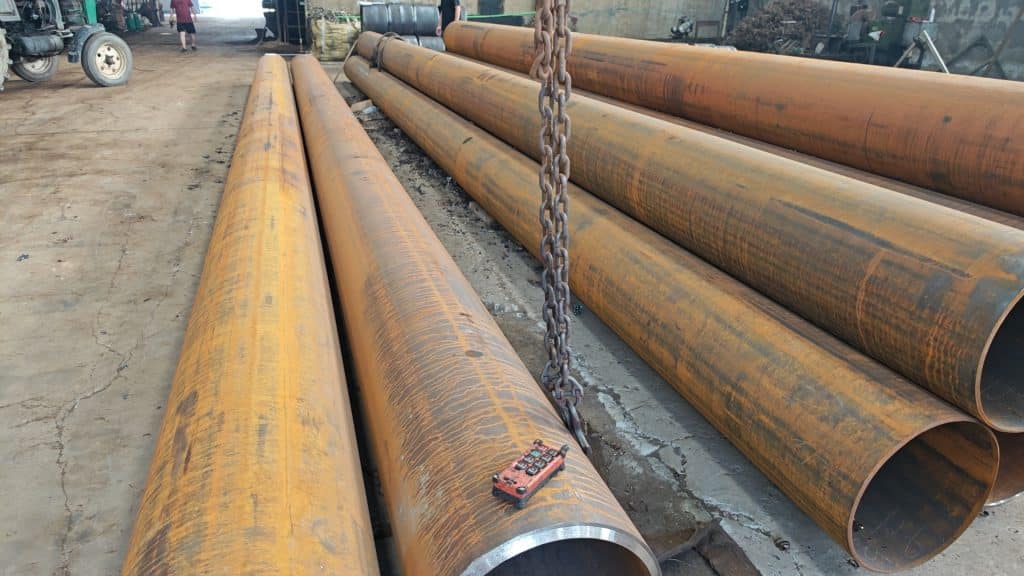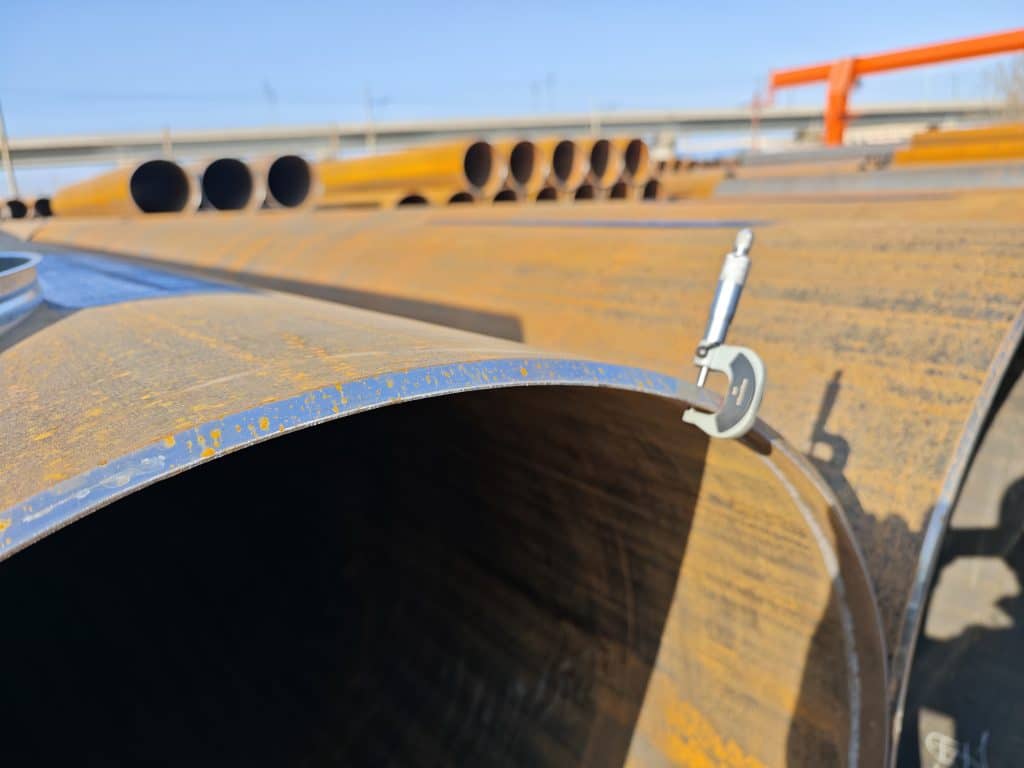
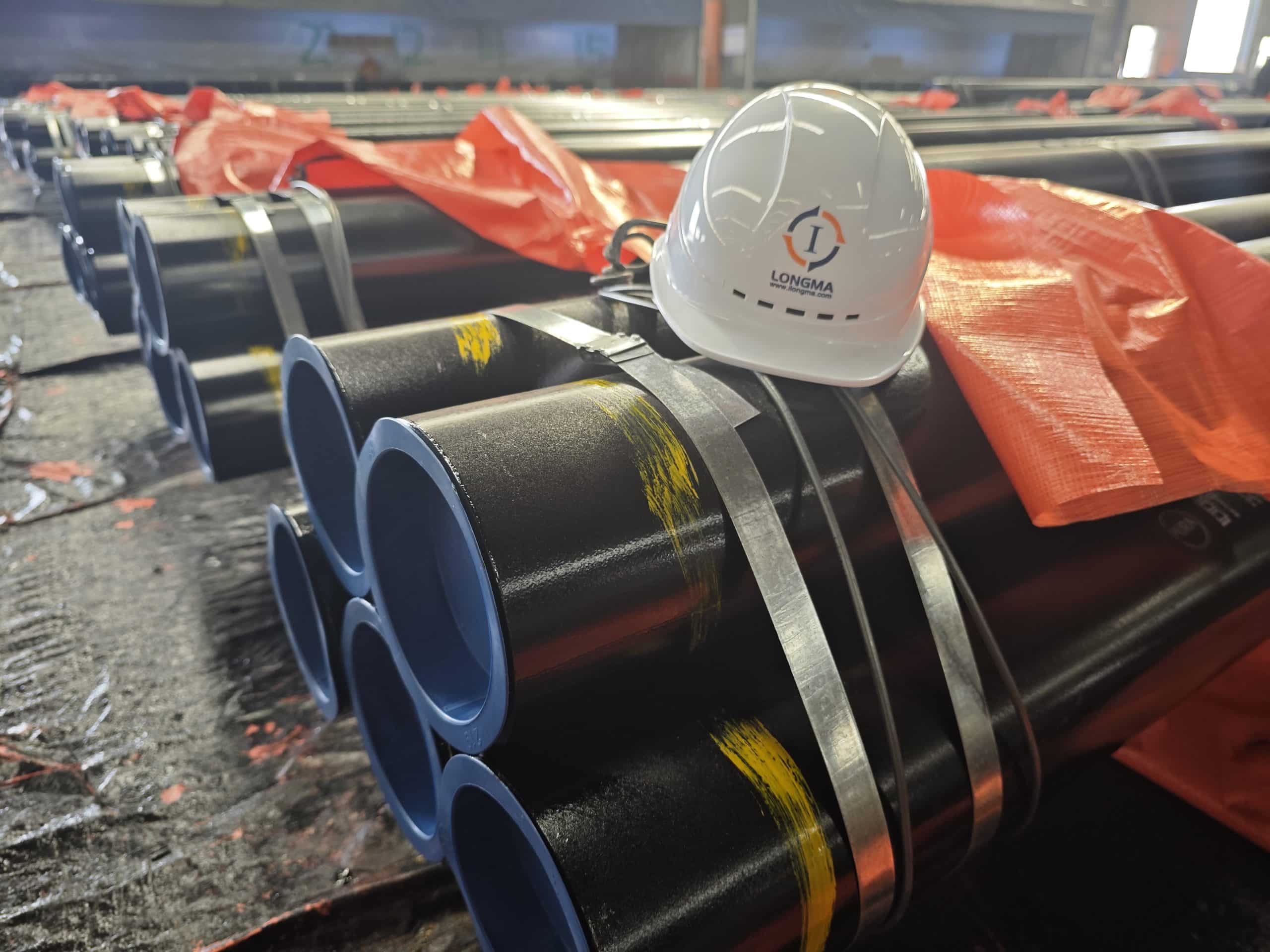
What is the yield strength of API 5L X56?Mechanical qualities of steel grades are non-negotiable in terms of choosing pipeline materials for oil and gas transmission projects. According to API Specification 5L requirements, API 5L X56 Pipe has a yield strength of 390 MPa (56,600 psi). This is the stress value when the material starts to distort plastically and it does not return to its former shape. The yield strength of pipe is an important consideration in design and procurement of pipelines as it directly affects its capacity to sustain internal pressure, external loads and operational stresses over its service life.
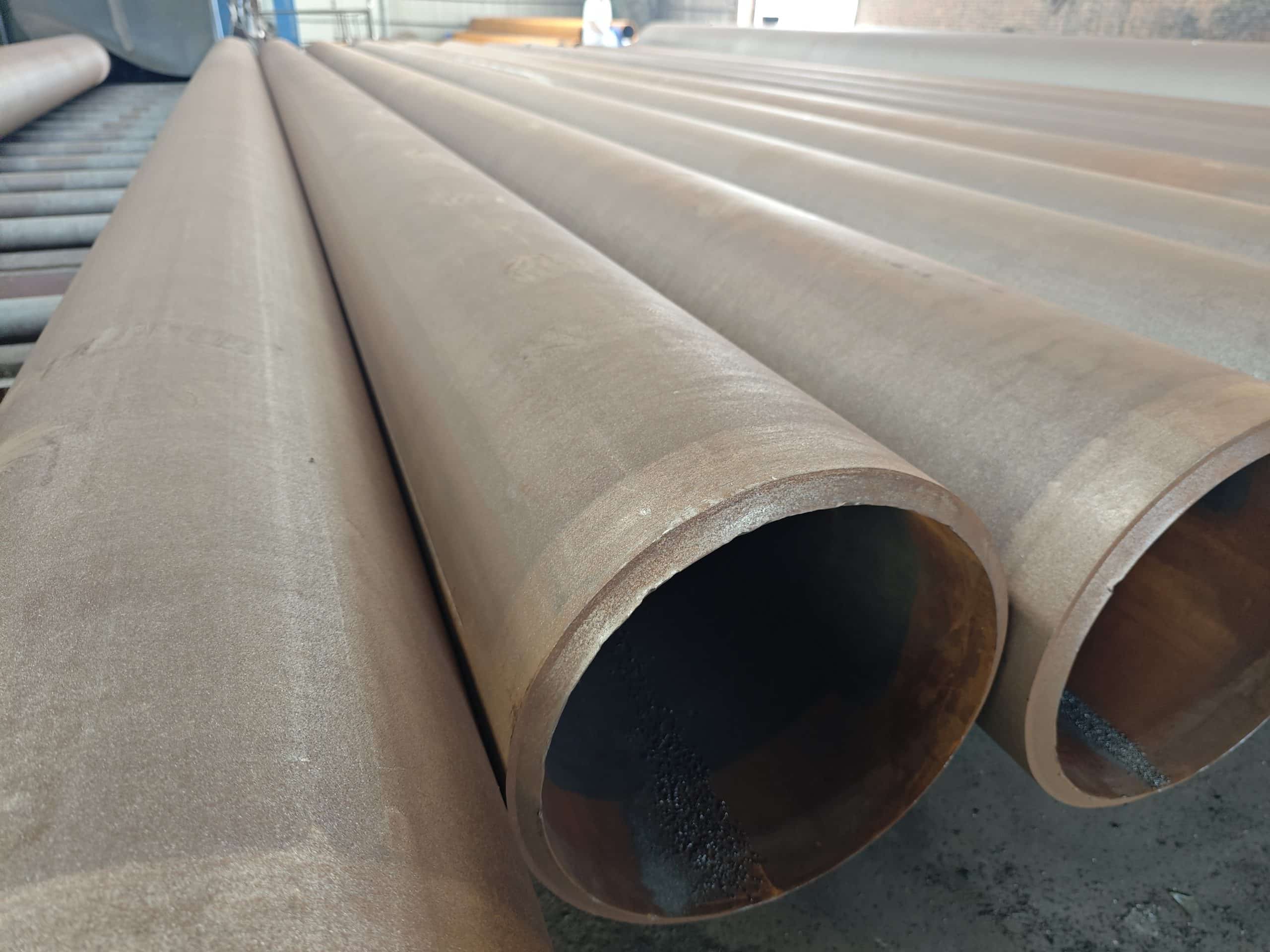
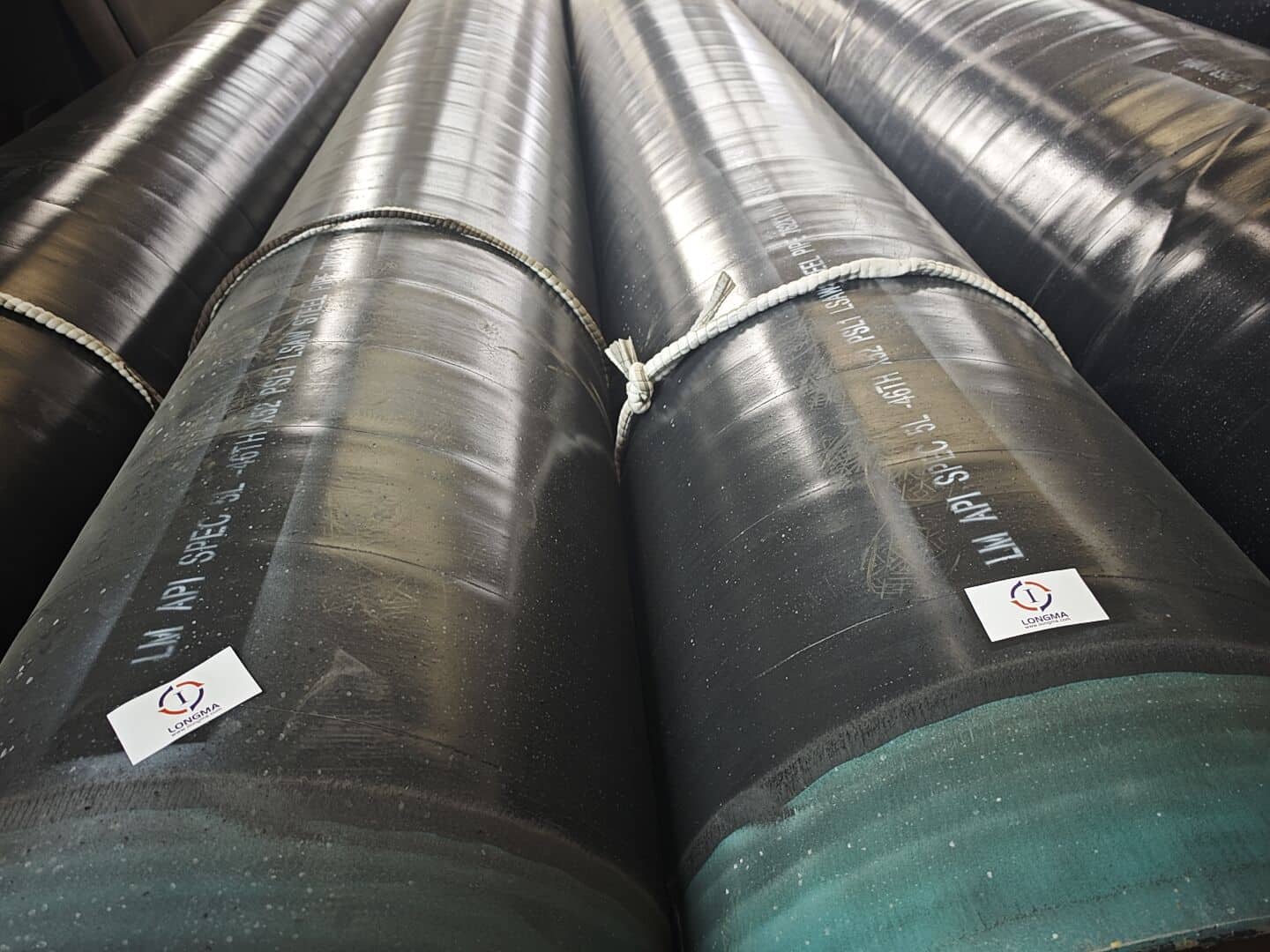
API 5L X56 Pipe Yield Strength
API 5L X56 pipe is one of the API 5L standard families intended to convey fluids and hydrocarbons across challenging situations. The “X” means it’s a pipeline steel, and the “56” means it has a minimum yield strength of 56,600 psi, placing it between lower-strength grades like X52 and higher-strength grades like X60 or X65. It is strong enough for most trunk line applications but avoids the welding complexity and expense premium of ultrahigh strength grades like as X80.
What Makes Yield Strength Critical?
Yield strength is a measure of the stress a pipe can endure before it will deform permanently. The tensile strength is where the pipe will totally break apart . The yield strength is where the pipe can still hold up under typical operating stresses . Misjudging this parameter may result in pipeline buckling, joint misalignment, or premature failure—particularly in projects with changing pressures or seismic activity.
Knowing this difference enables procurement teams to avoid over-engineering (needlessly increasing costs) or under-specifying (putting safety at risk). Many procurement experts confuse yield strength with tensile strength: tensile strength (minimum 490 MPa for API 5L X56 pipe) is the maximum load before breaking, whereas design calculations for operating pressures are based on yield strength. Pipeline engineers determine the maximum permissible operating pressure (MAOP) based on the yield strength of the pipeline material and the relevant pipeline design code, including safety measures.
Typical Applications Across Industries
| Application Field | Specific Usage | Key Requirements / Features |
| Mid pressure oil and gas pipelines | Oil & gas transportation | Yield characteristics suit operating pressures between 600 and 1200 psi |
| Water transmission infrastructure | Municipal water supply projects | Durable and corrosion resistant |
| Onshore and offshore platforms | Gathering lines connecting wellheads to processing facilities | Critical dimensional accuracy and pressure resistance |
Chemical Composition and Mechanical Properties Affecting Yield Strength
Achieving consistent 390 MPa yield strength across every heat batch requires carefully managed chemistry and production processes.
Role of Alloying Elements
Strength and hardness are directly affected by carbon content, which must be balanced against weldability. API 5L X56 pipe PSL2 grade limits the maximum carbon to 0.26% so that the carbon equivalent values (CEV) are kept low and harsh heat-affected zones are avoided during field welding. Manganese (max 1.40%) is hardened via solid solution hardening without loss of ductility.
Niobium, vanadium and titanium provide control of grain fineness. These microalloying additions in the order of hundredths of a percent produce fine grained ferrite-pearlite microstructures which boost yield strength but retain notch toughness. Molybdenum and nickel increase low temperature behavior, which is very important for pipelines in cold locations and undersea environment.
Manufacturing Process Impact and Quality Assurance
The heat treatment procedures used during manufacture have a great influence on the mechanical qualities achieved. For JCOE and UOE LSAW pipes, the microstructure of the weld zone is uniform due to controlled cooling following submerged arc welding. Post weld heat treatment is done to remove residual stresses and refine the grain structure. This ensures weld seam yield strength is equal to base metal.
ERW pipes are heat treated online immediately after high frequency induction welding. The quick heating and cooling cycle normalizes the weld bead and eliminates hard martensitic structures that cause brittleness. During this important stage, our manufacturing lines have automatic temperature monitoring with an accuracy of ±10°C.
Each batch of pipe is tested for yield and tensile strength requirements in accordance with API 5L and ASTM A370. Samples of the pipe body and weld seam are loaded uniaxially until a yield plateau ensures the 390 MPa limit. Additional verification is performed by means of hardness testing techniques (Brinell and Vickers).
Charpy V-Notch (CVN) impact testing at defined temperatures verifies fracture toughness for PSL2 grades to ensure resistance to brittle crack propagation. These tests are performed by third party inspection companies such as SGS, Bureau Veritas or Intertek and they provide EN 10204 3.2 mill test certificates for owner audits to procurement teams.
Comparing Yield Strength: API 5L X56 vs Other Grades
To choose the best steel grade, its yield strength, cost, weldability and intended use should be considered. API 5L X56 pipe is a middle of the road grade, knowing how it relates to its neighbors helps to understand when it makes sense, technically and economically, to upgrade or downgrade requirements.
X56 vs X52 and X60
X52 yield strength is 360 MPa which is 7% lower than API 5L X56 pipe. The Barlow equation (P = 2St/D) allows pipeline builders to run API 5L X56 pipe at pressures roughly 8% higher than X52 for equal wall thickness. X56 is commonly used for projects with optimal dimension needs such as smaller diameter or wall thickness requirements which reduces material costs and makes installation easier.
But there are benefits to the X52 in cold bending situations. The lower yield strength enables narrower bend radii without exceeding strain limitations, beneficial for subsea spooling or compliant terrain. For projects with mild pressure needs, you may use X52 to save 3-5% of expenditures.
The X60 pipe (yield strength 415 MPa) has a pressure capacity roughly 7% higher than API 5L X56 pipe. This is good for high pressure trunk lines that are approaching code peak stress. However, X60 needs more stringent welding processes such as lower hydrogen preheat limits, regulated interpass temperatures, and longer post-weld hold durations to avoid hydrogen cracking.
These procedures add to construction schedules in the field. API 5L X56 pipe is often used in projects where fast installation takes precedence over slight pressure benefits and when certified welding monitoring facilities are not available. The yield strength differential of 25 MPa is seldom of concern unless dictated by operational pressures.
X56 vs ASTM A106: Line Pipe vs Structural Pipe
ASTM A106 Grade B seamless pipe has a minimum yield strength of 240 MPa, about 40% lower than API 5L X56 pipe. A106 is intended for low pressure process applications but is not pressure rated and is dimensionally consistent for transmission pipe. Seamless production restricts diameter availability, and increases unit cost for large-bore applications.
API 5L X56 pipe provides a controlled sulfur content of 0.015% maximum in PSL2 versus 0.035% in A106, which improves corrosion resistance when H2S is present in sour service environments. The manufacturing process of ERW and LSAW pipes yields dimensional accuracy within 0.5 mm of wall thickness, allowing for automated girth welding and reducing field fit-up time by 30 to 40% over seamless options.
Procurement Considerations for API 5L X56 Pipes
Checking yield strength specs is simply a small facet of good procurement. EPC businesses and national oil corporations buy tens of thousands of tons yearly, thus identifying suppliers, coordinating supply and negotiating prices are vital to project completion. API 5L certified is the absolute minimum. The supplier should have a valid API Monogram license for the pipe sizes and grades needed. LONGMA is certified to API 5L PSL1 and PSL2 via yearly audits proving compliance with Specification 5L quality management criteria.
And beyond API licensing, have a look at the supplier’s technical infrastructure and manufacturing capabilities. Mills with modern JCOE or UOE forming processes provide greater dimensional precision and weld integrity. We have an annual capacity of 500,000 tons, automated ultrasonic testing (UT) system and full-body hydrostatic test equipment to guaranty the quality of all orders over a thousand tons. ISO 9001:2015 certification proves systematic quality control from raw material reception to final inspection and integrated management systems (ISO 14001 and ISO 45001) provide operational maturity for dependable supply and timely expert assistance.
The raw materials constitute 60–70% of the cost of line pipe. The cost of steel plate is affected by the world markets for iron ore and coking coal and, therefore, price fluctuations impact project budgets. Escalation parameters are obvious on fixed price contracts so there are no mid-project cost overruns. Approved orders available for 90 to 120 days price lock for budget certainty on owner financing approvals.
Coating needs and wall thickness have a big role on unit price. With 36 inch diameter pipe, going up 1 inch in wall thickness increases the basic cost by something like 15% or so. Advanced coating methods such as fusion-bonded epoxy (FBE) or three-layer polyethylene (3LPE) add $50 to $150 per ton depending on the intricacy of the specification. For orders larger than 500 tons, savings of 8–12% per unit are common, with reduced logistical cost.
Sufficient stock cuts delivery time dramatically. LONGMA has a considerable quantity of popular API 5L X56 pipe sizes (8” to 48” diameters, 6mm to 25mm wall thicknesses) making it possible for us to send out urgent projects within 7 days. Standard non-stock specs ship in 30 days, while hefty walls and big diameters ship in 45 days manufacture for bespoke orders. International logistics coordination has to be planned ahead of time . Break-bulk cargo boats can carry bundles exceeding 16 inches in diameter . Containers can carry lesser dimensions . Our transportation team handles port-to-port delivery, customs paperwork and destination port management. Clear Incoterms (FOB, CFR, CIF) remove the confusion about who is responsible and what insurance covers.
Conclusion
The selection of materials for an API 5L X56 pipeline is ultimately a trade-off between yield strength, weldability, cost, and application requirements. API 5L X56 pipe has a yield strength of 390 MPa and is used for medium and high pressure transmission lines where overdesign is costly and underspecification is dangerous. Controlled chemical composition and accurate manufacture and testing guarantee same mechanical performance for all thermal batches. This comparison of X56 with its neighboring grades like X52 and X60, helps explain when specification enhancements represent real pressure capacity gains and not welding problems that prolong field building. Whether certified supplies arrive on schedule depends on supplier qualification, price negotiation, and logistical coordination. The pipeline life extension and operating safety margin are achieved by using proper welding procedures, correct pressure calculations, and protective coating.
FAQ
1. Can environmental conditions alter the yield strength of X56 pipe after installation?
Extreme temperatures can affect actual yield strength. Above 150°C, thermal softening reduces yield strength, requiring design engineers to apply temperature derating factors per the governing design code (e.g., ASME B31.4 for liquid pipelines or ASME B31.8 for gas pipelines). Subzero Arctic temperatures may slightly increase yield strength but raise brittle fracture risk—making Charpy testing critical for material selection. In corrosive H₂S environments, sour service grades (X56S suffix) with controlled hardness prevent sulfide stress cracking while maintaining base yield properties.
2. What testing methods confirm yield strength compliance before shipment?
Manufacturers perform uniaxial tensile tests per ASTM A370 (or ISO 6892, as referenced in API 5L) using samples from pipe body and weld seam. Testing machines apply controlled loads measuring elongation until the yield plateau appears, typically at 0.5% strain extension. Upper and lower yield strength values are recorded—both must exceed 390 MPa for API 5L X56 pipe compliance. Third-party inspection agencies witness these tests and validate material test certificates issued per EN 10204 3.1/3.2.
3. Is API 5L X56 suitable for high-pressure offshore pipeline projects?
API 5L X56 pipe performs well in offshore applications with moderate water depths and operating pressures. LSAW production’s superior dimensional consistency and weld integrity suit subsea pipelines. For projects exceeding 1,500 psi operating pressure or significant dynamic stresses, X60 or X65 may be preferred. X56S grades with HIC resistance testing are required for sour service. Coating systems like 3LPE or 3LPP provide mechanical protection during installation and long-term corrosion protection.
Partner with a Trusted API 5L X56 Pipe Manufacturer
Since 2003, LONGMA has supplied API 5L-certified pipeline solutions to major EPC contractors, national oil companies, and energy infrastructure developers. Our 500,000-ton annual capacity combines ERW speed for standard diameters with LSAW capability for heavy-wall large-bore applications. Full traceability from steel plate sourcing through hydrostatic testing ensures every pipe meets PSL1 and PSL2 requirements. As a trusted API 5L X56 pipe supplier, we maintain large inventory enabling 7-day delivery of common sizes and 30-day delivery of standard specifications. Third-party inspection coordination, EN 10204 3.1/3.2 material test certificates, and multilingual expert support streamline procurement for international projects. Email our engineering team at info@ilongma.com to discuss pipeline requirements, request detailed mill test reports, or arrange factory source inspections. Visit https://www.ilongma.com/ to explore our complete line pipe solutions.