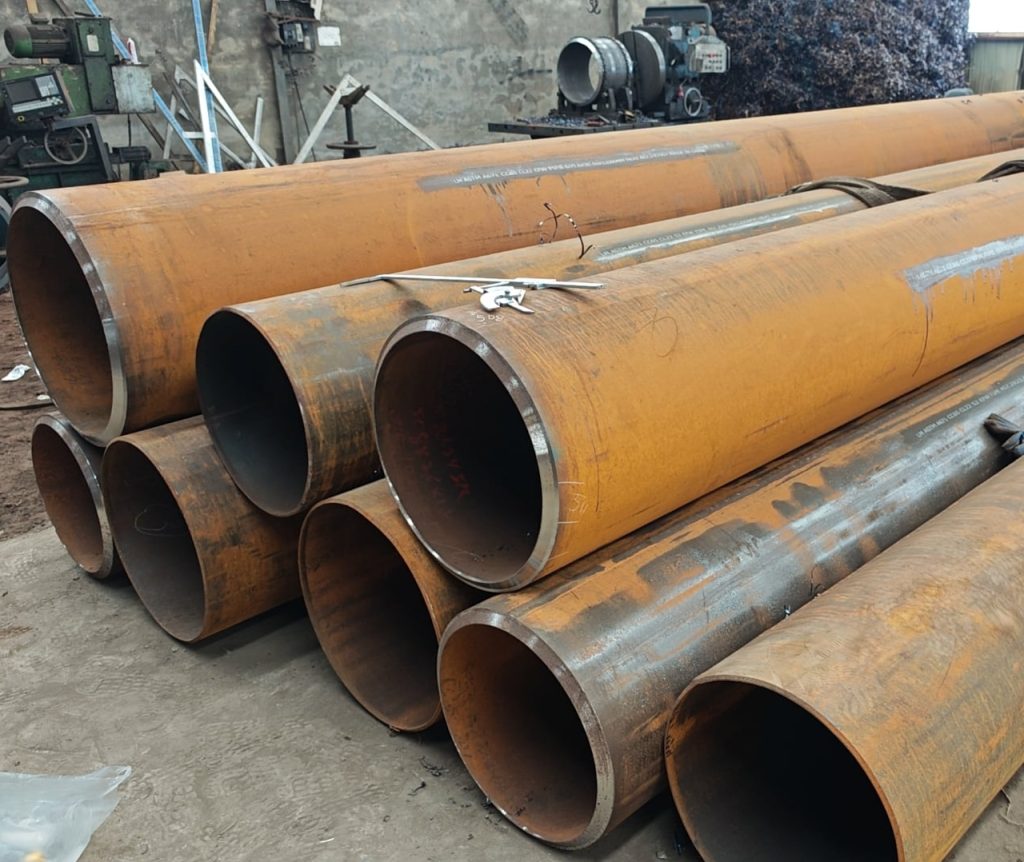
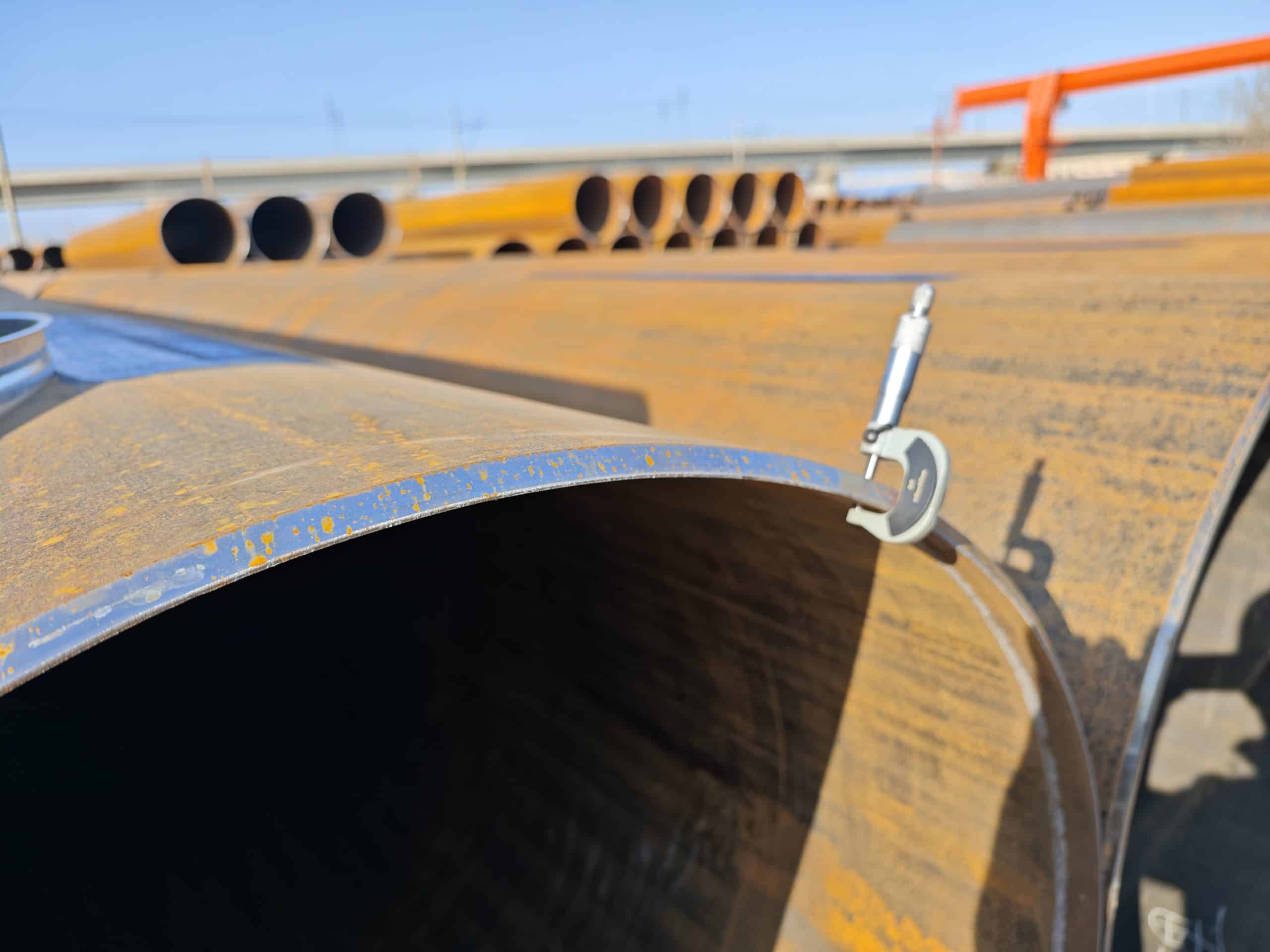
When piping systems operate in freezing or cryogenic conditions, material selection is a safety issue, not merely a performance one. Low temperature steel pipe is designed to retain its mechanical strength and toughness at ambient or process temperatures far below freezing, often to -46°C (-50°F) and below. Unlike regular carbon steel pipe, which can become brittle and prone to catastrophic fracture in sub-zero conditions, these pipes retain their ductility and impact resistance. This guide addresses the key material questions facing petrochemical EPC contractors, power plant engineers and pressure vessel manufacturers who need pipe that can perform reliably in severe cold and under high-pressure duty.
Understanding Low Temperature Steel Pipe
Low temperature steel pipe is engineered to remain reliable at temperatures below -29°C (-20°F), the point at which conventional carbon steel begins to lose toughness and becomes prone to brittle fracture. Alloying elements such as manganese and nickel are added to improve low-temperature toughness while preserving weldability and pressure resistance.
The relevant low-temperature pipe standards and ASTM A671 are the primary specifications governing these pipes. The applicable low-temperature pipe standard covers seamless or welded low-temperature pipe for general applications, while ASTM A671 covers electric-fusion-welded (EFW) pipe produced from pressure-vessel-grade steel plate in classes including CC60, CC65, CC70, CD70, CFA65 and CFE70. Each class targets a distinct combination of temperature and pressure capability; the CD and CF series in particular are engineered for superior low-temperature impact performance, making them well suited to LNG plants operating at -162°C and other cryogenic applications.
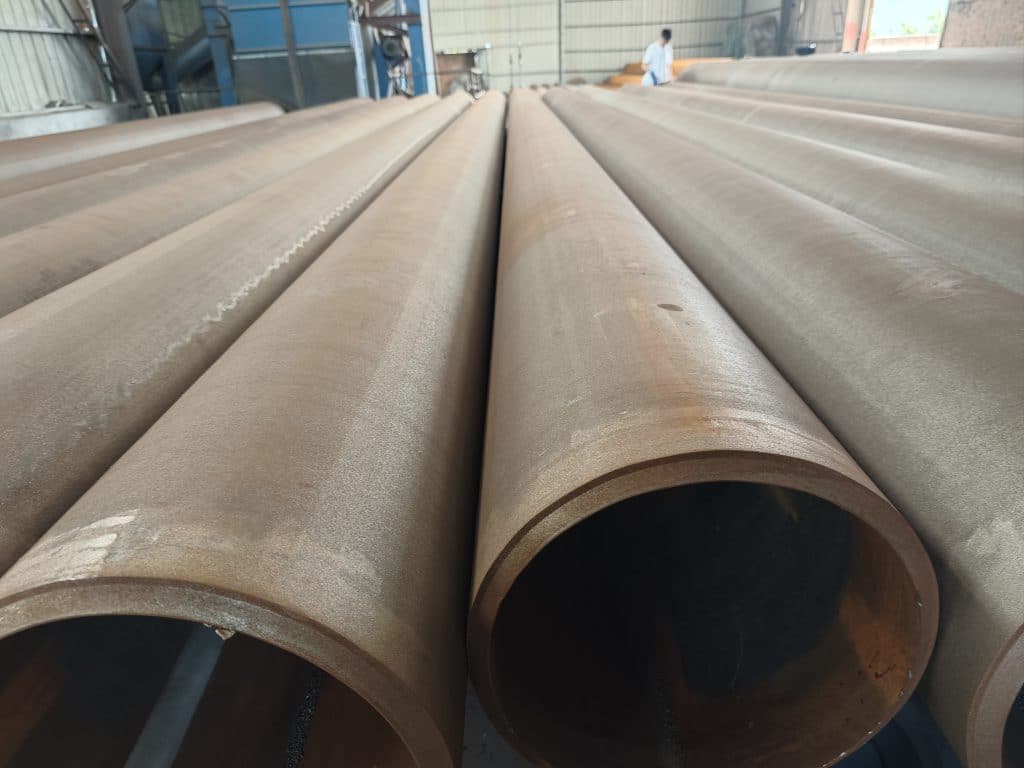
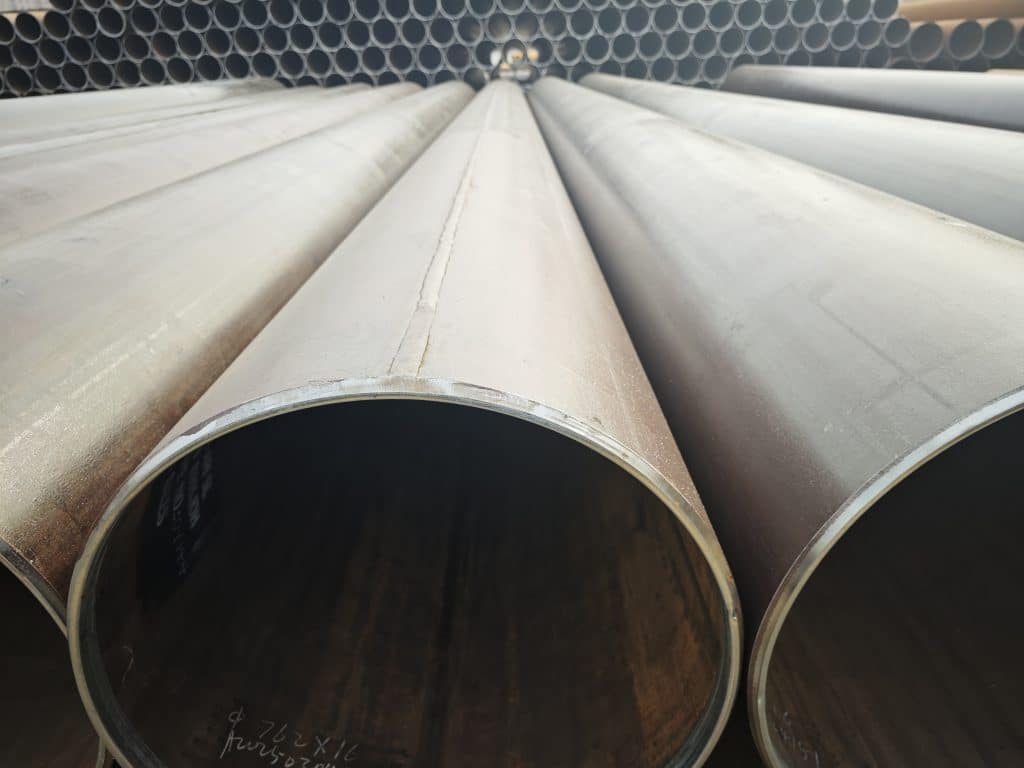
Electric fusion welding (EFW) is the standard manufacturing method for large-diameter low-temperature pipe, producing full-penetration welds that eliminate weak points. Manufacturing begins with pressure-vessel-grade steel plate, which is rolled and joined longitudinally by submerged-arc welding. Stress-relieving (normalizing) heat treatment homogenizes the grain structure, improves strength and reduces residual stresses. Weld quality is confirmed through radiographic (RT) and ultrasonic (UT) testing, hydrostatic testing for pressure resistance, and Charpy V-notch impact testing at specified low temperatures to verify toughness.
Performance and Benefits of Low Temperature Steel Pipe
Low temperature steel pipe offers mechanical, operational and budgetary benefits that directly address the concerns of EPC contractors and plant engineers.
Superior Impact Toughness and Fracture Resistance
Standard carbon steel transitions from ductile to brittle behavior below a certain temperature. Low temperature steel pipe is alloyed and heat-treated to push this transition temperature well below the operating range, preserving ductility even at sub-zero temperatures. This helps prevent unexpected catastrophic failure from thermal shock, mechanical impact or pressure spikes. Charpy impact values for CD and CF series pipe comfortably exceed the minimum allowable values at design temperature, providing an important safety margin for LNG terminals, cryogenic storage and Arctic oil fields.
Pressure Resistance
Made from pressure-vessel-grade steel plate, these pipes are suited to applications with high internal pressures, such as industrial process lines, gas pipelines and power-generation systems. Electric fusion welding produces full-penetration welds that eliminate lap joints and partial-fusion zones, resulting in seams with tensile strength equal to or greater than the parent material. Hydrostatic testing per class standards confirms leak-free performance under operational loads. In power and petrochemical plants, main process lines are designed with large diameters — from 16 inches to more than 56 inches (406 mm to 1,422 mm) — minimizing the number of field welds and reducing inspection costs.
Dimensional Stability
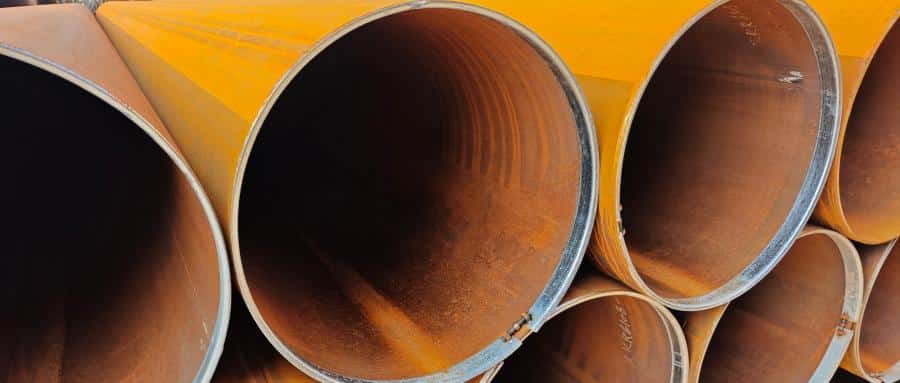
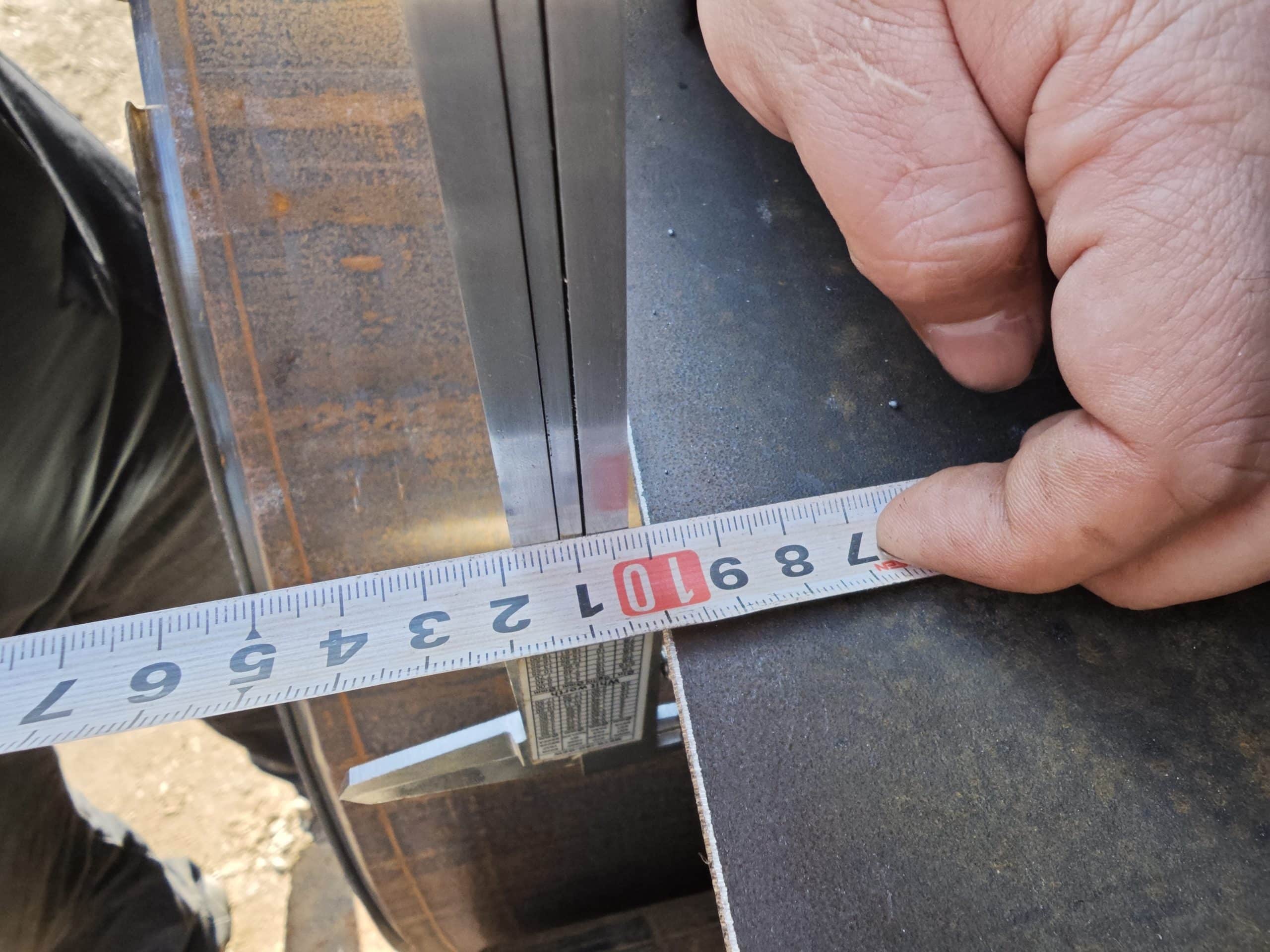
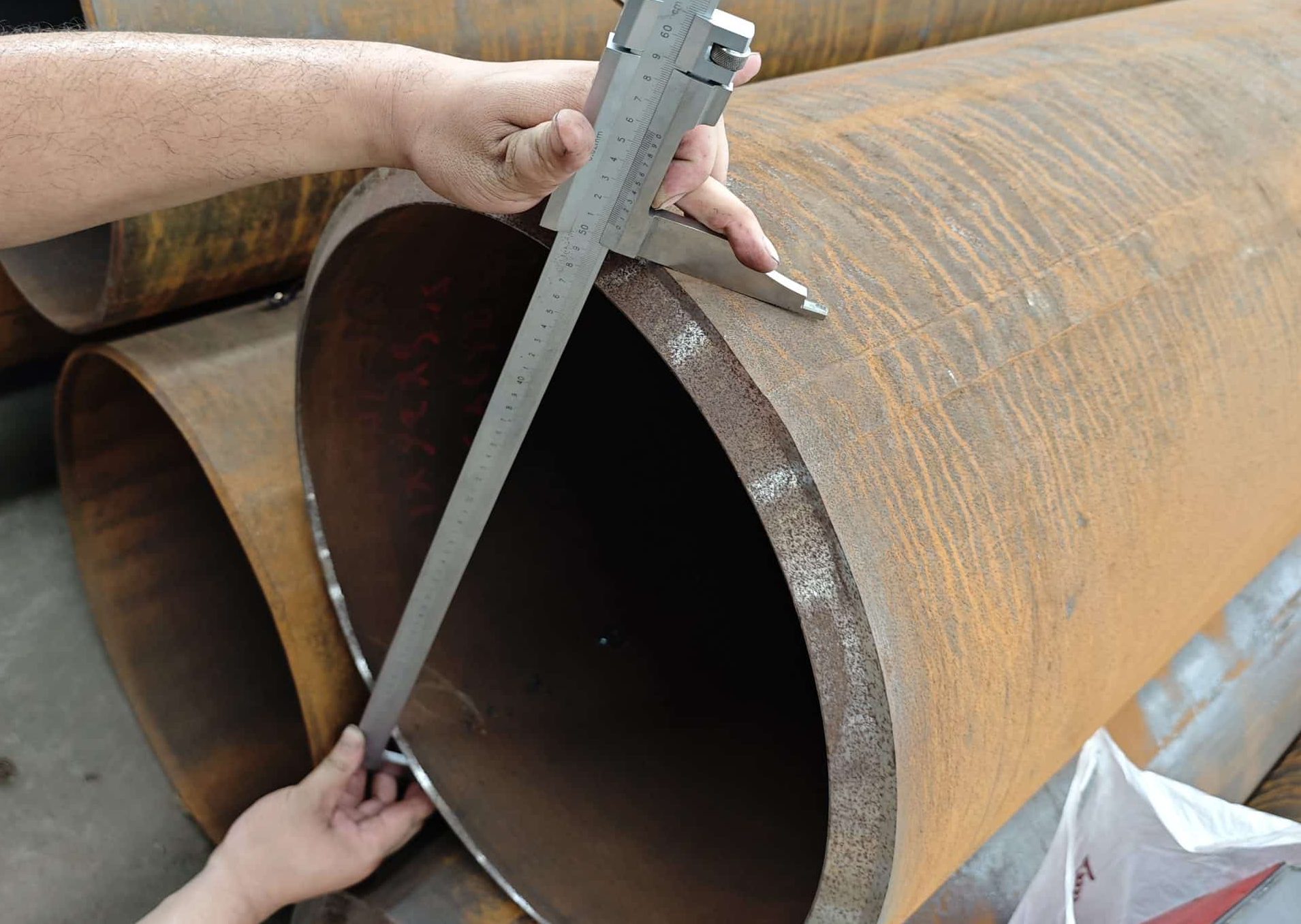
Dimensional precision is critical: even small variances complicate fit-up, increase welding costs and jeopardize joint integrity. Low temperature steel pipe is produced to tight tolerances, with wall thicknesses starting at 6 mm and covering both thin-walled utility lines and heavy-walled pressure vessels. Custom pipe lengths minimize the number of field butt welds, speeding installation and reducing potential leak points. Ends are beveled per ASME B16.25 to suit field welding, and coatings such as fusion-bonded epoxy (FBE) or three-layer polyethylene (3LPE) provide corrosion protection for buried or offshore systems.
Service Life
Corrosion resistance is not a primary design goal for low temperature steel, but it can be improved through appropriate alloying and coatings. Contact with corrosive fluids or brine containing chemicals and LNG is common in these applications, and alloying elements help increase resistance to pitting and stress-corrosion cracking. Combined with regular ultrasonic thickness assessments and corrosion mapping, these pipes can achieve service lives beyond 30 years, lowering lifecycle costs and reducing unplanned maintenance shutdowns. They have a proven record in Arctic gas pipelines and offshore LNG plants, withstanding temperature fluctuations and mechanical stress without deterioration.
Low Temperature Steel vs. Carbon, Stainless, and Alloy Steel
Choosing the right pipe material requires weighing the advantages and disadvantages of each option against performance, cost and application requirements. The table below summarizes low-temperature performance by material, using standard carbon steel as the cost baseline against which stainless and alloy steels are compared.
| Material | Low-Temperature Toughness | Typical Applications |
| Standard carbon steel (ASTM A53, API 5L) | Becomes brittle at temperatures below 0°C to -10°C, making it unsuitable for sub-zero environments. | Ambient-temperature water transmission, structural applications, and low-pressure gas distribution. |
| Low temperature steel pipe | Maintains toughness below -46°C through alloying and heat treatment. | LNG liquefaction trains, petrochemical cold boxes, and critical sub-zero service. |
| Austenitic stainless steel (304L, 316L) | Maintains toughness at cryogenic temperatures with excellent corrosion resistance. | Cryogenic service where corrosion resistance is critical. |
| Alloy steel (ASTM A335 chrome-moly) | Alloying elements do not enhance low-temperature toughness, making it unsuitable for cryogenic applications. | High-temperature service above 400°C, resisting creep and oxidation. |
Cost dynamics generally favor low temperature steel in many applications. Initial costs for low-temperature grades run 15–30% above standard carbon steel, but lifecycle advantages — such as lower insurance premiums and reduced risk of catastrophic failure — can justify the premium in critical service. Austenitic stainless steels cost roughly three to five times more than low-temperature carbon steel, making them impractical for large-volume applications. Where corrosion can be managed through coatings or process controls and mechanical properties are the primary concern, low temperature steel pipe offers a cost-effective option.
Above roughly -50°C, where corrosion is not a major concern, low temperature steel performs just as well as costlier alternatives while remaining considerably cheaper. Nickel additions in these grades improve impact resistance at sub-zero temperatures. Matching the material to the actual service-temperature range helps avoid both unnecessary expense and performance shortfalls from an under-specified metallurgy.
Procurement Guide for Low Temperature Steel Pipe
Successful procurement balances technical conformity, supplier reliability and cost management. Understanding pricing structures, supplier evaluation criteria and logistical considerations can help procurement teams reduce risk and keep projects on schedule.
Pricing, Supplier Evaluation, and Lead Times
Pricing for low temperature steel pipe depends on material, diameter, wall thickness and order quantity. CD and CF series pipe costs 10–20% more than CC-class material due to more rigorous low-temperature testing and alloying. Premiums also apply for the specialized rolling and welding equipment required for large diameters (above 24 inches) and heavy wall thicknesses (above 30 mm). Bulk purchases above 100 tons typically qualify for a 5–15% discount, and manufacturers commonly set minimum order quantities of 20–50 tons, so procurement teams should consolidate work-package orders to reach the MOQ and maximize savings.
Look for a supplier with ISO 9001 certification and a demonstrated track record producing ASTM A671 pipe. Supplier audits should confirm hydrostatic test facilities, calibrated impact-testing equipment, and RT/UT inspection capability. Traceability systems should tie each pipe to its steel-plate heat number and welding batch. A history of third-party inspection with SGS, BV or TÜV signals readiness to meet the source-inspection requirements typical of large EPC projects, and references from similar applications (LNG, petrochemical, power) indicate consistent quality and reliable service.
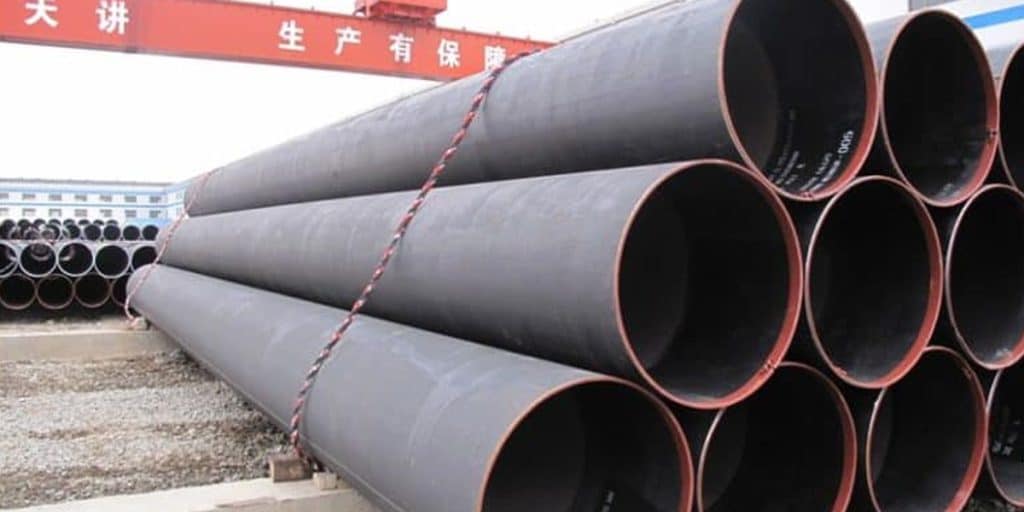
Typical lead times run 30 days for standard sizes and 45–60 days for custom diameters, wall thicknesses or coatings. For urgent projects, suppliers that stock pressure-vessel-grade plate may be able to compress lead times to 20–25 days at a 10–15% cost premium. Shipping logistics require careful planning: large pipes are bundled into hexagonal stacks and loaded into flat-rack containers or break-bulk vessels, secured against rolling or impact damage. Sea freight from Asian manufacturing centers to ports in the Middle East or Latin America typically takes 25–40 days, excluding customs clearance and inland transport, so procurement schedules should build in this lead time to avoid conflicts with critical construction milestones.
Documentation and Compliance Verification
Complete documentation supports both quality assurance and regulatory acceptance. Certified material test certificates confirm material composition, mechanical properties and test results, and third-party verification from an independent inspection body provides additional assurance for critical projects. WPS and PQR documents record welding parameters and qualification test results. NDT reports include RT radiographs and UT scan records, and hydrostatic test results confirm pressure integrity. Procurement contracts should clearly specify that documentation be provided in both hard-copy and digital form.
Conclusion
Low temperature steel pipe is essential for companies operating in sub-zero environments, providing the toughness, pressure resistance and dimensional stability needed for safe, reliable operation in petrochemical, LNG and power-generation applications. Understanding the distinctions between material classes, production methods and quality-assurance standards allows engineers and procurement specialists to balance cost, compliance and performance. By working with ISO-certified producers that offer thoroughly tested and documented pipe, EPC contractors and plant operators can reduce the risk of brittle fracture, project delays and regulatory non-compliance — helping ensure these critical assets perform reliably for decades in demanding environments.
FAQ
1. What temperature range defines low temperature steel pipe service?
Low temperature steel pipe is designed for environments where temperatures drop below -29°C (-20°F). Certain classes, such as CD and CF, are qualified for lower temperatures still — ASTM A671 CD and CF series undergo Charpy impact testing at these temperatures to verify toughness. For cryogenic applications such as LNG liquefaction and storage at -162°C, projects may require austenitic stainless steel or specialized nickel alloys instead.
2. Are low temperature steel pipes suitable for both cryogenic and sub-zero applications?
ASTM A671 CD and CF series pipe serves sub-zero applications, including Arctic oil and gas pipelines, cold-climate power plants and cold storage. For true cryogenic service below -101°C, materials such as nickel steel or austenitic stainless steels (304L, 316L) are typically required. Procurement teams should match material selection to the exact design temperature to ensure safety and compliance.
3. How can I verify supplier authenticity and material quality?
Verification starts with ISO 9001 certification and demonstrated ASTM A671 production experience. Request certified material test certificates, or 3.2 material certificates, from approved laboratories confirming chemical composition and mechanical properties. Verify RT and UT inspection reports linked to specific pipe numbers, and consider supplier audits or third-party inspection (SGS, BV, TÜV) for source inspections during production. Checking client references and past project records, along with full traceability from steel-plate heat numbers through final testing, helps confirm material authenticity and quality.
Partner with LONGMA for Low Temperature Steel Pipe
LONGMA has manufactured low temperature steel pipe for petrochemical EPC contractors, power generation projects and pressure vessel manufacturers worldwide since 2003. Our ASTM A671 EFW pipe, available in classes CC60, CC65, CC70, CD70, CFA65 and CFE70, is produced from pressure-vessel-quality steel plate for LNG plants, Arctic pipelines and sub-zero industrial systems. Every pipe undergoes radiographic testing, hydrostatic testing, and — when specified — Charpy impact testing per Supplementary Requirement S2, in line with applicable piping codes and material certification standards. Our 230,000-square-meter facility produces over 500,000 tons annually, delivering large-diameter pipe up to 1,422 mm with beveled ends within 30 to 45 days, backed by full material traceability and third-party inspection coordination. Throughout procurement, our engineering team works alongside piping engineers and QA/QC managers to provide technical support, documentation packages and post-delivery assistance. LONGMA’s track record with SINOPEC, CNPC, PEMEX and PDVSA reflects our commitment to quality and on-time delivery. Email us at info@ilongma.com to discuss your project requirements.