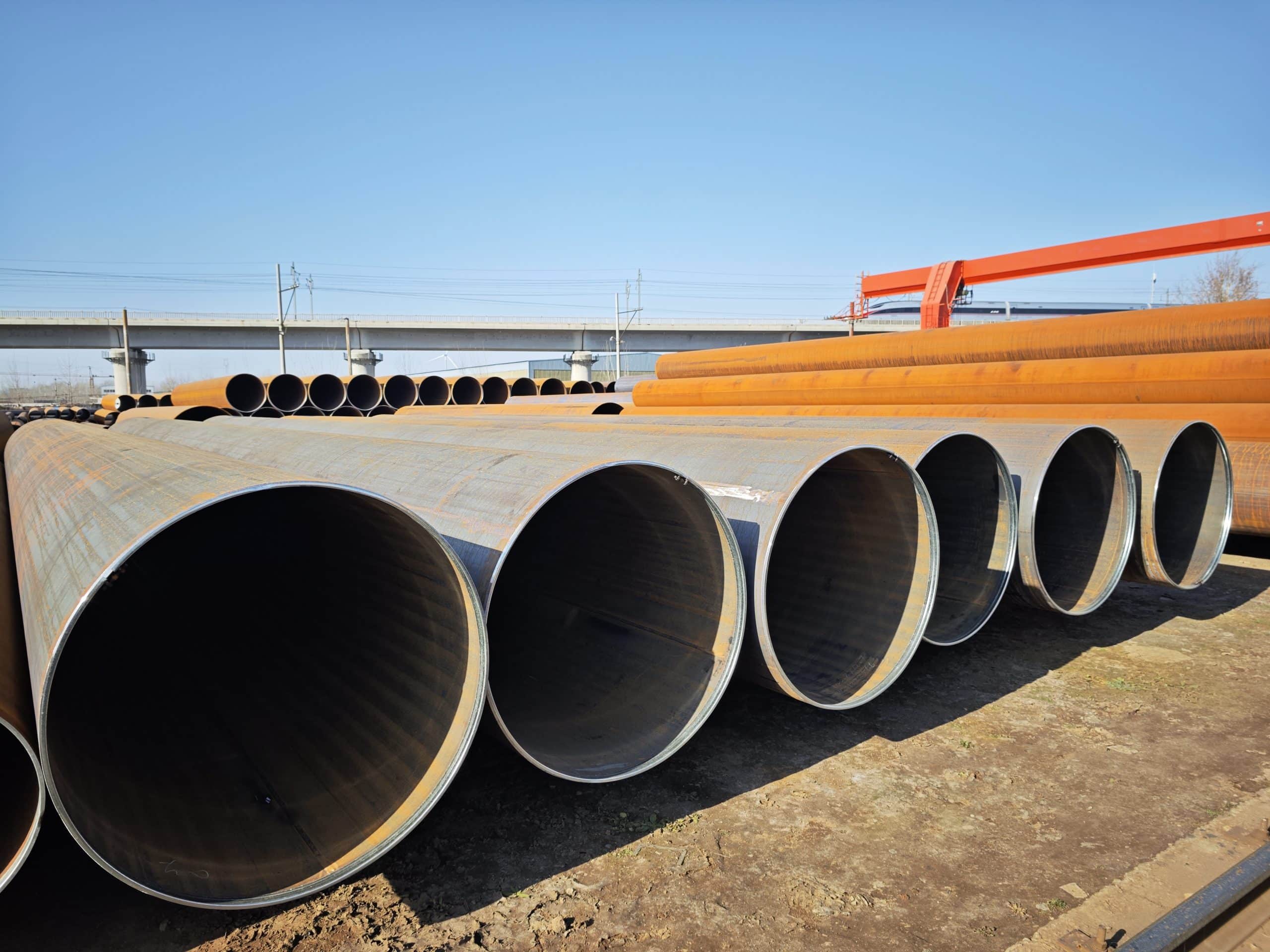
Low-temperature pipe selection is governed by the minimum design metal temperature, pressure, fluid, wall thickness, welding route, and the applicable design code—not by a single material label. ASTM A333 and ASTM A671 are common starting points, but their scope and purchase requirements differ materially.
What “Low-Temperature Service” Actually Means
Steel can lose notch toughness as temperature falls, increasing the risk of brittle fracture. The relevant engineering value is therefore the minimum design metal temperature (MDMT), not simply the normal operating temperature. The piping designer must consider start-up, shutdown, depressurization, ambient exposure, and upset cases before selecting a material.
No ASTM pipe specification by itself establishes that a finished piping system is safe at a stated temperature. Suitability depends on the exact grade, heat treatment, thickness, impact-test requirements, weld procedure, design stress, and the governing construction code. The purchase order should state these items explicitly.
Common Steel Pipe Options
| Pipe option | Typical form and strength | Best fit | Key limitation |
| ASTM A333/A333M | Seamless or welded carbon/alloy steel pipe; required notch toughness | Small- to medium-diameter low-temperature process piping | Size availability and impact properties must be checked for the specified wall thickness. |
| ASTM A671/A671M | Electric-fusion-welded pipe made with added filler metal from pressure-vessel-quality plate | Large-diameter, high-pressure service at atmospheric and lower temperatures | Grade, class and supplementary requirements must be specified; the designation is not a blanket cryogenic approval. |
| Austenitic stainless steel | Excellent low-temperature ductility; broad corrosion resistance | Cryogenic liquid service or corrosive duty where the selected grade and code permit | Higher material cost; welding, cleanliness and chloride exposure still require control. |
| Nickel-alloy or 9% nickel systems | Very high cryogenic toughness for appropriately qualified products | Selected LNG storage and cryogenic applications | Product form, code listing, welding consumables and project qualification are critical. |
ASTM A333 vs ASTM A671: Do Not Treat Them as Interchangeable
ASTM A333/A333M covers nominal-wall seamless and welded carbon and alloy steel pipe for low-temperature service and other applications requiring notch toughness. Its welded product is made without filler metal in the welding operation. ASTM A671/A671M, by contrast, covers electric-fusion-welded pipe made with added filler metal from pressure-vessel-quality plate for high-pressure service at atmospheric and lower temperatures.
For ASTM A671, the grade identifies the plate specification/type and strength level, while the class identifies the heat treatment applied during pipe manufacture and the required radiographic examination and pressure testing. A complete order designation therefore needs both grade and class—for example, ASTM A671 Grade CC60 Class 22—plus any purchaser-selected supplementary requirements.
A Practical Selection Workflow
- Define the MDMT and design pressure under the applicable piping or pipeline code.
- Identify whether the service is gaseous, liquid, wet, corrosive, sour, or subject to rapid depressurization.
- Select a product specification and grade listed or otherwise accepted by the governing code.
- Check thickness-dependent toughness rules and specify the Charpy V-notch test temperature and acceptance criteria where required.
- Qualify field welding for the base metal, weld metal and heat-affected zone at the required test temperature.
- Confirm dimensional tolerances, end preparation, NDE, hydrostatic testing, documentation and coating requirements in the purchase order.
Inspection and Documentation Buyers Should Request
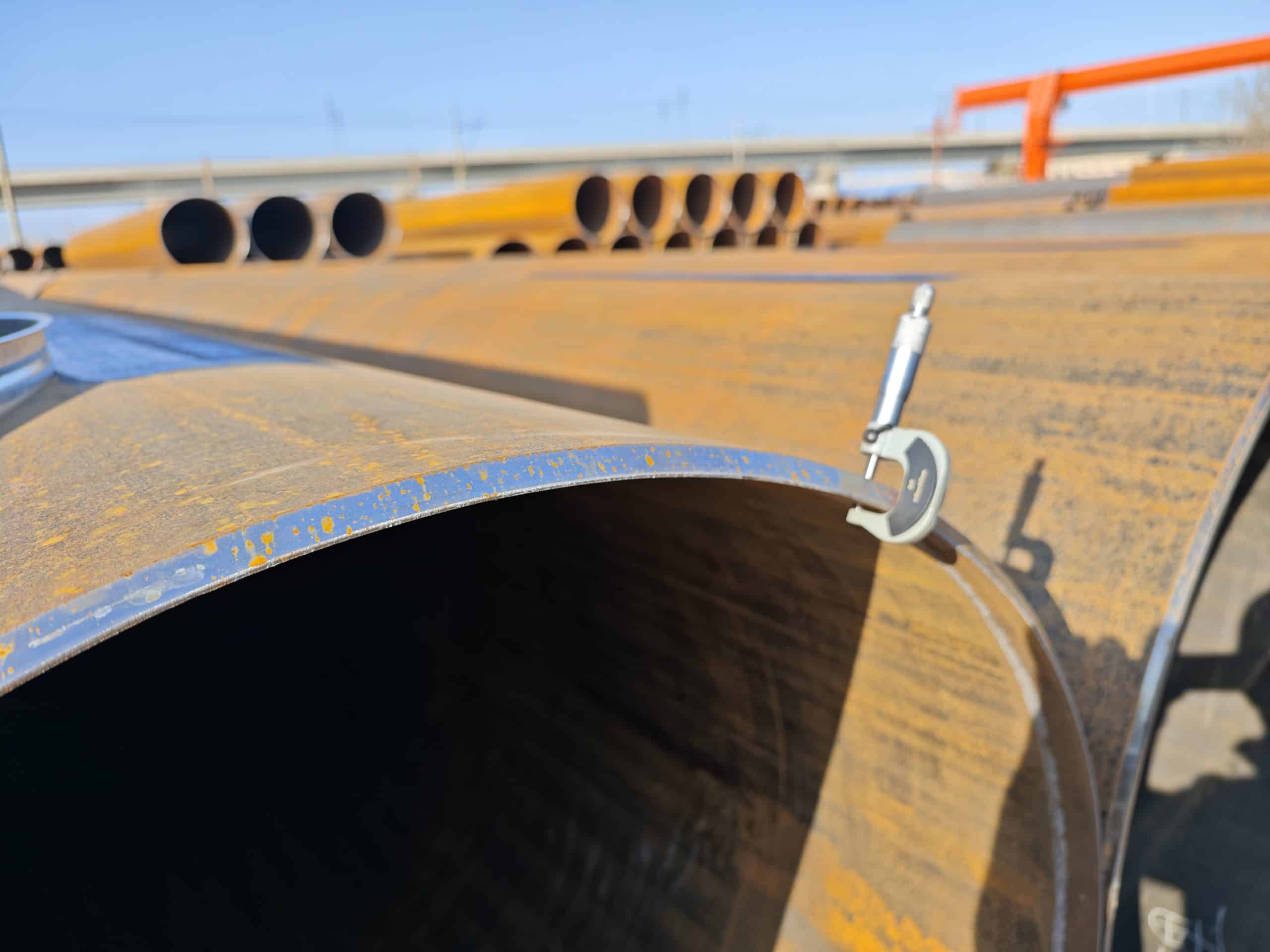
A reliable inspection plan links each pipe to its plate heat, welding records, heat-treatment record, dimensional inspection and final tests. ASTM A671 includes standard requirements and supplementary options; the purchaser should not assume that every optional examination is included.
| Control | Purpose | Procurement point |
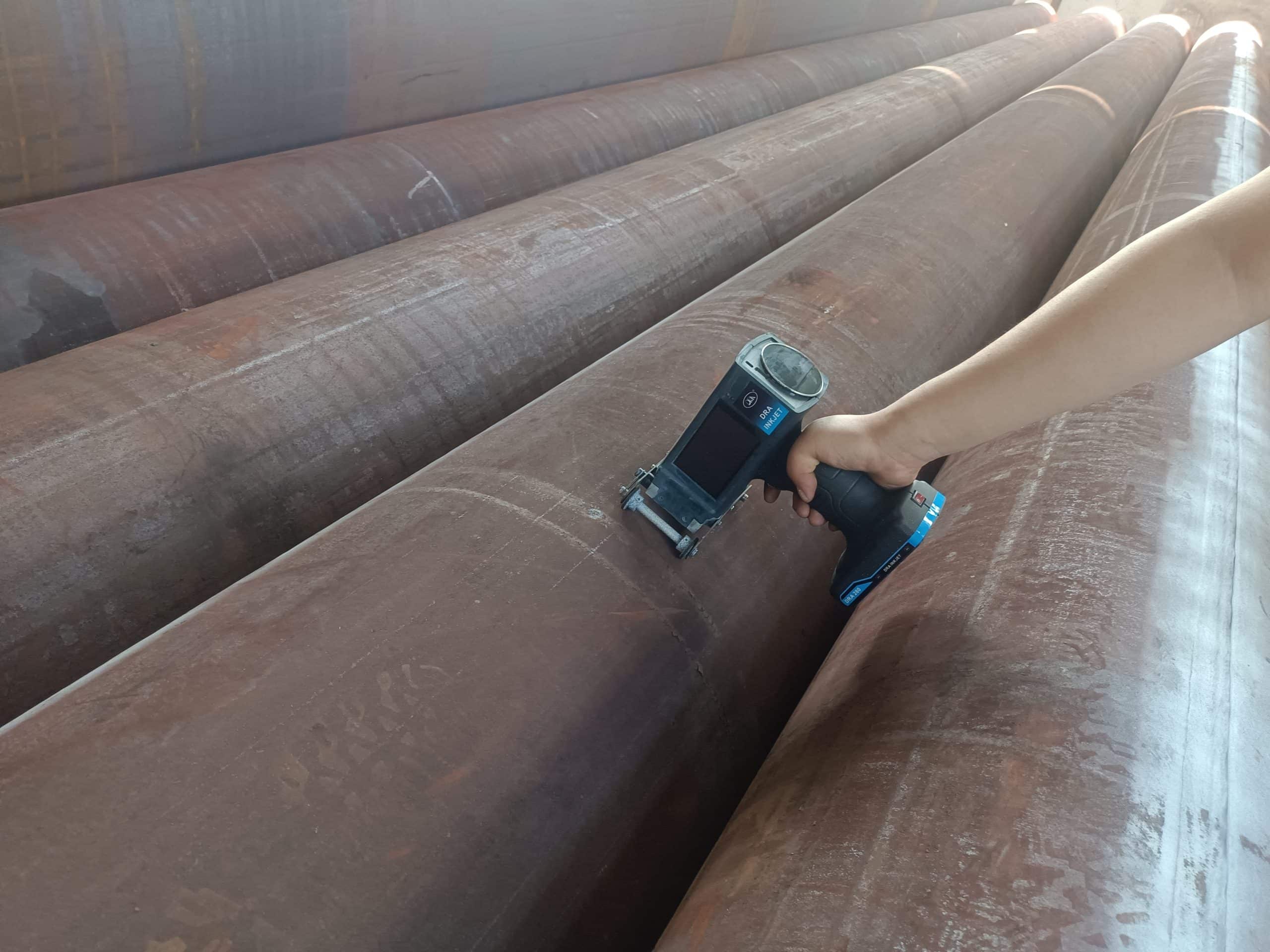
| Plate traceability | Confirms the plate specification, grade and heat number | Require traceability from plate certificate to finished pipe marking. |
| Weld procedure qualification | Demonstrates that the welding procedure can meet required properties | State the governing qualification code and any low-temperature impact requirements. |
| Radiographic/ultrasonic examination | Detects specified weld or plate discontinuities | Specify the ASTM A671 class and any additional project NDE. |
| Hydrostatic test | Verifies pressure integrity at the specified test condition | Request the test record and confirm whether an allowed alternative is acceptable. |
| Impact testing | Demonstrates notch toughness at a stated temperature | State specimen location, test temperature and acceptance criteria; do not request only “low-temperature quality.” |
| Inspection document | Summarizes chemistry, mechanical properties and test results | Specify EN 10204 3.1 or 3.2 only when contractually required and supported by the inspection arrangement. |
Where ASTM A671 Fits
ASTM A671 can be an efficient choice when a project needs large-diameter welded pipe made from pressure-vessel-quality plate and the selected grade/class meets the code, MDMT and toughness requirements. It is frequently considered for low-temperature hydrocarbon, petrochemical and power piping. However, the words “ASTM A671” alone do not prove suitability for liquid LNG at approximately −162°C. That decision requires project-specific material qualification and code review.
Why Work With LONGMA
LONGMA manufactures welded steel pipe and can support project-specific review of dimensions, grade/class designation, NDE, hydrostatic testing, end preparation and inspection documentation. Buyers should submit the piping material specification, MDMT, design pressure, corrosion allowance and required inspection level so the quotation can be aligned with the engineering basis rather than a generic product description.
FAQ
Is ASTM A333 Grade 6 always suitable below −45°C?
No. A grade name alone is insufficient. The design code, product thickness, heat treatment, specified impact test, weld qualification and actual MDMT must all be checked.
Does seamless pipe eliminate low-temperature risk?
No. Seamless pipe avoids a longitudinal manufacturing weld, but base-metal toughness, heat treatment, thickness, defects, field welds and code compliance still govern brittle-fracture resistance.
Does ASTM A671 require filler metal?
Yes. The official ASTM scope describes A671 pipe as electric-fusion-welded with filler metal added. Claims that A671 EFW pipe is made without filler metal are incorrect.