- 1. Understanding Galvanized Steel Pipe and Its Properties
- 2. Challenges and Considerations When Bending Galvanized Steel Pipe
- 3. Proven Methods to Bend Galvanized Steel Pipe Without Compromising Quality
- 4. Maintaining Galvanized Steel Pipes After Bending
- 5. Procuring Quality Galvanized Steel Pipes for Bending Applications
- 6. Conclusion
- 7. FAQ
- 8. Partner with LONGMA for Reliable Galvanized Steel Pipe Supply
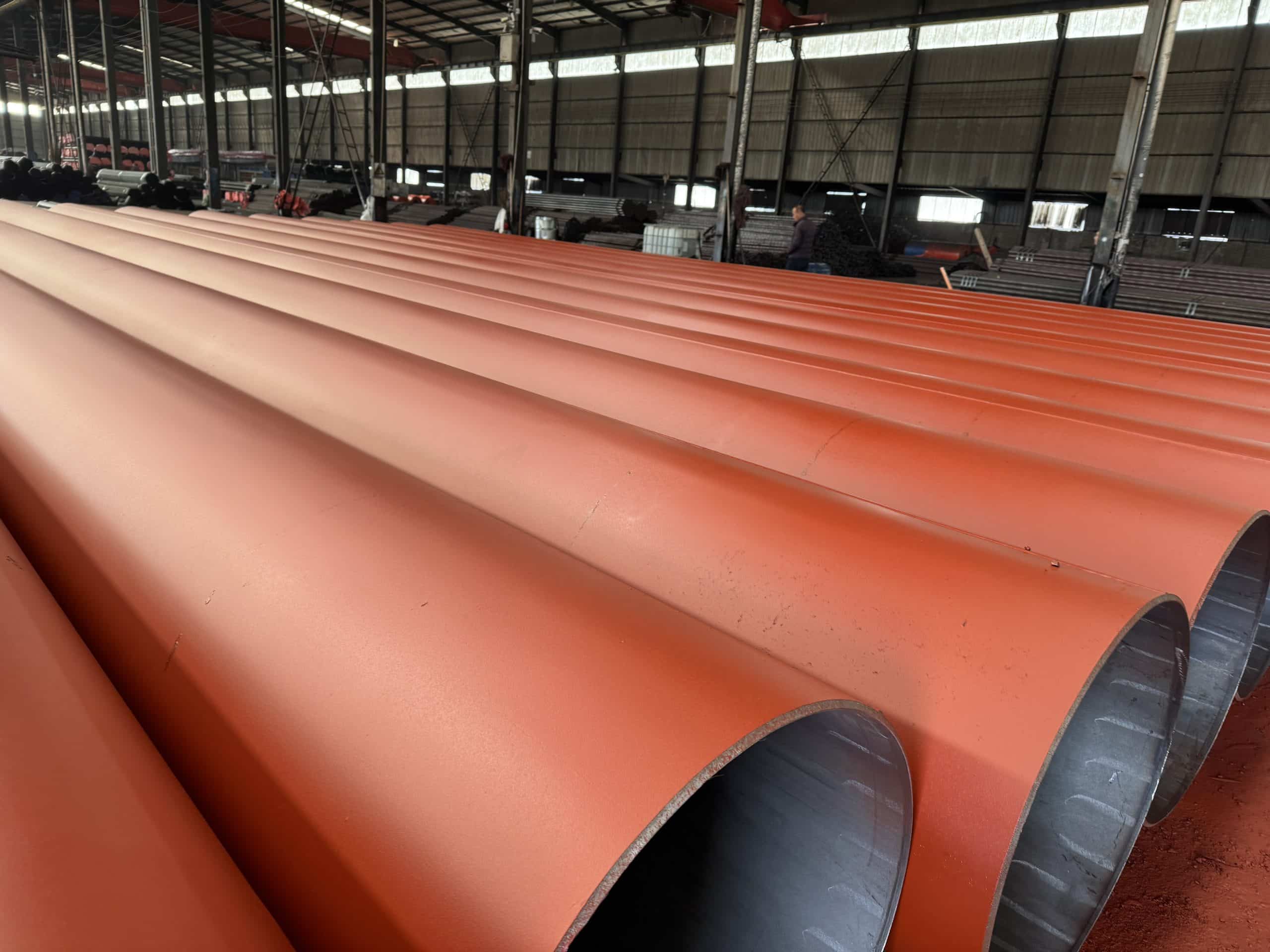
Bending galvanized steel pipe properly is a skill that directly impacts pipe integrity, coating longevity, and long-term project performance. Galvanized steel pipes are carbon steel pipes that have been coated with a protective coating of zinc by hot-dip galvanizing. The pipes are usually made to ASTM A53 requirements. Zinc coating offers a barrier and cathodic protection. Incorrect bending techniques may cause cracking or delamination of the zinc coating, which can lead to rapid corrosion of the steel substrate. This handbook leads procurement managers, engineers, and project teams through each stage of the bending process with confidence.
Understanding Galvanized Steel Pipe and Its Properties
Hot-dip galvanized pipe is produced by immersing properly prepared carbon steel pipe in molten zinc, typically at about 450°C (842°F). The process forms metallurgically bonded zinc-iron alloy layers that provide both barrier protection and sacrificial protection to the steel substrate. Where ASTM A53/A53M is specified, the pipe and galvanizing must comply with the applicable requirements of that specification. For bending work, the key issue is not only the base-steel strength but also whether the zinc coating can tolerate the imposed strain without cracking or flaking.
Key Dimensional and Mechanical Attributes Critical to Bending
Bendability is influenced by outside diameter, wall thickness, steel properties, bend radius, bending method, and equipment. ASME B36.10M may be used to identify standard pipe dimensions, but it does not prescribe a universal bend radius for galvanized pipe. Thin-wall pipe and tight-radius bends are more susceptible to ovalization, wrinkling, wall thinning, and coating damage. The required bend radius should therefore be established from the pipe geometry, bending procedure, equipment capability, and project acceptance criteria rather than from a single rule of thumb.
Comparison with Alternative Pipe Materials
Galvanized pipe is stronger and can take higher temperatures than PVC. It lasts longer outside than black steel without having to be repainted. Stainless steel has good corrosion resistance but is far more expensive to produce. Zinc-coated carbon steel pipe is the best combination of cost, strength, and corrosion protection for agricultural irrigation, structural frameworks, and non-potable water conveyance. That is why it is still the specification of choice on infrastructure projects across the world.
Challenges and Considerations When Bending Galvanized Steel Pipe
The zinc coating creates bending considerations that differ from those of bare steel. During bending, the outside radius is placed in tension while the inside radius is compressed. Tighter bends create higher local strain and increase the risk of coating cracking, flaking, ovalization, or local wall distortion. A larger bend radius generally reduces these risks, but there is no universal 5D requirement in ASTM A53/A53M for field bending galvanized pipe. The acceptable radius should be qualified for the actual pipe size, wall thickness, material, equipment, and project requirements.
Coating Damage Risks and Safety Protocols
Heating galvanized steel can generate zinc oxide fumes, so hot bending requires appropriate occupational-safety controls. Where thermal bending cannot be avoided, the work procedure should address ventilation, exposure control, suitable personal protective equipment, and restoration of any zinc coating removed or damaged by heating. These safety controls should be based on applicable workplace-safety requirements and the fabricator’s approved procedure; NACE MR0175/ISO 15156 is not a zinc-fume safety standard.
International Standards Governing Bend Quality
ASTM A53/A53M is a commonly specified product standard for black and hot-dip zinc-coated welded and seamless steel pipe. ASTM A780/A780M provides recognized methods for repairing damaged and uncoated areas of hot-dip galvanized coatings. Standards such as DIN 30670 and ISO 21809-1 apply to polyethylene/polyolefin external pipeline coating systems rather than to the zinc layer itself; they are relevant only when the project uses those additional coating systems. Bend acceptance criteria should come from the applicable project specification, fabrication procedure, and any governing piping or structural code.
Proven Methods to Bend Galvanized Steel Pipe Without Compromising Quality
The right bending process is not a matter of choice, but an engineering necessity. There are two main ways of doing this: cold bending and hot bending. Each has ramifications for the integrity of zinc coatings and for dimensional accuracy.
The zinc coating is better preserved when cold bending is carried out at ambient temperature using mechanical or hydraulic equipment than with heat techniques. Mandrel benders use a supporting rod within the pipe during bending to avoid wall collapse and ovalization. Hydraulic rotary draw benders may provide accurate, repeatable bend angles for large volume production. For NPS 1 through NPS 4, if bend radii allow, cold bending is the preferable technique for Schedule 40 pipe.
Here are the practical steps that field teams and fabricators consistently apply to achieve clean bends:
- Surface assessment before bending: Inspect the zinc coating for pre-existing disbondment or holiday defects using holiday detectors. Any coating failure before bending will worsen under mechanical stress.
- Minimum bend radius selection: Use the largest practical centerline radius consistent with the design. The required minimum radius should be established from pipe diameter, wall thickness, material properties, bending equipment, and allowable ovality/wall thinning. A 5D radius may be used as a conservative project or shop practice in some cases, but it should not be presented as a universal ASTM A53 or ASME B16.9 requirement.
- Mandrel support when needed: Use an internal mandrel or other suitable support when the pipe geometry and bend radius create an unacceptable risk of ovalization, wrinkling, or wall collapse. The need for a mandrel should be determined by the D/t ratio, bend radius, equipment, and project tolerances rather than by nominal pipe size alone.
- Post-bend zinc repair: Apply cold-galvanizing compound (minimum 92% zinc by dry film weight) to any cracked or exposed areas immediately after bending, consistent with ASTM A780 repair practice guidelines.
These steps collectively protect coating continuity and preserve the galvanized steel pipe‘s rated corrosion resistance across its intended service life. Skipping any one of them introduces a weak point that soil moisture, oxygen, or chemical exposure will exploit within months.
Maintaining Galvanized Steel Pipes After Bending
Post-bending inspections should be a necessary quality barrier, not an optional step. The visual examination of the bend zone shows evident zinc cracking, but holiday testing, which consists of running a low-voltage wet sponge or high-voltage spark tester over the bend, shows coating discontinuities that are not visible to the eye.
Cold galvanizing sprays and zinc-rich epoxy primers restore barrier protection in the restored areas. For subterranean pipelines, to provide extra mechanical protection against soil stress, the bend region is wrapped with petrolatum tape or heat-shrink sleeve. Bent galvanized pipe in underground service should be maintained at intervals consistent with the project corrosion management plans. Cathodic protection systems, standard on oil and gas transmission lines following NACE standards, increase service life even in the presence of localized coating deterioration.
Additional economic justification comes from lifecycle cost comparisons. Properly maintained zinc-coated pipe in a moderate soil environment will generally provide a service life of 30 to 50 years without structural intervention, whereas uncoated black steel pipe in similar exposure conditions will last only 10 to 15 years.
Procuring Quality Galvanized Steel Pipes for Bending Applications
Sourcing the right pipe for bending applications requires more than a price comparison. The supplier’s coating process, quality documentation, and traceability systems directly determine whether the pipe will perform as specified across decades of service.
When evaluating suppliers, procurement teams should verify these core criteria:
- Standard compliance documentation: Mill test certificates to EN 10204 3.1, confirming compliance with ASTM A53-2024 base pipe requirements and applicable coating standards.
- Custom wall thickness availability: Projects requiring specific bend radii may need non-standard Schedule dimensions; confirm the manufacturer’s production range before issuing RFQ.
- Third-party inspection support: Suppliers who accommodate SGS or Bureau Veritas resident inspection during production reduce downstream quality risk significantly.
- Delivery reliability: Lead times of 30 days for common sizes and 45 days for customized specifications represent industry benchmarks for capable manufacturers.
These factors immediately correlate to decreased total cost of ownership and reduced project risk. If a supplier cannot offer complete documentation traceability, they are a liability on any project where acceptance is governed by owner-specified requirements.
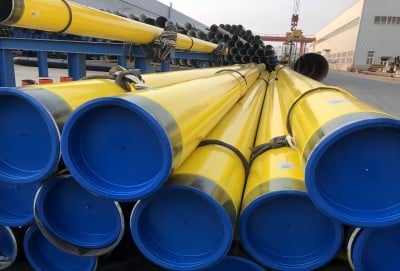
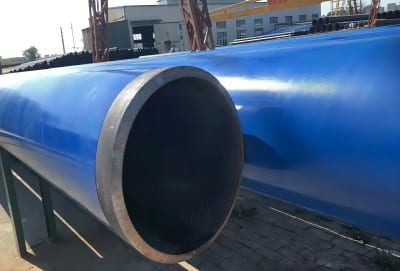
In addition to hot-dip galvanized pipe, projects in difficult buried or subsea settings should consider sophisticated anti-corrosion coating technologies like 3LPE, FBE, 3LPP, Liquid Epoxy and Coal Tar Epoxy coatings that give substantially higher performance. Certified to ISO 21809, DIN 30670, AWWA and CSA standards, systems with configurable coating thickness (2.9 mm to 4.2 mm) cover the complete range of oil and gas, water supply, offshore and district heating applications where coating failure is catastrophic.
Conclusion
Technical perfection is required throughout the whole process of bending zinc-coated galvanized steel pipe, from choosing the technique, setting up the equipment, to post-bend inspection and coating restoration. The success of the result depends on understanding the mechanical characteristics of the zinc layer, following the minimum bend radius requirements, and keeping the integrity of the coating after bending. For procurement teams, buying from manufacturers with proven quality standards, verifiable paperwork, and complete coating capabilities removes the unpredictability that increases lifetime costs. Whether you specify a hot-dip galvanized finish or modern 3LPE and FBE anti-corrosion systems for your project, the result is as much dependent on the supplier you choose as the specification you write.
FAQ
1. Does field bending affect the corrosion resistance of zinc-coated pipe?
Yes. Bending introduces tensile and compressive strain into the bend zone, and sufficiently high strain can crack or locally damage the zinc coating. The risk can be reduced by selecting an appropriate bend radius, using suitable bending equipment, and inspecting the coating after bending. Any damaged galvanized area should be repaired in accordance with the applicable project specification and a recognized repair practice such as ASTM A780/A780M.
2. What is the difference between hot bending and cold bending for galvanized pipe?
Cold bending generally preserves the galvanized coating better because it avoids deliberate heating of the zinc layer. Hot bending can damage or remove the coating in the heated zone and introduces zinc-fume exposure concerns, so it requires a controlled procedure and subsequent coating restoration. The preferred method depends on pipe size, wall thickness, required radius, equipment, and project requirements.
3. Can galvanized steel pipe be used for potable water systems?
Galvanized steel pipe has historically been used in potable-water systems, but acceptance for new drinking-water installations depends on local plumbing codes, water chemistry, and applicable health-effects requirements. Where steel pipe, linings, coatings, or other components are in contact with potable water, purchasers should verify the certifications required by the authority having jurisdiction, including NSF/ANSI/CAN 61 where applicable.
4. What certifications should I require from a galvanized pipe supplier?
At minimum, require EN 10204 3.1 mill test certificates, ASTM A53-2024 compliance documentation, and evidence of ISO 9001-certified manufacturing. For anti-corrosion coated pipe beyond galvanizing, request DIN 30670 or ISO 21809 coating test reports and third-party inspection records from SGS or Bureau Veritas.
Partner with LONGMA for Reliable Galvanized Steel Pipe Supply
LONGMA has manufactured ERW and LSAW steel pipes since 2003, supplying verified clients including SINOPEC, CNPC, PEMEX, and PDVSA. As an established galvanized steel pipe manufacturer with 230,000 m² of production capacity and annual output exceeding 500,000 tons, LONGMA delivers complete traceability, EN 10204 3.1 certification, and customized coating solutions from hot-dip galvanized to 3LPE and FBE systems. Reach the team directly at info@ilongma.com to request a project-specific quote.