- 1. Why H2S Matters to Steel Pipe
- 2. Sour Service Is Not Defined by One Number
- 3. API 5L and ISO 15156
- 4. Chemistry and Hardness Control
- 5. HIC and SSC Testing
- 6. ERW/HFW and LSAW for Sour Service
- 7. Inspection and Quality Control
- 8. External Corrosion Protection
- 9. How to Specify Sour Service Pipe
- 10. LONGMA Sour Service Line Pipe Support
- 11. Conclusion
- 12. FAQ
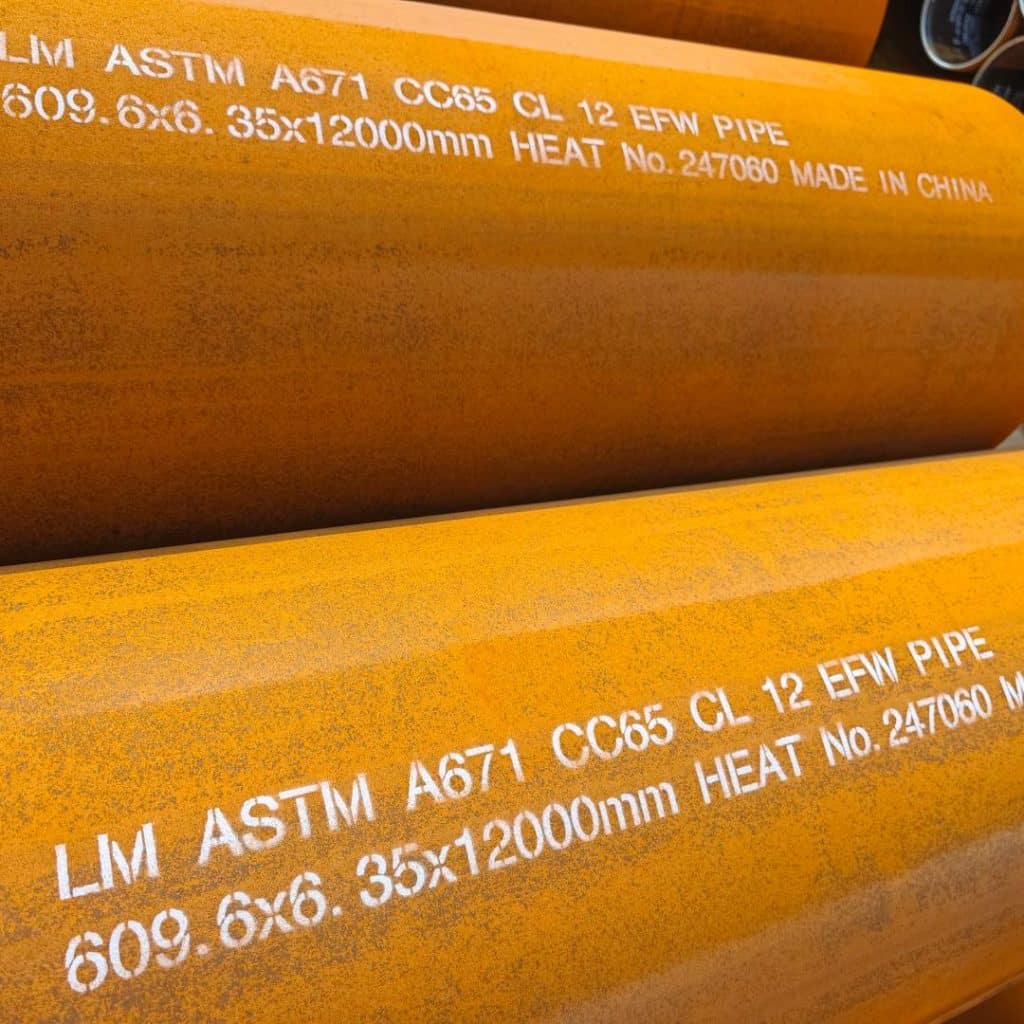
Sour service pipe is steel pipe selected and qualified for service in an H2S-containing environment where hydrogen-related cracking mechanisms must be considered. The term does not simply mean that hydrogen sulfide is present. Material selection depends on the actual service environment, the applicable product specification, the governing material-selection standard, and the purchaser’s project requirements.
For oil and gas production environments, ISO 15156 provides principles and requirements for selecting and qualifying metallic materials for H2S-containing service. For line pipe, API Specification 5L includes requirements for seamless and welded line pipe and contains additional sour-service provisions. API published the 47th Edition of API Spec 5L in June 2026, including updates to sour-service requirements, chemical element ranges, impact toughness, HFW quality, and sulfide stress cracking testing.
Why H2S Matters to Steel Pipe
In the presence of an aqueous environment, H2S can promote hydrogen entry into steel. Depending on material condition, stress, environment, and other factors, hydrogen-related damage can include sulfide stress cracking (SSC), hydrogen-induced cracking (HIC), and stress-oriented hydrogen-induced cracking (SOHIC). These mechanisms are different, so they should not be treated as one generic form of ‘sour cracking.’
| Damage Mechanism | General Description | Why It Matters |
| SSC | Cracking of susceptible material under tensile stress in an H2S-containing environment | Material condition, hardness, stress, and environment can be important |
| HIC | Internal cracking associated with hydrogen entering susceptible steel | Steel cleanliness and inclusion characteristics can influence resistance |
| SOHIC | Hydrogen-related cracking arranged under stress, often as linked crack arrays | Requires project-specific material and integrity consideration |
Sour Service Is Not Defined by One Number
H2S partial pressure is an important input in material selection, but it should not be used as a universal one-number switch for every pipeline project. Temperature, pH, chloride concentration, water phase, stress state, material condition, and other environmental factors can affect cracking susceptibility. The project engineer should determine the applicable sour-service requirements using the governing material-selection criteria and actual service data.
API 5L and ISO 15156
API Spec 5L is a line-pipe product specification. ISO 15156 addresses the selection and qualification of metallic materials for H2S-containing oil and gas production environments. The two documents serve different but complementary purposes. A purchase order should identify the required API 5L edition, grade, PSL, manufacturing route, sour-service requirements, and any ISO 15156 or owner-specific requirements that apply.
The current published ISO 15156-1 is the 2020 fourth edition. A draft replacement is under development, so procurement documents should identify the edition required by the project rather than referring only to ‘NACE compliance’ without further detail.
Chemistry and Hardness Control
Sour-service pipe requires careful control of material chemistry, microstructure, and hardness, but a website article should not present one sulfur limit, one phosphorus limit, one carbon-equivalent value, or one hardness number as universally applicable to every grade and manufacturing route. The applicable limits must be checked against the current product specification and project requirements for the actual material, weld, heat-affected zone, and test location.
Carbon equivalent or Pcm can be useful inputs when evaluating weldability, but they are not stand-alone guarantees of sour-service performance. Welding procedure, heat input, preheat, consumable control, joint restraint, wall thickness, and other factors also matter.
HIC and SSC Testing
HIC and SSC testing may be required as part of a sour-service qualification package. The test method, specimen location, test environment, frequency, and acceptance criteria should be defined by the applicable standard and purchase specification. It is not accurate to state that every sour-service pipe order worldwide uses one identical HIC/SSC acceptance limit.
For procurement, the RFQ should identify the required test standards and project acceptance criteria rather than using a general phrase such as ‘NACE tested.’
ERW/HFW and LSAW for Sour Service
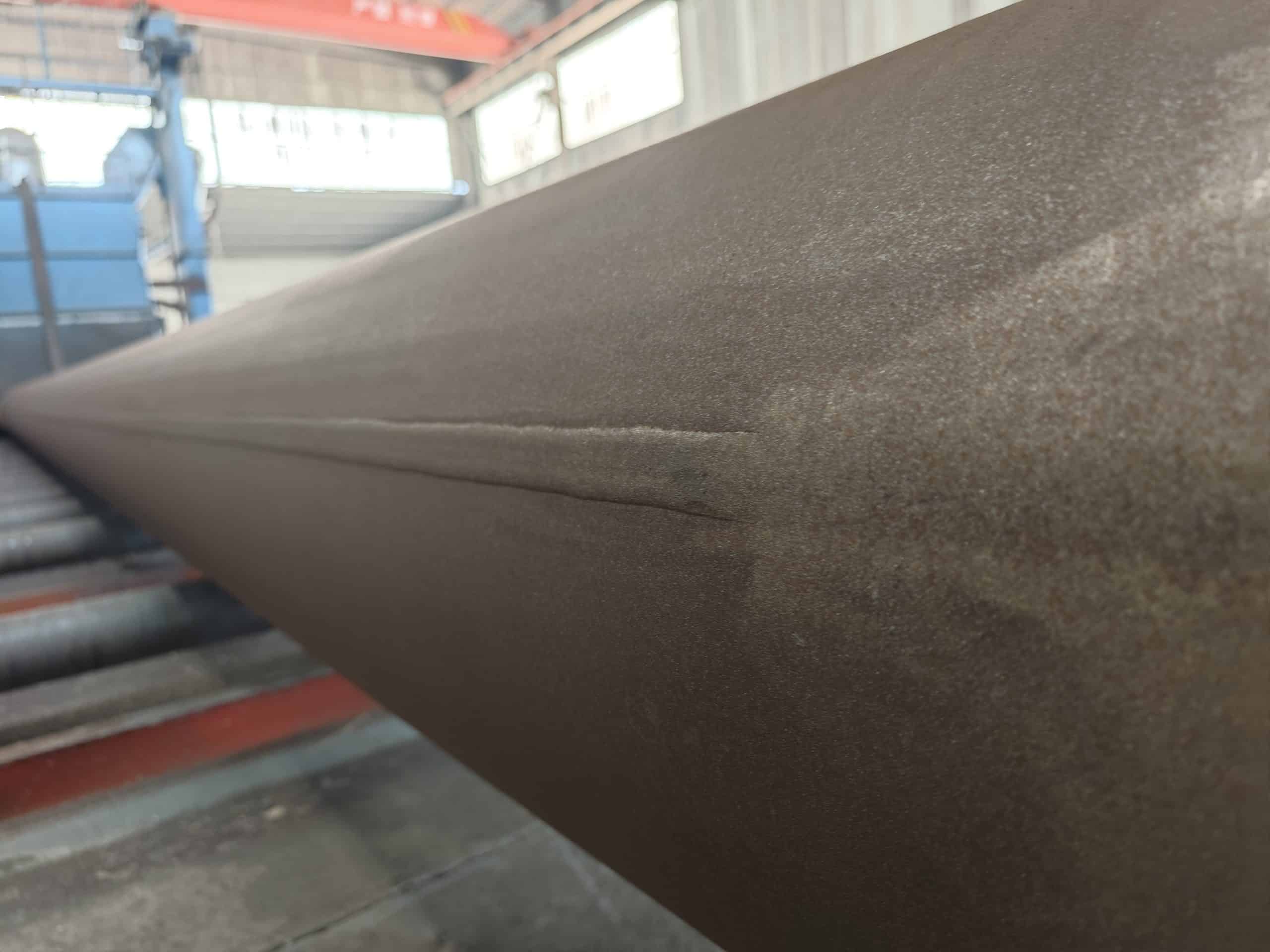
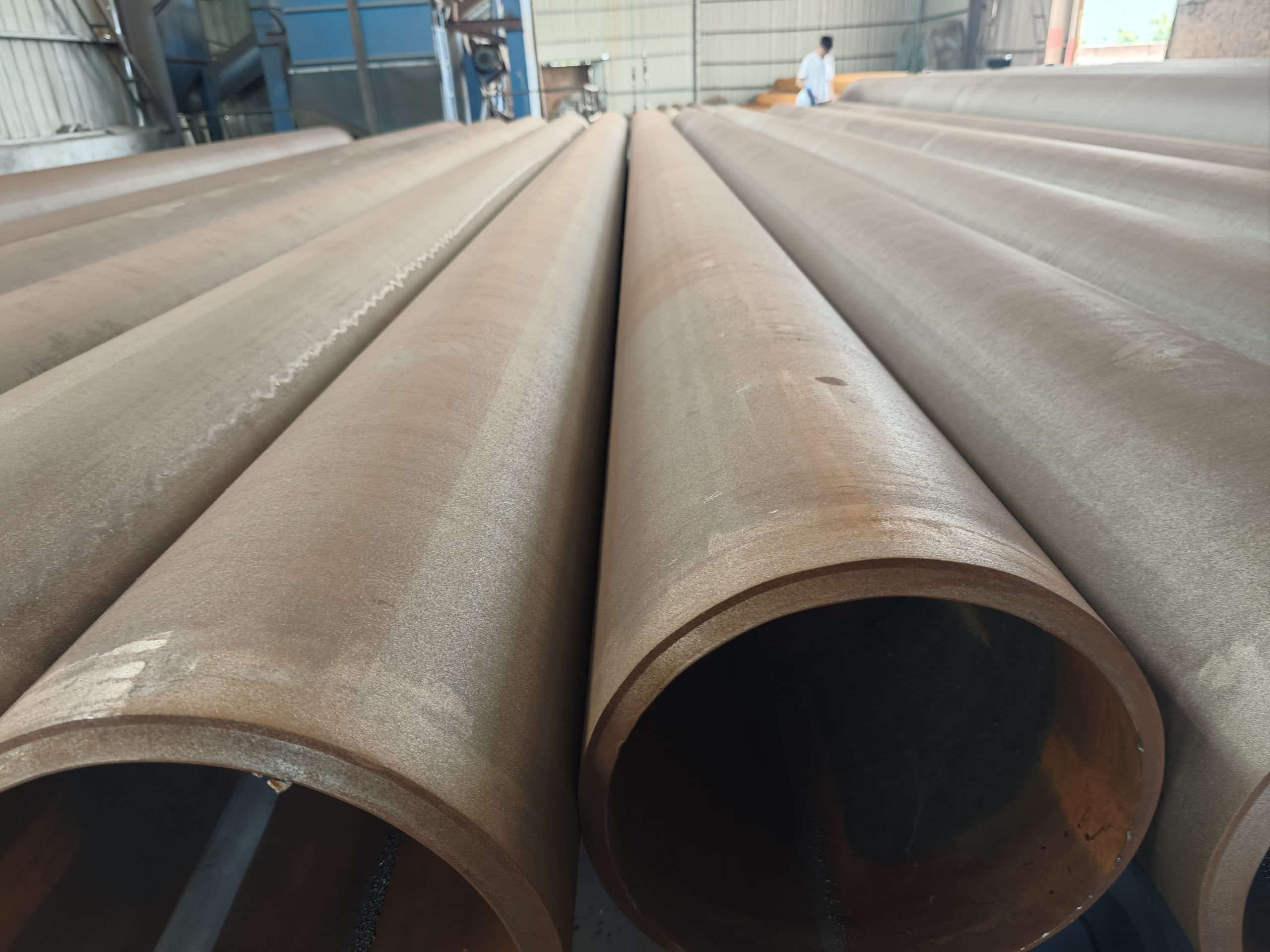
Both ERW/HFW and LSAW manufacturing routes can be considered for sour-service line pipe when permitted by the project specification and when the required material, weld, heat-affected-zone, inspection, and testing requirements are satisfied.
In ERW/HFW production, weld-seam heat treatment may be used where required to control weld-zone properties. LSAW pipe is produced from plate using longitudinal submerged-arc welding with filler metal. Neither route should be described as universally ‘best’ for sour service. Diameter, wall thickness, grade, project specification, service environment, and the mill’s qualified capability should drive the selection.
Inspection and Quality Control
A sour-service order should be controlled through the applicable product specification and the agreed inspection and test plan. NDE, hydrostatic testing, mechanical testing, hardness testing, HIC/SSC testing, traceability, and third-party witnessing should be applied where required by the standard and purchase order rather than presented as one universal inspection package.
- Review raw-material and heat traceability
- Confirm the applicable API 5L grade, PSL, and manufacturing route
- Define NDE and hydrostatic testing requirements
- Define hardness and sour-service test requirements where applicable
- Specify MTC requirements such as EN 10204 3.1 or 3.2 when required
- Agree purchaser or third-party inspection points before production
External Corrosion Protection
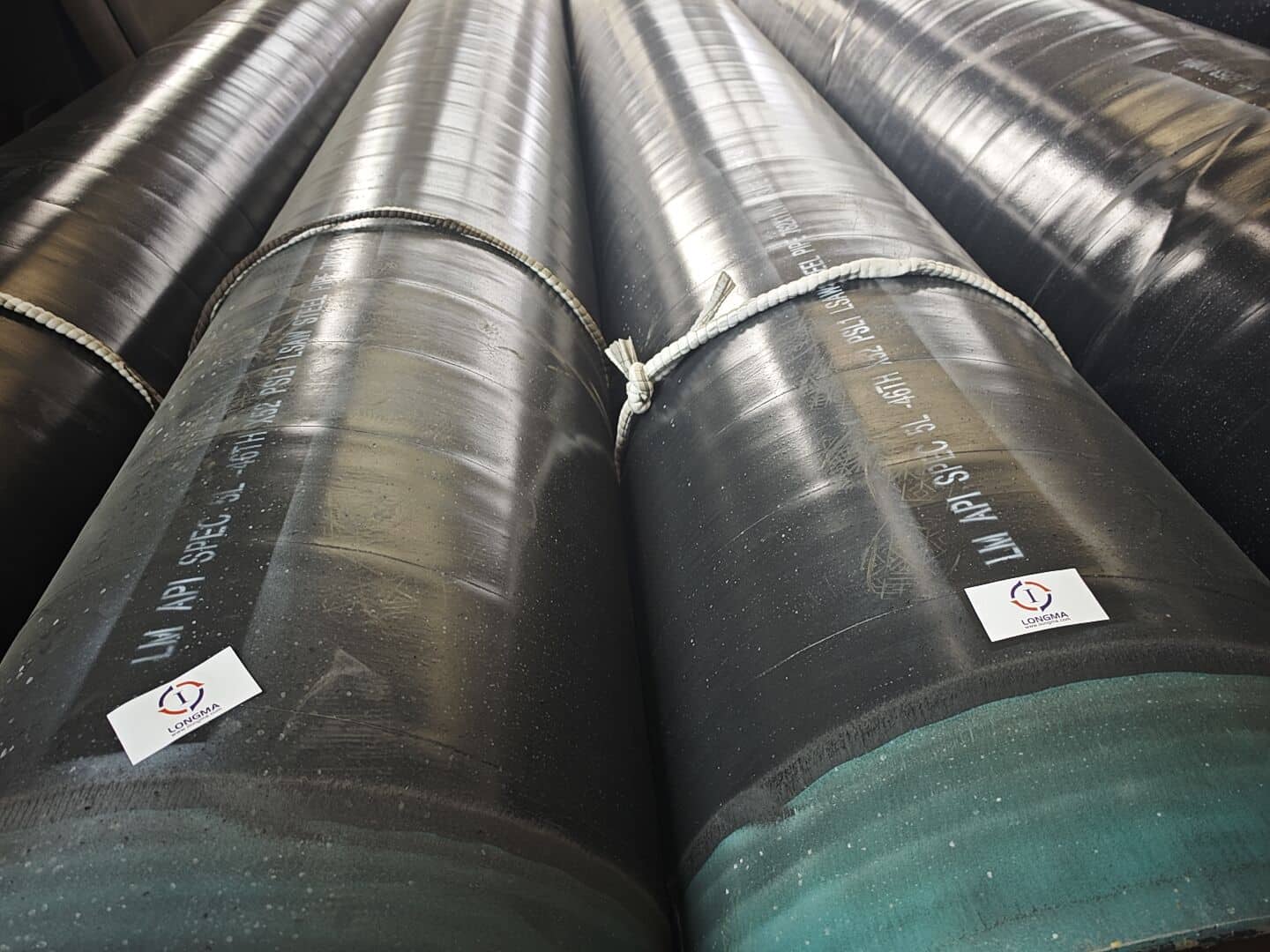
External coating and sour-service material qualification solve different problems. A coating can protect the external pipe surface, but it does not replace material qualification for internal H2S-containing service. The coating system should be selected for the actual installation environment and specified under the applicable coating standard or project specification. Polyethylene, FBE, and polypropylene systems should not be grouped under one coating standard.
How to Specify Sour Service Pipe
- Provide the design and operating environment, including the service data required by the project material-selection procedure.
- Identify the required API 5L edition, grade, PSL, and manufacturing route.
- State the applicable sour-service and ISO 15156 requirements.
- Define chemistry, hardness, toughness, HIC/SSC testing, and acceptance criteria where required.
- Define OD, wall thickness, length, end preparation, and coating.
- Define NDE, hydrostatic testing, inspection documents, and third-party witnessing.
LONGMA Sour Service Line Pipe Support
LONGMA manufactures round ERW and LSAW steel pipe. Its production base covers approximately 230,000 square meters, with annual production exceeding 500,000 tons. For sour-service inquiries, LONGMA can review the customer’s technical data sheet and purchase specification to confirm the applicable manufacturing, testing, inspection, coating, and documentation scope before order acceptance.
This specification-driven approach is important because sour-service suitability cannot be established by a marketing label alone. The required grade, service environment, testing, and acceptance criteria must be defined and verified for the project.
Conclusion
Sour service pipe is line pipe selected and qualified for H2S-containing service under defined material and project requirements. The most reliable procurement approach is to combine the current product specification with the applicable material-selection standard, actual service conditions, and a clearly defined inspection and test plan. Buyers should avoid universal shortcuts based on a single H2S pressure, hardness value, sulfur limit, or test result.
FAQ
- Is every API 5L PSL2 pipe suitable for sour service?
No. PSL2 alone should not be treated as automatic sour-service qualification. The applicable sour-service requirements must also be specified and satisfied.
- Is sour service determined only by H2S partial pressure?
No. H2S partial pressure is important, but the applicable material-selection process can also consider temperature, pH, chloride concentration, water phase, stress, and other environmental factors.
- Are HIC and SSC the same?
No. They are different hydrogen-related damage mechanisms and are evaluated using different test approaches.
- Is LSAW always better than ERW for sour service?
No. Both routes can be used when permitted by the project specification and when the required qualification, testing, and inspection requirements are met.
- Does 3LPE or FBE make ordinary pipe suitable for sour service?
No. External coating controls external corrosion. It does not replace the required material qualification for H2S-containing service.