A practical guide to strength toughness fabrication and specification for circular hollow sections
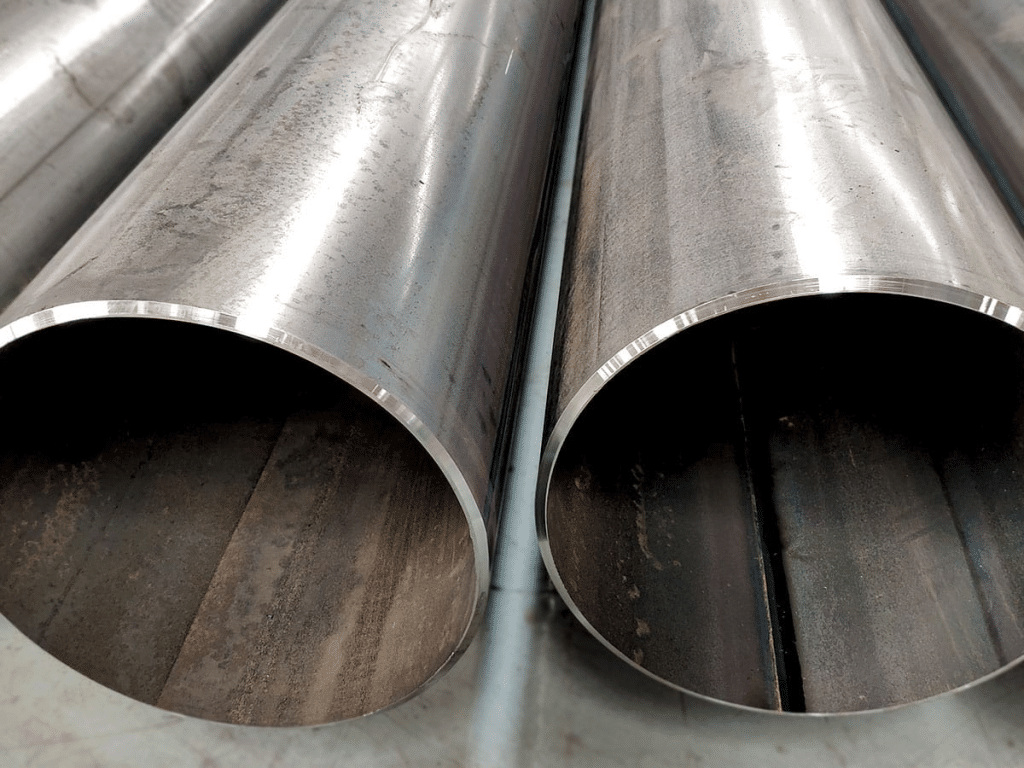
AS/NZS 1163 C350L0 circular hollow section is widely considered for structural members that require a specified minimum yield strength together with low-temperature impact testing. Its suitability, however, cannot be judged from the grade name alone. Section geometry, member slenderness, connection design, fabrication procedure, corrosion exposure and project-specific compliance requirements all influence performance. This guide explains what the designation means and how engineers and purchasers should evaluate it without treating the material grade as a substitute for structural design.
Understanding the C350L0 designation
AS/NZS 1163 is the Australian and New Zealand product standard for cold-formed structural steel hollow sections. In the designation C350L0, “C” identifies a cold-formed hollow section, “350” identifies the specified minimum yield-strength level in megapascals, and “L0” identifies a grade with Charpy V-notch impact requirements assessed at 0 degrees C. The exact acceptance values, specimen orientation and any reduced-size specimen provisions must be checked in the applicable edition of the standard and the project specification.
The L0 suffix is relevant where resistance to brittle fracture is part of the material-selection process. It provides evidence of impact toughness under specified test conditions, but it does not by itself prove that a finished structure cannot experience brittle fracture. Service temperature, stress concentration, section thickness, welding quality, residual stress and loading rate remain part of the engineering assessment.
| Designation element | What it communicates | What it does not establish |
| C | Cold-formed structural hollow section | Member capacity or project compliance |
| 350 | Specified minimum yield-strength level of 350 MPa | A guaranteed reduction in section size |
| L0 | Specified impact testing at 0 degrees C | Fatigue life or immunity from brittle fracture |
Structural performance depends on the complete member
Circular hollow sections distribute material efficiently around the centroid and have the same geometric properties about every centroidal axis. This makes them useful in columns, trusses, space frames, piles and exposed architectural structures. Their closed shape also offers good torsional characteristics compared with many open sections. These advantages are geometric; they should not be attributed solely to the C350L0 material grade.
A higher yield-strength grade may permit a smaller section in strength-controlled cases, but it does not automatically reduce steel tonnage or total cost. Compression members may be governed by local or global buckling, while beams and truss members may be controlled by deflection, vibration, fatigue, connection resistance or availability. Engineers should therefore compare candidate sections using the governing design standard and the actual load combinations rather than a simple yield-strength ratio.
Welding and fabrication considerations
C350L0 CHS can be welded using qualified procedures appropriate to the steel, section thickness, joint detail and consumable system. Weldability is commonly evaluated using the supplied chemical analysis and a suitable carbon-equivalent calculation, but a carbon-equivalent value is not a blanket permission to weld without preheat. Required preheat and interpass controls depend on hydrogen level, combined thickness, heat input, restraint, ambient conditions and the applicable welding standard or welding procedure specification.
Fabrication planning should also address dimensional tolerances, end preparation, fit-up, weld access, distortion control and inspection. For heavily restrained nodes or fatigue-sensitive details, connection geometry and weld quality can be more influential than the nominal steel grade. Any bending, galvanizing or thermal process should be reviewed for the selected size and fabrication route before production.
Durability and service environment
The AS/NZS 1163 grade designation does not provide a corrosion-protection system. Paint, hot-dip galvanizing, metallizing or another treatment should be selected from the exposure classification, required design life, access for maintenance and compatibility with fabrication. Coating thickness and expected life should be specified under the relevant coating standard and project environment; neither can be assigned reliably from pipe wall thickness alone.
For sealed or partially sealed hollow sections, detailing should prevent unintended water entry and allow safe venting and drainage during galvanizing where applicable. External coating continuity, internal corrosion risk, crevices at connections and inspection access should be considered as part of the structure rather than left to material procurement.
Specification and purchasing checklist
A purchase description should be detailed enough to connect the engineering design with manufacturing and inspection. At minimum, identify the standard and edition, grade, outside diameter, wall thickness, length, end condition, quantity, dimensional tolerances and required documentation. Add project-specific testing, coating, marking and inspection only where the design or contract requires them.
- Confirm that the selected outside diameter and wall thickness are available within the manufacturer’s qualified product range.
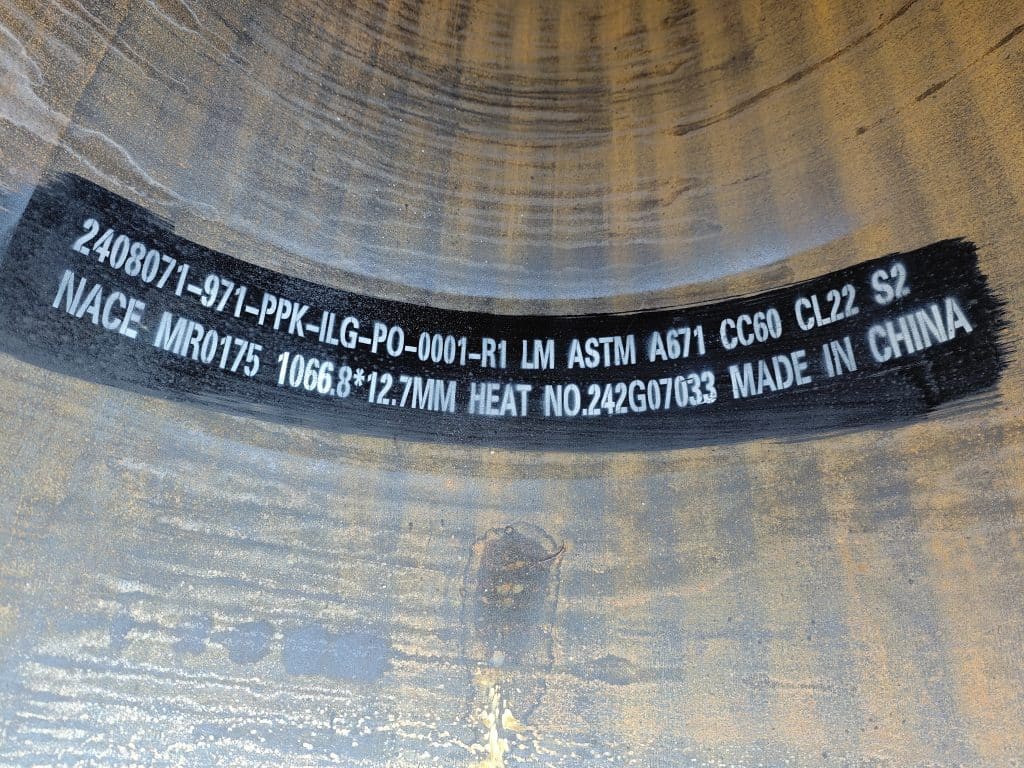
- State whether an EN 10204 type 3.1 inspection certificate or another document is contractually required; do not assume it is mandatory for every Australian or New Zealand project.
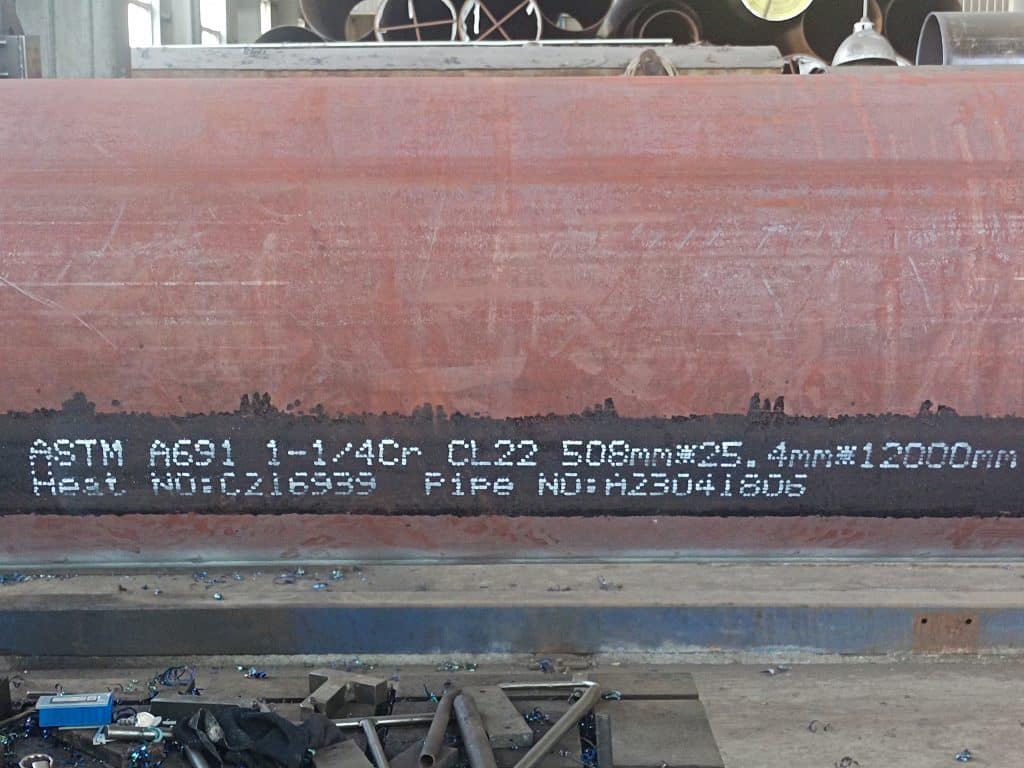
- Review material traceability, test frequency and nondestructive examination against the product standard and purchase order.
- Obtain engineering approval before substituting grade, dimensions, manufacturing route or standard.
Sourcing AS NZS 1163 pipe from LONGMA
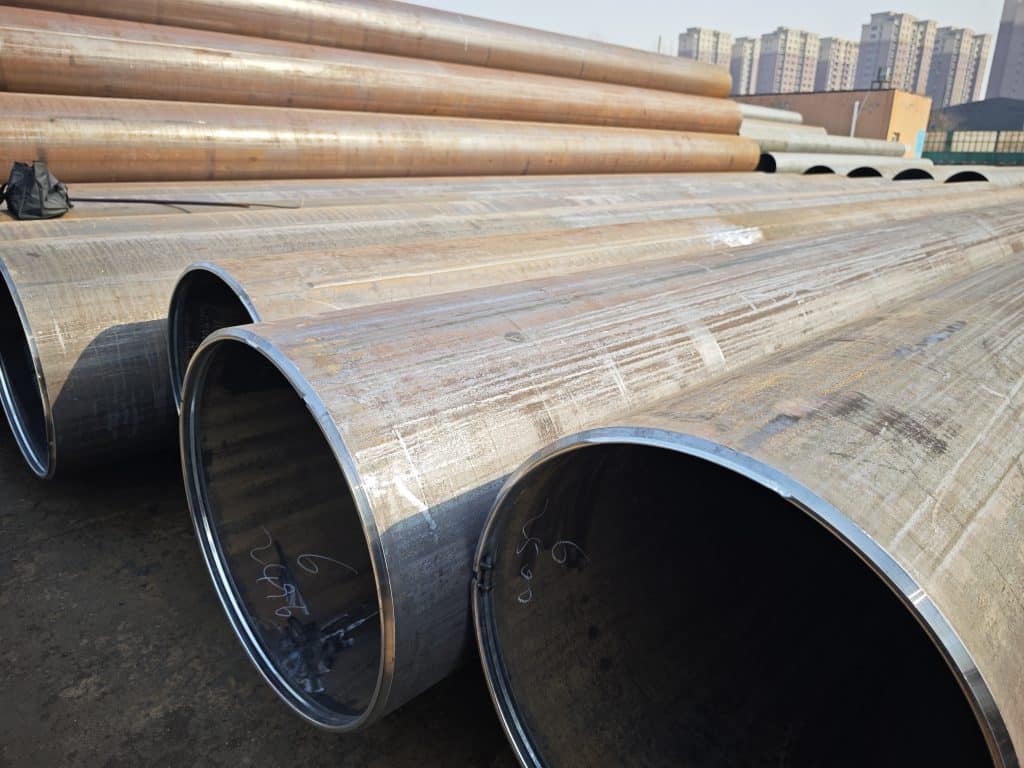
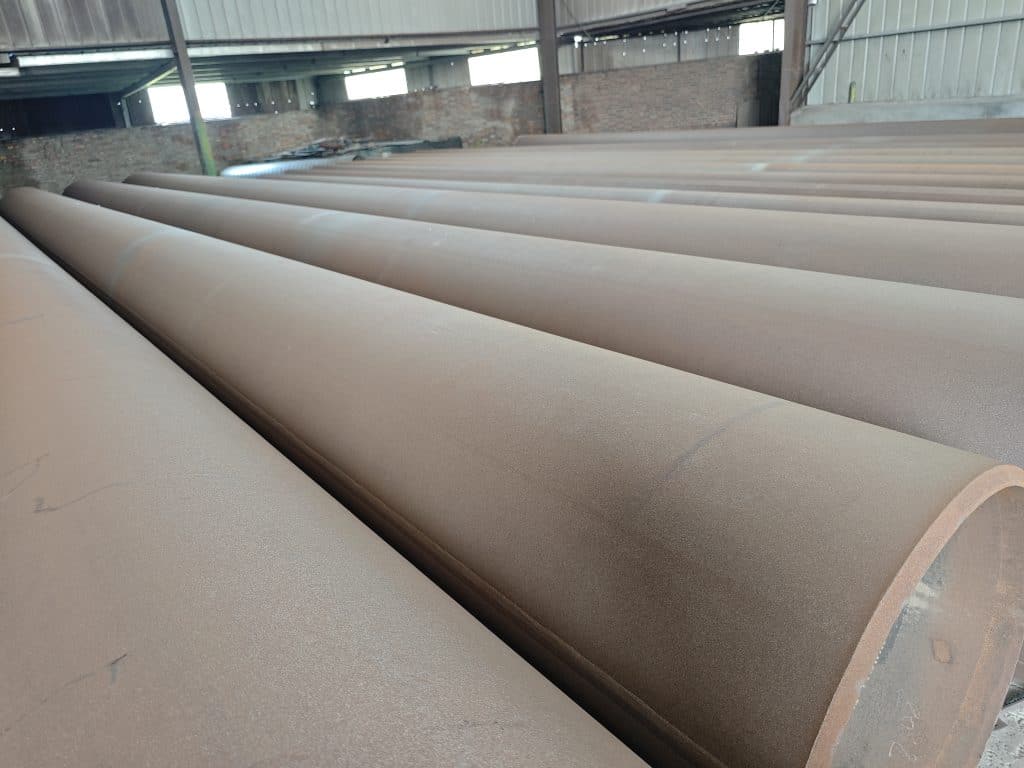
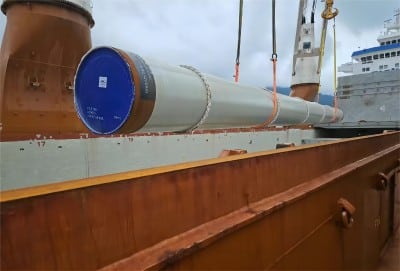
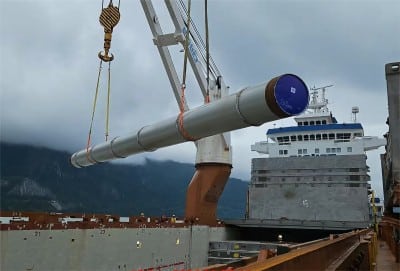
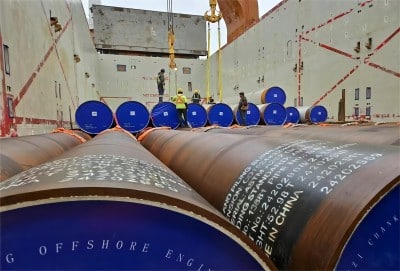
LONGMA manufactures round ERW and LSAW steel pipe and publishes an AS/NZS product range covering grades C250, C350 and C450 with L0 options, in outside diameters from 114.3 mm to 1422 mm. Project availability and manufacturing route should be confirmed against the requested size, wall thickness and delivery condition. LONGMA reports a 230,000 square metre production base, annual output exceeding 500,000 tonnes, and more than 60 senior technical staff.
For a technical and commercial review, send the standard and edition, grade, dimensions, quantity, application, documentation requirements, inspection plan, coating and destination to info@ilongma.com. Final acceptance should remain based on the purchase order, approved drawings, applicable design and fabrication standards, and the supplied inspection documentation.