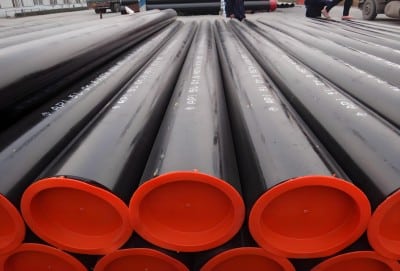
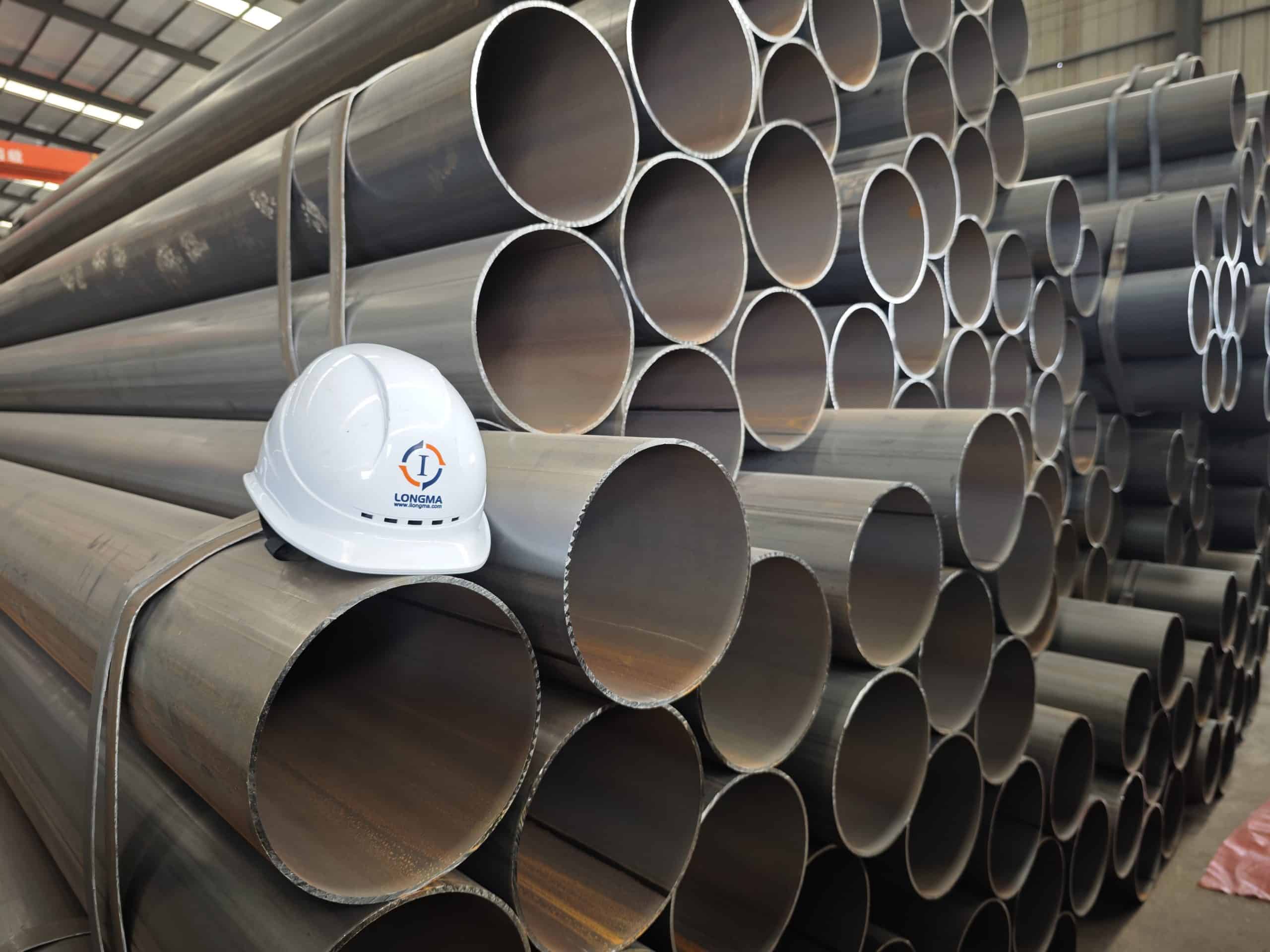
A circular hollow section (CHS) can provide efficient structural performance because much of its steel is located away from the center of the cross-section. For bending, material farther from the neutral axis contributes more to the second moment of area. As a result, a hollow circular section can provide greater bending stiffness for a given amount of steel than a solid circular bar, provided the sections are compared on a consistent basis.
This does not mean that a hollow section is stronger in every loading condition. Performance depends on the dimensions, material grade, member length, support conditions, connection details, and the governing design standard. The distinction between cross-sectional efficiency and the design capacity of a complete member is important when selecting steel pipe for structural applications.
What Is a Circular Hollow Section?
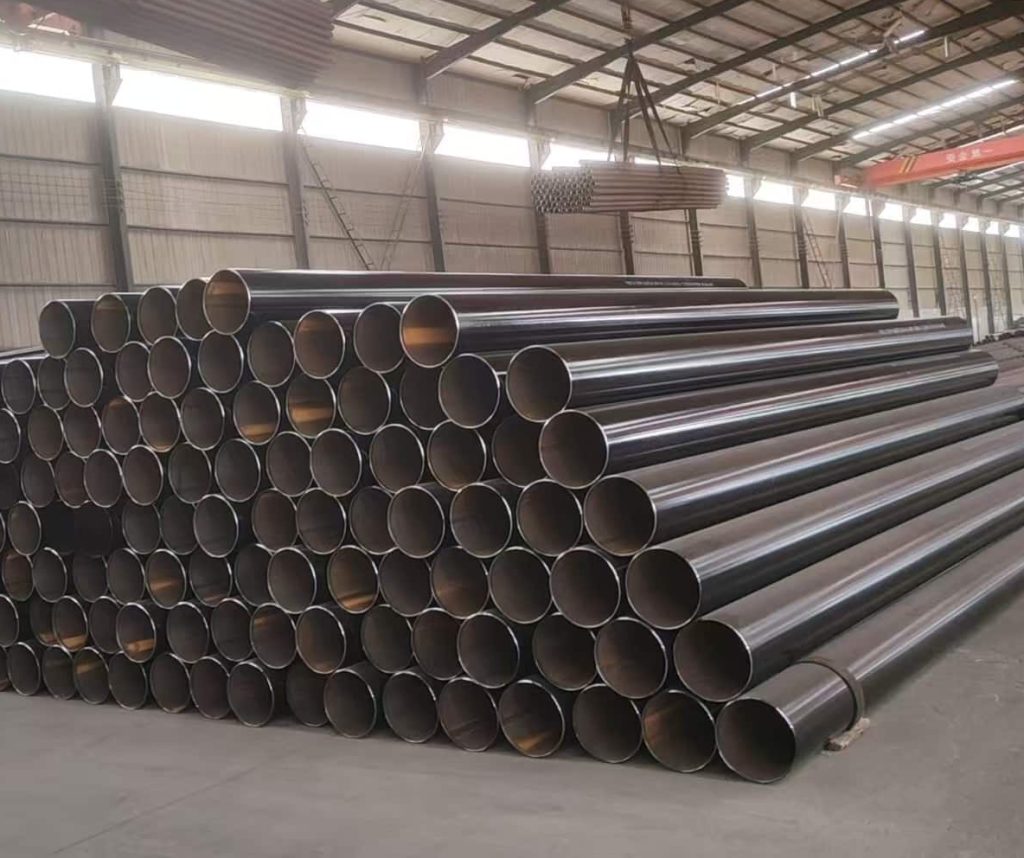
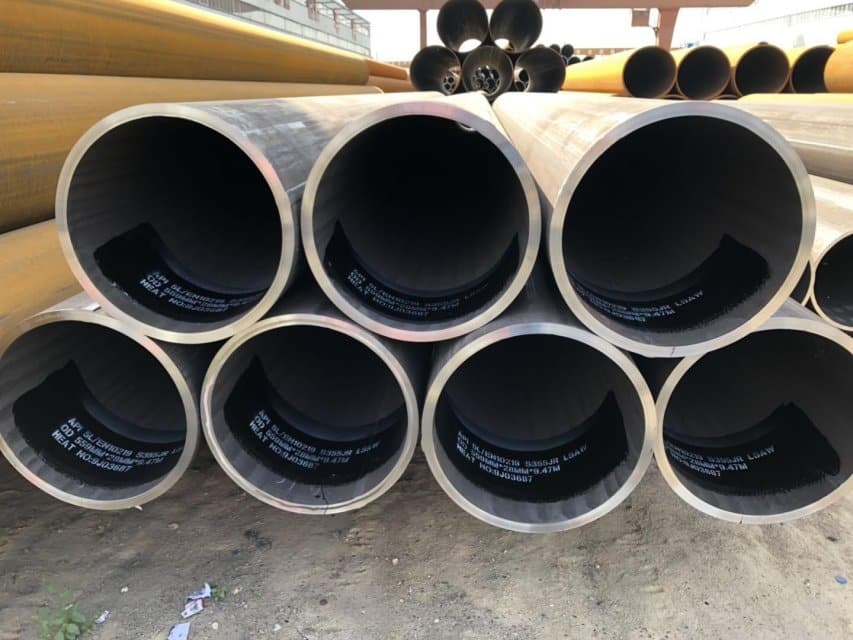
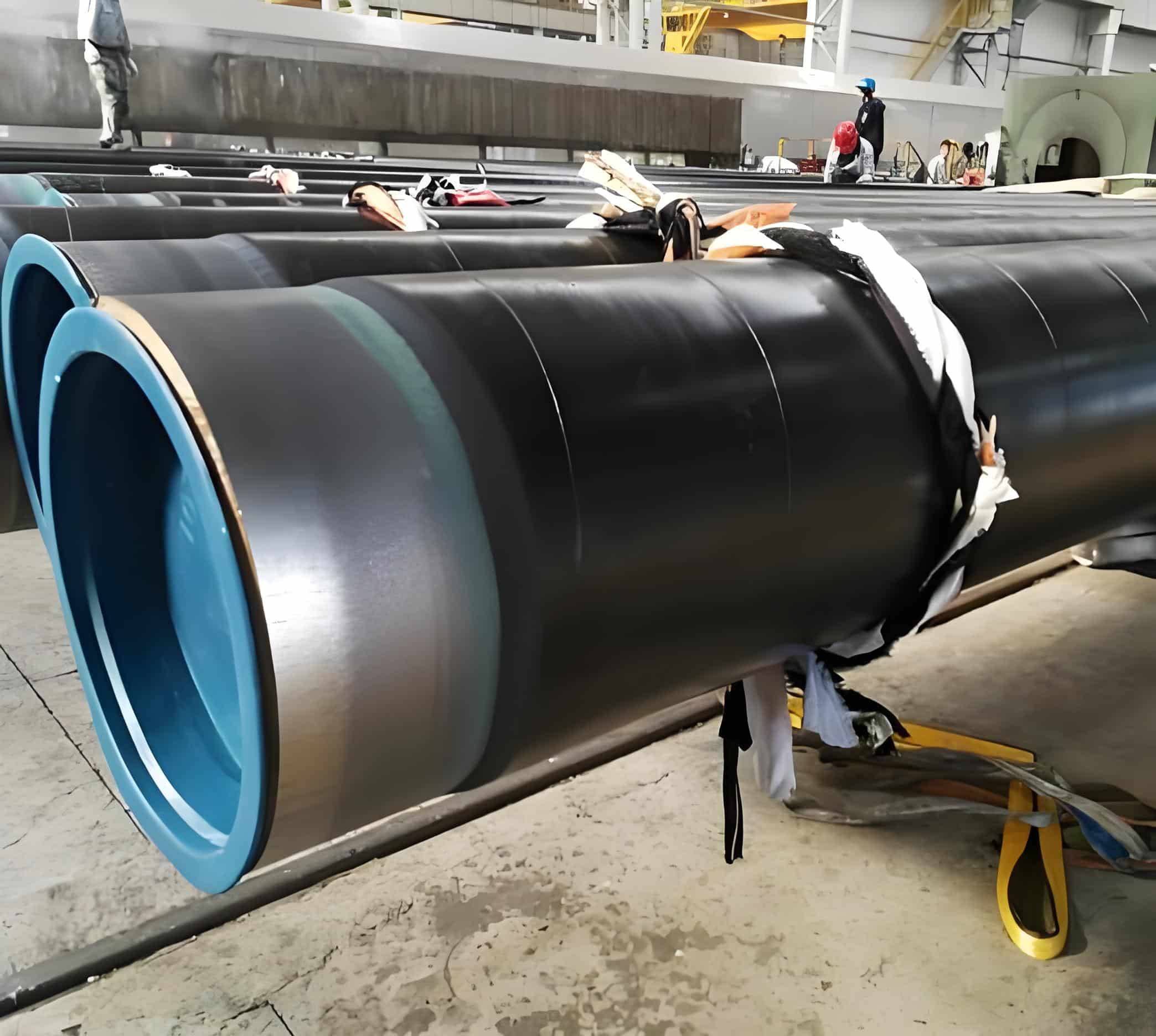
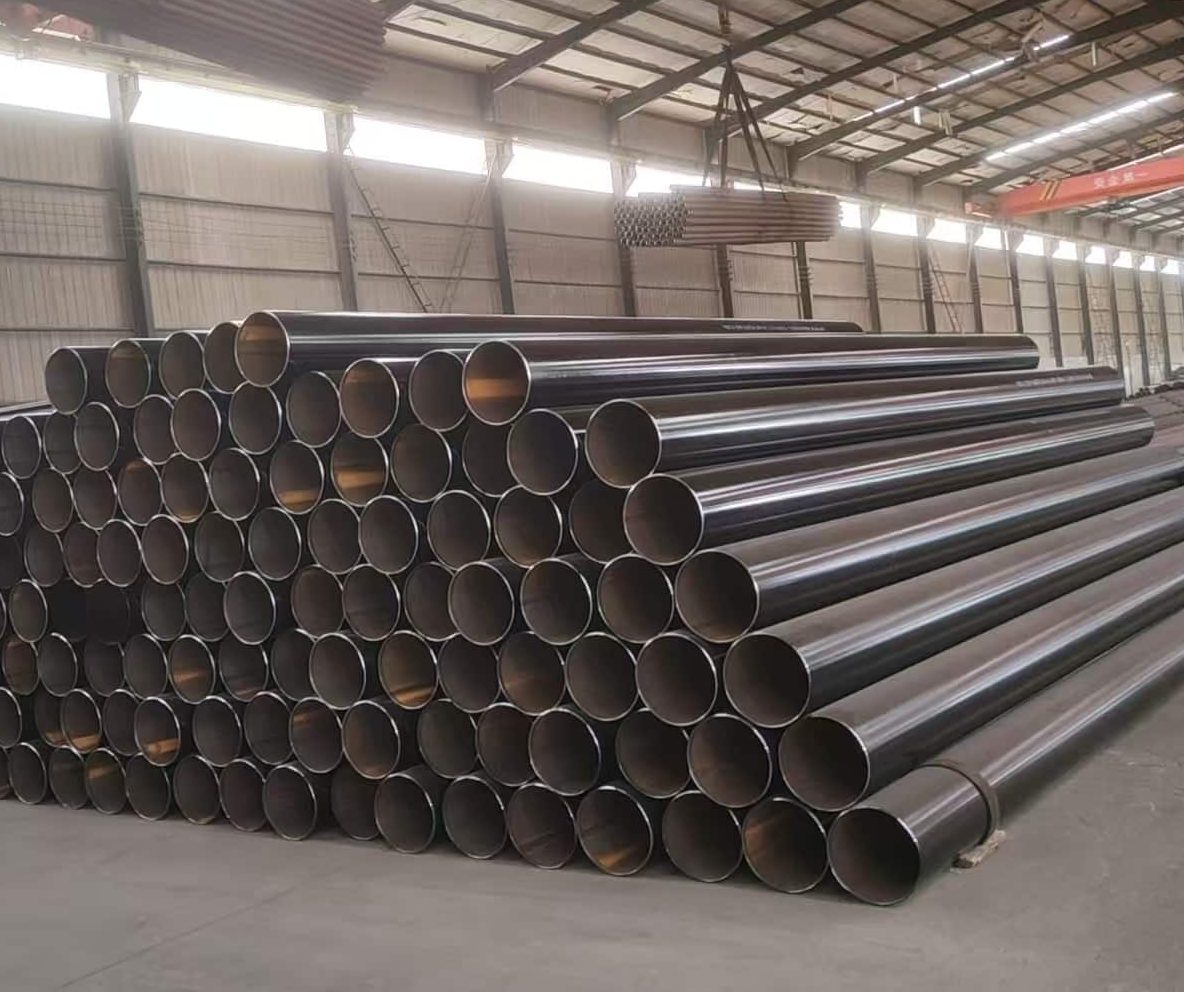
A circular hollow section is a round structural steel section defined by its outside diameter and wall thickness. The internal diameter is determined by subtracting twice the wall thickness from the outside diameter. CHS is used in columns, braces, trusses, towers, and other structures where axial force, bending, or combined loading may occur.
When specifying a CHS, the purchaser should identify the applicable product standard, steel grade, dimensions, manufacturing route, inspection requirements, and any project-specific toughness or corrosion-protection requirements. AS/NZS 1163 is one standard used for cold-formed structural steel hollow sections in Australia and New Zealand. The applicable edition and the product’s actual conformity documentation should be confirmed for each order.
How Hollow Geometry Improves Bending Efficiency
For a solid circular section with diameter d, the second moment of area about a centroidal diameter is I = πd⁴/64. For a circular hollow section with outside diameter D and inside diameter d, it is I = π(D⁴ − d⁴)/64. The section modulus for elastic bending is Z = I/ymax, where ymax is the distance from the neutral axis to the outermost fibre. The elastic bending stress is σ = M/Z, within the limits of elastic beam theory.
These relationships show why moving steel outward can increase bending stiffness and elastic section modulus. However, a meaningful comparison must specify what is held constant—for example, steel area, mass per unit length, outside diameter, or overall depth. A hollow tube and a solid bar with different outside dimensions cannot be compared using a single universal strength multiplier. Any numerical comparison should state the dimensions and show the calculation.
Torsion and Directional Behaviour
A circular hollow section has the same second moment of area about any centroidal axis in its cross-sectional plane. This makes its elastic bending stiffness geometrically uniform with respect to the orientation of the bending axis. For a round closed section, the geometry can also be efficient in torsion compared with many open structural sections.
Bending and torsion are different actions, however, and their design checks use different section properties and resistance models. The statement that a CHS has good torsional performance should not be interpreted as a guarantee of the highest torsional capacity for every possible comparison. Wall thickness, diameter, material properties, local buckling, connections, and load application all matter.
Strength Is Not the Same as Member Capacity
A cross-section’s geometric properties are only part of a structural assessment. A compression member may be governed by overall buckling or local wall slenderness rather than by the yield strength of the steel alone. A beam may require checks for bending, shear, deflection, and local instability. Connections and load introduction can also control the design.
Higher-strength steel can increase resistance in some strength-governed cases, but it does not automatically increase elastic modulus or eliminate buckling. Structural design should therefore be carried out to the applicable design standard by a qualified engineer, using the actual section dimensions and loading conditions.
Durability and Specification Considerations
A hollow section is not inherently sealed or corrosion-proof. Moisture can enter through open ends, poorly detailed joints, or damaged coatings. Where internal corrosion is a concern, the design should address drainage, sealing, ventilation, inspection access, and the selected protection system. External coating or galvanizing requirements should be specified according to the service environment and the relevant coating standard.
For procurement, verify the grade, outside diameter, wall thickness, length, dimensional tolerances, inspection requirements, traceability, and material test documentation required by the contract. EN 10204 Type 3.1 inspection documents may be specified by a project, but the required documentation should be determined from the applicable contract and project specification rather than assumed to be identical for every project.
Conclusion
A circular hollow section can use steel efficiently because material is distributed toward the outside of the cross-section, where it contributes more to bending stiffness. Its circular geometry also provides the same centroidal second moment of area about any axis in the cross-sectional plane. These are important advantages for many structural applications, but they do not make CHS the best choice for every member or loading condition.
The correct selection depends on the required capacity, dimensions, steel grade, stability checks, connection design, durability provisions, and governing standard. Comparing complete, clearly defined section properties—and avoiding unsupported universal claims—provides a sound basis for choosing between a hollow circular section and a solid bar.
Frequently Asked Questions
Is a hollow circular section always stronger than a solid bar?
No. The answer depends on what is being compared and how the member is loaded. A hollow section can provide better bending efficiency for a given mass, but local buckling, bearing, connection, and other limit states may affect the result.
How does wall thickness affect CHS performance?
Increasing wall thickness generally increases cross-sectional area and the second moment of area for a fixed outside diameter. It also increases mass. The suitable thickness must be selected through the applicable structural design checks.
Does a circular hollow section resist bending equally in all directions?
Its second moment of area is the same about all centroidal axes in the cross-sectional plane. The capacity of a real member still depends on material behaviour, stability, loading, and connections.
What should be checked before ordering structural CHS?
Confirm the product standard and edition, grade, outside diameter, wall thickness, length, dimensional tolerances, required tests, traceability, and inspection documents stated in the project specification.
LONGMA Steel Pipe
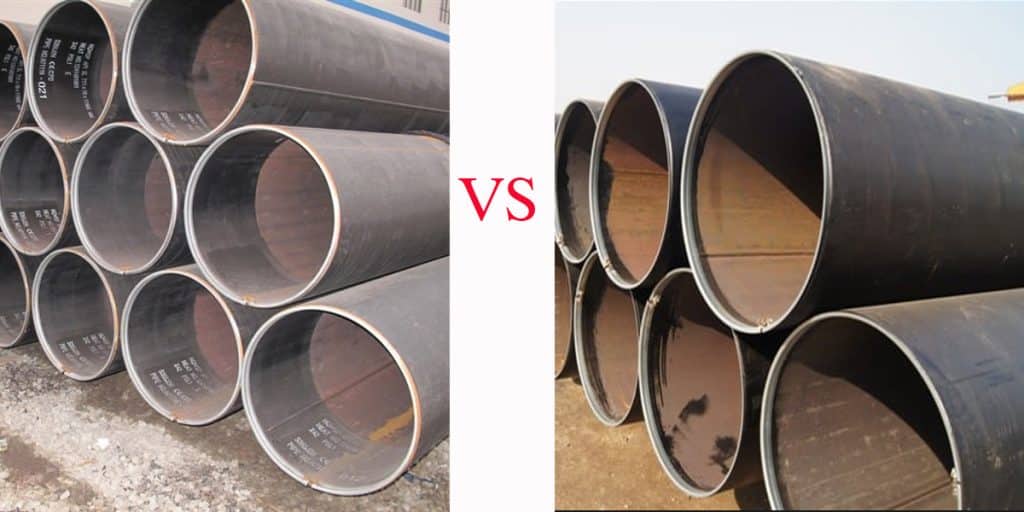
LONGMA manufactures round steel pipe products using ERW and LSAW processes. For project enquiries, confirm the required dimensions, grade, applicable product standard, inspection scope, and coating or other special requirements with the LONGMA team. LONGMA’s factory area is 230,000 m² and its annual output exceeds 500,000 tonnes. Product availability and compliance should be confirmed against the current product range and the requirements of each order.
For technical and commercial enquiries, contact info@ilongma.com.