- 1. Introduction
- 2. AS 1074 — Steel Tubes and Tubulars for Ordinary Service
- 3. AS/NZS 1163 — Cold-Formed Structural Steel Hollow Sections
- 4. AS 1572 — Copper and Copper-Alloy Tubes
- 5. Key Differences at a Glance
- 6. Comparison Table
- 7. How to Choose the Correct Standard
- 8. Procurement and Acceptance
- 9. FAQ
- 10. Conclusion
- 11. Contact LONGMA
Introduction
When specifying steel tubes for projects in Australia and New Zealand, it is important to distinguish general-service steel tubes from structural hollow sections. AS 1074 and AS/NZS 1163 address different product categories and should not be treated as interchangeable. AS 1572 is also sometimes mentioned in searches for tube standards, but it covers seamless copper and copper-alloy tubes for engineering purposes, not steel pipe.
The correct standard should be selected from the project design documents, intended application and applicable regulatory requirements. Product descriptions, grade markings and certificates should then be checked against the specified standard.
AS 1074 — Steel Tubes and Tubulars for Ordinary Service
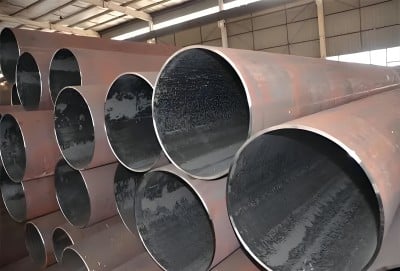
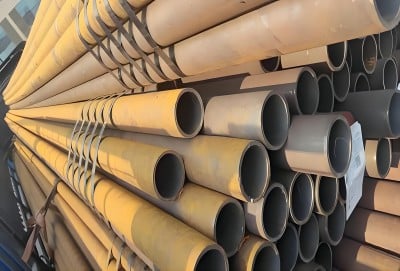
AS 1074 covers steel tubes and tubulars for ordinary service. It is commonly associated with general-service applications, including certain plumbing and utility uses, subject to the relevant product requirements. It is not a substitute for a structural hollow-section specification simply because the product is tubular.
When ordering to AS 1074, purchasers should verify the required tube type, nominal size, wall thickness, end condition, coating or finish, and applicable test and documentation requirements. Structural use should be assessed against the relevant design standard and project specification rather than assumed from the tube shape alone.
AS/NZS 1163 — Cold-Formed Structural Steel Hollow Sections
AS/NZS 1163 specifies requirements for cold-formed structural steel hollow sections, including circular hollow sections (CHS) and other hollow-section shapes within its scope. It includes grade designations and requirements for dimensions, mechanical properties and testing. The grade and any impact-toughness designation must be selected according to the design basis and the applicable edition of the standard.
For structural projects, compliance should be verified using the specified grade, dimensions, product markings and mill documentation. If impact performance is required, the purchase order should identify the required grade or designation and the applicable test criteria. Dimensional tolerances and mechanical-property limits should be checked against the relevant tables in the edition named by the project.
AS 1572 — Copper and Copper-Alloy Tubes
AS 1572:2023 is titled *Copper and copper alloys — Seamless tubes for engineering purposes*. It specifies requirements for seamless copper and copper-alloy tubes and is not a steel-tube standard. It should therefore not be compared with AS 1074 and AS/NZS 1163 as though all three standards cover equivalent steel products.
If a project specification cites AS 1572, confirm that the intended material is copper or a copper alloy and that the tube application falls within the standard’s scope. For steel tube procurement, use the steel standard identified by the design documents and material requirements.
Key Differences at a Glance
The following summary describes the principal distinction in scope. Detailed dimensions, grades, tolerances and testing requirements must be verified against the applicable standard edition.
Comparison Table
| Item | AS 1074 | AS/NZS 1163 |
| Product scope | Steel tubes and tubulars for ordinary service | Cold-formed structural steel hollow sections |
| Typical focus | General-service tube applications, subject to specification | Structural hollow sections, including CHS |
| Grade system | Use the grade/designation requirements in the applicable standard | Specified structural grades and applicable mechanical-property requirements |
| Impact toughness | Confirm requirements in the applicable standard and order | Confirm grade/designation and required impact criteria |
| Acceptance basis | Standard edition, product requirements and project specification | Standard edition, grade, dimensions and structural design requirements |
Note: AS 1572:2023 covers seamless copper and copper-alloy tubes for engineering purposes; it is not included in this steel-tube comparison.
How to Choose the Correct Standard
Use the project specification and intended function as the starting point:
– For steel tubes specified for ordinary service, check whether AS 1074 is the required standard.
– For cold-formed structural hollow sections, check whether AS/NZS 1163 is specified and confirm the required grade and any impact-toughness designation.
– If AS 1572 is referenced, verify that the specified product is a seamless copper or copper-alloy tube rather than steel pipe.
– Do not infer structural design acceptance from a tube’s shape or from a supplier’s generic product description. Confirm the relevant design standard, material grade and documentation requirements with the project engineer or responsible specifier.
Procurement and Acceptance
Before ordering, confirm the standard and edition, material type, grade, dimensions, length, end condition, coating or finish, inspection requirements and certificate documentation. Check that the product markings and mill test certificate match the purchase order. If third-party inspection, impact testing or additional verification is required, state it in the contract documents before manufacture.
A supplier’s certificate should be reviewed for the actual ordered product and relevant standard, rather than accepted solely because it contains a familiar standard number.
FAQ
What is the main difference between AS 1074 and AS/NZS 1163?
AS 1074 covers steel tubes and tubulars for ordinary service, while AS/NZS 1163 covers cold-formed structural steel hollow sections. They serve different product requirements and should not be substituted without checking the project specification.
Is AS 1572 a steel pipe standard?
No. AS 1572:2023 covers seamless copper and copper-alloy tubes for engineering purposes.
Can AS 1074 tube automatically be used as a structural member?
No automatic equivalence should be assumed. Structural suitability depends on the design requirements, specified material standard, grade and relevant design rules.
What should be checked on a mill test certificate?
Confirm that the standard and edition, grade, dimensions, heat or batch identification, test results and product markings correspond to the purchase order and applicable requirements.
Conclusion
AS 1074 and AS/NZS 1163 cover different categories of steel tube products, while AS 1572 applies to seamless copper and copper-alloy tubes. Correctly identifying the material and standard before ordering helps prevent specification mismatches and acceptance problems. Always confirm the applicable edition and project requirements before selecting or substituting a product.
Contact LONGMA
For enquiries about steel pipe and structural hollow-section requirements, contact LONGMA at info@ilongma.com and provide the standard, grade, dimensions and project specification for review.