- 1. Understanding API 5L Grade X52 Pipe Specifications and Industry Equivalents
- 2. Key Differences Between API 5L Grade X52 and Other Common Pipe Grades
- 3. How to Test, Verify, and Ensure Quality of X52 Line Pipe
- 4. Procuring API 5L Grade X52 Pipes Practical Tips for B2B Buyers
- 5. Benefits of Using API 5L Grade X52 Pipes in Oil & Gas Applications
- 6. Conclusion
- 7. FAQ
- 8. Source Your API 5L X52 Line Pipe from LONGMA
The corresponding ISO 3183 strength designation for API 5L X52 pipe is L360. This correspondence does not make every X52 and L360 product interchangeable. Buyers must also match the product specification level, delivery condition, dimensions, inspection requirements and service supplements. Historical EN 10208-2 L360 grades and other international strength classes require a separate comparison before substitution.
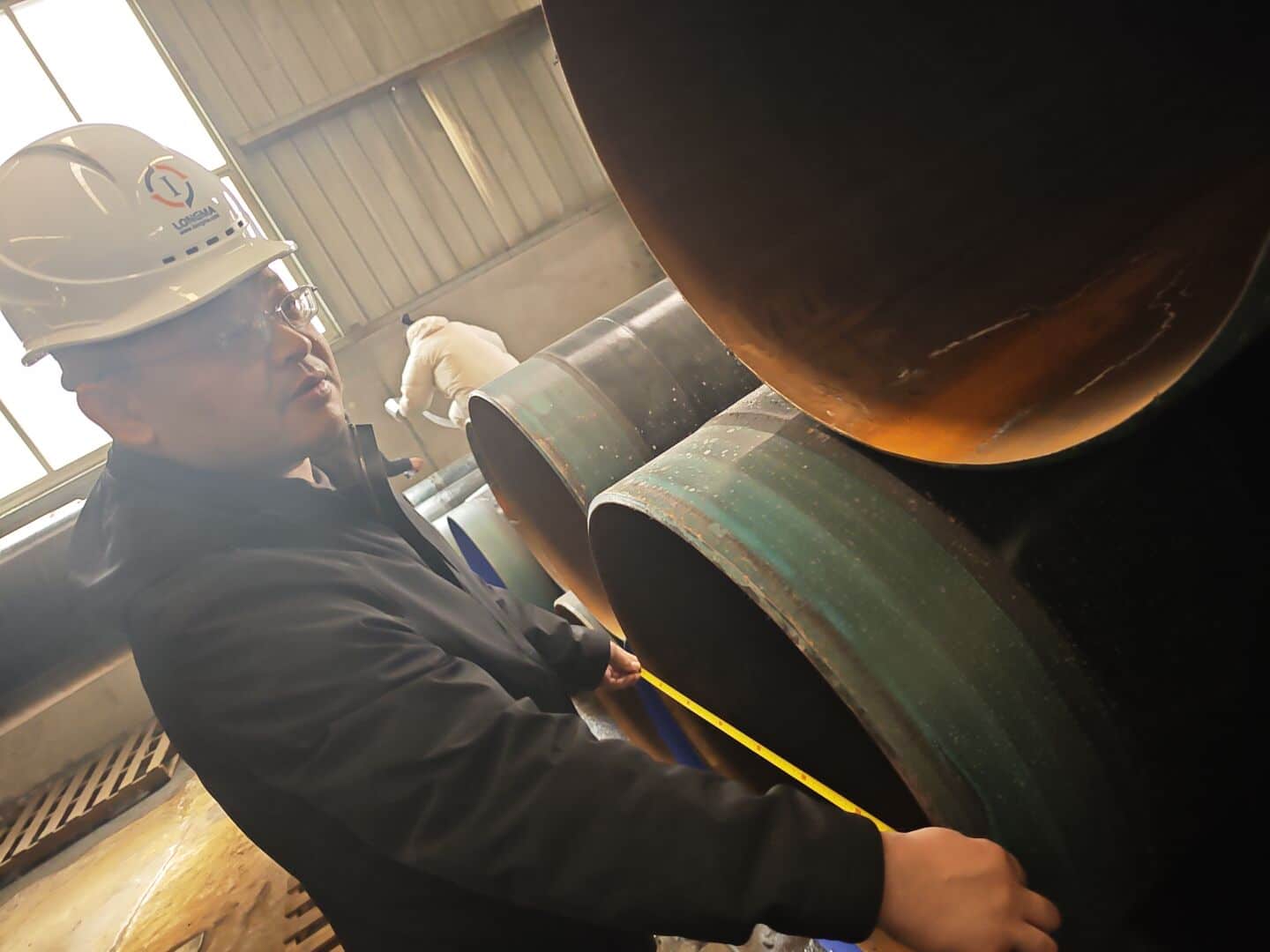
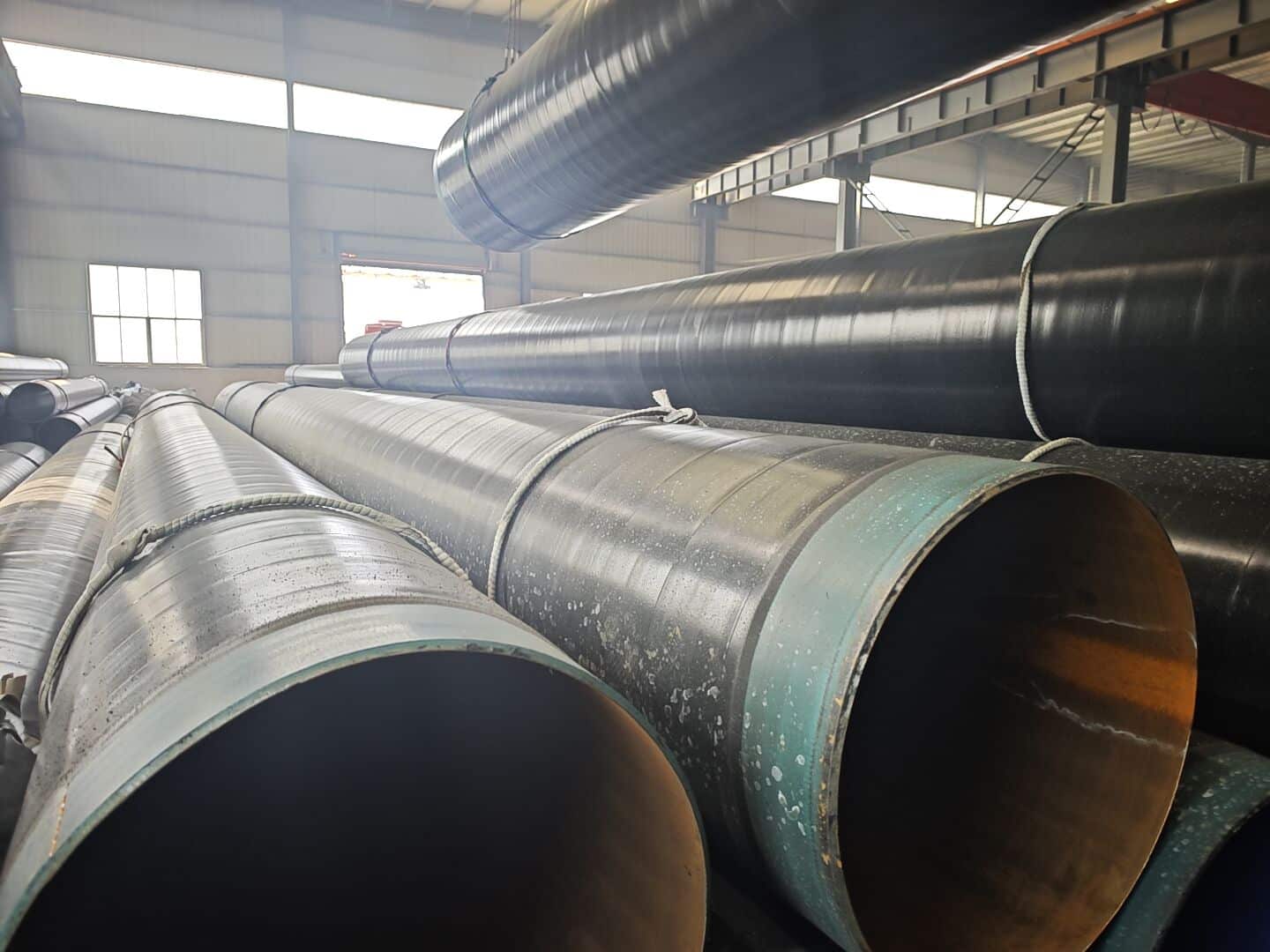
Understanding API 5L Grade X52 Pipe Specifications and Industry Equivalents
Chemical Composition and Mechanical Properties
API 5L X52 chemical requirements depend on PSL, manufacturing route, delivery condition and wall thickness. A composition limit taken from one table row cannot be applied to every X52 pipe. For a proposed equivalent, compare the complete chemical analysis and applicable carbon-equivalent requirements. Low sulfur and phosphorus can support resistance to environmental cracking, but ordinary PSL 2 chemical compliance alone does not qualify a product for sour service.
For an API 5L 46th-edition SI baseline, X52 PSL 2 has the following strength requirements, subject to applicable table notes. API published the 47th edition in June 2026; the order must identify the edition governing manufacture and acceptance.
- Minimum yield strength: 360 MPa in the SI table.
- Minimum tensile strength: 460 MPa in the SI table.
- Maximum yield strength: 530 MPa for the applicable PSL 2 baseline. Other tensile-property limits and table notes must also be checked.
- Charpy impact testing: PSL 2 contains impact requirements subject to pipe dimensions, specimen provisions and the specified test conditions. Strength correspondence alone does not establish equal toughness.
International Grade Correspondence and Substitution
Use the following table to distinguish corresponding strength designations from historical grades and materials that are not line-pipe equivalents. Grade correspondence is only the starting point for technical review.
| Material reference | Designation | Relationship to X52 | Acceptance review |
| ISO 3183 | L360 with applicable suffix | Corresponding strength class | Match edition, PSL and delivery condition |
| Historical EN 10208-2 | Applicable L360 delivery grade | Historical correspondence | Check full grade and archived requirements |
| GOST 20295 | Specified strength class | No automatic equivalence | Review exact edition and full properties |
| ASTM A572 | Grade 50 | Structural steel, not line pipe | Not a direct finished-pipe substitute |
ASTM A572 Grade 50 is a structural-steel specification, not a finished line-pipe specification. Its minimum yield strength is also lower than the X52 SI baseline. Plate to A572 cannot be accepted as X52 line pipe solely because it has similar strength; finished-pipe manufacture, inspection and certification would need to meet the specified line-pipe requirements.
Key Differences Between API 5L Grade X52 and Other Common Pipe Grades
Compare neighbouring grades using the same design assumptions and unit system. Selecting a different strength grade does not establish compliance with another product standard.
- X42 versus X52: X42 has a lower specified minimum yield strength. X52 may permit a lower calculated pressure-design wall thickness under the same design assumptions. Final selection must also consider corrosion allowance, minimum handling thickness, buckling and fracture control. Neither grade has a universal pressure rating.
- X52 versus X60: X60 provides a higher minimum yield-strength class. Compare delivery condition, weldability, impact requirements and the complete design before selecting a higher grade. Carbon-equivalent and CVN requirements cannot be inferred from grade ranking alone.
- X52 versus X70 and X80: Higher grades can improve strength-to-weight performance, but they are not restricted to one pressure category or one manufacturing route. Permitted delivery conditions depend on the specification. Field welding must be supported by a qualified procedure rather than a general assumption that a higher grade is always difficult to weld.
X52 PSL 2 is an option for projects requiring its strength and inspection provisions. The approved design and purchase specification determine whether it is suitable; it is not automatically the preferred grade for every onshore pipeline.
How to Test, Verify, and Ensure Quality of X52 Line Pipe
Quality control must demonstrate compliance with the specified standard and project requirements. For cross-standard procurement, compare the inspection and test plans as well as the strength tables. A proposed substitute should address the following checks:
- Nondestructive examination: Confirm the required weld inspection, permitted methods, coverage and acceptance criteria for the manufacturing route. Pipe-body lamination examination and other supplementary inspections must be identified separately where applicable.
- Radiographic testing: Confirm the locations and extent required for the applicable SAW process and order. Do not assume that ERW and LSAW require identical UT and RT sequences.
- Hydrostatic testing: Verify the required test pressure, holding time and traceable records under the specified API 5L edition. Hydrostatic testing does not replace the required weld examination.
- Chemical analysis: Check heat and product analyses as required, together with the specified carbon-equivalent formula and limit. Sour-service qualification involves requirements beyond ordinary chemical compliance.
- Charpy V-notch testing: Verify applicability, sampling locations, orientation, specimen dimensions, test temperature and individual and average absorbed-energy results. Apply the acceptance criteria from the governing standard and project supplements.
Agree the inspection document type in the order. EN 10204 Type 3.1 is validated by the manufacturer’s authorized inspection representative independent of manufacturing. Type 3.2 additionally involves the purchaser’s authorized representative or an inspector designated by official regulations. Third-party witnessing and Type 3.2 certification should be specified separately.
LONGMA maintains traceability through material and production identification. The supplied pipe and its test records must remain linked so that any nonconforming material can be identified and segregated.
Procuring API 5L Grade X52 Pipes Practical Tips for B2B Buyers
When purchasing API 5L X52 pipe, verify the manufacturing source, delivery schedule, documentation and service requirements. For a proposed substitute, obtain technical approval before committing to production.
Confirm the manufacturing mill and its inspection capability. Where API Monogram-marked pipe is required, check the mill’s current licence and authorized scope in the API directory. A trading supplier does not need its own manufacturing licence simply to sell compliant pipe.
Agree delivery dates after confirming dimensions, grade, coating and inspection scope. Stock sizes may be available for dispatch within seven days, while custom production may require 30 to 45 days, subject to order confirmation. Coating standards specify technical requirements; they do not prescribe a manufacturer’s production lead time.
Agree the document package and release process before manufacture. Request the specified MTC type, hydrostatic and NDT records, and dimensional reports with consistent material identification. Complete documentation supports inspection release and acceptance of the supplied pipe.
For H2S-containing service, state the environmental conditions and applicable material specification in the purchase order. Where API 5L sour-service provisions are required, specify them explicitly. HIC and SSC qualification or testing must follow the applicable requirements; the tests address different mechanisms and cannot replace each other.
Benefits of Using API 5L Grade X52 Pipes in Oil & Gas Applications
API 5L X52 can be manufactured by permitted seamless and welded processes. LONGMA supplies round ERW and LSAW pipe. Coil-based high-frequency welding and plate-based LSAW forming have different production and inspection requirements, so process acceptance must form part of the equivalence review.
Field weldability depends on chemistry, carbon equivalent, wall thickness, hydrogen level and restraint. Specify a qualified welding procedure with the required preheat, interpass temperature and any heat treatment. Neither an X52 designation nor a single CEV value establishes that preheat or post-weld heat treatment can be omitted.
Higher specified yield strength can reduce calculated pressure-design thickness relative to lower grades under the same assumptions. However, construction loads, corrosion allowance, buckling and minimum wall requirements may govern the selected thickness. Assess the complete installed cost rather than assume a higher strength always produces a thinner or cheaper pipeline.
Quality-system certification, traceable inspection documents and NDT support supplier qualification. Compliance with a particular operator’s requirements still requires review of the approved material specification and any additional inspection, testing or documentation obligations.
Conclusion
ISO 3183 L360 is the corresponding strength designation for API 5L X52, but a safe substitution requires matching the complete product and service requirements. Review the standard edition, PSL, delivery condition, dimensions and test documentation before accepting an alternative. Historical EN grades and structural-steel specifications should not be presented as automatically interchangeable X52 products.
FAQ
What is the ISO equivalent of API 5L Grade X52
L360 is the corresponding ISO 3183 strength designation. ISO 3183:2019 supplements API 5L 46th edition with specified exceptions, so compliance with one designation does not automatically establish compliance with the other standard. For PSL 2, compare the full grade designation and delivery condition as well as the inspection requirements.
Can X52 pipe be used for sour service applications
Yes, when the supplied material is qualified for the specified environment and ordered to the applicable sour-service requirements. Normal X52 PSL 2 compliance is not sufficient by itself. Agree the required hardness controls, qualification route and any HIC or SSC tests during technical review.
How do I verify that an X52 pipe supplier holds a valid API 5L license
Use the API Composite List to check the manufacturing mill’s licence number, current status and authorized product scope. Confirm that the mill is the actual source of the pipe. Licence verification is required when Monogram-marked product is specified; it should not be used to confuse a trader with a manufacturer.
Is X52 the same as ASTM A572 Grade 50
No. A572 Grade 50 covers structural steel, while API 5L X52 covers finished line pipe. Their specified strength levels and product requirements differ. Structural plate certification alone does not establish conformity with X52 line-pipe manufacture, testing or service requirements.
Source Your API 5L X52 Line Pipe from LONGMA
Since 2003, LONGMA has manufactured round ERW and LSAW line pipe for EPC contractors, national oil companies and wholesalers in Latin America, the Middle East and Southeast Asia. Our facility covers 230,000 square metres and annual output exceeds 500,000 tonnes. For API 5L X52 enquiries, we confirm dimensions, PSL, delivery condition and inspection documentation during technical review. Send your material schedule and any proposed equivalent grade to info@ilongma.com for a quotation.