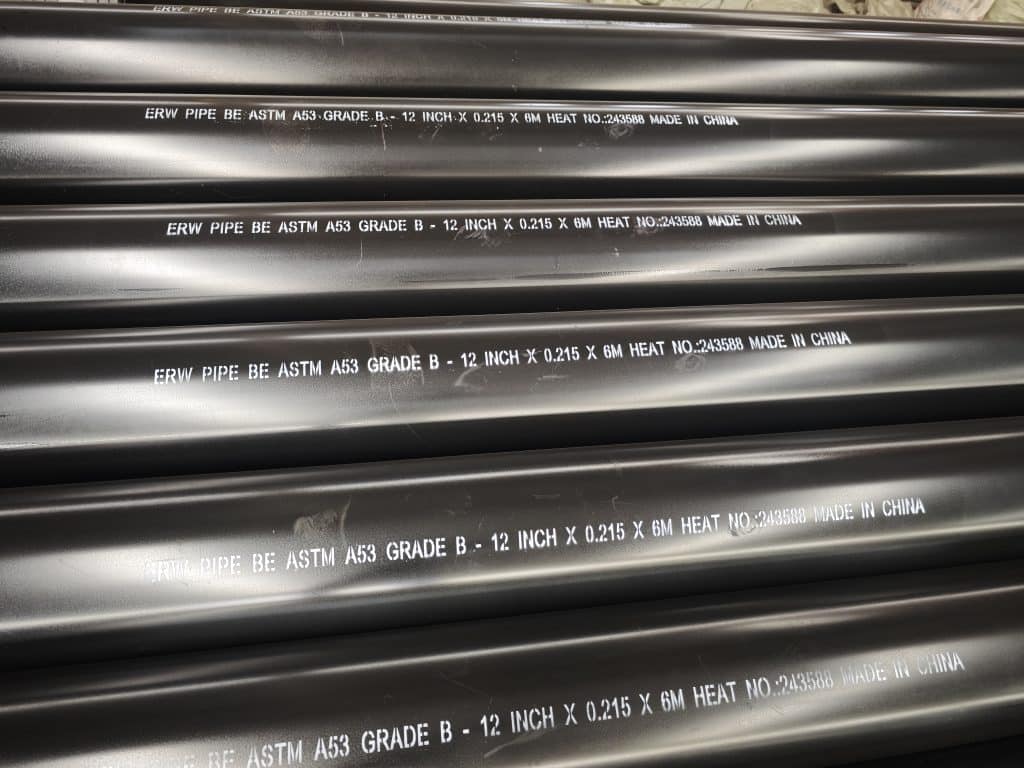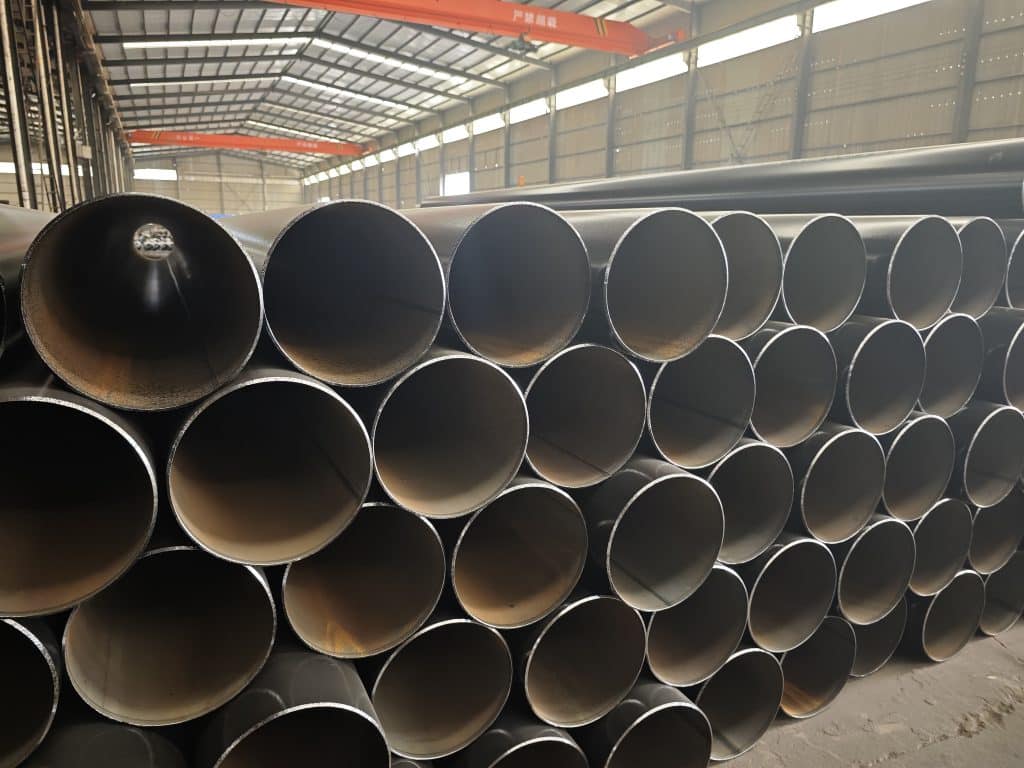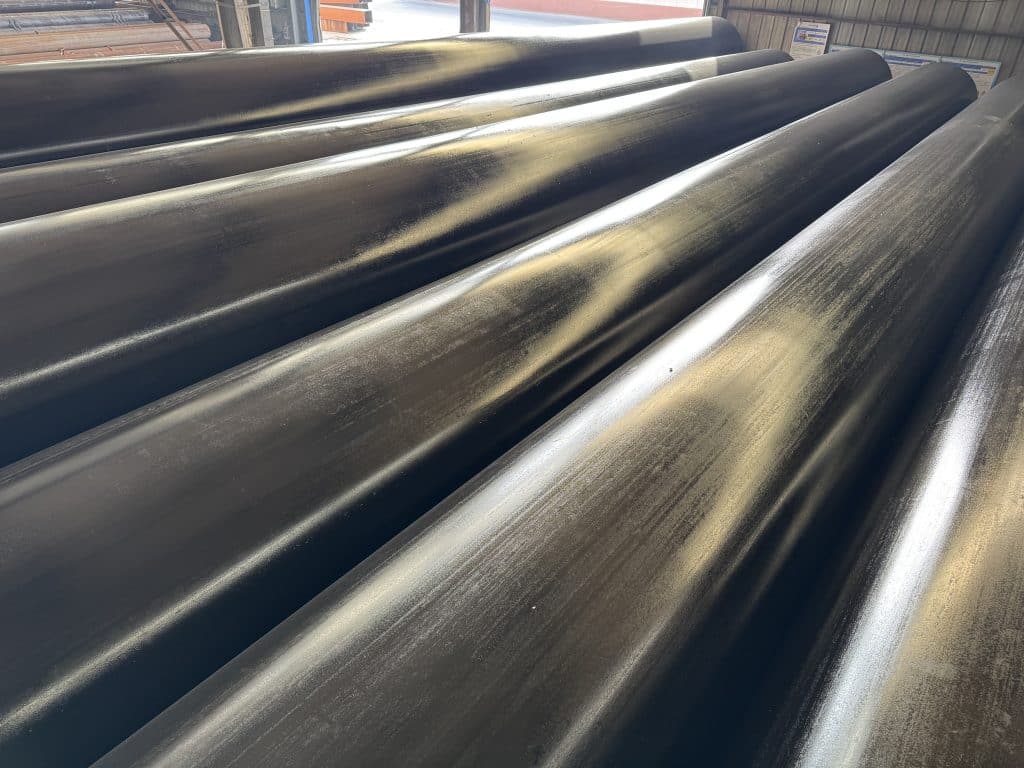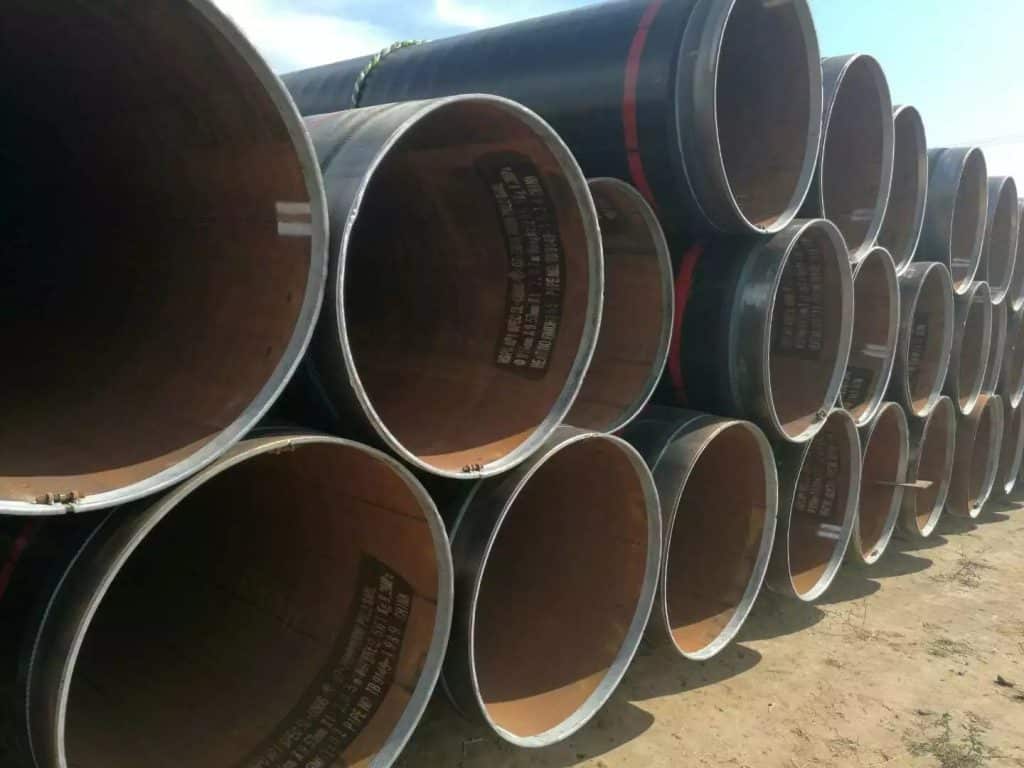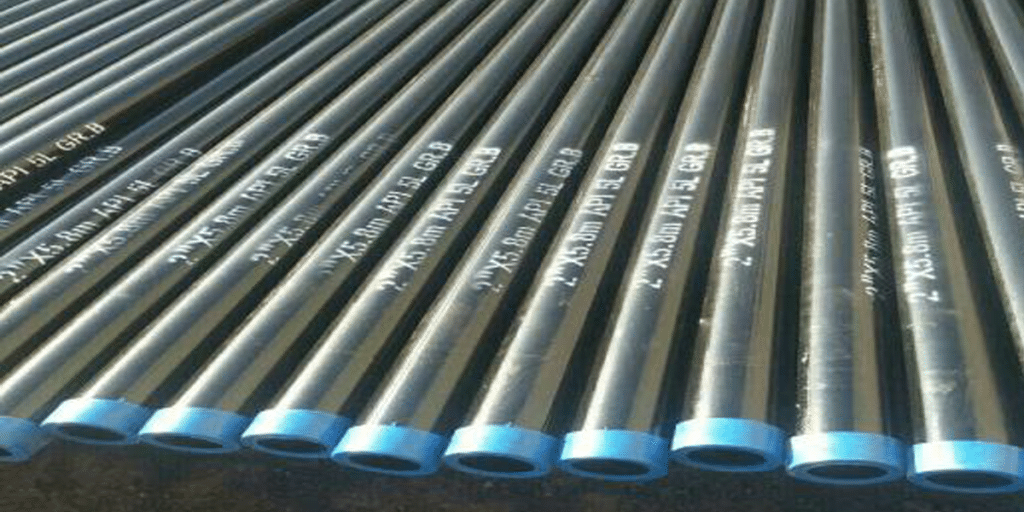
Electric fusion welded (EFW) and electric resistance welded (ERW) pipes are both produced with longitudinal welds, but their joining processes, typical starting materials and production economics differ. EFW pipe made from pressure-vessel-quality plate under specifications such as ASTM A671 may be well suited to project-specific dimensions and defined heat-treatment or radiographic examination requirements. ERW pipe can offer efficient production and competitive pricing for standardized sizes. Selection should begin with the governing product specification and service conditions, not an assumption that one weld type is inherently stronger.
How EFW and ERW Pipes Are Manufactured
EFW: plate forming and fusion welding
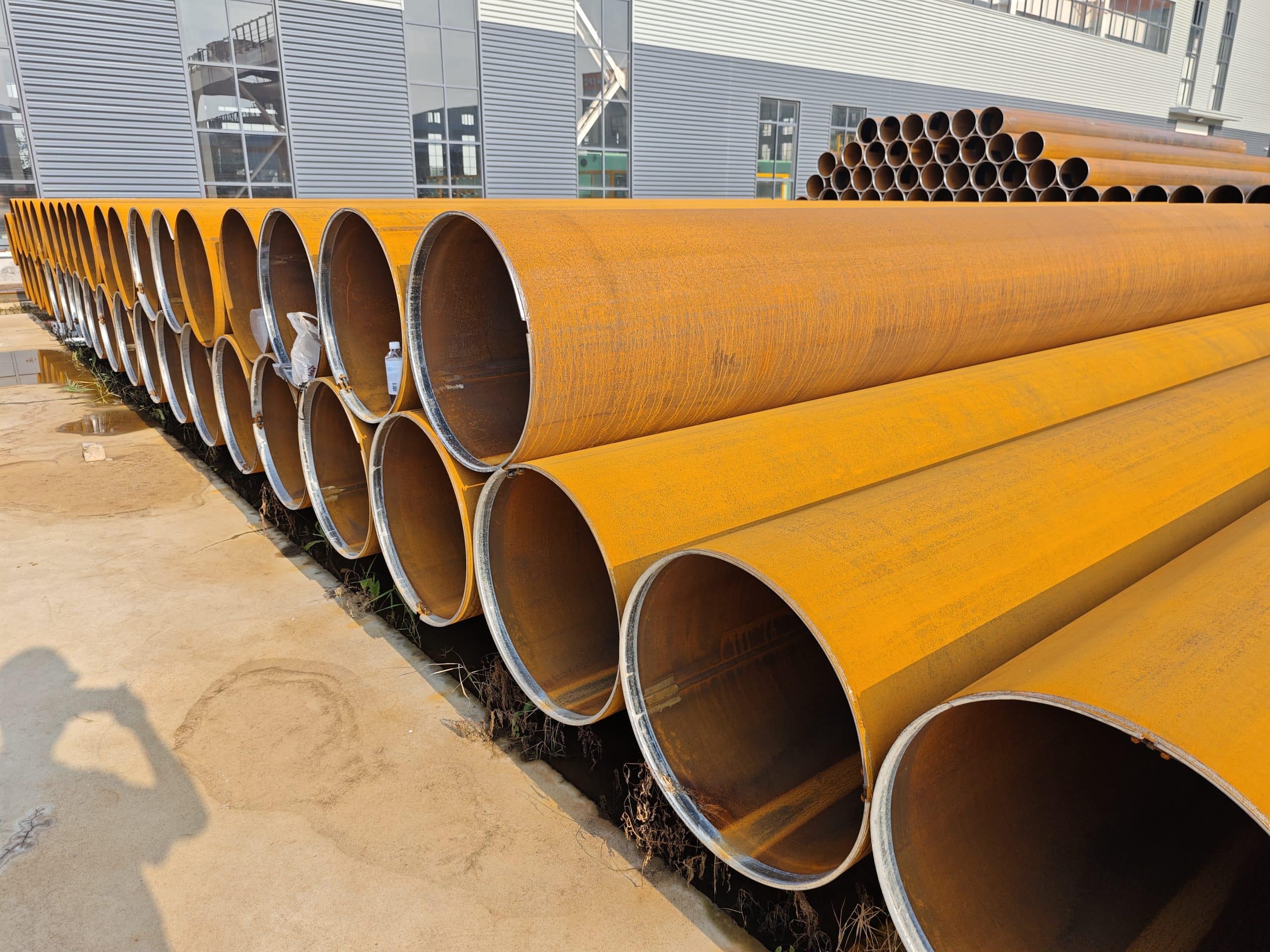
EFW pipe is formed from plate and joined by an electric-arc fusion welding process, generally with filler metal as required by the qualified procedure. Longitudinal submerged arc welding is a common fusion-welding route for large welded pipe. Welding parameters, joint preparation and any required heat treatment are controlled through the manufacturing specification and approved procedures. ASTM A671 covers electric-fusion-welded steel pipe made from pressure-vessel-quality plate for atmospheric and lower-temperature service.
ERW: resistance heating and pressure
ERW pipe is commonly produced by forming steel strip or coil into a tubular shape and joining the edges through resistance heating and pressure, normally without filler metal. Modern ERW production uses controlled welding parameters and inspection systems. Its acceptance for a particular pressure or process application depends on the applicable pipe specification, grade, weld condition and design code.
EFW vs ERW: Key Differences
| Comparison | EFW pipe | ERW pipe |
| Starting material | Typically steel plate | Typically steel strip or coil |
| Joining method | Electric-arc fusion weld | Resistance heating and pressure |
| Filler metal | Used where required by process | Normally not added |
| Production focus | Project-specific sizes and plate-based pipe | Efficient, repeatable standard-size production |
| Heat treatment | As required by grade/class and order | As required by applicable specification |
| NDT | Based on specification, class and order | Based on specification, grade and order |
| Pressure suitability | Subject to design and code acceptance | Subject to design and code acceptance |
Neither manufacturing process alone determines the maximum operating pressure. Strength, wall thickness, weld quality, temperature, allowable stress, joint factors and the applicable design code must be assessed. An ERW pipe meeting the relevant specification may be suitable for pressure service, while an EFW pipe must still satisfy its own required examinations and acceptance criteria.
Where ASTM A671 CC60 Class 22 Fits
ASTM A671 identifies both a grade and a class. CC60 is a material grade designation associated with the specified pressure-vessel-quality plate, while Class 22 identifies manufacturing, heat-treatment and examination requirements under the applicable edition. Grade and class are not interchangeable. The purchaser should verify the exact class requirements against the edition cited in the purchase order rather than relying on a general description of EFW pipe.
A671 pipe is not automatically qualified for any operating pressure, minimum design temperature or corrosive service. For example, use in an LNG-related facility does not mean the pipe is suitable for direct exposure to cryogenic LNG temperatures. The design engineer must verify material toughness, wall thickness, temperature limits and code acceptance for the actual duty.
Weld Quality, Heat Treatment and Inspection
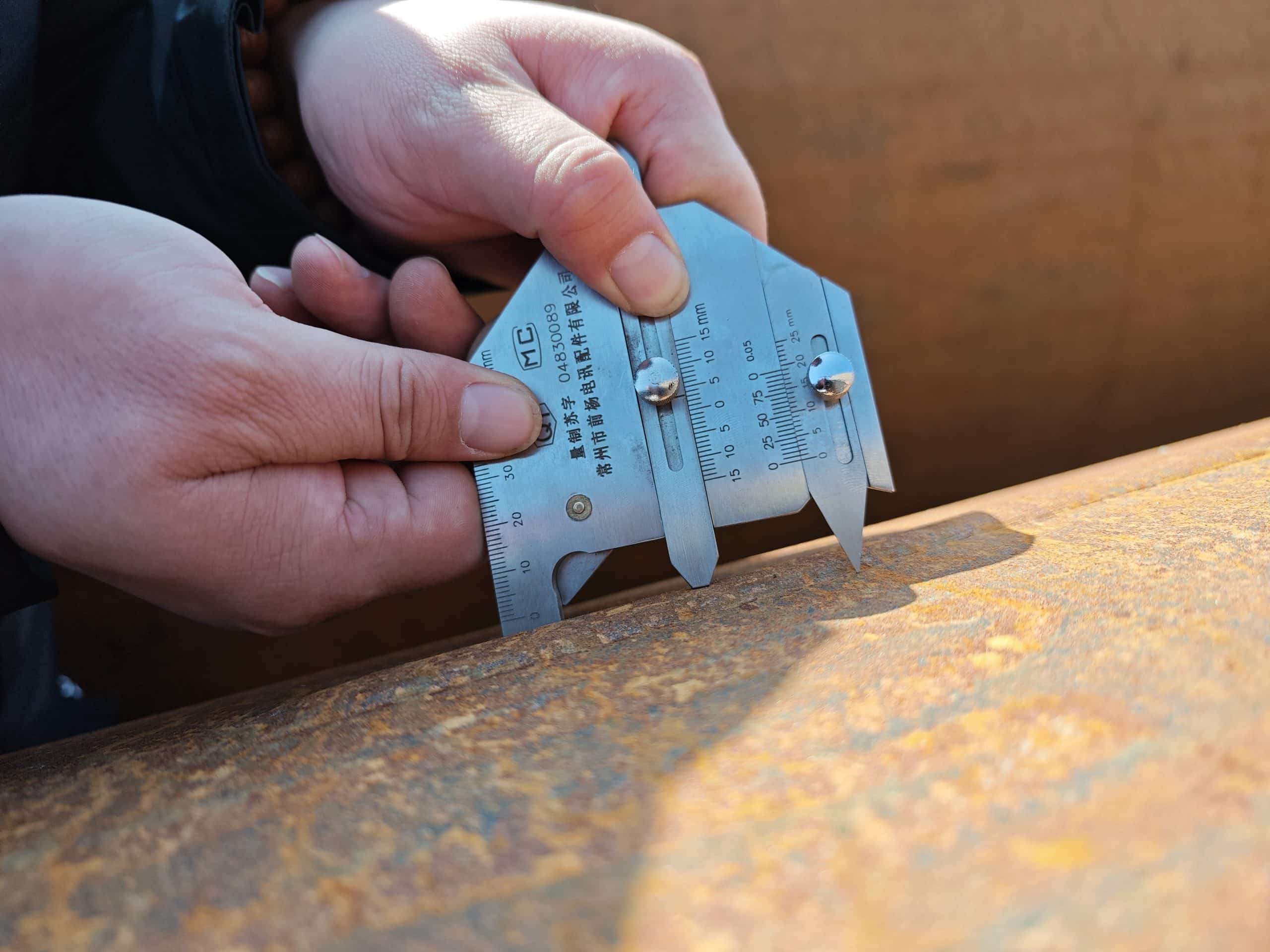
Fusion welds and resistance welds have different process controls and potential discontinuities, but either may meet demanding acceptance criteria when correctly manufactured and examined. A qualified welding procedure, appropriate consumables, controlled heat input and documented inspection are particularly important for plate-based EFW products. The heat-affected zone is not automatically stronger or tougher than the parent metal; its properties depend on chemistry, thermal cycle and subsequent treatment.
Radiographic testing (RT) and ultrasonic testing (UT) are different nondestructive examination methods. The required extent of RT, UT and other examinations is determined by the product specification, class and purchase requirements. The buyer should not assume that all EFW pipes receive both methods over the full weld length, or that ERW pipe is subject to inadequate inspection. Hydrostatic testing and mechanical tests must likewise follow the applicable specification and agreed inspection plan.
- Confirm plate or coil certificates and traceability from incoming material to finished pipe.
- Review weld procedure qualifications, heat-treatment records where required, and the specified NDT reports.
- Check dimensions, end preparation, hydrostatic-test records and any required impact-test results.
- Match the material test certificate to the grade, class, heat number and purchase order.
Cost, Applications and Procurement Decisions
ERW pipe may be more economical when the required grade and size fall within a producer’s established high-volume range. EFW may be attractive for larger or heavier-wall project-specific pipe and where the ordered specification calls for plate-based manufacture, particular heat treatment or a defined weld-examination package. Actual cost depends on plate or coil availability, production volume, testing, coating, logistics and delivery schedule.
In refinery and power-plant work, the applicable piping or equipment design code must first permit the selected product specification. ASME B31.3, ASME B31.1 and ASME Section VIII address different applications; ASTM A671 is a product specification rather than a complete piping-system design code. A quotation should identify the ASTM edition, grade, class, dimensions, heat treatment, inspection extent and documentation requirements.
Frequently Asked Questions
Is EFW always stronger than ERW?
No. Mechanical properties and pressure suitability depend on material grade, wall thickness, weld qualification, inspection and design requirements, not the welding process name alone.
Does ASTM A671 CC60 Class 22 require the same testing as every EFW pipe?
No. The requirements depend on the specified class, applicable standard edition and supplementary order conditions.
When should buyers consider EFW rather than ERW?
EFW is a useful option when a project requires plate-based dimensions or an applicable EFW product specification. ERW remains a practical option where the design code and product requirements permit it.
LONGMA Pipe Manufacturing Support
LONGMA supplies round welded carbon steel pipe through ERW and plate-based longitudinal welding production routes. Its 230,000 m² manufacturing site, annual output exceeding 500,000 tons and more than 20 years of industry experience support project-specific manufacturing and inspection coordination. Share the required ASTM or API specification, grade, class, dimensions, inspection plan and delivery schedule at info@ilongma.com or www.ilongma.com.