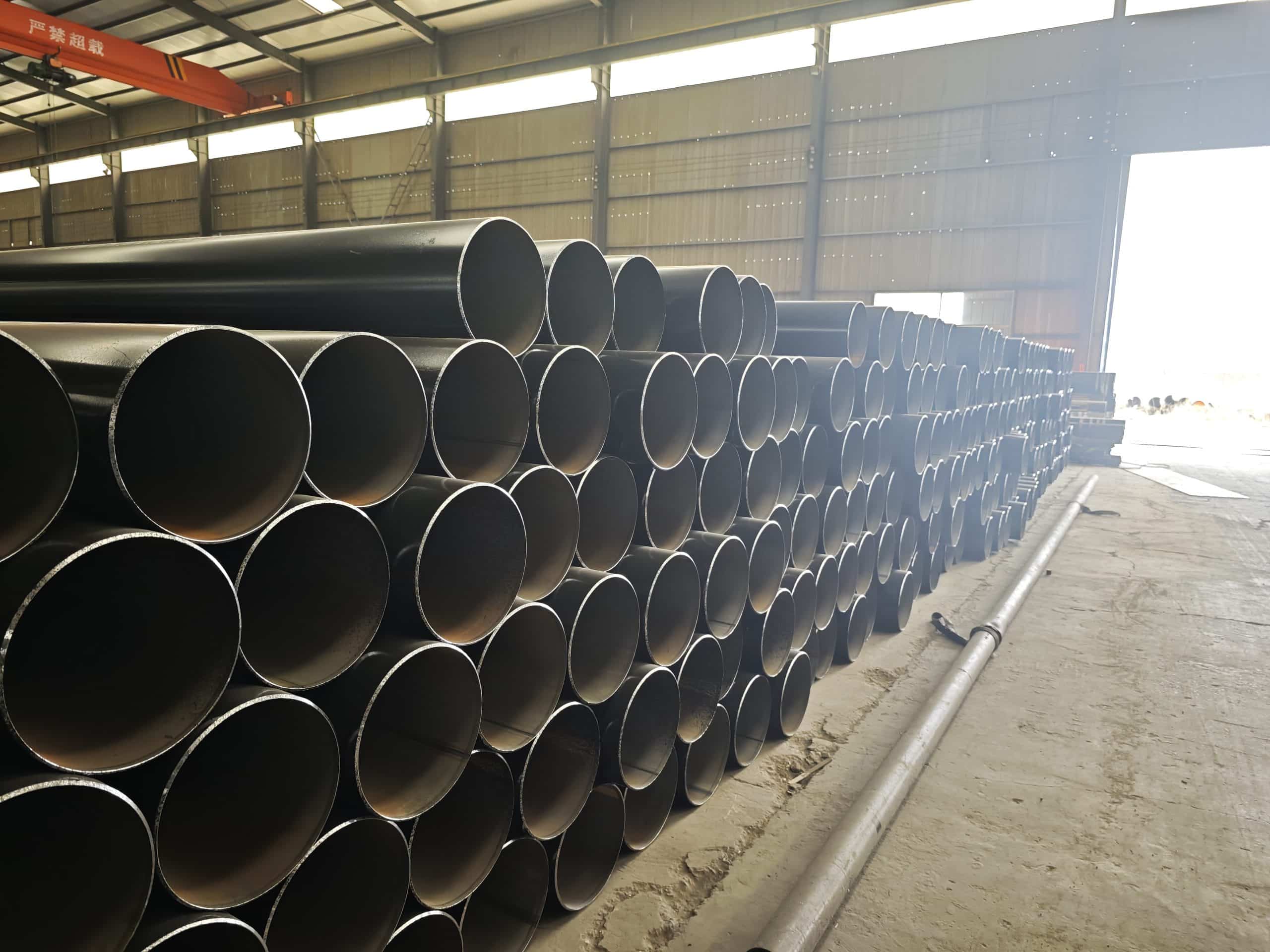
What EFW Steel Pipe Means
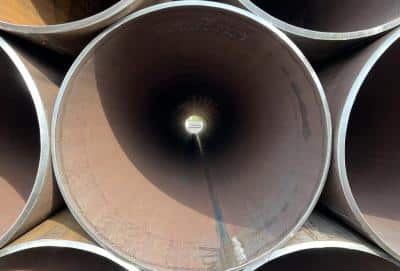
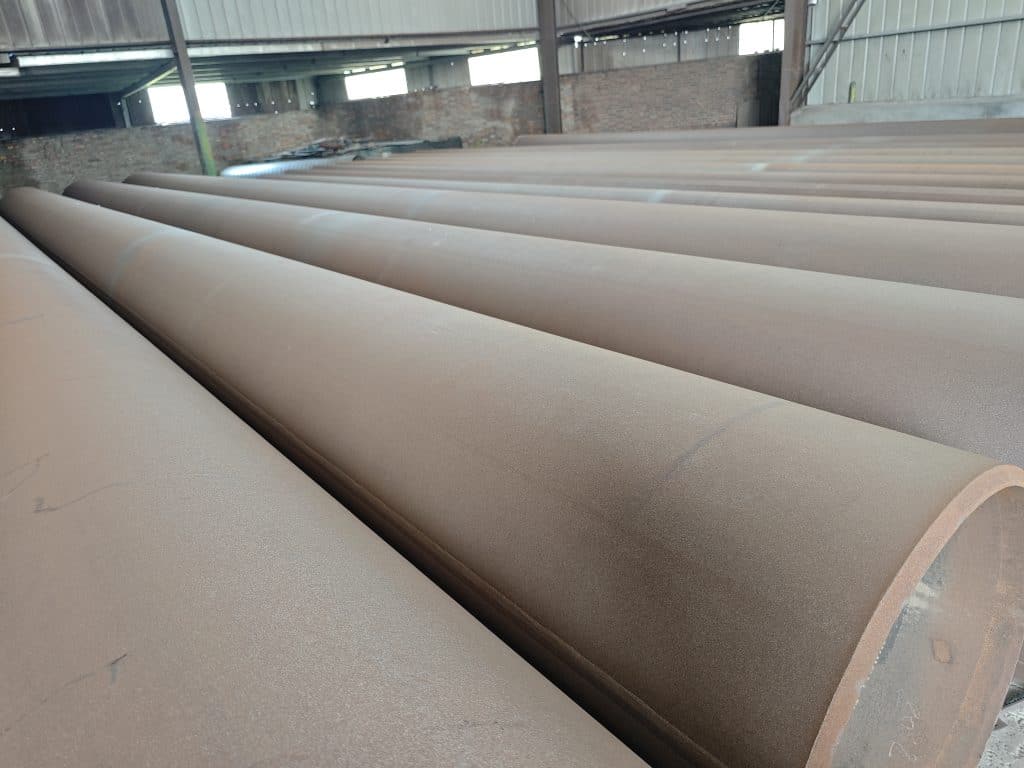
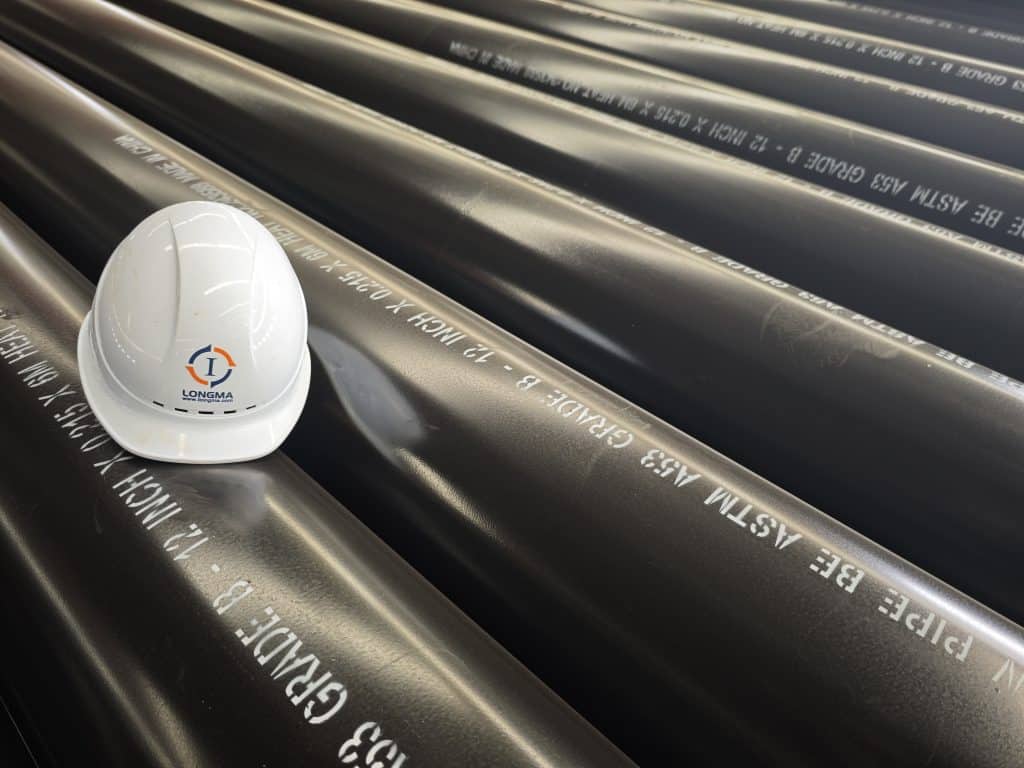
Electric-fusion-welded (EFW) steel pipe is produced from steel plate formed into a cylindrical shape and joined by a fusion-welded longitudinal seam. The exact production and inspection requirements depend on the ordered product specification. EFW describes a manufacturing category; it is not a material grade, pressure rating or guarantee of performance.
EFW should be distinguished from electric-resistance-welded (ERW) pipe, in which the longitudinal edges are joined by resistance heating. Longitudinal submerged arc welding (LSAW) describes a particular fusion-welding process and can be used to manufacture plate-formed pipe. Product specification, welding method and finished-pipe acceptance requirements must therefore be stated separately rather than treated as interchangeable labels.
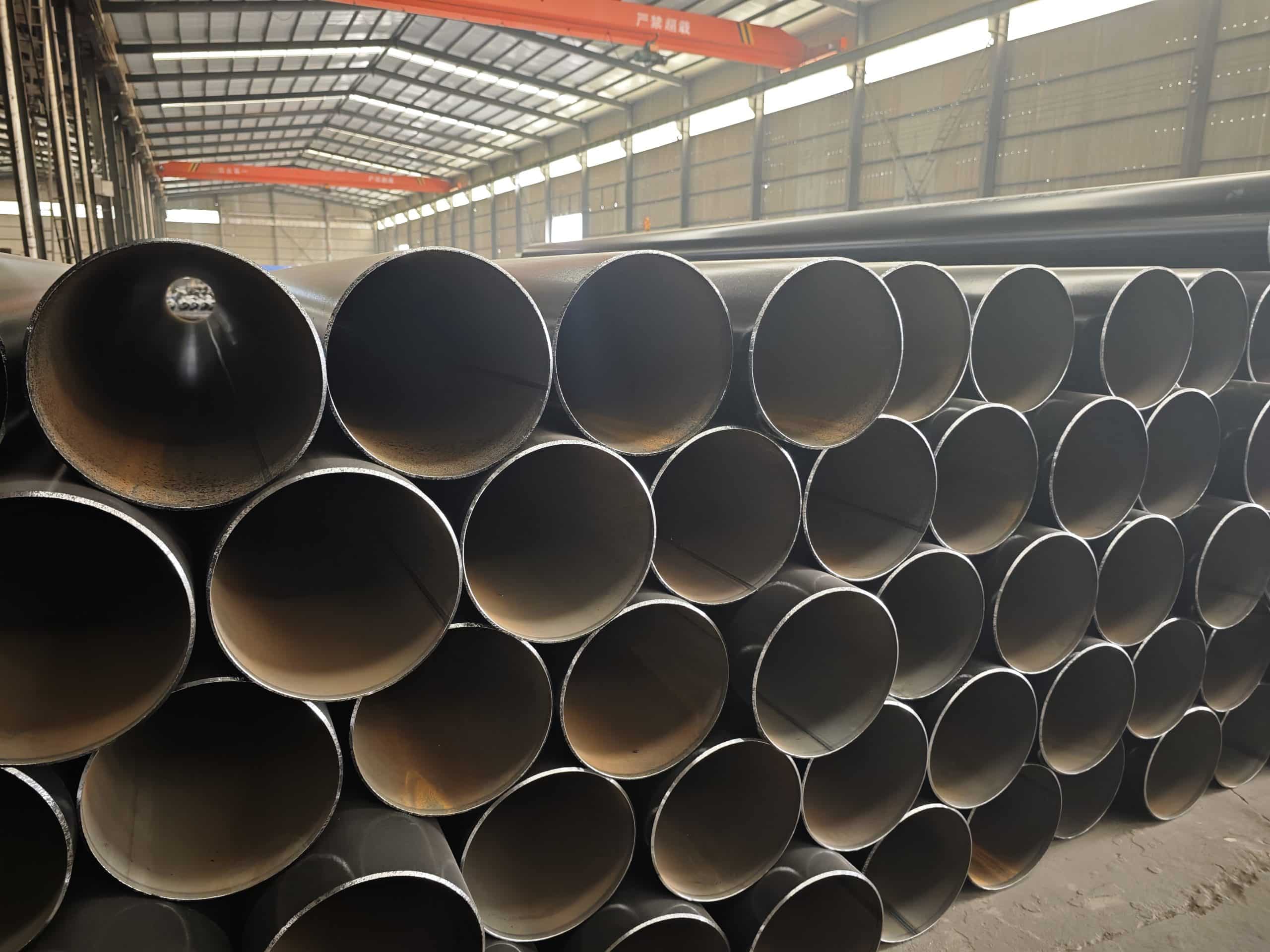
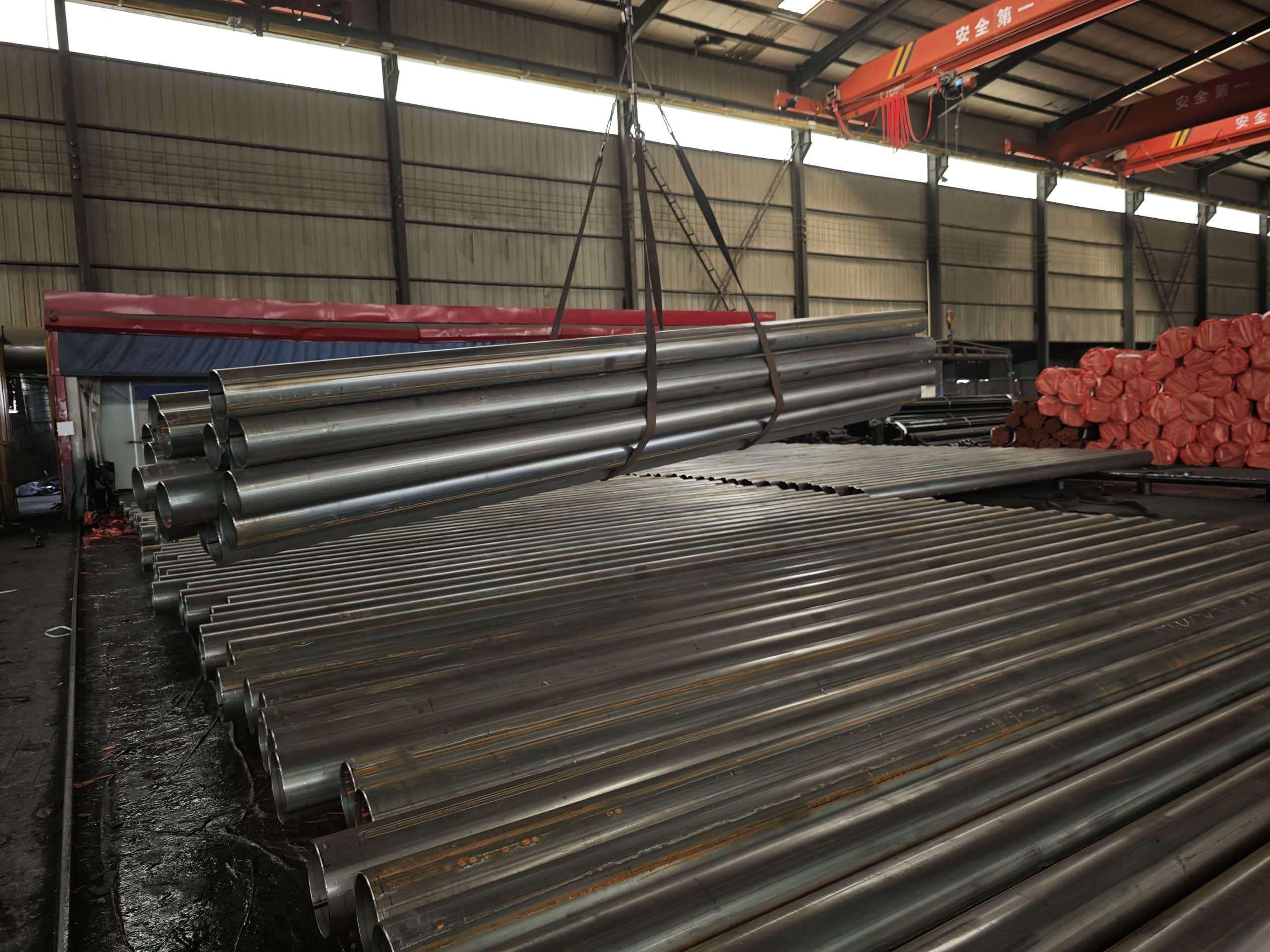
Main Advantages of EFW Pipe
The advantages of electric fusion welded steel pipe are best understood in the context of a defined engineering duty. Plate-based manufacture can provide flexibility in selecting a material grade and forming a particular diameter and thickness combination. It also gives the purchaser opportunities to specify weld examination, dimensional checks and documented material traceability. These benefits depend on the ordered specification and mill capability.
Large diameters and plate-based dimensions
Forming pipe from plate can make larger outside diameters and selected heavy-wall dimensions practical. The available range depends on plate supply, forming equipment, welding capability and mill qualification. A supplier’s published size range is not a universal ASTM requirement.
Material selection for demanding service
Depending on the specification, EFW pipe can be produced from pressure-vessel-quality carbon or alloy steel plate selected for the design temperature and required properties. This supports applications in industrial process piping, power facilities and other engineered systems when the chosen grade and class are permitted by the governing design code.
Traceable manufacturing and weld inspection
Plate identification, qualified welding procedures, weld inspection and finished-pipe testing create a documented route for verifying conformity. Radiographic testing, ultrasonic testing, hydrostatic testing and impact testing must be applied as required by the specific product standard, class and purchase order; not every EFW pipe requires every test.
Project-specific length and fabrication options
Depending on manufacturing and shipping constraints, suppliers may offer tailored pipe lengths and end preparations. Longer lengths can reduce the number of field joints in some layouts, although transport restrictions and installation requirements must be considered.
Potential economic efficiency
For certain large-diameter applications, plate-formed EFW pipe may offer an economical alternative to seamless products. Cost depends on grade, diameter, thickness, welding, heat treatment, testing, order quantity and delivery terms. No single diameter threshold guarantees a lower price.
Standards: ASTM A671, A672 and A691
The three ASTM specifications serve different service envelopes, so a buyer should not treat them as interchangeable versions of the same pipe. The specified design temperature, pressure, base plate material and governing piping code should guide the initial choice. The order must state the appropriate grade and Class, where applicable. The project engineer must also confirm whether the material is listed or otherwise permitted by the applicable design code.
ASTM A671/A671M addresses electric-fusion-welded steel pipe for atmospheric and lower-temperature service; ASTM A672/A672M addresses EFW steel pipe for high-pressure service at moderate temperatures; and ASTM A691/A691M addresses carbon and alloy steel EFW pipe for high-pressure service at high temperatures. Their scopes differ and they are not substitutes solely because each covers EFW pipe.
In ASTM A671, designations such as CC60, CC65 and CC70 are pipe grades linked to specified pressure-vessel plate materials. A separate Class designation, such as Class 22, identifies specified heat-treatment and examination/testing conditions. “Class CC70” is incorrect terminology. Neither the grade nor class alone establishes a design pressure rating.
ASME B31.1 or B31.3, where applicable, governs piping design requirements; acceptance of a material must be checked against the governing code and project specification. Welding joint factors or efficiencies cannot be assumed to equal 1.0 solely because a weld has received full radiographic examination.
Manufacturing and Quality Controls
Quality control begins before the longitudinal seam is welded. Plate identification and incoming inspection help establish the connection between the supplied steel and its mill test certificate. Edge preparation, forming accuracy and fit-up influence weld geometry and the ability to achieve sound fusion. During welding, procedure qualification and control of essential variables help maintain consistency. After welding, inspection may address surface condition, weld soundness, dimensions and any specified heat treatment. Records should identify which examinations were performed on each pipe or production lot.
An EFW manufacturing sequence typically includes plate receipt and identification, edge preparation, forming, fit-up, fusion welding, applicable heat treatment, dimensional checks, nondestructive examination and final testing. The sequence and mandatory hold points vary by product class and project inspection and test plan.
Qualified welding procedure specifications (WPS) and procedure qualification records (PQR), appropriate consumables, controlled preheat and interpass temperatures, and weld repair procedures help manage weld integrity. The extent of radiography, ultrasonic testing, pressure testing and impact testing must be checked against the specified standard and class, rather than described as universally “100% RT plus UT plus hydrotest.”
Inspection documentation may include plate certificates, heat-number traceability, welding qualifications, NDT reports, heat-treatment records, dimensional reports and inspection certificates. EN 10204 type 3.1 and 3.2 are different inspection-document types; type 3.2 is not merely an optional third-party signature on a 3.1 certificate.
EFW Compared with ERW and Seamless Pipe
When comparing alternatives, consider more than the presence or absence of a seam. A seamless product may be attractive where its available size and material range match the design, while ERW can be efficient for established production dimensions. EFW becomes an option where plate material selection or a larger formed diameter is advantageous. Compare alternatives using consistent design and inspection requirements. The correct decision is the compliant option that best satisfies the complete technical and commercial requirements.
EFW plate pipe is often considered for larger diameters and plate-based pressure-piping requirements. ERW can be efficient for a wide range of standardized round-pipe dimensions, while seamless pipe has no longitudinal weld seam. None is inherently superior for every duty; service temperature, pressure, wall thickness, allowable material specifications, availability and required examination govern selection.
Engineers should compare compliant alternatives using the same design conditions, dimensional tolerances, material requirements and testing scope. Claims that EFW always has greater strength, always costs less or always permits thinner walls are not technically defensible.
How to Specify EFW Pipe for a Project
A well-prepared request for quotation reduces the risk of receiving technically different offers. In addition to grade, Class and dimensions, specify the required length tolerance, end preparation, surface condition, inspection document type and any coating or lining interface requirements. Where impact properties matter, identify the minimum design metal temperature and the applicable acceptance criteria rather than simply asking for “low-temperature pipe.” State whether third-party witnessing is required and at which inspection stages. Before approving the order, reconcile the supplier’s technical deviations against the piping material specification and record any accepted exceptions in writing.
Provide the full ASTM or other product standard and edition, grade, Class, outside diameter, wall thickness, length, delivery condition, end preparation, design temperature, service conditions and quantity. Identify the governing piping code, supplementary testing, weld examination, impact requirements, inspection-document type and coating needs.
The design engineer should verify pressure design, allowable stresses, corrosion allowance and weld factors. The manufacturer should confirm the achievable dimensions and supply conditions before the order is placed.
Conclusion
EFW steel pipe offers useful flexibility in plate material, dimensions and documented weld quality for appropriate engineered applications. Its advantages are strongest when evaluated against a specific service duty, product specification and inspection plan—not as generic promises of pressure rating, mandatory test coverage or cost savings.
Frequently Asked Questions
Is EFW the same as ERW?
No. EFW joins formed plate using fusion welding; ERW joins edges using resistance heating.
Is EFW the same as LSAW?
LSAW describes a submerged-arc welding process that can be used in longitudinal fusion-welded pipe manufacture. The product standard must still be identified.
Does every EFW pipe require 100% RT, UT and hydrostatic testing?
No. Mandatory examination and pressure testing depend on the product specification, Class and contractual requirements.
Can EFW pipe be used for high-pressure systems?
Potentially, when the selected material, pipe specification, dimensions and manufacturing class are accepted by the governing design code and project requirements.
About LONGMA
LONGMA is a Hebei-based manufacturer of round welded steel pipes, with more than 20 years of industry experience. Its manufacturing facility covers 230,000 m², and annual production exceeds 500,000 tonnes. For project inquiries, specify the required product standard, grade, dimensions, inspection scope and applicable service conditions. Contact: info@ilongma.com.