- 1. Understanding C350L0 Structural Hollow Sections
- 2. Check the Material Certificate and Traceability
- 3. Use Carbon Equivalent as One Weldability Indicator
- 4. Determine Preheat and Interpass Temperatures
- 5. Control Hydrogen and Reduce Cold-Cracking Risk
- 6. Select the Welding Process and Inspection Plan
- 7. Information to Include in a Welding or Pipe RFQ
- 8. Frequently Asked Questions
- 9. Discuss C350L0 Pipe Requirements with LONGMA
Welding C350L0 structural hollow sections requires control of the base-metal condition, joint preparation, welding consumables, heat input and inspection. The grade designation alone does not provide a universal welding procedure or preheat temperature. Welding parameters must be selected for the actual material, section thickness, joint restraint, welding process and applicable construction standard, then documented in a qualified welding procedure specification .
Understanding C350L0 Structural Hollow Sections
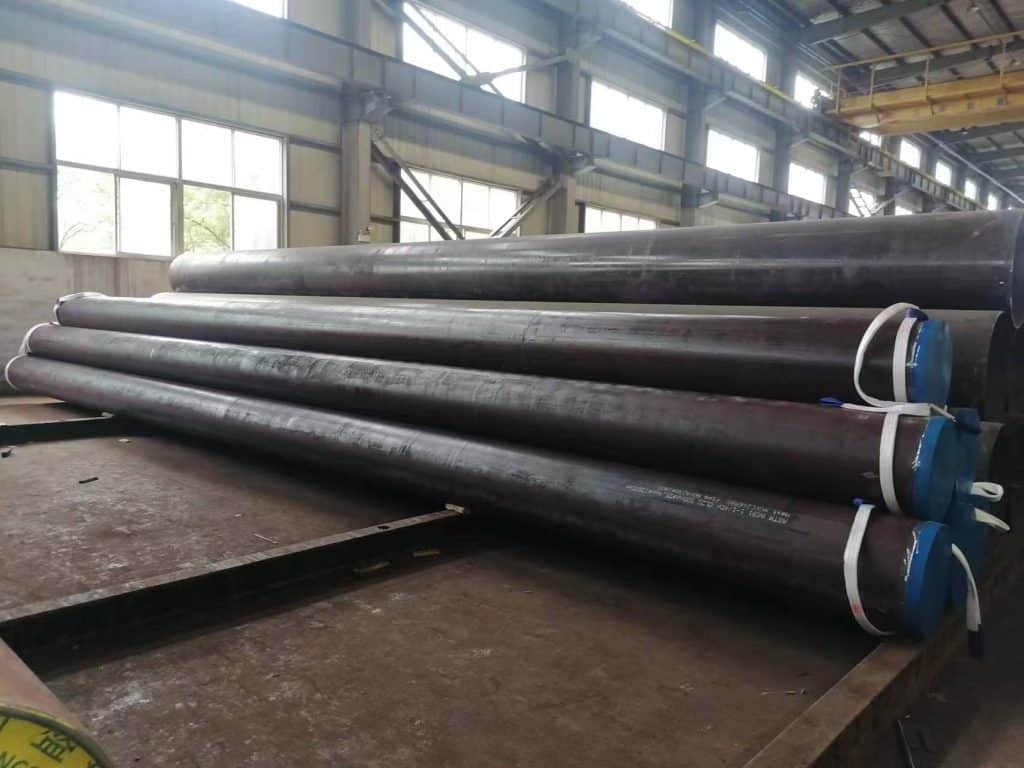
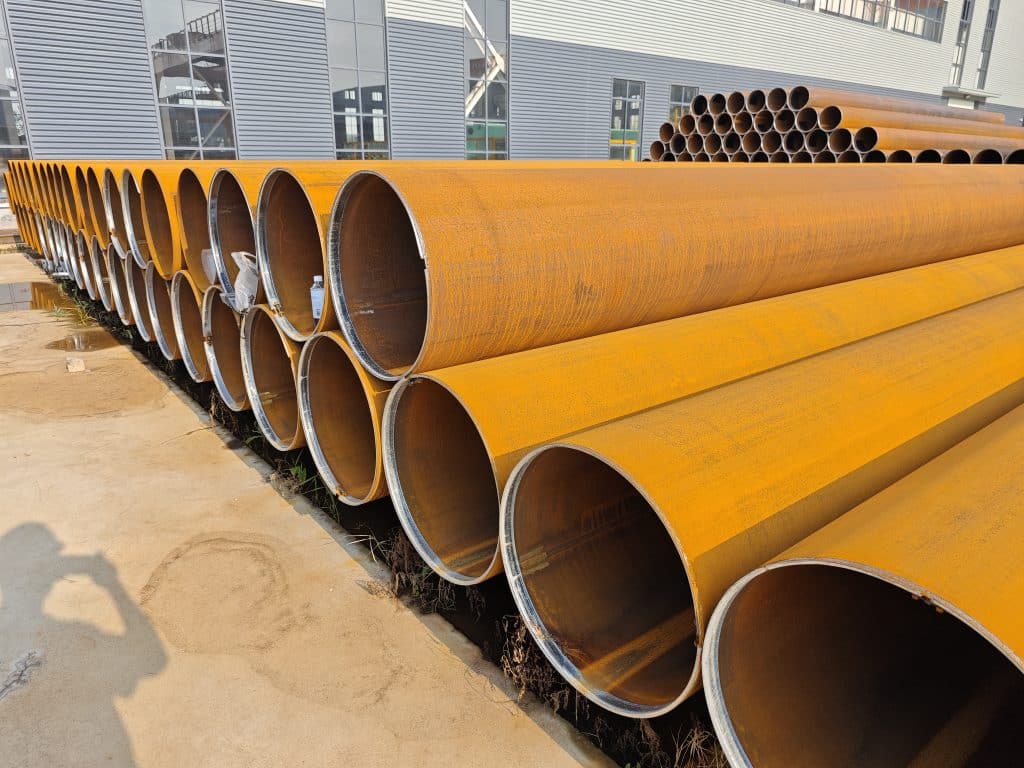
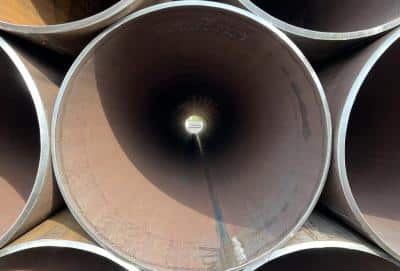
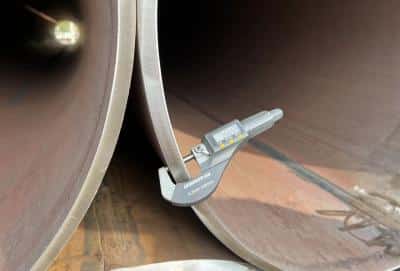
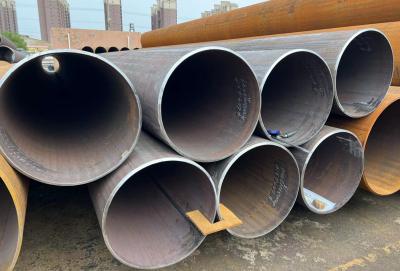
C350L0 is a grade designation used in AS/NZS 1163 for cold-formed structural steel hollow sections. The C350 strength level identifies a minimum yield-strength grade of 350 MPa, subject to the product standard’s dimensional and testing conditions. The L0 designation identifies a specified impact-toughness requirement at 0°C. It does not mean that the section is automatically suitable for every low-temperature service condition.
C350L0 is used in structural applications where the design requires the relevant strength and impact properties. Whether a particular section is suitable for a welded connection depends on the design, the material certificate, the connection detail and the welding procedure. Do not treat C350L0 as interchangeable with S355J0H, ASTM A500 grades or other nominally similar materials without checking their complete requirements.
Check the Material Certificate and Traceability
Before welding, verify that the product marking matches the purchase order and the mill test certificate (MTC). Check the heat or cast number and confirm that the certificate identifies the ordered grade, dimensions, chemical analysis and mechanical test results required by the applicable edition of AS/NZS 1163. Where impact testing is specified, check the reported test temperature, specimen details and results against the standard and order requirements.
Retain traceability when sections are cut or transferred to fabrication. Mark cut pieces or maintain a documented cutting schedule so that the material identity can be linked to the original heat and inspection records. An EN 10204 Type 3.1 inspection certificate may be requested where required by the contract; it should not be described as an automatic requirement for every order.
Use Carbon Equivalent as One Weldability Indicator
Carbon equivalent (CE or CEV) combines selected alloying elements into an index used to assess aspects of steel weldability and hardenability. One commonly used expression is the IIW carbon-equivalent formula:
CEV = C + Mn/6 + (Cr + Mo + V)/5 + (Ni + Cu)/15
The chemical symbols represent the corresponding element contents, normally expressed as mass percentages. Use the formula required by the governing welding standard or project specification. Do not assume that every standard uses the same carbon-equivalent expression or acceptance limit.
A higher carbon-equivalent value can indicate greater hardenability and a greater need to assess hydrogen-assisted cracking risk. However, CEV does not independently determine preheat. The assessment must also consider material thickness, joint configuration and restraint, diffusible hydrogen, heat input, welding process, ambient conditions and the applicable welding standard.
Determine Preheat and Interpass Temperatures
Preheating, where required, reduces the cooling rate and can assist hydrogen diffusion from the weld area. It may also reduce the risk of forming hard microstructures in the heat-affected zone. Preheat is not automatically required for every C350L0 weld, and no single temperature can be applied to all wall thicknesses and joint details.
Where AS/NZS 1554.1 governs the work, follow its method for determining preheat and inter-run temperature, including the applicable weldability group, combined thickness and arc-energy considerations. For steels or conditions outside the standard’s listed scope, obtain appropriate technical guidance and qualify the welding procedure as required. EN 1011-2 may be relevant where it is specified by the project, but its recommendations should not be mixed with another standard’s method without a defined engineering basis.
The approved WPS should state the applicable minimum preheat, interpass-temperature limits, heat-input range, consumable classification, joint preparation and other essential controls. Measure temperature using a method and location consistent with the governing procedure. Ensure the required temperature is achieved through the material thickness where the procedure requires it. Avoid arbitrary rules such as a universal fixed-width heating band; the extent of preheating must follow the applicable standard and qualified procedure.
Control Hydrogen and Reduce Cold-Cracking Risk
Hydrogen-assisted cold cracking is associated with the combined effects of diffusible hydrogen, a susceptible hard microstructure and tensile stress. Cracking may be delayed after welding, so an immediate visual examination alone cannot demonstrate that the joint is free from this type of defect.
Practical controls include:
- Keep joint faces and adjacent surfaces free from moisture, oil, paint, heavy rust and other contaminants.
- Store, condition and handle electrodes and flux in accordance with the consumable manufacturer’s instructions and the approved welding procedure.
- Use the specified low-hydrogen consumables where required, and protect open consumables from moisture pickup.
- Maintain fit-up, root gap and joint alignment within the WPS limits to avoid unnecessary restraint and defects.
- Control heat input, preheat and interpass temperature within the approved ranges.
- Follow the project requirements for post-weld cooling, any hydrogen-release treatment and delayed inspection.
Do not use a fixed temperature, such as 200°C, as a universal threshold for the onset of cold cracking. The timing and conditions of cracking depend on the material, weld procedure, joint restraint and hydrogen level. Any inspection hold time must come from the governing code, project specification or approved inspection plan.
Select the Welding Process and Inspection Plan
SMAW, GMAW, FCAW, GTAW and SAW may all be used in suitable applications, but no process is universally best for a particular section thickness or joint. Selection depends on access, welding position, production method, joint design, required quality level and procedure qualification. Welding parameters and pass sequence must remain within the qualified WPS.
Inspection should be planned before fabrication. Visual examination is a basic part of weld quality control. Surface or volumetric non-destructive examination, such as magnetic-particle, liquid-penetrant, ultrasonic or radiographic testing, should be selected according to the joint geometry, material thickness, applicable standard and acceptance criteria. Delayed examination is required only when specified by the governing requirements or inspection plan.
Information to Include in a Welding or Pipe RFQ
For a technical review or quotation, provide the AS/NZS 1163 grade, outside diameter, wall thickness, length, quantity, applicable standard edition, required material certification, fabrication or welding code, coating requirements and destination. If the pipe will be welded into a particular structure, include the joint details and project welding requirements so that the proposed material and documentation can be reviewed against the intended application.
Frequently Asked Questions
Does C350L0 require preheating?
Not in every case. The need for preheat and the required temperature must be determined from the material, thickness, joint restraint, hydrogen control, heat input and governing welding standard, then recorded in the approved WPS.
Does the L0 designation mean the steel is suitable for any sub-zero service?
No. L0 identifies the specified impact-test temperature associated with the grade. It does not establish suitability at every service temperature. The design temperature, impact requirements and project code must be assessed separately.
Which records should be retained?
Retain the MTC and material traceability records, approved WPS and supporting procedure qualification records where required, welder qualifications, consumable records, preheat and interpass logs, inspection reports and any required NDT records.
Discuss C350L0 Pipe Requirements with LONGMA
LONGMA manufactures round ERW and LSAW steel pipes. For a C350L0-related enquiry, send the required dimensions, quantity, applicable standard edition, certification requirements and project details to info@ilongma.com. The technical requirements and product availability can then be reviewed against the enquiry.