- 1. What Is a 2LPE Coating System?
- 2. Identify the Correct Coating Standard
- 3. How Coating Thickness Is Specified
- 4. Factors That Affect Coating-System Selection
- 5. Inspection and Quality Documentation
- 6. 2LPE, 3LPE and FBE: Key Differences
- 7. Information to Include in a 2LPE Coating RFQ
- 8. Frequently Asked Questions
- 9. Request a 2LPE Coating Pipe Enquiry from LONGMA
Selecting the thickness of a two-layer polyethylene (2LPE) pipe coating starts with the governing coating specification. Pipe diameter, coating system design, service temperature, installation method and expected mechanical exposure also need to be considered. A thickness value should never be selected by copying a figure from a different coating standard or from a different coating construction.
What Is a 2LPE Coating System?
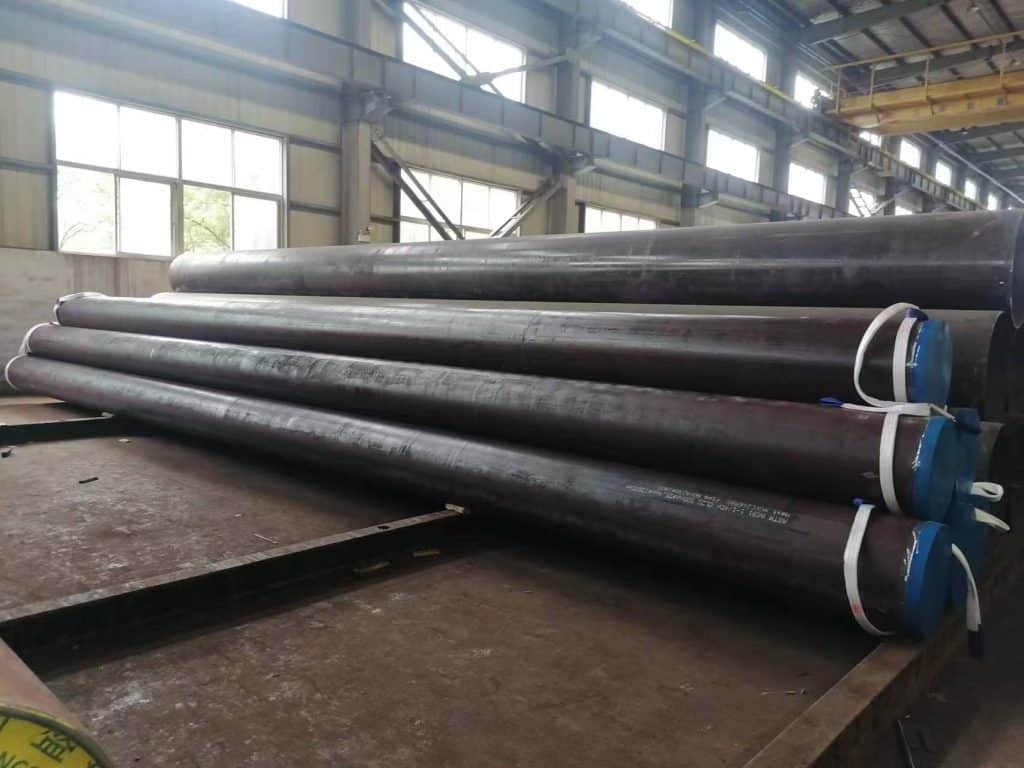
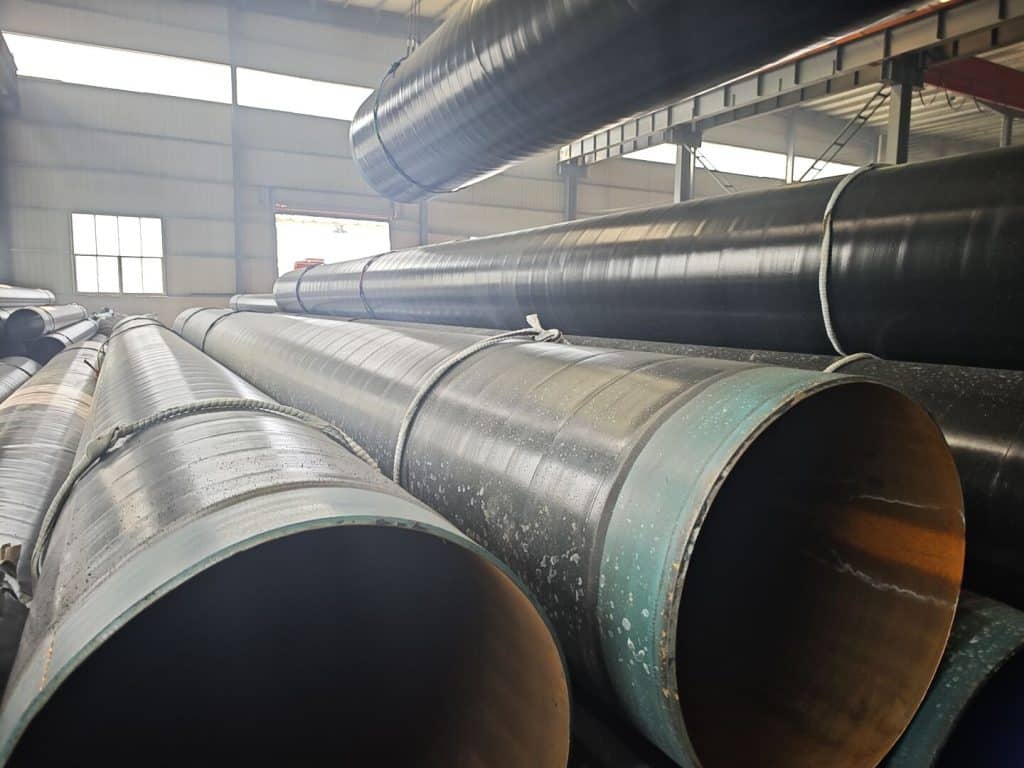
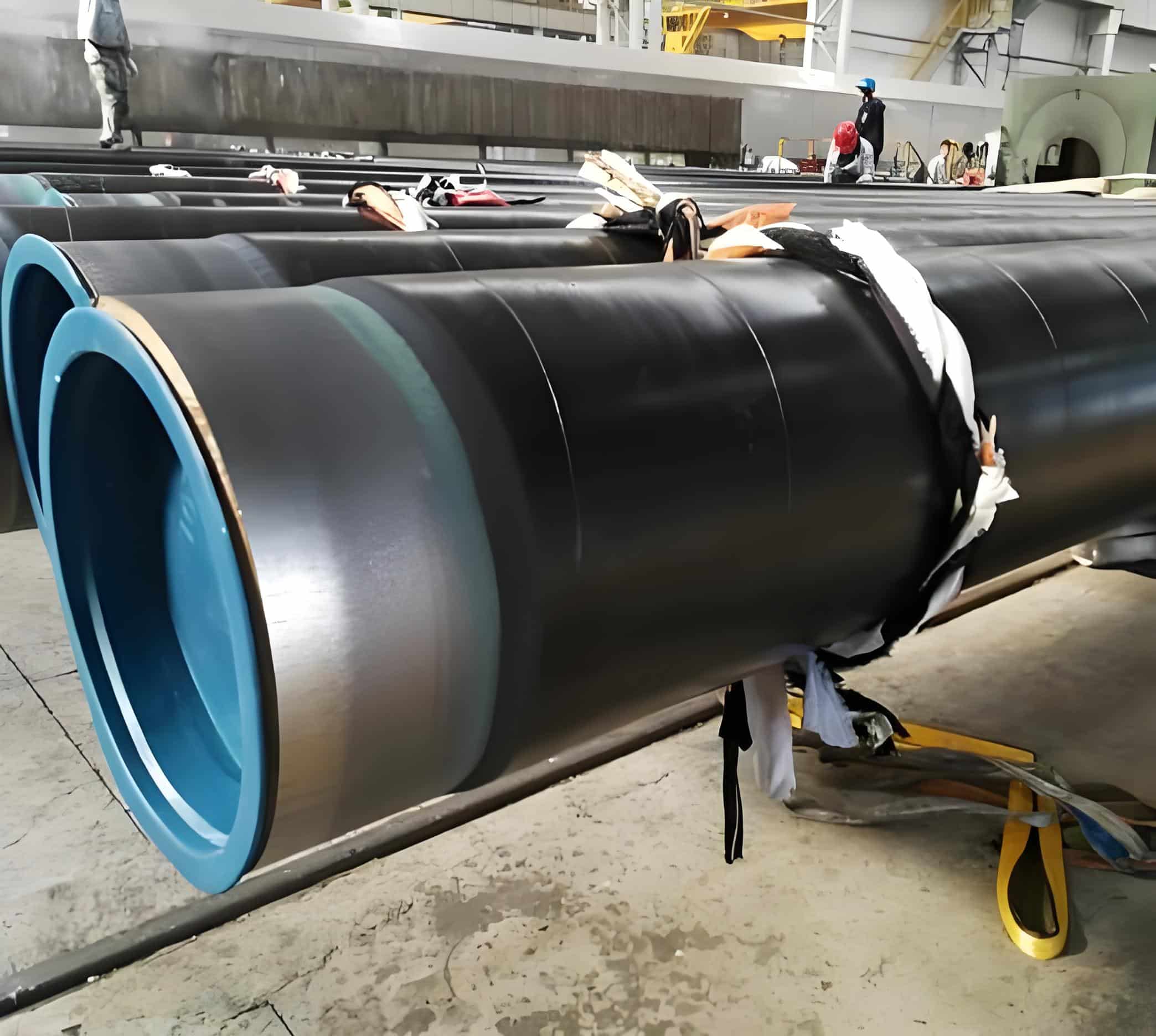
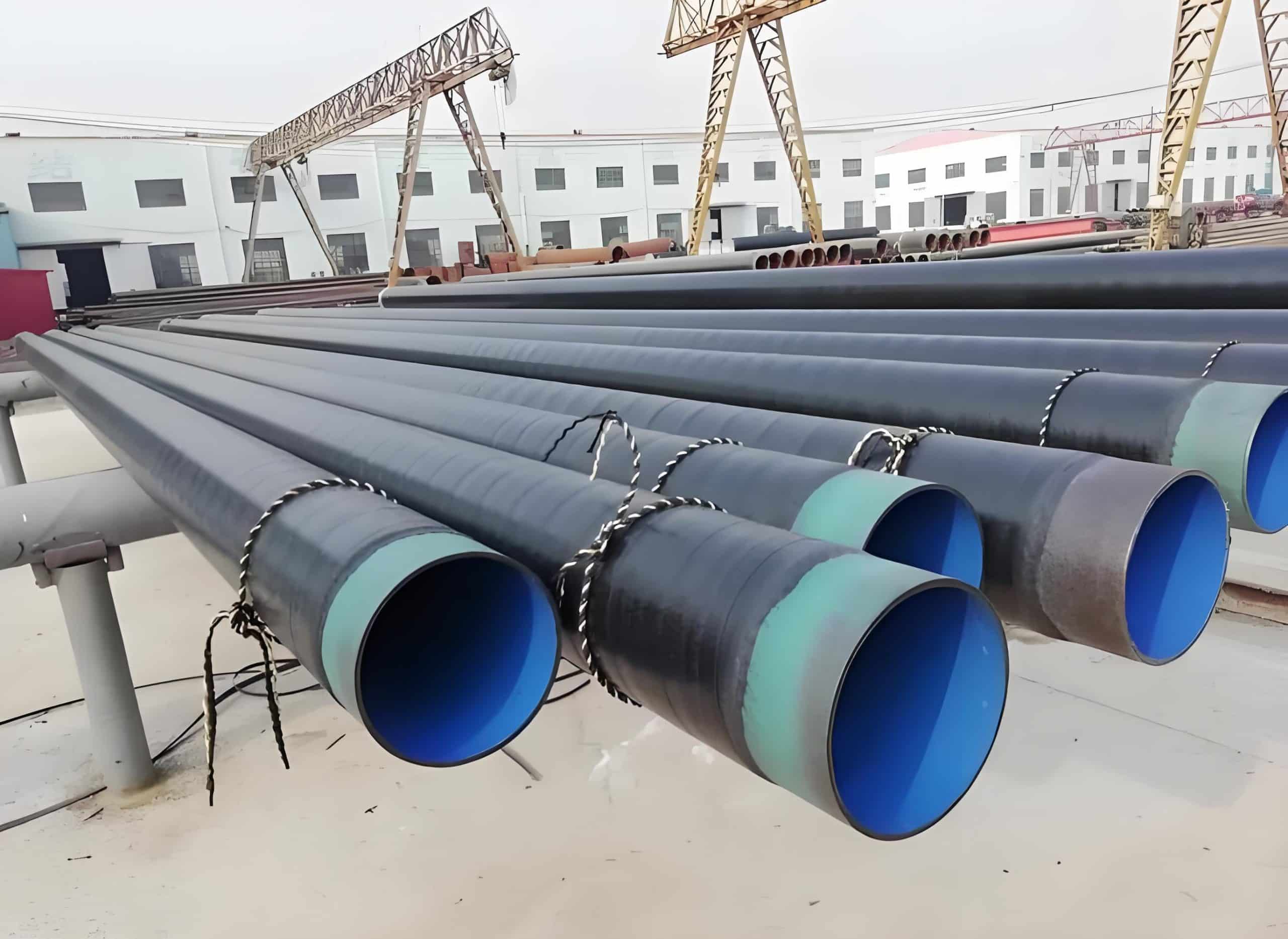
A 2LPE system is a factory-applied external coating with two functional layers: an adhesive or copolymer layer that bonds to the prepared steel surface, and an outer polyethylene layer that provides the main barrier and mechanical-protection function. The exact material design, application process and layer requirements must be defined by the applicable product specification.
A 3LPE system is different. It normally consists of a fusion-bonded epoxy (FBE) primer, a copolymer adhesive layer and an outer polyethylene layer. The two systems should not be described as interchangeable, and an order should identify the required layer structure rather than relying on the abbreviation alone.
Identify the Correct Coating Standard
The coating standard is the starting point for thickness and acceptance requirements. ISO 21809-4:2026 is the current ISO document specifically covering plant-applied two-layer polyethylene coatings for buried or submerged pipeline applications within its stated scope. ISO 21809-1:2018 covers plant-applied three-layer polyethylene and polypropylene coatings; it should not be cited as the 2LPE standard.
DIN 30670 has been restructured into separate parts. DIN 30670-1:2024 covers requirements and testing for factory-applied extruded polyethylene coatings. DIN 30670-2:2024 addresses factory-applied sintered or flame-sprayed polyethylene coatings. The applicable part must match the coating application method and project specification.
Other documents, including CSA Z245.21 and AWWA C215, may be relevant to particular pipeline markets or coating systems. Their scope, edition and coating construction must be checked before using them as the basis for a 2LPE requirement. API 5L and ISO 3183 are pipe product specifications, not substitutes for the external coating specification.
How Coating Thickness Is Specified
Do not treat nominal thickness, minimum thickness and measured thickness as the same value. The coating standard or project specification defines which thickness is specified, how it is measured, where measurements are taken and what acceptance limits apply. A nominal value is not automatically the minimum acceptance value, and an average measurement does not prove that every local reading meets a specified minimum.
The required thickness may depend on the pipe diameter, coating category or class and the selected standard. The correct value must be taken from the relevant table in the specified edition. If the owner adds a project-specific requirement, it should be stated separately and reconciled with the standard so that the manufacturer and inspector use the same acceptance basis.
Factors That Affect Coating-System Selection
Pipe Diameter and Handling
Diameter is one of the variables addressed by coating specifications, but it should not be used alone to choose a coating thickness. Pipe weight, lifting method, stacking, transportation, loading and unloading can expose the coating to impact, indentation and abrasion. Handling procedures and suitable protection should be considered alongside the specified coating system.
Soil, Groundwater and Service Conditions
Buried or submerged pipelines may encounter moisture, soil chemistry, external mechanical loads and conditions that can damage a coating. The project design should identify the relevant environmental and operating conditions, including service temperature and the need for cathodic protection. Polyethylene performance depends on the selected material and qualified coating system; there is no single temperature limit that applies to every PE coating.
Installation Method
Open-cut installation, trenchless pulling, river crossings and rocky backfill can impose different mechanical demands. For trenchless installation or other severe handling conditions, confirm that the coating system is qualified for the installation method and that the project specifies appropriate abrasion, impact, holiday-detection and field-joint requirements. A thicker coating should not be assumed to solve an unsuitable coating design or poor installation practice.
Inspection and Quality Documentation
Inspection requirements must be taken from the selected coating standard and project specification. Depending on the system, the inspection plan may address surface preparation, coating thickness, continuity or holiday detection, adhesion or peel resistance, impact resistance and cathodic disbondment. Not every test is automatically required for every 2LPE order, and test methods and acceptance values must be tied to the governing document.
The inspection package should identify the coating system and standard edition and include the applicable inspection and test results. Pipe identification and coating records should remain traceable to the relevant production batch or pipe number. Any repair should follow the coating manufacturer’s approved repair procedure and the project’s acceptance requirements.
2LPE, 3LPE and FBE: Key Differences
| System | Typical construction | Selection considerations |
| 2LPE | Adhesive/copolymer layer plus polyethylene outer layer | Use where the project specification calls for a two-layer PE system and the qualified system meets service and installation requirements. |
| 3LPE | FBE primer, copolymer adhesive and polyethylene outer layer | A three-layer system with an epoxy-to-steel bond layer; requirements are addressed by the applicable 3LPE specification. |
| FBE | Fusion-bonded epoxy coating | A distinct coating system. Suitability depends on the selected product, operating conditions, installation and project specification. |
The choice should be based on the governing specification and the project’s design conditions, not on a general claim that one coating type is always better. Consider field-joint coating compatibility, repair methods, installation damage risk and the inspection plan before finalizing the system.
Information to Include in a 2LPE Coating RFQ
A complete enquiry should state the pipe outside diameter and wall thickness, steel pipe standard and grade, coating standard and edition, required coating construction, specified thickness category or value, service temperature, installation method, quantity, length, inspection requirements, field-joint system and delivery destination. If the project has a coating data sheet or project specification, provide it with the enquiry.
Frequently Asked Questions
Is there one standard thickness for every 2LPE pipe?
No. The required thickness depends on the applicable coating standard, its edition, pipe dimensions and the specified coating category or project requirements. Use the relevant standard table rather than a generic value.
Is a thicker coating always better?
No. Thickness is only one part of coating performance. Surface preparation, adhesion, material quality, application control, inspection, handling and repair also affect the integrity of the coating system.
Can 2LPE be used at elevated temperatures?
That depends on the polyethylene material, qualified coating system and specified operating conditions. Confirm the permitted service-temperature range from the applicable standard, coating manufacturer’s technical documentation and project requirements.
Which tests should be requested?
Specify the tests required by the governing coating standard and project specification. These may include thickness measurement, holiday detection and applicable adhesion, impact or cathodic-disbondment tests. State the test method and acceptance criteria in the order.
Request a 2LPE Coating Pipe Enquiry from LONGMA
LONGMA manufactures round ERW and LSAW steel pipes. For a coating enquiry, provide the pipe dimensions, steel grade, required coating construction, governing coating standard and edition, service conditions, inspection requirements and destination. Send the project details to info@ilongma.com for review.