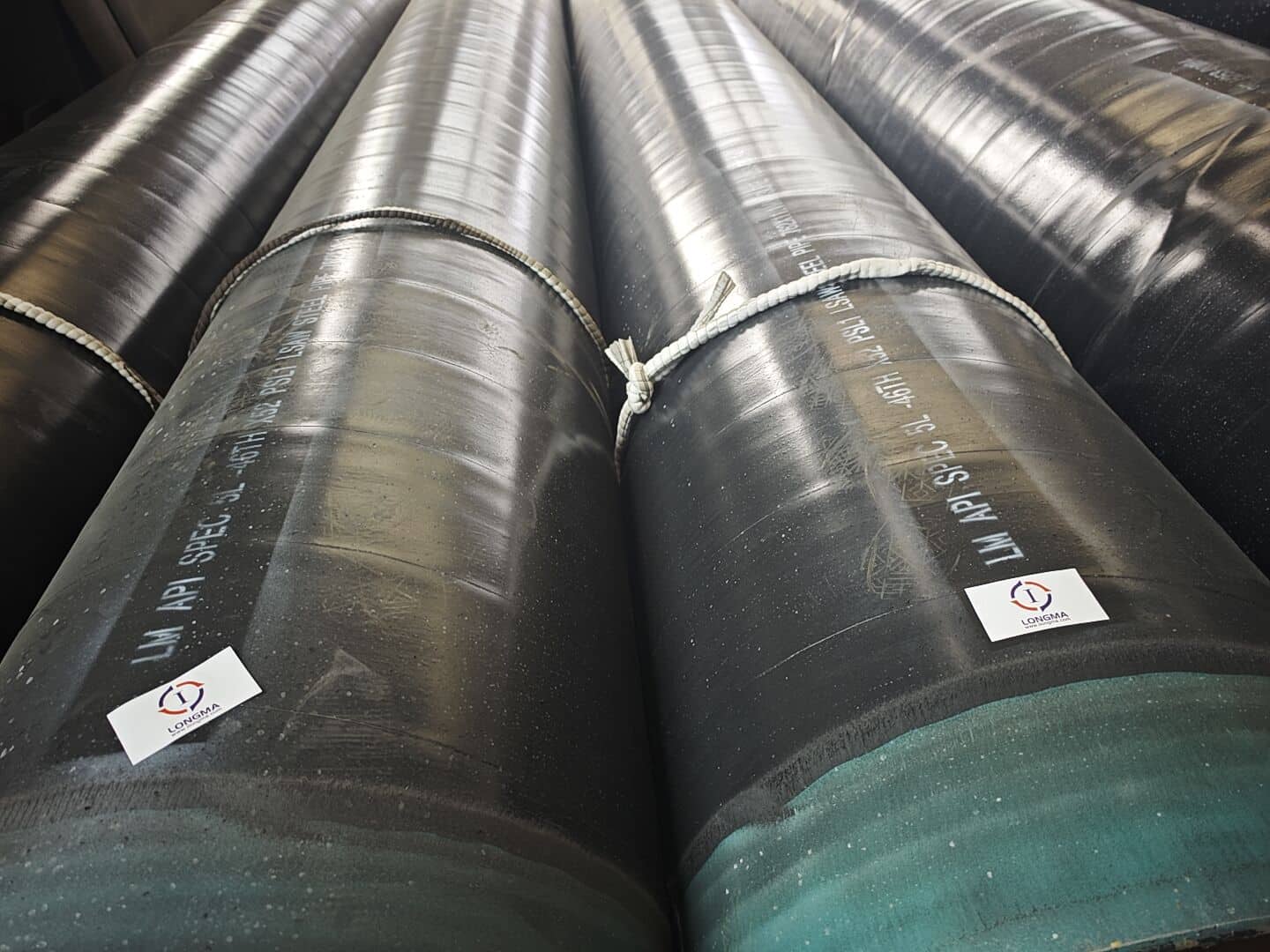
- 1. Why Deepwater Pipelines Use X65, X70, and X80 Grades
- 2. X65 vs X70 vs X80: Strength and Weldability Compared
- 3. How Installation Loads Drive Deepwater Grade Choice
- 4. How Reeling and J-Lay Affect Pipe Toughness Needs
- 5. Which Fatigue and Collapse Tests Are Required?
- 6. API 5L X65, X70, and X80 Corrosion and Sour-Service Requirements
- 7. Risks, Pitfalls, and Mitigation for Deepwater API 5L Pipe Projects
- 8. Conclusion
- 9. FAQ
- 10. Share Your Project Specifications for a Technical Review
Deepwater projects need more than strength from API 5L X65 X70 X80 pipes: weld quality, collapse resistance, installation, and project cost are all affected. Before choosing, operators, EPC contractors, and trade partners in the Americas, Southeast Asia, and the Middle East analyze these three groupings. This was created using LONGMA’s order records, project data, and two years of deepwater buyer contacts.
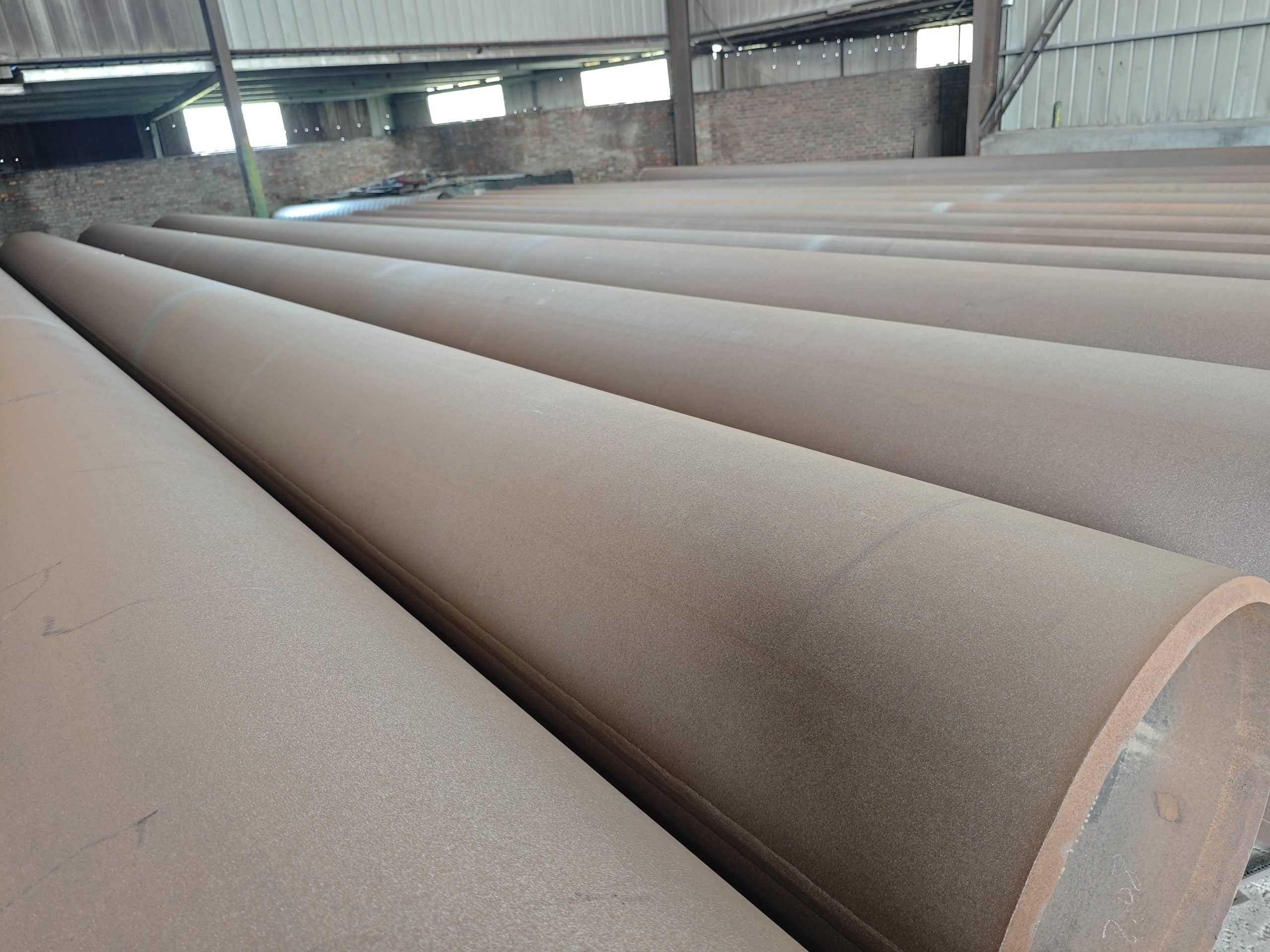
Why Deepwater Pipelines Use X65, X70, and X80 Grades
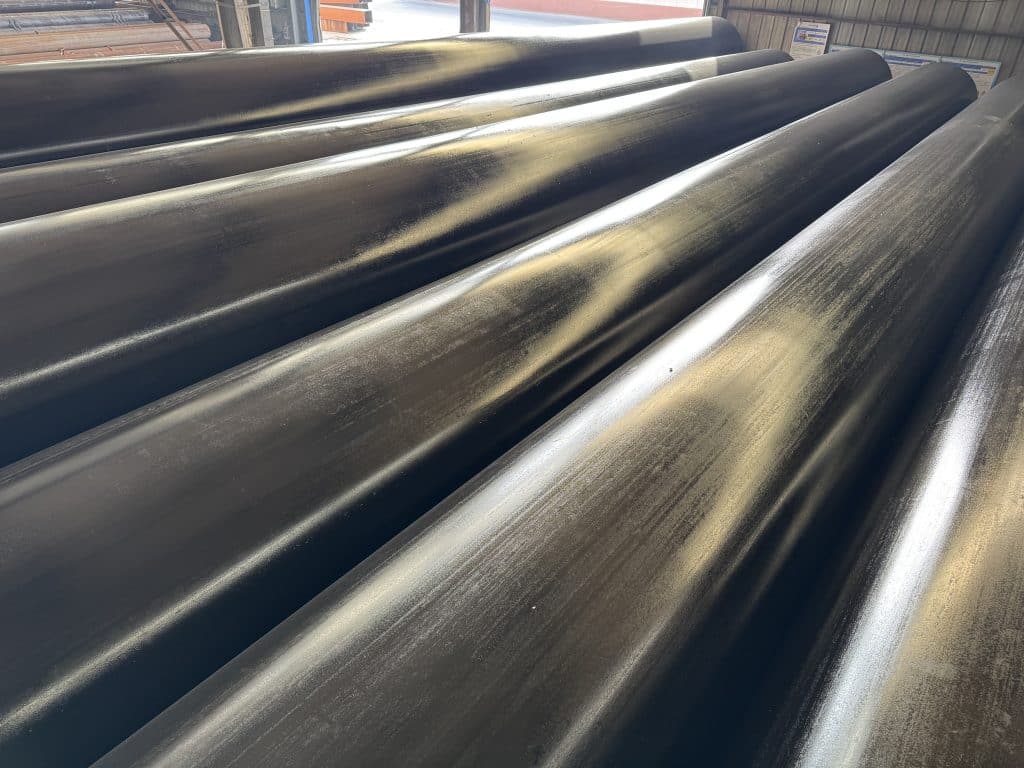
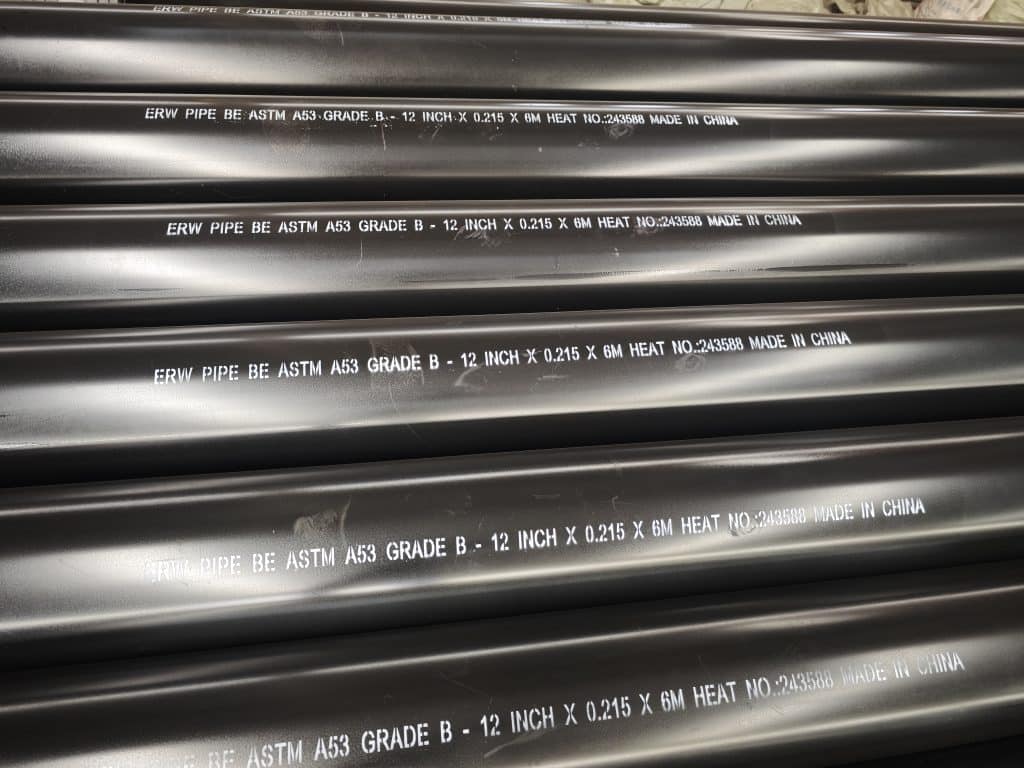
Pipe steel is used in deepwater projects more than in almost any other situation. Engineers need strong materials that can also be welded, strong in cold weather, and accurate in size when under hydrostatic load. This is why api 5l x65 x70 x80 pipes make up most of the bids for offshore export and flowline projects from West Africa to the South China Sea.
What API 5L X65, X70, and X80 Mean
API 5L is a standard that was made by the American Petroleum Institute for line pipe that moves oil, gas, and water. The minimum yield strength for each grade is shown by an “X” number, which is given in thousand pounds per square inch, or ksi. X65 means a minimum yield of about 65 ksi. From there, the X70 and X80 get better.
Deepwater Use-Case Scenarios
On the same project, different teams read a line pipe specification in different ways. On a typical offshore job, three common roles approach the selection of API 5L x65 x70 x80 pipes as follows.
| User or project role | Primary concern | Likely specification focus |
| Subsea fabricator or OEM | Welding, forming, fatigue, dimensional control | Grade, wall thickness, toughness, WPS/PQR, NDT |
| Distributor or stockholder | Availability, certification, size range, traceability | Mill source, MTC, stock dimensions, coating, delivery |
| Pipeline operator or plant owner | Lifecycle integrity and regulatory compliance | Design code, corrosion control, inspection, warranty |
It’s rare for these three roles to argue about grade by itself. They disagree on whether the mill can show that the grade meets all of the downstream needs for their particular job.
X65 vs X70 vs X80: Strength and Weldability Compared
To choose between these grades, first compare their mechanical properties. Next, look at how each grade reacts to welding.
API 5L X65, X70, and X80 Strength Comparison
The table below shows what the usual lowest values are. Because requirements change based on diameter and wall thickness, you should always check the actual numbers against the correct API 5L edition, PSL level, product form, and project datasheet.
| API 5L grade | Typical minimum yield strength | Typical minimum tensile strength | Main selection consideration |
| X65 | 448 MPa / 65 ksi | 531 MPa / 77 ksi | Balanced strength and weldability |
| X70 | 482 MPa / 70 ksi | 565 MPa / 82 ksi | Higher pressure or weight efficiency |
| X80 | 552 MPa / 80 ksi | 621 MPa / 90 ksi | Maximum strength and possible wall reduction |
In 2024, LONGMA’s sales team reviewed 42 RFQs from EPC buyers in Saudi Arabia, Qatar, and Indonesia for deepwater and nearshore projects. X65 appeared in 61%, X70 in 29%, and X80 in only 10%, mostly for weight-constrained reeling projects. This shows most buyers still treat X65 as the safest option and reserve X80 for tricky installations.
API 5L PSL1 vs PSL2 Comparison
API 5L has two levels of product specifications for API 5L X65 X70 X80 pipes: PSL1 and PSL2. The difference between them is more important for deepwater work than most buyers think.
| Requirement | PSL1 | PSL2 |
| Chemical control | Basic specification limits | Tighter chemistry and added limits |
| Mechanical testing | Standard requirements | Additional and tighter controls |
| Toughness testing | Depends on specification | Generally mandatory |
| Nondestructive examination | As specified | More extensive requirements |
| Traceability | Project-dependent | Stronger documentation expectations |
| Typical use | Lower-risk service | Offshore, sour, or high-pressure service |
On its own, PSL2 does not take the place of sour-service, fracture-control, or installation qualification testing. For any deepwater bid package, use it as a starting point, not a finish line.
How Installation Loads Drive Deepwater Grade Choice
On a deepwater job, choosing the grade is really choosing the installation method while wearing a steel chemistry costume. This is what the pipe body has to go through before it can carry any product: the water depth and the lay method.
External Pressure, Collapse, and Buckling
As the water depth rises for API 5L X65 X70 X80 pipes, hydrostatic collapse often comes before internal pressure as the limiting design case. The collapse pressure a pipe can actually reach is lower than its theoretical rating because of things like ovality, changes in wall thickness, and bending stress. If you don’t put buckle arrestors every so often, propagation buckling can happen along the line after a section collapses.
Installation Method: S-Lay, J-Lay, and Reel-Lay
Three major approaches to place pipes in deep water load them differently before they reach the bottom.
- S-lay curves the pipe over a stinger at the surface and straightens it as it reaches the seafloor. Most X65 and X70 grades handle S-lay without specific certification beyond welding technique testing with modest bending strain.
- J-lay steeply lowers pipe from the vessel, decreasing overbend strain while concentrating curvature at the seabed landing point. Because crack-like flaws increase local stress, this approach requires tighter fracture toughness control.
- The pipe is reeled onto a big reel onshore then unwound and straightened at the installation location. The pipe body and welds are repeatedly plastically stressed during reel-lay operations, hence strain-based design is typically used.
Due to these three factors, two projects of the same grade might have different testing demands. Both water depth and lay manner matter.
How Reeling and J-Lay Affect Pipe Toughness Needs
The way the bid is installed has the most direct effect on the toughness requirements than almost any other factor.
Reeling Requirements for X65, X70, and X80
When being reeled out, the pipe is bent past its yield point, then straightened, and finally bent again during unwinding. The pipe body, the longitudinal weld, and the girth weld are all put under repeated plastic strain by this cycle. Qualification programs for reeling usually include tests for strain capacity, local buckling, and coating compatibility. This is because rigid coatings can crack under the same stress that steel can handle without breaking.
J-Lay Toughness and Fracture Control
J-lay installation puts the strongest demand on the area where the pipe transitions from near-vertical to horizontal at the seabed, since flaws there face combined tension and bending. Charpy impact toughness, CTOD (crack tip opening displacement), and SENT (single-edge notch tension) tests help confirm a girth weld can tolerate a crack-like flaw without failing at the lowest site temperature.
Welding Procedure Qualification
For every order of api 5l x65 x70 x80 pipes going into deepwater service, there needs to be a welding procedure specification (WPS) and a procedure qualification record (PQR) that are specific to the grade, wall thickness, process, and service environment. Before production welding starts, not after, the preheat temperature, interpass temperature, heat input, hydrogen control, consumable classification, and post-weld hardness must all be qualified in writing.
Which Fatigue and Collapse Tests Are Required?
When you test something, a specification on paper turns into a pipe that you can trust on the ocean floor. On top of the standard API 5L requirements, deepwater projects add a number of different types of tests.
Hydrostatic and Nondestructive Testing
In deepwater orders, each pipe body must pass hydrostatic testing at the pressure and hold time set by the project specification and relevant API 5L edition. The full inspection plan also includes ultrasonic testing, radiographic testing when needed, electromagnetic or magnetic particle inspection, weld seam and end-area inspection, and dimensional and visual checks. Acceptance criteria always follow the latest API 5L edition and project datasheet, never a general assumption.
Fatigue and Fracture Testing
Many types of tests are used on API 5L X65 X70 X80 pipes to find out how they will behave over time. These include full-scale fatigue testing, girth-weld fatigue testing, SENT testing, CTOD testing, Charpy testing, and hardness testing. The type of test should be based on how the line was installed, the stress level, the depth of the water, and the operator’s chosen design life, which is usually 20 to 30 years for major export lines. If there is a risk of gas decompression in the project specification, crack arrest and ductile fracture assessment are added.
Collapse and Buckling Qualification
Collapse tests, dimensional surveys, ovality measurements, and bending-collapse interaction checks confirm coating thickness and manufacturing tolerances have not quietly lowered collapse pressure below the design target. This testing should follow DNV-ST-F101 and project-specific qualification procedures rather than nominal grade strength alone, because two pipes with the same grade stamp can have different real collapse pressures if ovality control differs.
API 5L X65, X70, and X80 Corrosion and Sour-Service Requirements
Strength and corrosion resistance are two different things. One of the most common mistakes first-time deepwater buyers make is mixing them up when they look over the specifications.
Corrosion Resistance: What the Grade Does and Does Not Provide
X65, X70, and X80 for API 5L X65 X70 X80 pipes are not designations for corrosion-resistant alloys; they are strength grades. To find out how well the steel will hold up against CO2 or H2S over 20 years, you can’t just look at its yield strength. Corrosion control depends on the coating chosen, the design of the cathode protection, the thickness of the wall allowing for corrosion, and chemical inhibition programs used when the fluid chemistry requires them.
Sour-Service and NACE Compliance
Hydrogen sulfide exposure raises sulfide stress cracking, hydrogen-induced cracking, and stress-oriented hydrogen-induced cracking risk in pipeline steel. Most upstream projects use NACE MR0175/ISO 15156 for sour-service testing and hardness. LONGMA’s QA/QC team flags this every quote review: QA engineer Zhang Wei notes that buyers sometimes assume PSL2 covers sour service, but it does not. LONGMA runs separate HIC and SSC tests and tells customers which heat numbers passed before shipping.
Coating and Protection Options
Coating choice depends on temperature, installation method, buoyancy needs, and burial. Most mild-temperature subsea lines use three-layer polyethylene (3LPE) or three-layer polypropylene (3LPP), while fusion-bonded epoxy (FBE) suits higher temperatures and lines that must stay seated on the seabed. Before a mill accepts a coating, it must be tested for adhesion, flexibility, impact resistance, and cathodic disbondment, because a coating failure can ruin a good steel choice within a few years.
Risks, Pitfalls, and Mitigation for Deepwater API 5L Pipe Projects
Not a single problem with deepwater pipes was caused by a flaw in the specifications that were not found before the order was placed.
Common Technical Risks
Common RFQ mistakes for API 5L X65 X70 X80 pipes include choosing grade by yield strength alone without checking collapse and D/t requirements, using PSL1 when PSL2 or project-specific controls are needed, and ignoring reeling strain or girth-weld fatigue. Others are using welding consumables unsuited to the grade, assuming API 5L compliance proves sour-service suitability, and neglecting ovality, wall-thickness variation, or coating damage during transport.
Commercial and Documentation Risks
Deep-water orders carry commercial risk as much as technical risk. Comparing mill prices without confirming identical tests and inspections is unfair, and accepting incomplete mill certificates or inconsistent heat numbers makes later quality disputes hard to settle. Unclear Incoterms and delivery responsibility, unconfirmed minimum order quantity or coating lead time, missing third-party inspection hold points, and outdated API, ISO, or DNV editions create problems months later during commissioning.
Mitigation Plan
Before sending RFQs, freeze a project datasheet so all bidders price the same scope, build a technical-commercial bid comparison matrix separating mandatory from optional tests, require document approval before production release, include inspection and traceability hold points in the purchase order, and route supplier deviation requests through formal engineering sign-off rather than email approval. These five steps cost little upfront and avoid costly rework later.
Conclusion
API 5L X65 X70 X80 pipes can support oil and gas pipelines in deep water as long as the full design envelope is taken into account, not just the grade strength. When weldability and toughness are more important than pressure rating, X65 is still the best choice. The X70 earns its spot when the extra testing is needed to improve pressure efficiency or save a moderate amount of weight. X80 is good for projects where lowering the wall is worth the extra work it takes to weld and control cracks.
FAQ
What is the difference between API 5L X65, X70, and X80 pipe?
The grades show different ranges of minimum yield strength, which are about 65, 70, and 80 ksi. Higher grades may be better at handling pressure or weight, but they usually need stricter testing for welding and fracture control before a mill can approve them for use in deep water.
Is API 5L X80 better than X70 for deepwater pipelines?
Not all the time. X80 might make the walls thinner and the pipes lighter for a certain project, but X70 usually gives a better balance of being easy to weld, tough, available, and qualified for installation. This can lower the overall project risk even if the steel weighs a little more.
What is the difference between API 5L PSL1 and PSL2?
Chemical, mechanical, toughness, testing, and traceability rules are stricter for PSL2 than for PSL1. Most deepwater and sour-service projects set PSL2 as the minimum level. If the water depth or fluid chemistry calls for it, project-specific tests are added on top of that.
Can API 5L X70 or X80 be used for sour service?
Maybe, but API 5L compliance doesn’t prove that a sour service is suitable by itself. On top of the base API 5L order, sour projects usually need HIC and SSC testing, hardness control, and environmental qualification testing that are in line with NACE MR0175 and ISO 15156.
Share Your Project Specifications for a Technical Review
There isn’t often a chance for pipeline projects to wait for slow suppliers. A 7-day stock delivery window can protect a critical path milestone better than a 45-day lead time. With full EN 10204 3.1/3.2 traceability and in-house NDT and hydrostatic testing, LONGMA maintains multiple grades of API 5L x65 x70 x80 pipes in stock in standard sizes. Get in touch with LONGMA at info@ilongma.com to start the qualification process if your project needs a supplier who is ready for source inspection and third-party audit.