- 1. 1. What Is the ASTM A691 Standard?
- 2. 2. What Is the Core Logic Behind ASTM A691 Material Selection?
- 3. 3. How Should Common ASTM A691 Material Grades Be Selected?
- 4. 4. What Does the ASTM A691 Class Represent?
- 5. 5. Why Does Heat Treatment Matter More in High-Temperature, High-Pressure Service?
- 6. 6. What Testing Must Be Considered for ASTM A691 Pipe?
- 7. 7. How Does LONGMA’s In-House Laboratory Reduce Procurement Risk?
- 8. 8. Key Checklist for International Procurement of ASTM A691 Pipe
- 9. Frequently Asked Questions
- 10. Conclusion
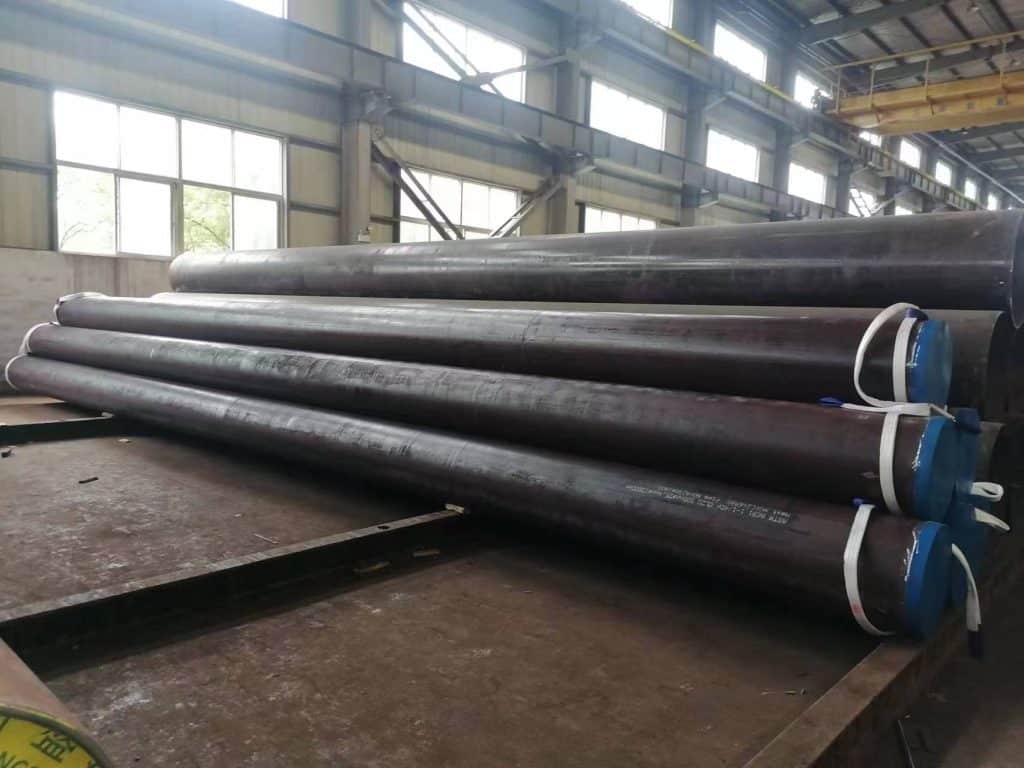
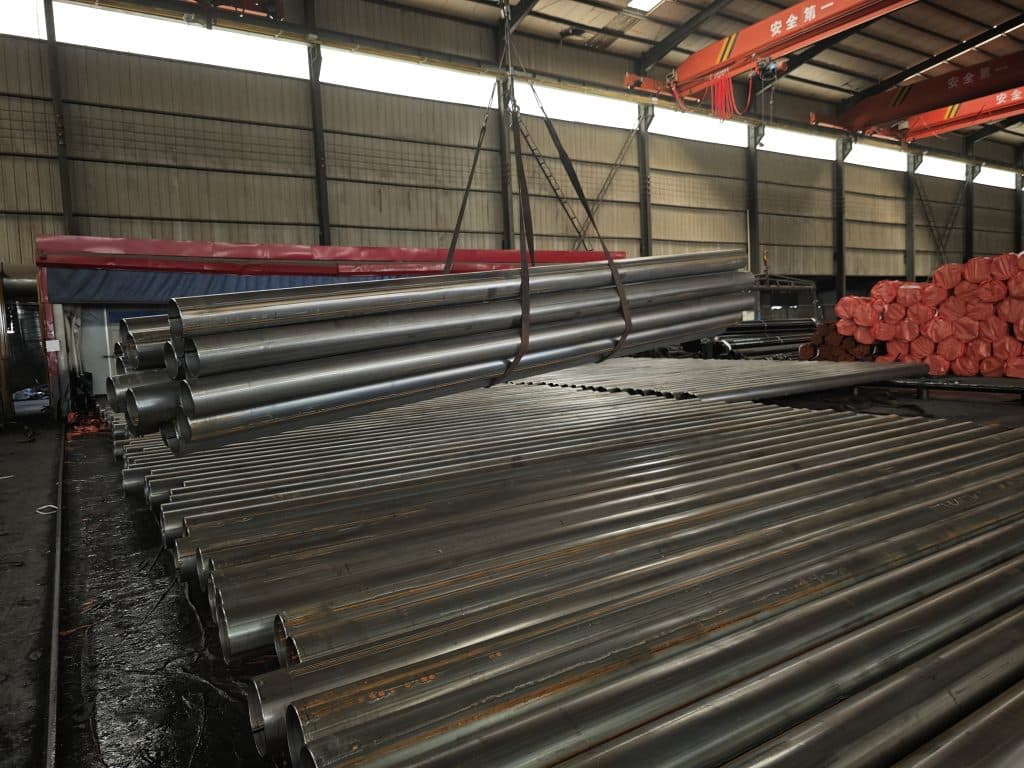
In power plant main steam lines, refinery units, petrochemical high-temperature piping racks, boiler connecting pipes, and high-pressure process lines, the choice of pipe material directly affects system safety, service life, and downstream maintenance costs. ASTM A691 steel pipe is a widely used international standard for electric-fusion-welded carbon and alloy steel pipe intended for high-temperature, high-pressure service. It applies specifically to welded pipe made from pressure-vessel-quality steel plate, fabricated with filler metal, for high-temperature and high-pressure applications. ASTM’s official scope confirms that ASTM A691/A691M covers electric-fusion-welded carbon and alloy steel pipe, with pipes classified by steel grade and assigned a Class based on whether heat treatment, radiographic examination of welds, and hydrostatic testing were performed.
For buyers, selecting ASTM A691 pipe cannot be based on price and OD/WT alone — the material grade, Class, heat treatment, weld inspection, hydrostatic testing, and traceability documentation all need to be verified. LONGMA, with over 20 years of experience manufacturing round ERW/LSAW steel pipe, supports high-temperature, high-pressure projects from material selection and welded fabrication through in-house laboratory testing and export documentation.
Key Takeaways
- ASTM A691 is a widely used standard for electric-fusion-welded carbon and alloy steel pipe in power, refining, petrochemical, and boiler systems operating at high temperature and pressure.
- Material selection should be driven by four core factors: temperature, pressure, service medium, and welding requirements.
- Class is not just a rating label — it is tied to heat treatment, weld radiographic examination, and hydrostatic testing.
- Procurement specifications must confirm Grade, Class, dimensions, testing methods, and quality documentation together — none can be skipped.
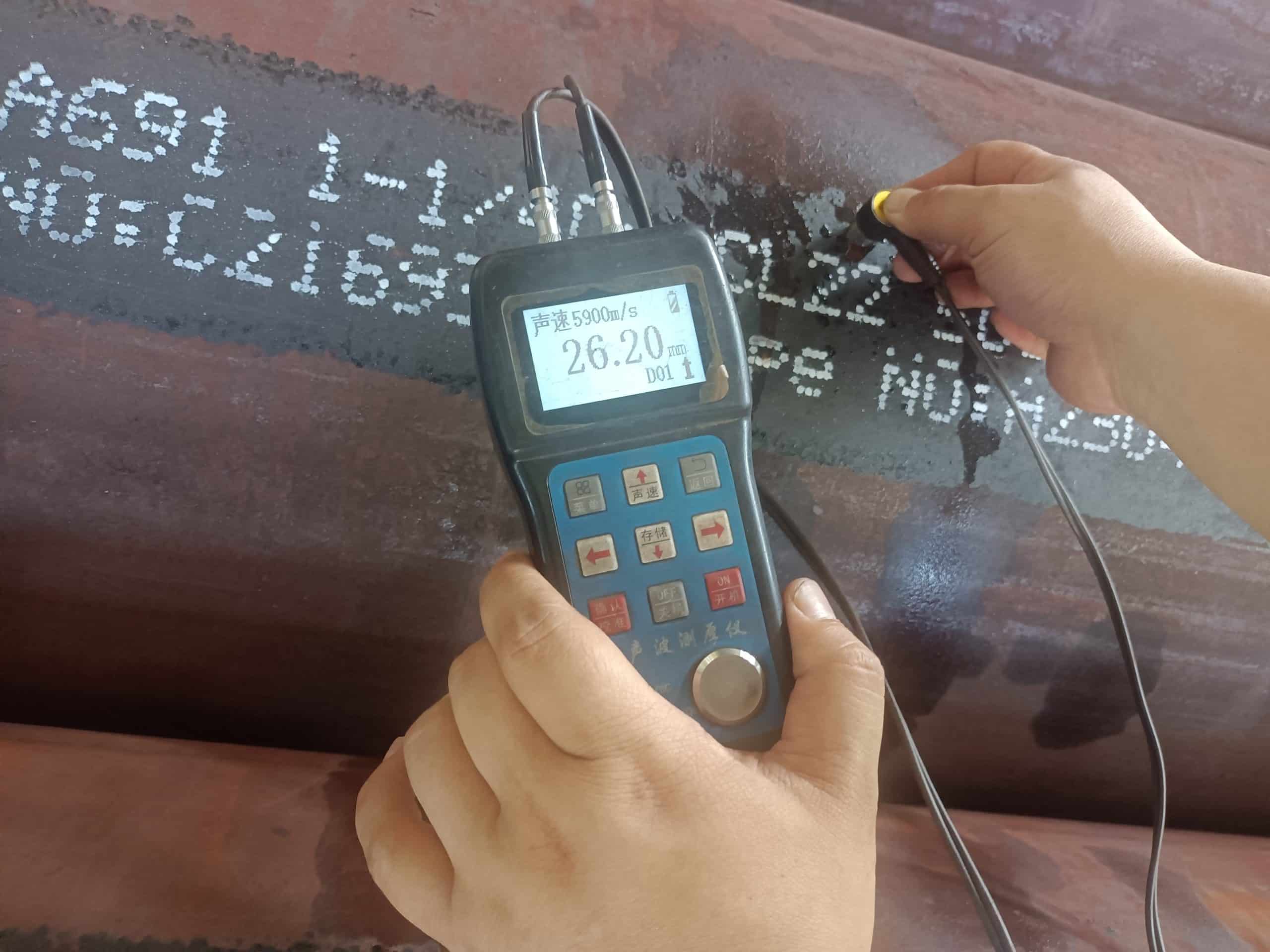
1. What Is the ASTM A691 Standard?
The full title of ASTM A691/A691M is the Standard Specification for Carbon and Alloy Steel Pipe, Electric-Fusion-Welded for High-Pressure Service at High Temperatures. The standard covers electric-fusion-welded pipe made from pressure-vessel-quality steel plate, fabricated with filler metal, for high-temperature, high-pressure service.
In short, A691 is not a general structural pipe standard — it is a higher-requirement specification aimed at power generation, boilers, refining, chemical processing, and pressure piping systems.
| Item | ASTM A691 |
| Standard type | Electric-fusion-welded pipe standard for high-temperature, high-pressure service |
| Material source | Pressure-vessel-quality steel plate |
| Product form | Large-diameter welded pipe |
| Common processes | EFW / LSAW |
| Typical materials | Carbon steel, Cr-Mo alloy steel |
| Typical applications | Power plants, refineries, petrochemical plants, boiler systems |
2. What Is the Core Logic Behind ASTM A691 Material Selection?
A691 high pressure steel pipe selection should be built around four core questions: temperature, pressure, service medium, and welding requirements.
If the line temperature is high, focus on the material’s high-temperature strength, creep resistance, and microstructural stability. If the pressure is high, focus on wall thickness, weld quality, and hydrostatic testing. If the medium contains sulfur, hydrogen, or corrosive components, add impact, hardness, or corrosion-related requirements per the project specification. If field welding volume is high, pay close attention to carbon equivalent, preheat requirements, and post-weld heat treatment.
3. How Should Common ASTM A691 Material Grades Be Selected?
Common ASTM A691 materials are typically sourced from pressure-vessel plate standards such as ASTM A387, A204, A516, and A537, with Cr-Mo alloy steel generally used for higher-temperature, more demanding service.
| Common Material Type | Typical Characteristics | Recommended Application |
| Carbon steel | Lower cost, suitable for moderate temperature and pressure | General high-pressure transport, auxiliary process lines |
| 1.25Cr-0.5Mo | Better high-temperature strength and oxidation resistance | Refining, steam lines, boiler connecting pipe |
| 2.25Cr-1Mo | Stronger high-temperature strength and creep resistance | High-temperature steam, hydrotreating units, reforming units |
| High-strength pressure vessel plate | High strength, suited to thick-wall, large-diameter pipe | High-pressure gathering, pressure systems |
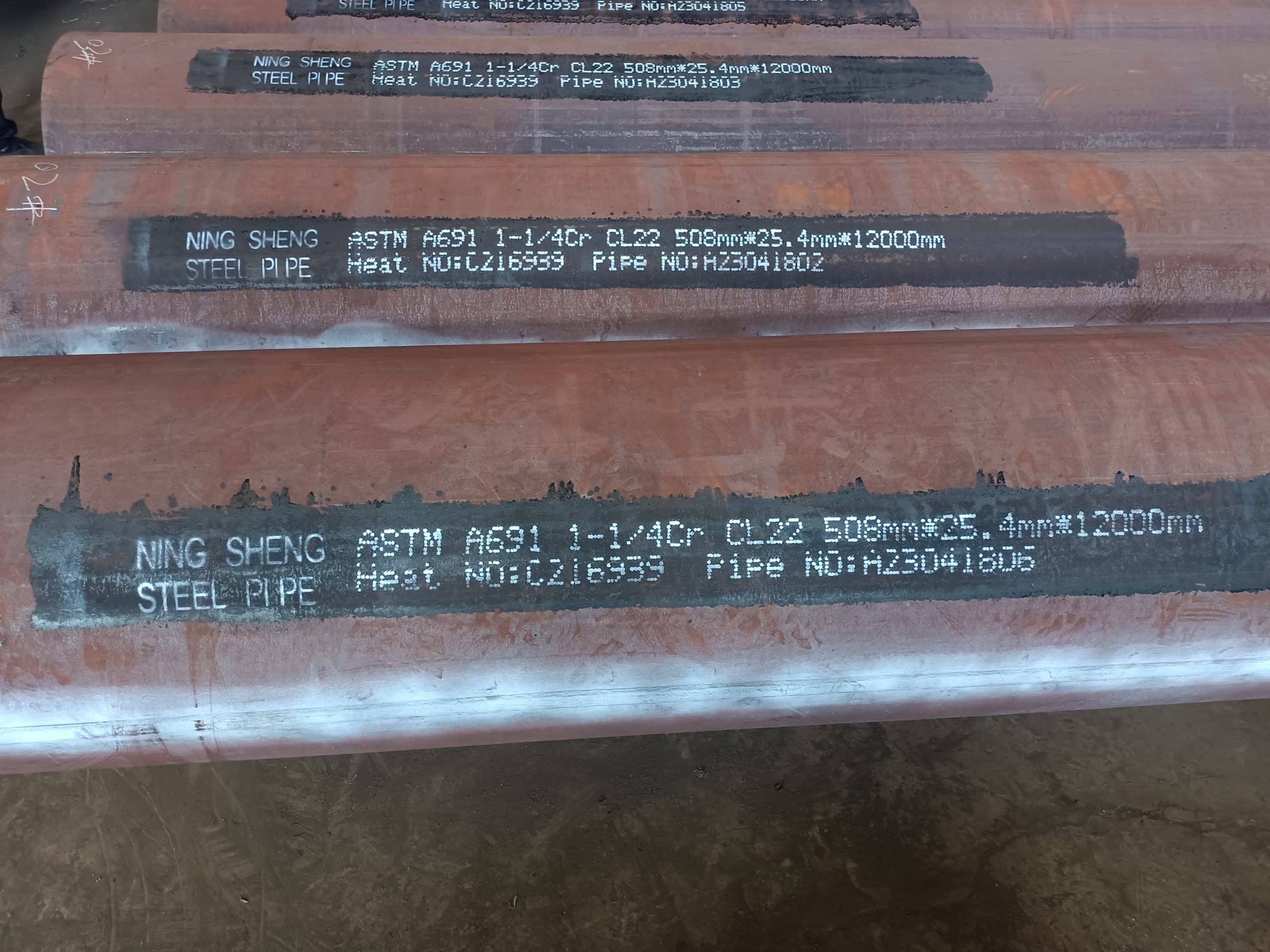
As an example, 1.25Cr-0.5Mo material is typically produced from ASTM A387 Grade 11 plate to manufacture ASTM A691 1-1/4Cr pipe for high-temperature, high-pressure service. For buyers, material selection is not about choosing the “highest grade available” — it is about matching design temperature, design pressure, and the specific service medium.
4. What Does the ASTM A691 Class Represent?
The Class designation in ASTM A691 is critical — it does not just indicate material strength, it is also tied to heat treatment, radiographic examination, and hydrostatic testing. ASTM’s official summary states that A691 pipe is classified by steel grade, and Class is assigned based on whether heat treatment was performed during manufacture, whether welds were radiographically examined, and whether the pipe underwent hydrostatic testing.
| Class Consideration | Impact on Procurement |
| Heat treatment condition | Affects residual stress, microstructural stability, and high-temperature performance |
| Weld radiographic examination | Affects control of internal weld defects |
| Hydrostatic testing | Affects the pressure-retaining reliability of the finished pipe |
| Documentation | Affects acceptance, traceability, and third-party inspection |
For this reason, when purchasing ASTM A691 pipe, it is not enough to specify “ASTM A691” alone — Grade, Class, dimensions, heat treatment, NDT method, hydrostatic testing, and any supplementary requirements must all be stated.
5. Why Does Heat Treatment Matter More in High-Temperature, High-Pressure Service?
Over long-term operation in high-temperature, high-pressure lines, welds and heat-affected zones are prone to residual stress, microstructural inconsistency, and creep damage. Heat treatment reduces welding residual stress, stabilizes the metallurgical structure, improves toughness, and increases long-term service reliability.
| Heat Treatment Method | Primary Purpose | Typical Application |
| No heat treatment | Lower cost, suitable for some lower-risk service | General pressure ratings |
| Stress-relief heat treatment | Reduces welding residual stress | Thick-wall welded pipe, high-pressure lines |
| Normalizing | Refines grain structure, improves overall properties | Carbon steel and some low-alloy steels |
| Quenching and tempering | Improves the balance of strength and toughness | High-strength pressure lines |
Once an order is received, LONGMA confirms whether PWHT, normalizing, or quench-and-temper treatment is required per the project specification, and includes the heat treatment records in the quality documentation to help customers reduce high-temperature service risk.
6. What Testing Must Be Considered for ASTM A691 Pipe?
For high temperature steel pipe, testing is not a formality — it is the baseline for safety. ASTM A691 itself is closely tied to hydrostatic testing, weld radiographic examination, and material property verification, and projects typically add supplementary requirements referencing ASTM A530/A530M, ASME Section V, and ASME B31.1 or B31.3.
| Test Item | Purpose | Procedure | Value to the Customer |
| Chemical composition analysis | Confirms Cr, Mo, C, Mn, P, S, and other elements | Sampling, spectroscopic analysis, comparison against the MTC | Prevents material mix-ups |
| Tensile testing | Verifies yield strength, tensile strength, and elongation | Specimen preparation, tensile test, results recorded | Confirms the strength grade |
| Impact testing | Checks toughness at low temperature or under specific service conditions | Specimens tested at the project-specified temperature | Reduces brittle-fracture risk |
| Weld RT | Detects porosity, slag inclusion, incomplete penetration, and other defects | Radiography, film evaluation, filing | Improves weld reliability |
| UT inspection | Checks the pipe body and weld for internal defects | Scanning, recording, grading | Reduces the risk of hidden defects |
| Hydrostatic testing | Verifies the pressure-retaining integrity of the finished pipe | End capping, pressurizing, holding, inspection | Prevents leak risk |
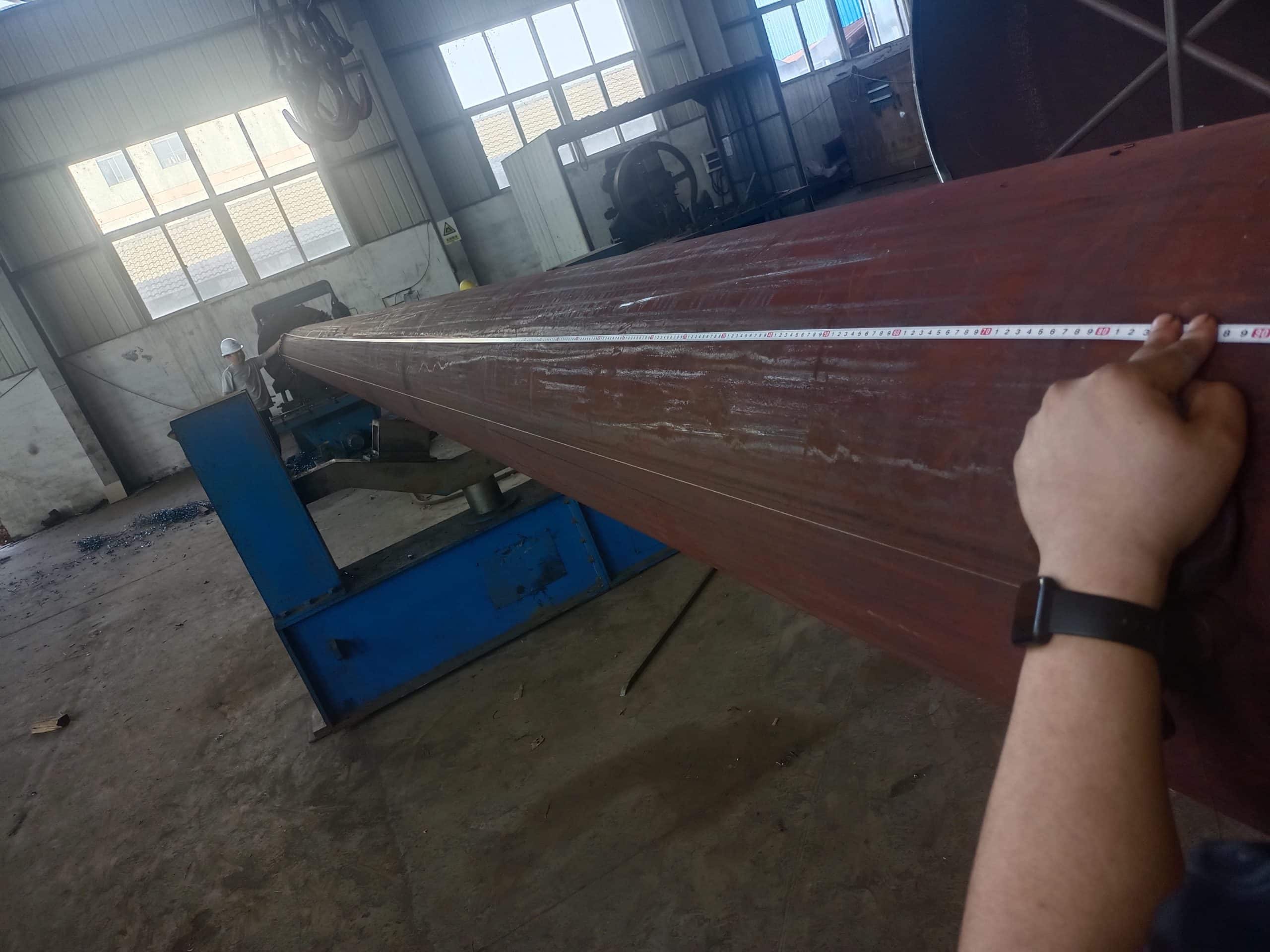
| Dimensional inspection | Confirms OD, WT, ovality, and length are within tolerance | Multi-point measurement and recording | Ensures proper field installation |
7. How Does LONGMA’s In-House Laboratory Reduce Procurement Risk?
Many failed procurements on high-temperature, high-pressure projects are not because the pipe “can’t be produced” — they fail because the supplier cannot provide verifiable test data and complete documentation. LONGMA’s advantage is combining manufacturing capability with in-house laboratory quality control.
LONGMA can provide:
- Raw material heat-number traceability
- Spectroscopic chemical composition analysis
- Mechanical property testing, including tensile and impact tests
- Weld visual inspection
- Non-destructive testing, including UT, RT, and MT
- Hydrostatic test records
- Heat treatment charts and reports
- MTCs, NDT reports, packing lists, and third-party inspection documentation
For overseas EPC contractors, refineries, and power plant projects, LONGMA can coordinate pre-shipment inspection with third-party inspection agencies such as SGS, BV, TÜV, and DNV, helping customers reduce customs, on-site acceptance, and operational risk.
8. Key Checklist for International Procurement of ASTM A691 Pipe
| Procurement Item | What Must Be Confirmed |
| Standard edition | ASTM A691/A691M and the project specification |
| Material grade | Carbon steel, 1.25Cr-0.5Mo, 2.25Cr-1Mo, etc. |
| Class | Whether heat treatment, RT, and hydrostatic testing are required |
| Dimensions | OD, WT, length, tolerances |
| Welding procedure | WPS, PQR, welder qualification |
| Testing requirements | RT, UT, MT, hydrostatic test, impact test |
| Heat treatment | PWHT, normalizing, quench and temper |
| Documentation | MTC, NDT reports, heat treatment report, third-party inspection |
Confirming this information clearly at the procurement stage effectively prevents material mix-ups, incorrect Class selection, incomplete documentation, project delays, and failed acceptance.
Frequently Asked Questions
What applications is ASTM A691 used for?
It is used mainly for electric-fusion-welded carbon and alloy steel pipe in high-temperature, high-pressure service across power generation, refining, petrochemical plants, and boiler systems, as a standard for large-diameter welded pipe made from pressure-vessel-quality steel plate.
What should be the main focus when selecting ASTM A691 materials?
Selection should be built around four core factors: temperature, pressure, service medium, and welding requirements. Temperature determines the need for high-temperature strength and creep resistance; pressure determines wall thickness and hydrostatic testing requirements; the service medium determines whether supplementary impact, hardness, or corrosion-resistance requirements are needed; and welding volume determines carbon equivalent, preheat, and post-weld heat treatment requirements.
What exactly does ASTM A691 Class cover?
Class is closely tied to the pipe’s heat treatment condition, weld radiographic examination, and hydrostatic testing, and it also affects documentation and third-party acceptance. Pipe quality cannot be judged from the Class number alone — it must be confirmed against the specific manufacturing requirements.
What details are easy to overlook when purchasing ASTM A691 pipe?
A common issue is specifying only “ASTM A691” without also clarifying the Grade, Class, dimensions, heat treatment method, NDT method, and hydrostatic testing requirements, which can lead to material mix-ups or failed acceptance.
What quality assurance can LONGMA provide for ASTM A691 procurement?
LONGMA can provide raw material heat-number traceability, spectroscopic chemical composition analysis, mechanical property testing (tensile and impact), non-destructive testing (UT/RT/MT), hydrostatic test records, and heat treatment charts and reports, and can coordinate pre-shipment inspection with third-party inspection agencies such as SGS, BV, TÜV, and DNV.
Conclusion
ASTM A691 steel pipe is a critical welded pipe standard for high-temperature, high-pressure systems, particularly in power generation, boilers, refining, and petrochemical plants. Correct A691 high pressure steel pipe selection is not simply about comparing price — it requires a comprehensive assessment of material grade, Class, heat treatment, weld quality, hydrostatic testing, and documentation traceability.
If you are looking for a reliable supplier of ASTM A691 pipe, Cr-Mo alloy welded pipe, or large-diameter LSAW high-temperature, high-pressure steel pipe, LONGMA can provide material selection guidance, in-house laboratory testing, complete quality documentation, third-party inspection support, and stable delivery. Contact LONGMA for a quotation, sample test reports, and project technical support.