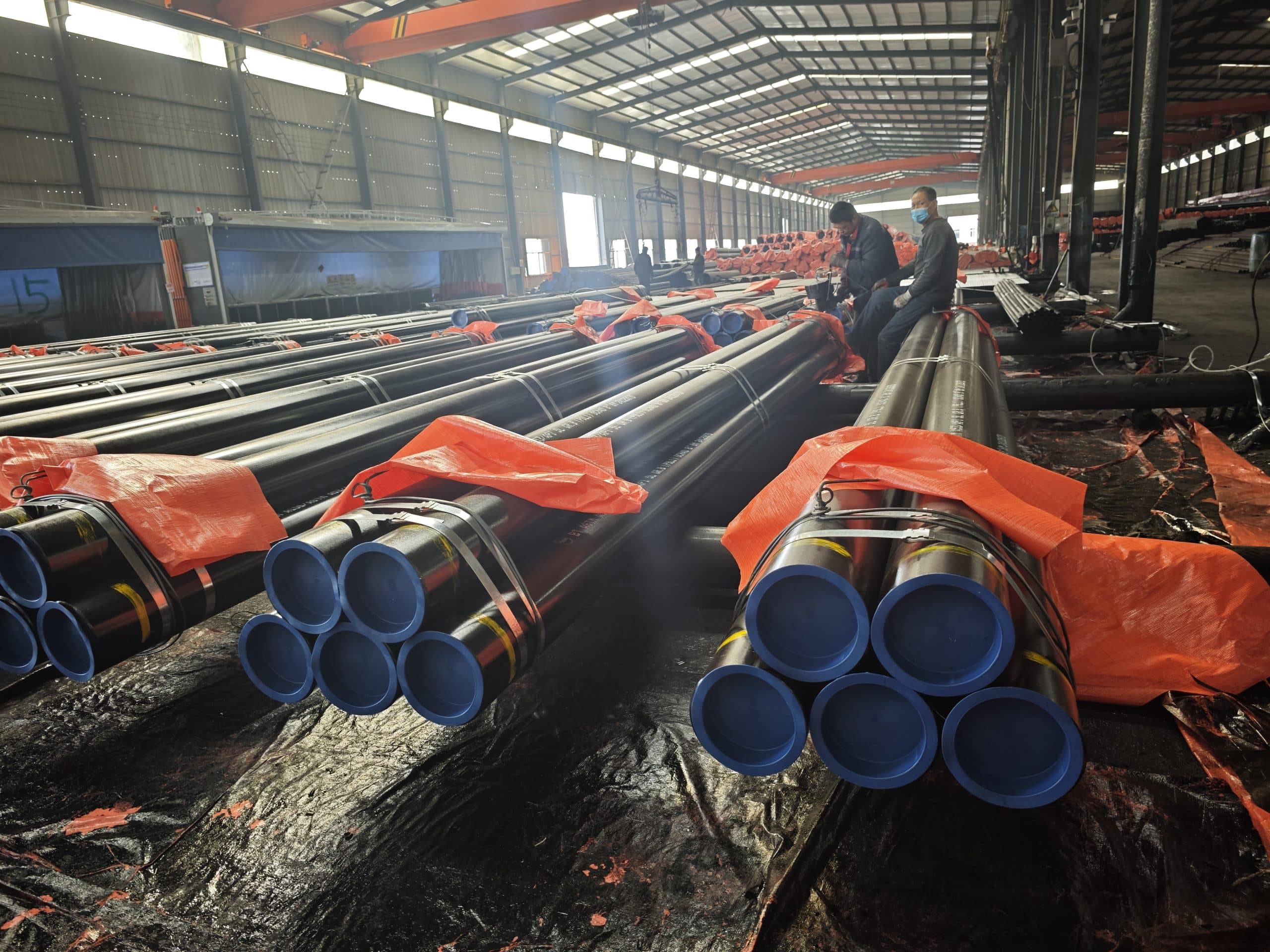
- 1. What Does an API Oil Pipe Mill Actually Manufacture?
- 2. Which API 5L Standards Must an Oil Pipe Mill Meet?
- 3. API 5CT versus API 5L
- 4. What Diameter and Wall Thickness Can the Mill Roll?
- 5. How to Read a Mill Test Certificate Before Ordering
- 6. Seamless vs Welded Oil Pipe: Which Manufacturing Route Is Better?
- 7. J55, N80, and P110: How Should Buyers Select Oilwell Pipe Grades?
- 8. Supplier Capability & Evaluation: How to Select an API Oil Pipe Manufacturer
- 9. Conclusion
- 10. FAQ
- 11. Ready to Qualify Your Next API Oil Pipe Supplier?
API oil pipe mills shape, joins, heat-treats, and tests steel pipe for oil and gas service, but “API oil pipe” covers distinct products with different jobs. API 5L line pipe transports crude, gas, and water, while API 5CT casing and tubing support wellbores and production flow. This guide explains mill capabilities, standards, sizing, documentation, and supplier evaluation so buyers can specify correctly and avoid costly procurement delays.
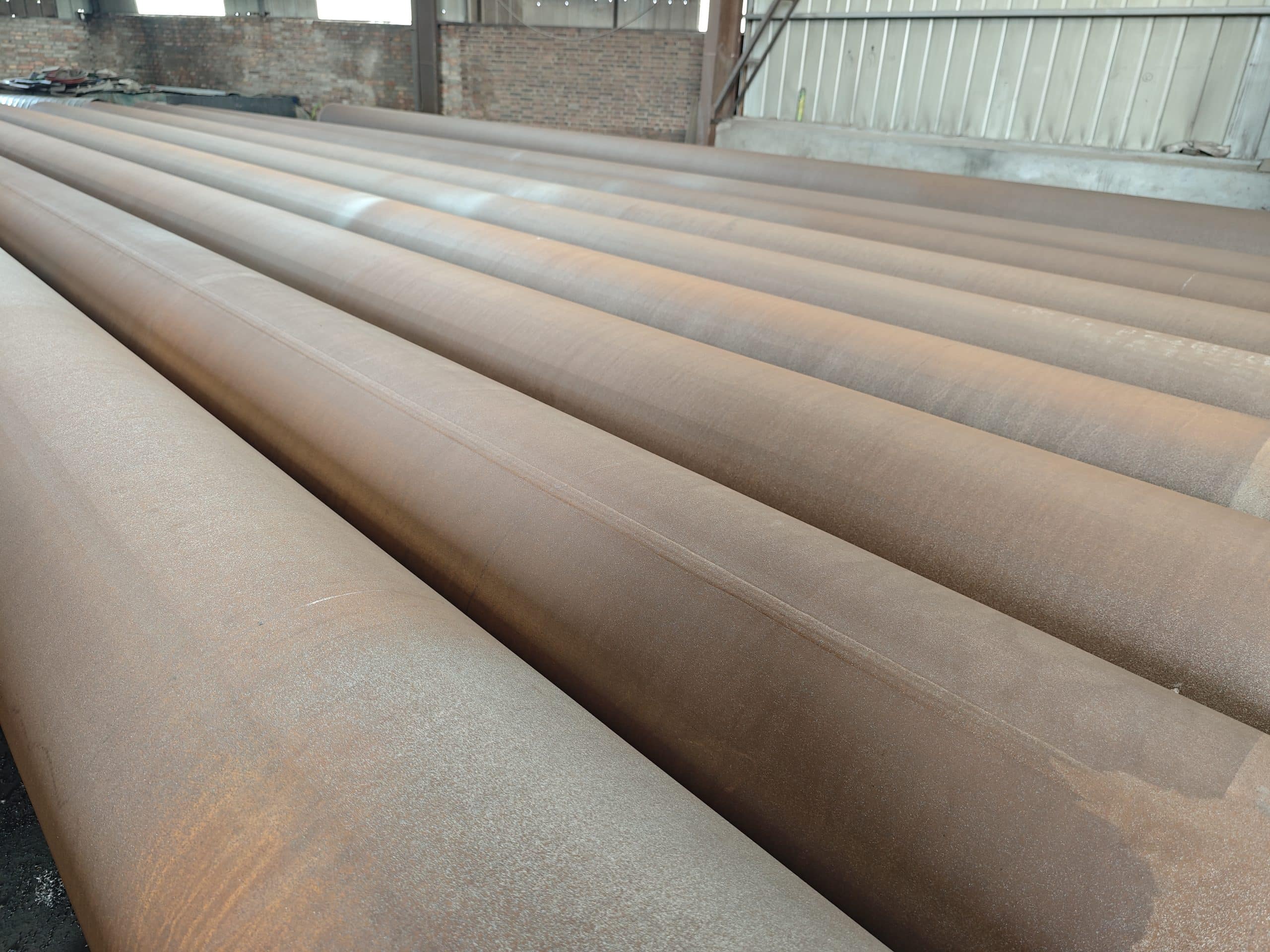
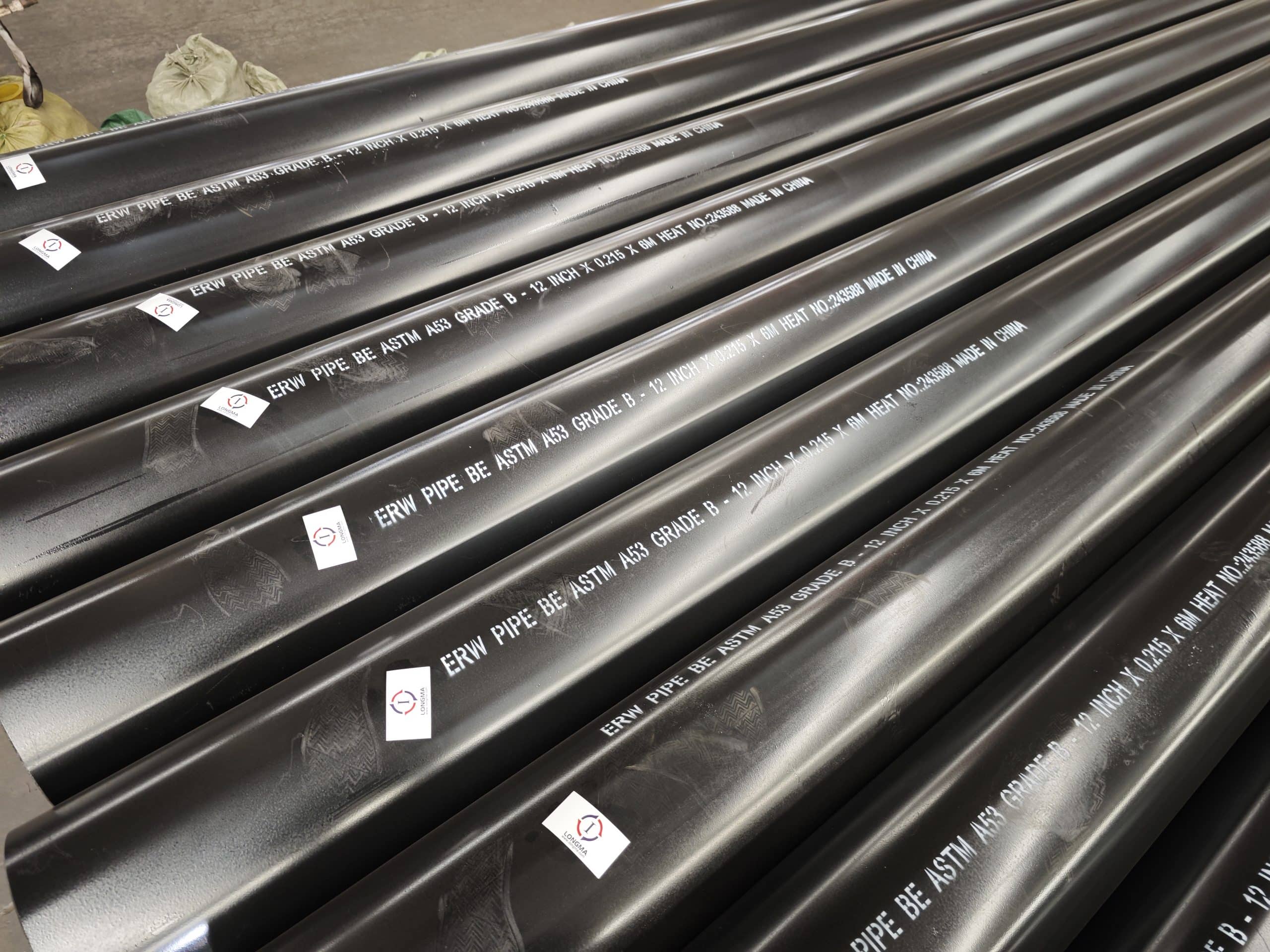
What Does an API Oil Pipe Mill Actually Manufacture?
API Oil Pipe, Line Pipe, Casing, and Tubing: Key Definitions
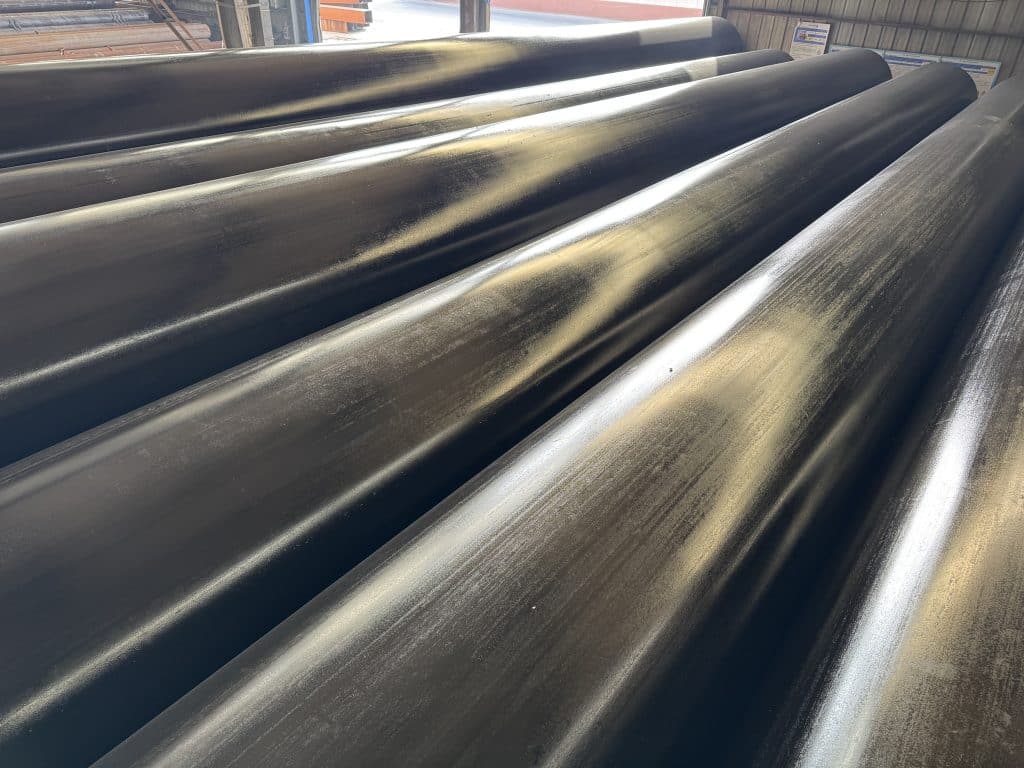
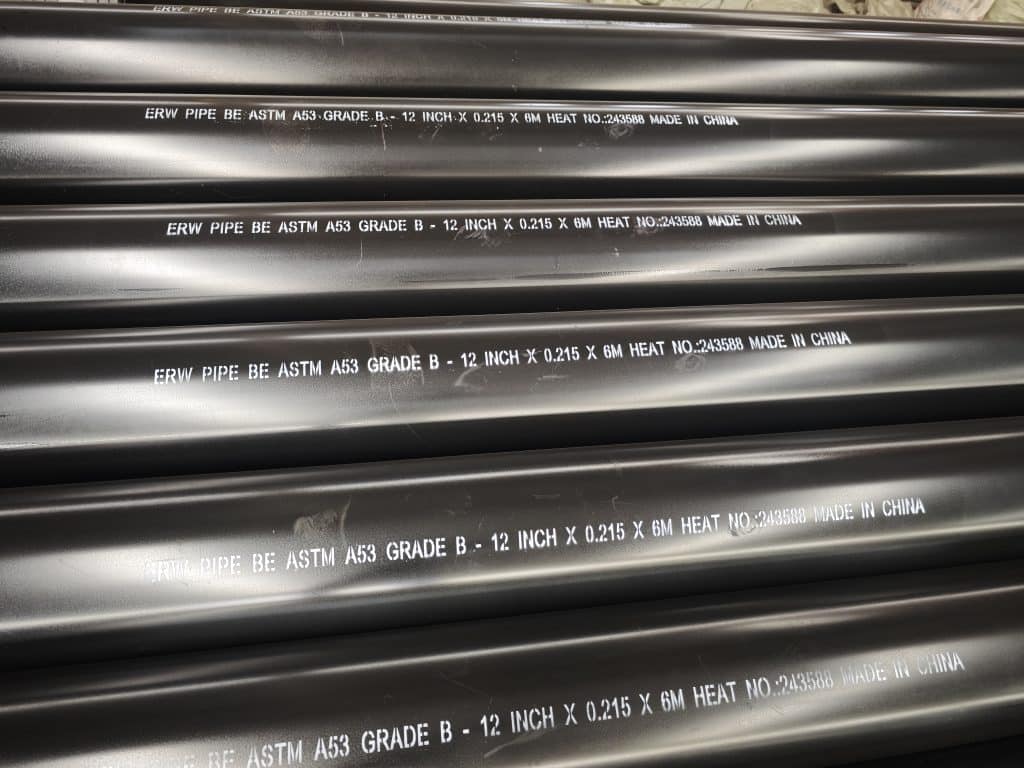
An API oil pipe mill shapes, joins, heat-treats, tests, and approves pipes for oil and gas use. Tenders take much longer when different product types under the term are mixed. API 5L line pipe can carry water, natural gas, refined fuel, and crude oil, buried or above ground. API 5CT casing keeps the wellbore open and formations separated; API 5CT tubing brings produced fluid to surface equipment. Some plant piping in ports or refineries follows ASTM or ASME rules instead of API 5L.
What Products Can an Oil Pipe Mill Supply?
| Product | Typical standard | Main application | Common supply details |
| Seamless line pipe | API 5L, ASTM A106 where applicable | Oil and gas transport | Grade, PSL, OD, wall thickness, length |
| Welded line pipe | API 5L | Pipelines and gathering systems | ERW, LSAW, SSAW, weld inspection |
| Casing | API 5CT | Wellbore support | Grade, connection, drift diameter, range |
| Tubing | API 5CT | Production flow | Grade, thread, coupling, length |
| Coated pipe | API 5L or project standard | Corrosion-controlled pipelines | FBE, 3LPE, epoxy, internal coating |
Typical Use Cases by Buyer Type
An oil pipe mill serves diverse supply chains. Buyers generally use the mill three ways:
- Before steel leaves the yard for a cross-country pipeline, the EPC contractor must confirm chemical control, dimensional agreement with drawings, material traceability, and an agreed inspection plan. Before bidding, 61% of Gulf EPC export-desk customers required PSL2 and NACE approval in 2024; a documented inspection plan demonstrates technical competence before discussions begin.
- A local pipe supplier offers many grades and sizes with consistent exterior diameter specs and meticulous packing. Fast turnaround is more critical than specialised testing since most resale orders go to smaller contractors within weeks of port arrival.
- When replacing pipe sections, plant workers consider pressure grade, corrosion, flange and valve compatibility. Replacement orders may have less cargo but a shorter delivery window due to business closures.
These three buying patterns show that an api oil pipe mill’s capabilities alone do not decide value; documentation, flexibility, and speed do.
Which API 5L Standards Must an Oil Pipe Mill Meet?
API 5L Product Specification Levels and Grades
Before ordering API oil pipe, first confirm the correct API 5L standard is used. API Specification 5L (API, 2024) defines two levels for seamless or welded line pipe. PSL1 specifies test, chemistry, and mechanical requirements; PSL2 adds Charpy impact testing, tighter sulfur and phosphorus limits, and greater non-destructive testing coverage. Most UAE, Qatar, and Saudi pipeline projects require at least PSL2 for higher-design-pressure gas or crude lines, usually grades B through X70; Grade X80 is used only for high-pressure, long-distance transmission. Wall thickness and weight affect construction cost.
API 5CT versus API 5L
| Factor | API 5L | API 5CT |
| Primary purpose | Pipeline transportation | Well construction and production |
| Typical products | Line pipe | Casing and tubing |
| Main design concern | Pipeline pressure and integrity | Collapse, tensile load, connection performance |
| Typical documentation | MTC, PSL, NDE, hydrotest records | MTC, thread inspection, drift, coupling records |
| Common grades | B, X42–X70 series | J55, K55, N80, L80, P110 |
Have an engineer approve any substitution of API 5CT tubing or casing for API 5L line pipe, because the two standards address different design problems.
Other Applicable Standards and Regional Requirements
Depending on project needs, many national oil companies accept ISO 3183:2019 as a pipeline steel specification instead of or alongside API 5L (ISO, 2019). Per NACE MR0175/ISO 15156, sour-service pipe must pass tests for hydrogen sulfide resistance and hardness control (ISO, 2020). European buyers may require EN 10204 3.1 or 3.2 certificates for material traceability—covered later. US federal pipeline projects fall under PHMSA pipeline safety regulations, whose integrity management rules are separate from private purchase specifications (PHMSA, 2024).
What Diameter and Wall Thickness Can the Mill Roll?
Oil Pipe Size Chart and Dimensional Inputs
LONGMA’s mills can roll api oil pipe with wall thicknesses from 4 mm to 100 mm and outside diameters from 4 inches to 72 inches, in Grade B through X80 across both ERW and LSAW routes. Use this range as the starting point for matching project designs, and confirm every dimension before requesting a quote.
| Selection parameter | What the buyer should specify |
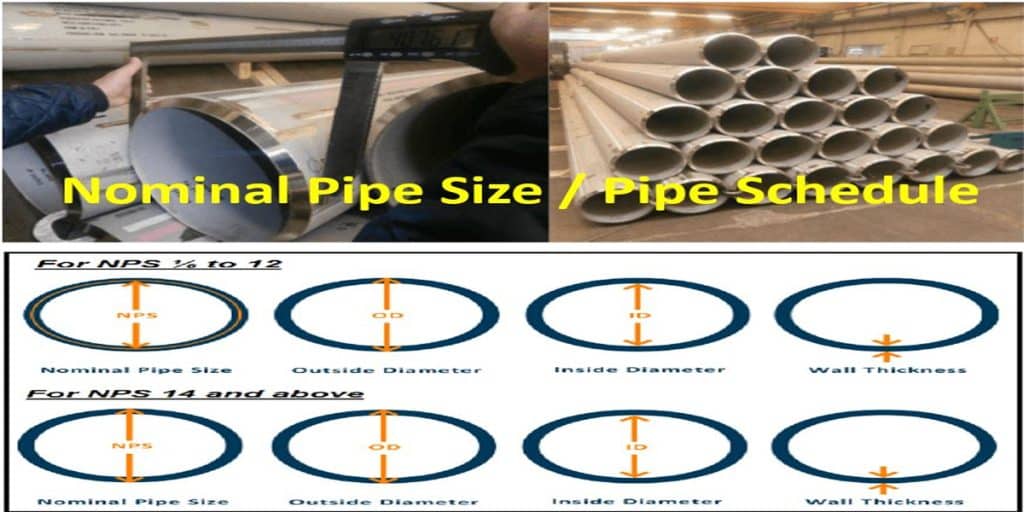
| Nominal pipe size | NPS or DN |
| Outside diameter | Actual OD and range of values valid |
| Wall thickness | Wall thickness, tolerance, and negative limit |
| Length | Fixed, random, range, or custom length |
| End type | End finish: plain, beveled, threaded, or special |
| Grade | API or project grade |
| Delivery condition | As-rolled, normalized, or quenched and tempered |
Wall Thickness, Weight per Meter, and Dimensional Tolerances
Multiply the difference between the outside diameter and the wall thickness by the wall thickness, then by 0.02466, to get the pipe’s weight per meter. All dimensions must be in millimeters. A 610 mm (24-inch) pipe with a 12.7 mm wall weighs roughly 184 kg/m before coating or end finishing. Actual weight varies with steel density, rolling tolerance, coating weight, and the standard edition applied, so use the formula for planning rather than as a final invoicing figure.
How to Choose the Correct Oil Pipe Size
Getting the specifications correct on the first offer can save you money on rolling steel adjustments. Consider these factors when choosing outer diameter:
- The minimum bore depends on flow rate and allowable pressure loss. Add the wall thickness and corrosion allowance to the bore to arrive at the outer diameter.
- Steel grade and wall thickness depend on pressure, temperature, and stream quality (solids and gas content). In some cases, a higher-grade, thinner-wall pipe can replace a lower-grade, thicker-wall option.
- The maximum practical wall thickness depends on installation method, bending radius, and field welding access; walls that are too thick slow welding and raise on-site costs.
How to Read a Mill Test Certificate Before Ordering
Mandatory MTC Information
An MTC is a document that proves a pipe fits its order, not simply its name. Without a line-by-line MTC check, grade discrepancies and missing impact test data may not be discovered until the pipe is delivered. Fixing the problem costs more here. A complete MTC does several jobs at once:
- The certificate should match the purchase order, not be a template used for multiple projects. Look at the maker, where the certificate was made, the applicable standard and edition, and the product specification level.
- The heat number, pipe identifier, steel grade, and delivery condition relate the pipe marking to a steel melt. This aids future quality studies.
- Chemical, tensile, elongation, and (if appropriate) impact tests show that the pipe fulfils grade and PSL mechanical property requirements.
- Hydrostatic and non-destructive tests, measurements, weight, and an EN 10204 3.1 or 3.2-approved name appear on the certificate. Together, these entries turn the certificate into a project audit document.
Inspection and Testing Methods
| Verification area | Typical method | Buyer’s evidence |
| Chemistry | Heat or product analysis | Report on a chemical test |
| Tensile properties | Testing for tensile strength | Report of mechanical test |
| Toughness | Charpy V-notch tests | Impact test results |
| Weld integrity | UT, RT, or specified NDE | NDE report |
| Leakage resistance | Hydrostatic pressure test | Pressure and hold-time record |
| Dimensions | Verified gauge checks | Dimensional report |
| Traceability | Review of heat and pipe markings with traceability | Traceability matrix |
Red Flags in Oil Pipe Documentation
Watch out for certificates that don’t have the standard edition, a heat number that doesn’t match the pipe markings, or that say they were inspected by a third party but don’t have a signed report attached. These gaps usually mean the certificate was copied from an earlier order rather than generated from test data on the shipped pipe; check them before releasing payment for shipping api oil pipes.
Seamless vs Welded Oil Pipe: Which Manufacturing Route Is Better?
Seamless and Welded Pipe Comparison
Neither seamless nor welded pipe is always the better choice. The project budget, diameter, pressure class, and purchase specification decide which route fits.
| Criterion | Seamless pipe | Welded pipe |
| Manufacturing route | Billet that has been pierced and rolled | Formed strip or plate with a welded seam |
| Typical advantage | No lengthwise weld seam | Large sizes and fast production |
| Common applications | High-pressure tasks | Pipelines, transportation, and gathering systems |
| Size availability | Strength in small and middle sizes | Strength in medium and large sizes |
| Inspection focus | Body, ends, measurements, material | Weld seam, body, and heat-affected zone |
| Cost tendency | Smaller sizes tend to cost more | Bigger sizes tend to cost less |
Carbon Steel versus Stainless Steel Oil Pipe
For oil and gas transmission, most projects use carbon steel and low-alloy grades, which offer sufficient strength at a lower cost per ton. Stainless and higher-alloy steels enter when high temperature, high salinity, or high CO2 partial pressure would degrade carbon steel over time. Compare more than purchase price; over a twenty-year life, a coated carbon steel line can sometimes outperform an uncoated higher-alloy option.
J55, N80, and P110: How Should Buyers Select Oilwell Pipe Grades?
J55 versus N80 versus P110
API 5CT casings and tubing are graded by strength. Buyers often compare prices without examining the engineering reason behind each grade.
| Grade | Positioning in general | Common selection factors |
| J55 | Not very strong API 5CT grade | Normal well conditions |
| N80 | Stronger than J55 | More tensile stress within service limits |
| P110 | High strength grade | High-load wells requiring engineering proof |
API Thread versus Premium Connection
For API oil pipe, API connections remain common and work well for simple well designs with moderate pressure and load. Premium connections handle higher pressure and provide better gas-tight sealing. The choice is often driven by high-pressure gas wells, deviated well paths, or operator preference rather than price alone.
Best Oil Pipe for Different Service Conditions
Matching pipe grade to service condition prevents overpaying on strength and understating well load. In practice, these four things demonstrate this:
- Land-based projects employ API 5L Grade B to X60 line pipes. Wall thickness follows design pressure, not grade alone.
- To prevent cracks from spreading under increased operating stress, high-pressure transmission lines are now X65 or X70 and must pass Charpy impact and full-body non-destructive testing.
- Hydrogen sulphide makes standard strength testing less significant for sour gas and oil service. Hardness control and HIC/SSC testing matter more.
- Production tubing and casing are selected by collapse resistance, burst pressure, tensile load, and connection type. J55 typically serves low-load wells and P110 handles high-load conditions; the grade follows the load case.
Supplier Capability & Evaluation: How to Select an API Oil Pipe Manufacturer
Supplier Evaluation Criteria Before Reviewing Any Company
Selecting an api oil pipe manufacturer requires checking more than a product catalog.
| Area to be judged | Verification question |
| Standards | Does the supplier hold the correct API license or a recognized equivalent? |
| Product scope | Can it make the grade, size, and way of making it that are needed? |
| Quality | Are there records for NDE, chemicals, physics, hydrostatics, and traceability? |
| Capacity | Can it deliver the required volume within the agreed time frame? |
| Inspection | Can the customer or a third party inspect the goods? |
| Terms of business | Are MOQ, lead time, Incoterms, payment, and claims terms clearly defined? |
Suitable Supplier Scenarios by Buyer Type
Based on the type of buyer, the following strengths of a supplier should be given the most weight:
- EPC contractors need custom lengths, controlled documentation, dimensions that match drawings, and an inspection plan agreed before production starts; changing specifications mid-project costs far more than settling them at the outset.
- Distributors need mixed-size crate loading, steady warehouse fill without capital tied up in slow-moving sizes, and restocking plans that keep turnover high.
- Plant operators need replacement pipe that fits existing pipeline sections, a written corrosion-management plan, and warranty terms that match the expected service life of the connecting segment.
Conclusion
An api oil pipe mill may produce tubing, welded or seamless line pipe, or casing, but API 5L and API 5CT serve different construction jobs. Check the service conditions first, then size and grade, and finally confirm the paperwork fits the project’s inspection plan. Buyers who confirm what a supplier’s API license covers, request sample mill test certificates, and compare seamless versus welded routes against real design needs can avoid most of the delays described in this guide. Teams running multiple pipeline projects across countries each year, each with its own set of requirements, can reuse the audit steps, size planning table, and purchase checklist above.
FAQ
What is an API oil pipe?
The American Petroleum Institute sets the standards for how steel pipe is made and tested, and an api oil pipe is one that meets those standards. Depending on usage, the phrase can mean either API 5L line pipe or API 5CT casing and tubing.
What is the difference between API 5L and API 5CT oil pipe?
API 5L governs line pipe that carries oil, gas, and other media. API 5CT covers casing and tubing used in oil and gas wells, where collapse and tensile load matter more than transport pressure.
Is seamless oil pipe better than welded oil pipe?
Each route suits different situations. Seamless pipe can be the right choice for some high-pressure service, while qualified welded pipe in ERW or LSAW offers faster delivery, larger diameters, and lower cost.
Ready to Qualify Your Next API Oil Pipe Supplier?
Pipelines rarely have time for a failed mill check in the middle of procurement. LONGMA supplies API 5L ERW and LSAW api oil pipe in grades B through X80, meeting NACE MR0175, with EN 10204 3.1/3.2 documentation ready for review. Email your technical specifications to info@ilongma.com and LONGMA’s export team will reply within two business days with grade availability, lead time, and inspection terms.