- 1. Where API 5L Welded Pipe May Be Used
- 2. Wastewater Chemistry and Corrosion Protection
- 3. ERW and LSAW Pipe for Wastewater Mains
- 4. Design Considerations for Sludge, Effluent, and Gas Lines
- 5. API 5L Grade, PSL, and Dimensions
- 6. Inspection, Testing, and Documentation
- 7. Supplier Evaluation and Procurement
- 8. Conclusion
- 9. Frequently Asked Questions
- 10. Discuss Your Project Requirements with LONGMA
Wastewater treatment facilities use pipelines to convey influent, treated effluent, sludge, process water, and, in some systems, digester gas. Each service presents different requirements for pressure containment, corrosion protection, abrasion resistance, joint integrity, and maintenance.
API Specification 5L covers steel line pipe for pipeline transportation systems. API 5L welded pipe may be considered for selected wastewater infrastructure applications when the project design basis and governing specifications permit it. The standard does not by itself establish the hydraulic design, corrosion protection, lining suitability, or complete installation requirements for a wastewater system.
This guide reviews potential applications, the differences between ERW and LSAW manufacturing routes, and the material, lining, inspection, and procurement factors that should be evaluated for a wastewater project.
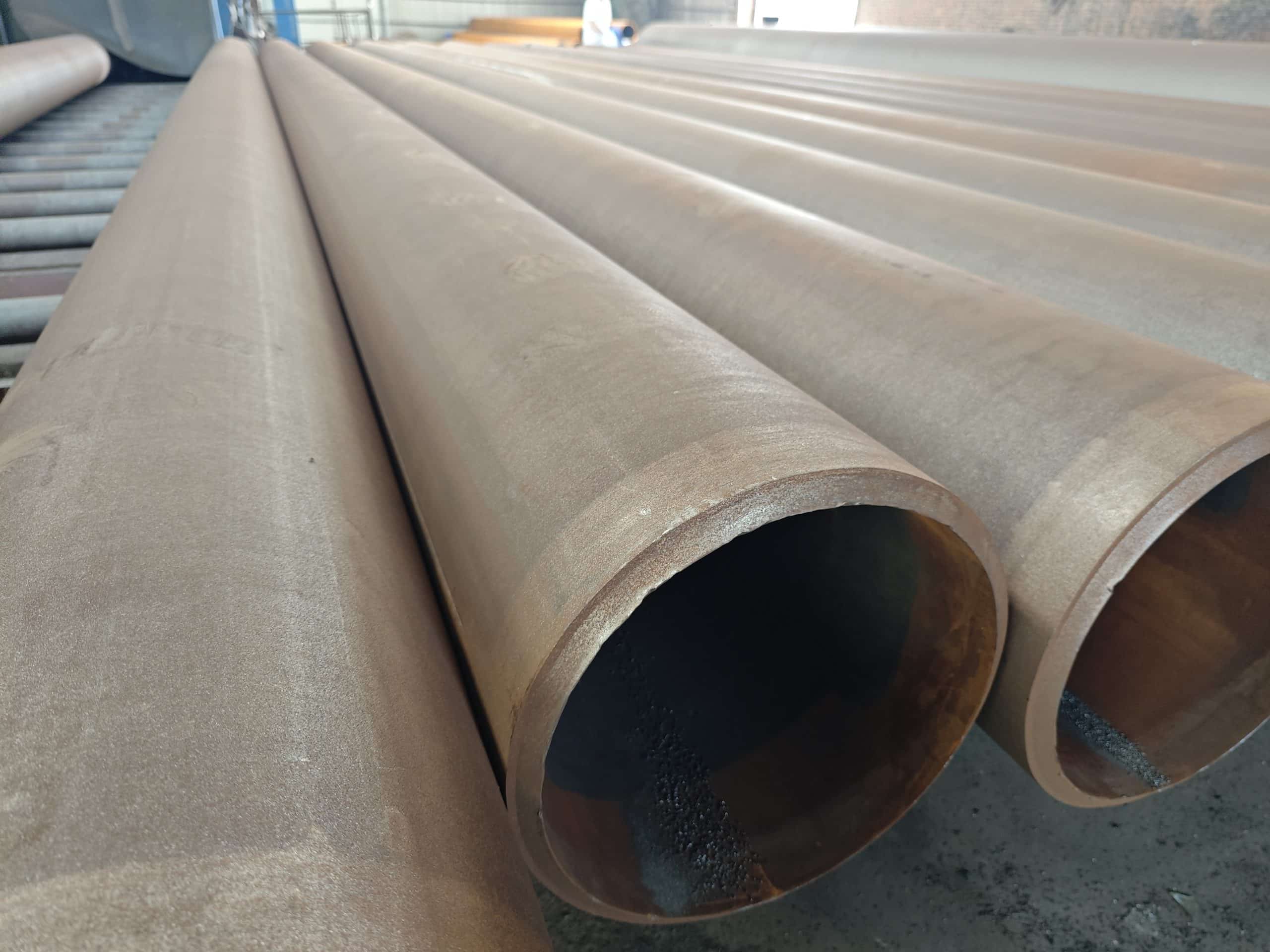
Where API 5L Welded Pipe May Be Used
What Is API 5L Welded Pipe?
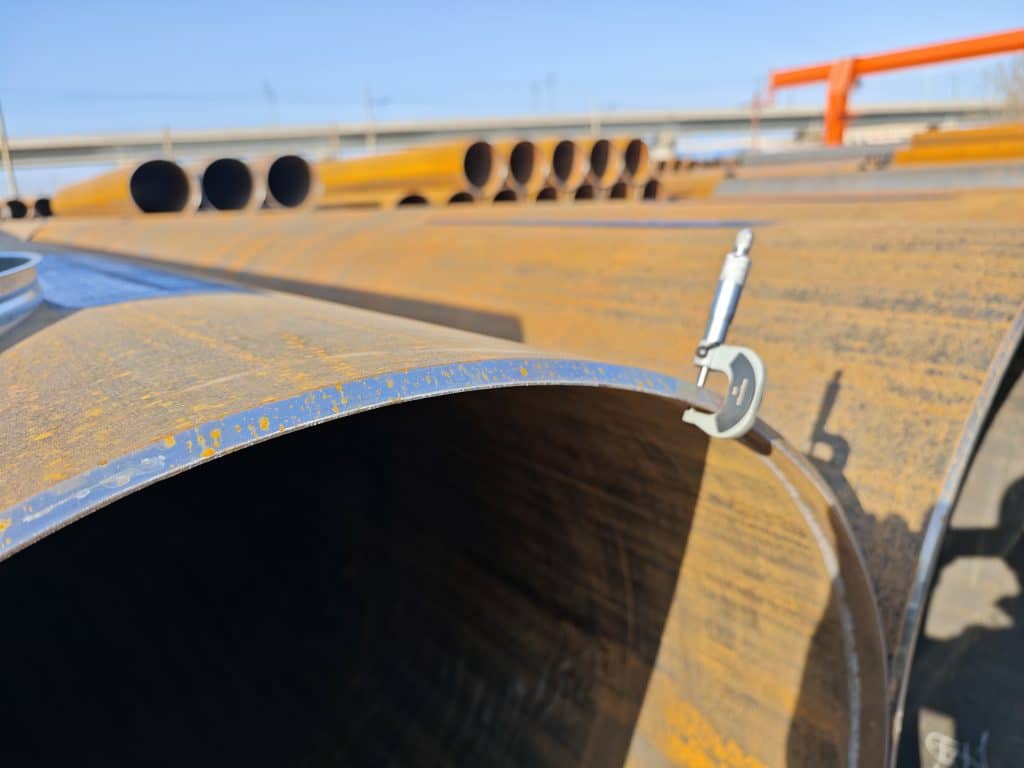
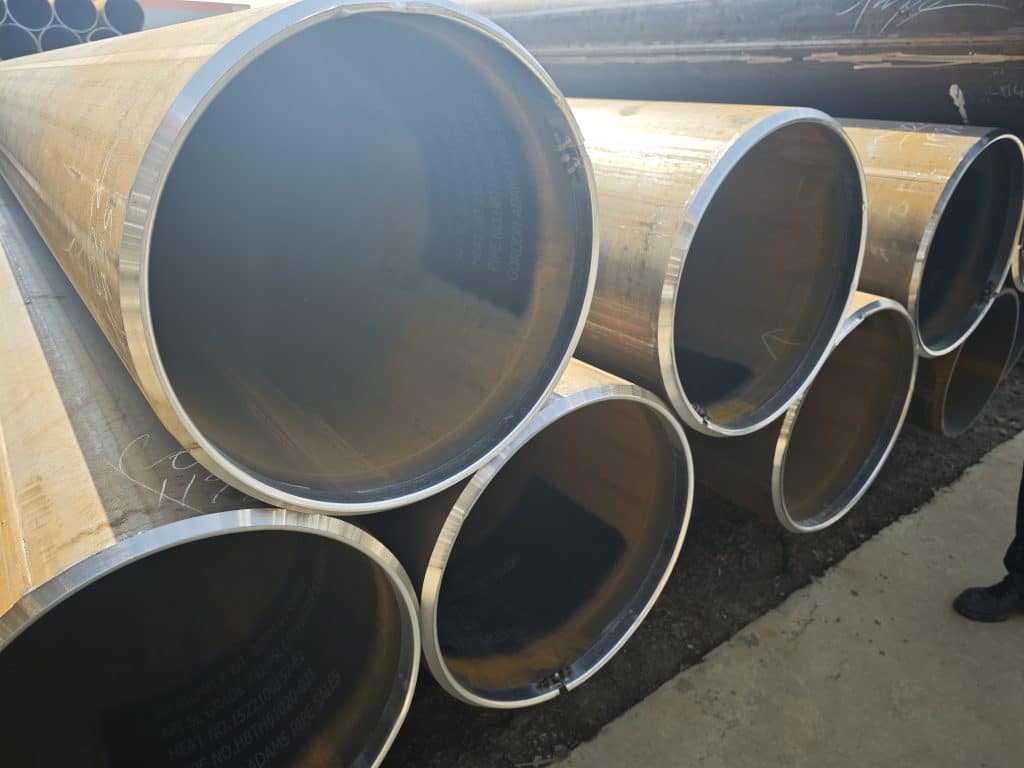
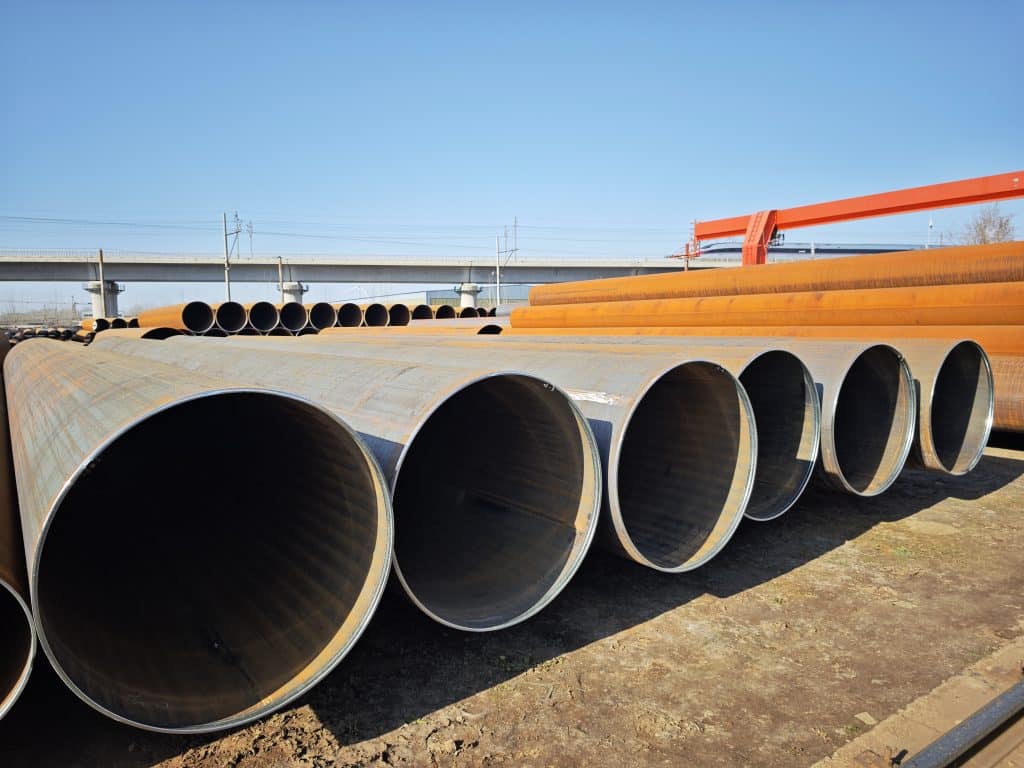
API 5L welded pipe is steel line pipe manufactured to the requirements of API Specification 5L using an approved welded manufacturing route specified by the applicable edition and purchase order. Depending on the product type, welded line pipe may include electric-resistance-welded (ERW) or submerged-arc-welded products. The selected manufacturing route must be confirmed against the standard and the ordered product.
API 5L addresses product requirements such as grade, chemical composition, mechanical properties, dimensions, manufacturing, inspection, and testing. It does not replace the project design code or establish that a pipe is suitable for every wastewater fluid or operating condition.
Potential Wastewater Applications
Depending on the project specification and engineering approval, welded steel pipe may be considered for large-diameter conveyance mains, pump headers, selected process-water or effluent lines, and other pipeline-type services. The appropriate material and protection system depend on the fluid and the operating environment.
Sludge lines require particular attention to solids content, particle characteristics, flow velocity, deposition, abrasion, cleanout access, and lining compatibility. Digester-gas or biogas lines require a separate review of gas composition, moisture, pressure, temperature, joint integrity, and applicable gas-system requirements. These services should not be treated as interchangeable with ordinary water conveyance.
Application Screening
Before specifying pipe, establish the fluid composition and operating envelope. Relevant information may include pH, chloride concentration, sulfide or hydrogen-sulfide content, solids concentration, temperature, design pressure, flow rate, transient pressure, and cleaning chemicals. For buried lines, also review soil and groundwater conditions, burial depth, external loads, and the proposed external corrosion-control system.
Pipe diameter, wall thickness, length, end preparation, connection method, supports, and installation method should be defined by the project design. The pipe mill can then be given a clear product specification rather than being asked to determine the complete pipeline design.
Wastewater Chemistry and Corrosion Protection
Chemical and Biological Exposure
Wastewater chemistry varies with the source, treatment process, and operating conditions. Carbon-steel corrosion may be influenced by pH, dissolved oxygen, chlorides, sulfides, temperature, flow conditions, and other constituents. In some sewer environments, hydrogen sulfide generated under anaerobic conditions can be released into the headspace and biologically oxidized on moist surfaces, producing acidic conditions that contribute to crown corrosion.
These mechanisms are not present to the same extent in every wastewater system. Material and lining selection should be based on representative service data and the expected operating range rather than on a generic description of sewage.
Internal and External Protection
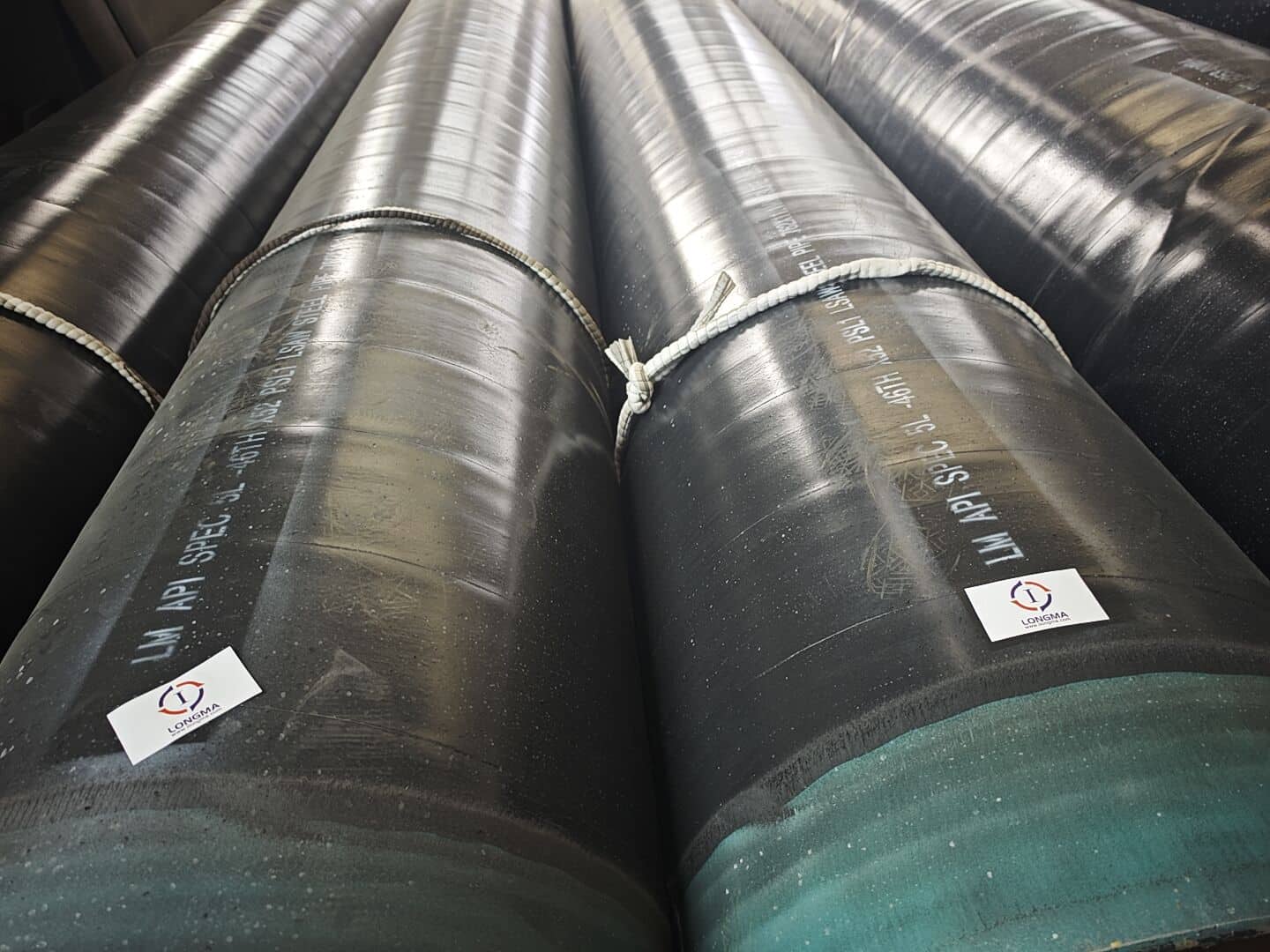
Internal linings may be considered where the conveyed wastewater or sludge could cause corrosion or abrasion. The lining material must be compatible with the fluid, temperature, solids, cleaning regime, and operating conditions. The project specification should address surface preparation, application, curing, inspection, holiday testing where applicable, repair, and acceptance criteria.
External protection is selected according to whether the pipe is above ground, buried, or submerged. Buried steel pipe may require a suitable external coating and, where the design calls for it, cathodic protection. External coatings and internal linings perform different functions and should be specified separately when both are needed.
Coating selection alone does not resolve every corrosion or wear issue. The design should also consider corrosion allowance where applicable, inspection access, hydraulic conditions, and maintenance strategy.
Risk and Mitigation Considerations
Unprotected carbon steel may experience internal or external corrosion depending on exposure. Abrasive solids can damage internal surfaces, while unsuitable coating application or damage during handling and installation can expose the substrate. Mitigation measures may include a compatible lining, qualified external coating, inspection, documented repair procedures, and project-specific corrosion control.
Hydrogen sulfide exposure requires evaluation of the actual environment and applicable material requirements. API 5L PSL2 by itself does not establish resistance to sulfide stress cracking or other sour-service damage mechanisms. Where the service falls within the scope of NACE MR0175/ISO 15156, material selection should follow that standard and the project specification.
ERW and LSAW Pipe for Wastewater Mains
Manufacturing Processes
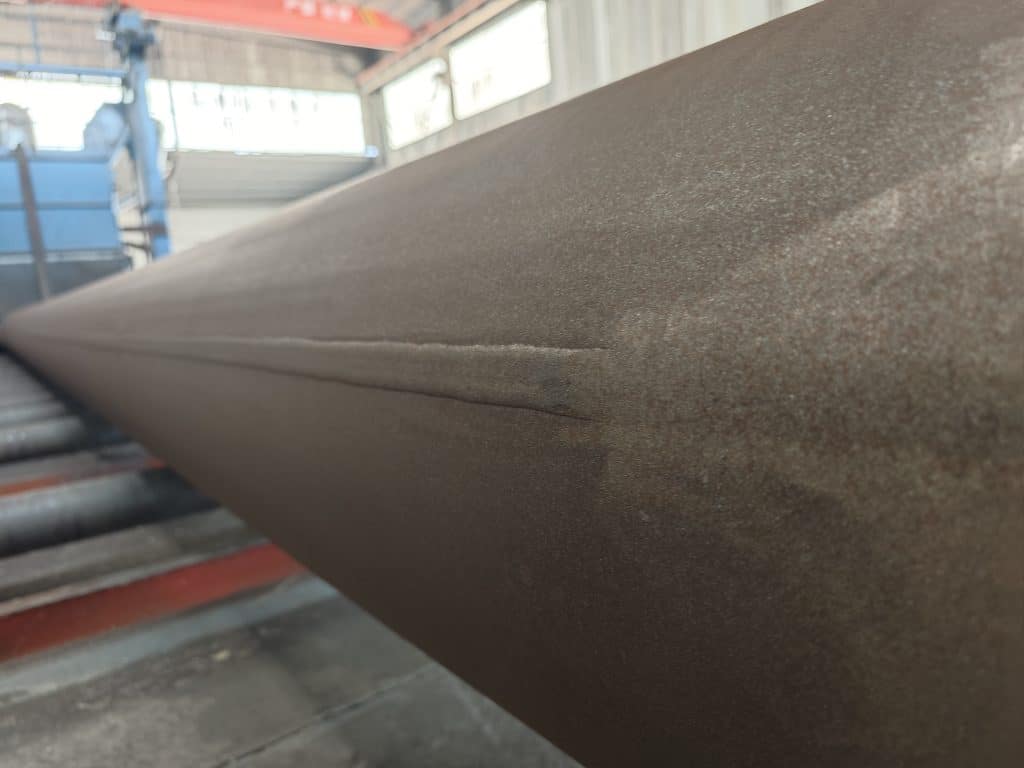
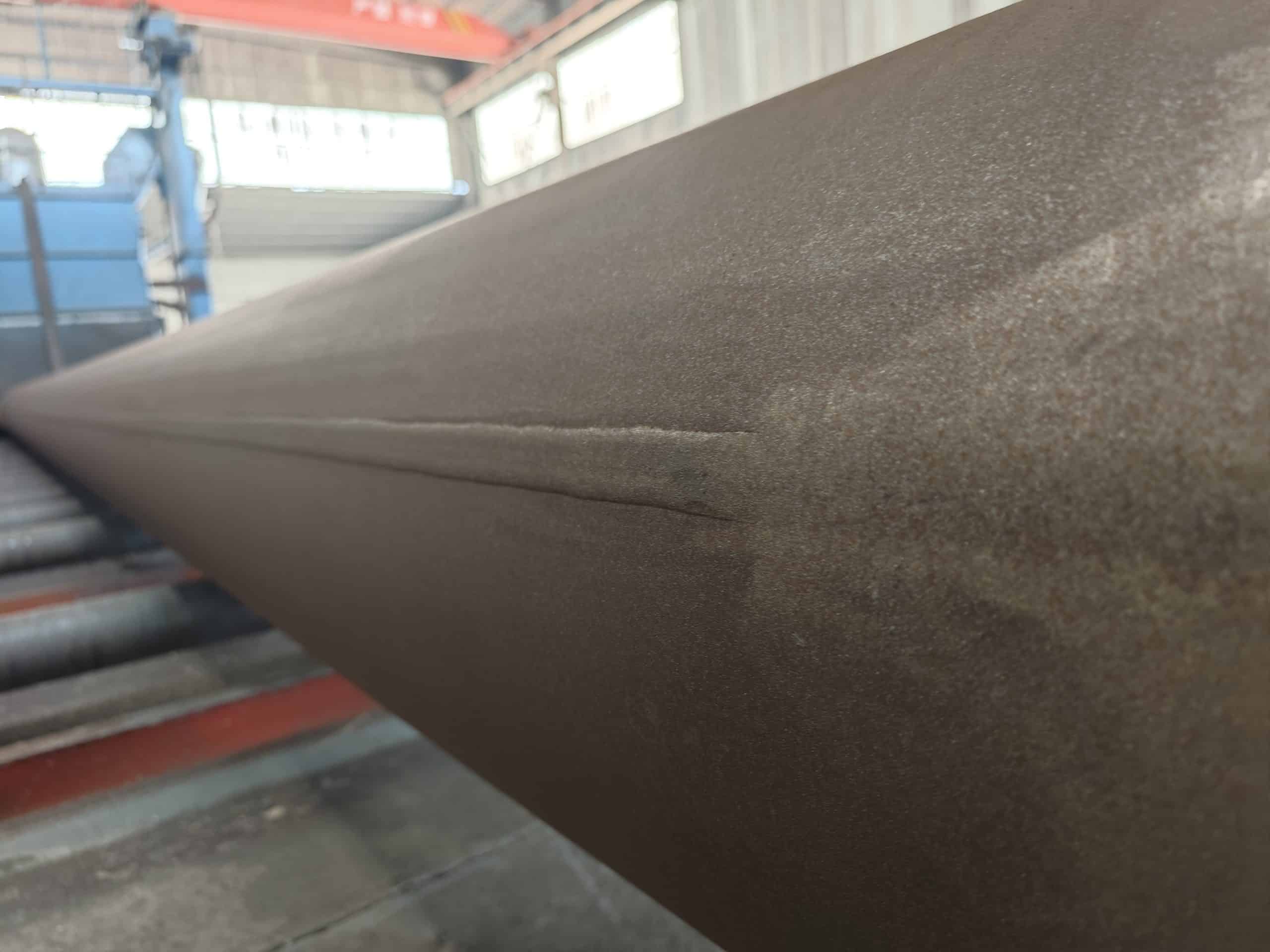
ERW pipe is formed from steel strip or coil and joined along a longitudinal seam using electric-resistance welding. LSAW pipe is formed from steel plate and joined along a longitudinal seam using submerged-arc welding. The forming route and welding process are controlled by the applicable product specification and manufacturing procedures.
Other welded pipe processes exist in the broader steel-pipe industry, but a comparison should not imply that every process is available from a particular manufacturer or suitable for every project. The specified manufacturing route must match the project requirements and the manufacturer’s verified capability.
Comparing ERW and LSAW
ERW and LSAW should be evaluated using the ordered outside diameter, wall thickness, grade, length, design conditions, manufacturing qualification, weld-seam inspection requirements, dimensional tolerances, and delivery needs. Typical market applications may differ, but there is no universal diameter boundary at which one process becomes mandatory.
LSAW may be considered for specified large-diameter or heavier-wall products where the required dimensions and manufacturing route are within the mill’s qualified range. ERW may be suitable for dimensions and service conditions covered by the manufacturer’s qualified production range. Neither process should be described as inherently more reliable solely because of its welding method.
Purchasers should review the manufacturing specification, weld-seam quality controls, non-destructive examination requirements, hydrostatic testing requirements, and traceability records for the actual product.
Design Considerations for Sludge, Effluent, and Gas Lines
Sludge and Solids-Handling Lines
Sludge may contain suspended or settled solids that affect hydraulic behavior and can cause deposition, blockage, or abrasion. The pipeline design should consider solids concentration and characteristics, flow velocity, pump operation, changes in direction, cleanout arrangements, and the properties of any internal lining.
Bends, reducers, valves, and other flow disturbances may require particular attention because local flow conditions can increase wear or deposition. The appropriate design measures should be established by the pipeline engineer using the actual sludge characteristics and operating data.
Effluent and Process-Water Lines
Effluent and process-water lines should be evaluated according to the quality of the conveyed water, including residual treatment chemicals, pH, dissolved constituents, temperature, and operating pressure. Treated wastewater should not automatically be treated as potable water; drinking-water service has separate material, coating, and regulatory requirements.
Connection methods, valves, fittings, supports, and access for maintenance should be selected as part of the pipeline design. The pipe product standard alone does not determine the suitability of the complete system.
Biogas and Digester-Gas Lines
Biogas composition depends on the treatment process and feedstock. Moisture and contaminants such as hydrogen sulfide may affect corrosion risk and material selection. Gas piping requires review of the applicable design and safety requirements, pressure and temperature conditions, condensate management, joint integrity, leak testing, and corrosion protection.
API 5L compliance alone does not demonstrate that a pipe system is suitable for a particular biogas installation. The design authority must confirm the applicable gas-system requirements and approve the selected product and joining method.
API 5L Grade, PSL, and Dimensions
Grade Selection
API 5L grade designations identify specified material strength levels and related product requirements. The X-number is associated with the specified minimum yield strength expressed in thousands of psi. It does not indicate corrosion resistance, abrasion resistance, or suitability for a particular wastewater chemistry.
A higher-strength grade may influence the pressure-design calculation, but it does not automatically permit a thinner wall. Required wall thickness depends on design pressure, outside diameter, design code, design factors, wall-thickness tolerance, corrosion allowance where applicable, external loads, and other project conditions.
Grade B and the X grades should be selected against the actual design basis. Weldability and toughness should be assessed using the material chemistry, carbon equivalent where relevant, wall thickness, welding procedure, and project requirements.
PSL1 and PSL2
PSL1 and PSL2 are product specification levels within API 5L. PSL2 includes additional or more restrictive requirements in specified areas, but the exact differences depend on the grade, manufacturing route, and applicable edition. It is not accurate to summarize PSL2 as requiring every possible test or as automatically being necessary for all high-pressure or wastewater applications.
The purchase specification should state the required PSL and any supplementary requirements for chemical composition, mechanical testing, impact testing, non-destructive examination, traceability, and documentation. Sour-service suitability must be addressed separately where relevant.
Dimensions and End Preparation
The purchase specification should identify outside diameter, wall thickness, length, end finish, dimensional tolerances, quantity, and connection requirements. End preparation should be described using the appropriate technical terms, such as plain ends or beveled ends, as required by the design and joining method.
Wall thickness must be determined by the project design. A nominal size or schedule designation alone is not a substitute for a complete dimensional and design specification.
Inspection, Testing, and Documentation
Applicable Standards
API Specification 5L defines product requirements for line pipe when specified. ISO 3183 may also be specified for steel pipe used in pipeline transportation systems. The applicable wastewater pipeline design, construction, coating, and installation requirements may be established by other project standards, owner specifications, and local regulations. AWWA standards may be relevant to certain water-service steel pipe systems, but their applicability to a particular wastewater line must be confirmed rather than assumed.
Product standards, pipeline design codes, coating standards, and regulatory requirements serve different purposes. The contract should identify the applicable documents and editions and resolve any conflicts before manufacture.
Inspection and Test Plan
The inspection and test plan should be based on the ordered product, manufacturing route, applicable API 5L requirements, PSL, and project specification. Depending on those requirements, it may include review of chemical analysis, tensile properties, impact testing, dimensional inspection, hydrostatic testing, and non-destructive examination of the weld seam.
UT, RT, magnetic-particle testing, and other examination methods should be specified where required by the applicable standard or project documents. It is not correct to state that every method must be performed on every pipe or every production lot.
Documentation may include the mill test certificate, heat and pipe traceability records, applicable test reports, dimensional records, coating or lining inspection records, marking details, and packing documents. The required package should be agreed before production.
Supplier Evaluation and Procurement
Assessing Supplier Capability
Evaluate whether the manufacturer can supply the required API 5L grade, PSL, dimensions, and manufacturing route. Verify relevant licenses or certifications where required by the purchase contract, quality-management controls, production capability, inspection arrangements, heat-number traceability, and the ability to provide the specified documentation.
Manufacturing capability should be checked against the actual order. A supplier should not be assumed to manufacture ERW, LSAW, and every other welded-pipe process unless that capability has been verified. For LONGMA-related product descriptions, state only the manufacturing routes and product range confirmed by the company.
RFQ and Commercial Comparison
An RFQ should include the product standard and edition, grade, PSL, manufacturing route, outside diameter, wall thickness, length, quantity, end preparation, coating or lining, inspection requirements, documentation, packing and marking, delivery destination, and required delivery schedule.
Compare quotations on the same technical basis. Price and lead time can be affected by dimensions, grade, manufacturing route, order quantity, testing, coating or lining, production scheduling, and logistics. For stock material, verify the original mill documentation and traceability. For new production, confirm the agreed manufacturing and inspection schedule.
Conclusion
API 5L welded pipe may be considered for selected wastewater infrastructure applications when the product specification is permitted by the project design basis and the pipe is protected and installed for the actual service conditions. Selection should account for the fluid, solids content, pressure, temperature, corrosion mechanisms, outside loads, manufacturing route, lining and coating systems, inspection scope, and applicable design requirements. API 5L compliance is an important product requirement where specified, but it does not replace the engineering design of the complete wastewater pipeline.
Frequently Asked Questions
What are API 5L welded pipes?
They are steel line pipes manufactured to API Specification 5L using a welded manufacturing route permitted by the applicable edition and specified in the purchase documents. The ordered product should identify its grade, PSL, manufacturing process, dimensions, and inspection requirements.
Can API 5L welded pipe be used in wastewater treatment plants?
It may be suitable for selected pipeline-type services when the governing design requirements permit it and the material, wall thickness, corrosion protection, and joining system are appropriate for the actual service.
What is the difference between PSL1 and PSL2?
They are two product specification levels in API 5L. PSL2 includes additional or more restrictive requirements in specified areas. The precise requirements should be checked against the applicable edition, grade, manufacturing route, and purchase specification.
Is ERW or LSAW better for wastewater mains?
Neither is universally better. Selection depends on the required dimensions, wall thickness, design conditions, manufacturing qualification, inspection requirements, availability, and project specification.
Does a higher API 5L grade provide better corrosion resistance?
No. The grade identifies specified mechanical and material requirements; it does not by itself establish corrosion resistance. Corrosion protection must be selected according to the wastewater chemistry and external exposure.
Discuss Your Project Requirements with LONGMA
For a project-specific inquiry, provide the required standard and edition, grade, PSL, manufacturing route, outside diameter, wall thickness, length, service conditions, coating or lining requirements, inspection scope, quantity, and delivery destination. Contact LONGMA at info@ilongma.com to discuss the product requirements and availability.