- 1. Material Selection and ASTM A671 Requirements
- 2. Plate Cutting, Edge Preparation and Forming
- 3. Longitudinal Fusion Welding and Weld Control
- 4. Class 22 Heat Treatment and Mechanical Testing
- 5. Nondestructive Examination and Hydrostatic Testing
- 6. Final Inspection, Documentation and Procurement
- 7. Frequently Asked Questions and LONGMA Support
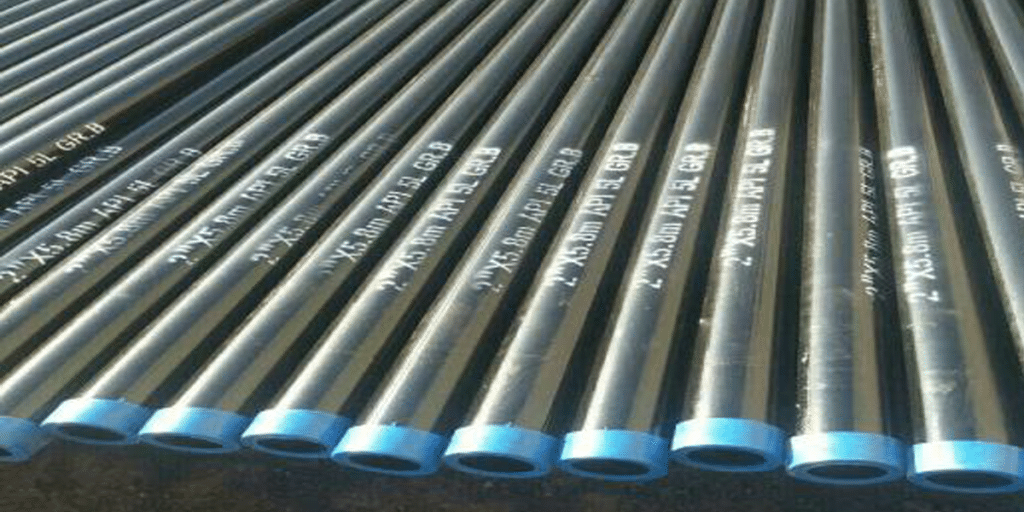
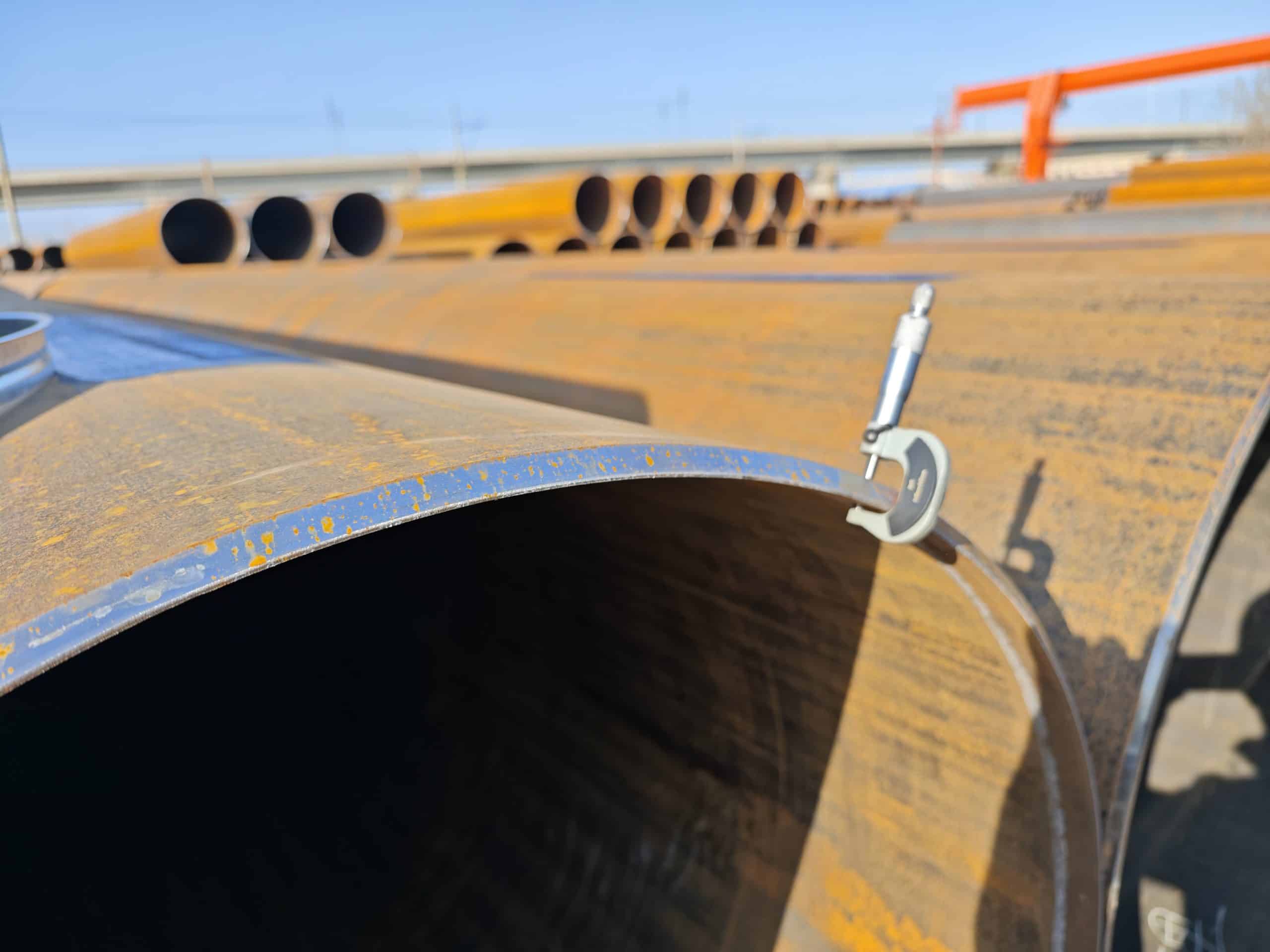
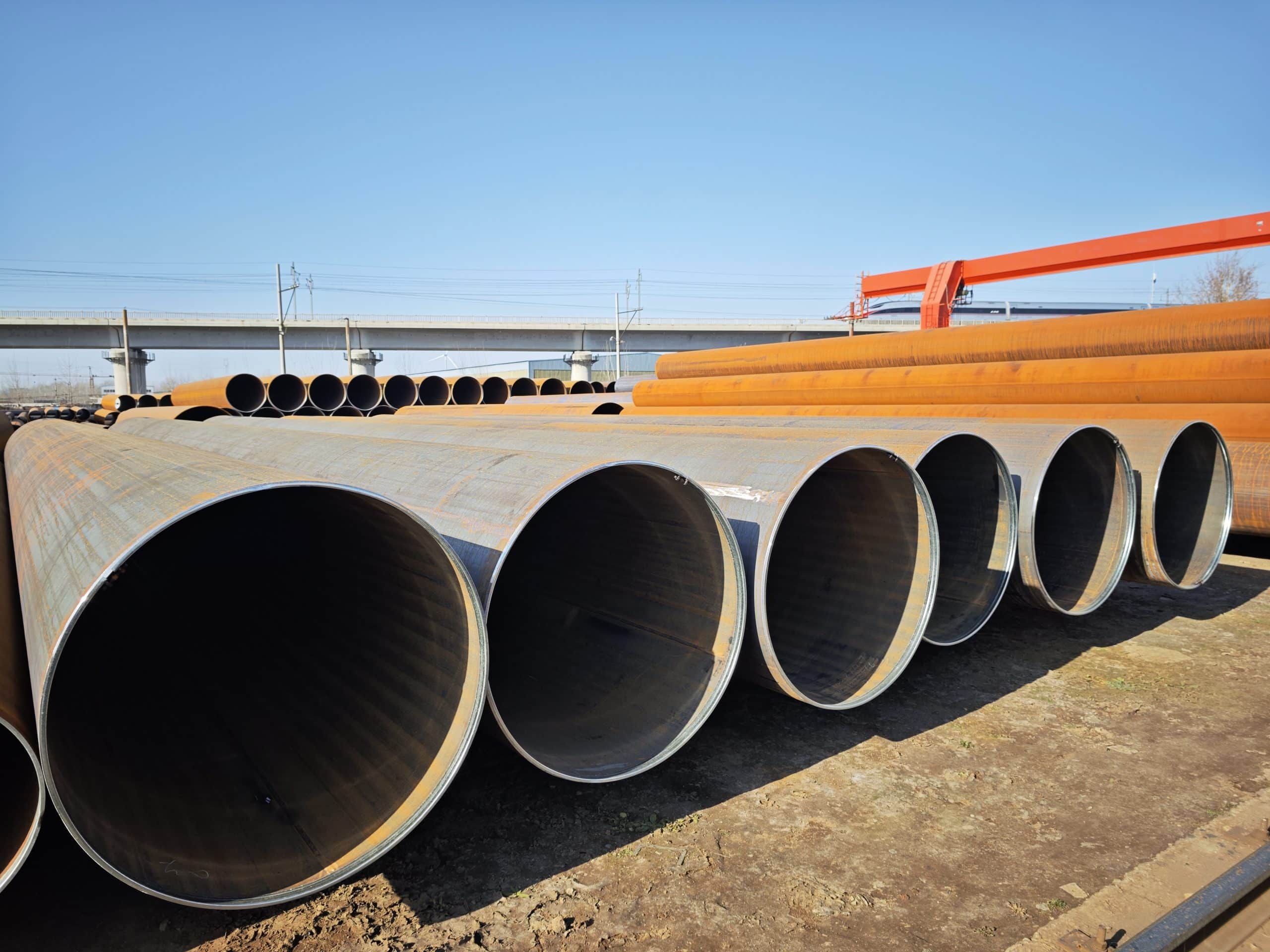
ASTM A671 CC60 Class 22 electric fusion welded (EFW) steel pipe is manufactured from pressure-vessel-quality plate for applications within the scope of ASTM A671. Production involves plate verification, forming, qualified fusion welding, class-specific treatment, testing and final traceability checks. Understanding each stage helps purchasers evaluate whether a pipe meets the ordered grade, class and project requirements. Compliance with the product specification is essential, but it does not replace a piping-system design assessment.
Material Selection and ASTM A671 Requirements
Understanding CC60 and Class 22
ASTM A671 covers electric-fusion-welded steel pipe for atmospheric and lower-temperature service. CC60 identifies the material grade associated with the specified plate, while Class 22 identifies a defined combination of manufacturing, heat-treatment and examination requirements. The grade and class must both appear correctly on the order and inspection documents. Their detailed requirements should be checked against the applicable edition of ASTM A671/A671M rather than inferred from the designation alone.
The pipe manufacturer reviews the purchase order for plate specification, dimensions, intended service, impact-testing requirements, inspection scope and any supplementary conditions. ASTM A671 does not itself establish a universal maximum operating pressure or authorize use at every low temperature. For example, a pipe intended for an LNG facility is not automatically suitable for direct cryogenic LNG service.
Incoming plate inspection
Before forming, the plate certificate is checked for the ordered material grade, heat identification, chemical analysis and relevant mechanical properties. The plate is inspected for surface damage, edge defects and other unacceptable conditions. Additional plate examination is carried out when required by the specification or purchase order. Maintaining the heat number throughout production supports traceability from the finished pipe back to the original material.
Plate Cutting, Edge Preparation and Forming
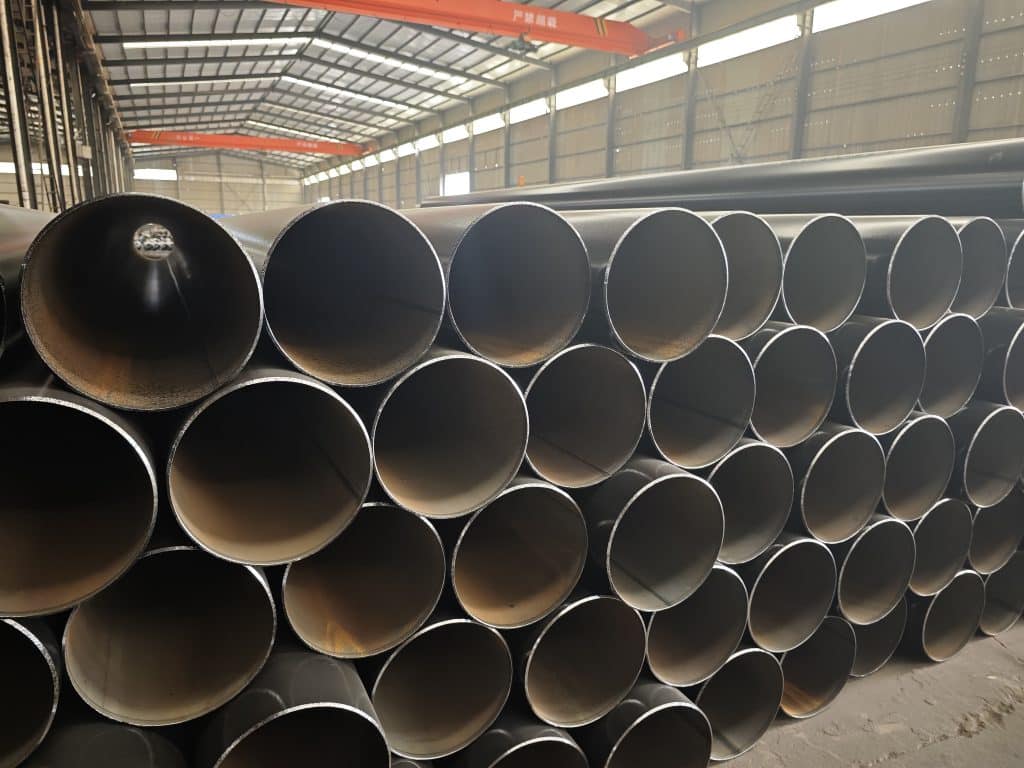
The plate is cut to the developed dimensions required for the finished outside diameter and length. Longitudinal edges are machined or otherwise prepared to the specified weld-joint geometry. Correct bevel preparation, root opening and alignment are necessary for reliable fusion and dimensional control.
Depending on the mill and product dimensions, forming may use press forming, roll bending or another qualified plate-forming route. During forming, operators monitor outside diameter, ovality, straightness, wall thickness and edge alignment. Forming deviations must be addressed before welding because the weld cannot compensate for an incorrectly shaped pipe body.
Longitudinal Fusion Welding and Weld Control
After alignment and tack welding where applicable, the longitudinal joint is welded using a qualified electric-arc fusion process. In submerged arc welding, the arc operates beneath a protective flux layer and filler metal is deposited to form the joint. The selected process, joint design, welding sequence and consumables must comply with the qualified welding procedure specification (WPS). The corresponding procedure qualification record (PQR) establishes the basis for the approved welding parameters.
Current, voltage, travel speed, heat input and preheat or interpass temperatures are controlled as required by the procedure. The heat-affected zone may undergo microstructural changes, so acceptable mechanical properties cannot be assumed from parent-plate data alone. Welding personnel qualifications, consumable identification and weld inspection records should be available according to the quality plan.
Typical welding quality risks
| Potential issue | Control measure |
| Incomplete fusion | Joint preparation, alignment and qualified welding parameters |
| Porosity | Consumable handling, cleanliness and process control |
| Cracking | Appropriate heat input, hydrogen control and required preheat |
| Dimensional distortion | Forming checks, welding sequence and dimensional inspection |
Class 22 Heat Treatment and Mechanical Testing
The manufacturing class determines the applicable heat-treatment and examination requirements under the specified ASTM A671 edition. For a Class 22 order, the producer must follow the class requirements as written in that edition and retain the relevant records. It is not sufficient to state simply that the pipe was “heat treated.” Where heat treatment is required, the documented cycle, furnace identification, temperature records and traceability should be checked against the manufacturing plan.
Heat treatment can alter residual stresses and microstructure, but it does not independently prove suitability for extremely low temperatures. Required tensile, weld, impact and other mechanical tests must be performed and evaluated according to the product specification and purchase order. Charpy test temperature and acceptance criteria, where applicable, should reflect the ordered material and engineering requirements rather than a generic LNG service claim.
Nondestructive Examination and Hydrostatic Testing
Nondestructive examination assesses weld integrity without cutting the finished pipe. Radiographic testing (RT) can reveal certain internal discontinuities, while ultrasonic testing (UT) uses sound waves to detect and characterize indications. Surface methods such as magnetic particle or penetrant testing may be specified for particular locations or repairs. The examination method, coverage and acceptance criteria must match the specified class and applicable supplementary requirements.
Hydrostatic testing, when required by the product specification and order, checks the finished pipe under controlled test conditions. The record should identify the pipe, test pressure, hold duration and acceptance result. Hydrostatic test pressure is not the same as the allowable operating pressure of the installed system, which must be established using the governing design code.
- Verify chemical and mechanical test reports against the ordered grade and class.
- Review weld examination results, repairs and required re-examination.
- Check dimensional measurements, marking and end preparation.
- Confirm heat-treatment and hydrostatic-test records where applicable.
Final Inspection, Documentation and Procurement
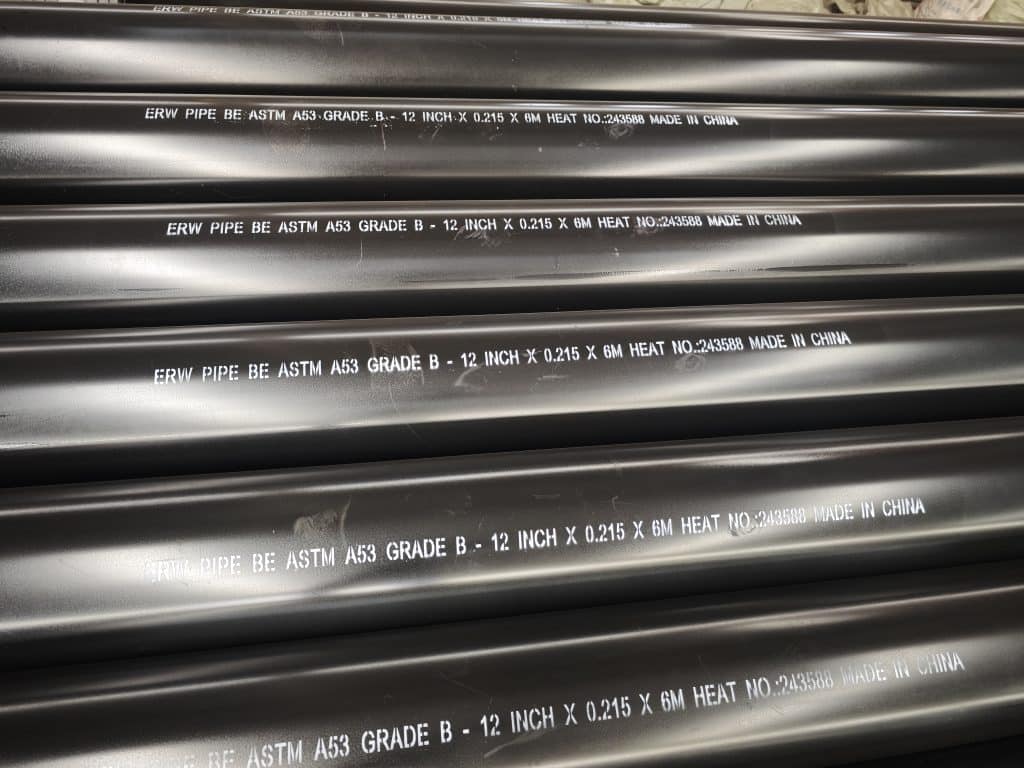
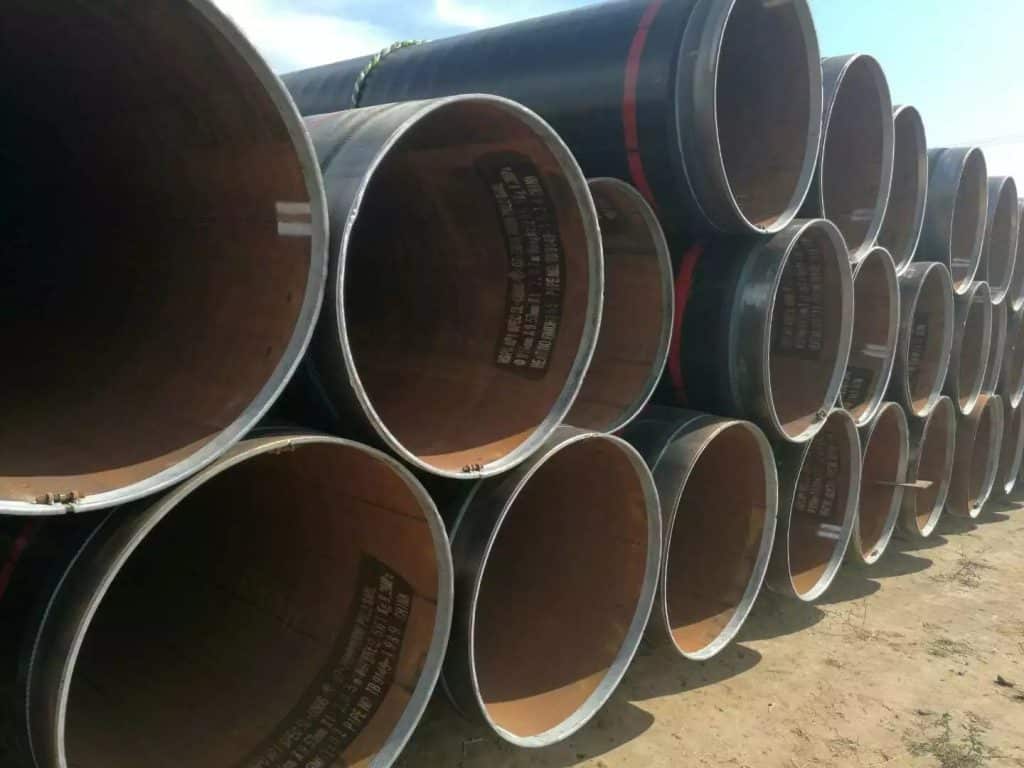
Final inspection confirms the required outside diameter, wall thickness, length, straightness, end finish and marking. The material test certificate should link the finished pipe to its plate heat and relevant manufacturing and test records. EN 10204 type 3.1 or 3.2 inspection documentation may be specified contractually; these document types do not replace the underlying ASTM requirements.
An effective purchase specification identifies the ASTM A671/A671M edition, CC60 grade, Class 22, dimensions, service temperature, design code, required tests, third-party witness points and delivery conditions. The purchaser should also verify the mill’s actual manufacturing range and inspection capability rather than treating generic catalogue dimensions as guaranteed availability.
Frequently Asked Questions and LONGMA Support
Does ASTM A671 CC60 Class 22 have a fixed pressure rating?
No. The allowable pressure depends on the installed system’s design code, dimensions, material properties, temperature and other design factors.
Is Class 22 automatically suitable for cryogenic LNG service?
No. Minimum design temperature, material toughness and code acceptance require separate verification.
What documents should accompany an A671 order?
Typically, the material test certificate, traceability records, applicable heat-treatment and examination reports, hydrostatic-test records and any documents required by the contract.
LONGMA manufactures round welded carbon steel pipe and supports project-specific material selection and inspection documentation. Its manufacturing site covers 230,000 m², with annual output exceeding 500,000 tons and more than 20 years of production experience. Send your required grade, class, dimensions and inspection conditions to info@ilongma.com or visit www.ilongma.com.