- 1. What Is ASTM A671 CC70 Pipe Used For?
- 2. ASTM A671 CC70 Chemical Composition and Mechanical Properties
- 3. ASTM A671 CC70 vs CC60, CC65, CD70, CE60 and CE65: Choosing the Right Class
- 4. Quality Testing and Inspection for ASTM A671 CC70
- 5. Real Project Applications: Where ASTM A671 CC70 Gets Used
- 6. ASTM A671 CC70 vs Seamless Pipe and API 5L Line Pipe: Supplier Evaluation Guide
- 7. Why LONGMA for ASTM A671 CC70 Procurement
- 8. Conclusion
- 9. FAQ
- 10. Get a Technical Quote for Your ASTM A671 CC70 Project
ASTM A671 CC70 appears on many quotation sheets, yet the grade name alone says little about class, impact-test temperature, heat treatment, or documentation level—details that decide whether a pipe suits cold service or fails at third-party inspection. This guide explains what CC70 EFW pipe is and is not, how CC, CD, and CE classes differ, what testing and certificates buyers should require, and how to verify a supplier before shipment.
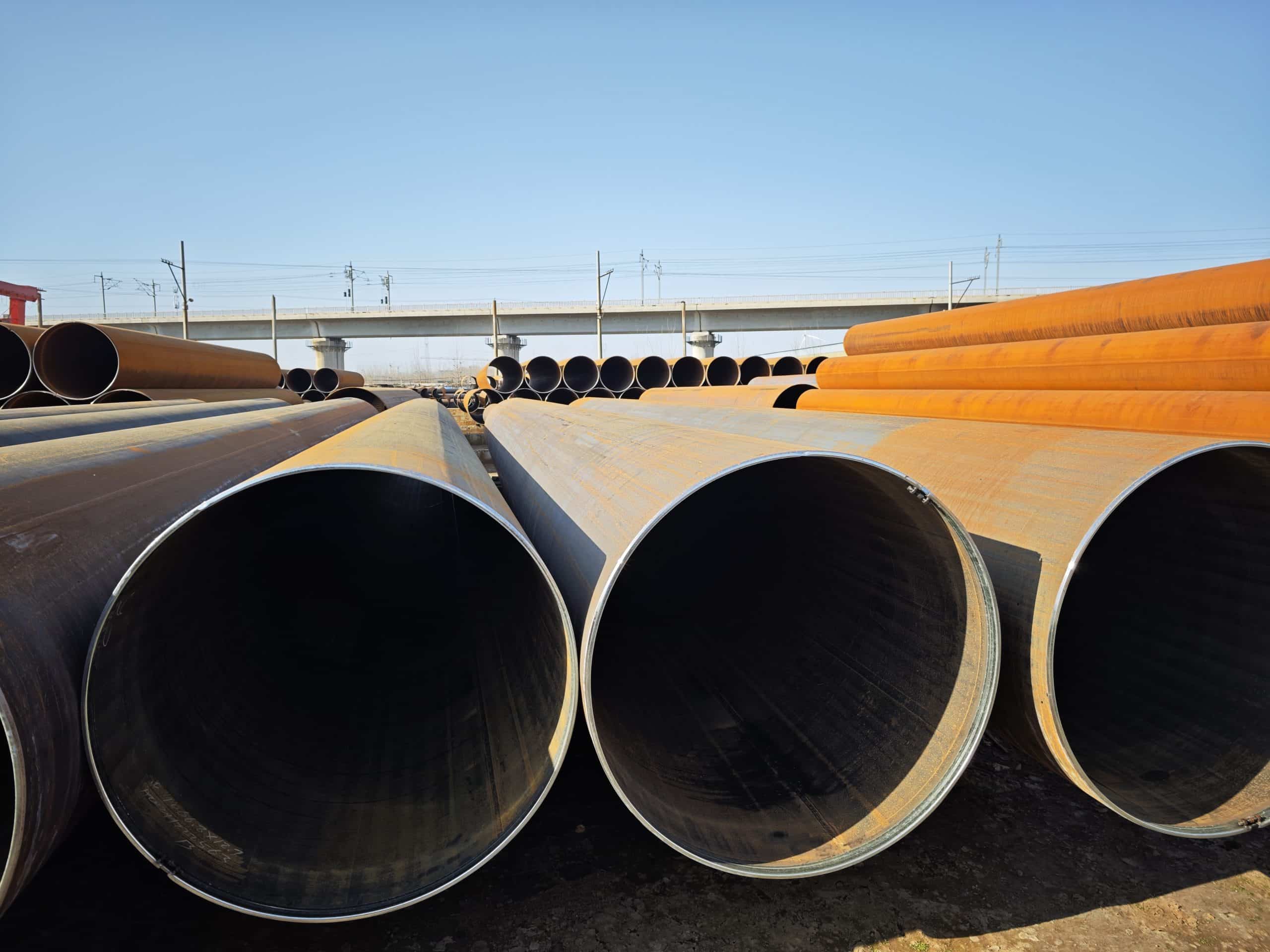
What Is ASTM A671 CC70 Pipe Used For?
ASTM A671 CC70 Definition and Scope
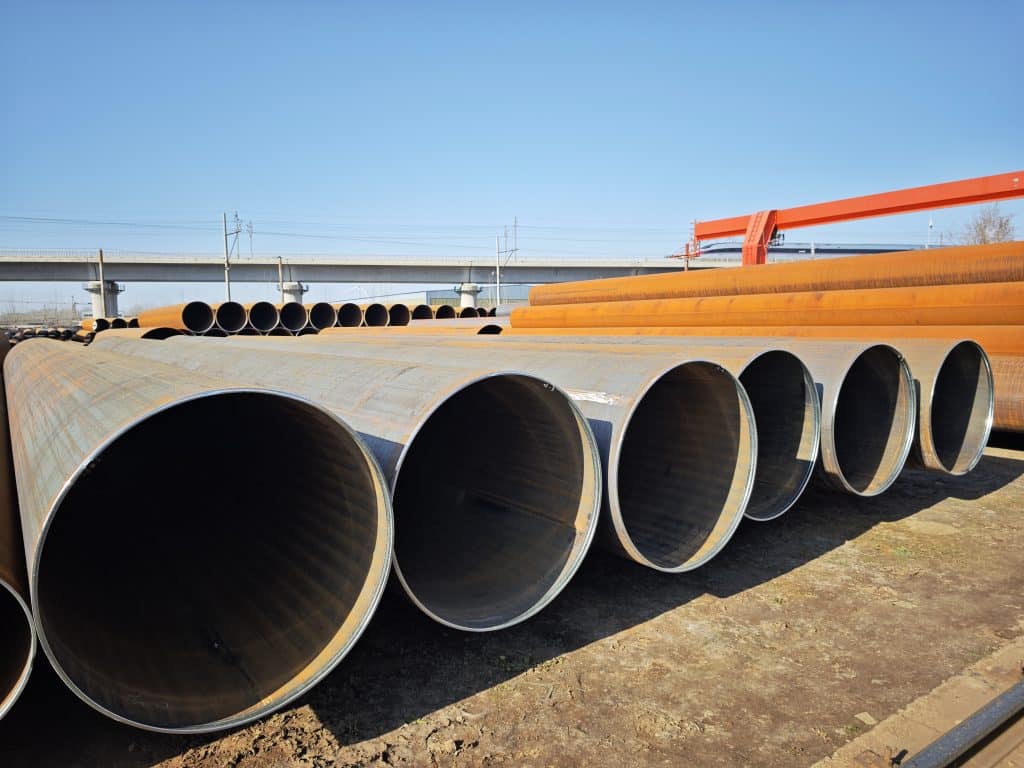
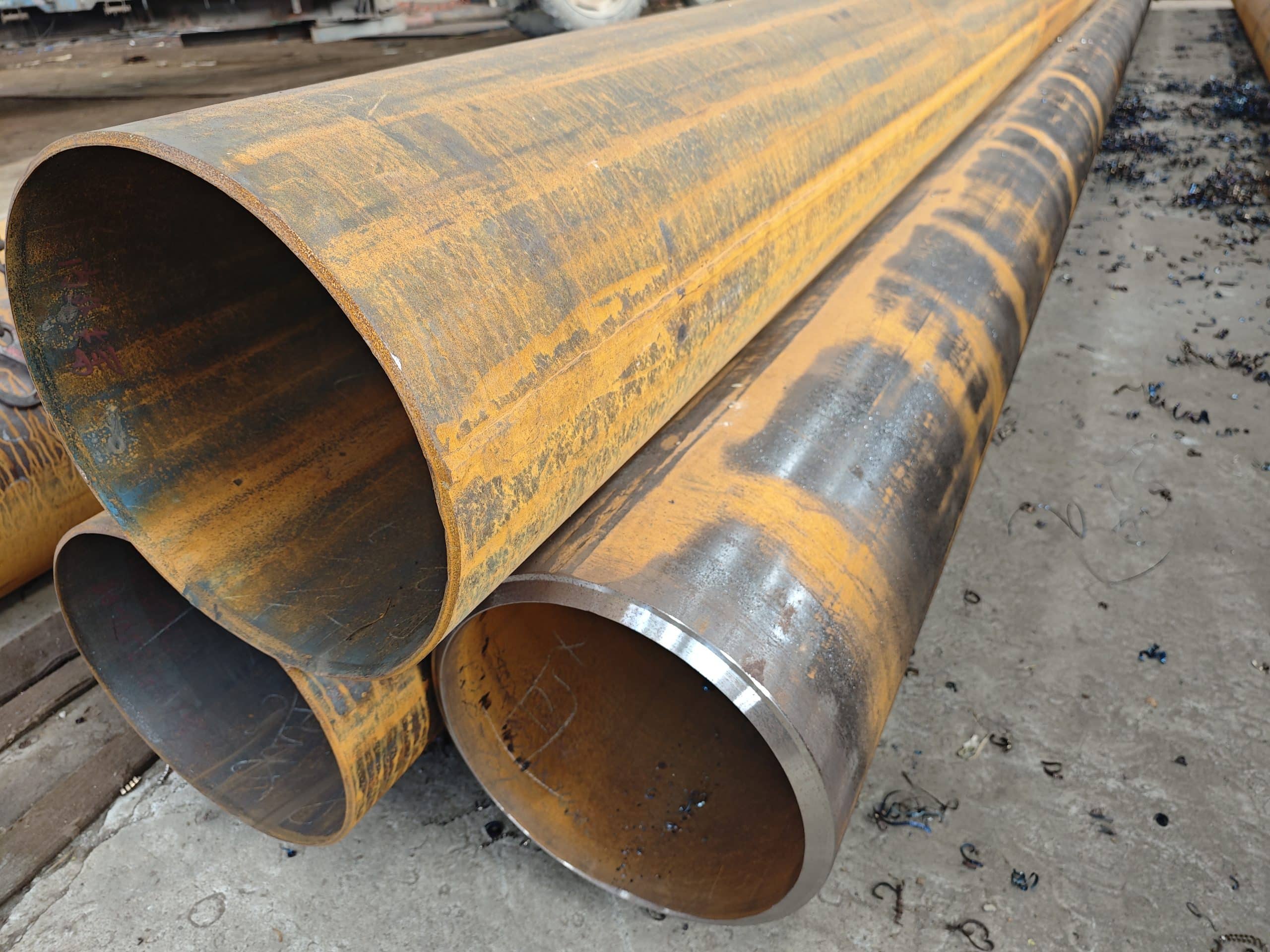
At room temperature and below, ASTM A671/A671M covers electric-fusion-welded steel pipe for pressure duty. ASTM A671 CC70 requires pressure-vessel-quality plates and pipe grades. EFW pipe is rolled from plate and longitudinally bonded with complete seam penetration; seamless pipe is extruded or pierced from billet. In CC70, “70” implies minimum 70,000 psi tensile strength and “CC” means manufacturing and heat-treatment method. Buyers should check letters and numbers as two classes might have the same strength objective but different impact-test temperatures.
Grade, Class, Size, and Schedule — What Is the Difference?
These four words are commonly confused in procurement papers, therefore a clear division helps rectify the sequence.
- Grades like CC70 indicate chemical family and base strength. It relates to the pipe-rolling plate standard.
- Class is the production condition, heat treatment, and additional test package applied to base grade. This might be Charpy testing and normalisation.
- Size is the exterior diameter and wall thickness in inches or millimetres. Class-specific hydrostatic design pressure is determined.
- Schedule refers to many diameters from various pipe standards. Ordering A671 pipe by outer diameter and wall thickness instead of schedule number is typical.
Mismatched deliveries may result from purchase order wording being muddled up. So buyers should list grade, class, OD, and wall thickness as four independent lines.
What ASTM A671 CC70 Is Not
A671 CC70 is confused with surrounding specs, therefore make the lines obvious.
- The A671 standard does not specify seamless pipe. Pierced billets with no longitudinal weld seams make seamless pipe.
- Not all API 5L line-pipe grade. A piping engineer must compare API 5L’s PSL1/PSL2 transmission line pipe testing levels before switching them.
- A cryogenic qualification isn’t guaranteed. CC70 doesn’t guarantee service at -100°C or -162°C; class, Charpy results, and design code determine that.
- A671 describes how to manufacture things and what materials to use, whereas ASME B31.3, B31.1, or the vessel code specifies wall thickness and pressure rating (American Society of Mechanical Engineers, 2022).
Typical ASTM A671 CC70 Applications
Most of the time, ASTM A671 CC70 pipe is used in lower-temperature and atmospheric process pipes, storage terminal lines, refinery units, and utility water systems. It can also be used as a shell for pressure vessels and heat exchangers. The plate-and-weld construction is similar to how most shops already make vessels.
| Buyer Type | Typical Requirement | Key Verification Point |
| Petrochemical EPC contractor | Large-diameter process piping matched to PMS class | 100% RT/UT reports, PMS cross-check, PQR/WPS file |
| Power plant EPC contractor | Circulating water and auxiliary piping, ASME B31.1 scope | Hydrostatic test report, wall thickness for 50mm+ duty |
| Pressure vessel fabricator | Shell courses replacing rolled-and-welded plate sections | Plate heat traceability, 3.1/3.2 MTC, RT film review |
ASTM A671 CC70 Chemical Composition and Mechanical Properties
Chemical Composition Requirements
What makes ASTM A671 CC70 work comes from the grade of pressure-vessel quality plate that the manufacturer chose and agreed upon with the buyer. The limits for carbon, manganese, phosphorus, and sulfur are based on the plate specification listed in the purchase order. This is usually a grade of carbon-manganese steel plate that is good for use in pressure vessels. Instead of using a generic textbook table, buyers should ask for the actual plate heat chemistry on the mill test certificate. This is because small changes in composition can affect how well the metal can be welded and how tough it is.
Tensile and Yield Strength Properties
CC70 aims for a minimum tensile strength of around 70,000 psi (485 MPa), and the yield strength is based on the plate specification and class. The same plate reference is used for elongation requirements. The allowable stress tables in ASME B31.3 and B31.1 piping calculations are based on these numbers. This means that a piping engineer needs the exact certified values, not just the class label, to decide on the wall thickness.
Why Pressure Vessel Quality Plate Matters
Pressure-vessel-quality plate is tested for cleanliness and ultrasonic waves more thoroughly than standard structural plate. This is significant because ASTM A671 CC70 pipe carries pressure loads across a welded seam, and any plate-level lamination or inclusion turns into a weak point after it has been rolled and welded. LONGMA makes sure that every plate coil or sheet used to make A671 has a recorded heat number that stays connected to the finished pipe serial number until the final inspection.
ASTM A671 CC70 vs CC60, CC65, CD70, CE60 and CE65: Choosing the Right Class
CC60 vs CC65 vs CC70
The basic process for making CC60, CC65, and CC70 is the same, but their minimum tensile strength is about 60,000, 65,000, and 70,000 psi, respectively. For the same pressure rating, walls that are thinner are possible with higher strength classes. This can save steel weight and freight costs on long runs with a lot of diameters. On the other hand, welding and heat treatment control may need to be tighter for stronger plates to keep their toughness.
CD70 and CE60/CE65 for Lower Temperature Service
On top of the base strength class, CD70, CE60, and CE65 have stricter impact test requirements. These are meant to be used at lower design temperatures than plain CC classes. When the design minimums are -29°C or lower, projects usually choose CD or CE classes over CC classes. This is because the Charpy test temperature and energy needs go up as a result. People make the mistake of assuming that “CC70 covers cold service” without reading the fine print because of this difference.
Which Class Fits Your Project? A Decision Table
The design minimum temperature and governing design code are the first things that are looked at when matching a class to a project. Next, the strength is compared to the wall thickness targets.
| Class | Approx. Min. Tensile | Typical Service Temperature Range | Common Use |
| CC60 | 60,000 psi | Atmospheric and above | General process and utility piping |
| CC65 | 65,000 psi | Atmospheric and above | Medium-pressure process lines |
| CC70 | 70,000 psi | Atmospheric and above | Higher-pressure process and refinery piping |
| CD70 | 70,000 psi | Down to lower sub-zero range | Cold climate and some refrigerated service |
| CE60/CE65 | 60,000-65,000 psi | Lower sub-zero range | LNG-adjacent and cold storage piping |
If a piping engineer wants to lock in a class, they should check the exact Charpy test temperature in the project PMS (piping material specification) against the class table in ASTM A671/A671M.
Quality Testing and Inspection for ASTM A671 CC70
100% Radiographic and Ultrasonic Testing
Radiographic testing (RT) uses X-rays or gamma images to look inside the weld seam for flaws like holes, poor fusion, or cracks. When ultrasonic testing (UT) is done, sound waves are sent through the weld and the base metal to find flaws that film radiography might miss, especially in pipes with thicker walls. For ASTM A671 CC70 pipes used in petrochemical or power plants, EPC buyers expect 100% RT plus 100% UT on every weld length as standard, not as an extra.
Hydrostatic Testing Requirements
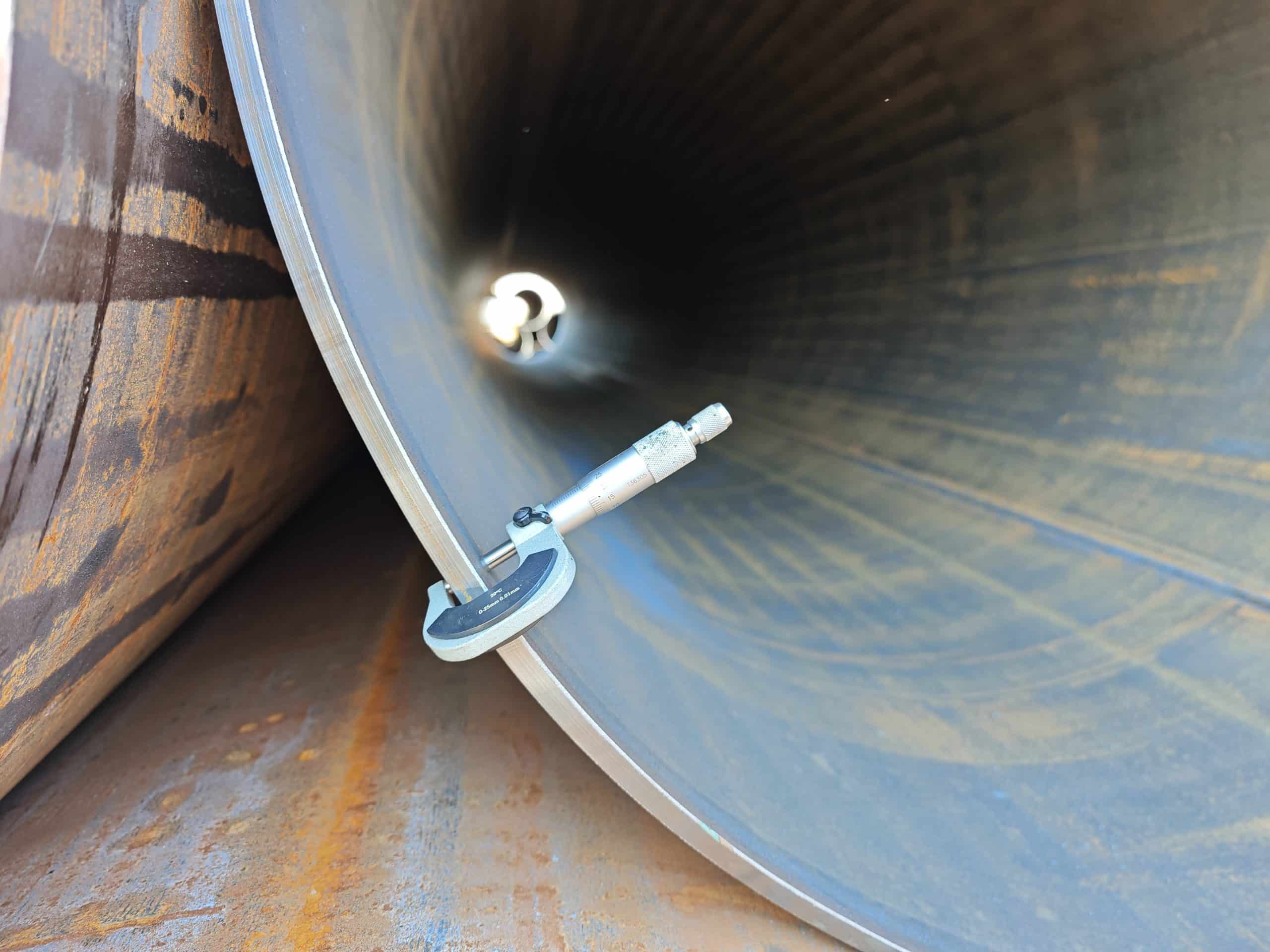
In hydrostatic testing, water is pumped into the finished pipe and the pressure is raised above the design pressure for a certain amount of time. This makes sure that the pipe and weld can hold the pressure without leaking or deforming. Before paying for something, buyers usually ask for a hydrostatic test report that is linked to the pipe’s serial number, along with RT and UT reports.
EN 10204 3.1 vs 3.2 Mill Test Certificates
EN 10204 defines metal products inspection documents. The manufacturer’s quality department checks 3.1 certificates. A 3.2 certificate adds third-party inspector or buyer’s representative verification. Many LNG and high-pressure projects’ contracts demand this (British Standards Institution, 2004).
The difference between these two certificates is more than it seems.
- EN 10204 3.1 certifications, signed by a certified manufacturer representative, verify that the manufacturer’s test results fulfil order specifications. This level fulfils most industrial plumbing needs without increasing cost or time.
- SGS, Bureau Veritas, or TÜV sign EN 10204 3.2 certifications to validate the same findings after an independent evaluation. LNG lines near nuclear power plants, high-risk lines, or those that need to be safe need this category.
Buyers should put down the certification level they require in the purchase order from the outset, as moving from 3.1 to 3.2 during manufacturing costs more and takes longer.
Real Project Applications: Where ASTM A671 CC70 Gets Used
Petrochemical EPC Case Study
A petrochemical EPC contractor working on an expansion of a refinery in the Gulf needed 36-inch EFW pipe rated to CC70 class for a cooling water header and CD70 for a section that ran next to a refrigeration unit. Both classes were supplied by LONGMA from the same production run. They came with 100% RT/UT and 3.2 certificates that were signed by a Bureau Veritas inspector. The common sizes were delivered within a 30-day window, which the contractor said kept the piping package on track and prevented it from becoming a bottleneck.
Power Plant Circulating Water Pipeline Case
A combined-cycle power plant project in Indonesia called for circulating water pipes with walls that were at least 40 mm thick. During a site coordination call, the project’s QA/QC manager told LONGMA’s project team, “We’ve been burned before by mills that could roll the diameter but couldn’t keep the thick wall flat.” It’s just as important that the dimensions of a pipe that’s more than 1,000 mm long stay stable as the quality of the weld. To make sure that the project’s ovality tolerance was met across the entire order, LONGMA’s production team changed the rolling sequence and used staged UT checks in between forming passes.
Pressure Vessel Shell Fabrication Use Case
A medium-sized pressure vessel builder in Eastern Europe stopped rolling plates in-house and started buying ASTM A671 CC70 pipe sections directly for the shell courses of the vessels. The fabricator cut down on the time it took to inspect and fix shell seams by buying pipe that had already been rolled and tested, and 100% of the RT process was complete. This is because the incoming material already had the weld quality checked, so the fabricator didn’t have to roll and test the pipe from raw plate.
ASTM A671 CC70 vs Seamless Pipe and API 5L Line Pipe: Supplier Evaluation Guide
Seamless Pipe vs ASTM A671 CC70 EFW Pipe
Some purchasers believe seamless pipe is stronger since it’s manufactured from a solid billet without a longitudinal weld. In real life, an ASTM A671 CC70 pipe that has been correctly welded and tested with full penetration welds and 100% RT/UT coverage guaranties weld integrity, unlike a seamless pipe’s body, which isn’t tested uniformly. EFW is the norm for diameters beyond 24 inches, regardless of strength, since seamless fabrication is less useful.
API 5L vs ASTM A671: Which Specification Applies?
Pipeline transport duty is tested at API 5L PSL1 and PSL2 levels, according to the American Petroleum Institute (2023). ASTM A671 covers pressure pipes and applications near pressure vessels manufactured of pressure vessel-quality plate. It has varied toughness and certification rules. Pipeline engineers should review the project code and PMS before using one standard over another. They have comparable but distinct purposes.
Procurement Checklist: What to Verify Before You Order
A brief guide helps buyers avoid the most frequent A671 CC70 order blunders.
- Before acquiring a price, check the class (CC60/CC65/CC70/CD70/CE60/CE65) against the project PMS and get the Charpy test temperature and energy value in writing as class names don’t always indicate cold service suitability.
- Request plate heat number linking to final pipe and 100% RT and 100% UT reports for each weld length. Request a hydrostatic test report for each pipe serial number.
- Make sure the certification is EN 10204 3.1 or 3.2 immediately and know whether the mill needs a third-party source check (SGS, BV, or TÜV) before export. This generally takes longer later.
- Compare the delivery lead time to project milestones and request bespoke length and bevel-end to reduce the field welding scope on-site.
These four inspections address most technical and procedural issues that cause shipments to be rejected or major pipe orders to be late.
Why LONGMA for ASTM A671 CC70 Procurement
Since 2003, LONGMA has produced ERW and LSAW steel pipes with registered capital of 176 million RMB and a 230,000 m² facility. 500,000 tons of large-diameter thick-wall DSAW, LSAW, and ERW pipe per year, supported by 60+ senior professionals. AMOTIC, SINOPEC, CNPC, PEMEX, PDVSA, and PTTEP are clients. LONGMA fulfils ASTM A671 CC70 EPC documentation requirements. Popular sizes ship in 30, custom in 45 days or stock in 7 days. Complete batch and heat number tracking from plate to delivery.
Conclusion
ASTM A671 CC70 gives EPC contractors and vessel builders a fully tested plate-based pipe option for service at room temperature and lower pressures. Grade name is not the only thing that matters. The class you pick, the impact test temperature, and the testing package that comes with the order are also very important. These two mistakes are avoided by buyers who check the class-to-PMS match, demand 100% RT/UT, and make sure they have the right EN 10204 certificate level. The above case studies show that getting these details right not only saves time and money, but also cuts down on compliance paperwork.
FAQ
What does CC70 mean in ASTM A671?
The CC70 standard says what kind of pipe can be made and what its minimum tensile strength, in psi, must be for electric-fusion-welded pipes made under ASTM A671/A671M from pressure-vessel-quality plate.
Is ASTM A671 CC70 the same as seamless pipe?
No. CC70 pipe is rolled from a plate and fusion-welded along a longitudinal seam. Seamless pipe, on the other hand, is made from a billet that has been pierced and has no weld seam at all.
Can ASTM A671 CC70 be used for LNG piping?
Most of the time, plain CC70 is not enough to cover LNG’s -162°C range. Most projects that need to be done at that temperature call for CE60, CE65, or an extra low-temperature impact test program.
What testing should buyers require for ASTM A671 CC70 pipe?
There must be a hydrostatic test report, an EN 10204 3.1 or 3.2 mill test certificate tied to the plate heat number, and 100% radiographic testing for most EPC buyers.
Get a Technical Quote for Your ASTM A671 CC70 Project
You take a big risk when you buy pressure pipe for a cold-service line or when you’re on a tight project schedule. This is because the class, testing, or documentation may not match your PMS. LONGMA is an ASTM A671 CC70 manufacturer that can fully trace from plate to pipe, do 100% RT/UT, and support EN 10204 3.1/3.2 certification for EPC and vessel fabrication buyers in the Americas, Southeast Asia, and the Middle East. Please send your project’s PMS and size list to info@ilongma.com. Within two business days, LONGMA’s technical team will get back to you with a class suggestion and quote.