- 1. What ASTM A691 Specifies
- 2. Cr-Mo Grades and Their Plate Materials
- 3. How ASTM A691 Classes Work
- 4. Heat Treatment and Welding Quality
- 5. Mechanical Testing, NDE and Hardness
- 6. Dimensions, Tolerances and End Preparation
- 7. Traceability and Inspection Documentation
- 8. Selecting the Right Grade and Class
- 9. LONGMA Manufacturing Information
- 10. Conclusion
- 11. FAQs
- 12. Request a Technical Quotation
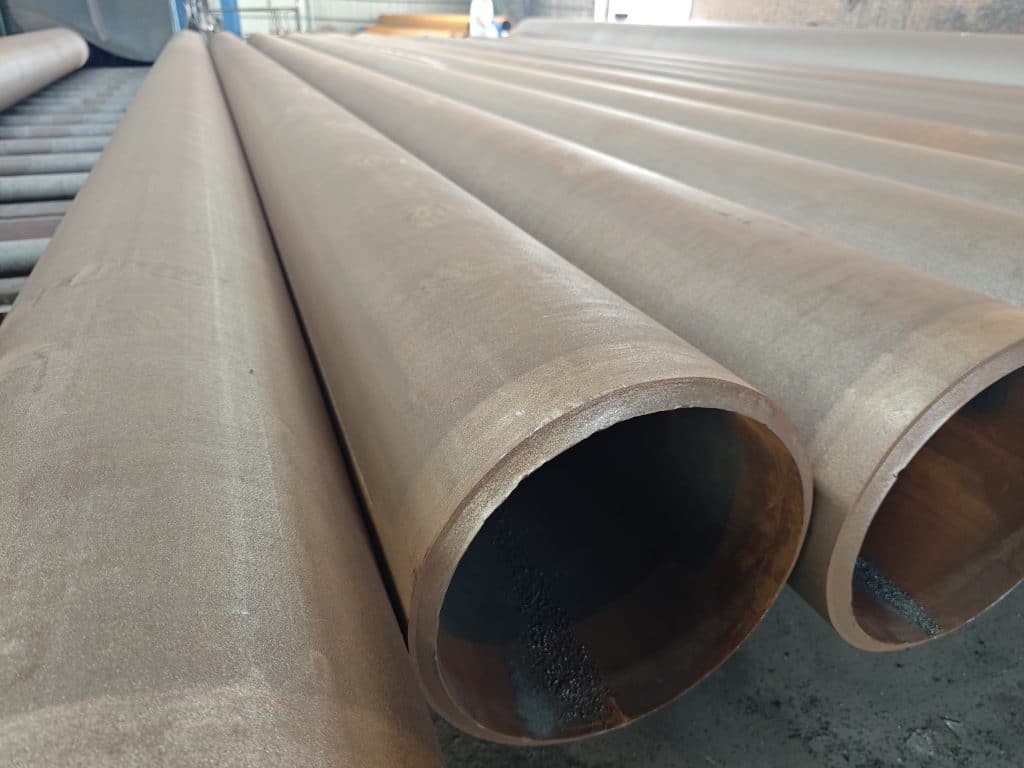
ASTM A691 chrome-moly welded pipe is electric-fusion-welded (EFW) pipe made from pressure-vessel-quality alloy-steel plate with filler metal added. The specification covers pipe for high-pressure service at high temperatures. Two designations are essential when ordering: the grade identifies the plate material, and the class identifies the pipe heat treatment, radiographic examination and pressure-test requirements.
What ASTM A691 Specifies
ASTM A691/A691M covers carbon and alloy steel EFW pipe fabricated from pressure-vessel-quality plate. The standard establishes requirements for materials, manufacture, dimensions, testing, examination and acceptance. The exact edition stated in the purchase order governs the order; confirm any project amendments or supplementary requirements before production.
ASTM A691 is not a standalone piping design code and does not provide a universal pressure rating for every grade and size. The design must be checked under the applicable construction code and project design conditions.
Cr-Mo Grades and Their Plate Materials
For the Cr-Mo grades covered in this guide, the corresponding plate designations are summarized below. Confirm the material designation against the applicable edition of ASTM A691/A691M and the referenced plate specification.
| A691 grade | A387/A387M plate grade | Nominal composition |
| 1Cr | Grade 12 | 1Cr–0.5Mo |
| 1-1/4Cr | Grade 11 | 1-1/4Cr–0.5Mo |
| 2-1/4Cr | Grade 22 | 2-1/4Cr–1Mo |
| 3Cr | Grade 21 | 3Cr–1Mo |
| 5Cr | Grade 5 | 5Cr–0.5Mo |
Chromium and molybdenum affect oxidation resistance and elevated-temperature properties, but a higher chromium content does not automatically make one grade suitable for every more severe service. Grade selection must consider the actual design temperature, pressure, process environment, applicable code allowable stresses, heat treatment and damage mechanisms.
How ASTM A691 Classes Work
The class designation specifies the pipe heat treatment and whether radiographic examination and pressure testing are required. The first digit identifies the heat-treatment category; the complete two-digit class must be checked in the standard because the second digit is not simply a universal shorthand for ‘none, full or spot’ radiography.
| Class family | Heat treatment |
| 10–13 | No pipe heat treatment |
| 20–23 | Stress relieved |
| 30–33 | Normalized |
| 40–43 | Normalized and tempered |
| 50–53 | Quenched and tempered |
For ASTM A691, the final digit has a defined pattern within each heat-treatment family: 0 means neither radiography nor the Section 8.3 pressure test; 1 means radiography under Section 9 only; 2 means radiography under Section 9 plus the Section 8.3 pressure test; and 3 means the Section 8.3 pressure test without radiography. For example, Class 22 requires stress relieving, radiographic examination under Section 9 and pressure testing under Section 8.3. It is incorrect to describe Class 22 as stress relief with spot radiography. Always use the full class designation on the RFQ, drawings and purchase order.
Heat Treatment and Welding Quality
Heat treatment must follow the ordered class and the applicable standard requirements. Stress relieving, normalizing, normalizing and tempering, and quenching and tempering are different heat-treatment routes. The correct route depends on the grade, class and specified mechanical-property requirements. Furnace records should be traceable to the relevant pipe or production identification.
The EFW longitudinal seam is produced using an electric welding process with filler metal added. Welding procedures and personnel qualifications must comply with the applicable code and contract requirements. ASME BPVC Section IX applies when invoked by the governing code or purchase specification; it should not be represented as an automatic substitute for all product-standard requirements.
Mechanical Testing, NDE and Hardness
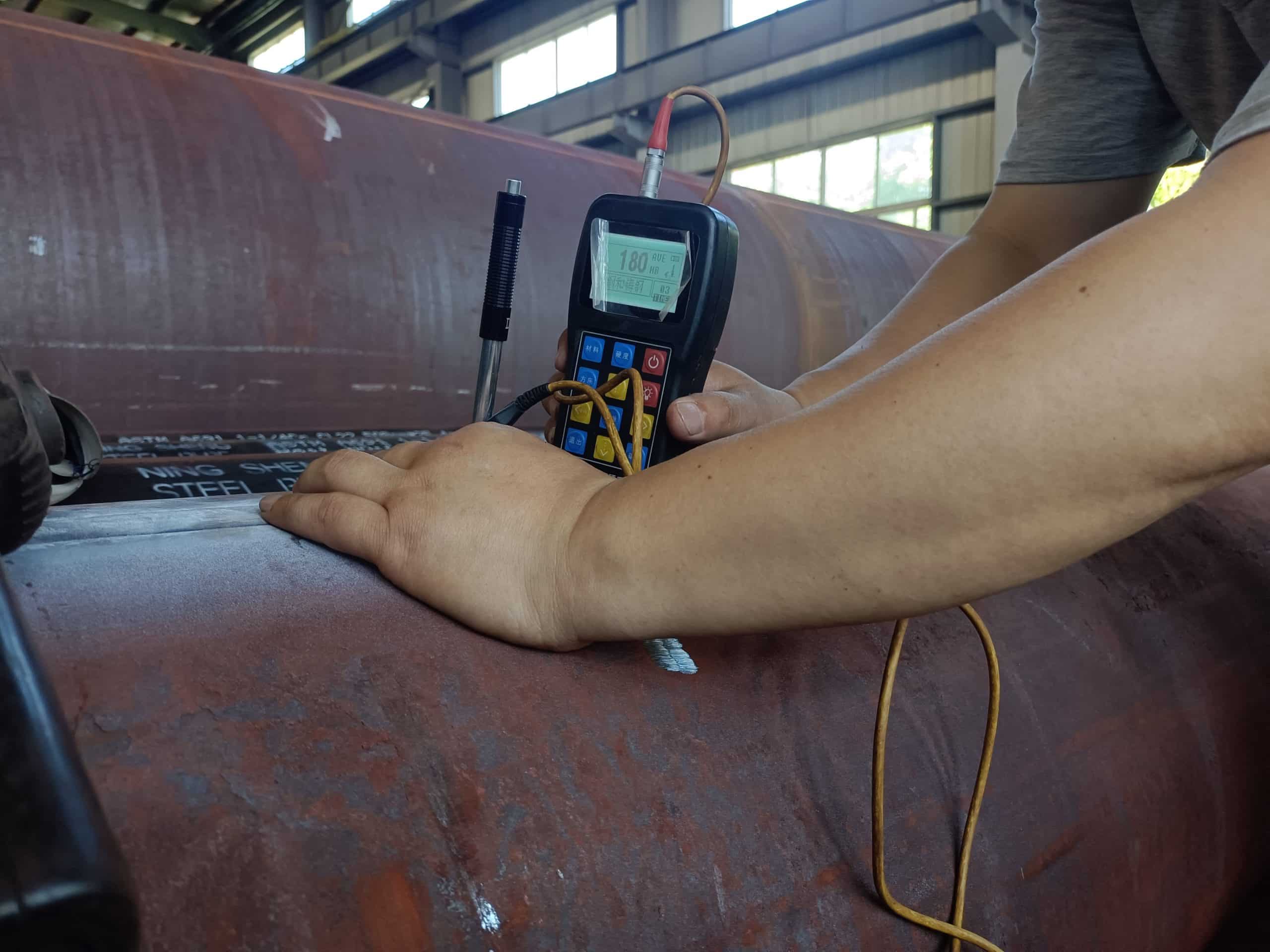
ASTM A691 specifies mechanical testing and examination requirements according to the ordered grade and class. Radiographic examination and pressure testing are class-dependent. Additional ultrasonic, magnetic-particle or liquid-penetrant examination, impact testing or hardness testing should be specified when required by the project, code or supplementary purchase requirements.
For sour service, ISO 15156/NACE MR0175 must be applied to the specific material, product form, heat-treatment condition and H₂S-containing environment. It is not accurate to state that all carbon and low-alloy steel pipe is subject to one universal 22 HRC limit. The applicable material category, environmental limits and acceptance requirements must be checked in the relevant standard and project specification.
Dimensions, Tolerances and End Preparation
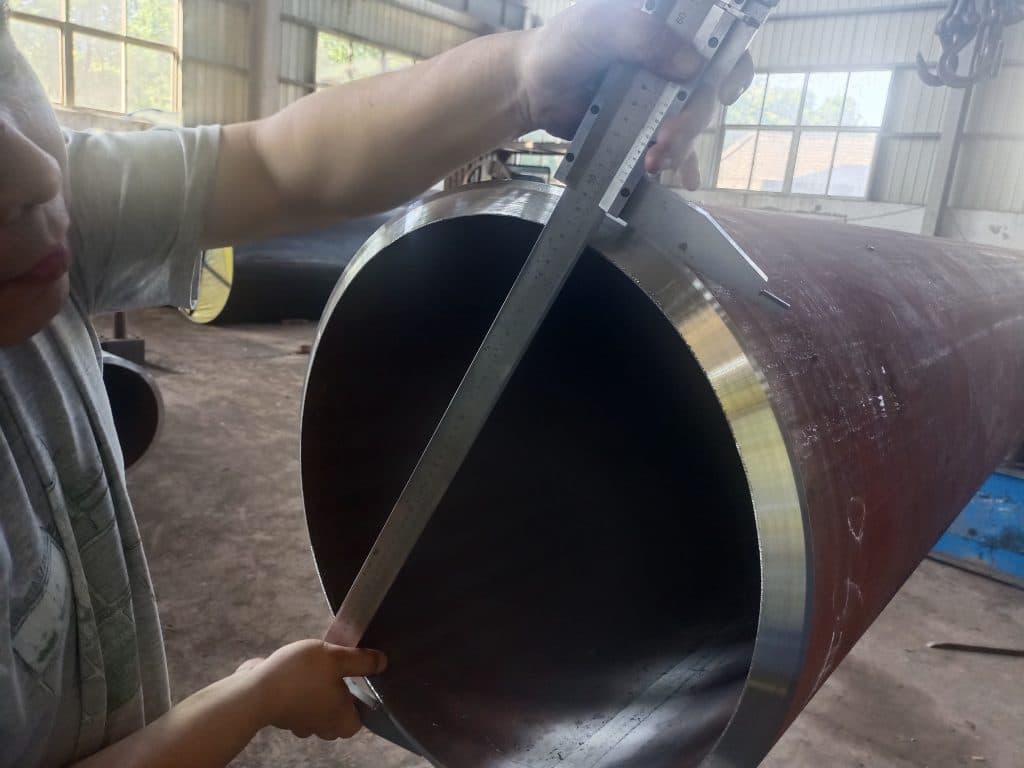
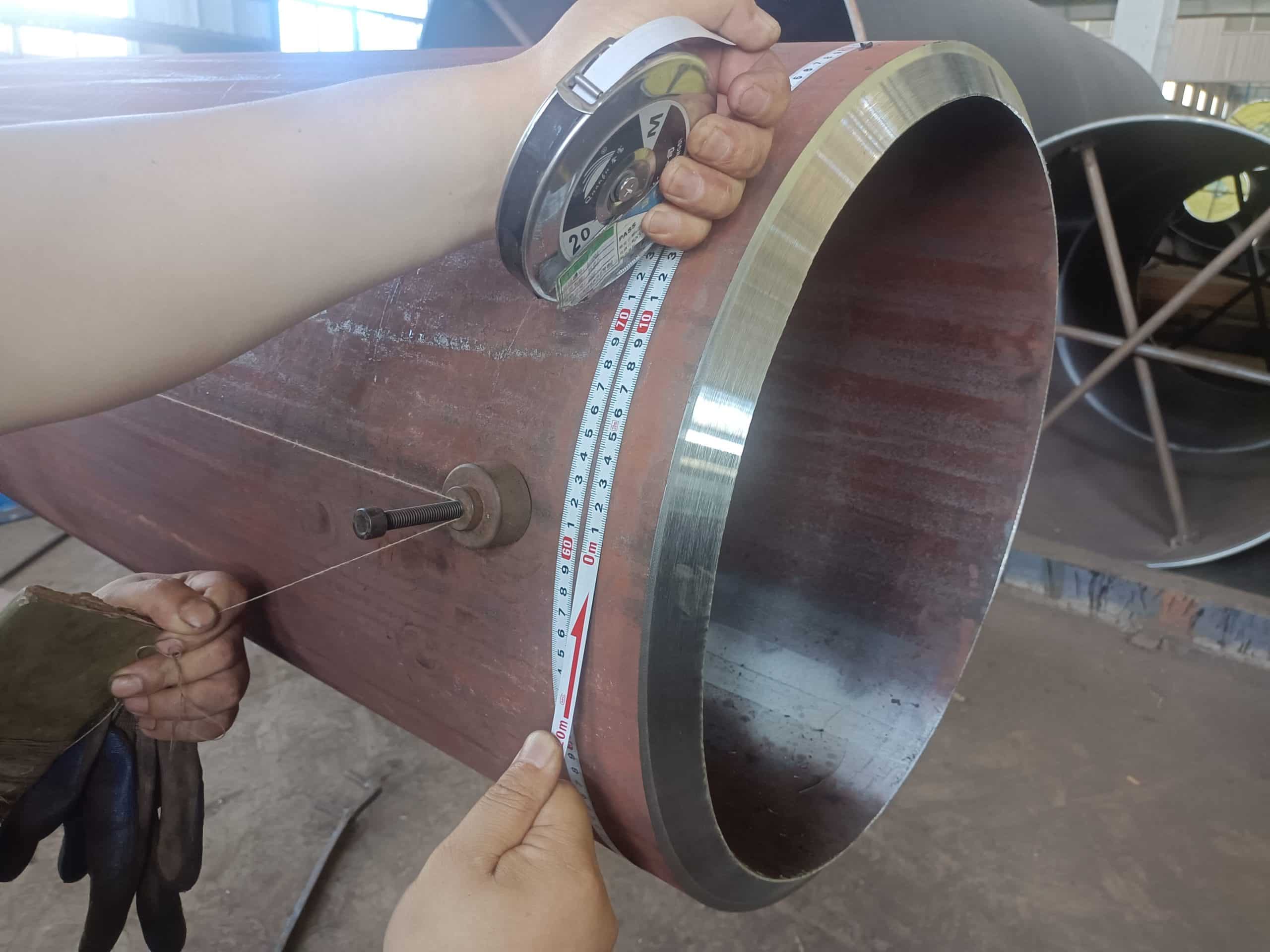
LONGMA’s stated range for this product category is round pipe with outside diameters from 406.4 mm (16 in.) to 1422.2 mm (56 in.), wall thicknesses from 7.92 mm to 75 mm, and lengths from 3 m to 18 m. Confirm the required dimensions and availability for each order.
The purchase specification should state outside diameter, wall thickness, length, end preparation and applicable tolerances. ASTM A691 refers to general requirements in ASTM A530/A530M where applicable. Butt-welding end preparation may be specified by ASME B16.25 when required by the project. Wall thickness design is determined by the governing code and design conditions, not by the pipe specification number alone.
Traceability and Inspection Documentation
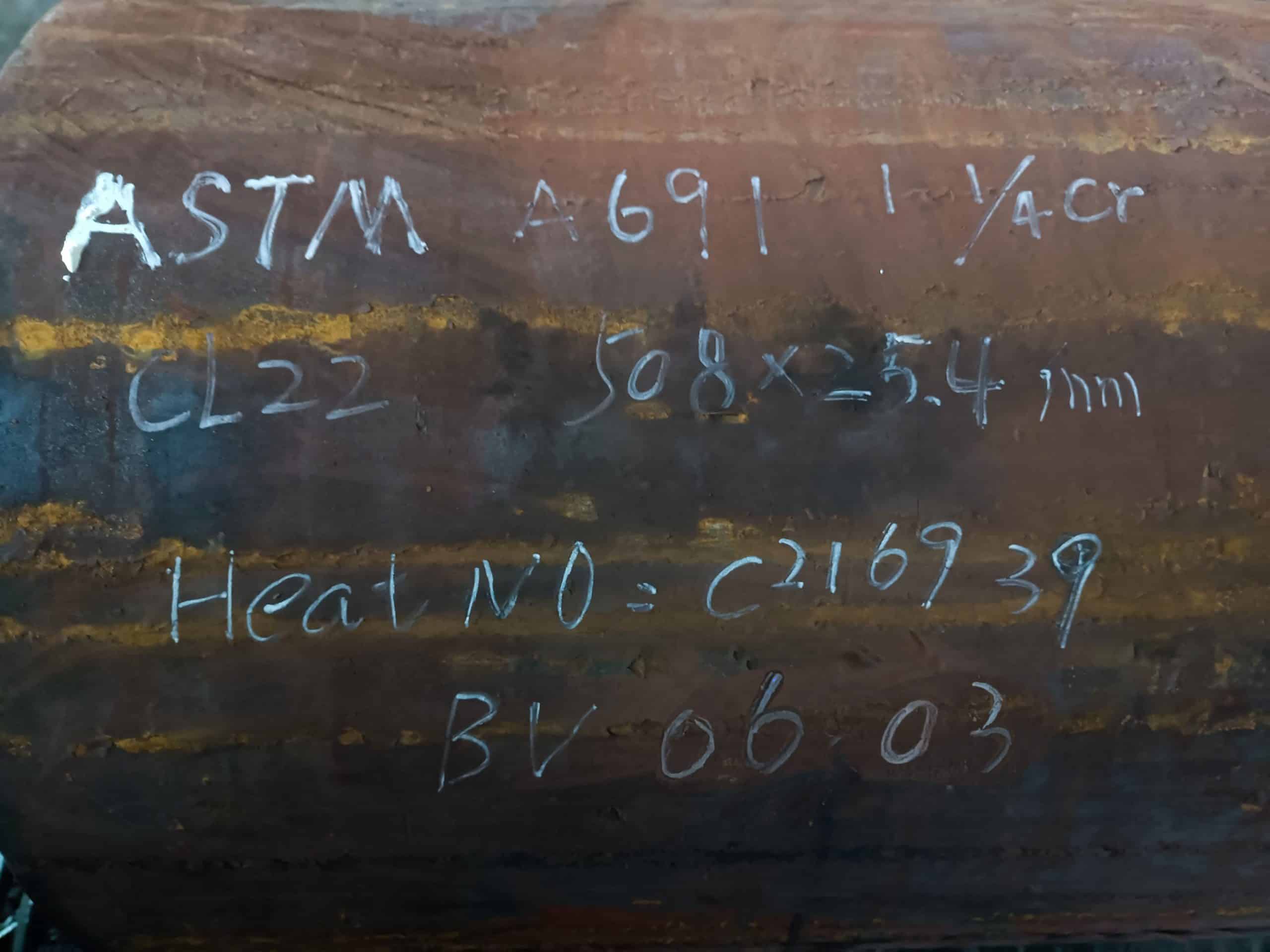
Agree on the inspection and test plan before production. Depending on the ordered class and project requirements, the document package may include heat-specific material test reports, heat-treatment records, radiographic or other NDE reports, pressure-test records, dimensional inspection reports, marking records and packing documentation. Each record should be traceable to the relevant heat and pipe identification.
Specify the required certificate type, such as EN 10204 3.1 or 3.2 where applicable, and identify any third-party inspection, witness or hold points in the purchase documents. Do not assume that a supplementary examination or certificate is included unless it is stated in the order.
Selecting the Right Grade and Class
Start with the design pressure, design temperature, process fluid, corrosion allowance, thermal cycling and applicable construction code. Assess hydrogen or sour-service exposure separately under the relevant materials guidance. The material engineer should confirm the grade and class against the design conditions and the project specification.
A purchase order should identify the full ASTM designation and edition, grade, class, dimensions, end preparation, test and examination scope, acceptance criteria, inspection requirements and documentation. A description such as ‘2-1/4Cr pipe’ is not sufficient because it does not define the class or all purchase requirements.
LONGMA Manufacturing Information
LONGMA has stated that its steel-pipe manufacturing experience dates to 2003. Its reported factory area is 230,000 m² and annual output exceeds 500,000 tonnes. LONGMA manufactures round ERW and LSAW steel pipes only; square and rectangular pipes are not part of its product range. The stated ASTM A691 product dimensions are 406.4–1422.2 mm outside diameter, 7.92–75 mm wall thickness and 3–18 m length. Confirm grade, class and production feasibility for the specific inquiry.
Conclusion
ASTM A691 grade and class define different but equally important aspects of Cr-Mo EFW pipe. The grade identifies the plate material, while the class defines heat treatment, radiographic examination and pressure testing. Correct procurement depends on specifying both designations and aligning them with the applicable standard edition, construction code, design conditions and inspection plan.
FAQs
What does the grade mean in ASTM A691?
The grade identifies the type of pressure-vessel-quality plate used to manufacture the pipe, including its specified chemical and mechanical requirements.
What does the class mean in ASTM A691?
The class identifies the pipe heat treatment and whether radiographic examination and pressure testing are required. Check the complete class entry in the applicable edition.
What does ASTM A691 Class 22 require?
Class 22 specifies stress relieving, radiographic examination under Section 9 and pressure testing under Section 8.3. It should not be described as spot radiography.
Does ASTM A691 require hardness testing for every pipe?
Do not assume a universal hardness-testing requirement for every order. Check the product standard, applicable code, project specification and any supplementary requirements.
Which dimensions does LONGMA state for its ASTM A691 pipe range?
The stated range is 406.4–1422.2 mm outside diameter, 7.92–75 mm wall thickness and 3–18 m length. Confirm availability and the required grade and class for each inquiry.
Request a Technical Quotation
For a quotation, send the required ASTM edition, grade, class, outside diameter, wall thickness, length, quantity, inspection scope and delivery destination to info@ilongma.com. LONGMA can review the stated requirements and respond with the relevant technical and commercial information.