What ASTM A671 EFW Pipe Is
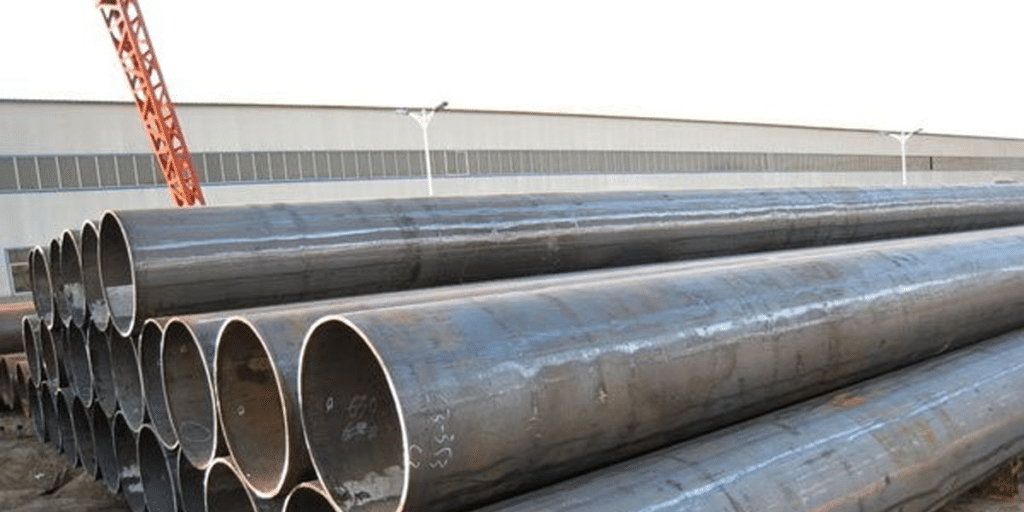
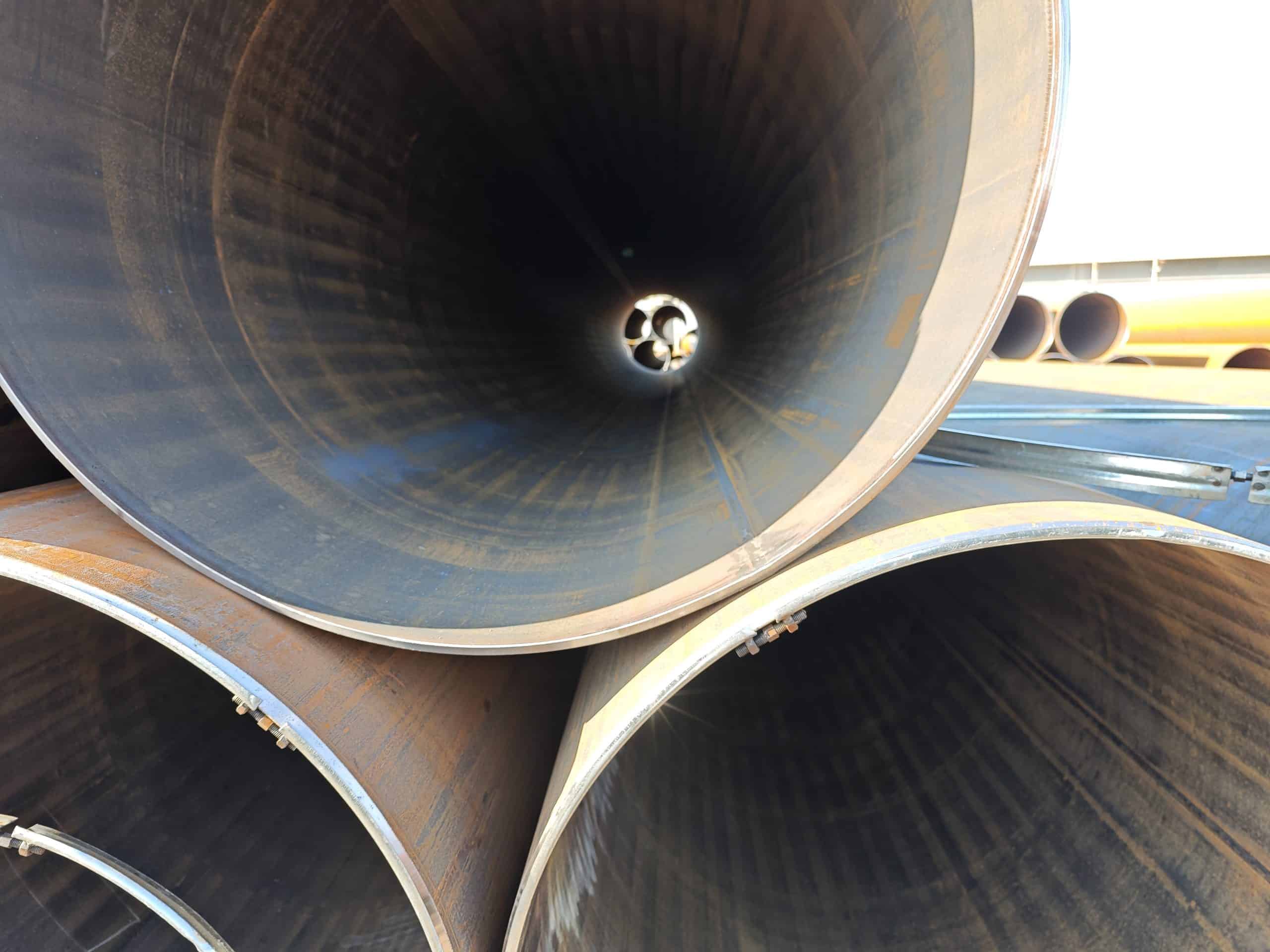
ASTM A671/A671M covers electric-fusion-welded steel pipe manufactured from pressure-vessel-quality plate for atmospheric and lower-temperature service. The plate is formed into a cylindrical body and joined using a fusion-welding process. The longitudinal manufacturing seam is examined and the finished pipe is supplied under a specified grade and class. Grade identifies the relevant plate material, while class describes manufacturing, heat-treatment and examination requirements. A671 pipe should not be confused with seamless pipe, which is manufactured without a longitudinal weld. Field welding introduces new circumferential joints that are distinct from the mill longitudinal seam and require their own qualification, inspection and acceptance.
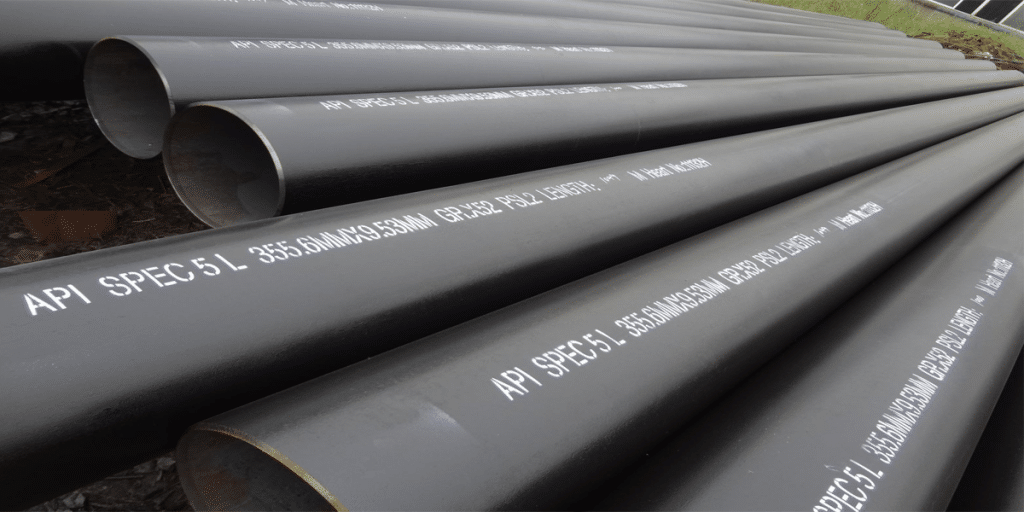
Because the longitudinal seam is produced at the mill, field welding usually concerns circumferential girth joints connecting pipe lengths, fittings or equipment. The factory seam and the field joint are different welds with different qualifications and inspection records. Before field fabrication, the team should verify the material test certificate, pipe marking, grade, class, wall thickness and any supplementary impact requirements. ASTM A671 identifies the product supplied; it does not, on its own, approve a field welding procedure or establish the completed system’s allowable pressure.
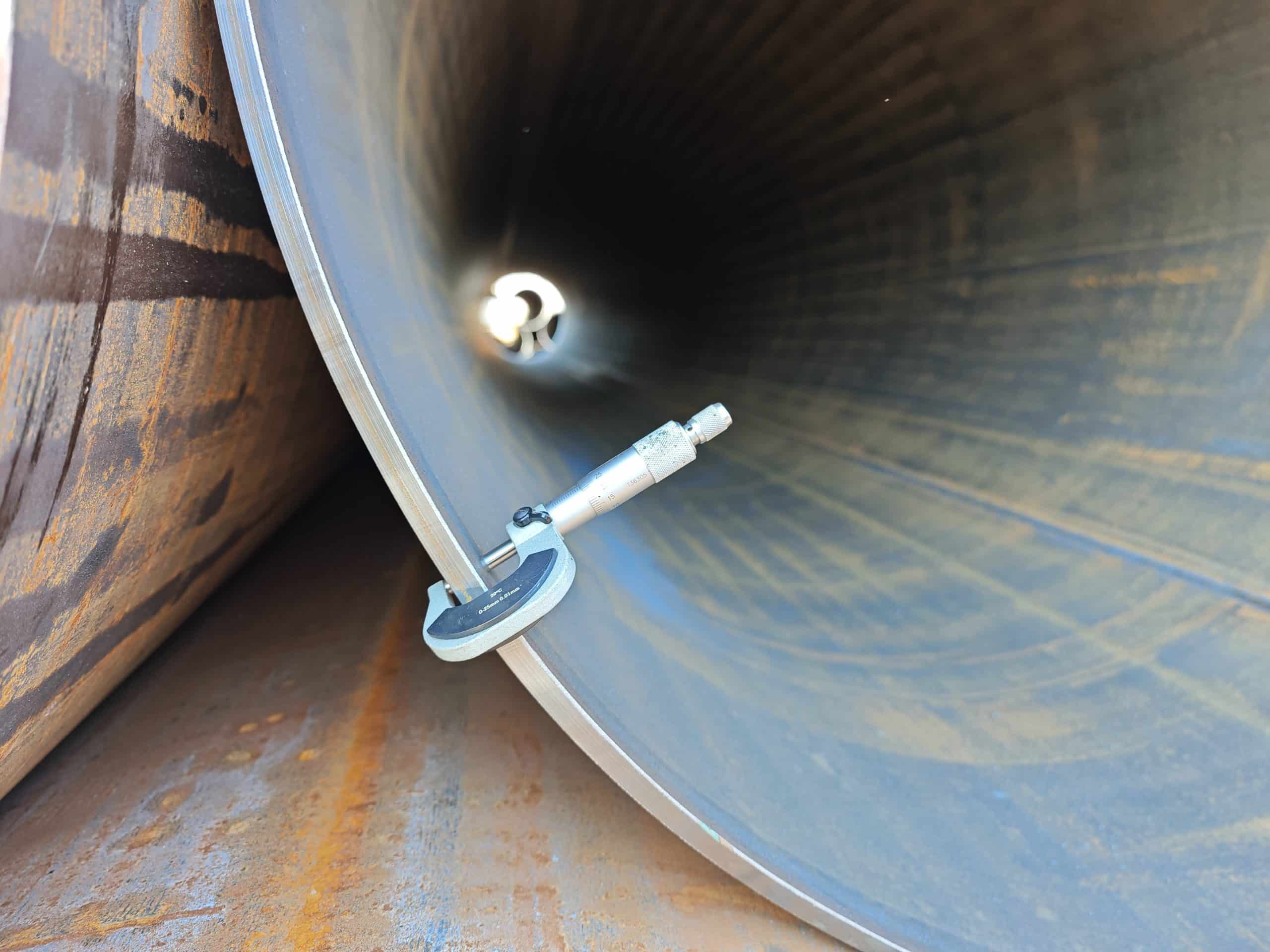
Can the Pipe Be Welded on Site?
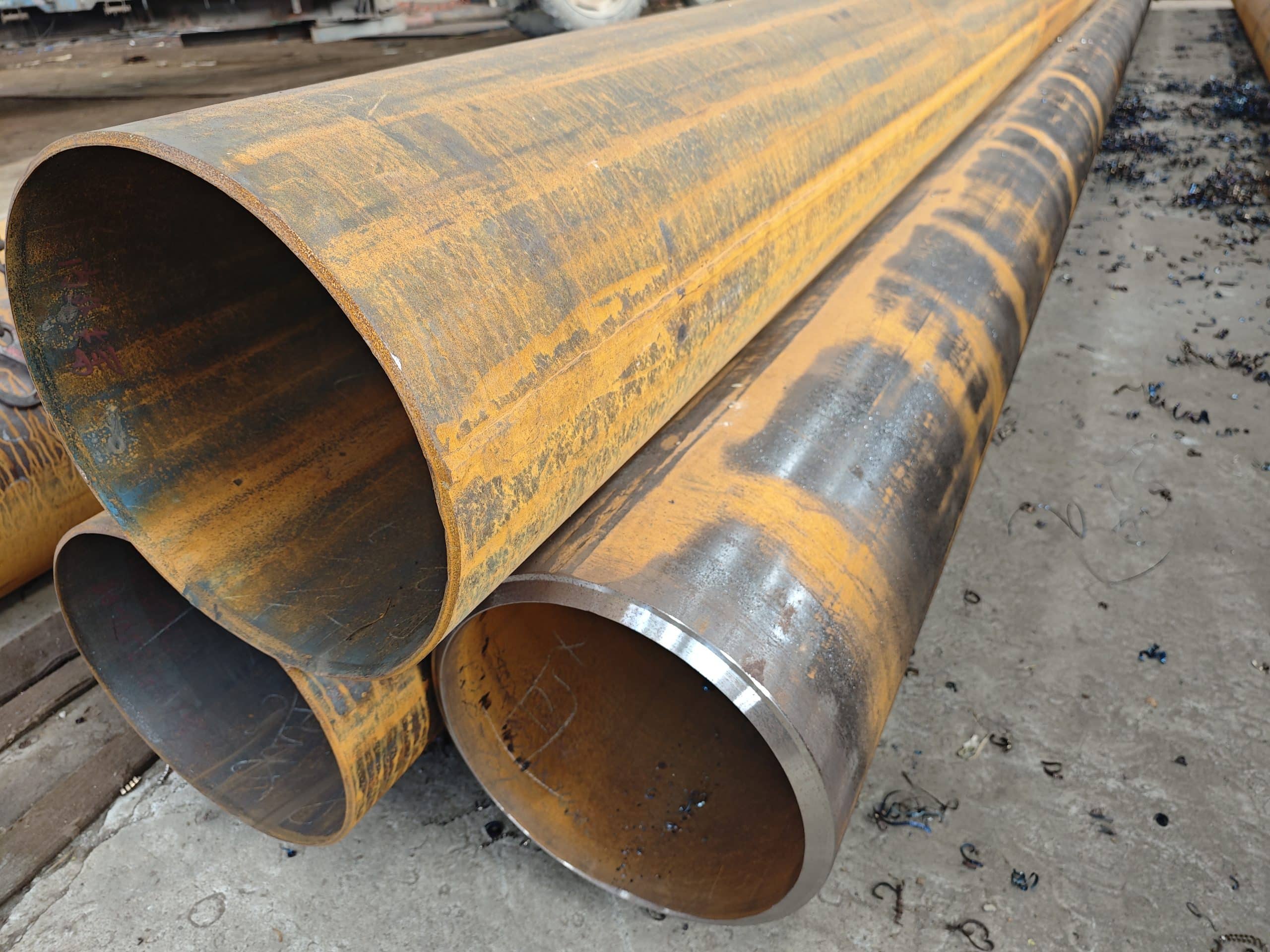
Yes. ASTM A671 EFW pipe can be field-welded when the material is suitable for the intended service and the work is performed to an approved, qualified welding procedure by appropriately qualified personnel. The ASTM product designation alone is not a field welding procedure. Before welding, the project team should confirm grade, class, heat identification, pipe dimensions, material condition and service temperature. Particular attention is needed where a field girth weld intersects or approaches the original longitudinal seam, or where repairs affect the original manufacturing weld. The applicable engineering and construction requirements should determine joint layout, fit-up, examination and any restrictions on seam intersections.
Applicable Welding Codes and Qualifications
For many process and power piping projects, ASME B31.3 or ASME B31.1 provides the construction requirements, while ASME BPVC Section IX supplies rules for qualifying welding procedures and welding personnel where invoked by the construction code. Pipeline projects may invoke API 1104 or another accepted welding standard. The engineer must identify the actual governing code rather than applying these documents interchangeably. A welding procedure specification (WPS) should state the permitted welding process, base material grouping, thickness range, joint preparation, filler metal, preheat, interpass temperature, electrical parameters and other essential variables. Its supporting procedure qualification record (PQR) documents the required qualification tests. Welder or welding-operator qualifications must cover the work being assigned.
A Welding Procedure Specification (WPS) defines the approved welding process and essential operating variables. Its supporting Procedure Qualification Record (PQR), where required, documents qualification testing; welder or welding-operator qualifications demonstrate that personnel are qualified for the assigned work. The applicable construction code determines how these documents are established and used. Material groupings, qualified thickness ranges, welding position, filler metals and supplementary toughness requirements should be checked before work begins. A procedure qualified for one material and service condition should not automatically be transferred to another without reviewing the qualification limits.
Preheat, Heat Input and Hydrogen Control
No universal preheat temperature applies to all ASTM A671 grades or thicknesses. The appropriate minimum preheat and maximum interpass temperature depend on the base material, thickness, restraint, hydrogen level, ambient conditions, qualified WPS and governing code. Low-hydrogen consumables should be stored and handled in accordance with the approved procedure. Joint surfaces should be clean and dry, and welding should be protected from unsuitable wind, rain or condensation. Excessive or insufficient heat input can affect weld soundness and the properties of the heat-affected zone. For low-temperature service, impact toughness requirements must be evaluated for the applicable material, weld and heat-affected zone in accordance with the construction code and project specification; the letters CC, CD or CE do not by themselves prove suitability for cryogenic temperatures.
Hydrogen-assisted cracking is a particular concern where material susceptibility, restraint, diffusible hydrogen and cooling conditions combine unfavorably. Good practice includes clean joint faces, controlled consumable storage, suitable weather protection and adherence to the qualified preheat and interpass ranges. Excessive heat input can also adversely affect the weld or heat-affected-zone properties, particularly when toughness requirements apply. Temperature measurement locations and methods should follow the applicable procedure rather than an arbitrary distance from the joint. For demanding low-temperature applications, the welding qualification and production examination requirements must address the required toughness of the relevant joint regions.
Field Inspection and Repair
Visual inspection checks alignment, root preparation, weld profile, undercut and surface defects. Radiographic testing (RT) and ultrasonic testing (UT) examine internal discontinuities where required by the governing code and inspection plan. Magnetic particle testing (MT) or liquid penetrant testing (PT) may be specified for surface-breaking indications. The required methods, extent of examination and acceptance criteria must be agreed before work begins. A completed system may also require a pressure test under the construction code. If a field weld fails inspection, the defect should be evaluated, repaired only under an approved procedure and re-examined as required. Records must link each weld to its welder, procedure, examination result and any repair history.
The inspection plan should identify the examination method, coverage, timing, acceptance criteria and the party responsible for approval. Visual examination is normally performed before and after welding; radiographic testing (RT) and ultrasonic testing (UT) are volumetric methods used when required by the code or project specification. Magnetic-particle or penetrant examination may be specified to investigate surface-breaking indications. These methods are complementary, not interchangeable without authorization. If a defect is found, the approved repair procedure should define excavation, rewelding, any necessary heat treatment and re-examination. Repairs must be linked to the weld identification and final turnover documents.
Field Welding Compared With Shop Fabrication
Field welding is often necessary for tie-ins, equipment connections and spools that cannot be transported as complete assemblies. Shop fabrication generally offers more consistent environmental control, repeatable fit-up and easier access to examination equipment. Neither location guarantees weld quality: both require suitable procedures, qualified personnel and inspection. Field plans should address safe access, lifting and alignment, weather protection, coating removal near the joint, coating reinstatement and any required post-weld heat treatment. These issues are especially important for thick-wall pipe and services with stringent toughness requirements.
Site welding introduces variables that are easier to control in a fabrication shop: wind, moisture, access restrictions, joint fit-up and equipment movement. These conditions do not make field welding inherently unacceptable. They make planning and supervision more important. Before releasing work, the contractor should confirm access for preheat equipment and NDT, protection of nearby coatings, and the ability to carry out any specified post-weld heat treatment. Field joints may also require coating reinstatement after inspection. Coordination among welding, inspection and coating crews helps prevent completed welds from being damaged during later construction activities.
Frequently Asked Questions and LONGMA Support
Can A671 pipe be field-welded without a WPS? No. The project must use a procedure qualified and approved as required by its governing code.
Is preheat always required? Not at one fixed temperature; use the qualified procedure and applicable code requirements.
Are RT and UT always mandatory on every girth weld? Examination type and extent depend on the construction code, service category and project requirements.
Can a higher-strength grade replace a specified lower grade? Only after engineering review of chemistry, toughness, weldability and code acceptance.
LONGMA manufactures round welded steel pipe, including ERW and LSAW products, with traceability and inspection support for industrial projects. The manufacturing site covers 230,000 m², and annual output exceeds 500,000 tonnes. Project-specific grade, class, field welding and inspection requirements should be confirmed during technical review.