Uncategorized
- All
- Knowledge
- News
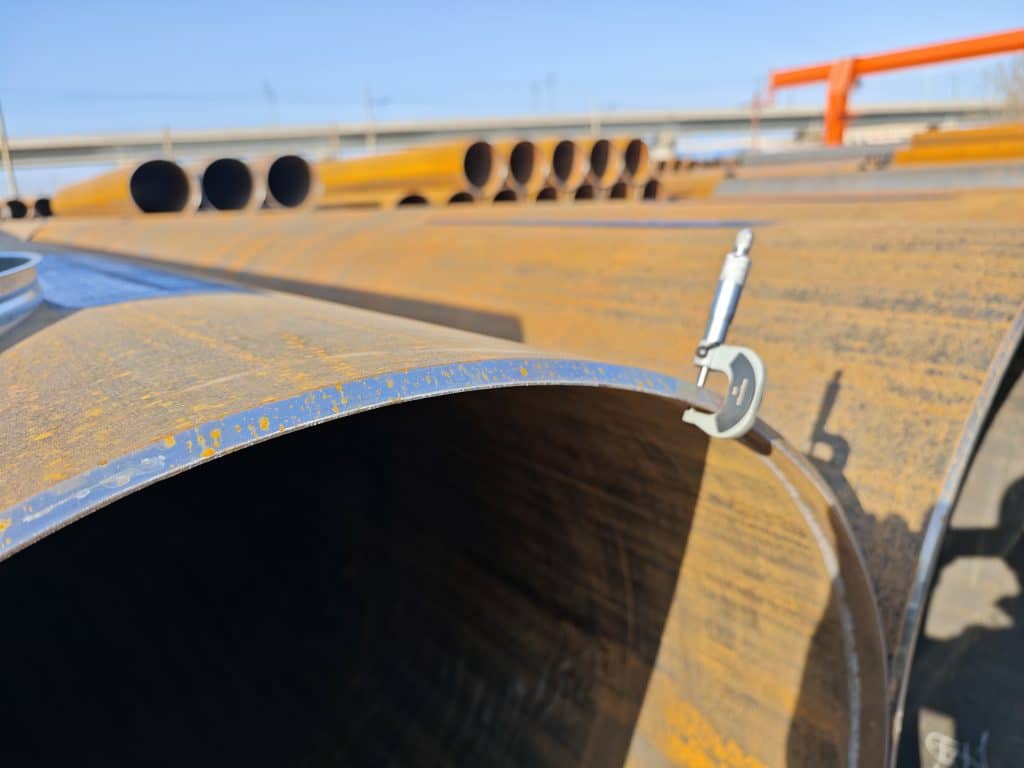
 What ASTM A671 EFW Pipe Is ASTM A671/A671M covers electric-fusion-welded steel pipe manufactured from pressure-vessel-quality plate for atmospheric and lower-temperature service. The plate is formed into a cylindrical body and joined using a fusion-welding process. The longitudinal manufacturing seam is examined and the finished pipe is supplied under a specified grade and class. Grade identifies the relevant plate material, while class describes manufacturing, heat-treatment and examination requirements. A671 pipe should not be confused with seamless pipe, which is manufactured without…
- Yes. Carbon steel pipe can provide the strength needed for a wide range of water, oil, gas and industrial applications. Its actual strength depends on the steel grade, manufacturing specification and pipe dimensions. A pipe’s safe working pressure also depends on temperature, corrosion allowance, design factors and the governing design code, so material strength alone is not a pressure rating. API 5L line pipe offers a range of specified strengths. In the 46th edition’s SI tables, Grade B has a…
- API 5L X80 line pipe is a PSL2 grade under API Specification 5L, 46th edition. The standard does not list X80 as a PSL1 grade: the listed PSL1 grades extend to X70. Buyers who need X80 should specify the applicable PSL2 grade, delivery condition and project requirements. If a project permits X70, both PSL1 and PSL2 options may be considered where the applicable edition and manufacturing route allow them. X80 combines high specified strength with additional PSL2 requirements for chemistry,…
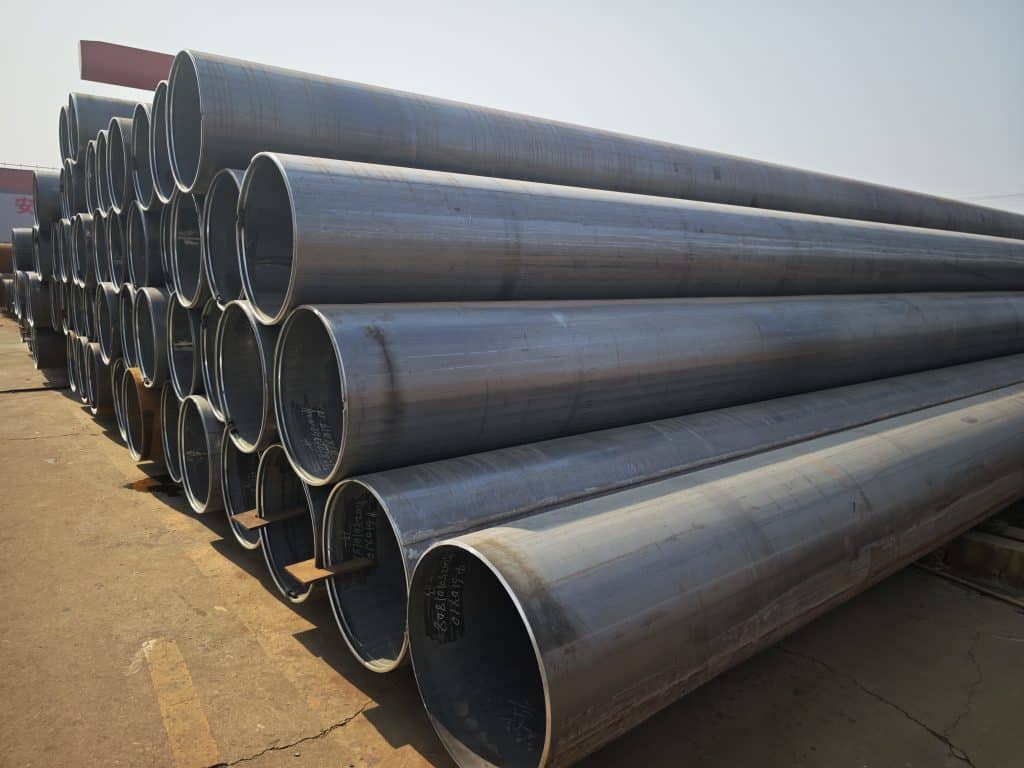
- API 5L X46 PSL 1 pipe is not exclusively seamless. It is available in seamless (SMLS) and permitted welded forms, including high-frequency ERW and longitudinal submerged arc welded (LSAW) pipe. X46 identifies the strength grade, while PSL 1 identifies the product specification level. The manufacturing process is a separate order requirement. Buyers should confirm the process on the purchase order, pipe marking and Mill Test Certificate (MTC). API 5L X46 PSL 1 Pipe Specifications API 5L specifies requirements for steel…
- Applications: Oil & Gas · Pressure Vessels · Chemical Process Piping · Power Engineering · Offshore Platforms A steel pipe that looks perfect on the outside can be quietly developing a weld crack severe enough to cause a pipeline explosion. This is not a hypothetical — industry data shows that more than 40% of pipeline failure incidents are rooted in weld defects that went undetected. What makes this even more troubling for buyers: these defects were completely detectable during pre-shipment…
- Applications: Oil & Gas Pipelines · Pressure Piping · Anti-Corrosion Coated Pipe · Structural Engineering · Offshore Engineering When purchasing welded steel pipe, many buyers focus exclusively on chemical composition and mechanical properties — and overlook a hidden stage that determines the final quality: pre-weld surface treatment. Inadequate surface preparation directly causes weld porosity, lack of fusion, adhesion failure, and in some cases, entire batches of anti-corrosion coating that begin disbonding within months of entering service. With over 20 years…
 As global investment in oil & gas transmission, hydrogen transportation, LNG terminals, and long-distance water pipeline projects continues to grow, ISO 3183 line pipe has become one of the most widely adopted international standards for pipeline steel. Today, EPC contractors, pipeline operators, and global distributors are no longer focused solely on steel grades or pricing—they pay closer attention to manufacturing quality, testing capability, traceability, and long-term operational reliability. ISO 3183:2019, Petroleum and Natural Gas Industries — Steel Pipe for Pipeline…
- As global energy demand continues to rise, the construction of long-distance oil and gas pipelines, cross-border energy interconnection projects, and hydrogen transportation infrastructure is accelerating worldwide. As a result, the ISO 3183 pipeline steel standard has become one of the most important technical specifications in international pipeline engineering. For buyers and project owners, selecting steel pipes that comply with ISO 3183 not only affects operational safety but also directly impacts project lifespan, operating costs, and return on investment. As a…
- In power plants, oil refineries, and petrochemical facilities, high-temperature piping systems operate long-term at temperatures above 400°C or even higher, imposing extremely stringent requirements on material performance and structural design. As electric fusion welded alloy steel pipes dedicated to high-temperature and high-pressure service conditions, ASTM A691 has become a core material in critical units. This paper systematically analyzes the key design points of ASTM A691 pipes in high-temperature systems from the perspectives of material selection, structural design, stress control, inspection…
 Understanding EN10219 Welding Requirements and Testing Standards In the field of cold-formed welded structural hollow sections, the EN 10219 standard is a highly authoritative European specification. Its strict regulations on EN10219 welding requirements and testing standards are crucial for ensuring the quality and safe application of steel pipes. For steel pipe manufacturers, purchasers, and relevant engineering practitioners, a thorough understanding of these contents is of great significance. I. Welding Process Requirements: Controlling Quality from the Source In the EN 10219…
 In steel structures, equipment manufacturing, and construction projects, are you also struggling to decide which steel pipe to choose? Especially when it comes to EN 10219 vs EN 10210, they may look similar, but their uses differ greatly. One is a cold-formed steel pipe, the other is a hot-formed steel pipe—similar appearance, but with different performance, costs, and application scenarios. How can you quickly tell them apart? How to strike the right balance between structural safety, processing efficiency, and budget?…
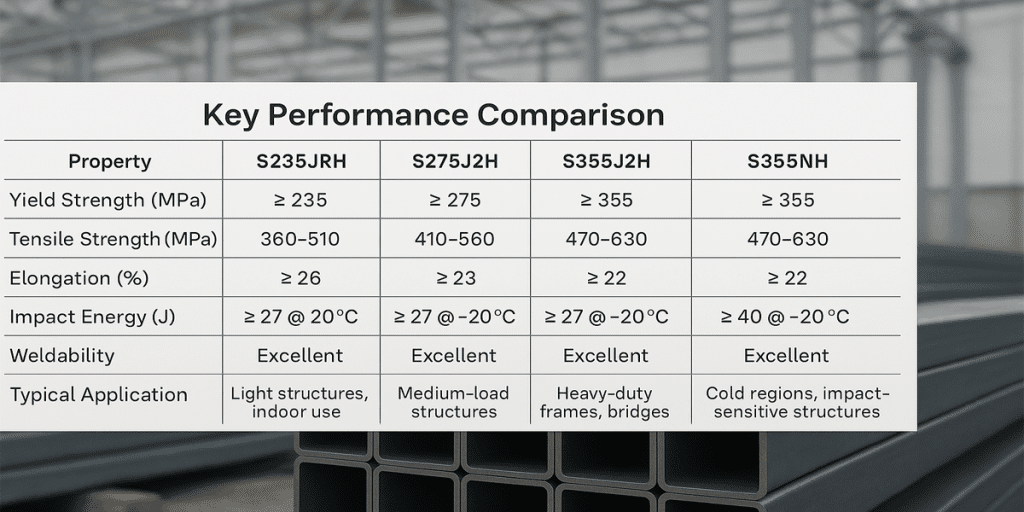
- As modern construction and engineering projects increasingly pursue efficiency and lightweight design, cold-formed steel tubes are becoming a key choice in structural design. Recognized as one of the leading European standards, EN 10219 is being widely adopted across various projects, especially for its advantages in high strength, sustainability, and precision manufacturing. This article offers a quick Introduction to the EN 10219 Standard, while also addressing common topics such as EN 10219 Rectangular and Square Tube Specifications Explained, Differences Between S355J2H…
 Tired of slow, outdated packaging equipment? Discover the innovative stainless steel long tube packaging machine—also known as a fully automatic single-tube film packaging system. This modern solution transforms the way long steel tubes are packed, ensuring efficiency, safety, and consistency. Designed for compatibility with various packaging materials like polyethylene and plastic films, this machine significantly reduces labor demands by operating automatically. It protects the quality of the tubes throughout the entire packaging process. Let’s explore how this cutting-edge machine works.…
- In the wave of continuous global industrial upgrades, steel pipe standards and selection have become a focal point for many companies. Whether in oil and gas pipeline projects or high-temperature, high-pressure boiler applications, how to choose the right steel pipe standard directly affects project safety, costs, and the convenience of later maintenance. Faced with a wide variety of specifications on the market—such as ASTM A53, ASTM A106, and API 5L—many engineering professionals are seeking a practical steel pipe selection guide…
- With the rapid development of modern industry and infrastructure, steel pipes have become indispensable structural materials. Whether in construction projects or pipeline systems in the oil and gas industry, steel pipes play a crucial role. Faced with a wide variety of steel pipe types on the market, choosing the right steel pipe type has become a critical issue for engineers and procurement professionals. Welded steel pipes and seamless steel pipes, as two major mainstream products, each have unique advantages and…