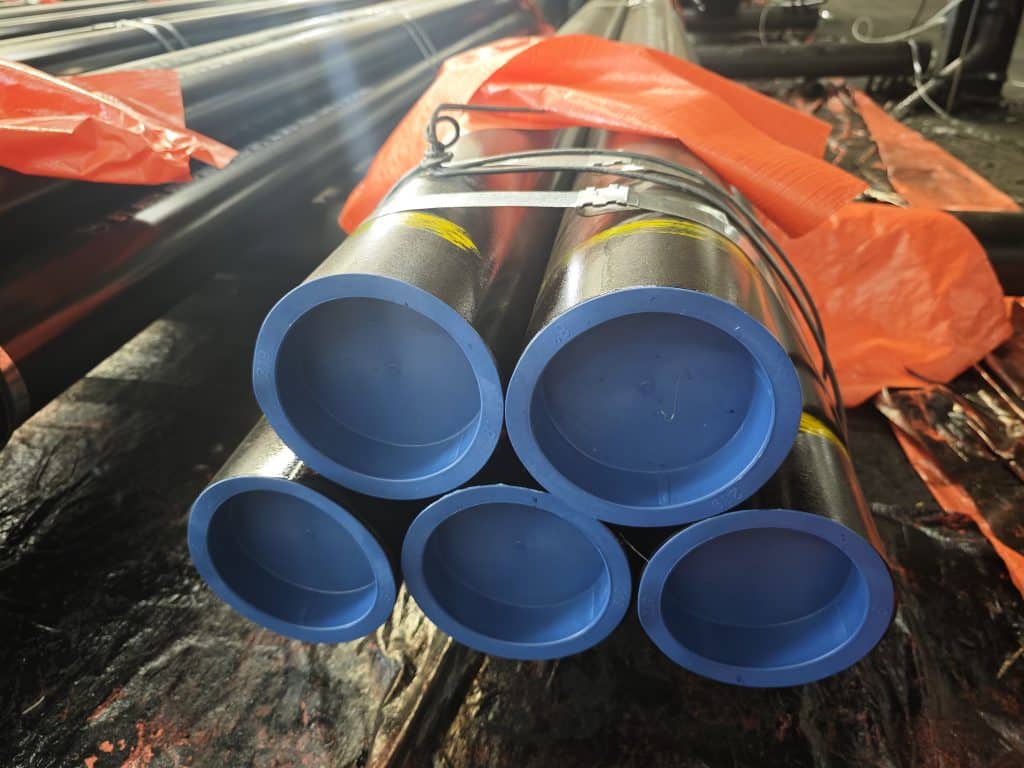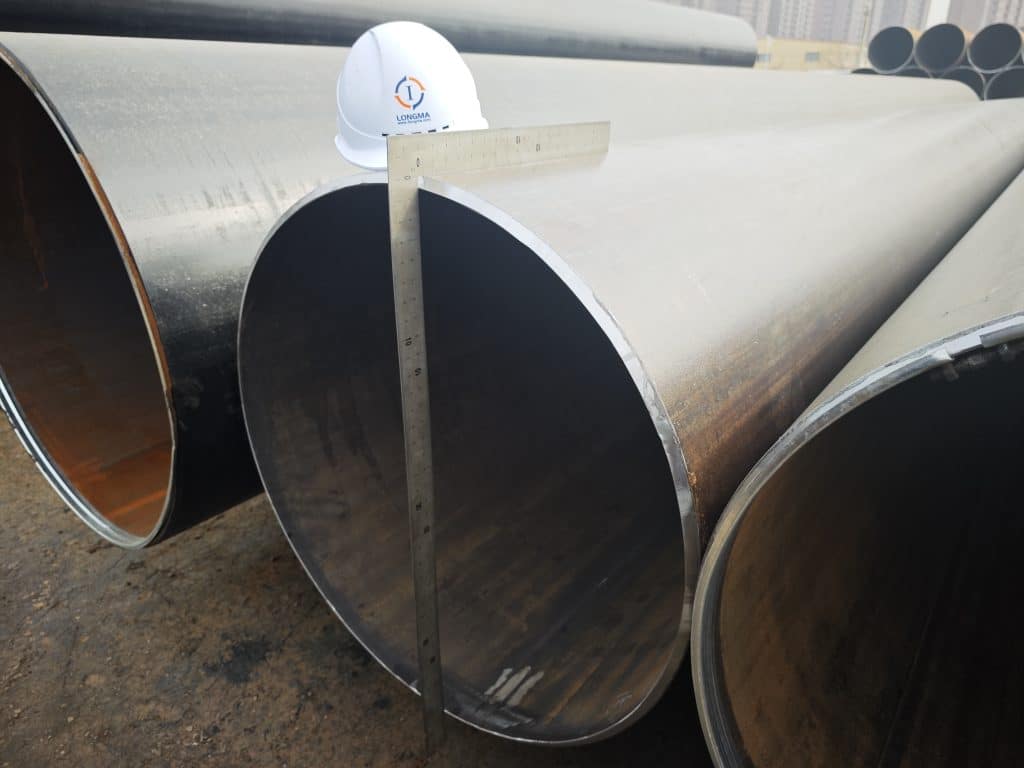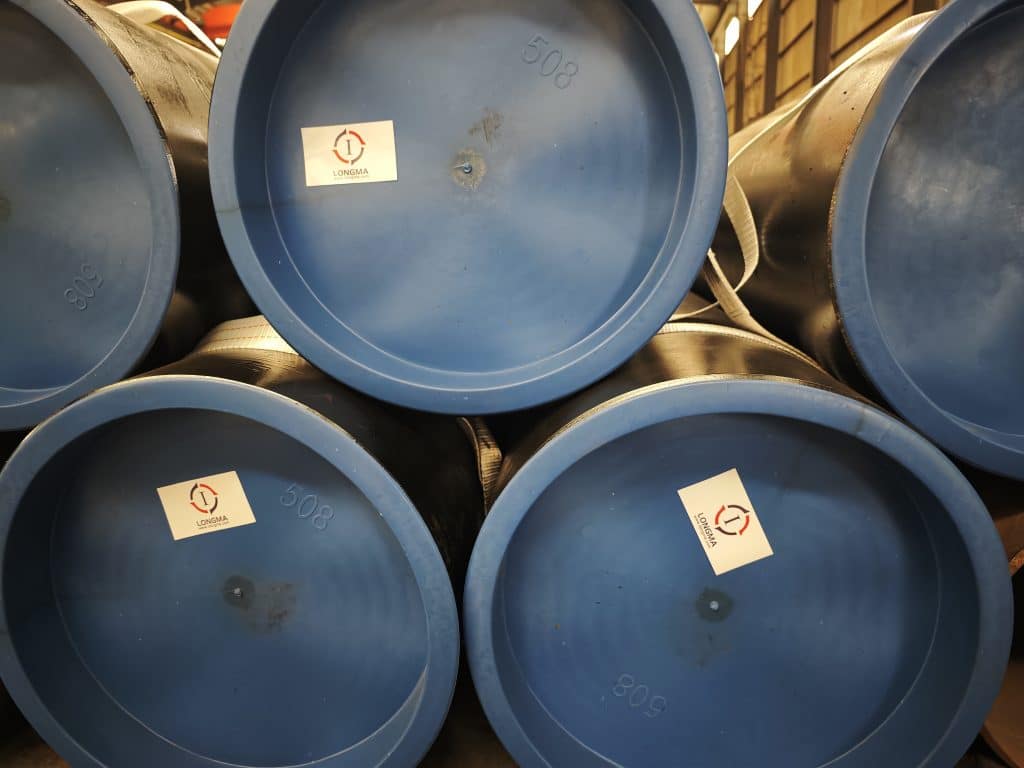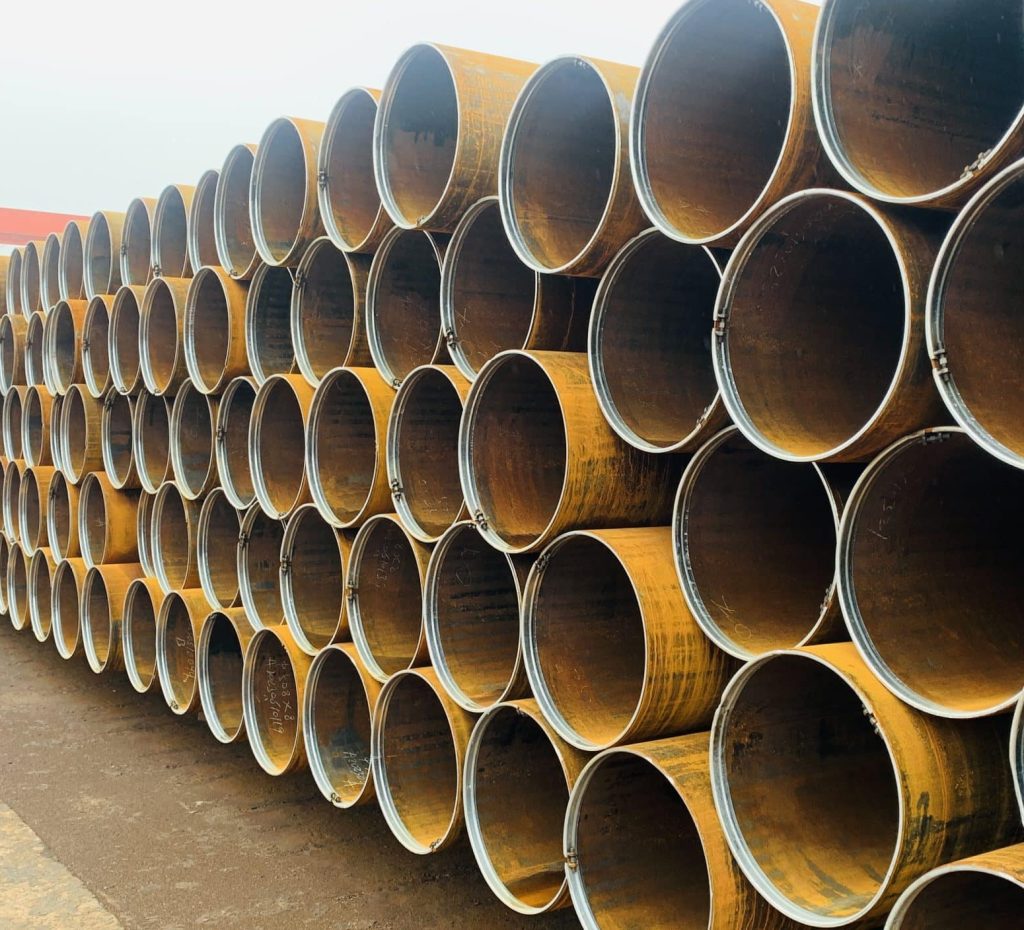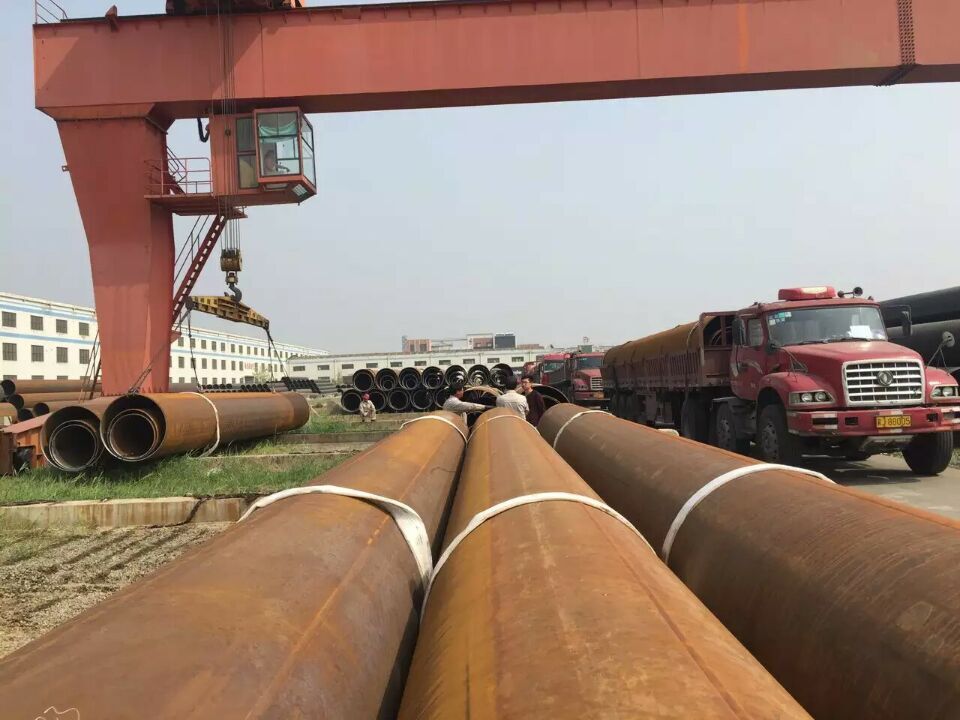
Yes. ERW (electric resistance welded) steel pipe can be welded during fabrication or field installation when the material, joint design, welding procedure and inspection requirements are suitable for the project. The key is not simply whether the pipe already contains a longitudinal ERW seam, but whether the girth weld or attachment weld is made under a qualified procedure appropriate to the pipe grade, wall thickness, chemistry and service conditions.
ERW Pipe Weldability
How ERW Pipe Is Made—and Why It Matters for Welding
ERW pipe is produced by forming steel strip or coil into a cylindrical shape and joining the longitudinal edges by electrical resistance/high-frequency welding without adding filler metal at the longitudinal seam. Modern HFW/ERW production controls heat input, upset and weld-zone properties, and applicable product specifications may require heat treatment of the weld seam depending on the grade and manufacturing route.
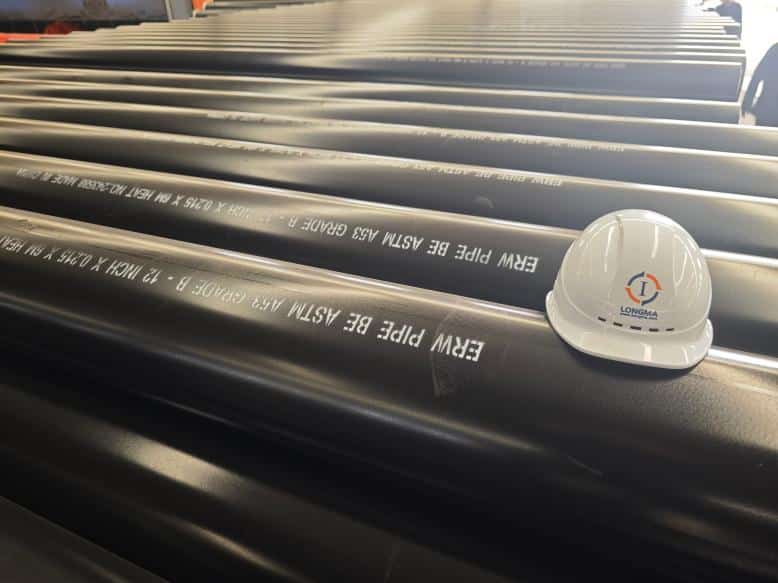
For ASTM A53/A53M-24 Grade B pipe, the specified minimum tensile strength is 415 MPa (60 ksi) and the specified minimum yield strength is 240 MPa (35 ksi). These mechanical properties are relevant to material selection, but field weldability must also consider chemical composition, carbon equivalent, thickness and the qualified welding procedure.
Compatible Field Welding Processes
Common processes used for circumferential or fabrication welds on carbon-steel ERW pipe include:
- SMAW (shielded metal arc welding): widely used for field and construction welding where the qualified WPS permits it.
- GTAW (gas tungsten arc welding): often selected for controlled root passes or smaller-diameter fabrication where precise heat control is useful.
- GMAW/FCAW: frequently used in shop fabrication and mechanized or automated pipeline welding when qualified for the application.
The applicable welding code depends on the project. API 1104 is commonly used for pipeline welding, while ASME BPVC Section IX provides procedure and personnel qualification rules for applications governed by ASME construction codes. AWS D1.1 applies to structural steel welding within its scope. These documents are not interchangeable automatically; the project specification determines which one governs.
Preheat and Heat Input Must Come From the Qualified Procedure
A fixed preheat temperature should not be assigned solely from a pipe grade or a single carbon-equivalent value. Preheat and interpass controls should be established by the qualified WPS after considering material chemistry (including CE/Pcm where applicable), wall thickness, hydrogen control, heat input, ambient conditions and the governing code or project specification. This avoids treating a value such as 50°C as a universal requirement for all X65 ERW pipe.
ERW vs. Seamless and Other Welded Pipe
| Factor | ERW/HFW Pipe | Seamless Pipe |
| Longitudinal seam | Present; produced by resistance/high-frequency welding | None |
| Field girth welding | Permitted when qualified for the material and service | Permitted when qualified for the material and service |
| Pressure suitability | Determined by grade, dimensions, design code, service and product specification | Determined by grade, dimensions, design code, service and product specification |
| Dimensional behavior | Often offers good dimensional consistency from coil-based production | May show different wall-thickness/eccentricity characteristics depending on manufacturing route |
| Selection basis | Project specification, size, grade, service, testing and economics | Project specification, size, grade, service, testing and economics |
It is not technically sound to state that ERW and seamless pipe automatically have the same allowable pressure simply because grade and wall thickness are the same. Allowable design pressure also depends on outside diameter, design code, design factor, temperature, corrosion allowance, joint factors where applicable, and other project-specific requirements.
Galvanized ERW Pipe: Additional Welding Precautions
Galvanized steel can be welded, but zinc near the weld area can vaporize and create fumes and weld-quality problems. Appropriate coating removal, ventilation/fume control, surface preparation and restoration of corrosion protection should follow the approved welding and safety procedures. A universal coating-removal distance should not be stated unless it comes from the project procedure or coating manufacturer’s instructions.
Coating Repair After Field Welding
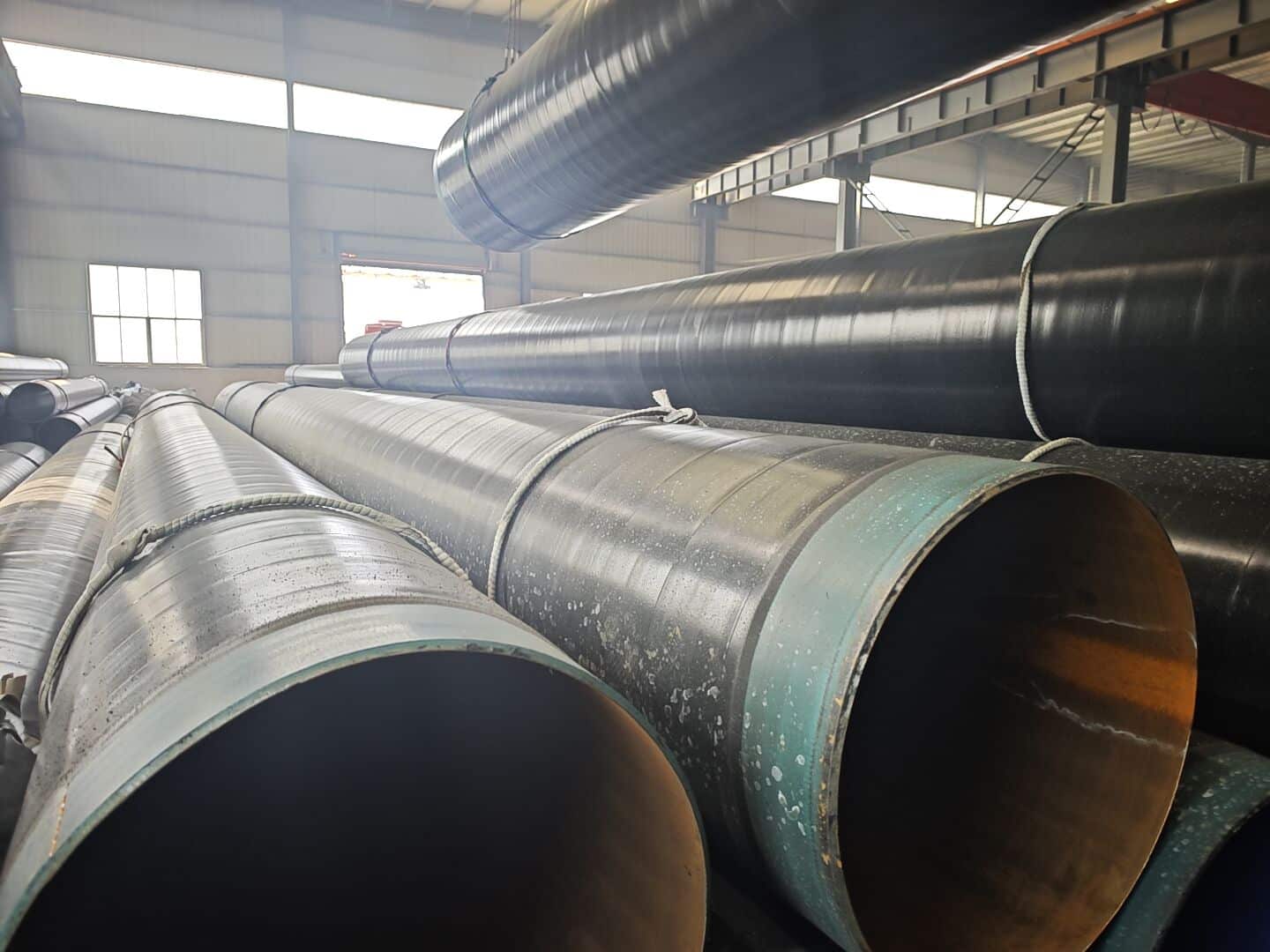
Field welding damages factory-applied coating around the joint. For coated pipelines, the field joint must be prepared and recoated using a system compatible with the mainline coating and the project specification. FBE, 3LPE and other systems have different field-joint procedures; DIN 30670 applies to polyethylene coatings and should not be presented as a universal field-joint coating standard for every coating system.
Procurement Checks for Weldable ERW Pipe
- Confirm the applicable product specification and edition required by the purchase order.
- Review the MTC for grade, heat number, chemical composition and mechanical properties.
- Verify the manufacturing process and required weld-seam heat treatment or inspection records.
- Confirm hydrostatic testing and NDT requirements specified by the product standard and project specification.
- For sour service, verify the exact project requirements for chemistry, hardness, HIC/SSC testing and material qualification rather than relying on one universal sulfur or hardness limit.
- Confirm that the welding contractor has an approved WPS/PQR and qualified welders for the governing construction code.
Common Welding Risks and Controls
Hydrogen-assisted cracking (also called hydrogen cracking or cold cracking) is a relevant concern in higher-strength steels and restrained welds. It should not be confused with hydrogen-induced cracking (HIC), which is commonly discussed in sour-service material qualification. Control measures include appropriate consumable handling, preheat/interpass control where required, clean joint surfaces, controlled heat input and compliance with the qualified WPS.
Porosity and lack of fusion can result from contamination, poor joint preparation, unsuitable parameters or inadequate technique. Finished welds should be examined using the inspection method and acceptance criteria required by the governing code and project specification.
Conclusion
ERW pipe can be welded successfully when the pipe material and the field welding procedure are treated as an engineered system. Procurement teams should verify the correct product standard, MTC, manufacturing route and inspection records, while construction teams should use a qualified WPS and the applicable welding code. This approach is more reliable than applying universal preheat temperatures, electrode selections or pressure claims to all ERW pipe.
FAQ
- Can ERW pipe be welded on site?
Yes. Field girth welding is common when the pipe and welding procedure meet the governing project requirements.
- Is the longitudinal ERW seam automatically weaker than the pipe body?
No general conclusion should be made from the presence of the seam alone. Its required properties and inspection depend on the applicable product specification, grade and manufacturing process.
- What determines preheat temperature?
The qualified WPS and applicable code/project requirements, considering chemistry, thickness, hydrogen control, heat input and ambient conditions.
- Can ERW pipe be used in sour service?
It can be supplied for sour-service projects when the specified material, manufacturing, hardness, testing and qualification requirements are satisfied. Compliance should be verified against the purchase specification and applicable sour-service requirements.
Partner with LONGMA
LONGMA manufactures round ERW and LSAW steel pipe for international projects. The production base covers approximately 230,000 square meters, with annual production exceeding 500,000 tons. Quality control can include material traceability, hydrostatic testing, NDT, mechanical testing and MTC documentation according to the applicable order requirements. For project-specific welding, testing, coating or inspection requirements, buyers should provide the governing specification and technical data sheet for review before production.