Galvanized steel pipes can remain serviceable for decades, but there is no universal lifespan. A frequently quoted broad range is around 20–50 years in some outdoor or utility applications, while favorable, relatively dry environments may allow substantially longer service. Aggressive water, coastal exposure, buried conditions or damaged zinc can shorten life considerably. These figures are indicative, not guaranteed design lives. The most reliable estimate starts with coating specification, exposure conditions and inspection history.
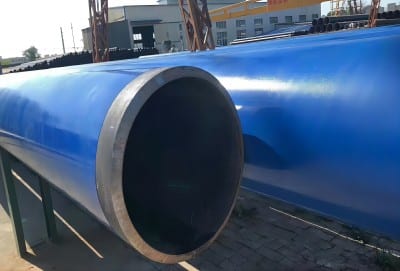
What Is Galvanized Steel Pipe?
Galvanizing applies a protective zinc coating to carbon steel. Zinc provides a barrier to moisture and, where exposed steel is electrically connected to nearby zinc, can also provide sacrificial protection. The coating is gradually consumed under corrosive conditions, so galvanized pipe is corrosion-resistant rather than corrosion-proof. Its service life includes both the period of effective zinc protection and the remaining useful life of the underlying steel.
Hot-dip galvanizing of finished pipe generally involves cleaning, pickling, fluxing and immersion in molten zinc, followed by inspection. Pre-galvanized products are typically formed from steel strip that was coated before tube manufacture, leaving different considerations at welds and cut edges. The product standard, coating process and intended service should be checked rather than treating all galvanized products as interchangeable.
What Does End of Service Life Mean?
A pipe does not necessarily fail when the zinc first develops a dull gray appearance or isolated surface staining. End of useful life depends on the application: unacceptable wall loss, leaks, restricted flow, inadequate structural capacity or failure to meet water-quality requirements may trigger repair or replacement. A fence post, water line and fire-protection system have different acceptance criteria even when exposed to the same weather.
Typical Service Life and Zinc Thickness
The often-cited 20–50-year range is a planning reference, not a performance warranty. Some well-protected above-ground installations may last much longer; severe coastal, industrial or chemically aggressive conditions can lead to earlier maintenance. Underground performance is especially variable because soil moisture, resistivity, pH and stray-current conditions differ substantially between sites.
Coating thickness influences durability because a thicker zinc layer generally provides a larger protective reserve under otherwise comparable conditions. However, the rate of zinc consumption is not constant across all environments. Buyers should request the actual coating specification, coating-mass or thickness results, and inspection records. Avoid using a single table of zinc coating weights for every pipe diameter: ASTM A53, ASTM A123, ASTM A153 and ISO 1461 have different scopes and should not be combined into one universal pipe acceptance rule.
| Exposure | Main service-life concern | Recommended check |
| Dry indoor or sheltered | Condensation and local damage | Joint and coating inspection |
| General outdoor | Rainfall and atmospheric corrosion | Coating condition and drainage |
| Coastal or industrial | Chlorides and pollutants | Site corrosivity and coating condition |
| Buried pipe | Soil chemistry, moisture, stray currents | Soil survey and corrosion protection |
| Water-carrying pipe | Internal corrosion and deposits | Water quality, flow and wall thickness |
Factors That Shorten Galvanized Pipe Life
Water Chemistry and Internal Corrosion
Water chemistry is a major factor in internal pipe durability. Low pH, dissolved oxygen, certain salts, temperature and stagnation can affect zinc dissolution and steel corrosion. Corrosion products may also accumulate and reduce internal diameter. Two pipelines carrying water in different cities can perform very differently despite using nominally similar galvanized pipe. For potable-water applications, suitability must also comply with local plumbing and drinking-water requirements; existing galvanized plumbing should not be assumed acceptable for a new installation.
Atmosphere, Soil and Installation Damage
Marine salt spray, industrial pollution and repeated wetting can accelerate coating loss. ISO 9223 atmospheric corrosivity categories are useful for understanding site exposure, but they do not provide an automatic service-life guarantee. For buried pipe, soil resistivity is only one indicator; pH, moisture, oxygen, chlorides, microbial activity and stray currents also matter. Galvanizing alone may be insufficient for a demanding buried pipeline, and an engineered external coating or cathodic protection system may be needed.
Field cutting, threading and welding can damage zinc or expose bare steel. Poor handling, direct contact with dissimilar metals, trapped moisture under clamps and unsuitable backfill may create localized attack. Repairs should follow the applicable coating specification and manufacturer instructions. The connection design must also be suitable for the fluid, pressure and temperature; corrosion protection cannot compensate for inadequate wall thickness.
Galvanized Steel Versus Other Pipe Materials
Material selection should account for the entire service environment rather than a single lifespan claim. Copper may be suitable for approved building plumbing but has water-chemistry limits. PVC is lightweight and corrosion-resistant in many water applications, subject to temperature, pressure and installation constraints. Stainless steel can offer greater corrosion resistance in some environments but has higher initial cost and grade-specific limitations. Black carbon steel may require a separately engineered coating system where external corrosion is expected.
| Material | Potential advantage | Important limitation |
| Galvanized carbon steel | Mechanical strength and sacrificial zinc protection | Zinc depletion and internal scaling |
| Copper | Established plumbing applications | Water chemistry and cost |
| PVC | Low weight and corrosion resistance | Temperature, impact and pressure limits |
| Stainless steel | Strong corrosion resistance in selected grades | Cost and service-specific grade selection |
| Coated carbon steel | Flexible external corrosion-control options | Coating damage and inspection needs |
For large water transmission or oil and gas lines, FBE and 3LPE are alternative engineered external coating systems, not simply thicker versions of galvanizing. They should be selected according to the pipe specification and project corrosion-control design.
Warning Signs, Inspection and Maintenance
Visible red rust, localized coating damage, leaks, recurring pressure loss and reduced flow can indicate deterioration. Internal deposits may reduce capacity, but flow reduction can also have other causes; it should be investigated rather than automatically attributed to corrosion. Wall-thickness measurements, visual inspection, water-quality review and system-specific pressure or leak tests can help determine remaining serviceability.
A risk-based maintenance program should record installation date, coating process, pipe grade, service conditions, inspection results and repairs. Inspect threads, cut ends, supports and joints because these locations may be more vulnerable to coating damage or moisture retention. Maintain drainage, prevent damaging metal-to-metal contact where relevant, and repair exposed steel with an approved method. Replace pipe when remaining wall thickness or other performance measures no longer meet the governing design or service requirements.
Choosing Galvanized Pipe and a Supplier
Before purchase, specify pipe dimensions, wall thickness, base material standard, galvanizing method, required coating acceptance criteria, end finish and intended service. For threaded pipe, verify the applicable thread standard and the remaining wall thickness after cutting. For water systems, review local code and water-contact requirements. For structural applications, load capacity and relevant product standards take priority over fluid-pressure ratings.
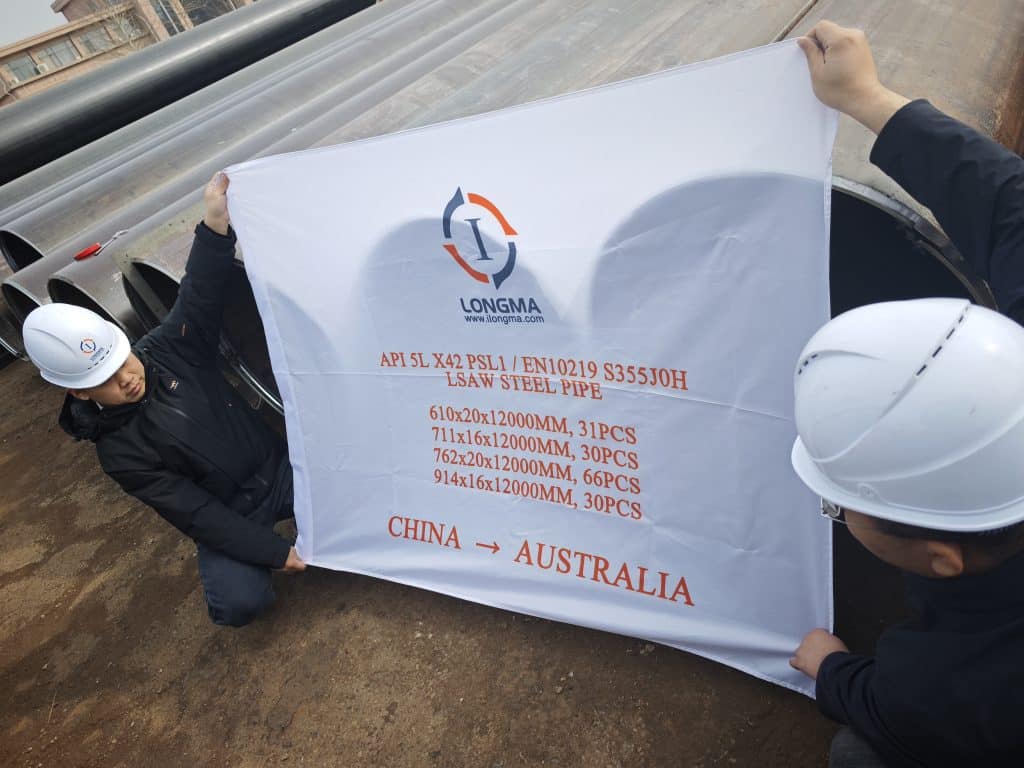
LONGMA manufactures round carbon steel welded pipe using ERW and LSAW processes. Its manufacturing site covers 230,000 m², and annual output exceeds 500,000 metric tons. Customers considering galvanized or alternative corrosion-protected steel pipe should confirm the available coating scope and order-specific inspection requirements with LONGMA before specifying a product. The company’s website is https://www.ilongma.com/.
Frequently Asked Questions
How long can galvanized steel pipe last outdoors?
Many applications use a broad multi-decade planning range, but actual durability depends on the zinc coating, climate, installation and maintenance. A fixed lifespan should not be assumed.
Can galvanized pipe be used underground?
Only where the design and local requirements permit it. Soil conditions may require additional protection, and galvanizing alone is not always sufficient.
Does thicker galvanizing always mean longer life?
It generally provides more zinc reserve under similar exposure, but application quality and environment remain decisive.
Is galvanized pipe suitable for drinking water?
Suitability depends on the jurisdiction, water quality, product approvals and current plumbing rules. Do not assume an older installation is appropriate for a new project.
When should galvanized pipe be replaced?
When leaks, wall loss, water-quality issues or other measured deficiencies make it unable to meet its required service criteria.