- 1. What Makes S235JR Weldable?
- 2. Welding EN 10219 S235JRH Circular Hollow Sections: Methods, Procedure, and Preheating
- 3. Avoiding Defects and Choosing the Right Steel Pipe
- 4. Buying EN 10219 S235JRH Circular Hollow Sections: Quality Checks and Supplier Selection
- 5. Conclusion
- 6. FAQ
- 7. Request a Quote for EN 10219 S235JRH Circular Hollow Sections from LONGMA
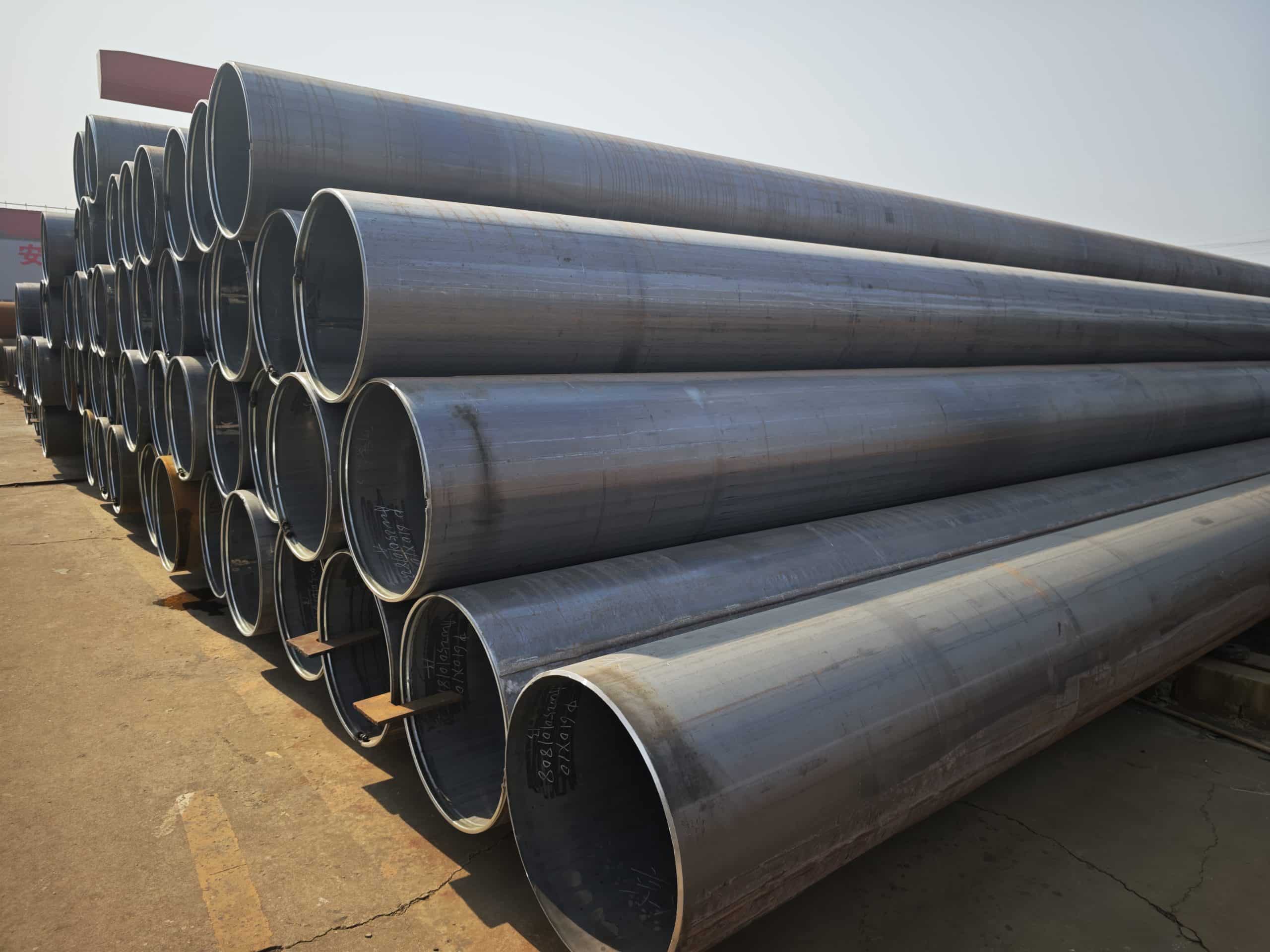
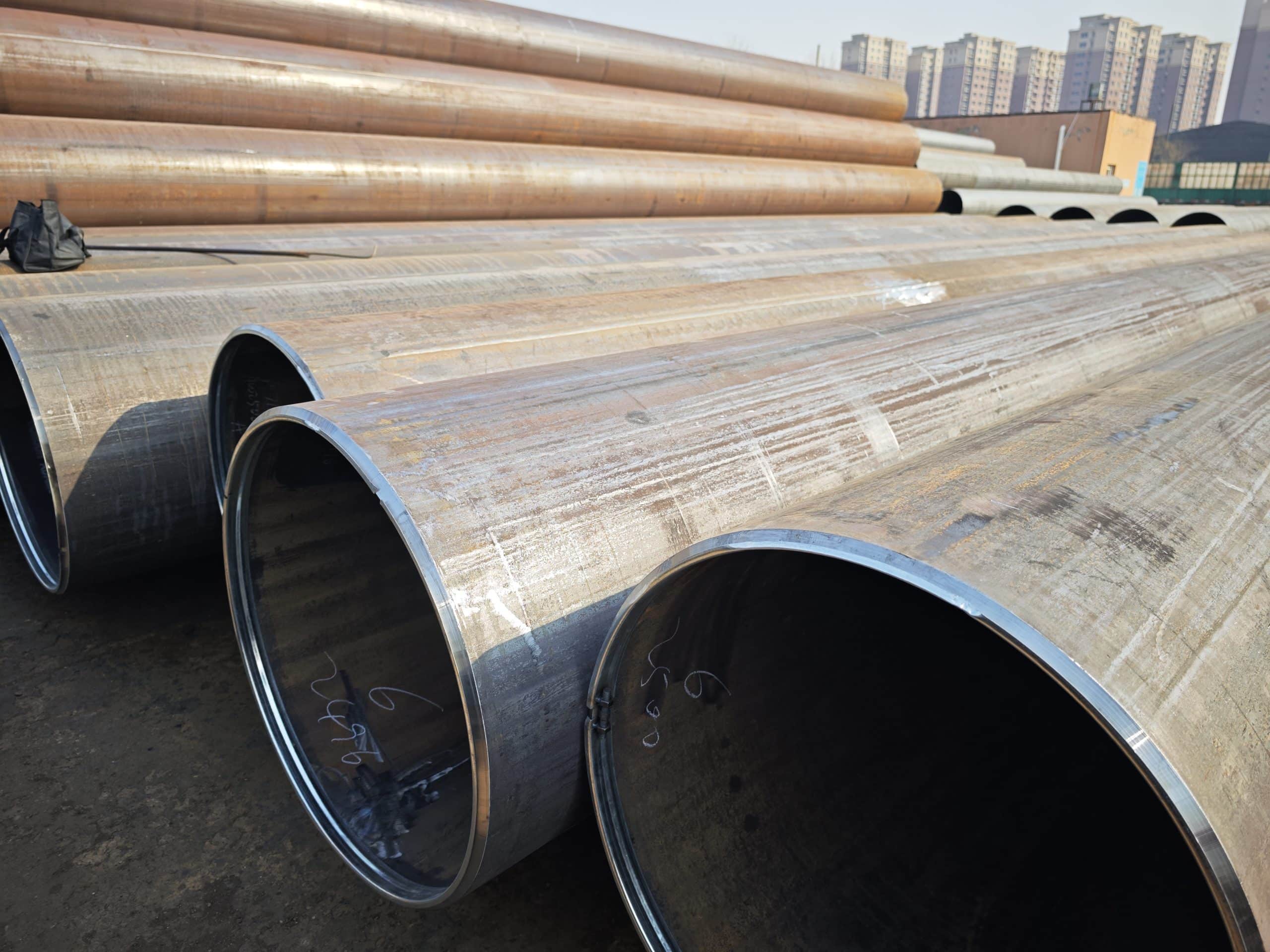
S235JR is generally considered weldable because of its relatively low carbon content. Common processes include manual metal arc (MMA), gas metal arc (MAG/MIG), gas tungsten arc (TIG), and submerged arc welding. For cold-formed welded circular hollow sections specified to EN 10219-1, the corresponding designation is S235JRH, not S235JR. Weldability still depends on actual chemical composition, wall thickness, joint restraint, hydrogen control and the qualified welding procedure. This guide explains the practical checks before fabrication or purchasing.
What Makes S235JR Weldable?
S235JR Chemical Composition and Its Effect on Weldability
Low carbon content generally supports the weldability of S235JRH circular hollow sections. EN 10219-1 specifies limits on chemical composition and carbon equivalent for applicable grades and product conditions. Carbon equivalent (CEV) is calculated as C + Mn/6 + (Cr + Mo + V)/5 + (Ni + Cu)/15 and provides an indication of hardenability and susceptibility to hydrogen-assisted cracking. It is not the same as carbon content. Confirm the applicable limits and actual cast analysis on the inspection certificate before welding.
S235JR Mechanical Properties Relevant to Welding and Fabrication
For S235JRH, minimum yield strength and tensile-strength requirements depend on the product thickness and the applicable edition of EN 10219-1. The JR designation refers to a specified Charpy V-notch impact requirement at +20 °C; J0 and J2 refer to impact-test temperatures of 0 °C and −20 °C respectively. Impact testing evaluates toughness rather than tensile strength or weldability. Cold forming can introduce residual stresses, so joint design and welding sequence remain important.
S235JR, S235JRH, and EN 10219 Cold-Formed CHS
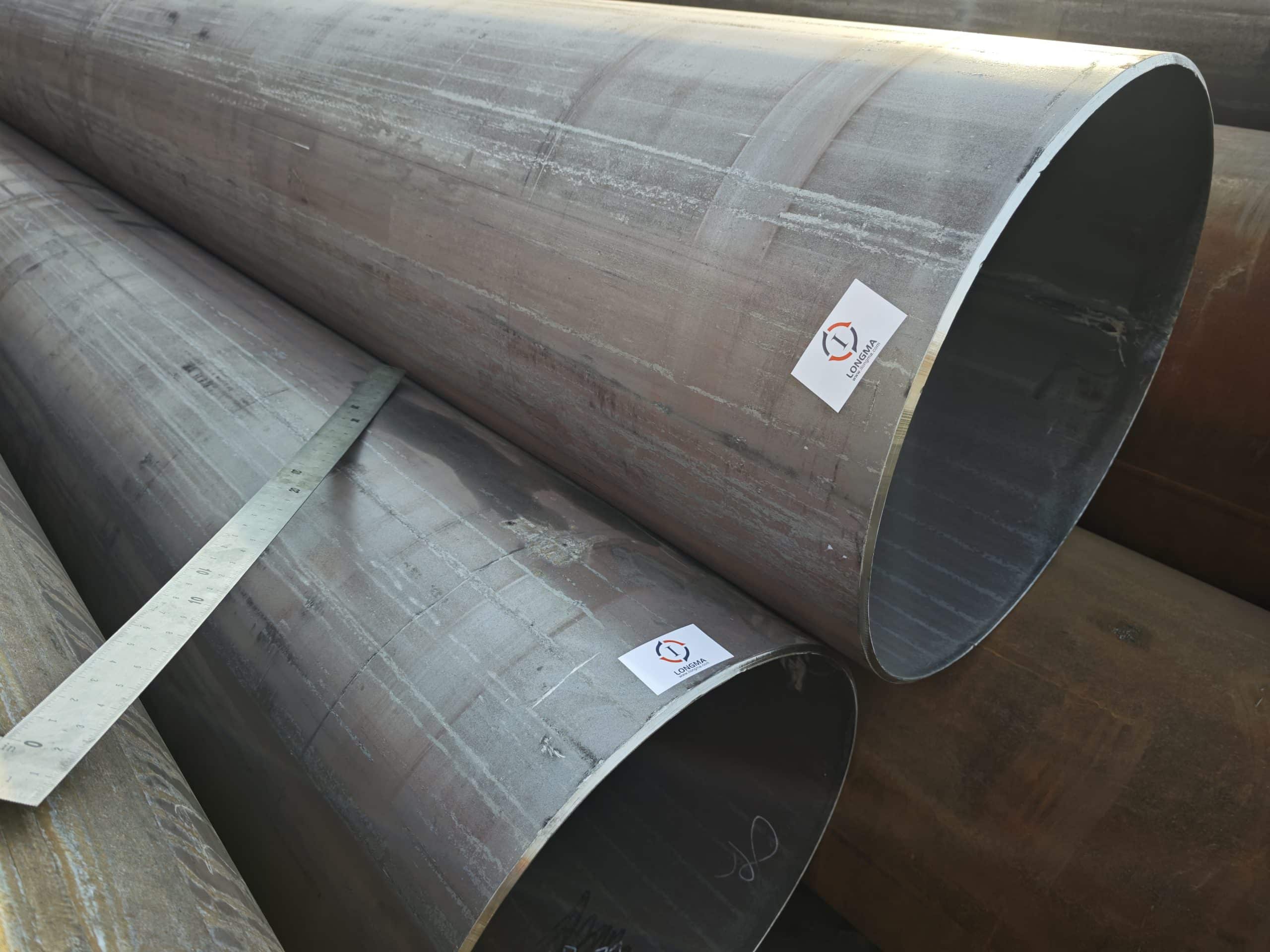
S235JR is a structural steel designation under EN 10025-2, whereas S235JRH identifies a structural hollow section grade under EN 10219-1. The two designations should not be substituted on purchase orders without engineering review. For EN 10219 circular hollow sections, specify S235JRH together with the relevant dimensions and tolerances under EN 10219-2. LONGMA supplies circular ERW and LSAW steel pipes; product grade and availability should be confirmed against the quotation and inspection documents.
Welding EN 10219 S235JRH Circular Hollow Sections: Methods, Procedure, and Preheating
Recommended Welding Methods for EN 10219 S235JRH Circular Hollow Sections
Several arc-welding processes can be used for S235JRH circular hollow sections. Selection depends on wall thickness, joint geometry, welding position, fabrication environment and the approved welding procedure. The following table summarizes typical applications and precautions.
| Process | Best use | Main caution |
| MAG/MIG | Shop fabrication of frames and trusses | Shield the gas from wind |
| MMA | Site work and repairs | Keep electrodes dry |
| TIG | Thin walls and visible joints | Slow travel speed |
| Submerged arc | Repetitive, heavy-wall assemblies | Needs fixtures and dry flux |
Step-by-Step Welding Procedure
Successful welding begins with material verification and joint preparation. A practical sequence is to verify, prepare, fit up, weld and inspect the joint.
First, make sure that the grade, heat number, wall thickness, and EN 10204 3.1 certificate match the pipe marking and packing list. After that, clean the joint and make sure it is straight and that the root gap and bevel angle are correct. Next, ensure you follow the qualified welding procedure instructions for the right tools, shielding gas, preheating, temperature changes, and how much heat to use. Use clamps and tack welds, and make sure the order of the welds is even to keep the metal from warping. Finally, take a look at it, measure it, and test it without damaging it if the project or the EN 1090-2 execution class says so.
Do S235JR Steel Pipes Require Preheating?
Preheating is not automatically required for every S235JRH joint. Thin or moderate sections with low CEV, clean dry surfaces and suitable low-hydrogen practice may be welded without preheat when the qualified procedure permits. Thicker sections, highly restrained joints, higher CEV or low ambient temperatures can increase cracking risk and may require preheating. Determine preheat and interpass temperatures using the applicable procedure and guidance such as EN 1011-2. Avoid uncontrolled rapid cooling and record temperatures where required.
Avoiding Defects and Choosing the Right Steel Pipe
Common Welding Problems with S235JR and How to Avoid Them
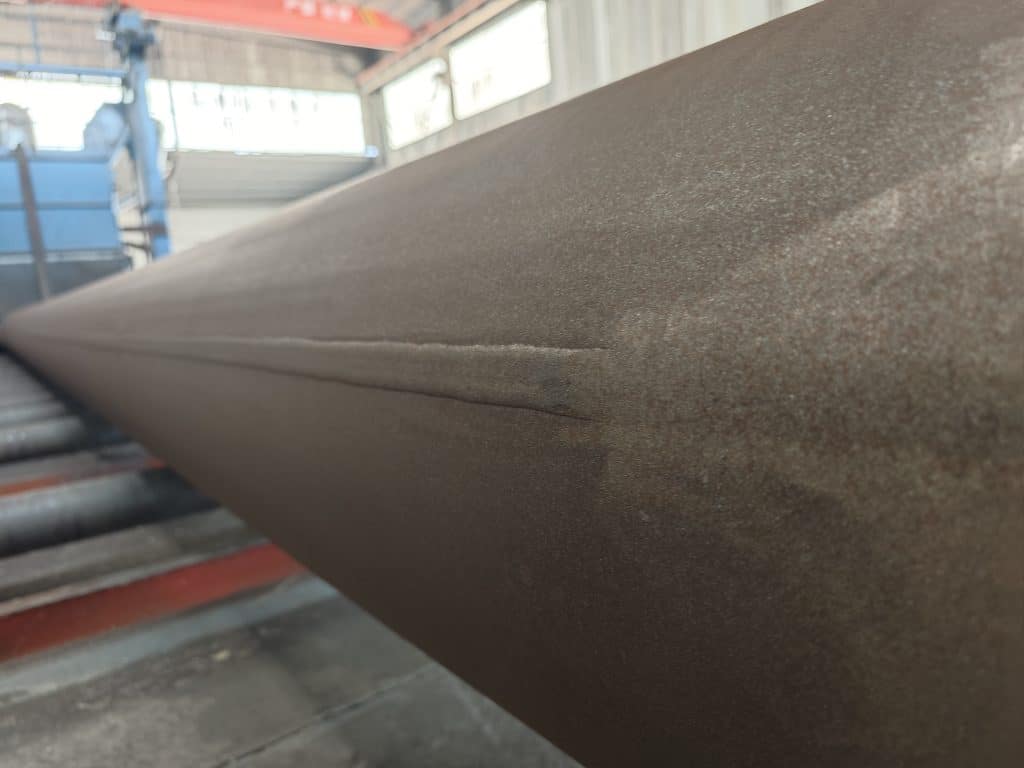
Typical welding defects include hydrogen-assisted cracking, porosity, lack of fusion, distortion and burn-through in thin walls. Moisture, unsuitable consumable storage, inadequate shielding, poor fit-up and inappropriate heat input can contribute to these defects. Keep joint surfaces clean, store consumables correctly, control restraint and heat input, and inspect welds according to the project requirements. Mill-seam quality and traceability should be verified separately from site-fabricated joints.
S235JR vs Other Structural Steel Pipe Options
Compare the complete product designation rather than the nominal strength alone. The table summarizes commonly specified structural hollow section grades; confirm mechanical properties, thickness limits and impact requirements against the applicable standard edition.
| Grade | Minimum yield | 27 J impact test | Typical fit |
| S235JRH | 235 MPa | +20 °C | General frames and supports |
| S275J0H | 275 MPa | 0 °C | Moderate loads |
| S355J2H | 355 MPa | −20 °C | Higher loads, colder service |
| S420MH | 420 MPa | See standard | Highest strength |
Higher-strength grades such as S355J2H may allow a smaller section where structural design permits, but weldability and preheat requirements must be assessed using actual composition and fabrication conditions. ASTM A500 structural tubing is a separate product standard and is not automatically interchangeable with EN 10219 hollow sections. Similarly, EN 10210 hot-finished and EN 10219 cold-formed sections differ in manufacturing requirements; substitution requires engineering approval.
Corrosion Protection After Welding
Welding can remove or damage protective coatings near the joint. Before painting or galvanizing, remove slag, spatter, oil, rust and moisture, especially at weld toes and cut ends. The appropriate coating system depends on the exposure environment and specified service life. Steel chemistry, including silicon and phosphorus, can affect hot-dip galvanizing behavior. Confirm coating requirements at the purchasing stage and repair coating damage after welding according to the approved specification.
Buying EN 10219 S235JRH Circular Hollow Sections: Quality Checks and Supplier Selection
Supplier and Quality Checklist
A complete request for quotation helps suppliers verify the correct product and provide a comparable offer. Buyers should confirm the following items:
- Standard and grade: State EN 10219-1 and EN 10219-2, the exact grade such as S235JRH, outside diameter, wall thickness, length, tolerances, quantity, packing, marking, and destination, so the supplier quotes the product you need and not a near match.
- Certificates: Ask for an EN 10204 3.1 certificate showing chemical results, mechanical results, impact values, and heat number, plus ISO 9001 certification and, for CE-marked projects, the factory production control certificate.
- Weld seam proof: Request seam testing records, such as ultrasonic or eddy current testing, and dimensional reports covering straightness (0.20% of length), out-of-roundness, and wall thickness consistency.
- Total landed cost: Compare quotes on freight, packaging, customs documents, lead time, and rejection risk, not only price per tonne.
Choosing the Right Round Hollow Section
For circular hollow sections, selection requires more than outside diameter, wall thickness and length. The engineer should also assess grade, design loads, buckling resistance, connections, tolerances, end preparation, corrosion exposure and fabrication requirements. Circular sections can be suitable for columns, braces and trusses, but their suitability must be established by structural design.
Why LONGMA: Traceability, Inspection, and Delivery
It has been making ERW and LSAW steel pipes since 2003. Every year, our 230,000-square-meter plant makes more than 500,000 tons of steel pipe with the help of more than 60 senior technical staff. You can keep track of the raw materials, the batch number, the product number, and the heat number through each pipe. These professionals keep track of every order, from buying the steel plates to delivering them. They also keep track of all the tests and inspections that need to be done. In as little as seven days, some stock pipes can be sent out. Standard sizes take thirty days, and custom items take forty-five days. We’ve worked with SINOPEC, CNPC, and PEMEX, among others. EN 10204 3.1 certifies our EN 10219 products, and ISO 9001 makes sure they are of high quality.
Conclusion
S235JR is generally weldable, while S235JRH is the appropriate EN 10219-1 designation for the corresponding cold-formed structural hollow section. Low carbon content supports weldability, but the actual CEV, thickness, restraint, consumables and welding procedure determine the necessary precautions. Select the welding process and any preheat on the basis of the joint and applicable procedure. Confirm material certification, dimensions and traceability before fabrication.
FAQ
Is S235JR easier to weld than S355?
S235JRH may be easier to weld in comparable conditions because its permitted carbon equivalent can be lower than that of higher-strength grades. However, actual chemistry, thickness and joint restraint matter more than the grade name alone.
Can I weld EN 10219 S235JRH circular hollow section without preheating?
Some joints can be welded without preheat when the qualified procedure allows it. Check actual CEV, wall thickness, restraint, ambient conditions and hydrogen control before making that decision.
Are S235JR and S235JRH the same?
No. S235JR is designated under EN 10025-2; S235JRH is designated under EN 10219-1 for structural hollow sections. They have different product requirements and should not be interchanged without approval.
Which welding process is best for round tube?
MAG welding is commonly used in shop fabrication. MMA is practical for site work, TIG for controlled or thin-wall joints, and submerged arc welding for suitable mechanized applications. The qualified procedure determines the final choice.
Request a Quote for EN 10219 S235JRH Circular Hollow Sections from LONGMA
LONGMA supplies circular ERW and LSAW steel pipes. For an enquiry about EN 10219 S235JRH circular hollow sections, email info@ilongma.com with the grade, outside diameter, wall thickness, length, quantity, end condition and surface treatment. The team can confirm the applicable product specification, documentation and quotation. Visit www.ilongma.com for further information.