- 1. ASME B36.10M for Carbon Steel Pipe Dimensions
- 2. ASME SA-106 Carbon Steel Pipe
- 3. ASME SA-53 Carbon Steel Pipe
- 4. ASME B31 Piping Codes
- 5. ASME, ASTM and API: What Is the Difference?
- 6. How to Specify Carbon Steel Pipe Correctly
- 7. Inspection and Material Documentation
- 8. ASME Carbon Steel Pipe for Industrial Applications
- 9. Conclusion
- 10. Frequently Asked Questions
There is no single ASME standard that covers every requirement for carbon steel pipe. Different ASME standards and codes address different aspects of pipe dimensions, materials, design, fabrication, examination, and application.
For carbon steel pipe used in industrial piping and related systems, commonly referenced documents include ASME B36.10M for dimensions, ASME BPVC Section II for material specifications used within the Boiler and Pressure Vessel Code, and the applicable ASME B31 piping code for system design. The correct combination depends on the service, application, material specification, and project requirements.
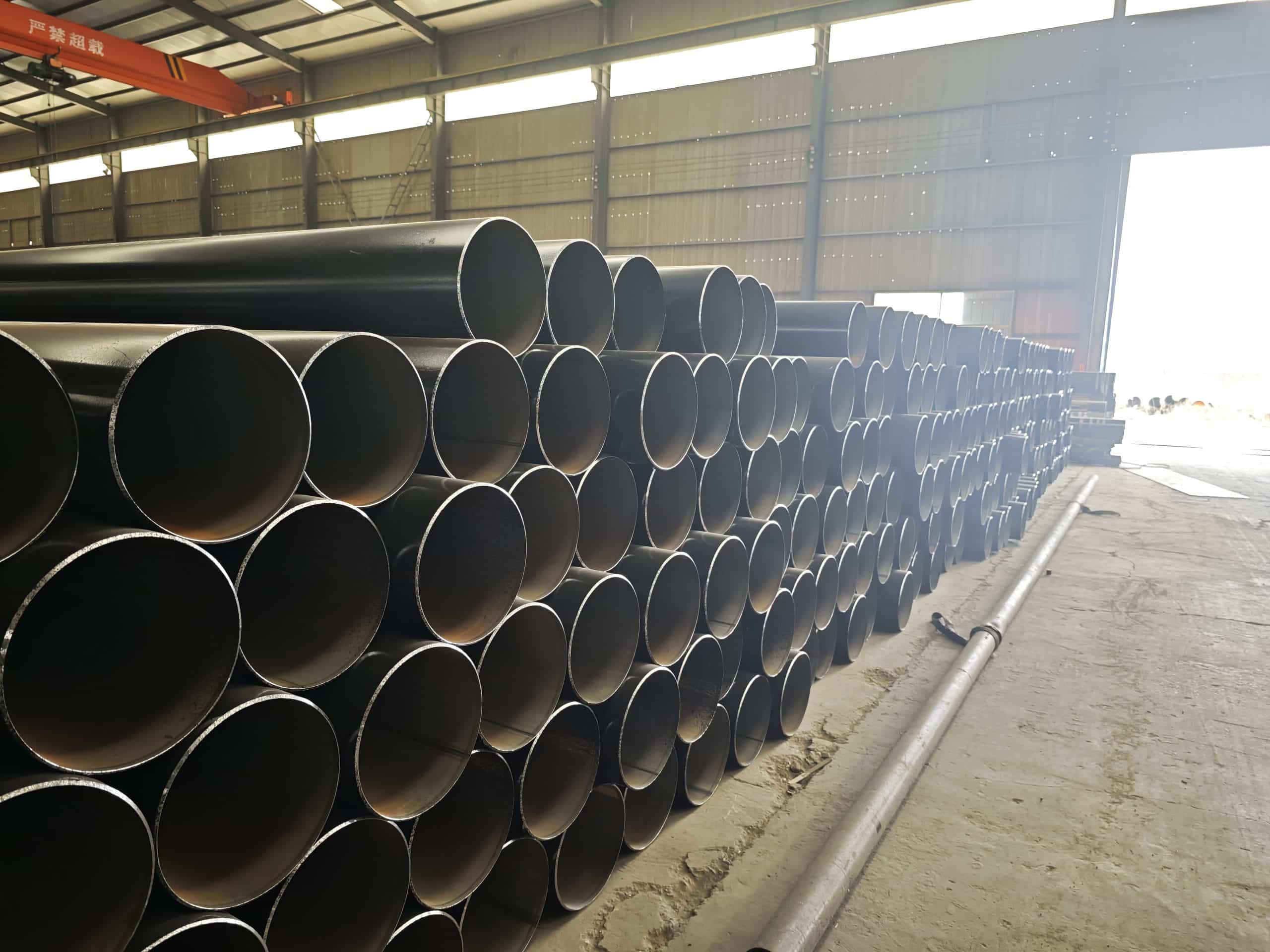
ASME B36.10M for Carbon Steel Pipe Dimensions
ASME B36.10M, Welded and Seamless Wrought Steel Pipe, establishes dimensions for welded and seamless wrought steel pipe used at high or low temperatures and pressures. It provides the dimensional language commonly used to specify pipe size, including nominal pipe size (NPS) and wall thickness designations.
Pipe specifications may therefore contain designations such as:
- NPS 2
- NPS 4
- NPS 8
- Schedule 40
- Schedule 80
- Schedule 160
The applicable outside diameter and wall thickness should be taken from the relevant dimensional standard rather than estimated from the nominal size designation.
ASME B36.10M should not, however, be treated as a material specification. It defines dimensions, while the applicable material specification establishes chemical composition, mechanical properties, manufacturing requirements, and testing.
ASME SA-106 Carbon Steel Pipe
ASME SA-106 is associated with seamless carbon steel pipe for high-temperature service. The specification includes Grades A, B, and C.
The selection of a grade depends on the design requirements and applicable code. Grade B is widely encountered in industrial piping applications, but the correct grade must be established from the project specification rather than selected solely because it is commonly used.
The material specification and the piping design code serve different purposes. A material designation such as SA-106 Grade B identifies the material requirements, while an applicable ASME B31 code establishes design and construction requirements for the piping system.
ASME SA-53 Carbon Steel Pipe
ASME SA-53 covers welded and seamless steel pipe for applications specified by the material standard. It is used for products in which the applicable specification calls for the requirements of SA-53.
As with SA-106, the material designation does not by itself determine whether the pipe is suitable for a particular service. The purchaser should confirm the applicable design code, pressure and temperature conditions, pipe dimensions, manufacturing method, and inspection requirements.
ASME B31 Piping Codes
ASME B31 codes address the design and construction of piping systems for different applications.
Depending on the project, relevant codes may include:
| ASME Code | Application |
| ASME B31.1 | Power piping |
| ASME B31.3 | Process piping |
| ASME B31.4 | Pipeline transportation systems for liquids and slurries |
| ASME B31.8 | Gas transmission and distribution piping systems |
The applicable B31 code should be selected according to the piping system and service. It should not be assumed that one B31 code applies to every carbon steel pipe installation.
The distinction between the pipe material specification and the system design code is important. For example, a project may specify a particular carbon steel pipe material while also requiring compliance with a specific ASME B31 design code.
ASME, ASTM and API: What Is the Difference?
Carbon steel pipe specifications frequently involve more than one standards organization. ASME, ASTM, and API documents should therefore be identified according to their individual functions.
ASME publishes codes and standards covering areas such as piping design, dimensions, pressure equipment, materials, welding qualifications, and examination.
ASTM publishes material and product specifications. Some ASTM material specifications are adopted in the ASME Boiler and Pressure Vessel Code with the corresponding SA designation.
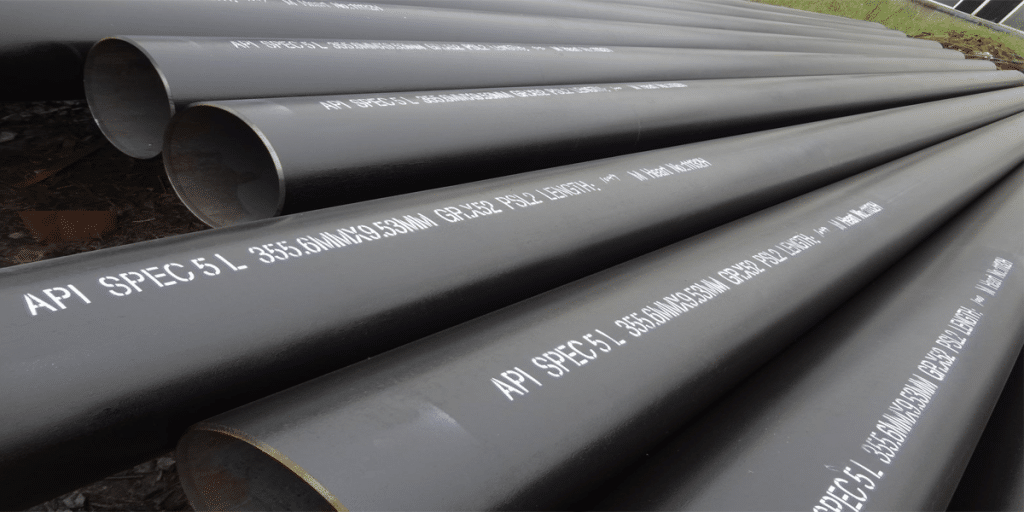
API publishes standards for oil and gas equipment and materials. API 5L, for example, specifies requirements for line pipe used in pipeline transportation systems.
These documents are related in engineering practice but are not interchangeable. A project specification may require several of them at the same time.
How to Specify Carbon Steel Pipe Correctly
A carbon steel pipe purchase order should contain enough information to identify the required product without ambiguity.
Important items may include:
- Applicable product or material specification
- Grade
- Manufacturing process
- Nominal pipe size
- Wall thickness or schedule
- Pipe length
- End preparation
- Testing requirements
- Inspection requirements
- Material certification and traceability requirements
- Coating or lining requirements where applicable
- Applicable design or project code
For example, an order for a carbon steel pipe should not simply state “ASME carbon steel pipe.” The specification should identify the actual material standard and dimensions, together with the project requirements that apply to the finished piping system.
Inspection and Material Documentation
The required inspection and documentation depend on the applicable material standard and project specification.
Typical documentation may include:
- Material test certificates
- Heat number and product traceability
- Chemical analysis
- Tensile test results
- Required mechanical test results
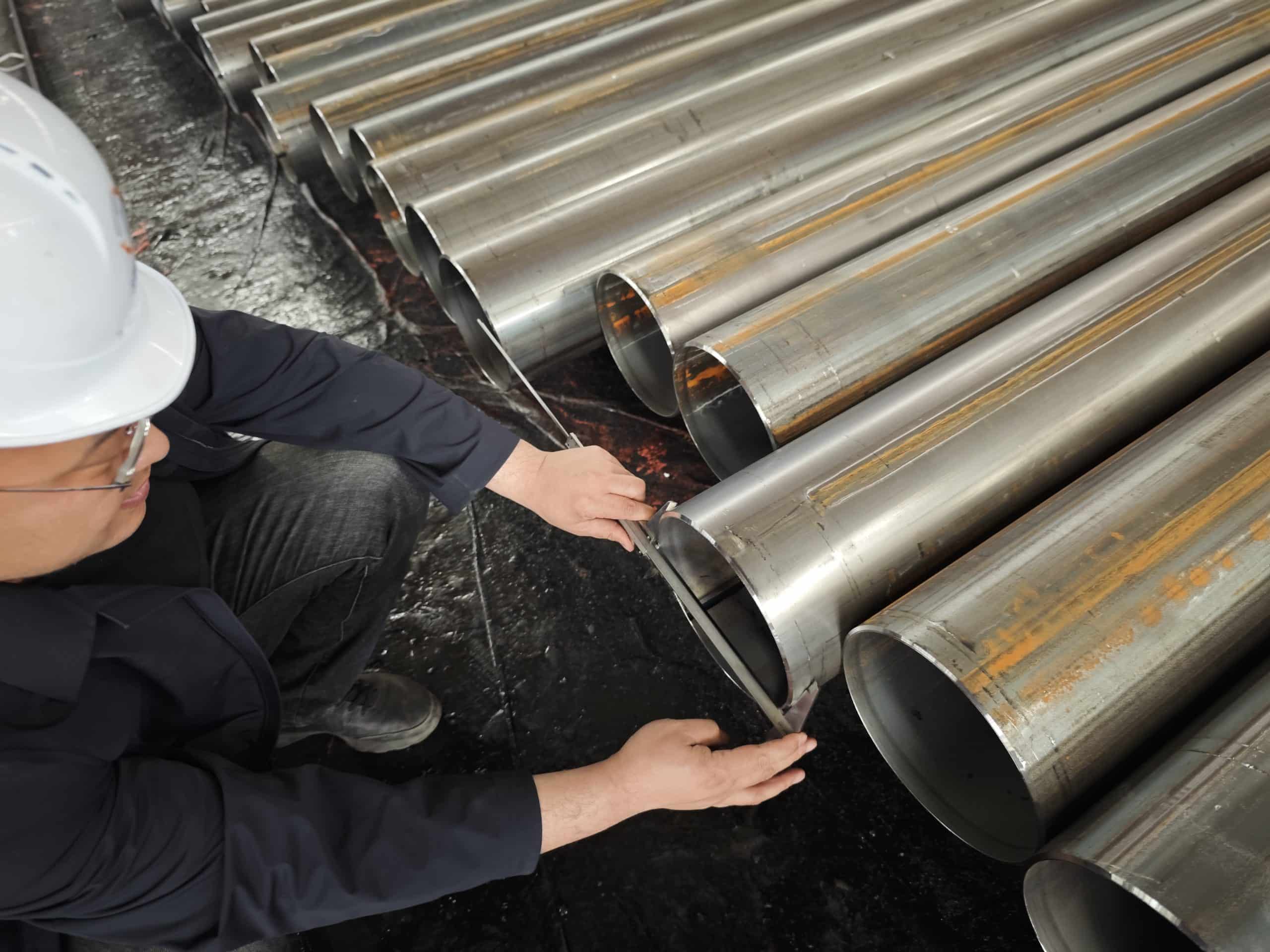
- Dimensional inspection records
- Hydrostatic or other specified test records
- Non-destructive examination records where required
- Third-party inspection documentation where specified
EN 10204 defines types of inspection documents for metallic products. If an EN 10204 3.1 or 3.2 document is required, the purchaser should specify this requirement in the purchase documentation.
Inspection requirements should not be assumed solely from the phrase “ASME compliant.” The applicable product specification and project specification should be reviewed to determine which tests and documents are required.
ASME Carbon Steel Pipe for Industrial Applications
Carbon steel pipe is used in many industrial piping systems, including power, process, utility, and pipeline applications. The appropriate pipe material and dimensions depend on the operating conditions and the applicable design code.
For high-temperature service, a material specification such as ASME SA-106 may be considered where the project requirements call for it. For other general-purpose applications, SA-53 or another specified material may be appropriate. For pipeline transportation, API 5L may be specified instead of an ASME material specification.
The final selection should be based on design pressure, design temperature, fluid service, corrosion considerations, pipe dimensions, material requirements, and the governing project code.
Conclusion
The phrase “ASME standard for carbon steel pipe” refers to a group of standards and codes rather than one universal pipe standard.
ASME B36.10M addresses the dimensions of welded and seamless wrought steel pipe. ASME material specifications such as SA-106 and SA-53 define requirements for particular carbon steel pipe products. ASME B31 codes address the design and construction of specific piping systems, while other ASME BPVC sections may apply to pressure equipment and related requirements.
Correct pipe selection therefore requires the material specification, dimensions, manufacturing method, testing, documentation, and applicable design code to be considered together.
LONGMA has more than 20 years of steel pipe manufacturing experience and produces round ERW and LSAW steel pipe. With a factory area of approximately 230,000 m² and annual output exceeding 500,000 tons, LONGMA supports carbon steel pipe requirements for international industrial and infrastructure projects. For material specifications, dimensions, testing requirements, and project-specific inquiries, contact info@ilongma.com.
Frequently Asked Questions
Is ASME B36.10M a material standard?
No. ASME B36.10M is a dimensional standard for welded and seamless wrought steel pipe. The applicable material specification must be identified separately.
What is ASME SA-106 used for?
ASME SA-106 specifies seamless carbon steel pipe for high-temperature service. The applicable grade and pipe dimensions should be selected according to the project requirements.
Is API 5L an ASME standard?
No. API 5L is an API product specification for line pipe. It may be used together with an applicable piping design code, but it is not an ASME standard.
Does ASME B31.3 specify the pipe material?
ASME B31.3 is a process piping code. The pipe material must be selected from the materials permitted by the applicable project and code requirements rather than assuming that every carbon steel pipe is suitable.